Why This Fails Locally
Start with the number that actually changes the conversation
Bigfork's median household income is $82,648, well above the $71,110 average across the rest of our service area. That matters more than it sounds like it should, because a broken spring call almost always turns into a second question - fix it or replace the door - and income is the quiet variable behind that answer. At Bigfork's level, a spring job that uncovers a cracked bottom panel or a worn opener board usually tips toward replacing the whole door rather than patching it twice over two years.
The housing stock backs this up
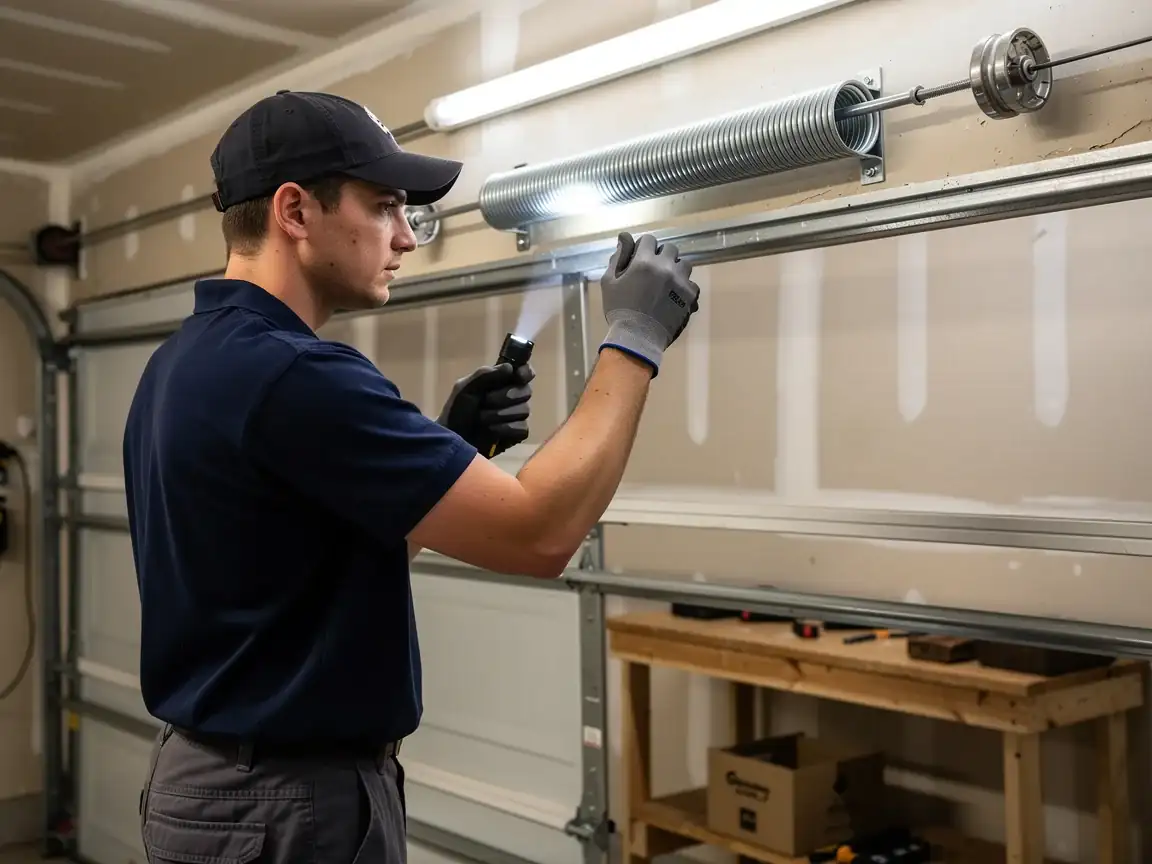
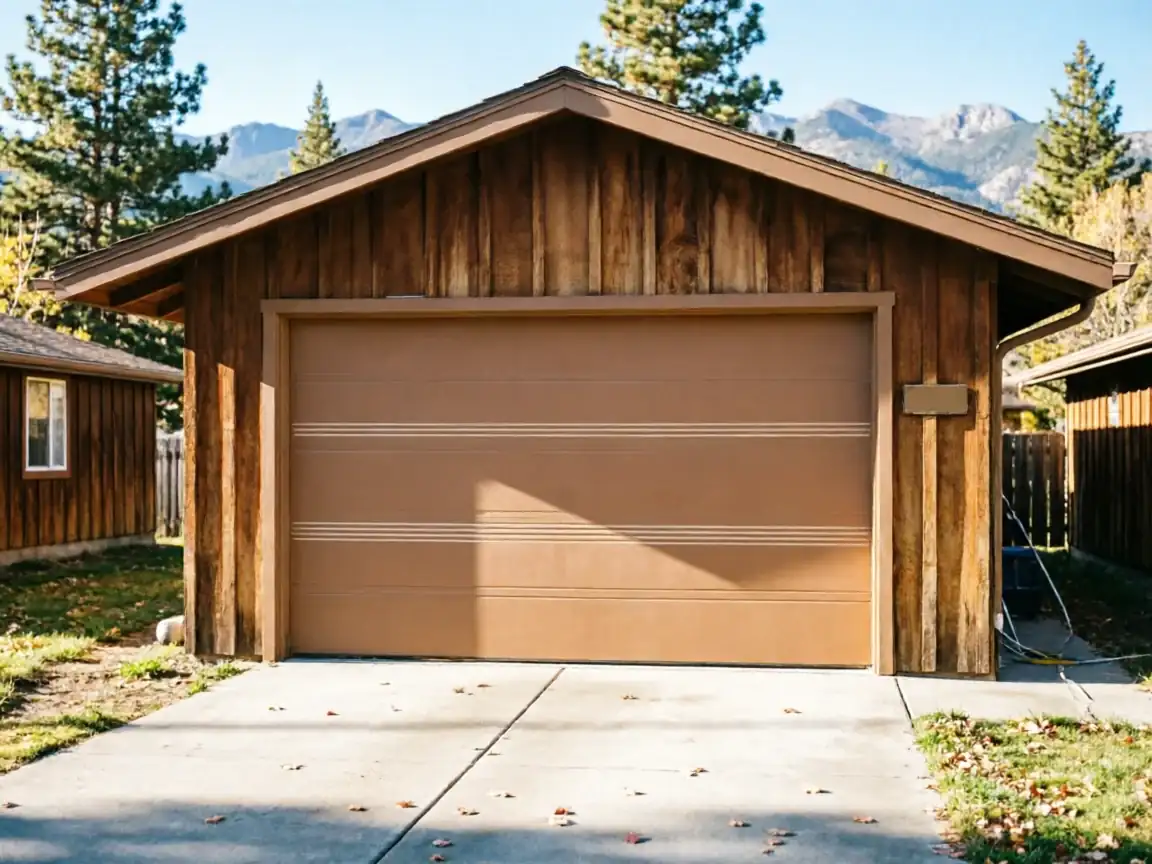
Most houses in Bigfork went up around 1994, about six years newer than the service area's overall median build year of 1988. Newer doesn't mean immune - it means a different generation of torsion hardware, usually a single center spring rated for a specific door weight that was correct in 1994 and is often wrong after an owner has swapped in a heavier insulated door since. Add the cold-climate strain this region puts on steel - repeated contraction and expansion through hard winters - and a 30-year-old spring on a newer door is exactly the kind of failure we get called out for.
The Symptom
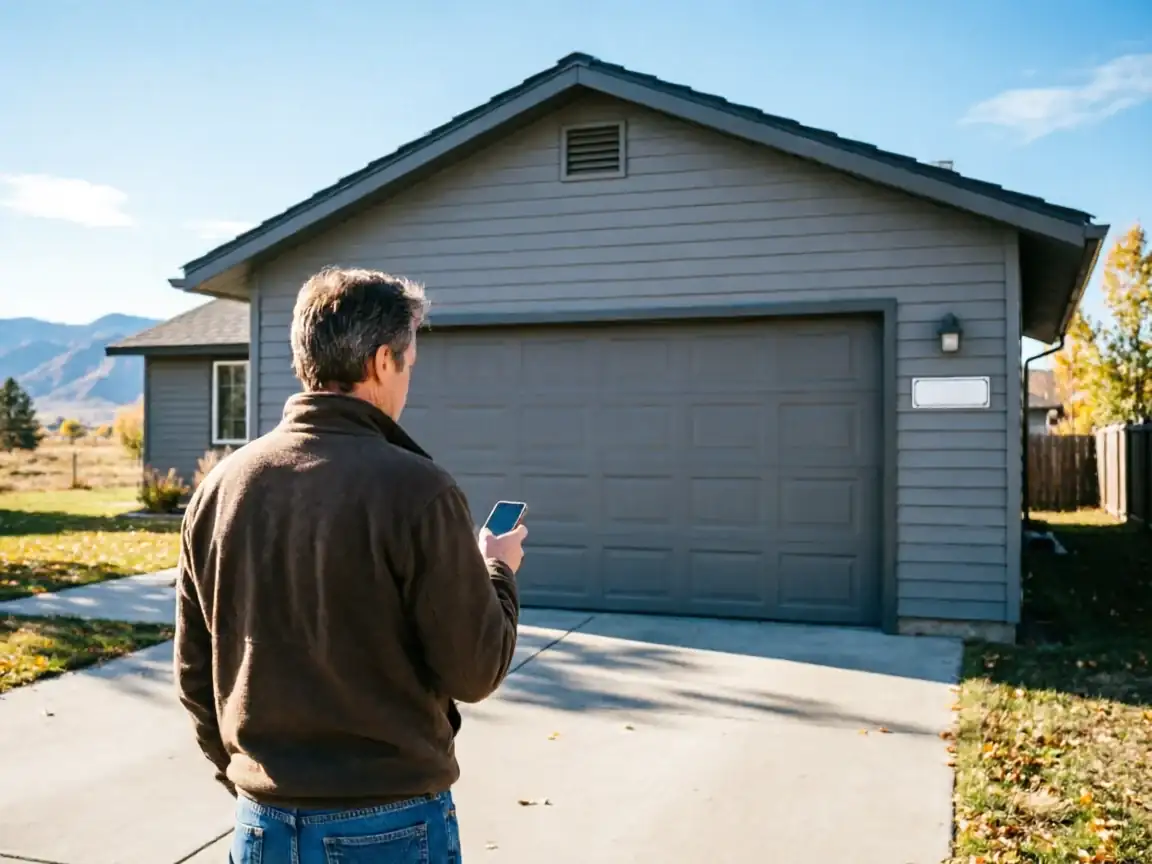
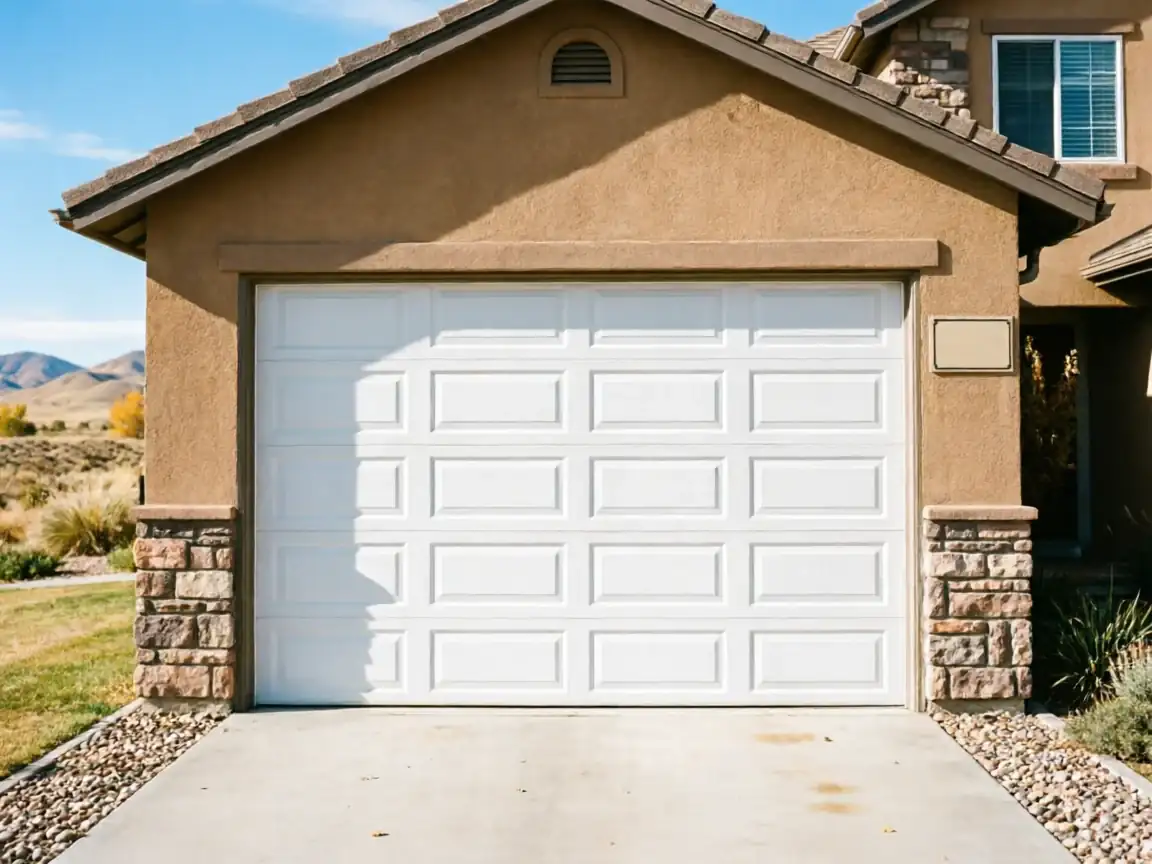
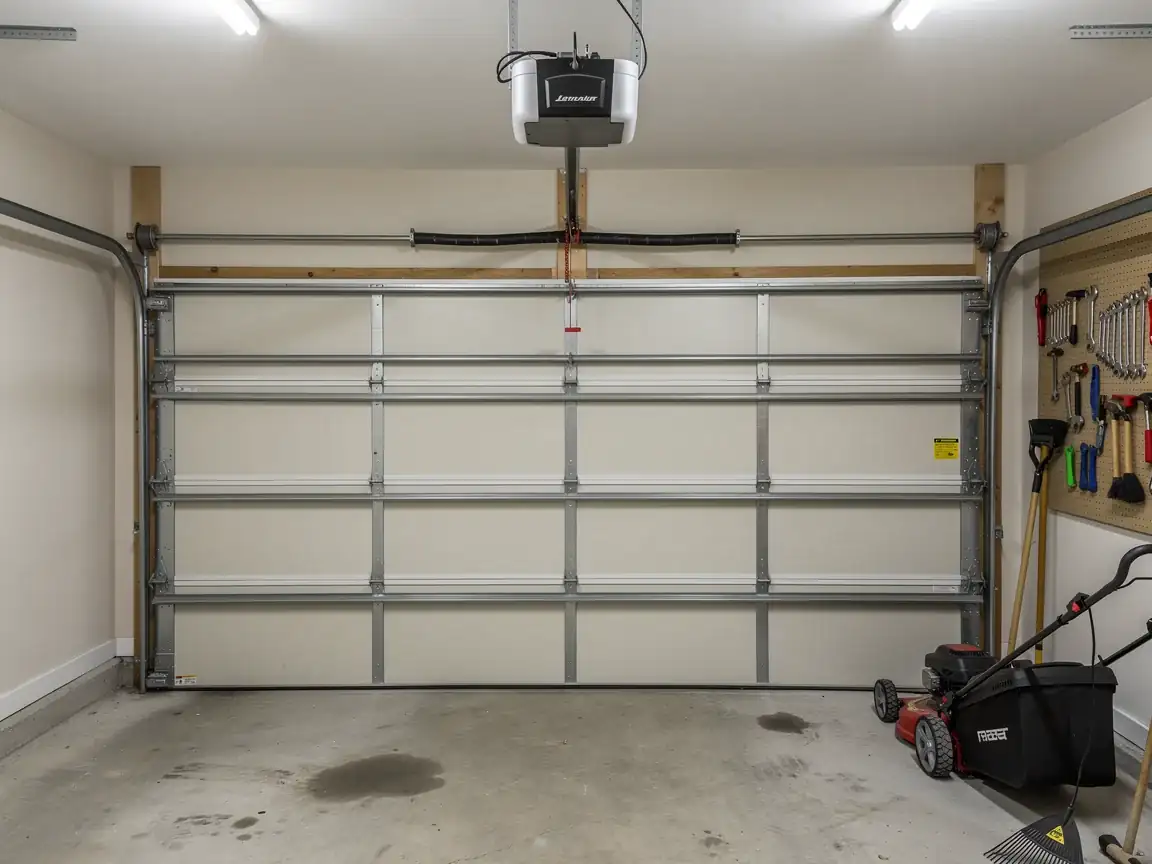
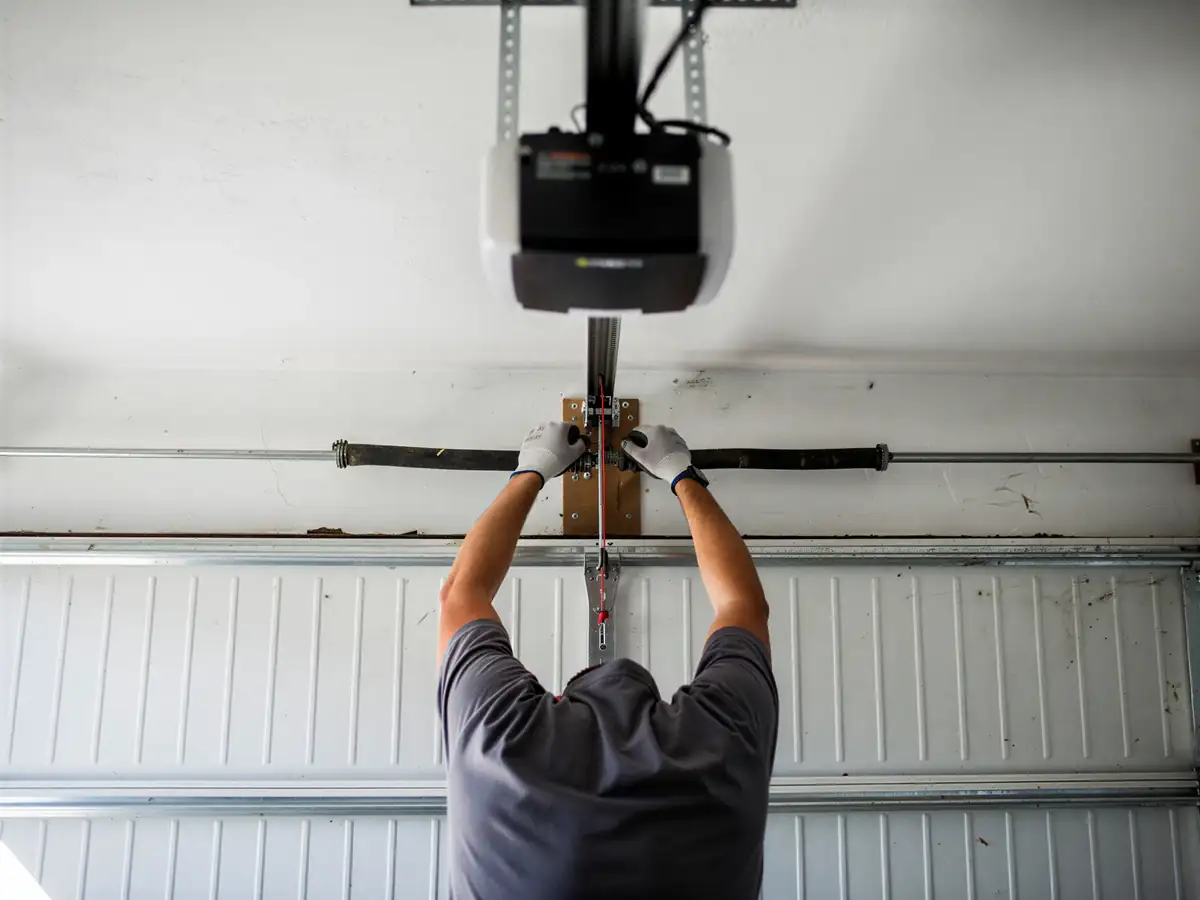
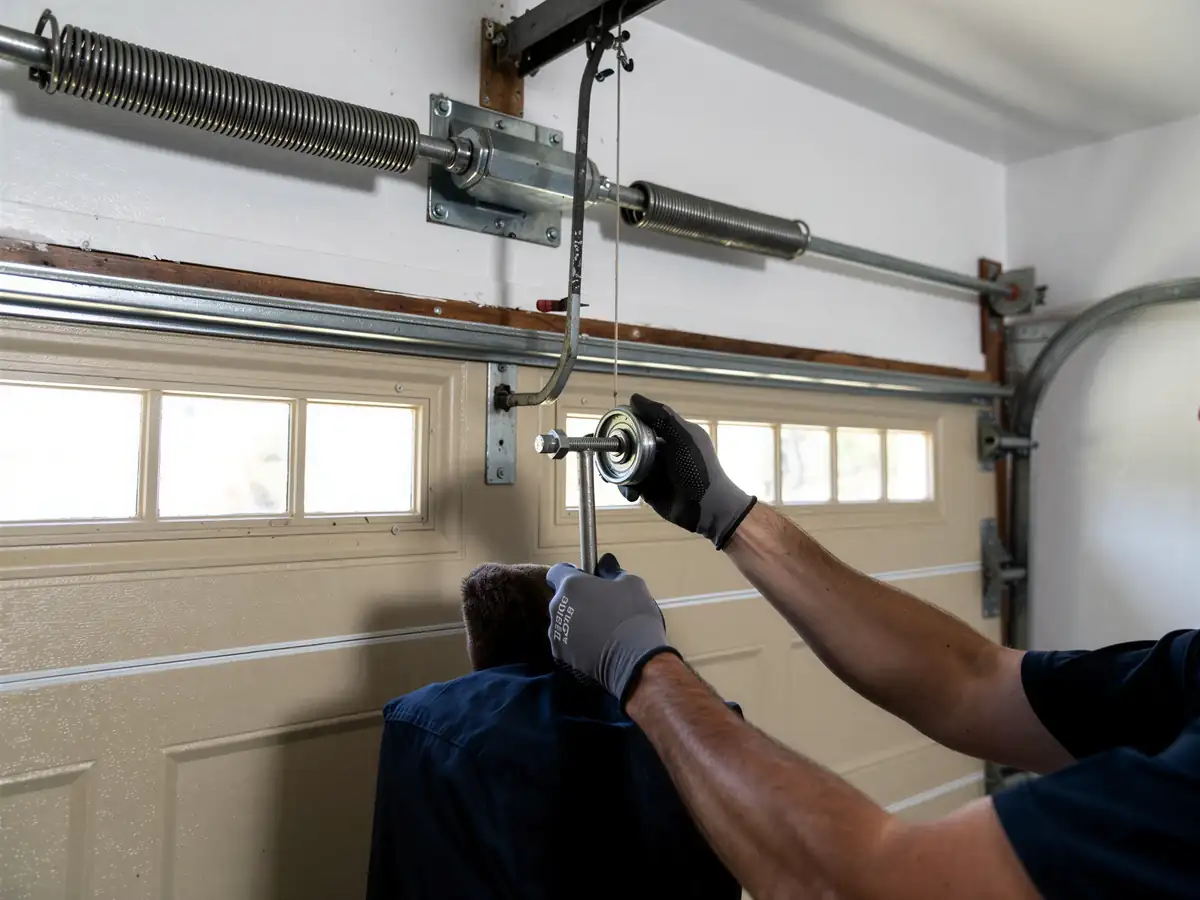
The call usually sounds the same: the door was fine yesterday, and today it won't lift, or it lifts six inches and stops, or there's a loud bang from the garage followed by a door that goes dead. On the 1990s-era double doors common in Bigfork, that bang is almost always a torsion spring letting go on its winding cone - the metal fatigues after thousands of cycles and finally snaps, usually in cold weather when the steel is already stiff.
Sometimes it's quieter: the opener strains, chains or grinds, and the door feels heavier than it used to by hand. That's a spring losing tension gradually rather than snapping outright, and it's worse for the opener motor and gears, which end up doing a spring's job on top of their own. Either way, a door that won't move on a torsion system is not a job to force by hand - the cable and drum are still under load, and that's where people get hurt trying to muscle a door up.
How We Fix It
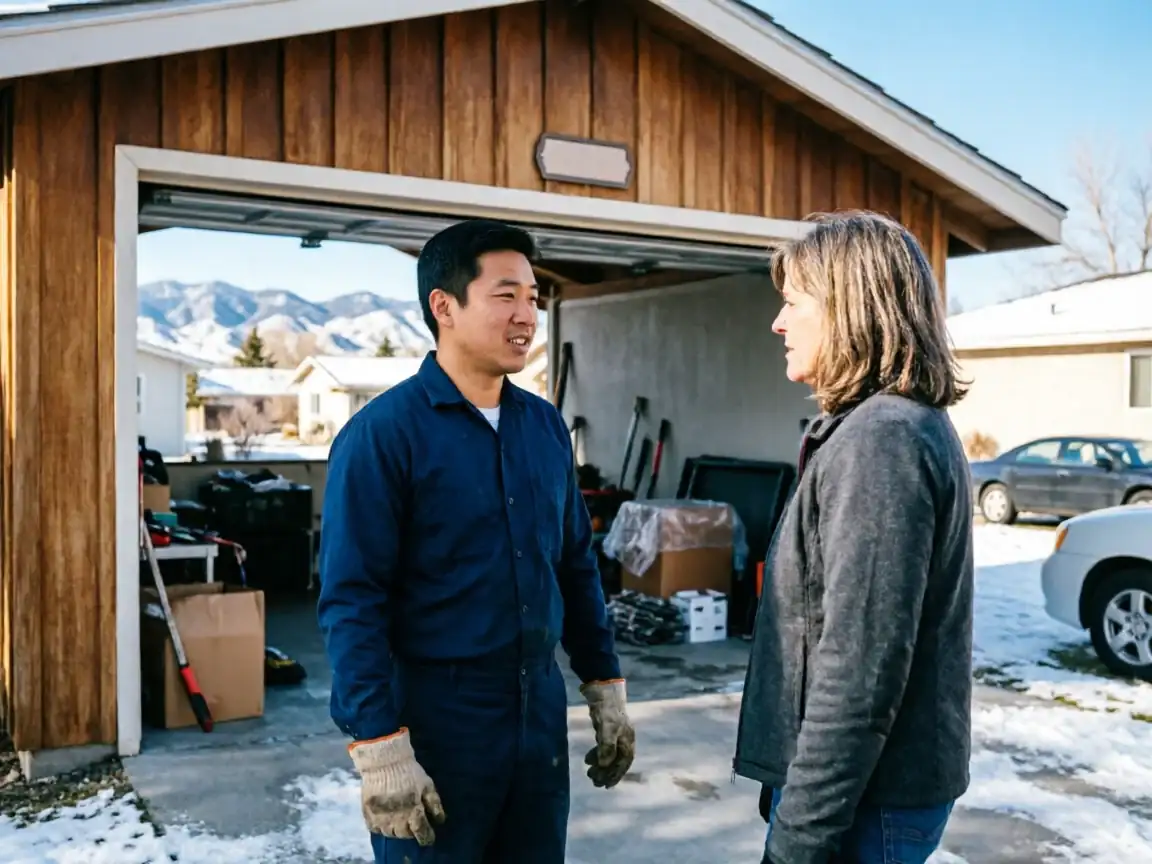
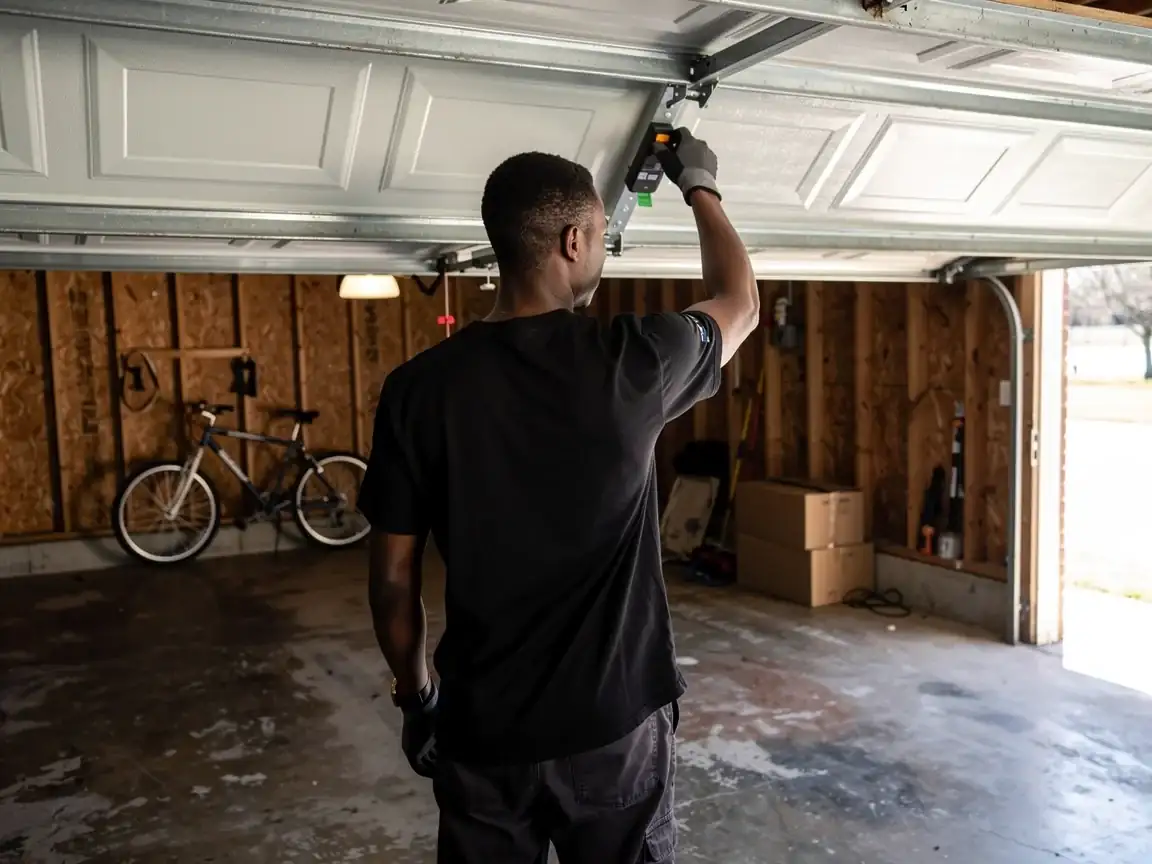
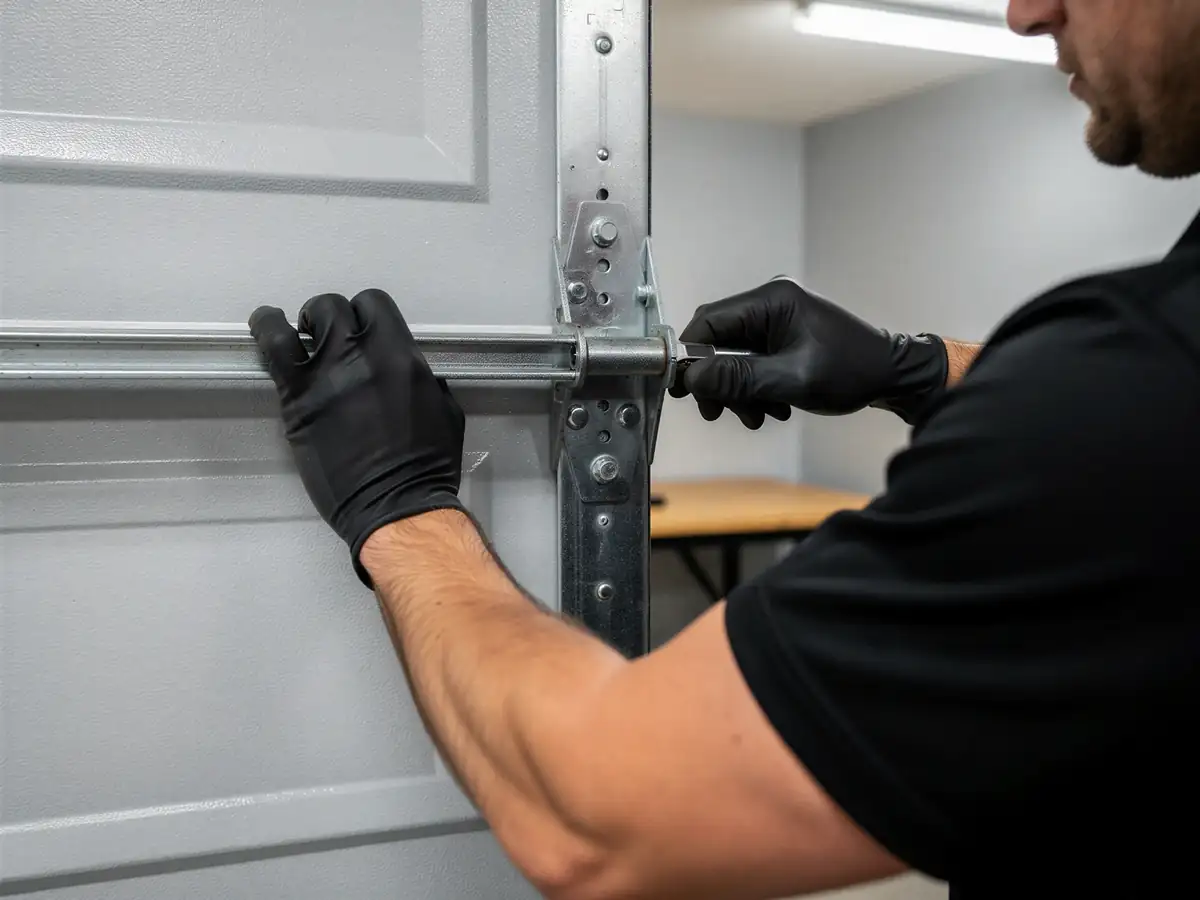
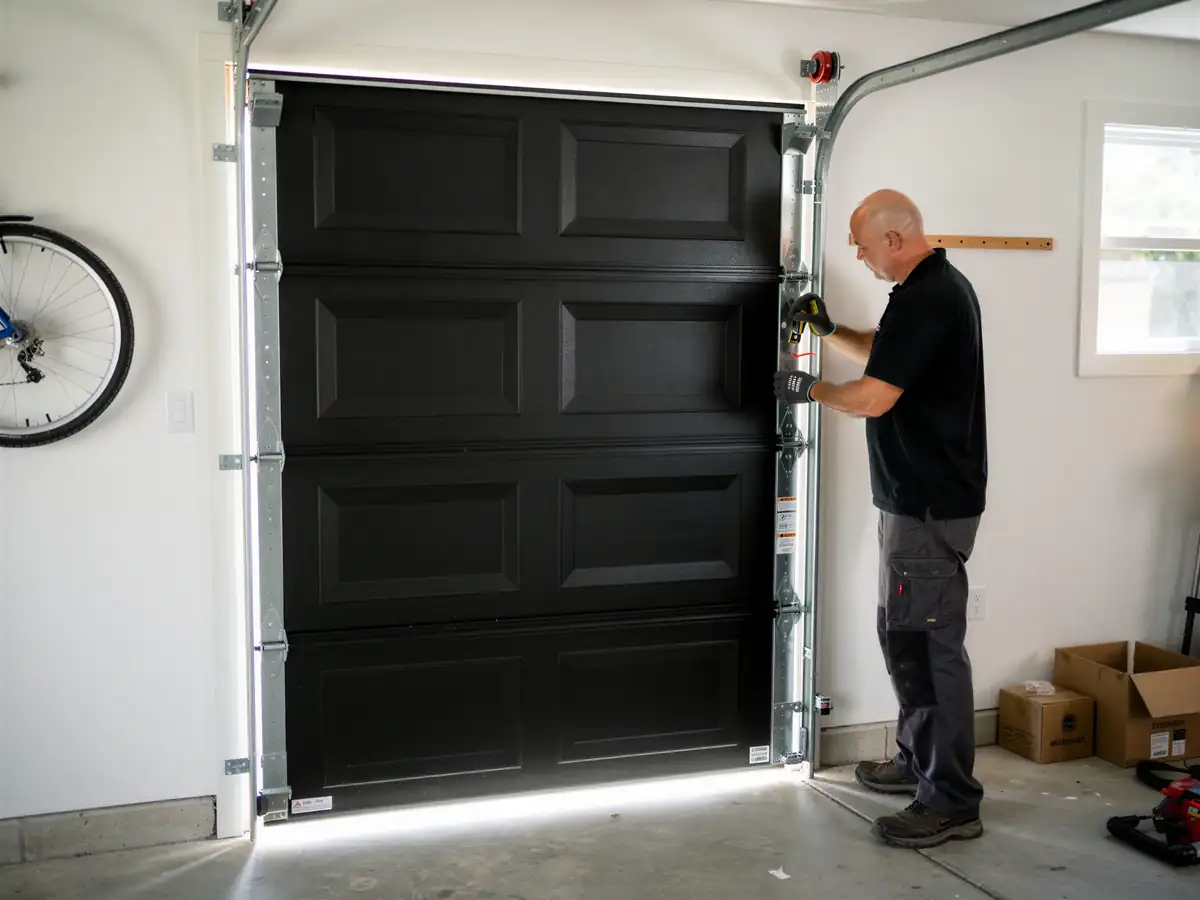
We drive the 16 miles out from Kalispell with the spring weight and wind already worked out from the door's size and the opener's lift type where we can confirm it over the phone, so the visit is diagnosis and install, not a guessing trip. We match the spring to the door as it sits today, not as it was built in 1994 - if a heavier door was swapped in since, the original single-spring setup gets re-rated or converted to a correct pair.
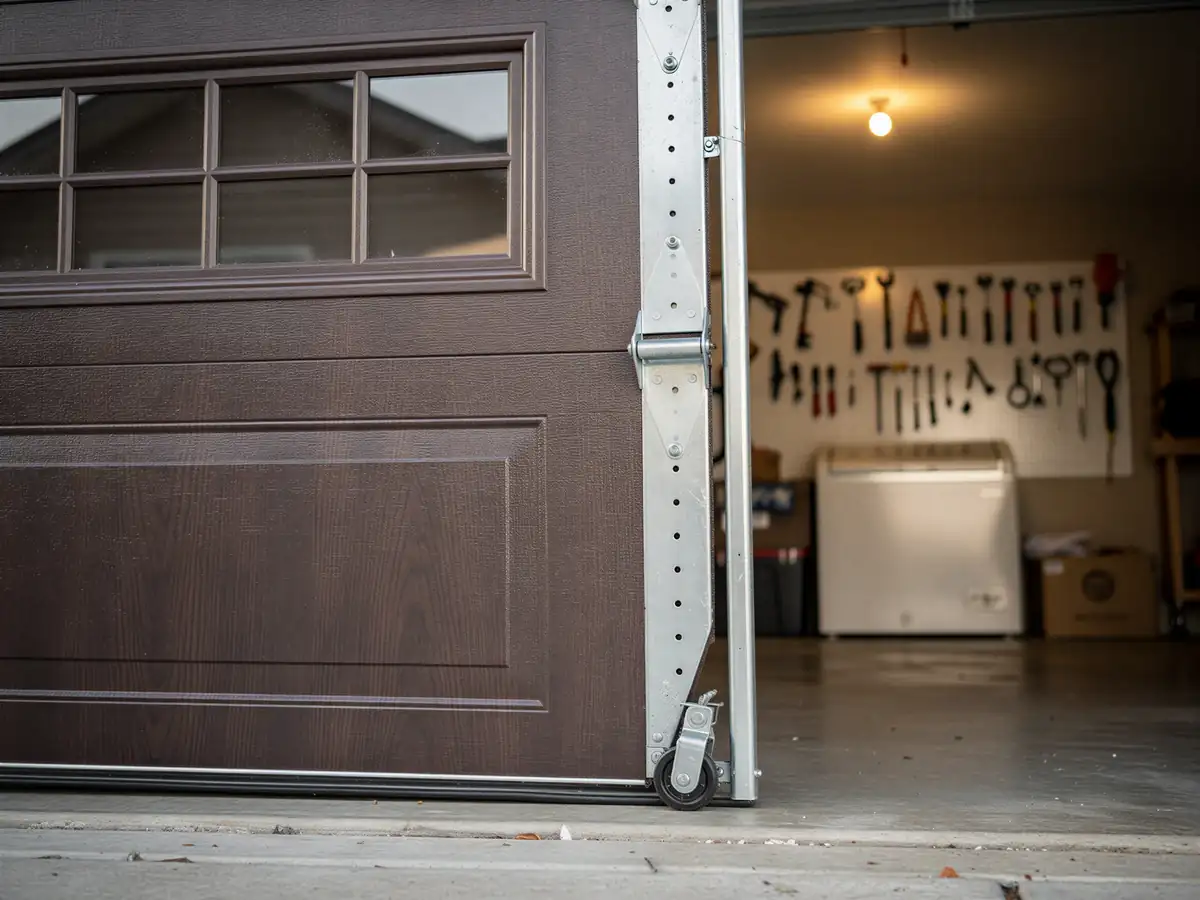
One honest limit here: if the drums, bearing plate, or shaft are also worn or bent from running a mismatched spring for years, that's a separate repair on top of the spring, and we'll tell you before we start rather than surprise you on the invoice. We don't force a spring swap onto hardware that's failing elsewhere just to close out one call - it comes back broken in a month and nobody's happy about it.
Stocked Parts
We carry the torsion spring sizes that match the door weights common to Bigfork's 1990s-era stock
Standard lift, single and double garage widths, in the wind and wire gauges that cover most of what went in during that build window. For houses with newer insulated doors replacing older ones, we also carry the heavier-rated springs that upgrade should have come with in the first place.
What we don't carry on the truck is anything custom-wound or sized for a door outside that common range
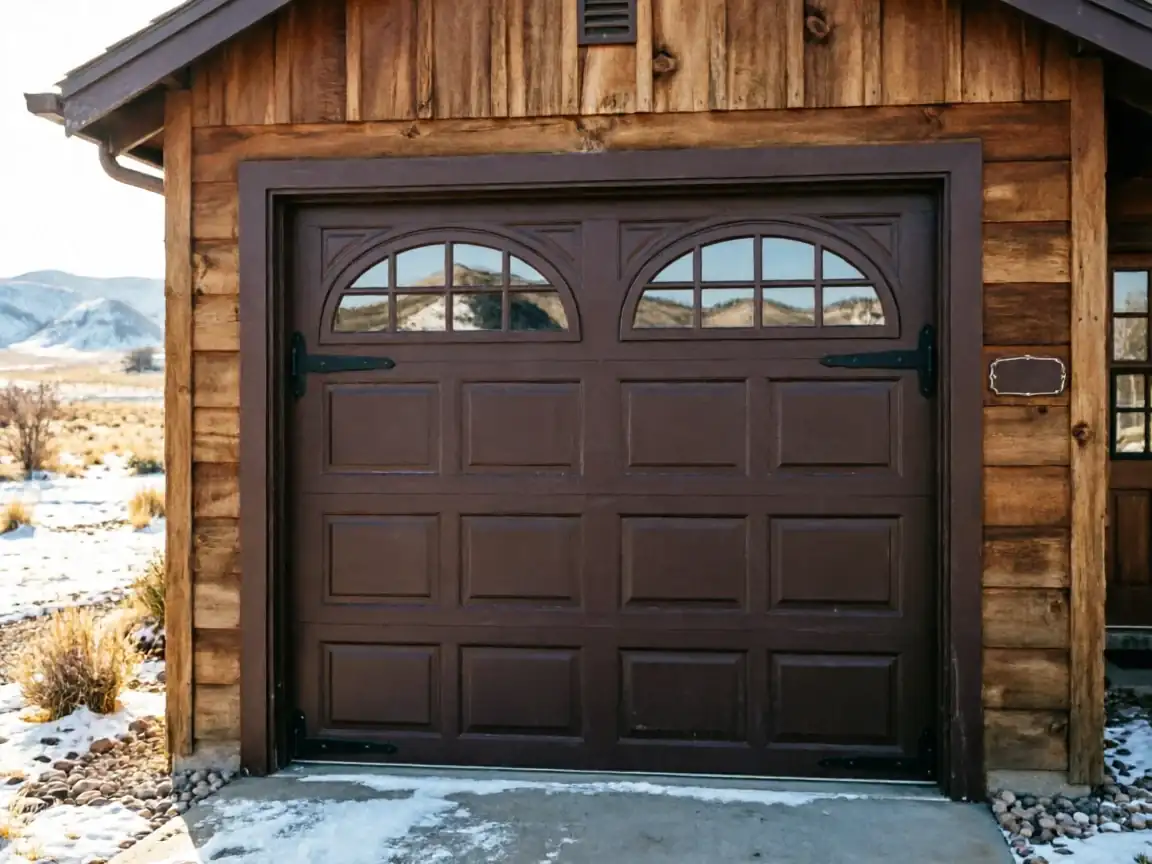
Older barn-style or oversized doors sometimes need a spring ordered in, and we'll tell you that up front rather than make you wait at the curb while we figure it out.