Where People Go Wrong
The most common mistake we see is treating every old door the same way
Either throwing money at a door that should've been replaced two years ago, or replacing a door that just needed a spring and a new set of rollers. Neither call is about age alone. A door built in 1985 and a door built in 2001 can both still be good, or both be done, depending on what's actually worn.
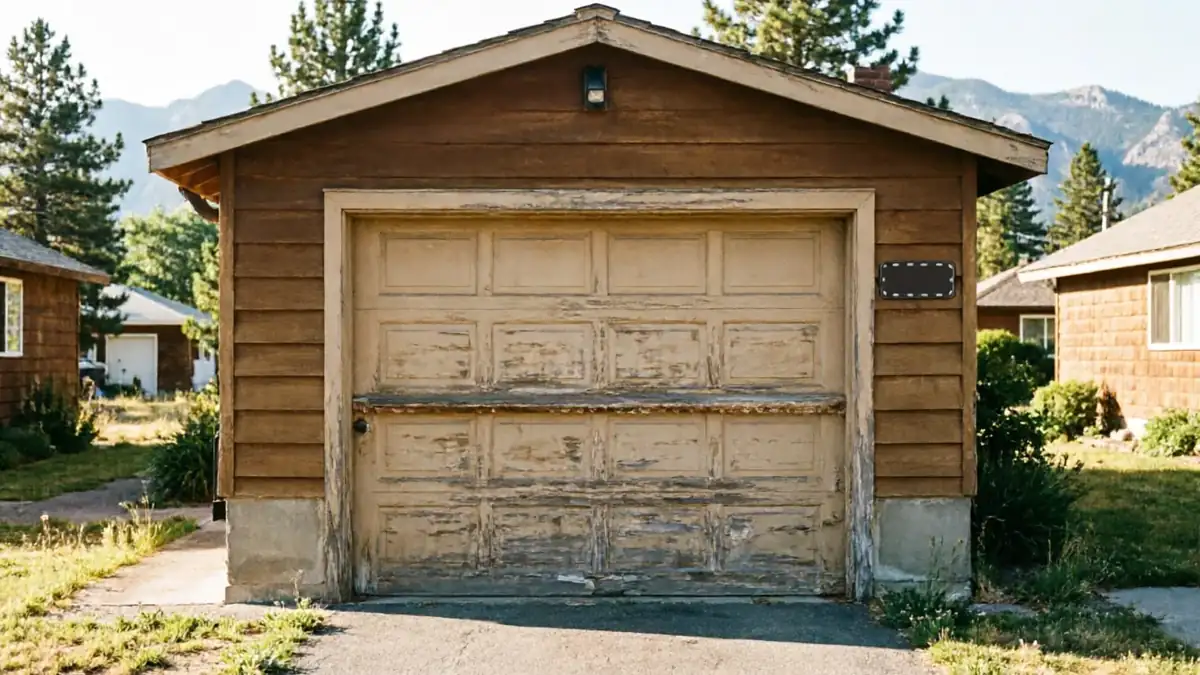
People also tend to judge a door by its face
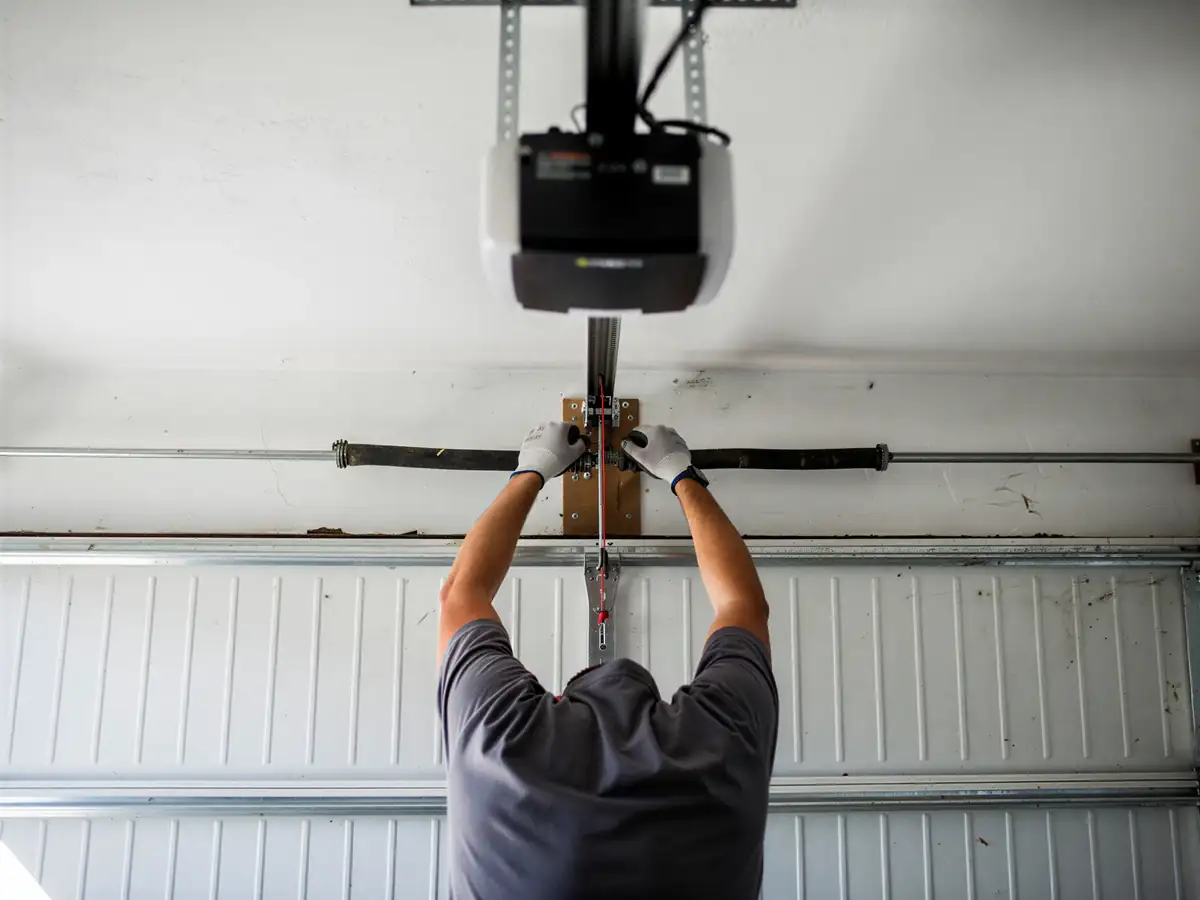
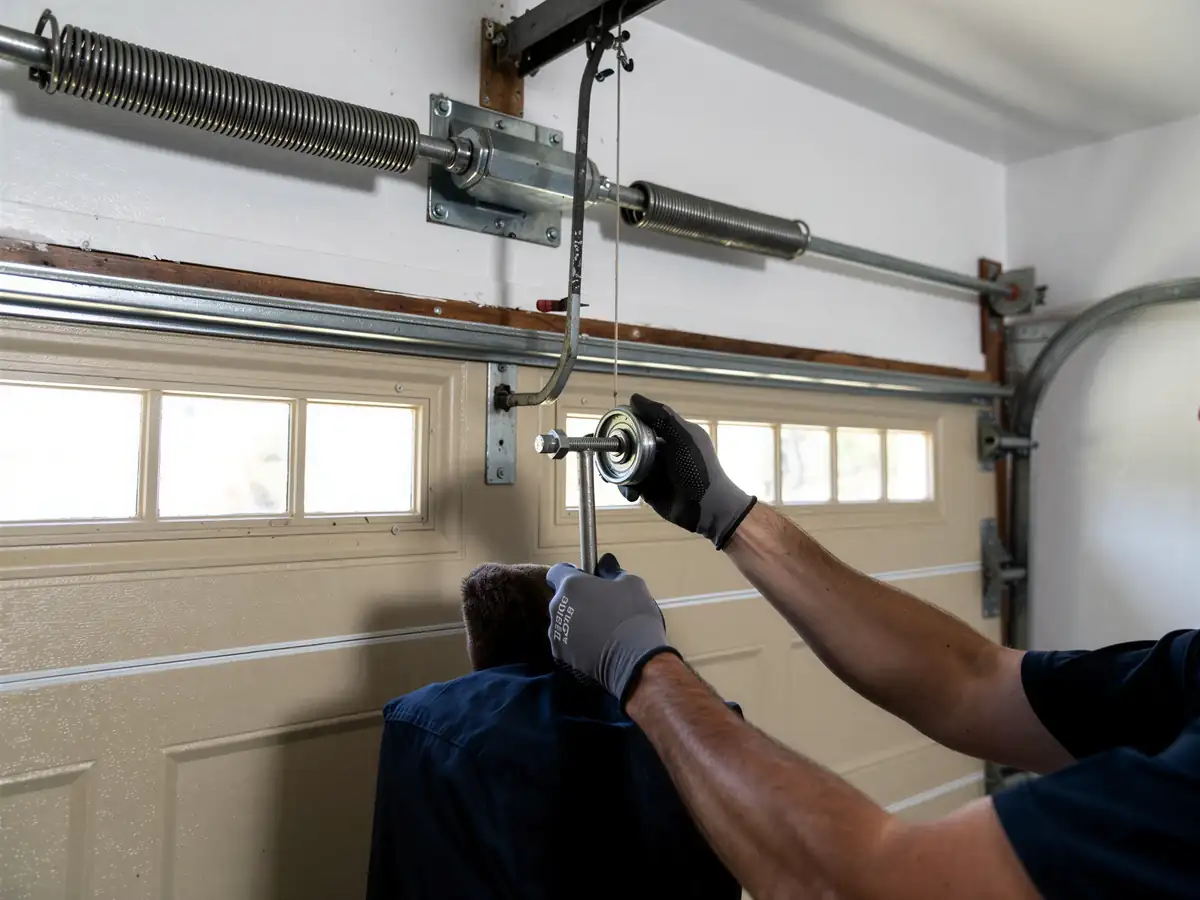
A dented panel looks bad but rarely means the door is failing. Meanwhile a door that looks fine from the driveway can have a torsion spring down to its last few hundred cycles, and that's the part that actually fails - usually without warning, usually when it's cold.
Houses in this area mostly went up between 1979 and 2003
Which puts the original garage door hardware at twenty to forty-five years old right now. That's the number that matters more than how the door looks. Springs, openers, and tracks all have a working life measured in cycles, not years, but houses built in that window are hitting the end of that life at roughly the same time - which is exactly why repair-versus-replace calls are so common right now and will keep being common for a while.
How Local Conditions Play In
Kalispell sits in a cold-severe climate band, and that changes what 'old' means for a garage door. Steel expands and contracts with temperature swings more than people expect, and a door that's lost its foam-core insulation over the decades doesn't just feel colder in the garage - it puts more strain on the spring and opener every single cycle, winter after winter.
A torsion spring already near the end of its rated cycle count is more likely to let go on a hard cold morning than on a mild one. That's not superstition, it's metal fatigue meeting thermal stress. Doors built in the 1980s and 90s, which is most of what's out there across this service area, were not built with the same insulation standards you'd spec today, so a lot of them are carrying both an age problem and a climate problem at once.
Across the nine areas this company covers - from Evergreen three miles out to Marion eighteen miles out - the same 1980s and 90s builder-grade doors show up over and over, and the failures cluster the same way: cracked springs in cold snaps, openers straining to lift doors that have gone heavy with age, weatherstripping that's shrunk and stopped sealing. None of that is random. It's the housing stock and the climate, working on the same doors at the same time.
The Problem
With 8,002 owner-occupied houses in the service area built mostly in that same twenty-year window, a huge share of the doors out there are closing in on the end of their expected hardware life at the same time. That's not a sales pitch, it's just what happens when a lot of houses go up in the same couple decades.
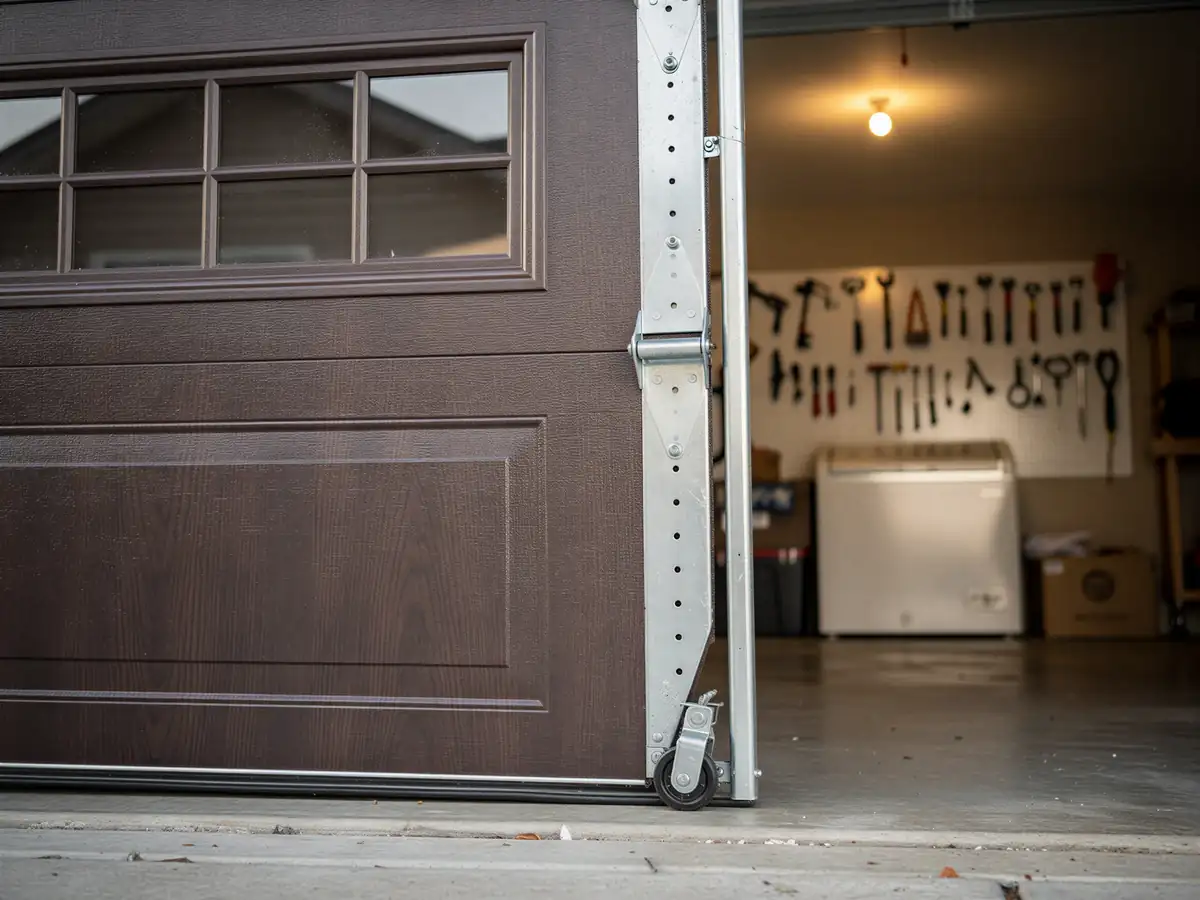
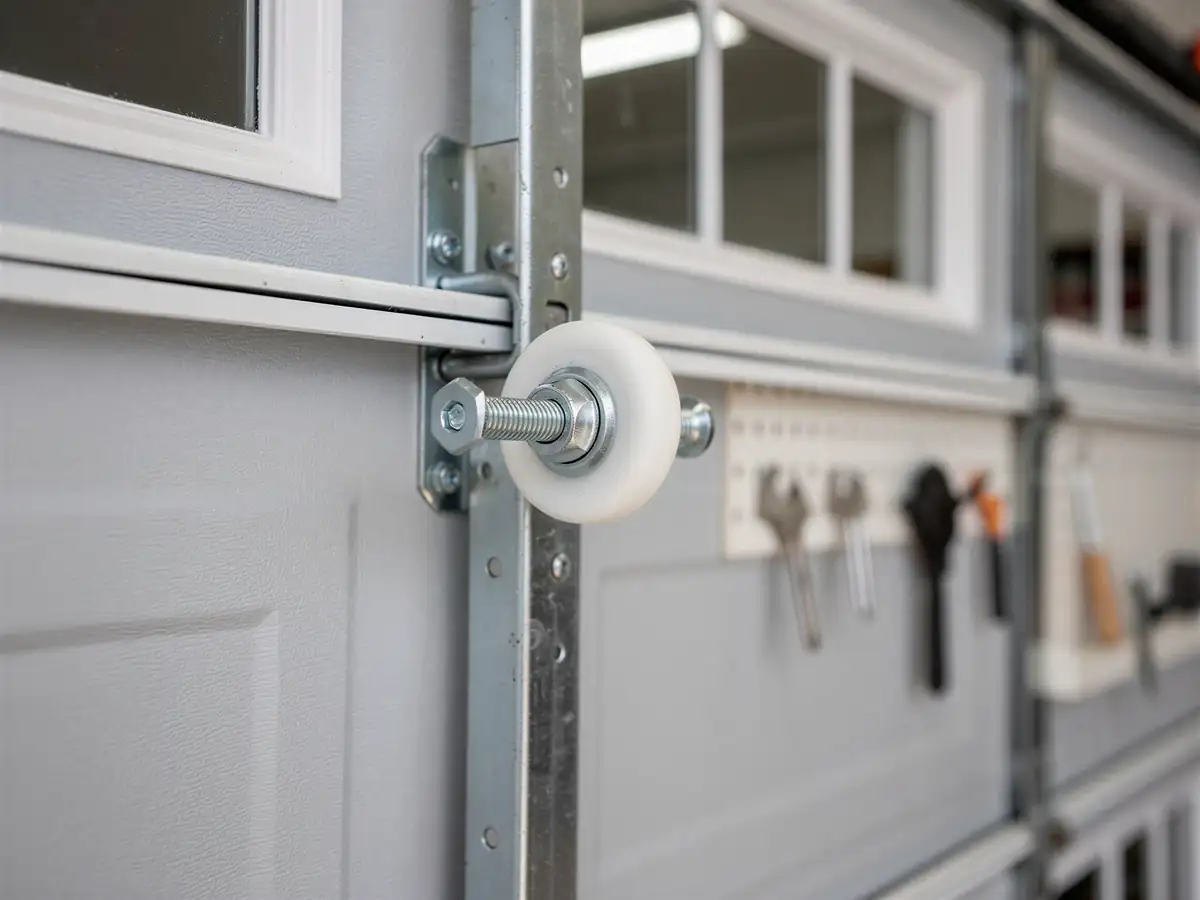
The real problem is that most of these doors don't fail all at once. The opener strains a little more each month, the spring loses a little tension, the track wears a little more off-center. By the time something breaks outright, the rest of the door is usually close behind it. That's the point where a $40 roller fix turns into a conversation about whether the whole door is worth saving.
We'll be straight about where that line is: if the door is original to a house from the 1980s or early 90s, the springs and rollers are original too, and we're already there to fix a broken spring, we'll tell you if the opener and track are close enough behind that a second service call next year is likely. We don't replace doors that don't need it. But we also won't patch a door section by section if you're going to be back in our driveway twice more this year.
When Waiting Is Fine
Not every old door needs attention right now
A median household income of $71,110 means most owners here can afford a full replacement when the math stops favoring repair, but it also means a lot of people are still paying off a door that's only half-dead, and there's no reason to rush that.
- $71,110 median household income
Cosmetic dents, faded paint, a panel that's scuffed but still sealing - none of that is urgent
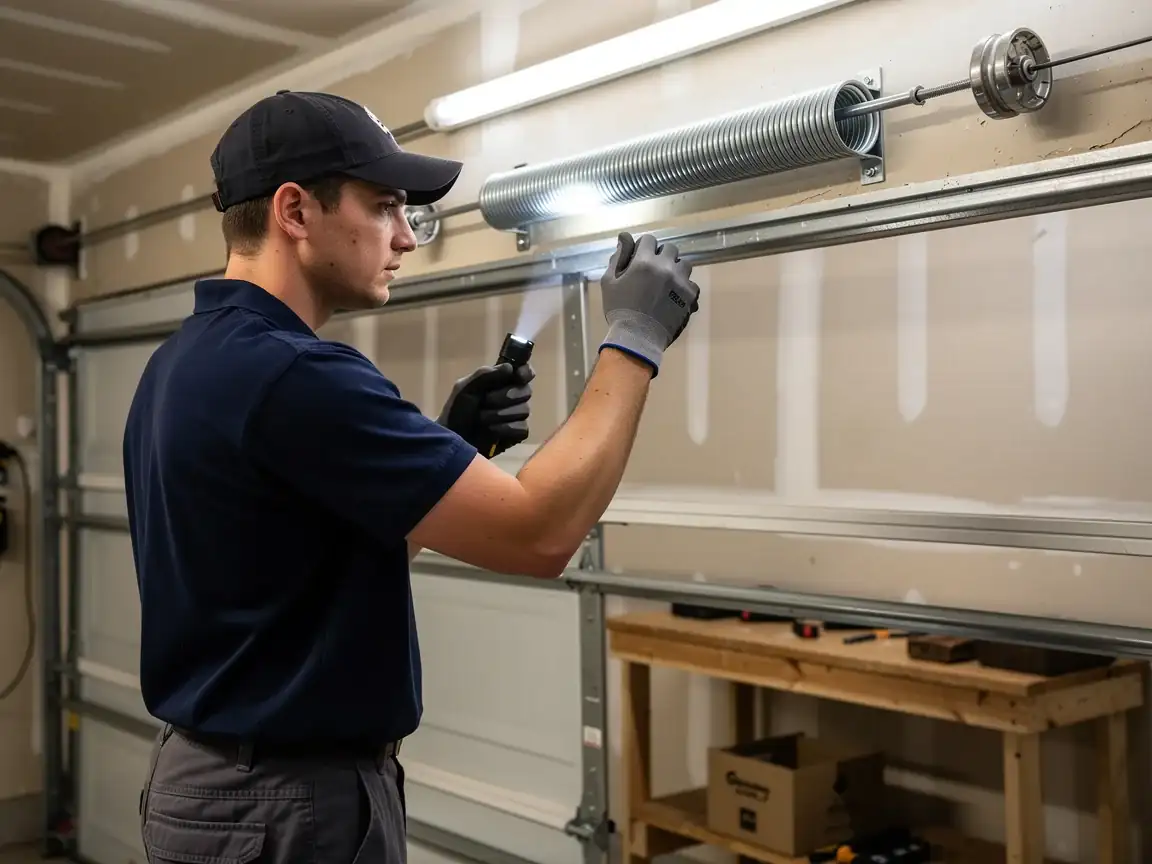
If the door opens smoothly, closes all the way, and the spring isn't showing rust or stretch at the coils, you can leave it alone and just keep an eye on it. A yearly look at the spring and the cables costs you nothing and tells you whether this is the year to plan ahead instead of waiting for a cold-morning failure.
One honest limit: we can't tell you how much life is left in a spring just by looking at it from the floor
Cycle counts aren't stamped on the coil. What we can do is check the wear points - rust, flat spots, cable fray - and give you a straight read on whether you've got a season or a decade left. If it's borderline, we'll say so instead of guessing.