Where People Go Wrong
The mistake we see most is treating a garage door opener like a fixed-and-forget appliance
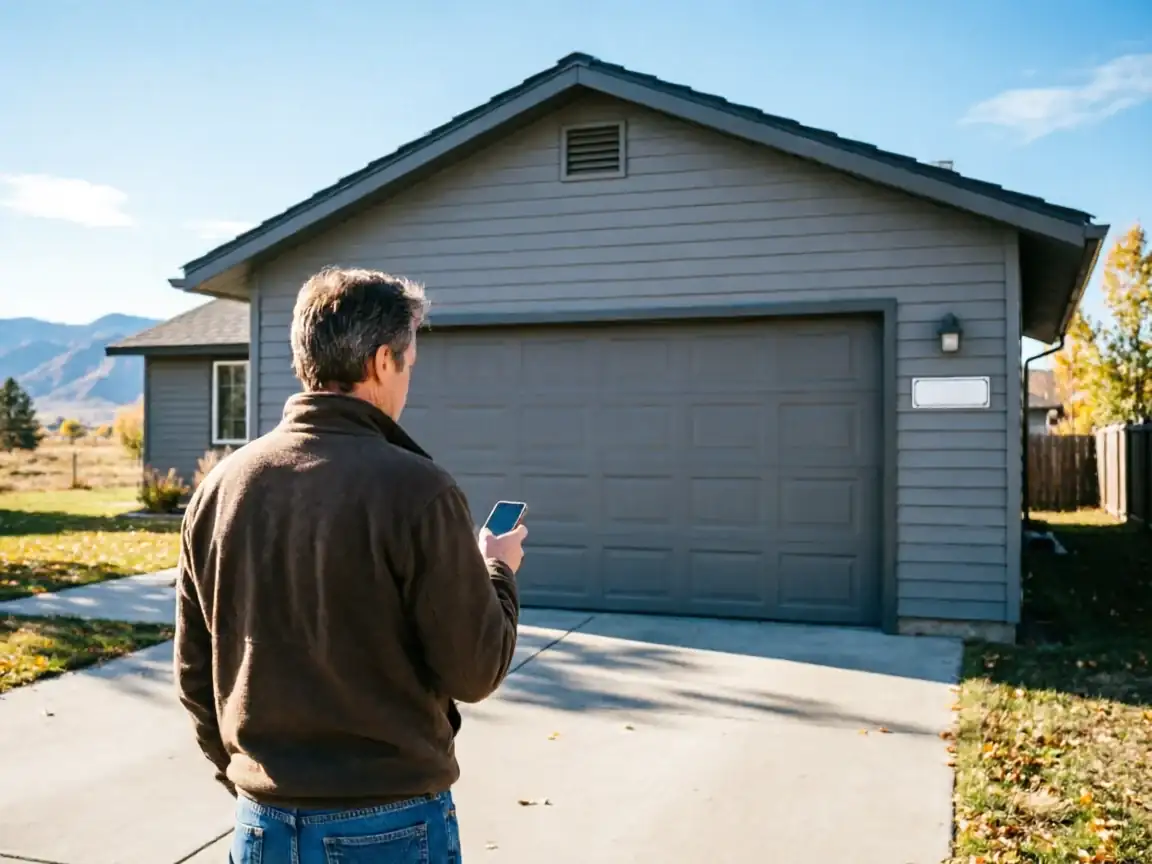
It isn't. Most houses across this service area were built between 1979 and 2003, with the median landing around 1988, and that means a lot of the chain and belt drives out there are original or close to it. Owners assume that because the door still goes up and down, the opener is fine. It's fine right up until it isn't, usually on the coldest night of the year.
The second mistake is buying a battery backup unit and thinking the power problem is solved
A backup battery runs the opener motor. It doesn't fix a gear that's already stripped, a capacitor that's weak from twenty years of cold starts, or a chain that's stretched past where the sprocket can grip it cleanly. If the opener was already struggling before the outage, a battery just means it struggles in the dark too.
The nine named areas that make up this housing stock are mostly 1980s and 90s construction
So a lot of these openers have never been swapped out once. People wait for total failure instead of watching for the warning signs - grinding on startup, a door that reverses for no reason, a remote that needs three tries. By the time it won't open at all, you're usually also dealing with a dead opener and a storm.
How Local Conditions Play In
Kalispell sits in a cold-severe climate band, and that's the detail that turns an aging opener from a minor annoyance into a real problem. Cold thickens the grease in an old gear housing, and a motor that already has to work harder against stiff hardware draws more current doing it. That's wear you don't see until the unit finally quits, often during the exact kind of cold snap that also knocks the power out.
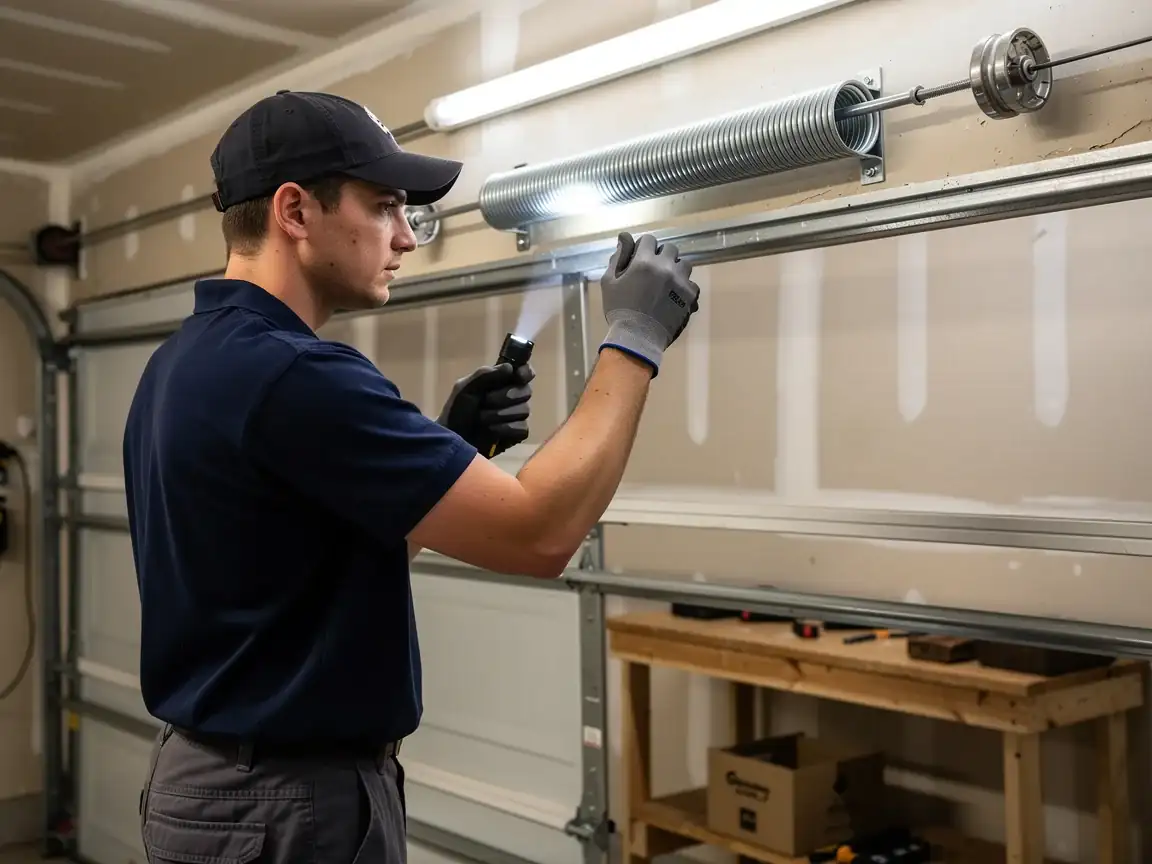
There's a second piece to this. Metal contracts in deep cold, and on a chain-drive system from the 80s or 90s, that shows up as extra slack or extra bind depending on how the rail was installed originally. Neither is dangerous on its own, but combined with a power interruption - the kind that cold-weather grid stress tends to bring - you get an opener trying to restart under load it wasn't built to handle anymore.
Across the 14,369 households in this area, 8,002 are owner-occupied houses, which means most of these openers are maintained by the person who actually lives with the consequences, not a landlord managing it from a distance. That's worth knowing, because it means a lot of these units have had some care over the years - just not necessarily the kind that catches a motor on its way out before a cold front does.
The Problem
Here's the actual failure pattern. An opener built in the window most of this housing falls into - 1979 to 2003 - predates battery backup being a standard feature. When the power cuts, that opener simply stops. No backup, no manual warning, just a dead unit at the worst possible moment. If you haven't checked whether your unit has backup capability, that's the first thing to find out, not after the lights go out.
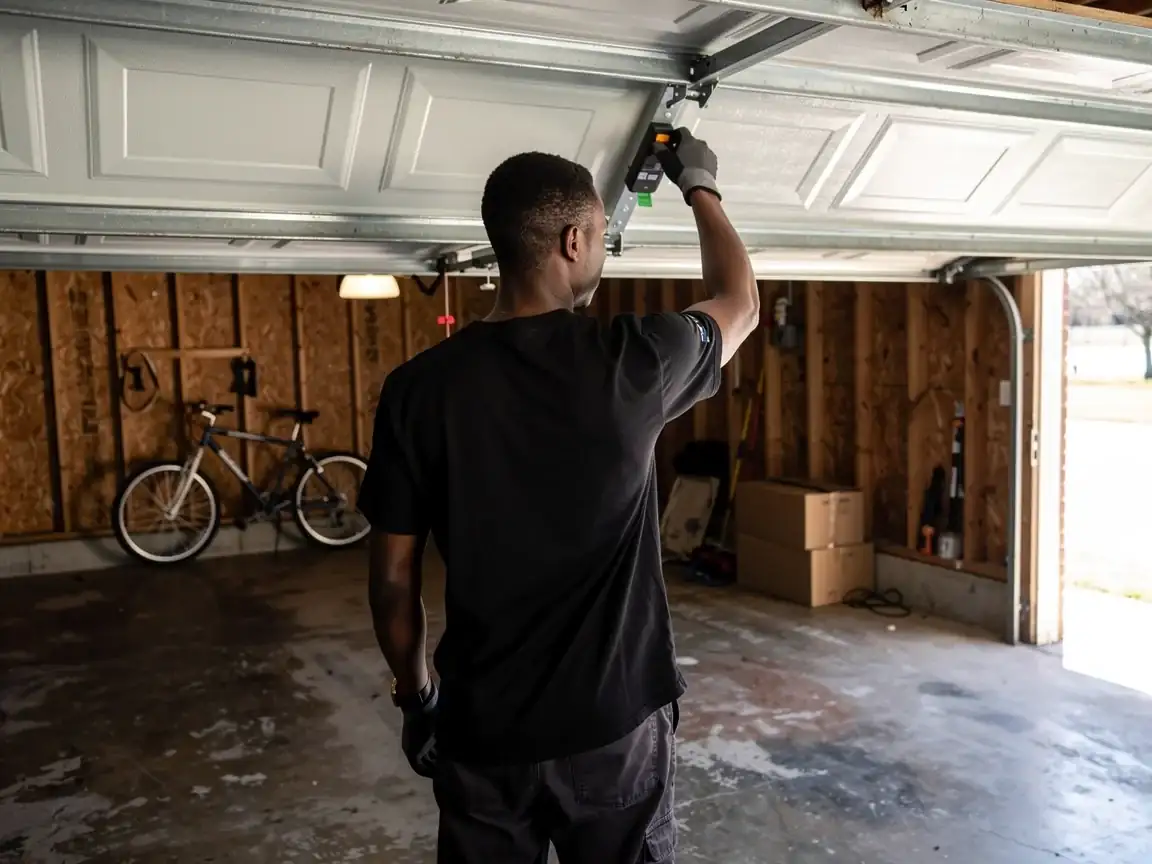
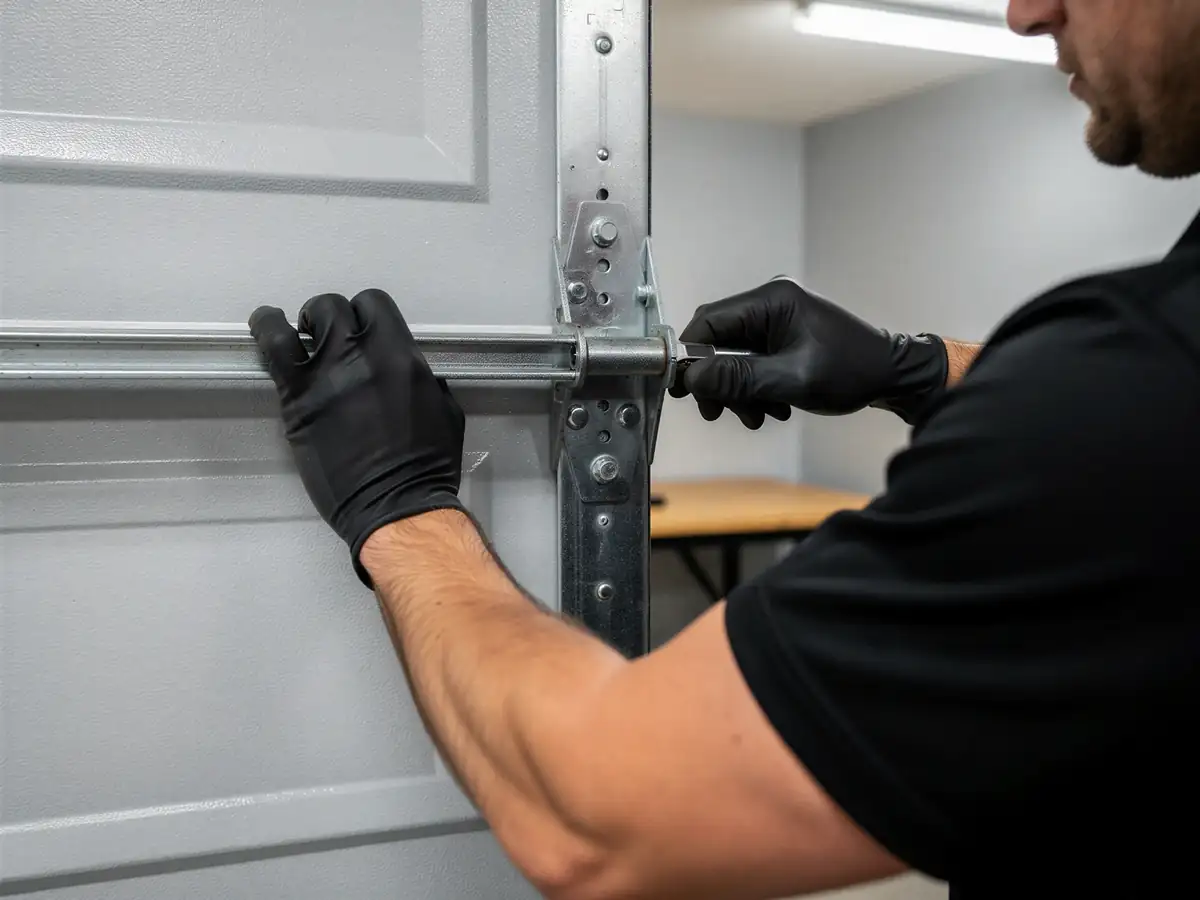
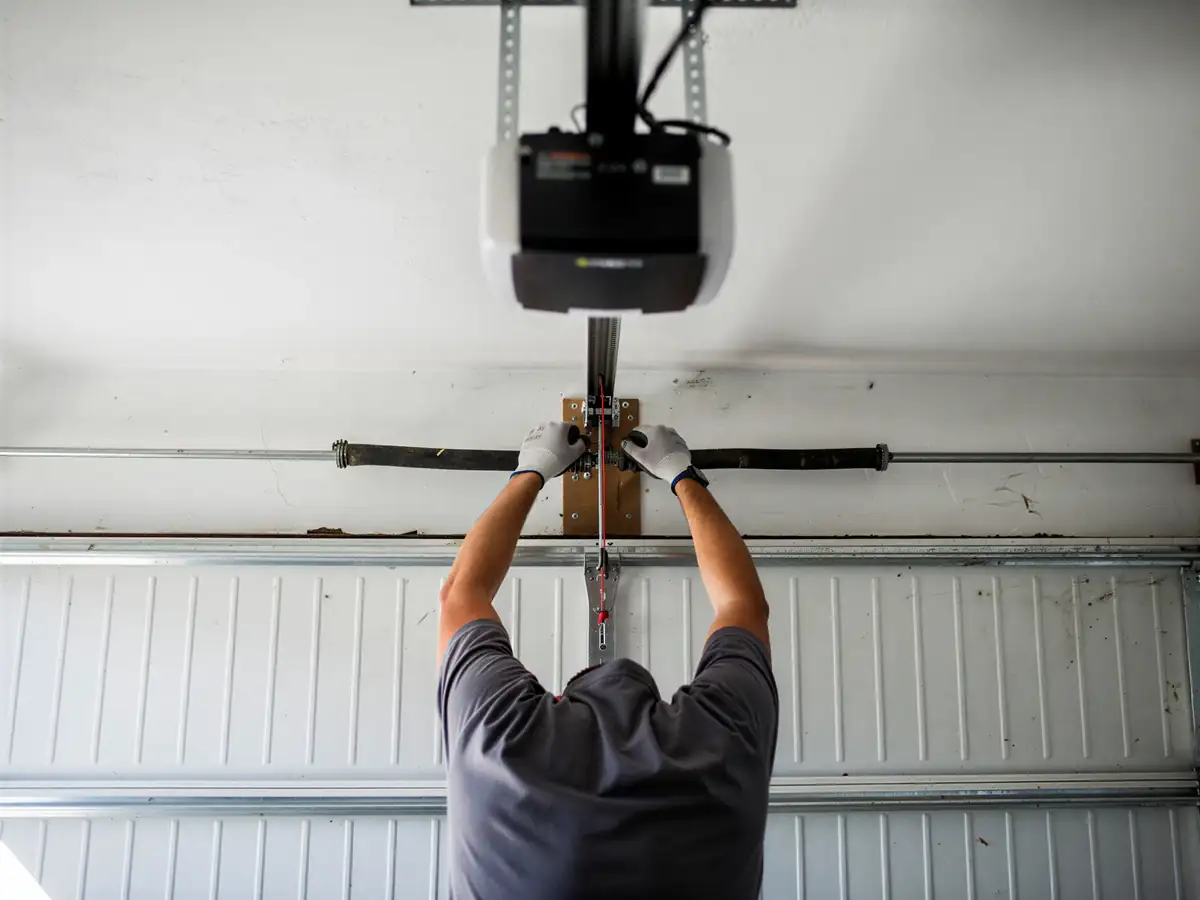
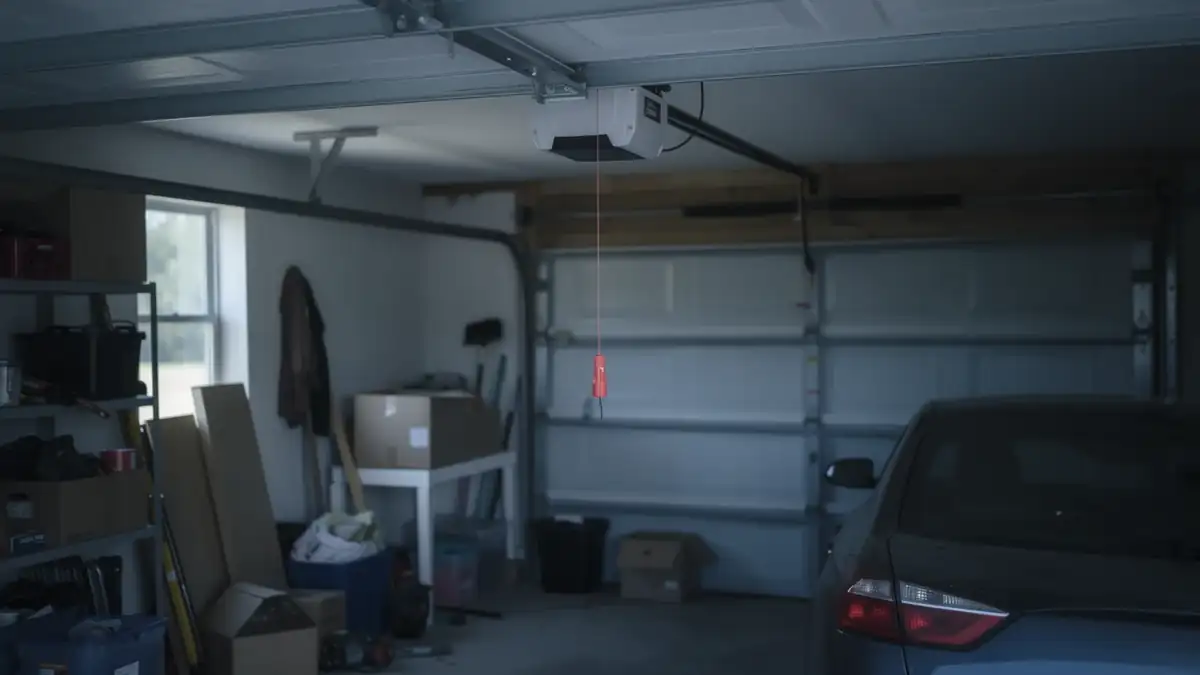
The second part of the problem is the manual release. Every opener has one - the red cord that disconnects the carriage so you can lift the door by hand. On units this old, that release mechanism often hasn't been touched in years, and in cold-severe conditions the mechanism can seize just enough that it won't disengage cleanly when you actually need it. You find this out exactly once, usually during a power cut, usually in a hurry.
With median household income here at $71,110, replacing an opener before it strands you is a cost most homes here can plan for on their own schedule, rather than one they're forced into during an emergency call. That's the real argument for checking the unit now, not the sales pitch about convenience features.
When Waiting Is Fine
Not every old opener needs to come out today, and we'll say that plainly
If yours starts reliably, reverses properly when it hits something, and the manual release moves freely when you test it by hand, there's no reason to replace a working unit just because of its age. A lot of 1980s and 90s motors are simple enough that they keep running for years past when people expect them to quit, and swapping one out early is money spent on a problem you don't have yet.
Where we'd tell you to wait
If the opener is working fine and you just want battery backup as an upgrade, that's a reasonable project to schedule for a slow week, not something to rush into before winter. Where we'd tell you not to wait: if you've already noticed grinding, hesitation, or a manual release that won't budge, that's the unit telling you it's close, and a cold-weather power cut is not when you want to find out how close.
One honest limitation
We can tell you what we see on a given unit, but we can't predict exactly when a worn motor will quit. Anyone who promises you an exact timeline on a twenty-year-old opener is guessing, same as we would be.