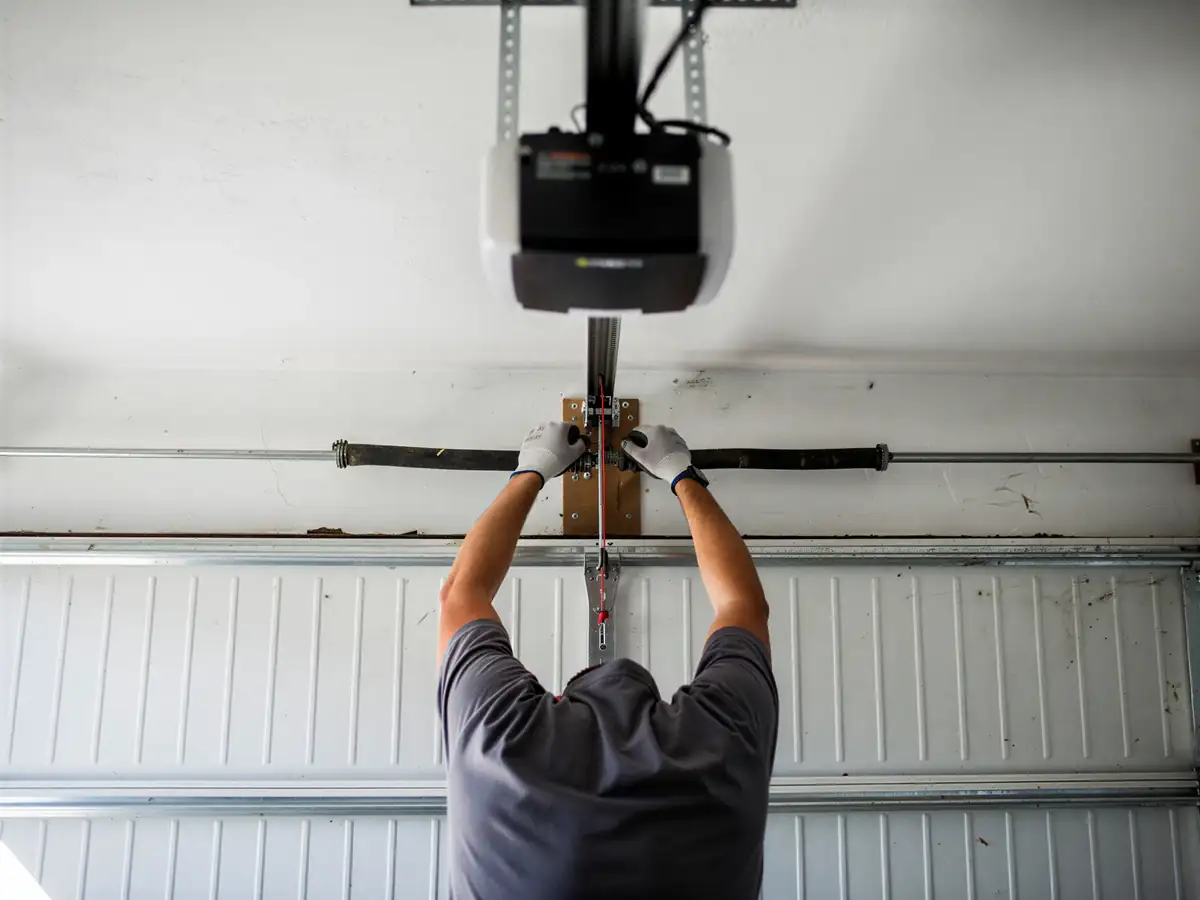
Opener installation for Kalispell homes built 1979-2003, where cold-climate strain and original hardware make swaps common. Service across the Flathead Valley.
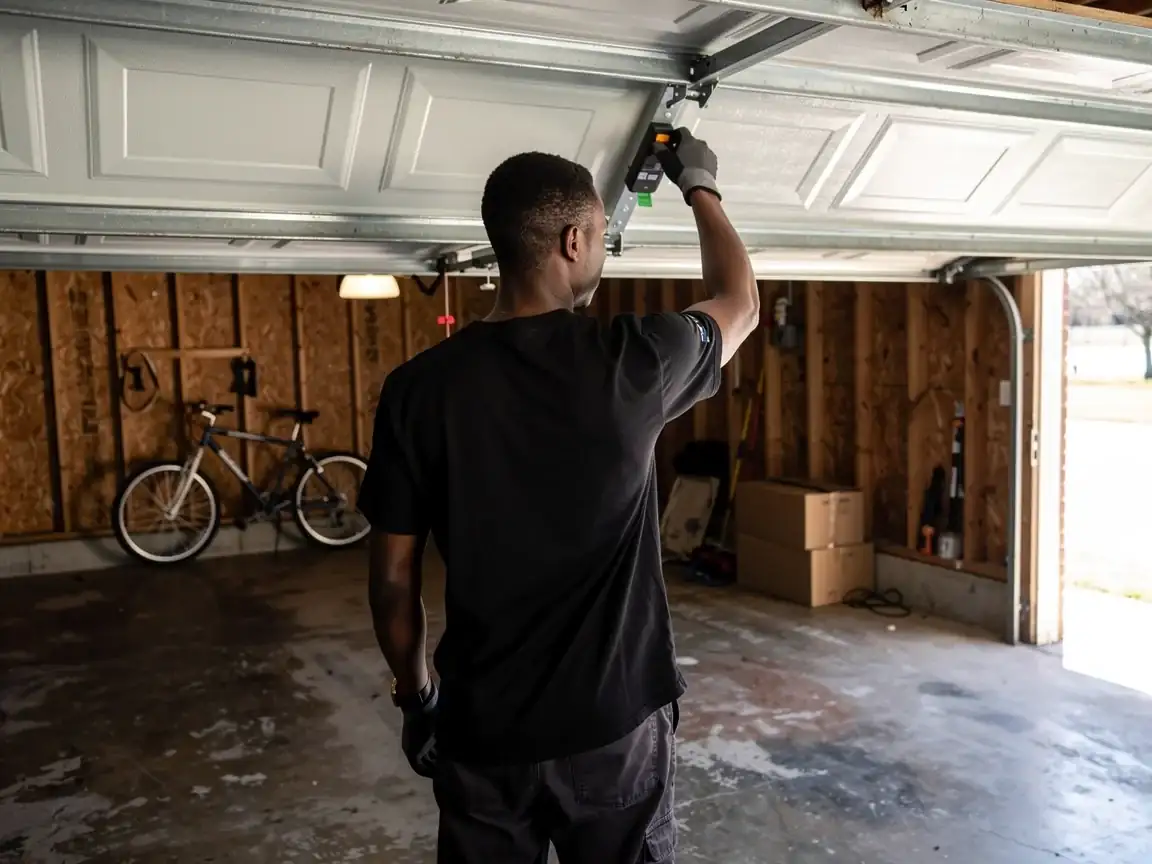
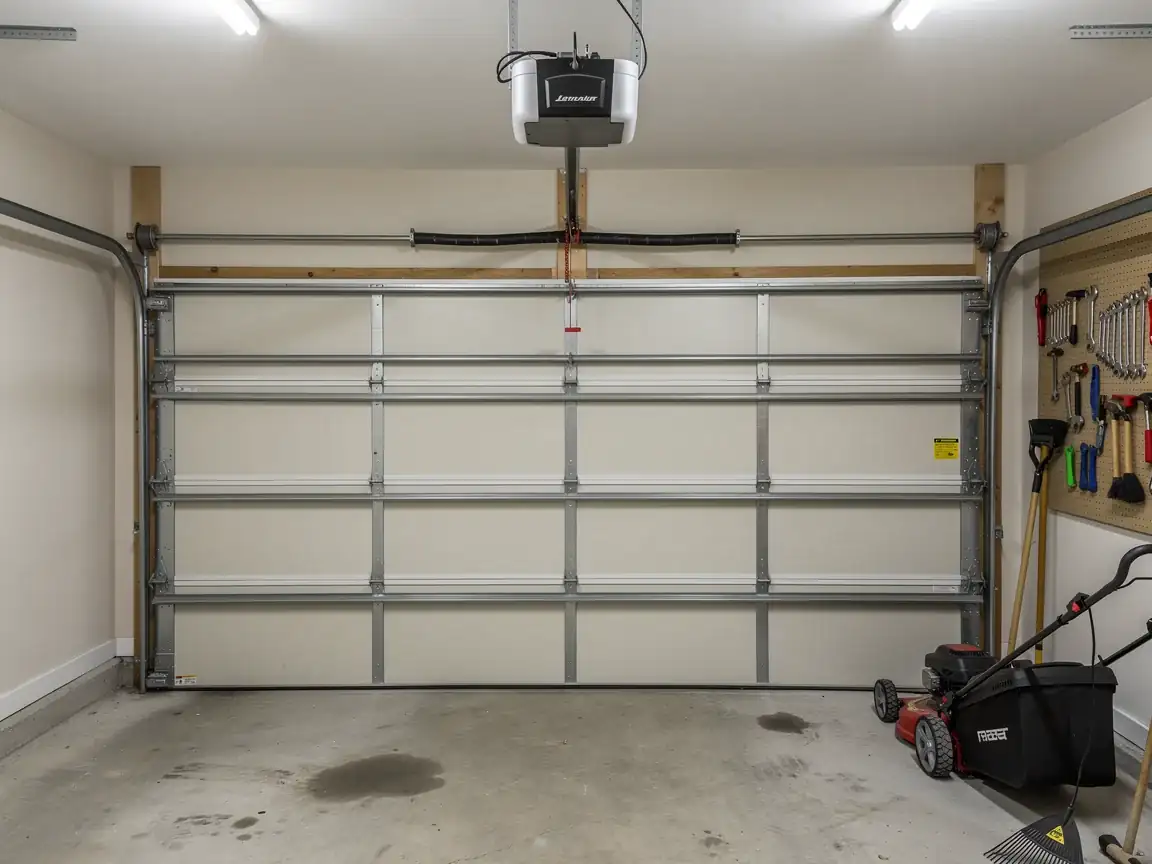
We don't post a flat number here because opener installs vary by what's already on the ceiling and what the door itself needs. A straight swap - new opener on existing rail, same mounting points - costs less than a job where we're also replacing worn track hardware or adding a new wall console. What we can tell you is what drives the cost up in this area specifically: a lot of the housing stock here went up between 1979 and 2003, and openers from that build era were sized for lighter doors and simpler circuit boards. When we pull one of those units, we're often finding the mounting bracket isn't compatible with current drive rail lengths, which adds labor that a newer house wouldn't need. We quote after we see the ceiling, the header, and the door weight - not before. If your opener is original to a house built in that window, expect the quote to include bracket work, not just the box on the wall.
Stocked Parts
We carry belt-drive and chain-drive openers rated for cold-climate use, along with the wall consoles, safety sensors, and rail extensions that cover the ceiling heights common in this part of the valley. What we stock heavier on than most shops: cold-rated circuit boards and drive components, because a severe winter climate band like ours puts real stress on standard openers that were never built for sustained sub-zero cycling. We also keep battery backup units in stock, since power interruptions during winter storms are routine here, not an edge case. One honest limit - if you want a specific smart-home integration tied to a less common app ecosystem, that part sometimes has to be special-ordered, and we'll tell you that lead time up front rather than promise same-day on something we don't have on the truck.
The Symptom
The call we get most for opener installation isn't "my opener broke" - it's "my opener is straining." The motor runs longer than it used to, grinds on the way up, or reverses partway through the cycle. On houses from the 1980s and 90s stock common across this service area, that strain usually traces back to an opener that was undersized even when new, now fighting decades of door weight increase from added insulation or panel replacement. The second most common call is an opener that works fine in summer and skips or reverses only in deep cold - a sign the gear assembly or circuit board inside isn't rated for the temperature swings this area sees every winter. Either symptom means the opener is working harder than it should, and that extra load shortens the life of everything downstream of it - springs, cables, rollers.
Why This Fails Locally
Three things stack up here that don't stack up the same way everywhere. First, F1: most houses in this service area were built between 1979 and 2003, median 1988, which means a lot of original or first-replacement openers are now thirty-plus years old and were engineered to lighter specs than today's insulated doors demand. Second, F2: that 1980s-90s stock spans nine named areas across the valley, so this isn't one neighborhood's problem - it's the baseline condition for most homes we're called to. Third, F3: this is a cold climate band with severe winters, and cold is hard on opener electronics and gear lubrication in a way that moderate climates never test. An opener that would run another decade in a mild region gets pushed past its limit here by temperature swings alone. That combination - old housing stock, original equipment, and a climate that stresses the gearbox every winter - is why opener failure shows up on our schedule far more than door or spring failure on houses of this age.
How it works
From “it’s stuck” to “it’s fixed”
01
Tell us what’s wrong
Describe the symptom - won’t open, loud bang, opener runs but the door won’t move.
02
On-site diagnosis
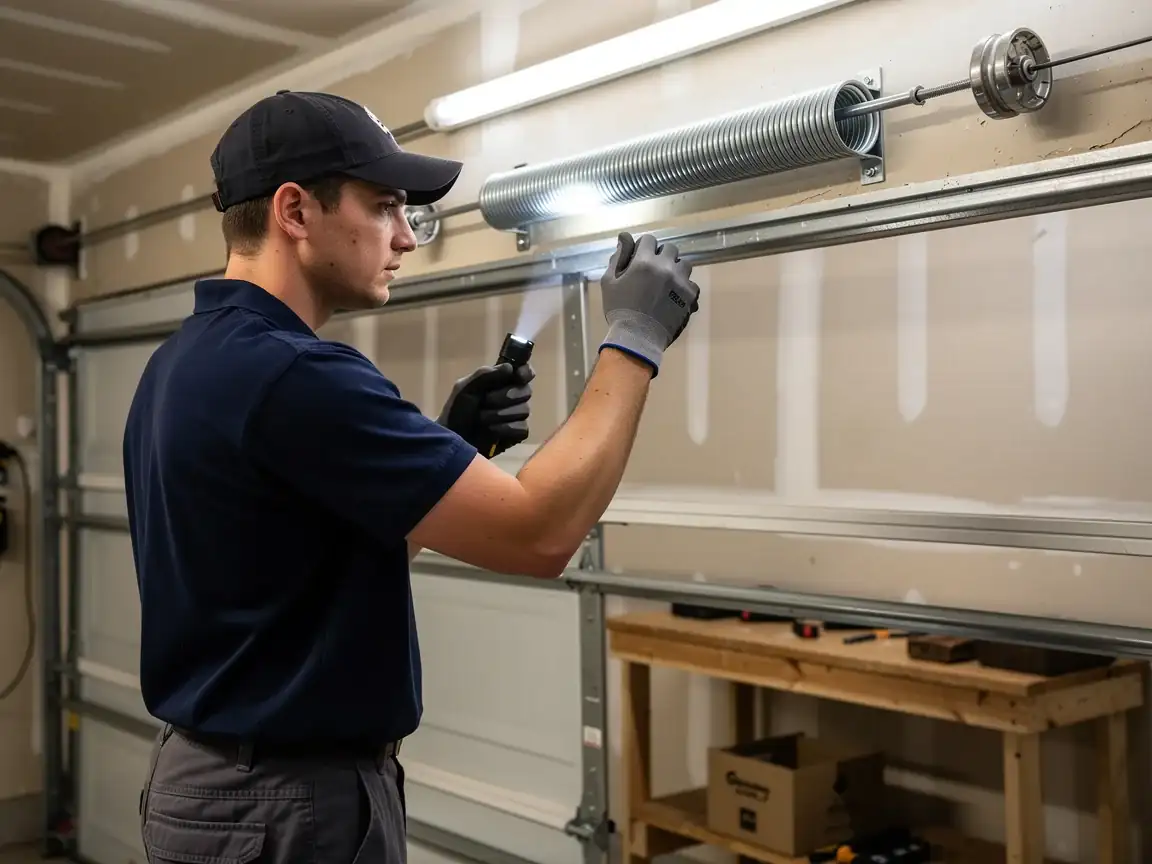
A technician tests the door under power and by hand and finds what actually failed.
03
Clear, up-front plan
You get the fix that’s needed and what drives the cost - before any work starts.
04
Repaired & tested
The repair is done, the door is set true and tested, and the work area left clean.
Not sure which repair your door needs in Kalispell, MT? Describe what it’s doing - every job starts with a diagnosis.
How do I know if I need a new opener or just a repair?
If the motor runs but struggles, grinds, or reverses mid-cycle, that's often a worn gear or a board that's failing in the cold, and sometimes repairable. If the unit won't engage at all or the board has visibly failed, replacement is usually the better spend given how old most original openers in this area already are.
Will a new opener fix a door that's slow to close in winter?
Sometimes, if the old opener's circuit board was struggling with cold-temperature cycling. But if the door itself is binding on frozen track or stiff rollers, a new opener won't solve that - we'd need to look at the door hardware separately.
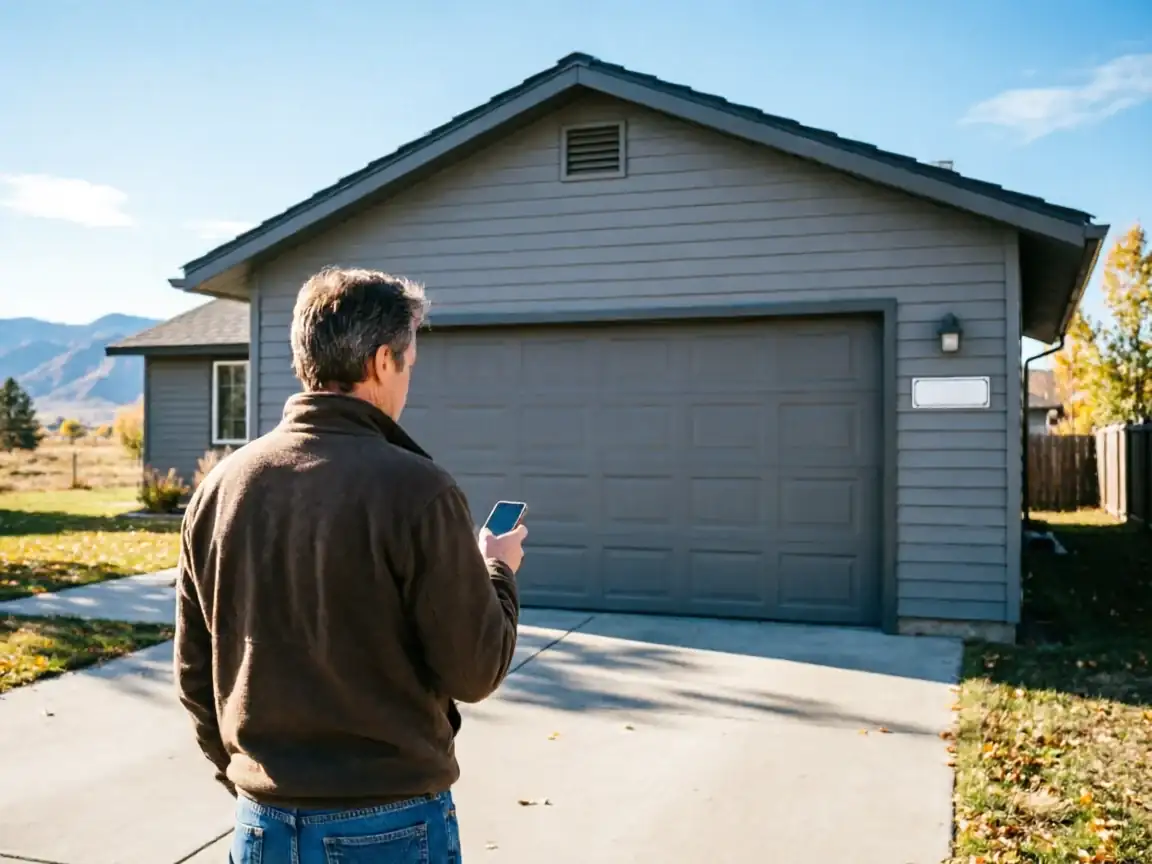
Do you install smart openers with phone app control?
Yes, we stock belt-drive units with standard app connectivity. Less common integrations sometimes need a special order, and we'll tell you that lead time before you commit to the job.
Can my existing rail and brackets be reused?
Depends on the age and mounting style. A lot of openers original to 1980s and 90s builds use brackets that don't match current rail lengths, so we check compatibility on site before quoting - reusing hardware when it fits, replacing it when it doesn't.
Ready to get your garage door sorted?
Tell us what it’s doing and where you are in Kalispell - we’ll take it from there.