Where People Go Wrong
A lot of the advice floating around about garage door care comes from national sites written for no town in particular
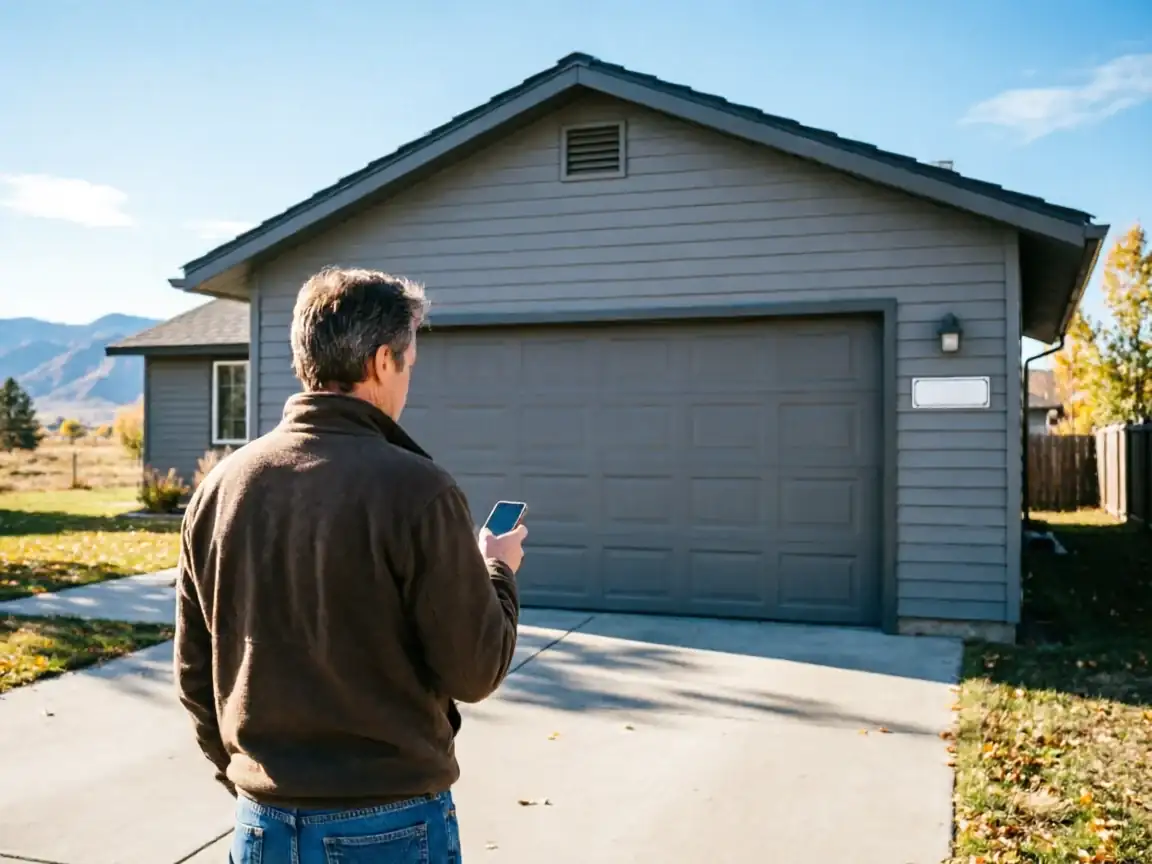
It tells you to buy a weatherstrip kit, caulk the bottom seal, and call it done. That advice doesn't account for what's actually on the wall here. Housing in the Kalispell service area was mostly built between 1979 and 2003, median 1988, which puts most garage doors here before today's insulation requirements existed. Across the nine areas we work in, that same construction window shows up again and again - same door models, same hardware specs, same gaps in the original build.
The mismatch shows up fast
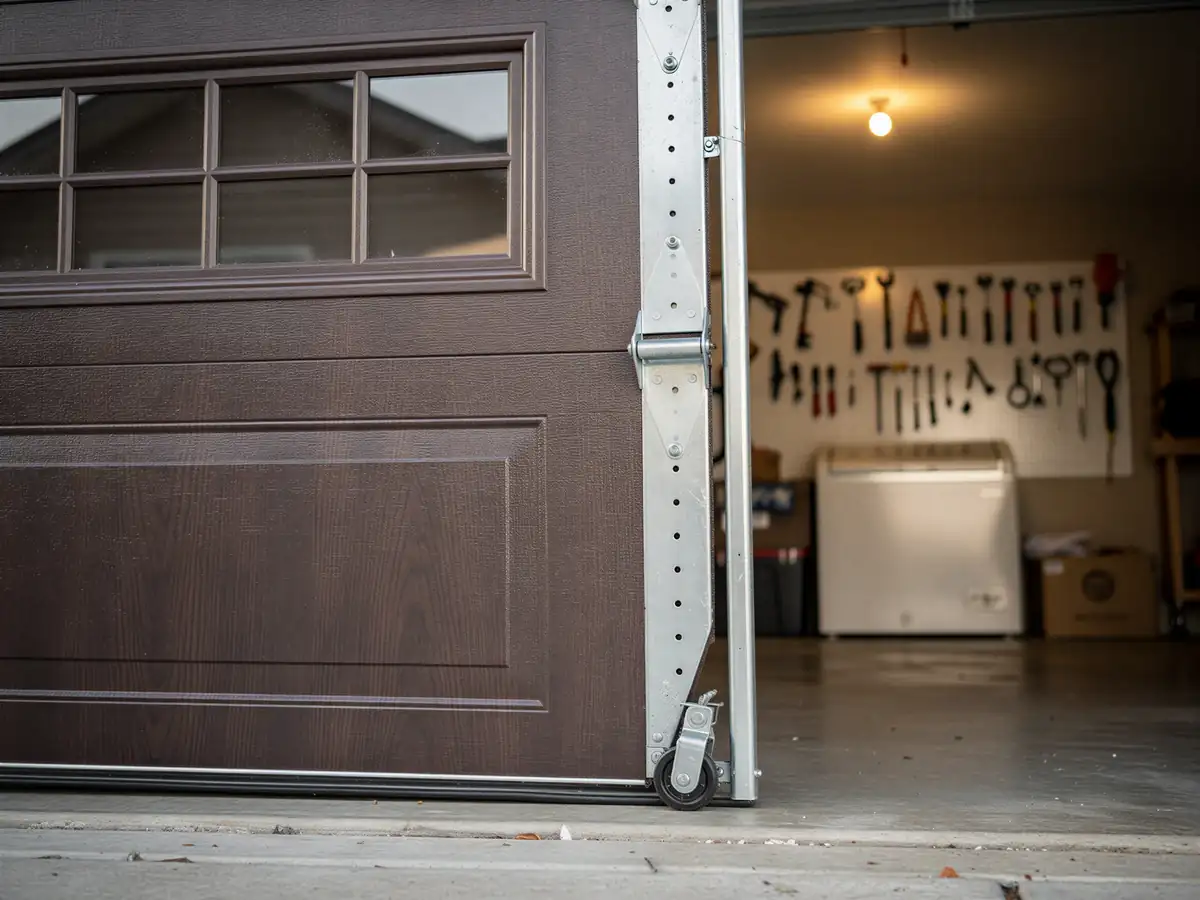
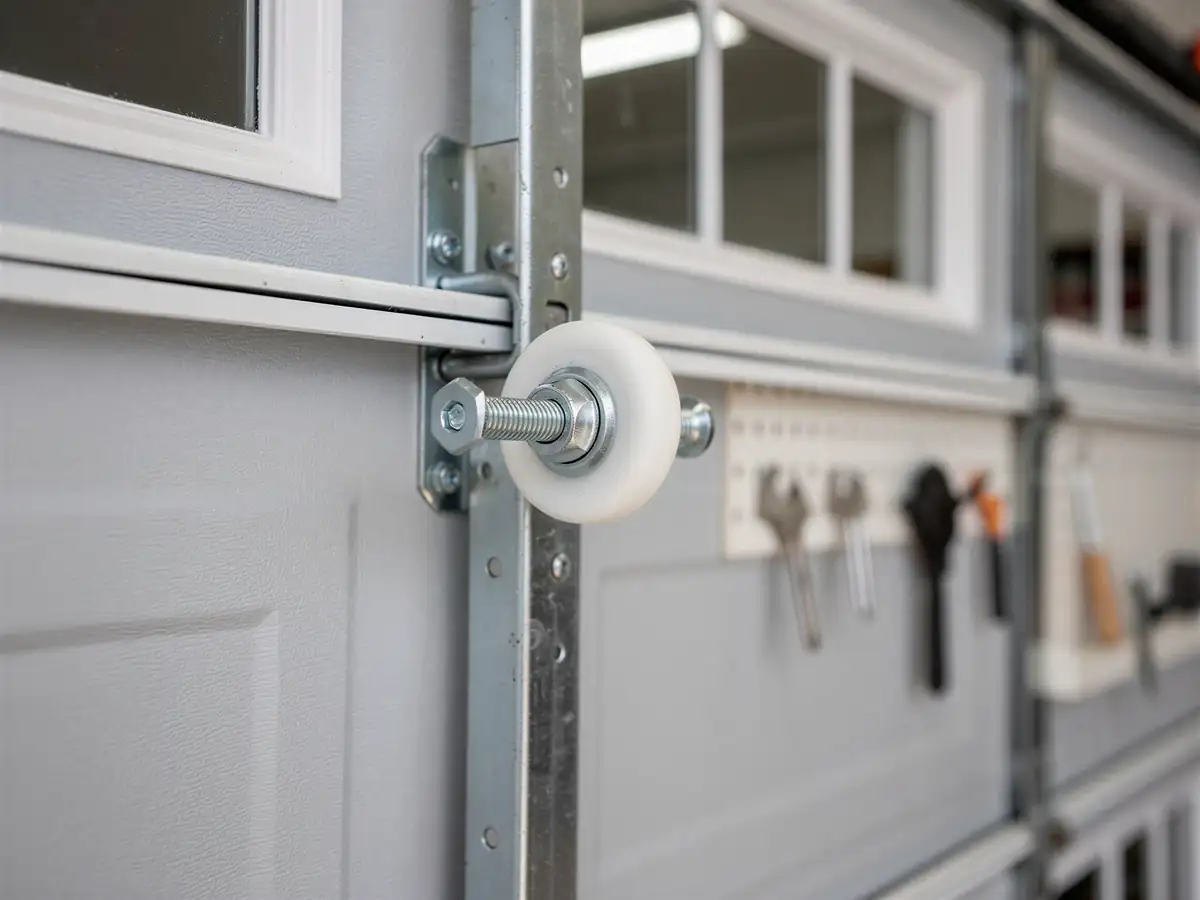
Owners buy a one-size weatherstrip kit sized for a modern track and it doesn't seat right on an older rail. They replace a panel without checking whether the opener's lift capacity still matches once the new panel's heavier or lighter than the original. None of this is complicated once you know the door's actual era, but guessing at it from a big-box aisle usually ends with a part that almost fits. The fix isn't more product - it's knowing what decade you're actually working on before you buy anything.
How Local Conditions Play In
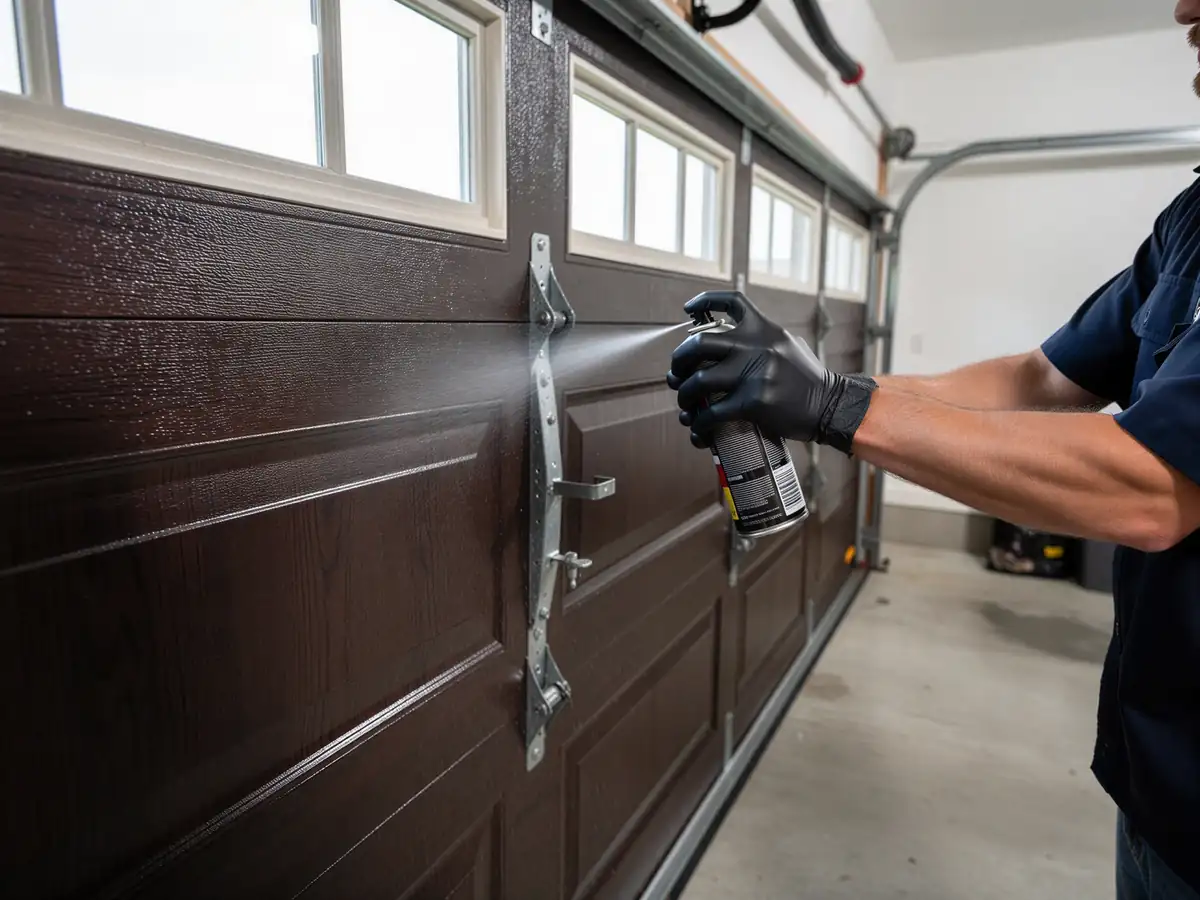
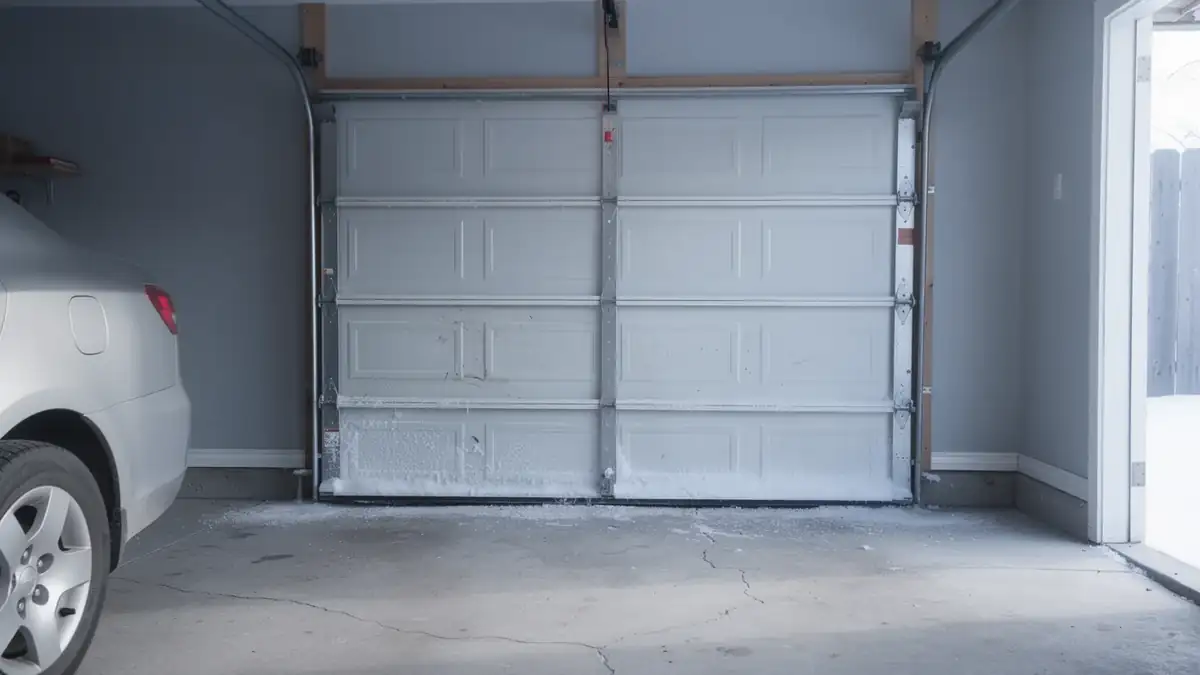
Kalispell sits in a climate band rated cold, severe end. That matters more for a door built in 1988 than one built last year, because the older stock generally carries less insulation and thinner steel to begin with. Winters here fall into the severe end of the cold climate band, which means steel doors from the 1980s and 90s flex and bind in ways a newer insulated door won't. Cold steel contracts, and a door that was never engineered with a thermal break will tell you about it - sluggish rollers, a track that's suddenly a sixteenth of an inch out of true, a bottom seal that goes stiff and stops sealing.
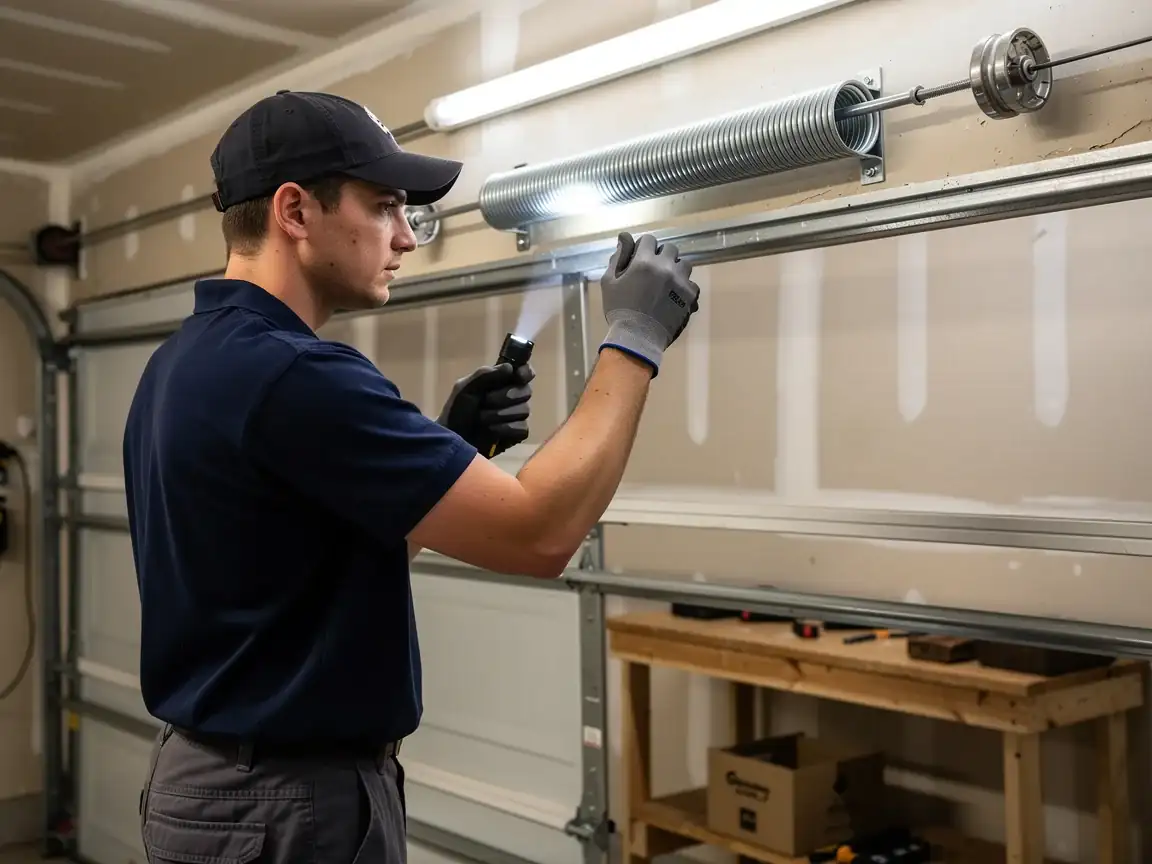
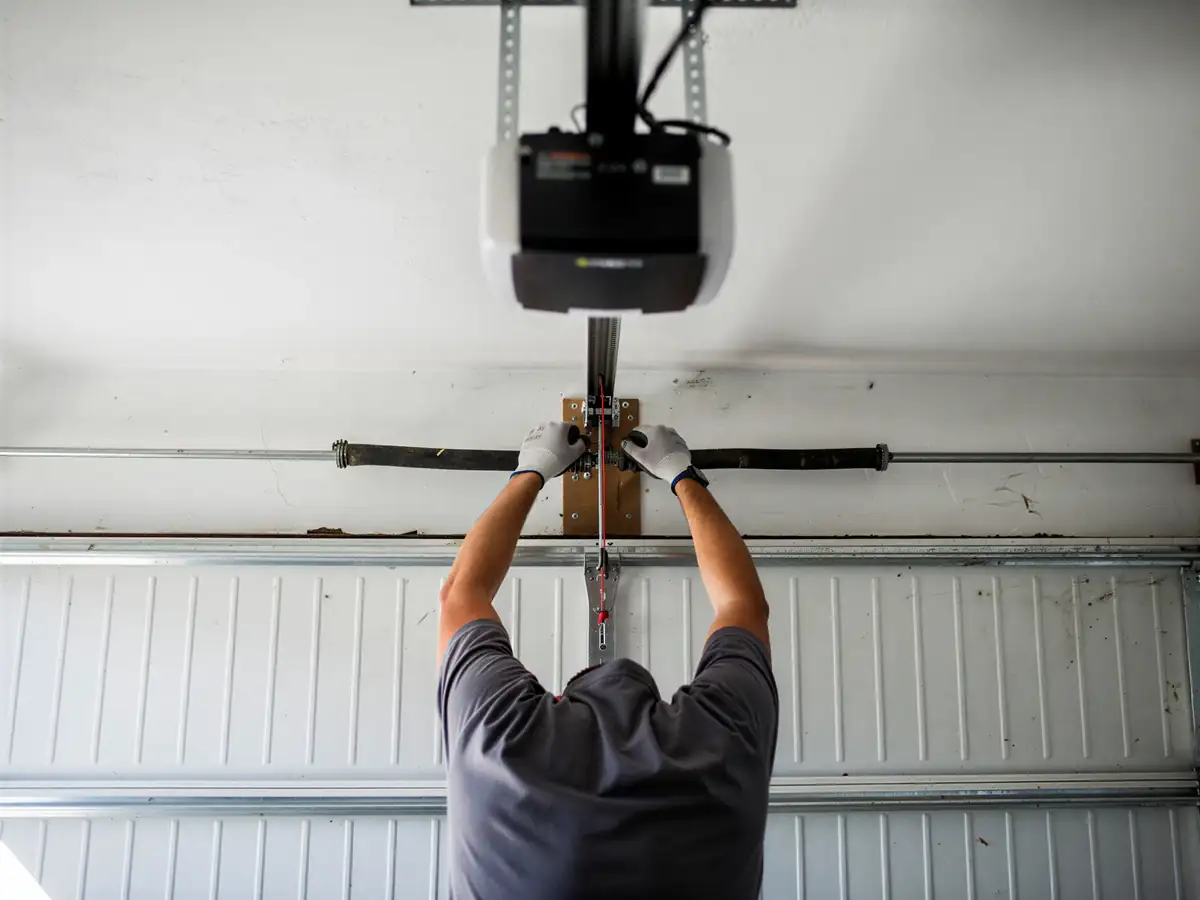
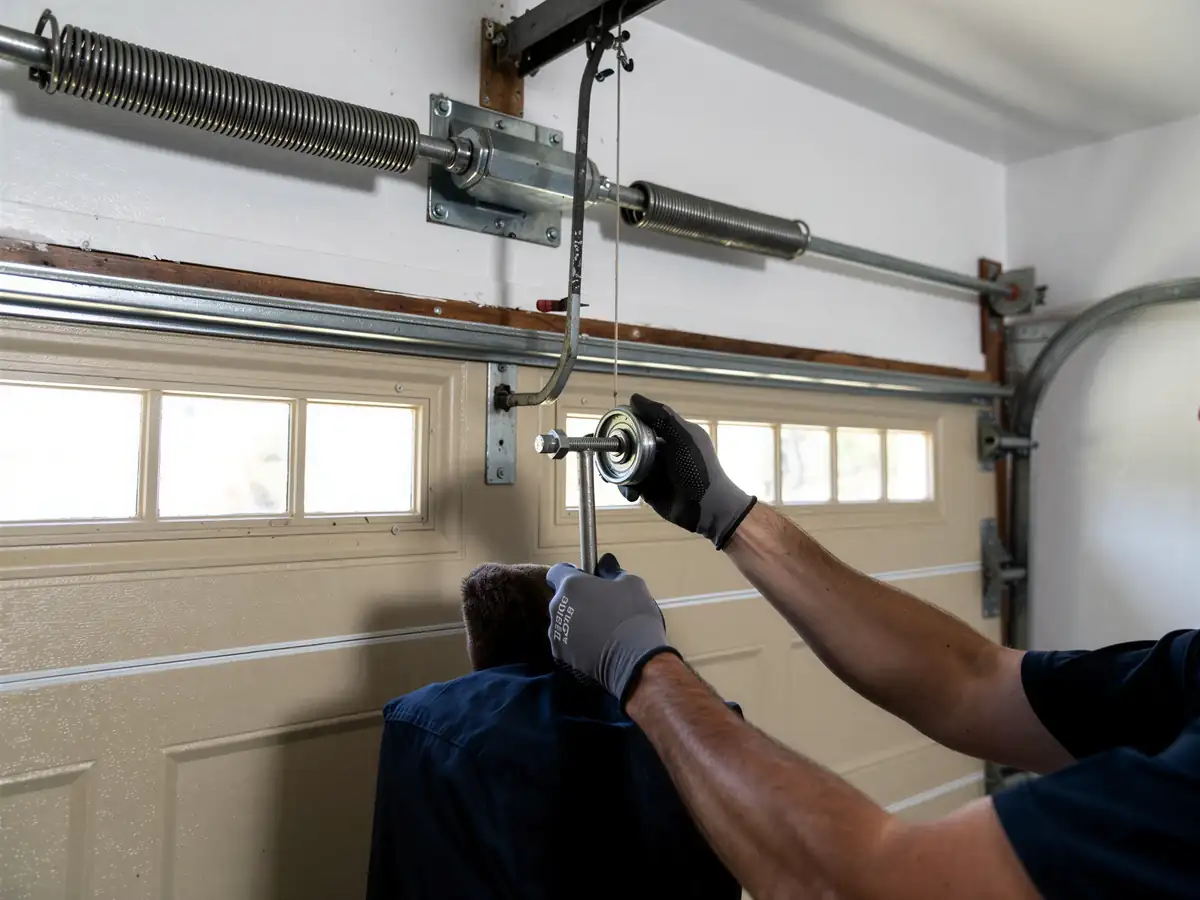
Torsion springs also run on a cycle count, and cold doesn't help that number. A spring cycling through repeated freeze-thaw swings wears differently than one in a mild climate, even if it was rated for the same number of cycles when it left the factory. None of this means every old door is about to fail. It means the maintenance schedule that works in a milder place doesn't automatically apply here, and skipping winter-specific checks on an older door is how a minor stiffness turns into a cable off the drum in January.
The Problem
Here's the specific issue: doors built between 1979 and 2003 were, in most cases, built to the standards of their decade - often a single layer of steel with minimal foam backing, if any, and springs sized to lift that lighter, uninsulated panel. With roughly 8,002 owner-occupied houses across this area's 14,369 households, there's a specific pattern of doors from that building era that needs matching parts, not whatever's in stock at a generic supplier. Swap in a heavier, better-insulated replacement panel without checking the spring rating, and you've got a door that strains the opener and wears the cable faster than it should.
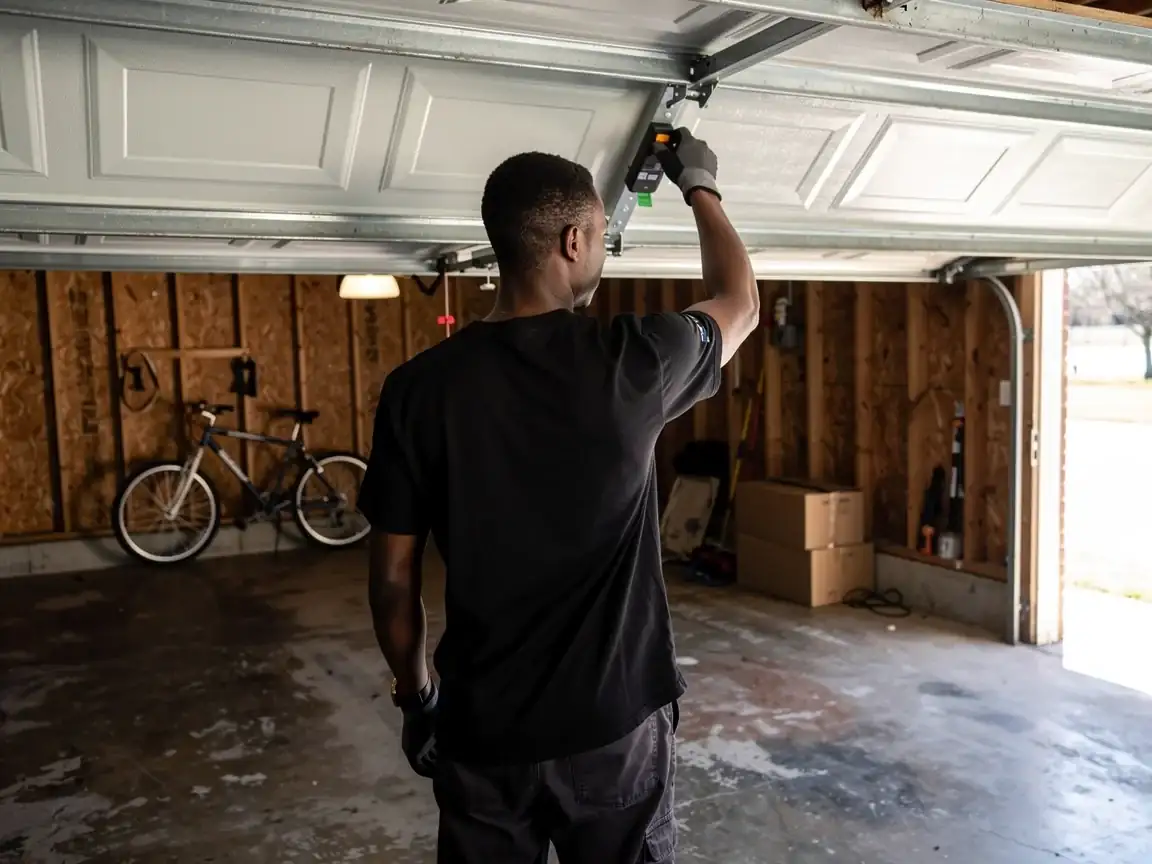
Homes within the three to eighteen mile radius we cover - from Evergreen to Marion - share that same 1979-2003 construction window, so this isn't a one-house quirk. It's the baseline condition of the housing stock in this service area. The practical result: a repair call on an older door usually starts with figuring out what the door was actually spec'd for, not just what's broken today. Guess the spring rating wrong and you'll be back out for a second call within the year.
When Waiting Is Fine
Not everything needs a truck out right away
Cosmetic dents, a little surface rust on an older steel panel, a bottom seal that's gone slightly stiff but still closes - those can wait for a scheduled visit instead of an emergency one. At a median household income of $71,110, replacing a door outright versus patching an old one is a real budget call for a lot of owners here, and we'd rather tell you a repair will hold for another winter than talk you into a replacement you don't need yet.
- $71,110 median household income
Where waiting isn't fine: a torsion spring that's already cracked or a cable that's frayed
Those don't improve with time, and a spring under tension that lets go is a safety issue, not a cosmetic one. We also won't pretend every old door is worth saving - if the frame's racked or the panels are rusted through at the bottom, a repair is just delaying the same decision at a higher price later. That's the one honest tradeoff on an older door: know which kind of wear you're looking at before you decide to wait.