What You Pay
We don't post a flat number here
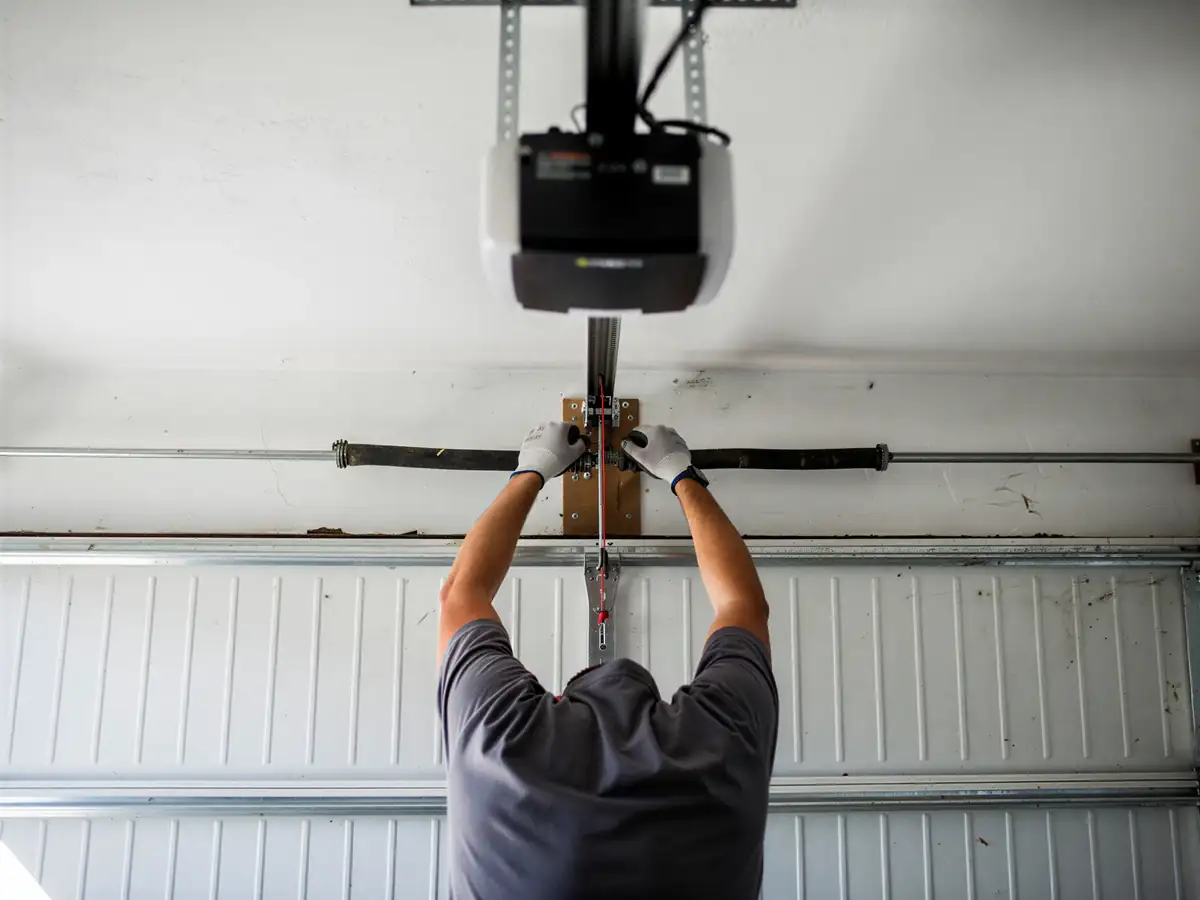
Because a two-car steel door on a house built in the late 1980s costs differently than a custom wood door or a job that needs new track because the opening settled. What we can tell you is how we price it: door model, insulation level, track and hardware condition, and whether the opener gets replaced along with the door or stays. If your opener still runs fine, we don't push you to swap it just to round out the invoice - that's an easy upsell we skip when it isn't needed.
Most of the quotes we write are for houses in the 1979-2003 build range that make up the bulk of this area
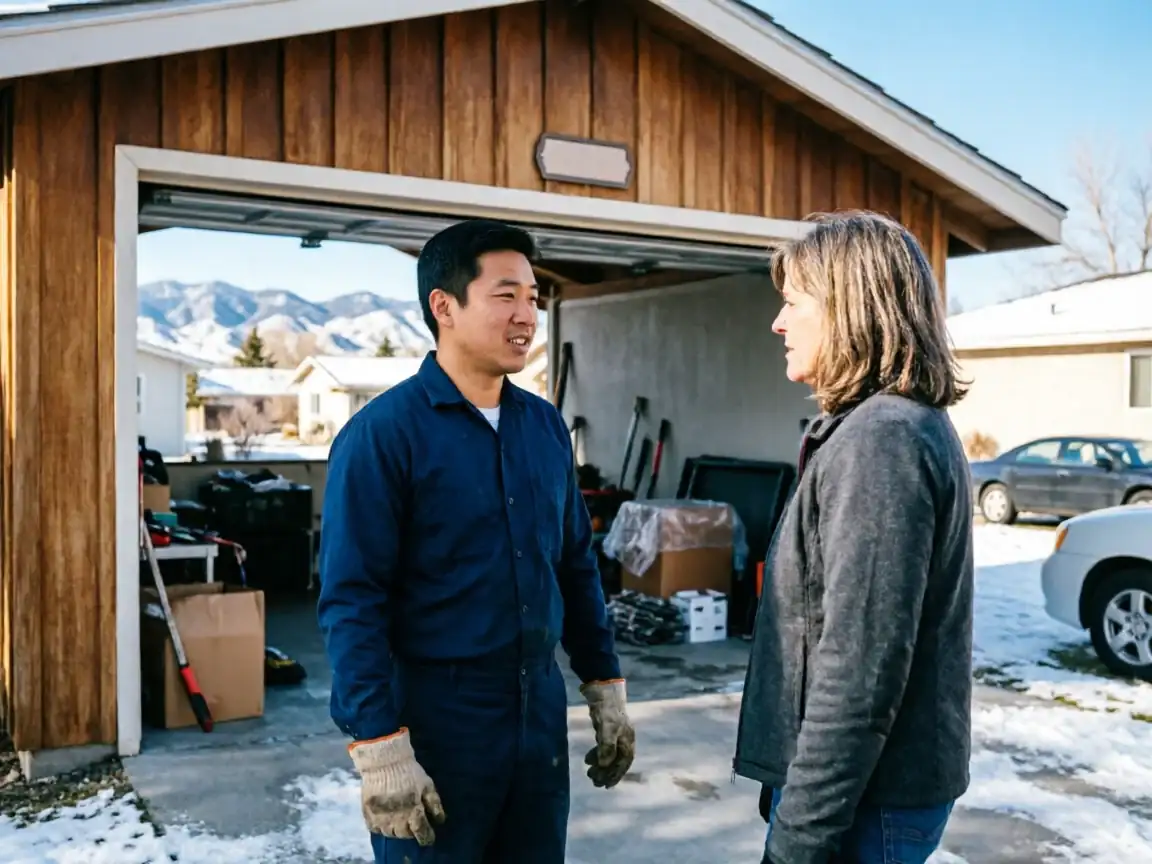
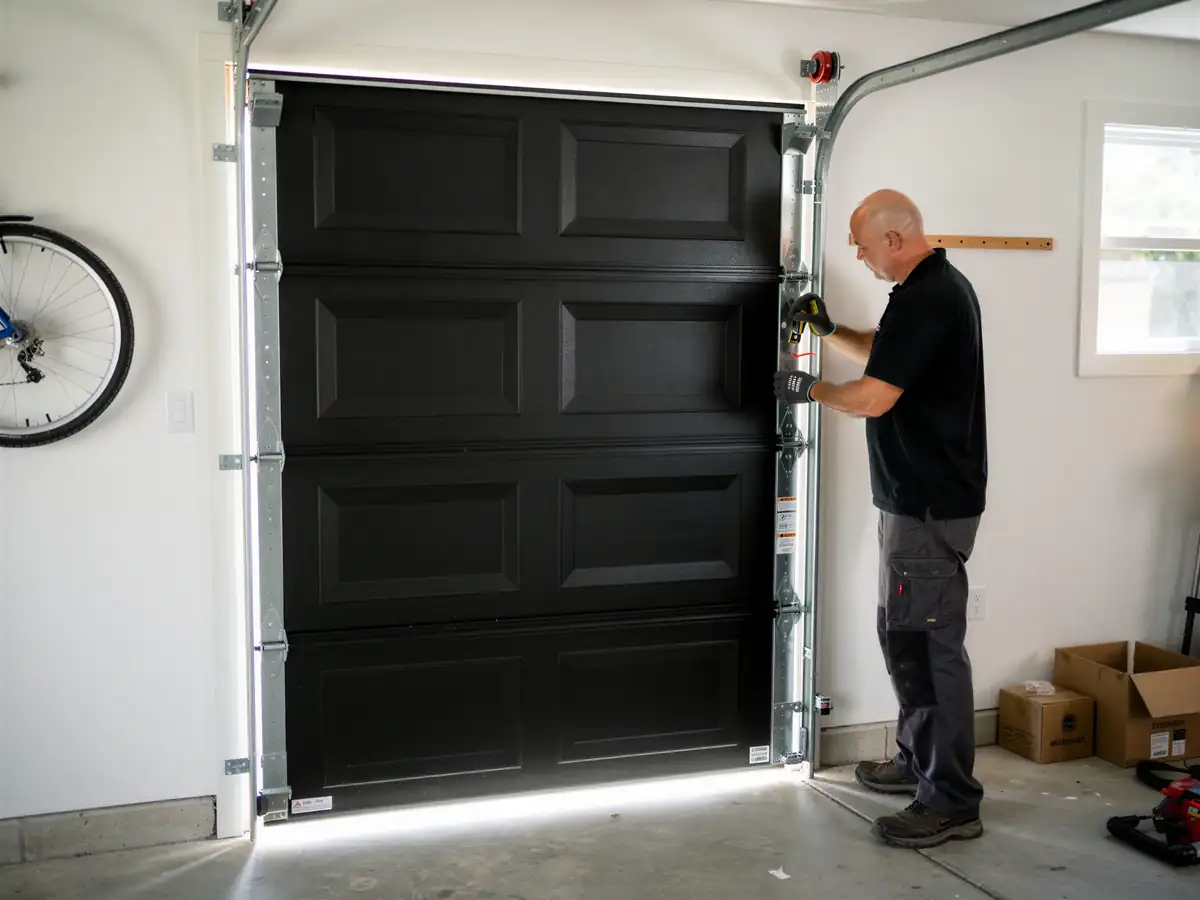
So our crew already knows the common rough opening sizes and header clearances that show up in that era of construction. That keeps the estimate visit short and the number on the quote close to the number on the invoice. Call or use the site to get a walk-through quote - we'd rather look at your actual opening than guess over the phone.
Stocked Parts
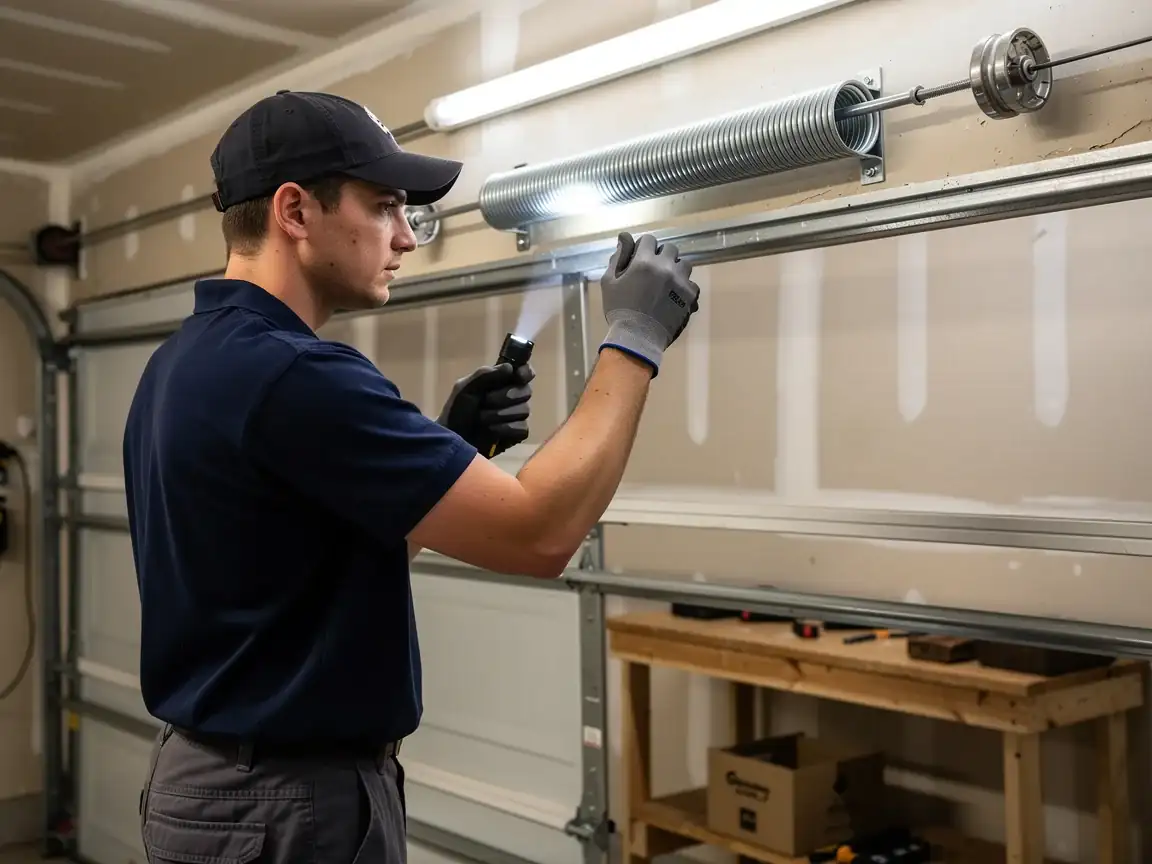
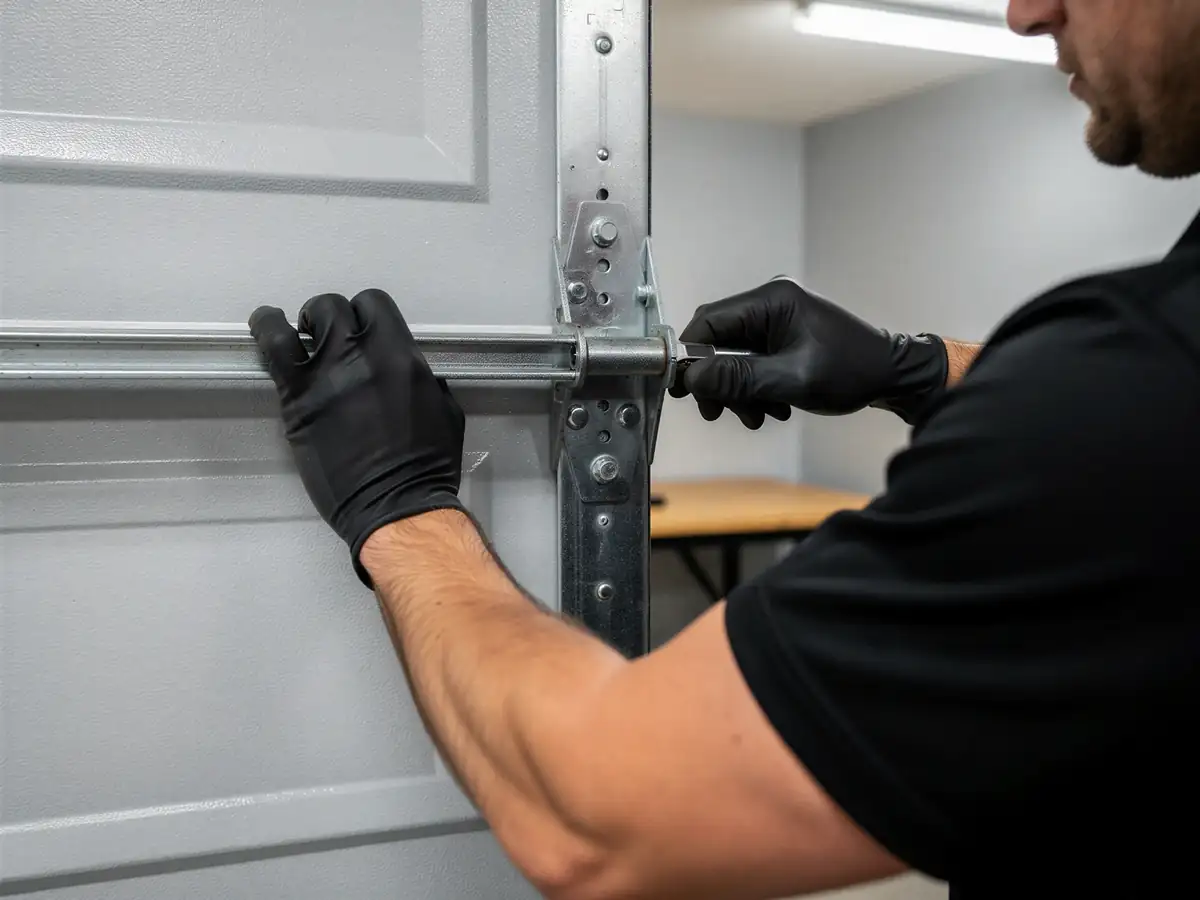
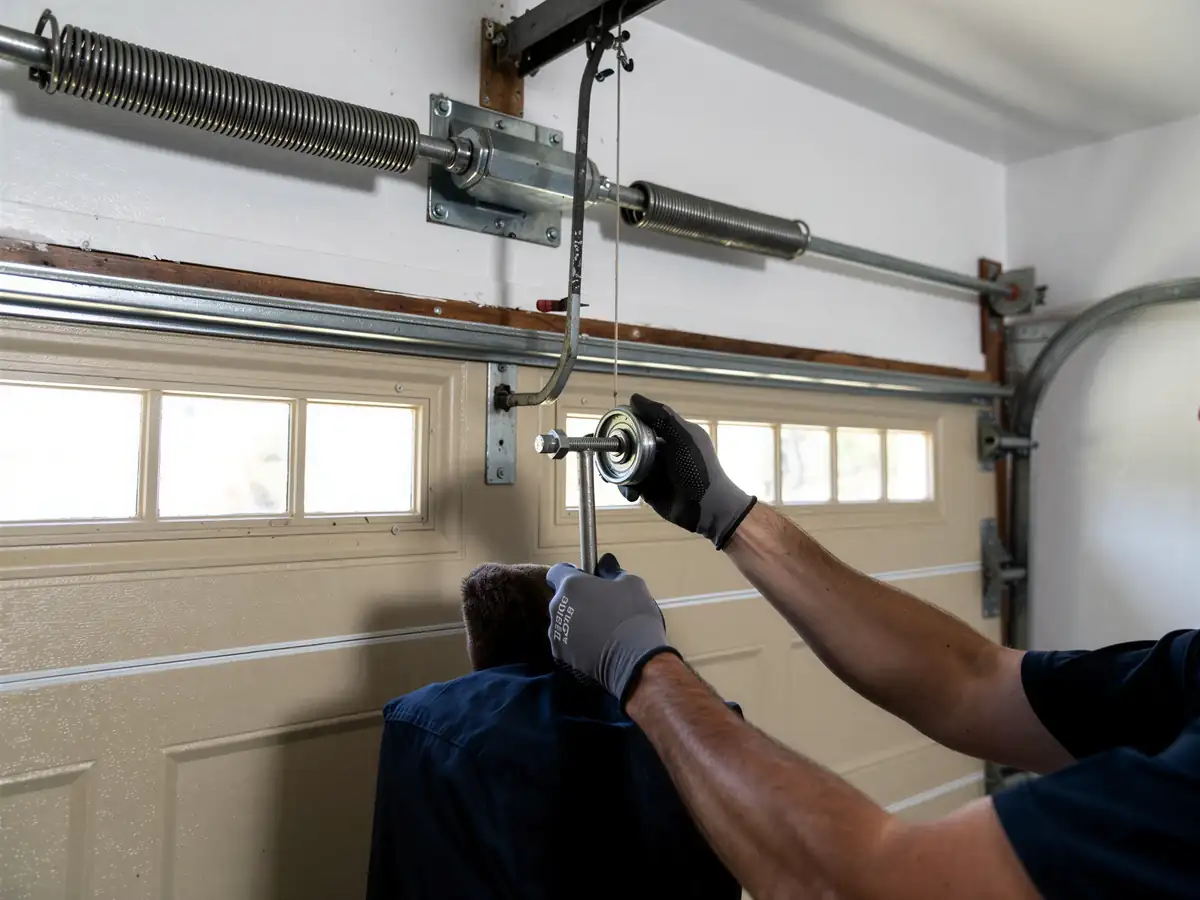
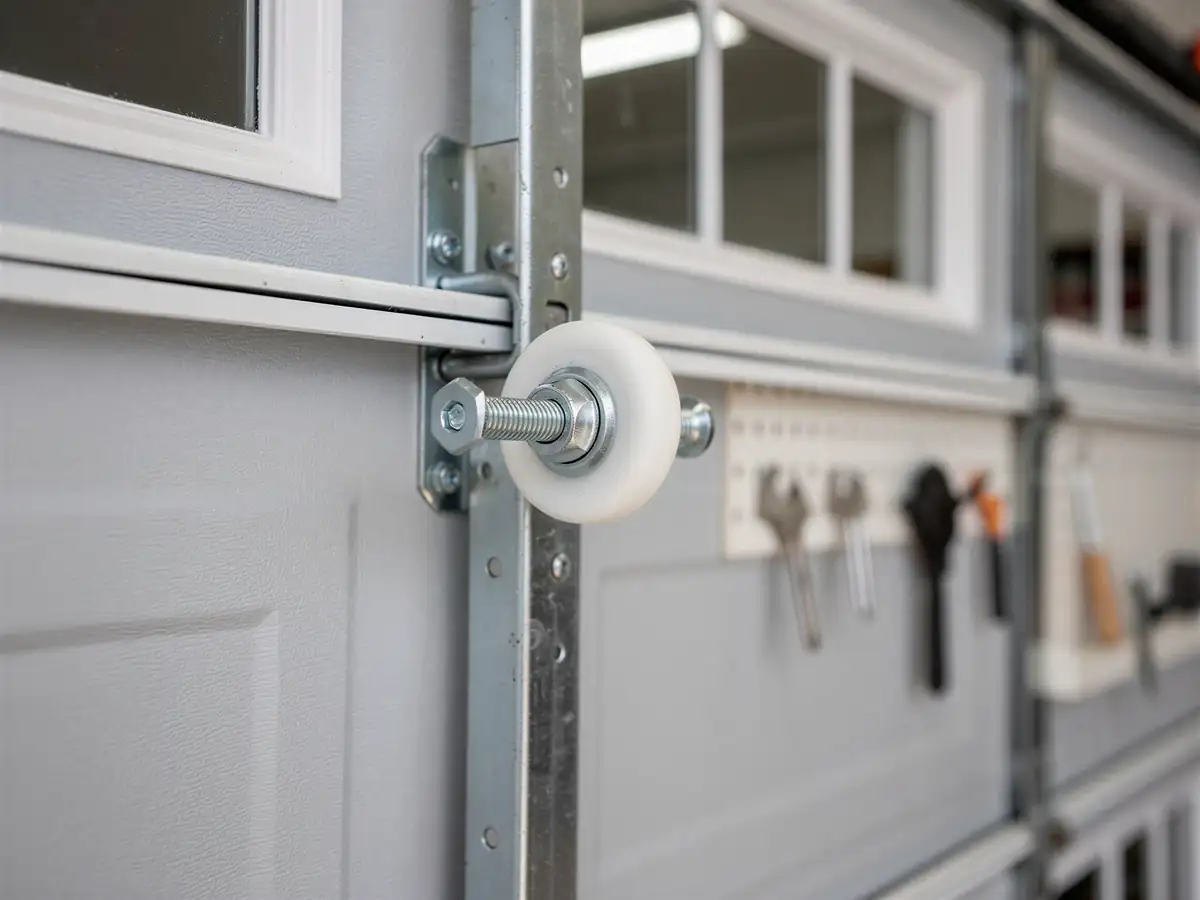
Because most homes we work on were built in that same 1980s-to-early-2000s window, we keep the torsion springs, rollers, and track hardware sized for that era's standard openings on the truck. That's not a guess - it's what nine out of ten jobs across Evergreen, Kila, Somers, Columbia Falls, Lakeside, Whitefish, Bigfork, Hungry Horse, and Marion actually call for. A standard 7-foot double door opening from a 1988-median build year almost always takes the same spring wire diameter and drum size, so we don't need a special order to finish most installs same-visit.
Where we do run into a lead time is custom sizing - oversized openings, non-standard widths, or insulated doors rated for harder cold than the stock options. We'll tell you straight if your job needs a special-order door rather than promise a date we can't hit. That's the one honest gap: stocked parts cover the common case, not every case.
The Symptom
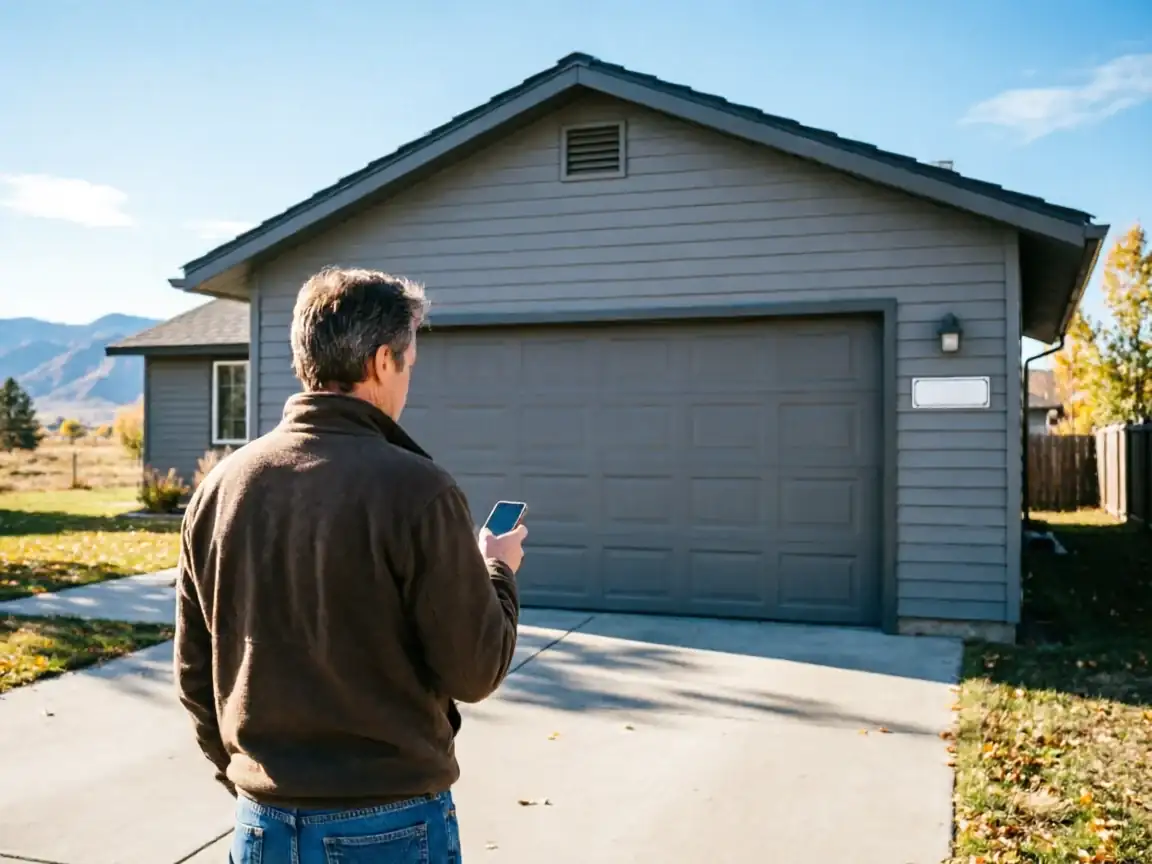
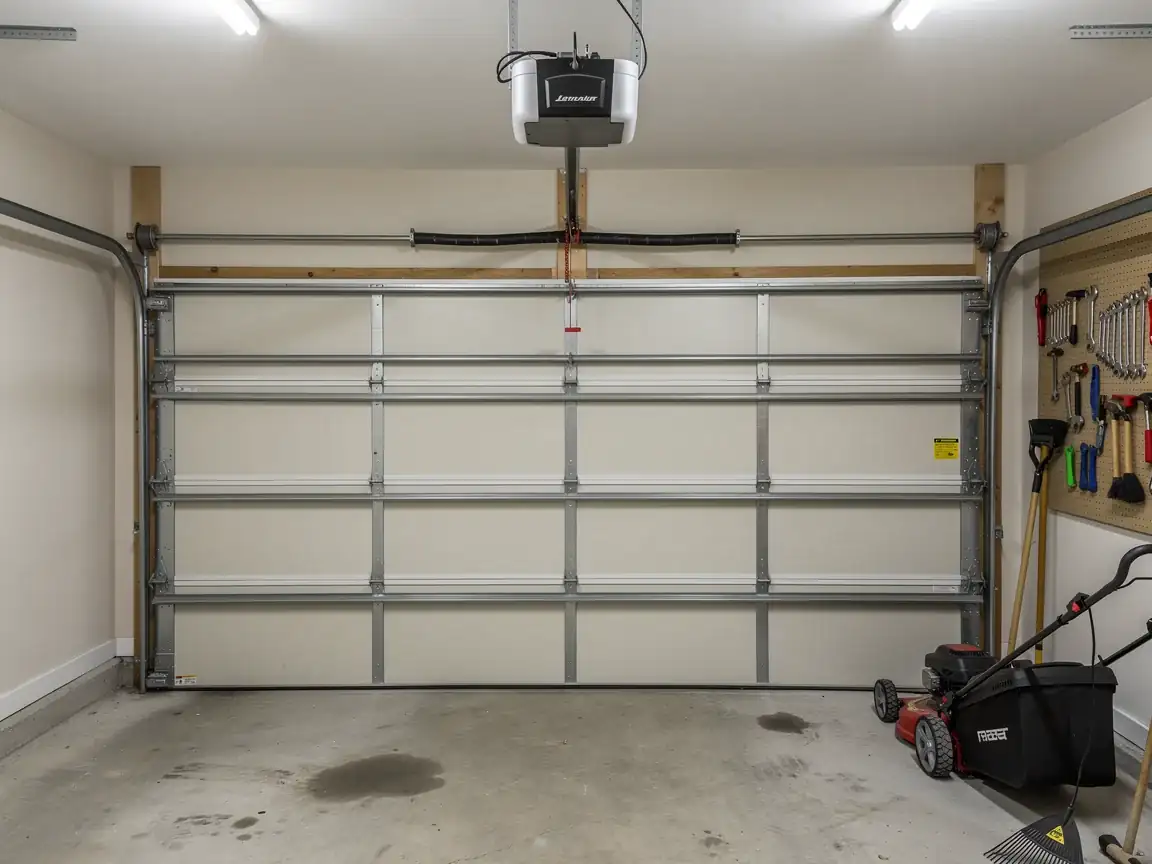
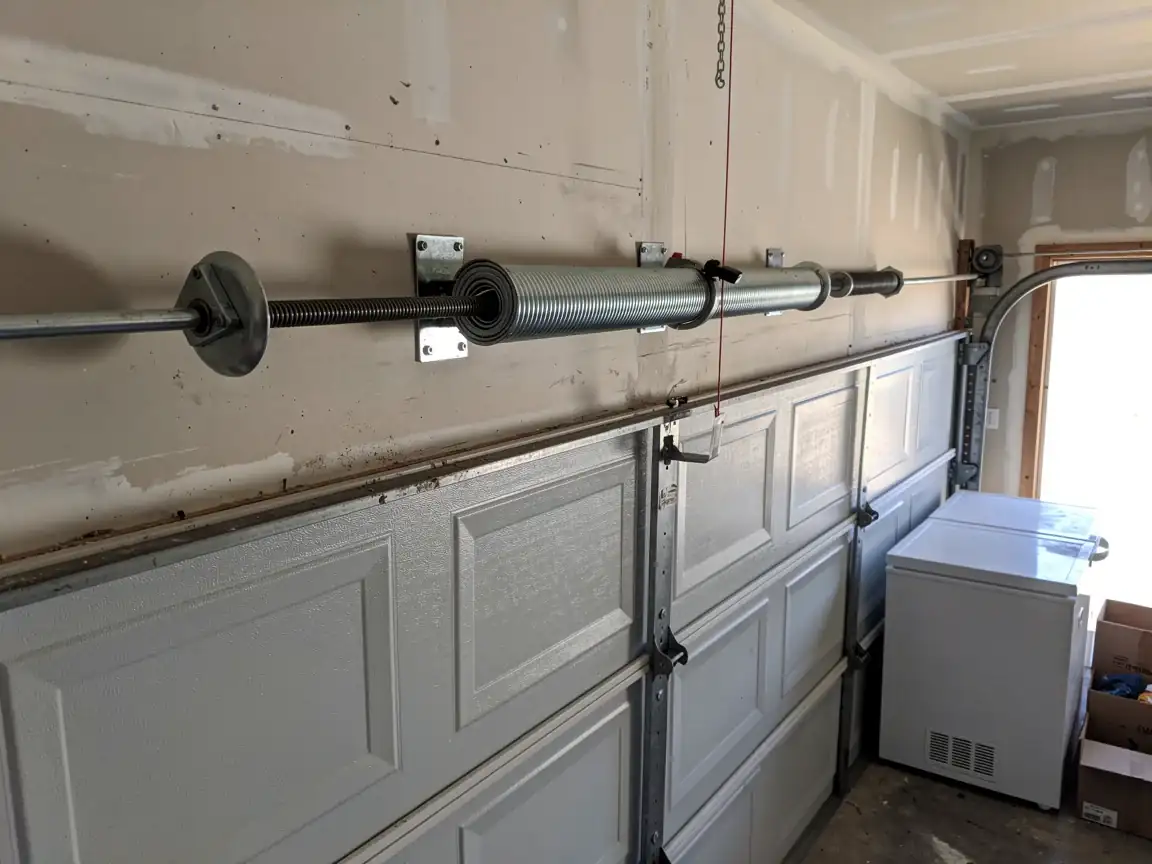
The complaint we hear most from this stretch of Montana isn't a door that won't open - it's a door that opens slow, groans on the way up, or reverses halfway for no obvious reason once the temperature drops. Steel contracts in cold, grease thickens, and a torsion spring that was already near the end of its cycle count loses just enough tension to throw off the opener's force sensor. The owner assumes the opener is dying when it's actually the spring telling on itself.
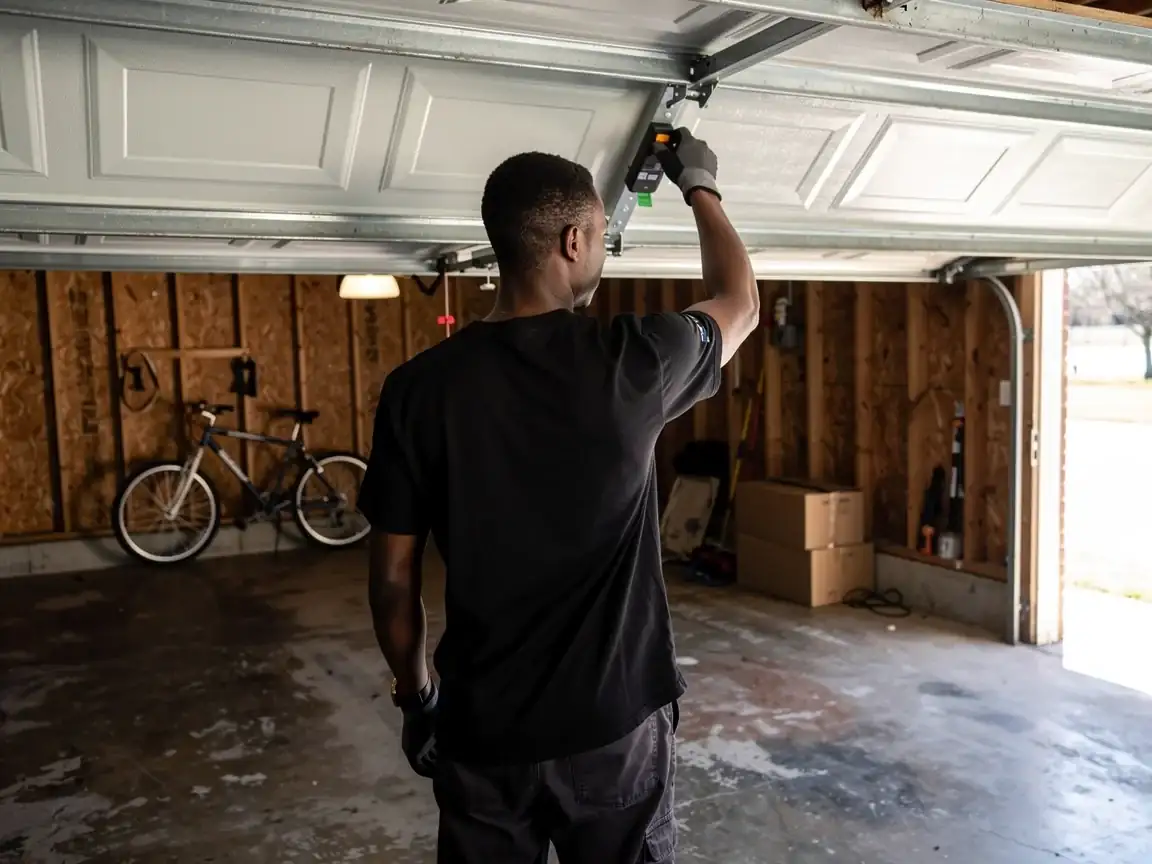
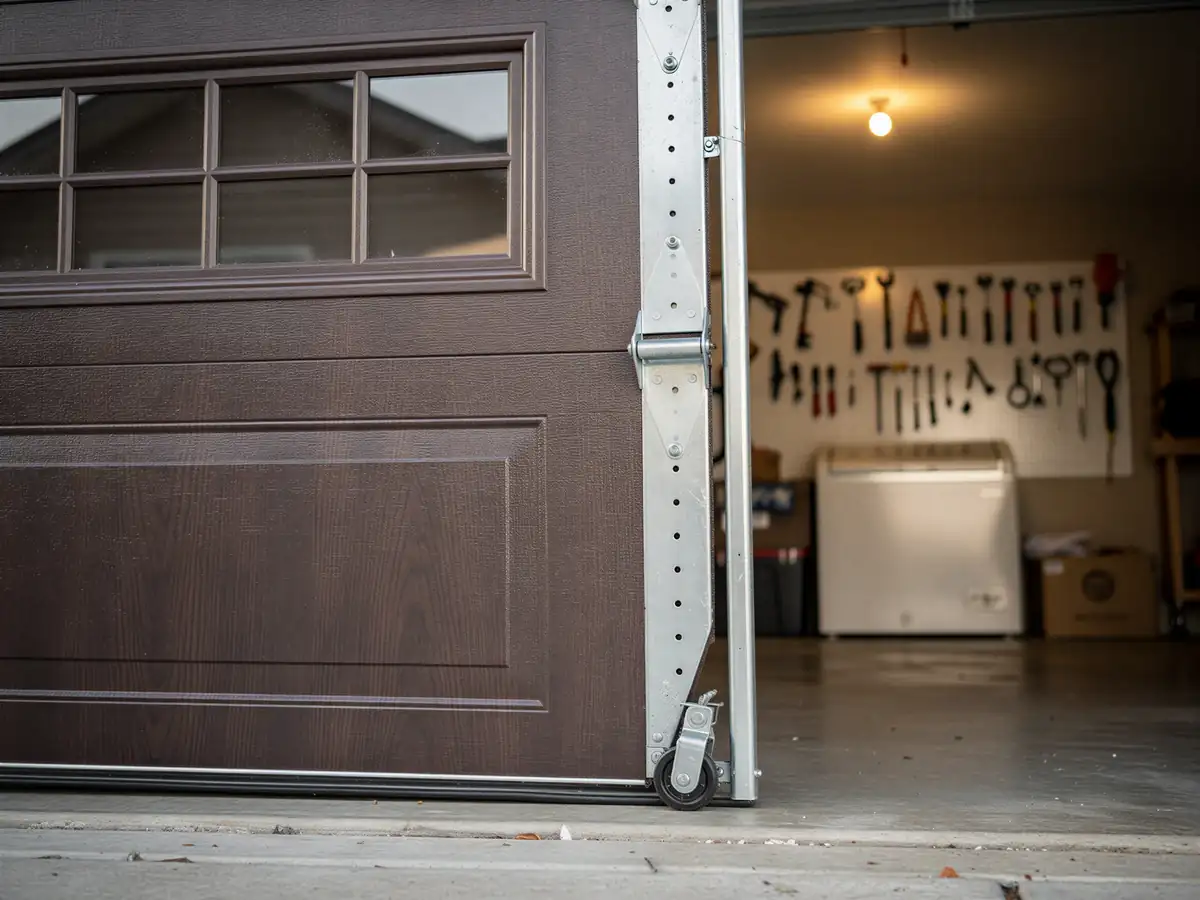
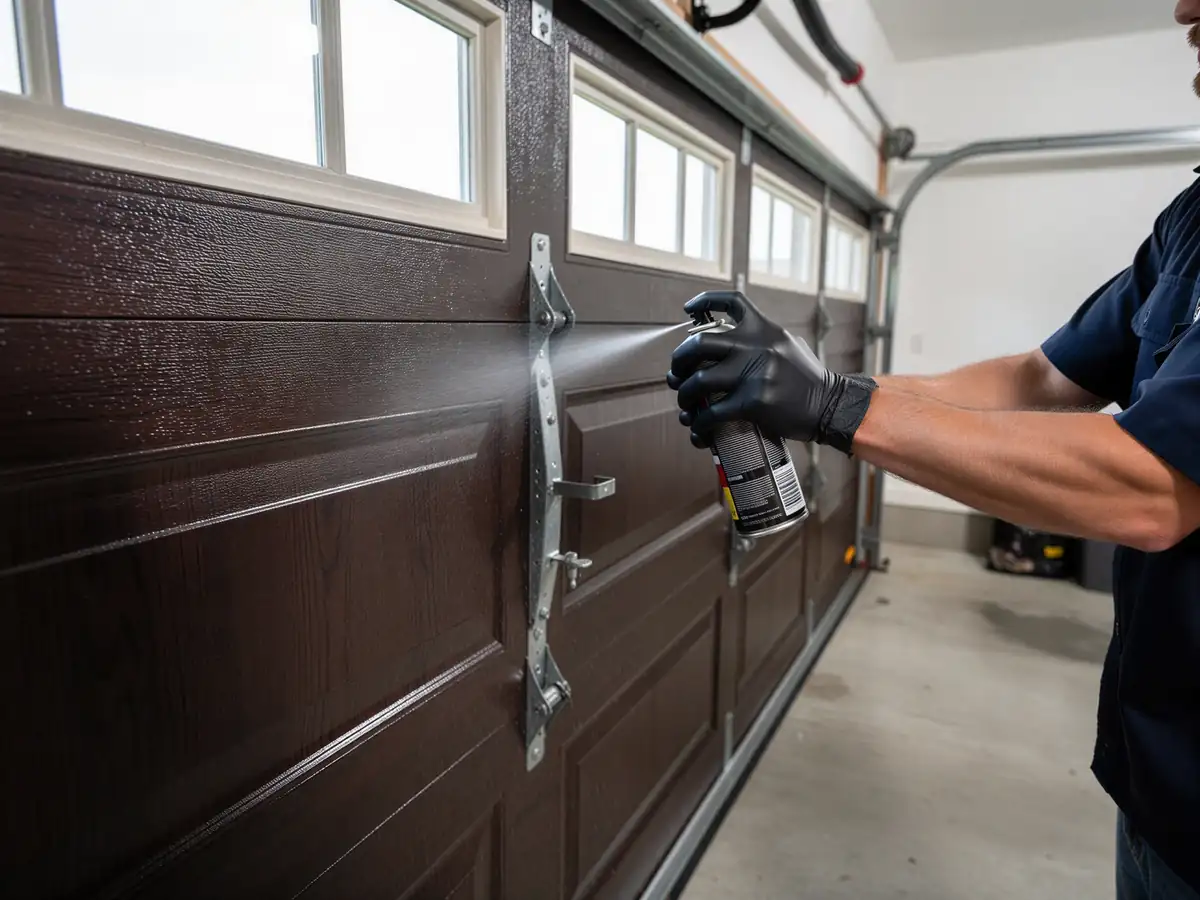
On older installs, the second version of this shows up as a door that sounds fine in summer and sticks every winter morning at the same spot on the track. That's usually a combination of worn rollers and a track that's slightly out of plumb - small enough to ignore for years, noticeable the moment cold makes the steel less forgiving. Neither of these is an opener problem first, even though the opener is what the homeowner notices.
Why This Fails Locally
Kalispell sits in a cold-climate band with severe winter conditions
And that matters more here than in a lot of places because of when this area was built. With housing running mostly 1979 to 2003 and a median build year of 1988, a large share of the doors in the nine communities we cover are now thirty-plus years into a hardware lifespan that cold accelerates. Steel springs lose tension faster through repeated freeze-thaw cycling than they do in a mild climate, and original hardware from that build era wasn't always speced for the cycle count a modern household puts on a door - two or three openings a day, every day, for three decades.
Across 8,002 owner-occupied houses in the service area, that adds up to a predictable pattern
Original 1980s-90s doors reaching spring failure and track wear around the same mileage, just at different calendar years depending on install date. It's not bad luck - it's the climate doing to older steel what it does every winter, just now showing up as a service call instead of a quiet inconvenience.
- 8,002 owner-occupied