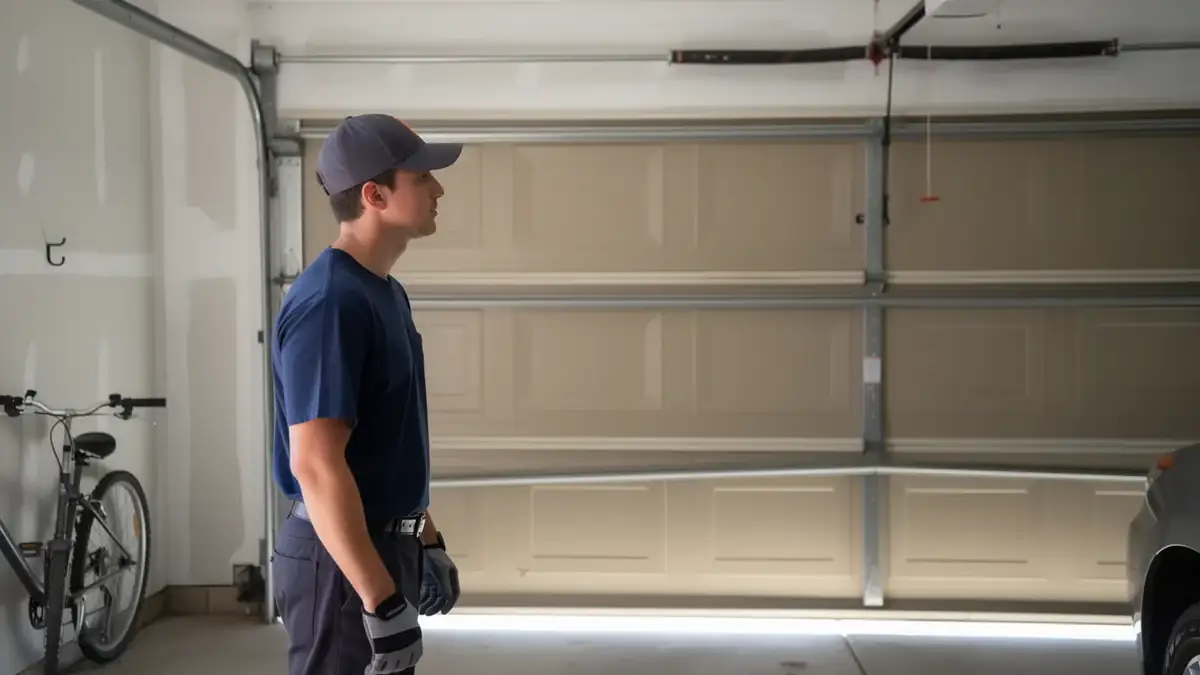
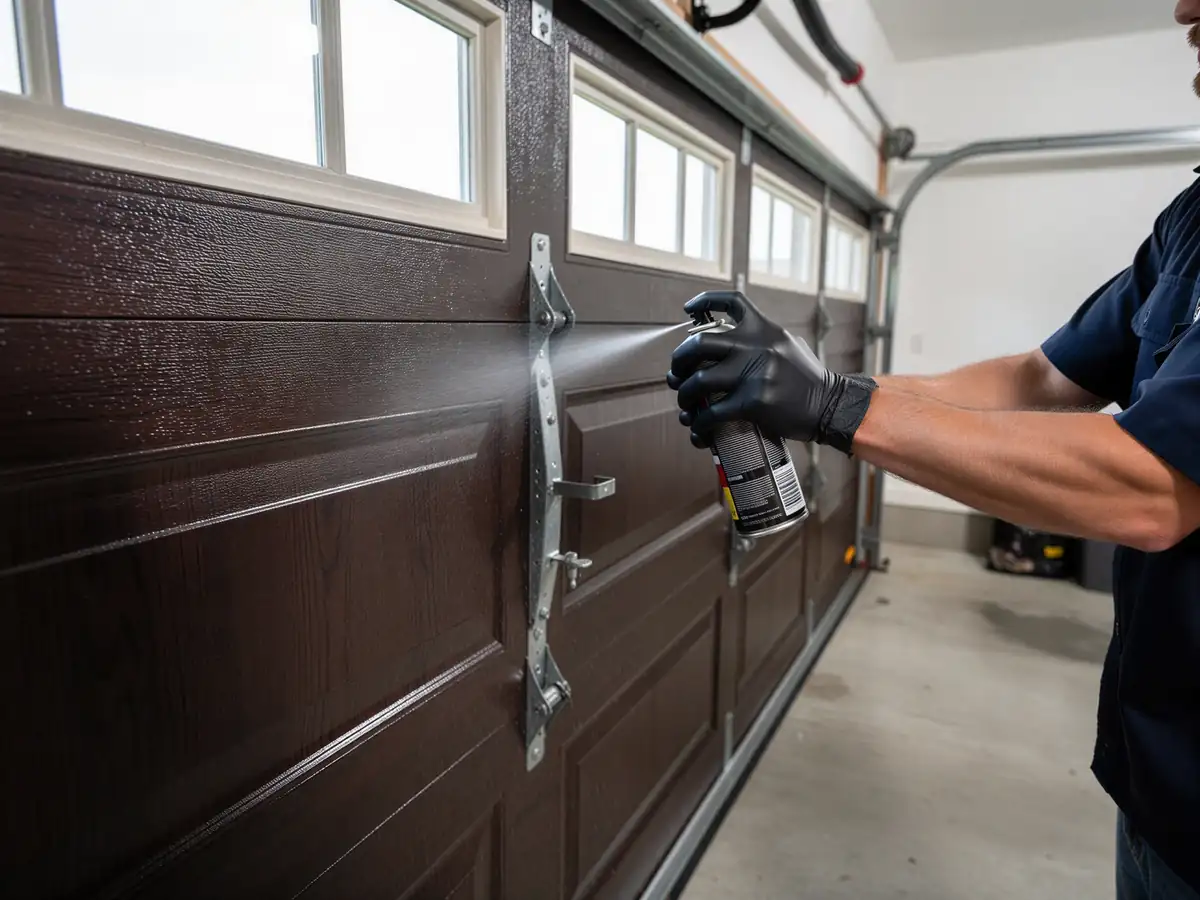
Kalispell homes built mostly in the 1980s and 90s face cold-climate wear on garage door springs and openers. Here's what those noises actually mean today.
Most of the houses on this side of the valley went up between 1979 and 2003, with the bulk of that stock dating to the late 1980s. That means the original torsion springs and chain-drive openers in a lot of these garages are old enough to be the ones that have never been touched. Owners hear a new squeal or a thump on the up-stroke and figure the door is just settling in - but a spring rated for a certain number of cycles doesn't settle, it degrades. Across the nine areas we work in - Evergreen, Kila, Somers, Columbia Falls, Lakeside, Whitefish, Bigfork, Hungry Horse, and Marion - the pattern repeats: a door that's run fine for fifteen winters starts making a different noise, and the owner waits because the door still opens. The noise isn't the problem. It's the warning before the part that's actually failing lets go, usually a spring under full tension or an opener gear worn past its teeth. Waiting past that point can turn a simple spring swap into a door stuck half-open with a snapped cable or a bent track. The age of the stock here is exactly why a noise that would be nothing on a five-year-old door deserves a second look on one built when gas was under a dollar.
How Local Conditions Play In
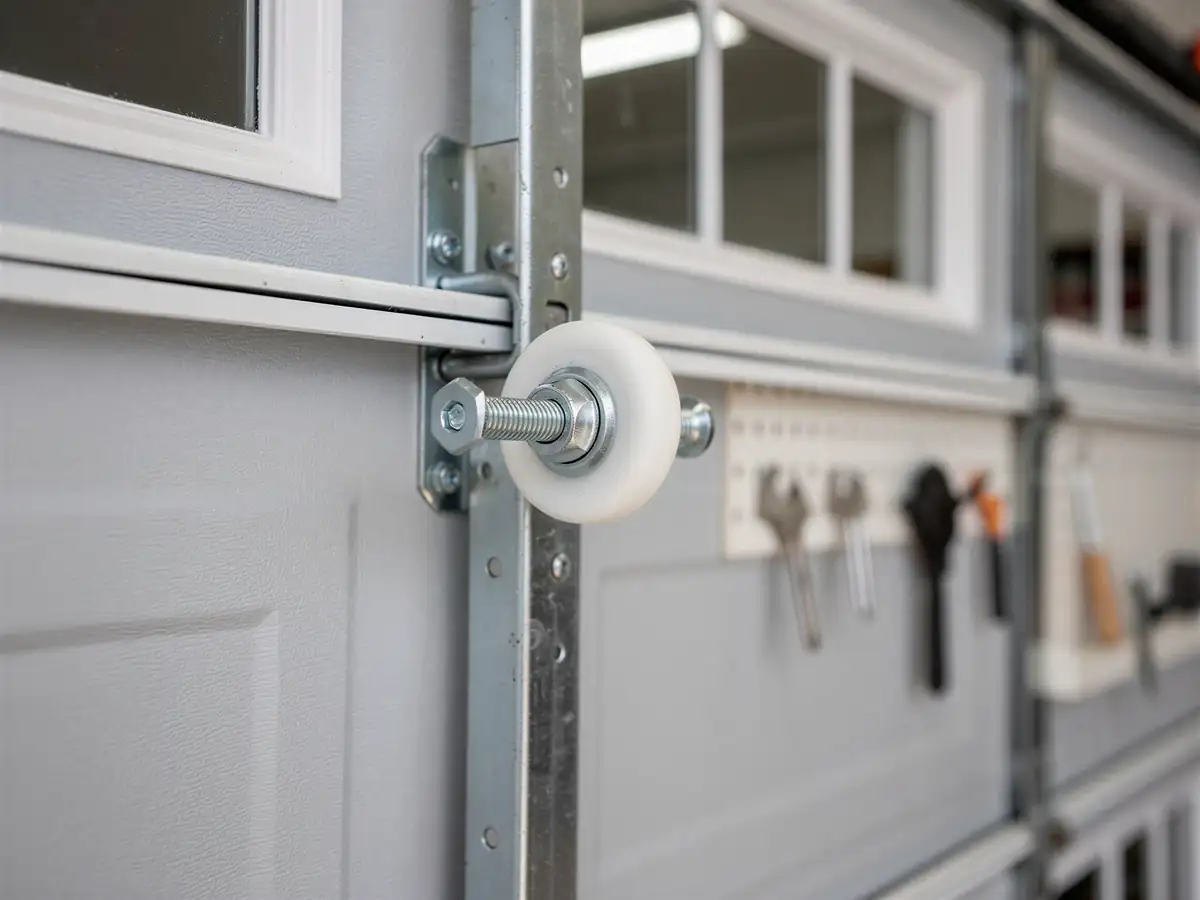
This area sits in a severe cold climate band, and that changes what a given noise means. Steel contracts in deep cold, which tightens tolerances on tracks and hinges that were set in warmer weather - you'll hear a grinding or scraping on the first few cycles of a cold morning that disappears once the door and the garage warm up. That's usually fine. What isn't fine is grease and lubricant on rollers and bearings stiffening up enough that the opener has to fight the door, which shows up as a new strain-groan from the motor or a door that hesitates partway through its travel. On a torsion spring, cold makes the steel slightly less forgiving under load, so a spring that was already near the end of its cycle life is more likely to let go on a cold morning than a mild one. If your door's noise is worse in January than in July, that's not your imagination - it's the climate doing exactly what it does to aging hardware in this part of the state.
The Problem
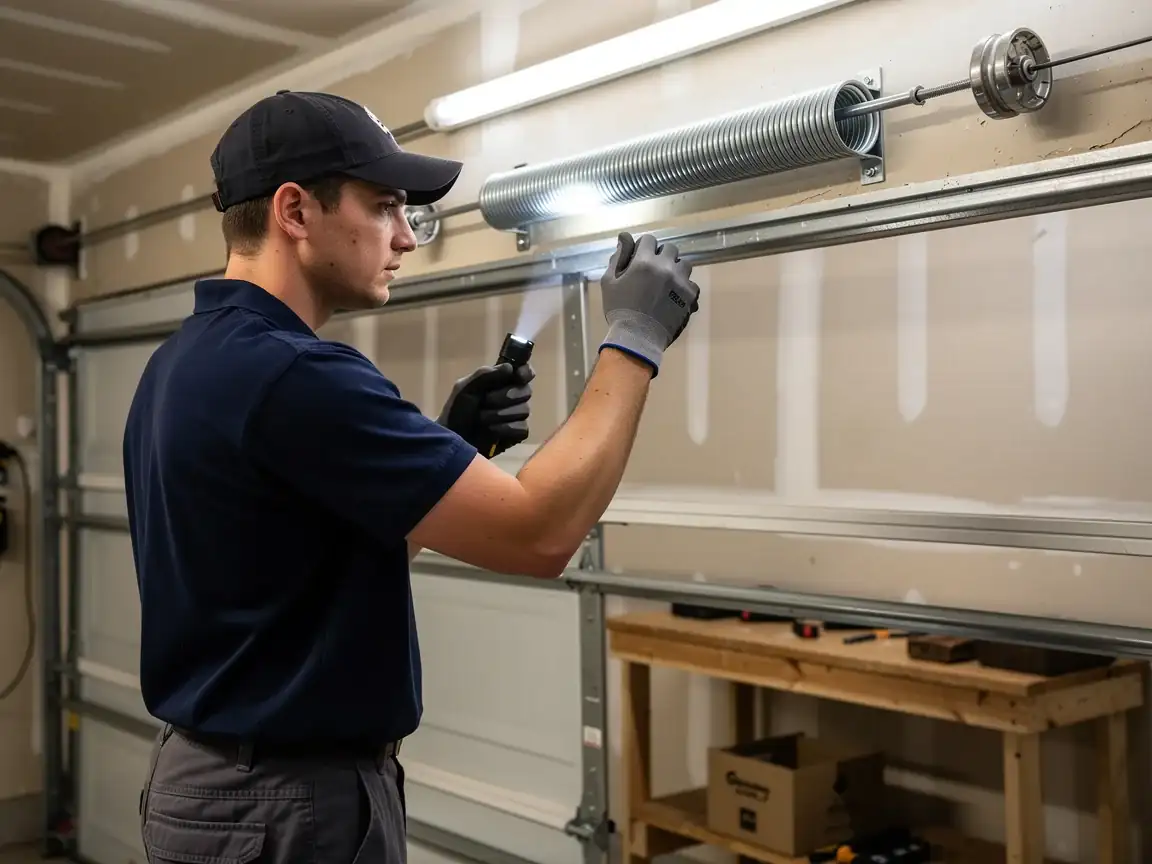
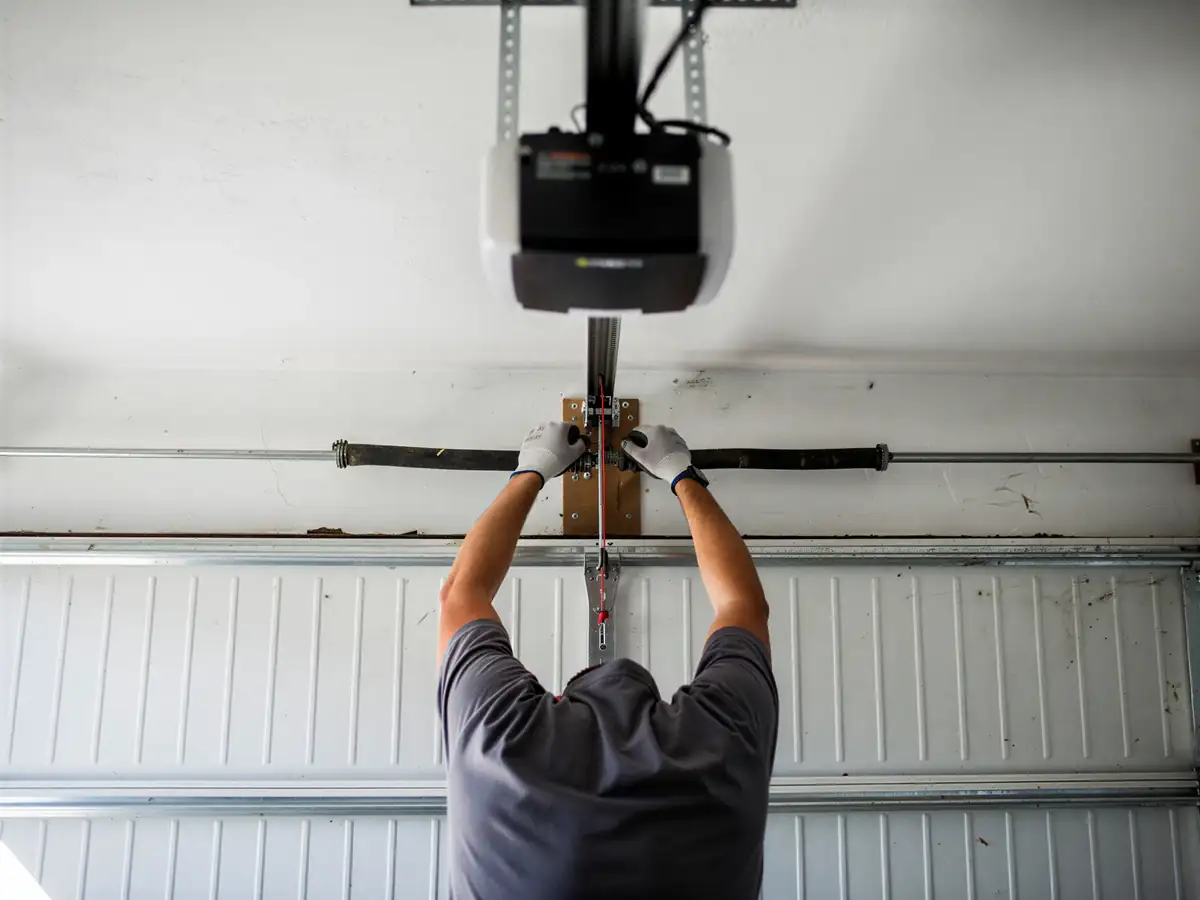
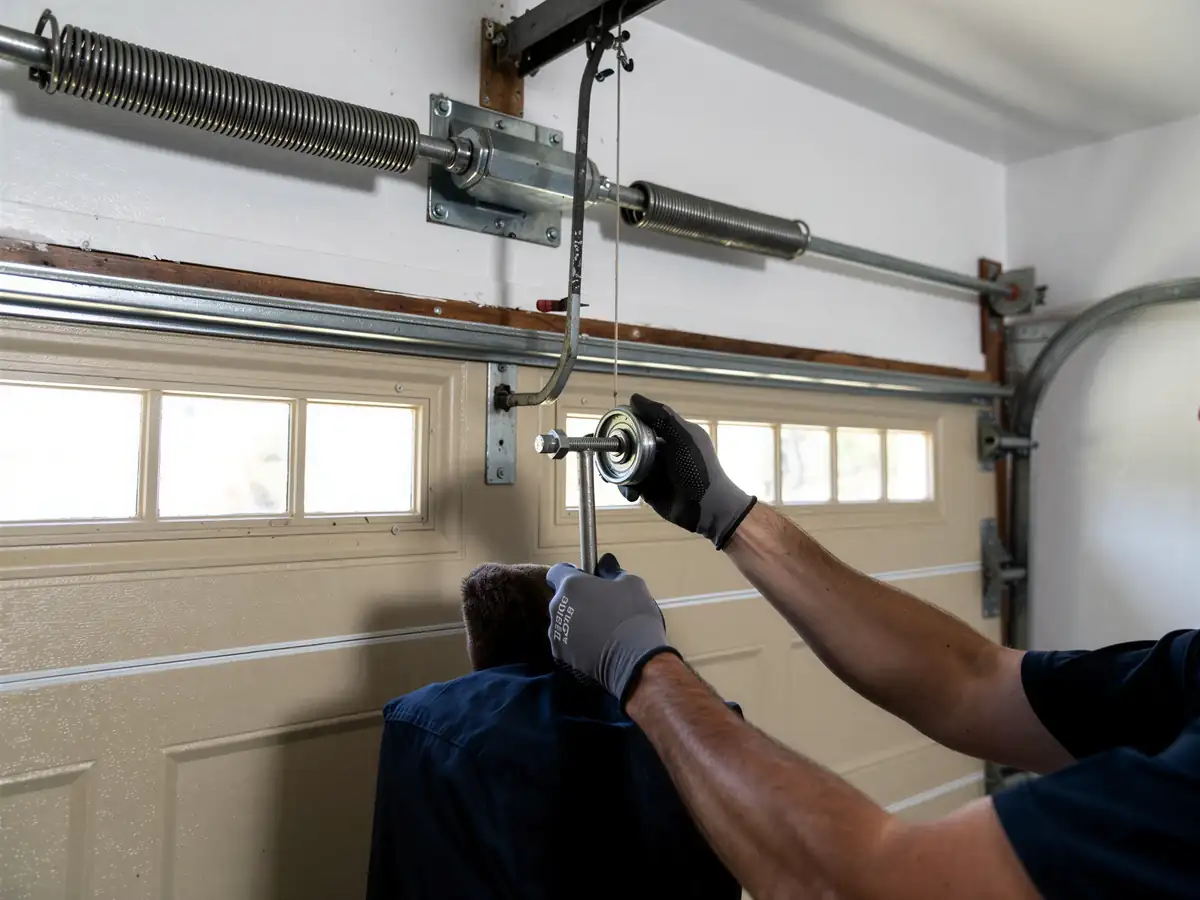
Put the two things together - hardware mostly installed between 1979 and 2003, and winters that run severe cold - and you get a predictable failure window rather than a random one. A torsion spring installed when a house was built in the mid-1980s is now pushing past the point where most springs of that era are still rated to perform, and cold-weather cycling pulls that forward, not back. The noise that shows up first is rarely dramatic: a tick on one side as the drums turn unevenly, a shudder as a worn roller catches in the track, a opener that clicks before it engages. None of those stop the door from working, which is exactly why they get ignored. The honest limit here is that we can't tell you from a description alone whether a given noise is a $40 roller or a spring on its way out - some of it really does need someone looking at the door in person, because a worn roller and a failing spring can sound almost identical from inside the house.
When Waiting Is Fine
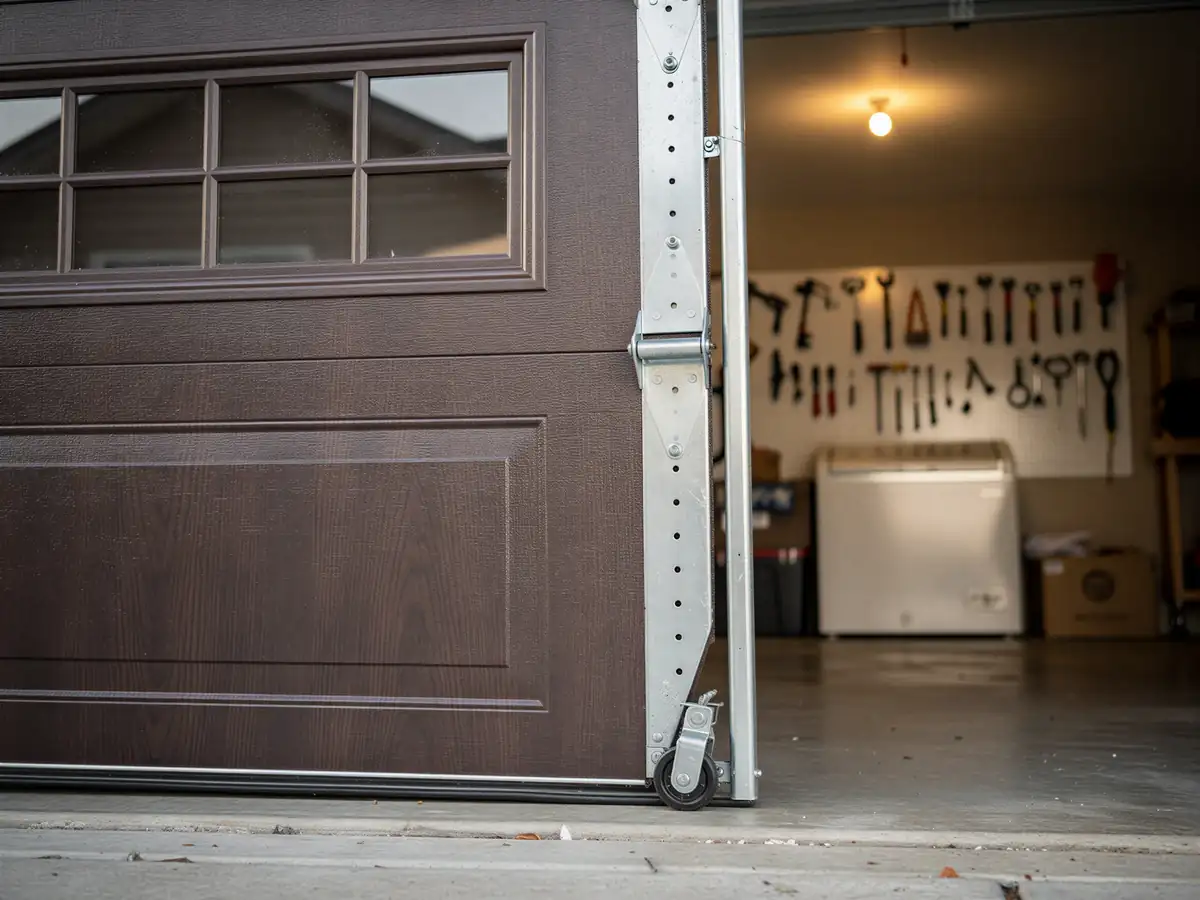
Not every noise is a call-today noise. A dry squeak from a hinge or roller that's been there for months and hasn't changed in pitch or volume is usually just a lubrication issue - it can wait for a weekend. Same with a light rattle in the track on a windy day; most doors in this age range have enough play in the hardware that a little rattle isn't news. What shouldn't wait is anything new: a grinding sound that wasn't there last week, a bang on opening or closing, or a door that visibly jerks on one side. Those point at hardware already compromised - a spring near the end, a cable fraying, a track bent out of alignment - and in a severe cold climate, compromised hardware tends to fail on the coldest morning, not the mildest one, which is rarely a convenient time. If you're not sure which category you're in, that's a reasonable reason to have someone look, not a reason to assume the worst.
My garage door opener clicks a few times before it starts moving. Is that normal?
Not usually. A click before the motor engages often means the gear inside the opener is worn, which is common in units installed when a lot of this area's housing went up between 1979 and 2003. It can run like that for a while, but the gear doesn't repair itself, and it tends to fail completely on a cold morning rather than a mild one.
Why does my door sound worse in winter than summer?
This area sits in a severe cold climate band, and cold steel and stiff grease change how hardware behaves. Tracks tighten slightly, lubricant thickens, and springs already near the end of their cycle life are more likely to show strain in the cold. A noise that's only loud in January is usually hardware telling you it's working harder than it should.
Is a squeaky hinge something I need to call about right away?
No. A steady, unchanged squeak from a hinge or roller is typically just dry metal and can wait for routine lubrication. What changes that answer is if the pitch, volume, or timing of the noise shifts, or if a new sound shows up alongside it - that combination usually means something has started to wear faster, not just dry out.
Do you work outside Kalispell itself?
We cover the surrounding areas as well, including Evergreen, Kila, Somers, Columbia Falls, Lakeside, Whitefish, Bigfork, Hungry Horse, and Marion. You can reach us through [Kalispell Garage Door Pros](/) to find out more.
Ready to get your garage door sorted?
Tell us what it’s doing and where you are in Kalispell - we’ll take it from there.