Where People Go Wrong
The usual mistake is treating a broken spring like a surprise
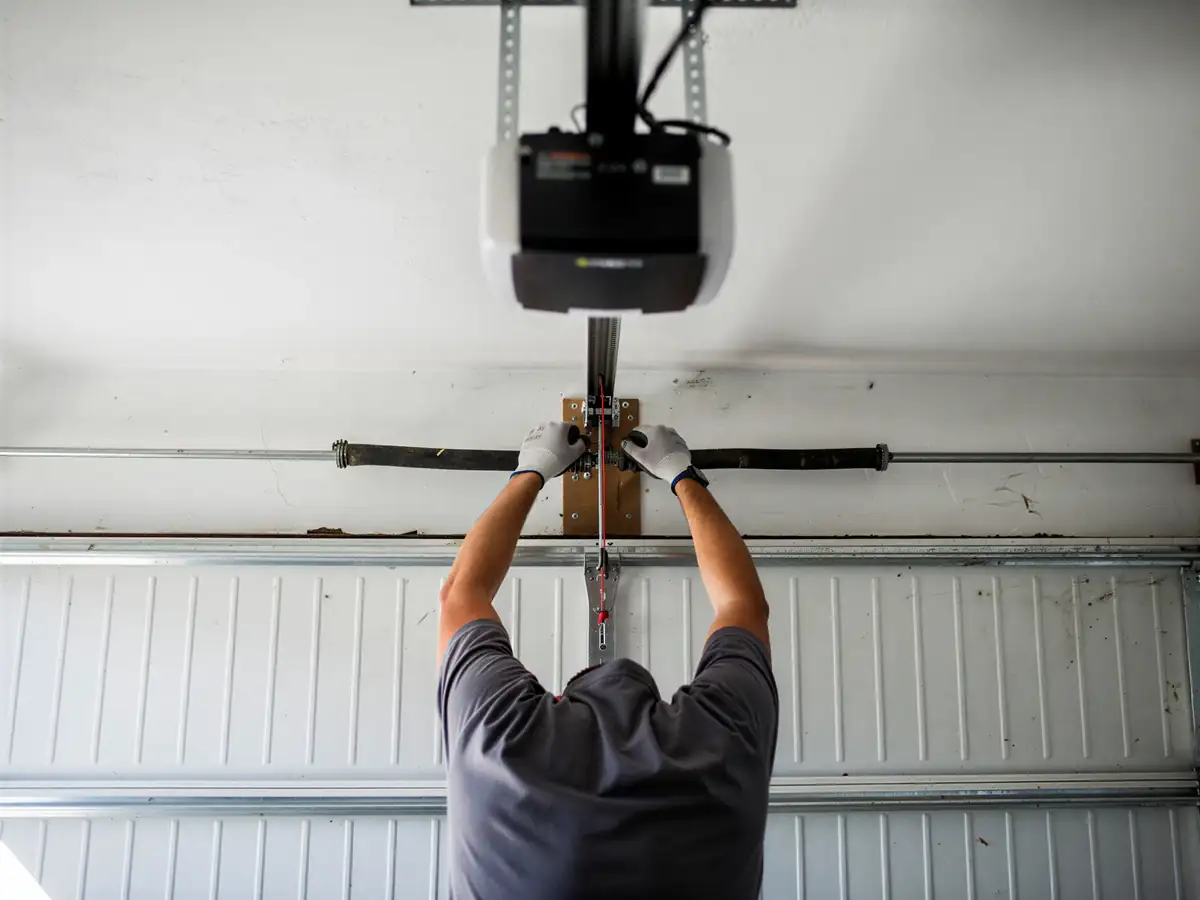
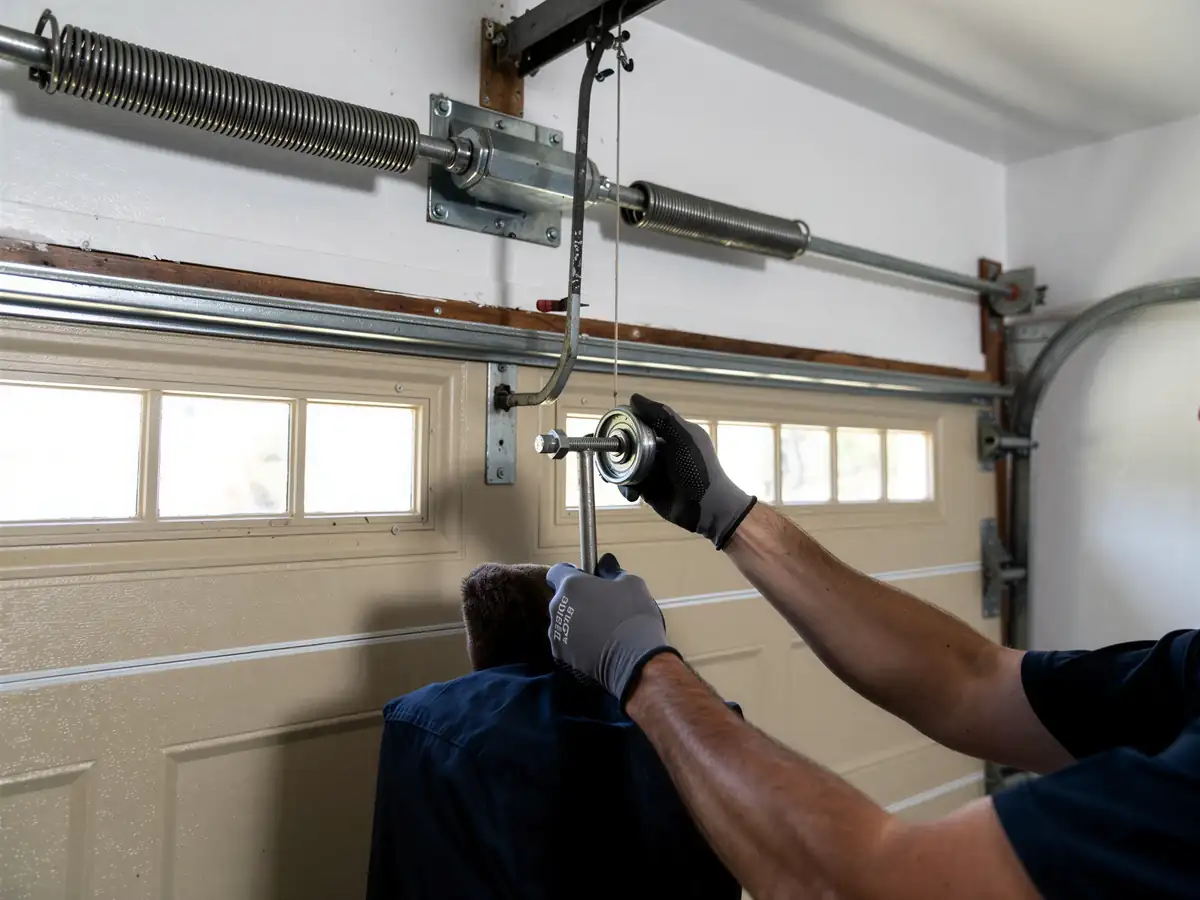
It isn't. Most houses around Kalispell were built between 1979 and 2003, with a median year of 1988, which means a lot of original torsion springs are now over three decades old. A torsion spring is rated for a number of cycles, not a number of years, but age and cold both pull that number down faster than people expect.
The other mistake is assuming the opener is the problem
When a spring is on its way out, the opener strains to lift a door it was never built to lift alone, and owners replace the opener, spend the money, and still end up with a dead spring a month later. If the door feels heavy, sags unevenly, or the opener strains and stops partway, that's the spring, not the motor.
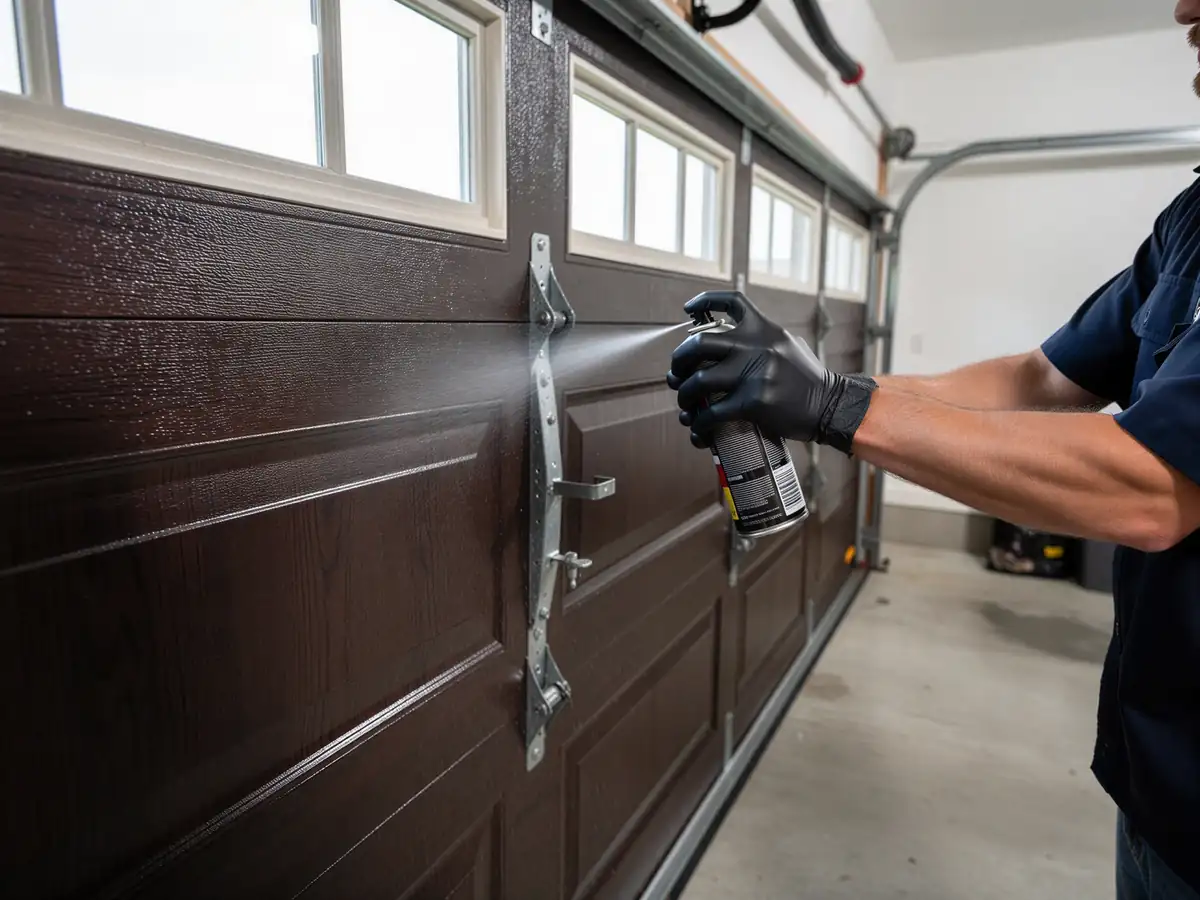
A third mistake: lubricating the track and calling it maintenance
Tracks rarely cause the failure. The spring does the lifting work, cycle after cycle, for years without anyone touching it, and it's the one part most owners never think about until it lets go.
How Local Conditions Play In
Kalispell sits in a cold-severe climate band, so a spring that's already fatigued from three decades of use is far more likely to snap on the first hard freeze of the season. Cold steel is less forgiving under tension. A spring that would bend a little and hold in warm weather instead reaches its breaking point outright when the temperature drops, especially on the first really cold morning of the year when the door gets used before the garage has had any chance to warm up.
Across the nine communities we work in - from Evergreen three miles out to Marion eighteen miles out - the housing stock is largely 1980s and 90s construction, which means the same spring problem shows up on a predictable schedule, house after house, as winter sets in. It isn't random. It's the math of age plus cold plus a part that was never swapped out.
This is also why fall is the better time to have a spring checked than January. By the time it's failing in the cold, you're usually looking at a full break, not a slow one.
The Problem
With 8,002 owner-occupied houses in the service area, a good chunk of them hit the 25-to-35-year mark on their original spring right about now. That's not a scare number, it's just where the math lands given when the neighborhoods went up. A spring at that age has usually absorbed tens of thousands of open-and-close cycles, and cold weather is what finally finds the weak point.
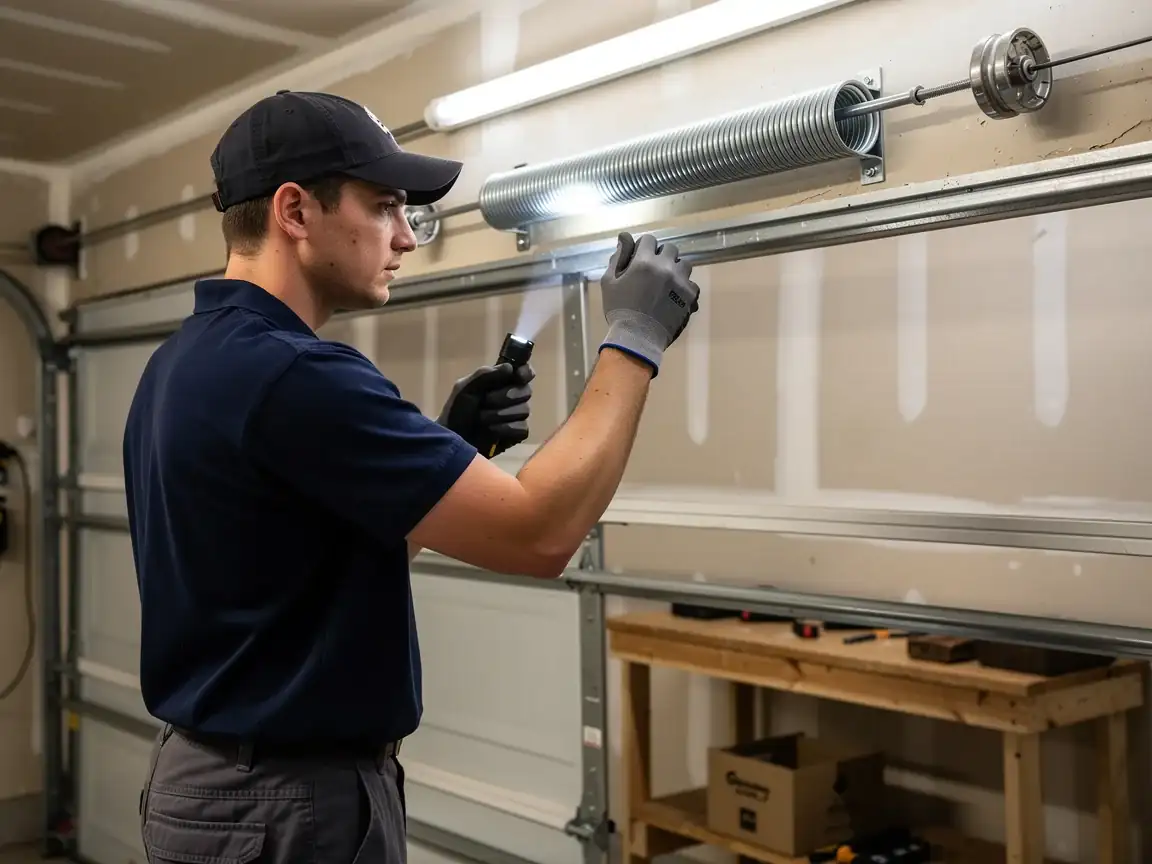
The honest limitation here: we can't tell you exactly which week your spring will go, and nobody can. What we can say is that a spring showing early signs - a loud bang, visible gap in a coil, the door drifting shut on its own - is close to the end, and waiting through a cold spell to deal with it is the wrong bet. A spring that fails outright can drop a door hard, and double doors use two springs that are usually the same age, so one going often means the other isn't far behind.
At a median household income of $71,110, most owners here aren't looking to replace a whole door over one broken spring, and in most cases they don't need to. The spring and the door are separate repairs.
When Waiting Is Fine
Not every symptom means call today
A door that's slightly noisier than it used to be, or a spring with a little visible rust but still holding tension evenly, can usually wait for a scheduled visit rather than an emergency one. Cosmetic surface rust on a spring isn't the same as a spring that's stretched or gapped.
If your house falls in that 1979-2003 build range and the spring has never been replaced
Waiting for warmer weather to deal with a minor issue is reasonable - the risk goes up in a hard freeze, not in a mild stretch of fall or spring. What isn't reasonable is waiting once the door is already struggling to lift, or once you hear a bang from the garage. That's not a maintenance window anymore, that's a part that's already gone or about to.
We'd rather tell you a repair can wait than talk you into a same-day call you don't need
If the door still opens smoothly and evenly, you likely have time to schedule it rather than treat it as urgent.