Where People Go Wrong
Most people call us expecting a spring swap or a noisy roller fix
And leave out everything else. That's the wrong frame for this town. Most of the garage doors we open up here were installed when the house itself went up, somewhere between 1979 and 2003, with a median build year of 1988. A service call on a door that old isn't a single-part job - it's a check of the whole system, because the opener, the track, the hinges, and the springs are all roughly the same age and all wearing out on roughly the same schedule.
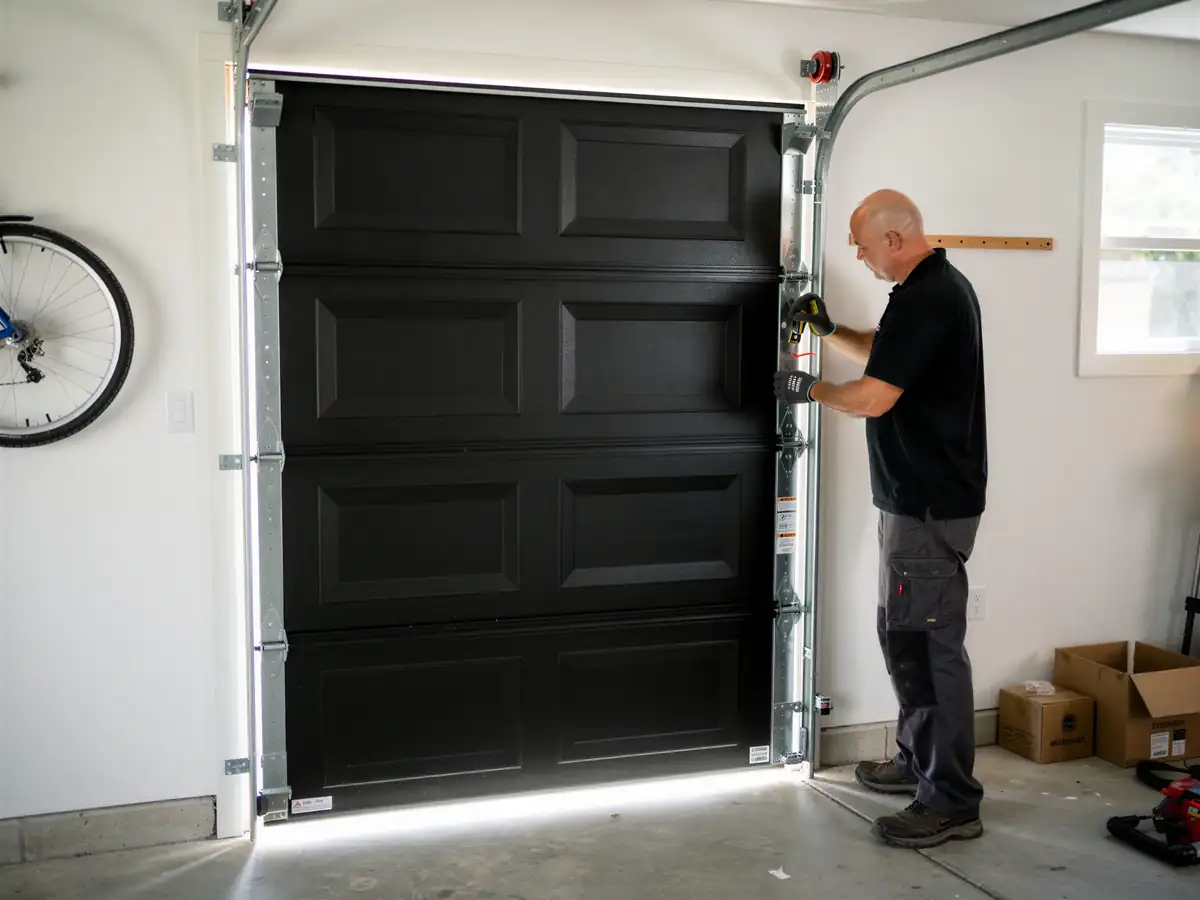
We start every call by opening the door manually and watching how it travels
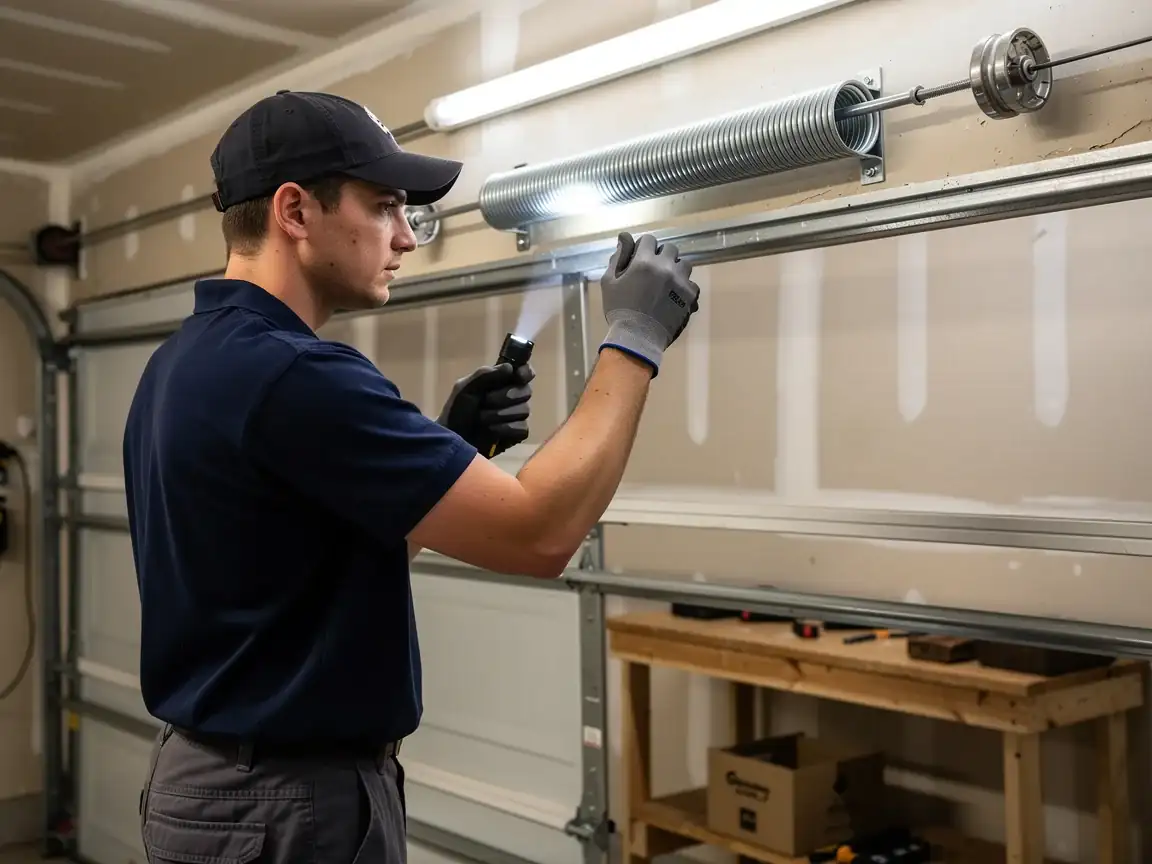
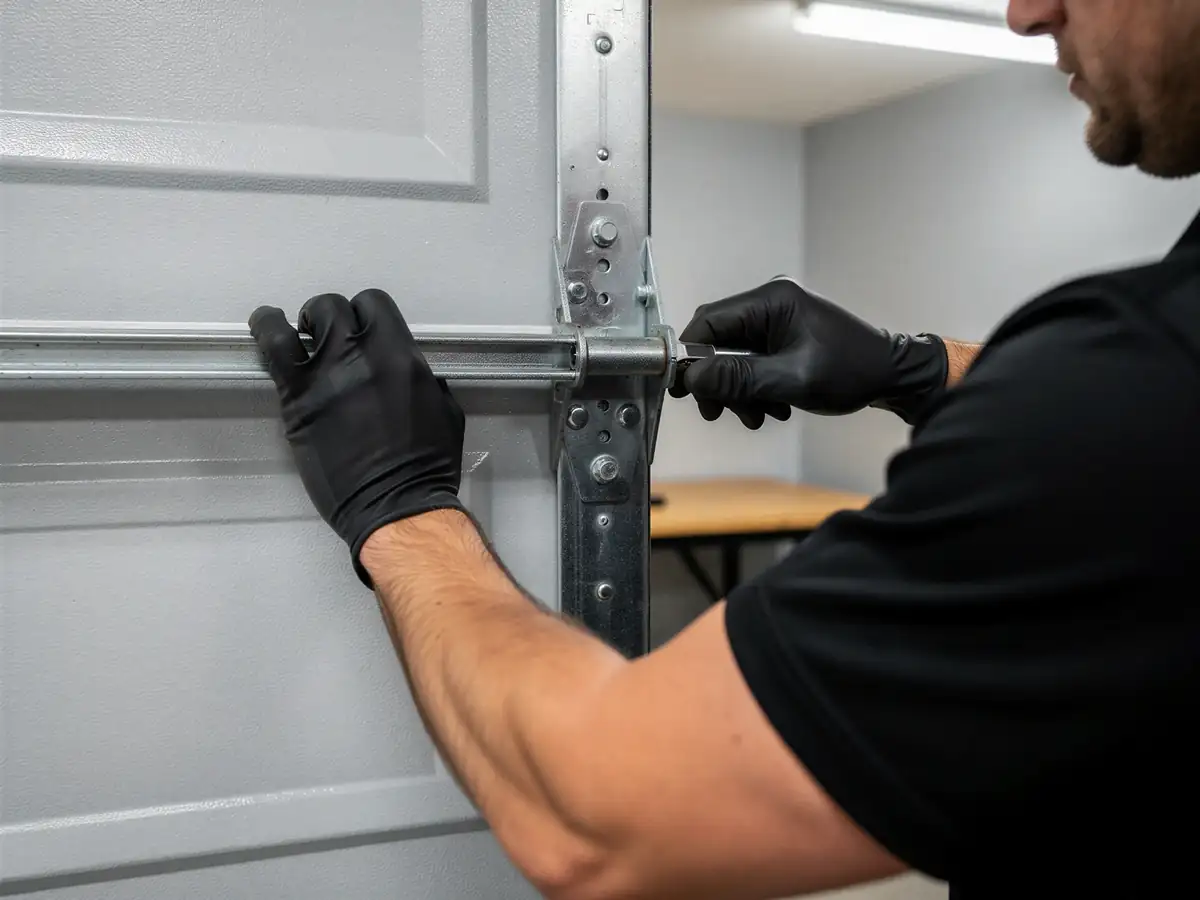
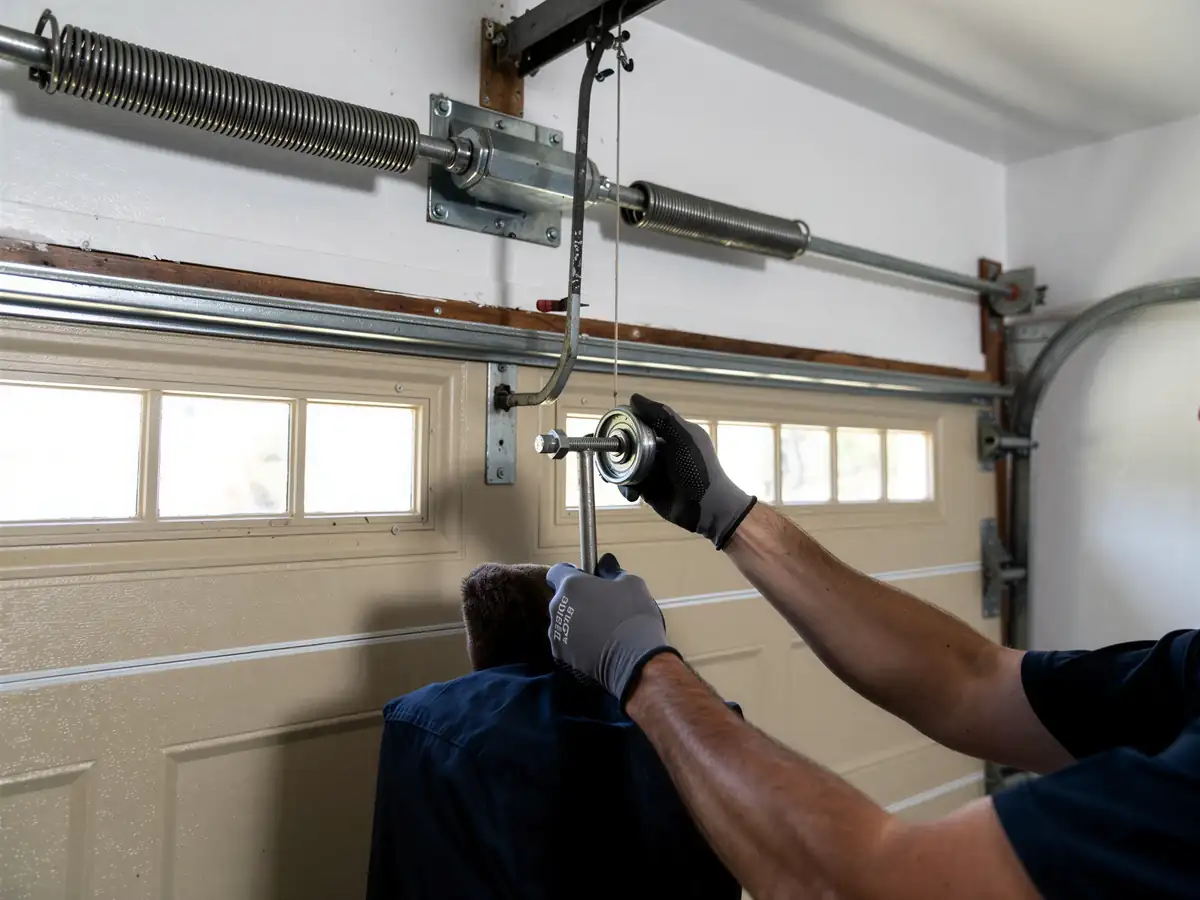
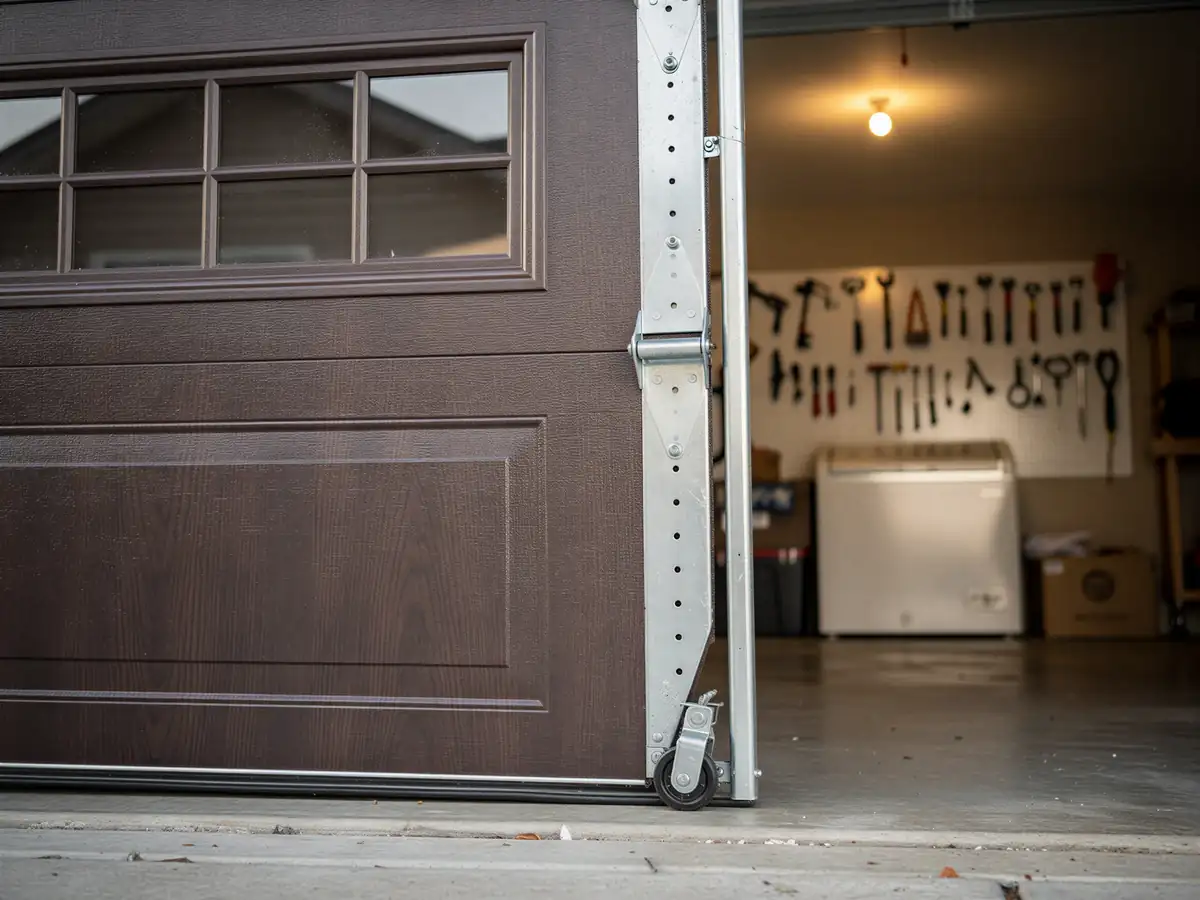
Not by looking at whatever part you think is broken. If your springs are original to a 1988-built house, the cables and drums riding on them are probably original too, and replacing one without inspecting the other is how you end up calling us back in six weeks. A real service call covers the opener's force settings, the track alignment, the spring count and wind, and the condition of the fasteners holding the whole assembly to framing that's now pushing forty years old in a lot of these neighborhoods.
How Local Conditions Play In
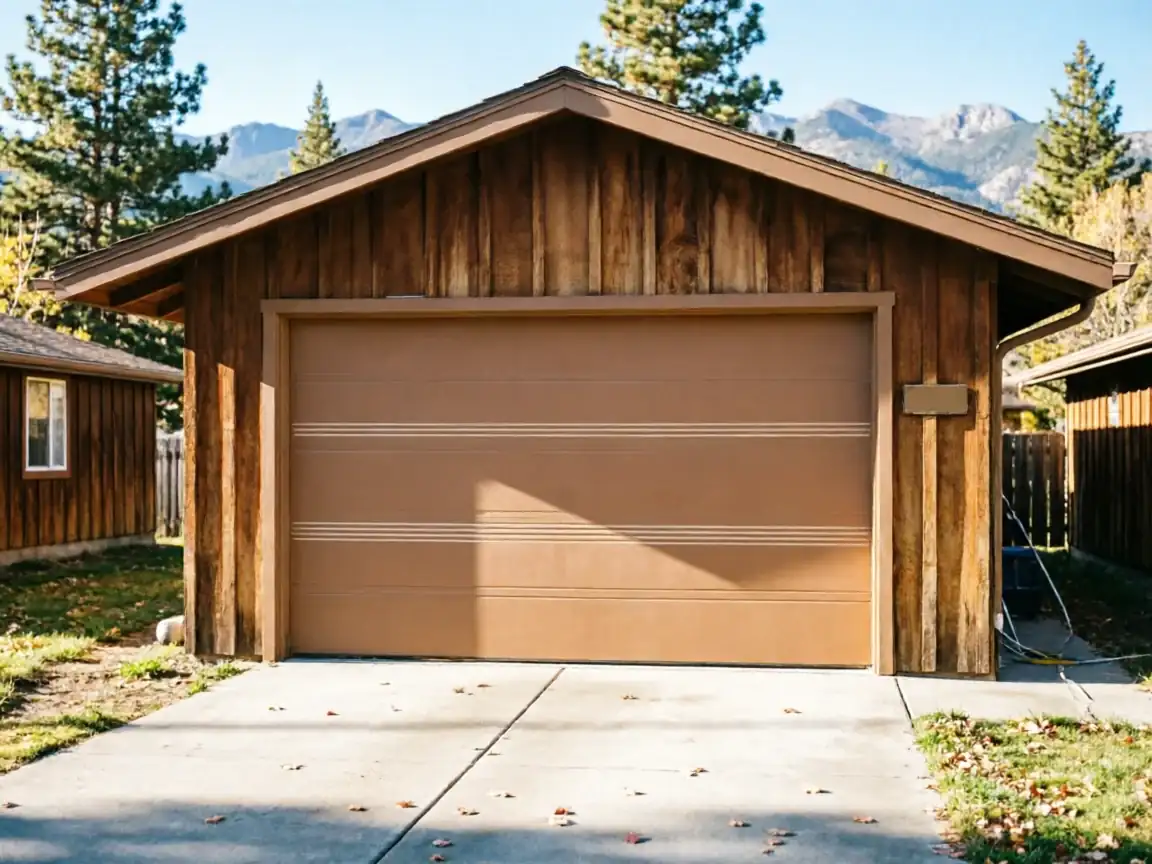
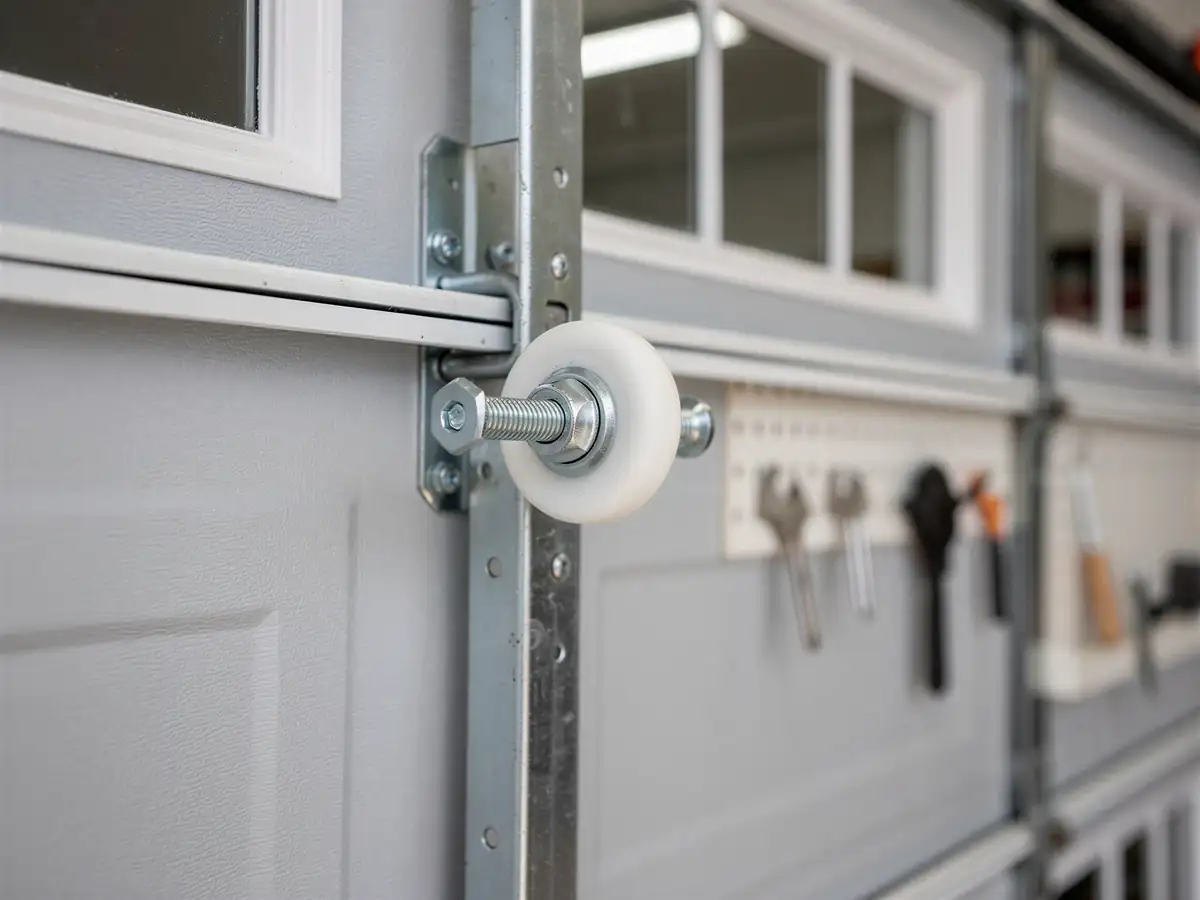
Kalispell sits in a cold-severe climate band, and that changes what a technician is actually checking for. Steel contracts in the cold, and on a door track installed before synthetic cold-weather lubricants were standard, the old grease turns to paste below freezing. That's not a defect - it's just what happens to 1980s-90s hardware when the temperature drops and nobody's serviced it in years.
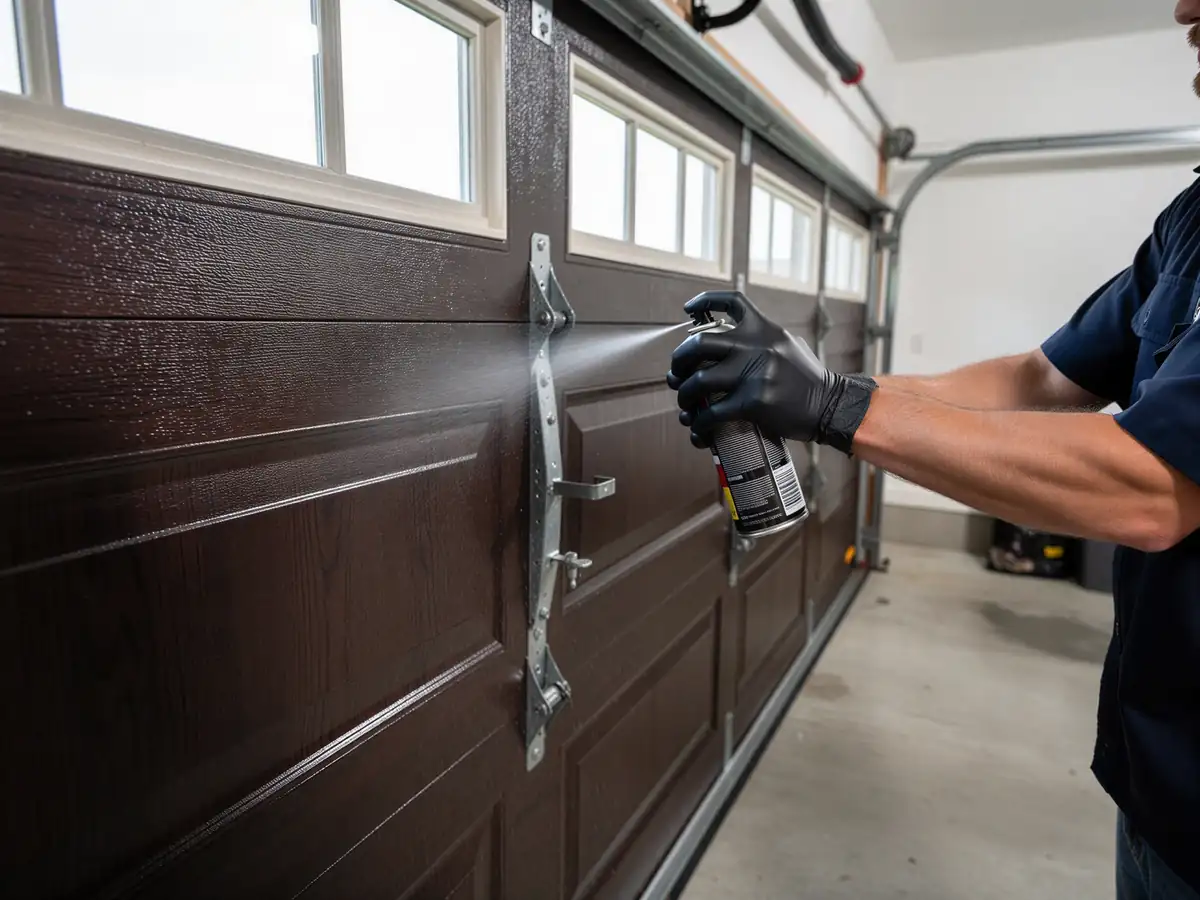
We get calls from Evergreen, three miles out, and from Kila, ten miles out, for the same stuck-opener complaint every winter: the door won't fully close because the opener's travel limits were set for warm-weather clearance and the cold-contracted track is now a hair tighter than the sensor expects. A service call in this climate includes checking lubricant type, not just whether something is lubricated, and resetting travel limits for the season rather than assuming last summer's settings still hold.
The Problem
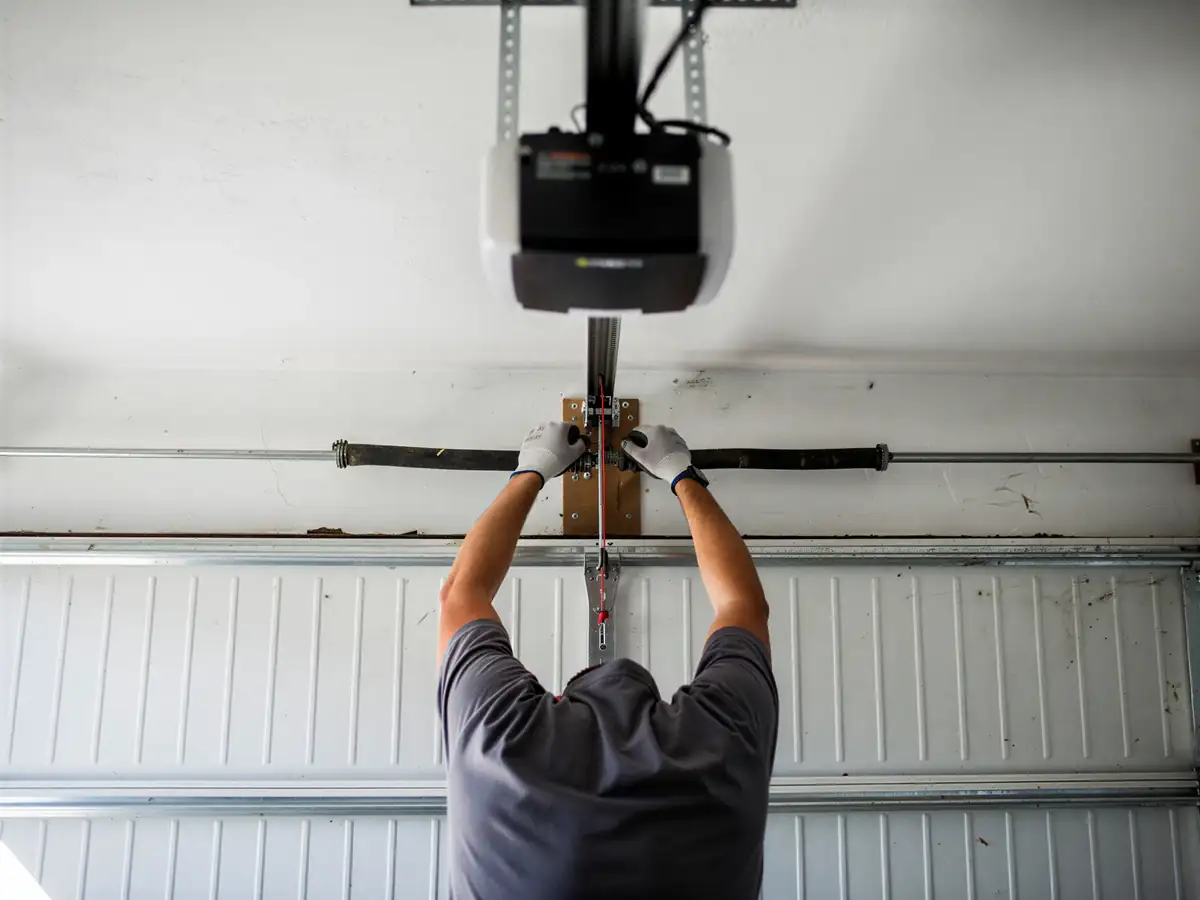
The real issue with housing stock from this era - 1979 to 2003, median 1988 - is that the hardware was sized for lighter doors than what's sold today. A lot of these original torsion springs were wound for a single-layer steel door, and when a homeowner upgrades to an insulated panel door without upgrading the spring, the opener starts doing work the spring was supposed to do. That shortens the opener's life and usually shows up as a motor that strains or a door that reverses on its own.
With 8,002 owner-occupied houses in the service area, most still running hardware from that 1980s-90s build window, a full-service call almost always includes a hardware age check, not just the noise you called about. We measure the spring against the door's actual weight, not its nameplate weight, because thirty-five years of panel swaps and owner changes means the two rarely match anymore.
When Waiting Is Fine
Not everything on a call needs fixing that day, and we'll tell you when it doesn't
A stiff hinge that squeaks but still closes square isn't an emergency - it's a maintenance note for the next visit. We don't push replacement on a door that's cosmetically rough but mechanically sound just because it's old; a door built in the 1988 median year can still have good bones if the springs and cables were kept current.
With median household income at $71,110 across the area
A lot of our customers are weighing repair against replacement carefully, and we lay out both costs honestly rather than defaulting to the bigger job. Parts for some original-era hardware take longer to source than a same-week repair, and we'll say so up front rather than promise a date we can't hit. If a wait doesn't risk the door coming off track, we'll tell you it's fine to wait.
- $71,110 median household income