Why This Fails Locally
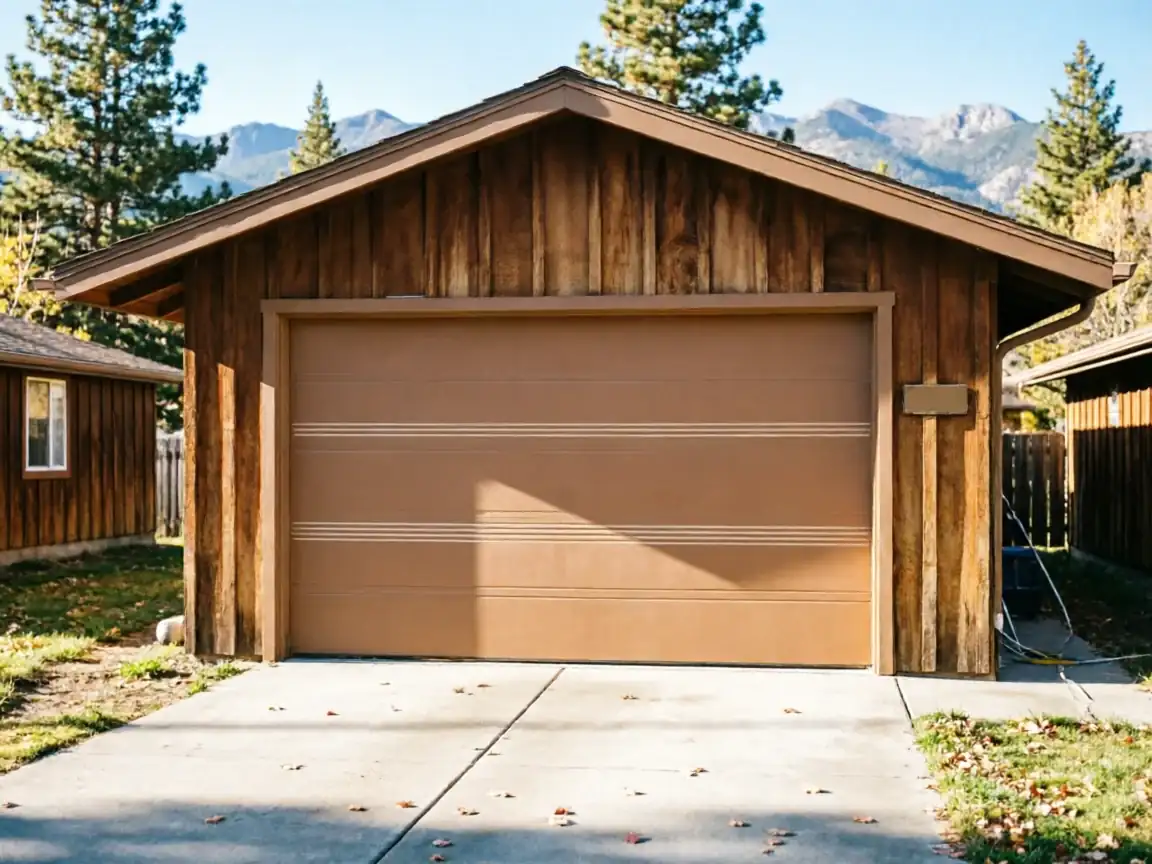
Bigfork sits 16 miles out from our shop in Kalispell
And that drive shapes how we schedule an opener job here. It's not a same-day drop-in the way a call across town might be - we batch Bigfork work when we can, and we tell you that up front rather than promise a window we can't hold from this distance.
- 16 miles
The houses themselves are a different story than a lot of what we see closer to Kalispell
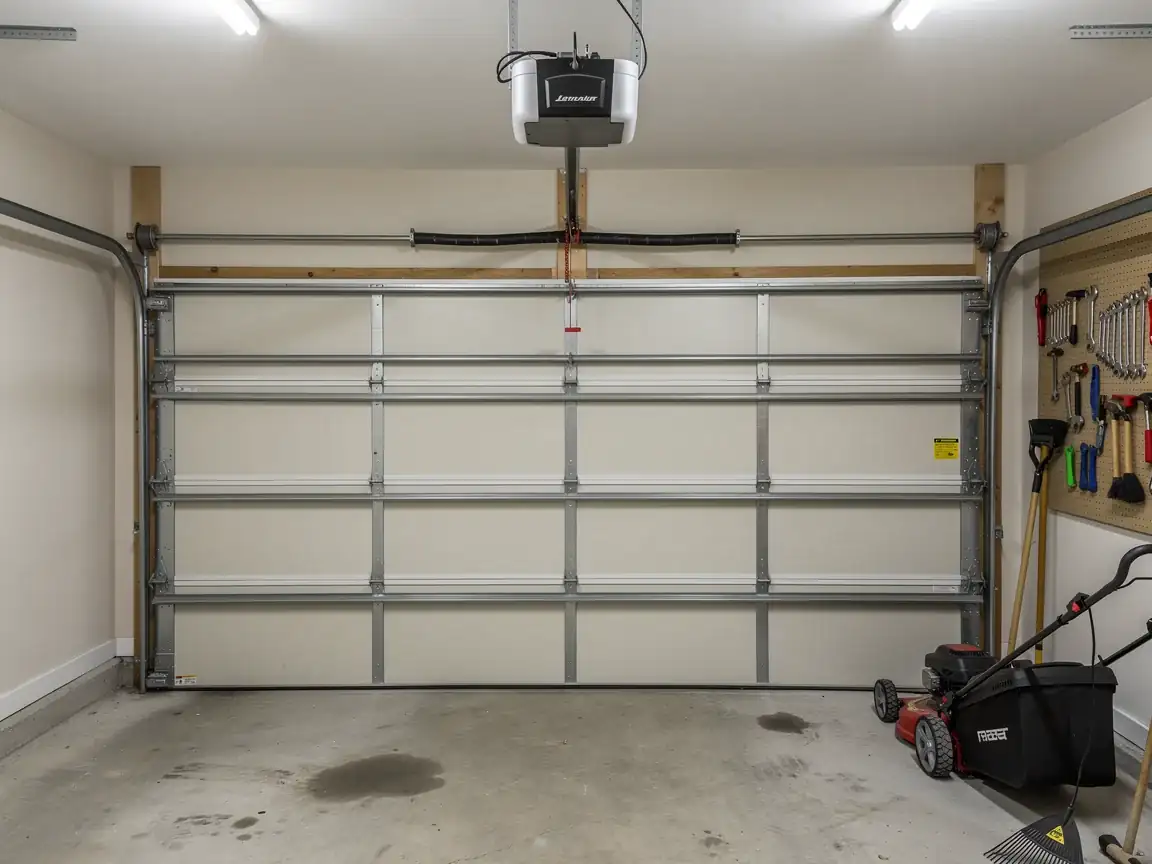
Median year built in Bigfork is 1994, newer than the broader service area's 1979-2003 spread, and that means openers here are more often chain or belt-drive units from the late 90s and 2000s rather than the older screw-drive relics you find in the oldest Kalispell stock. Those units are usually still 1/2 horsepower on doors that, by 1990s code and framing standards, run wider and heavier than what a 1970s opener was ever sized for. The motor strains, the gears wear fast, and owners call us thinking it's the door when it's the opener losing the fight against its own door.
Winters here hit the same cold-severe band as the rest of the valley
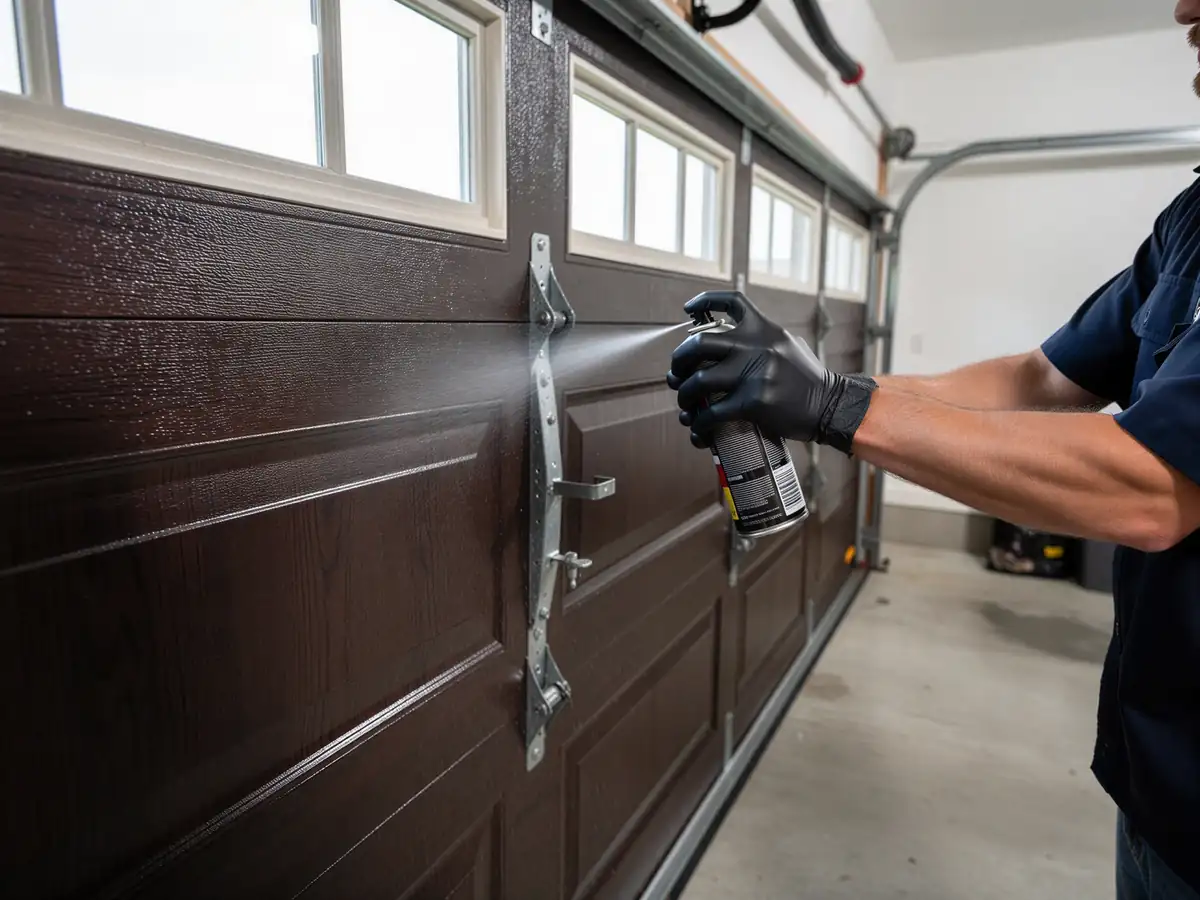
A worn opener gearset that's already marginal on torque has even less margin once grease stiffens up below freezing.
The Symptom
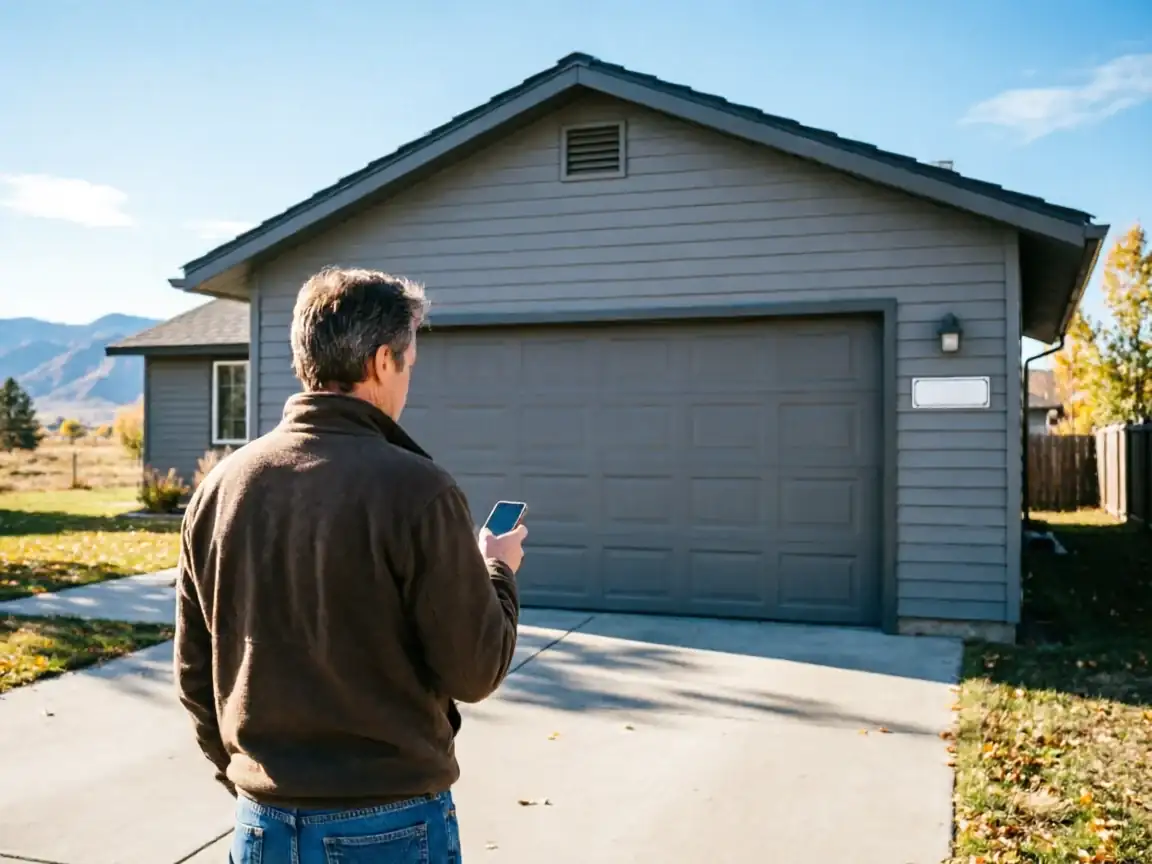
The complaint we hear most from Bigfork is an opener that starts the door, stalls partway, and reverses on its own - not a safety-sensor issue, just a motor that can't finish the lift. On a 1990s-era door sized to code for a two-car garage, that's a stock opener running at the edge of its rated capacity for years, finally giving out.
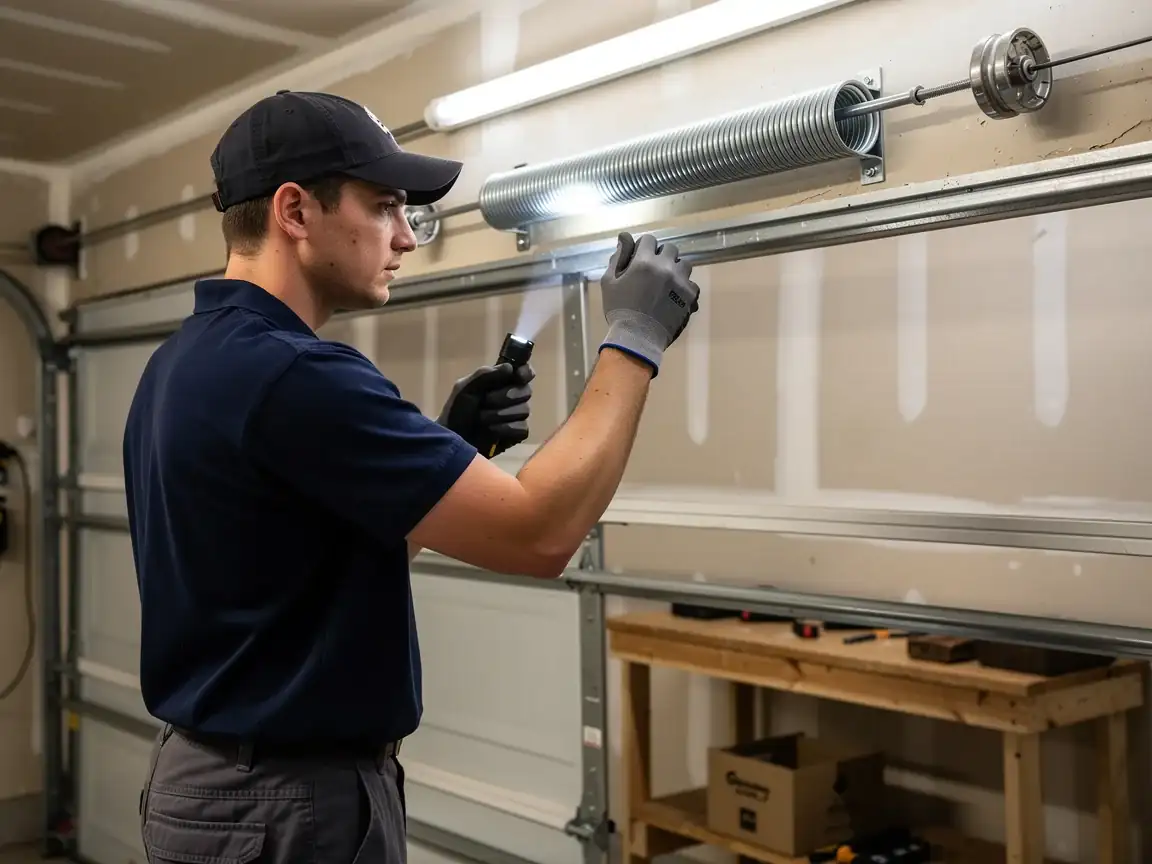
A second pattern: openers that run fine in summer and labor hard once cold sets in. That's consistent with the cold-severe climate band this whole area sits in - grease in an aging gear housing thickens, chain tension changes with cold contraction, and a motor that was already undersized has nothing left to spare. Owners sometimes assume a new opener alone fixes it; sometimes the real fix is matching a properly sized unit to the door it's actually lifting, not just swapping the old box for an identical new one.
How We Fix It
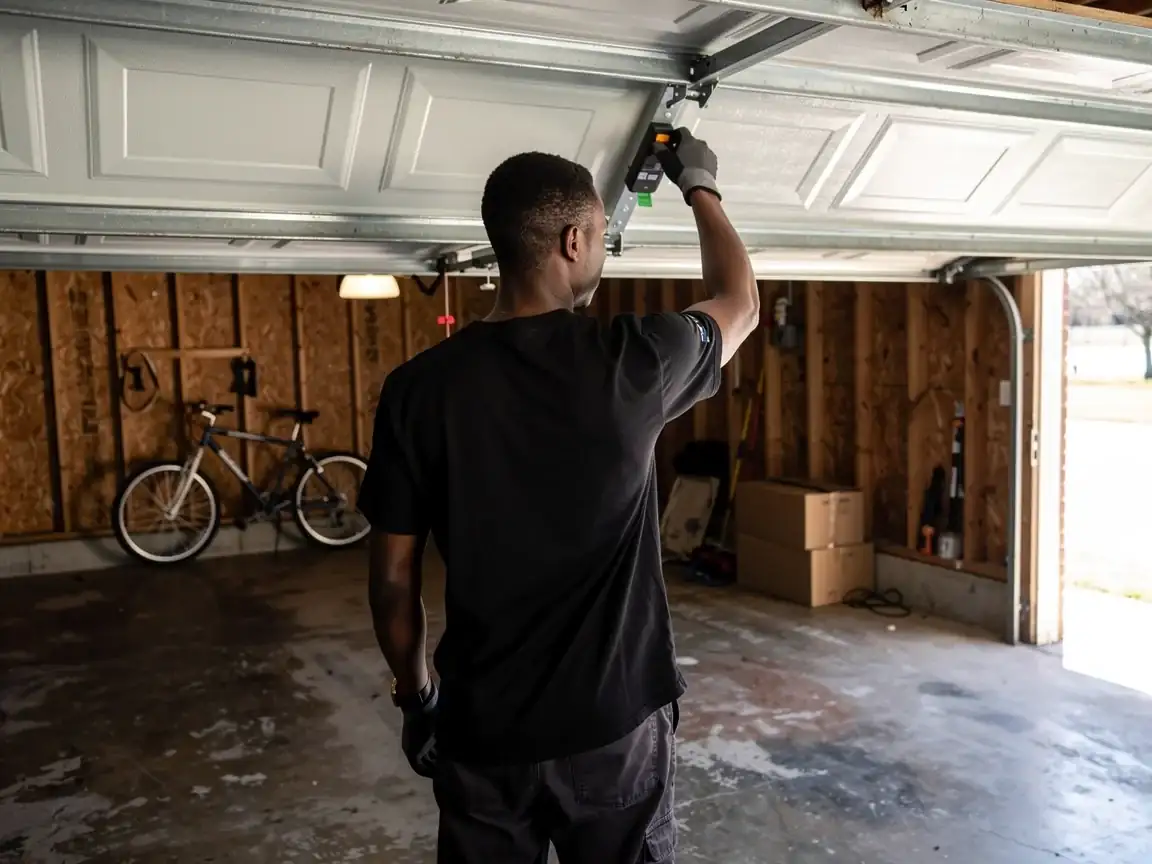
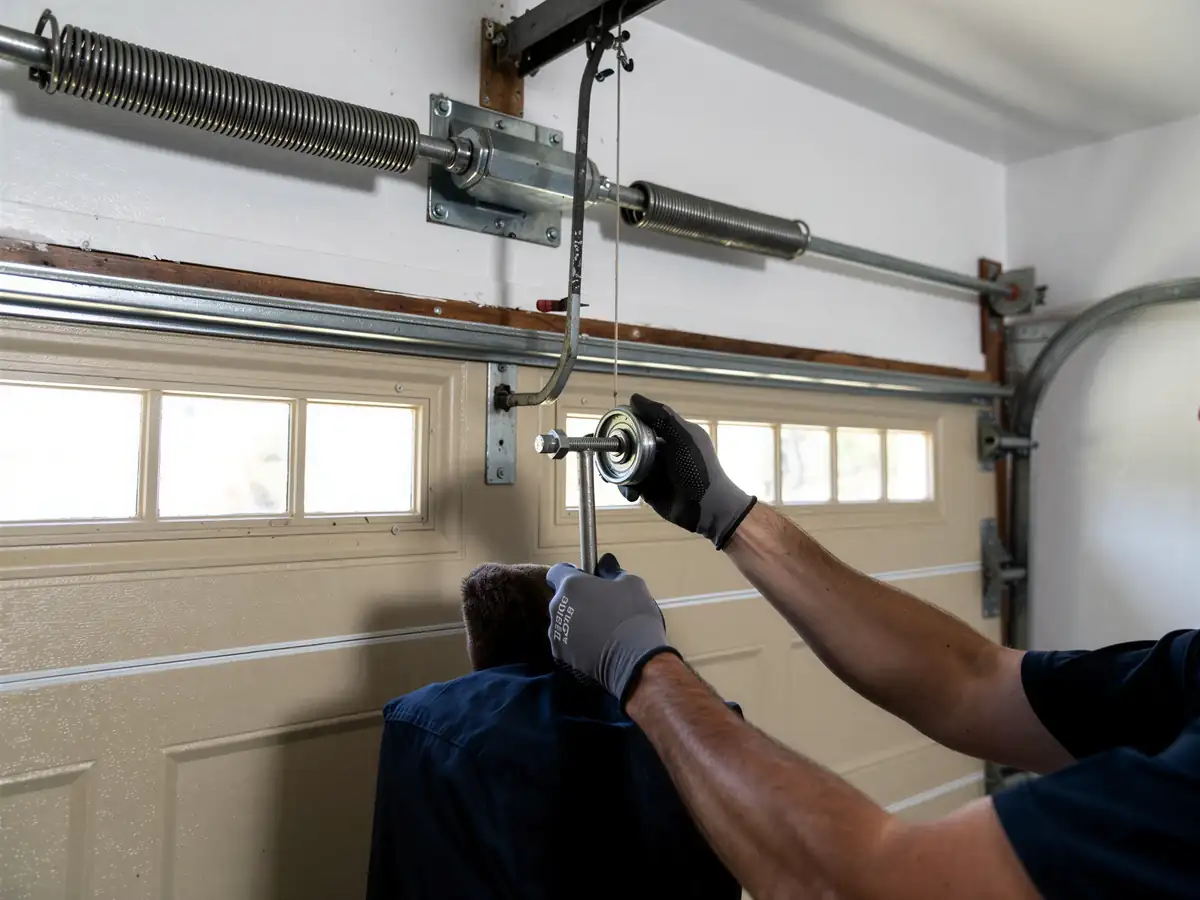
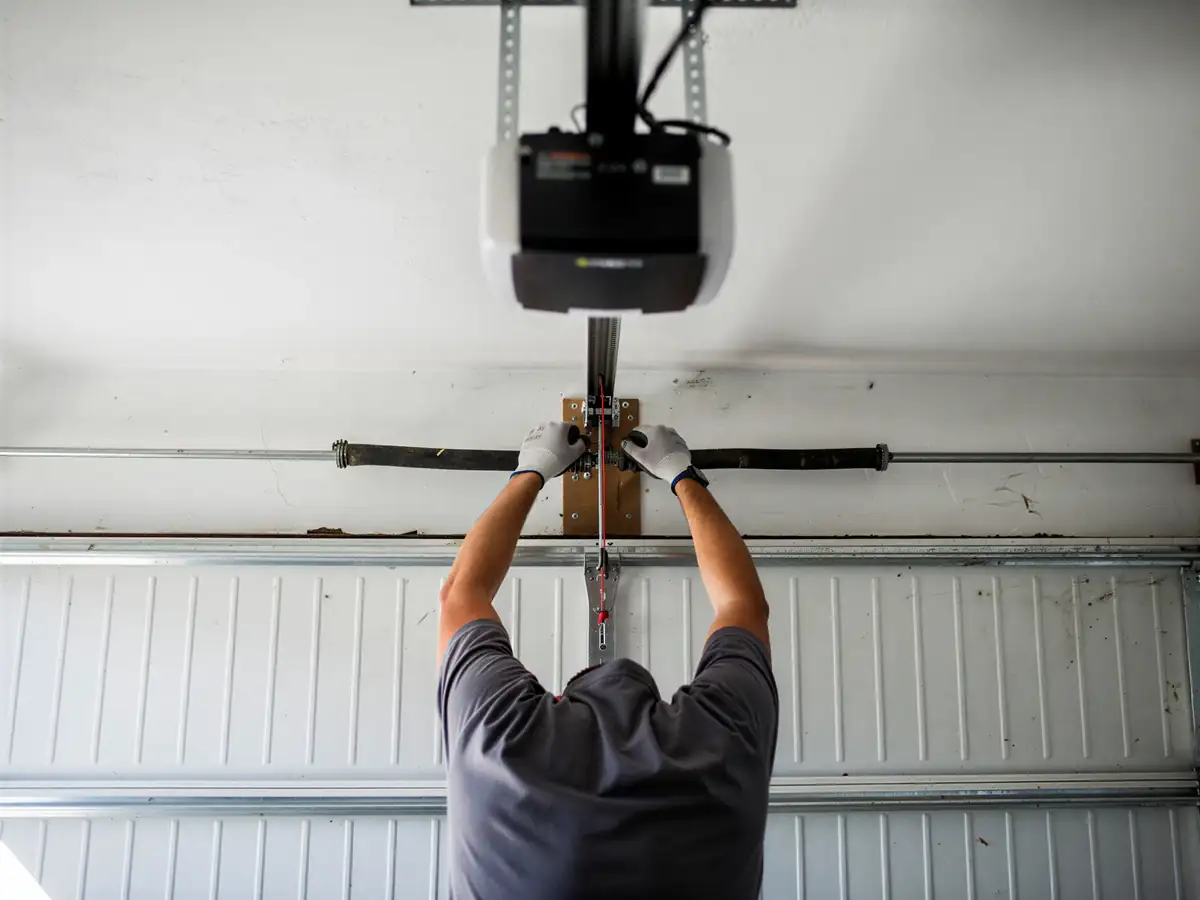
We size the opener to the door, not just to whatever was there before. For a lot of the 1990s builds in Bigfork, that means stepping up from a 1/2 HP chain unit to 3/4 HP or a comparable belt-drive, which handles cold-weather torque demands better and won't be working at its limit every winter.
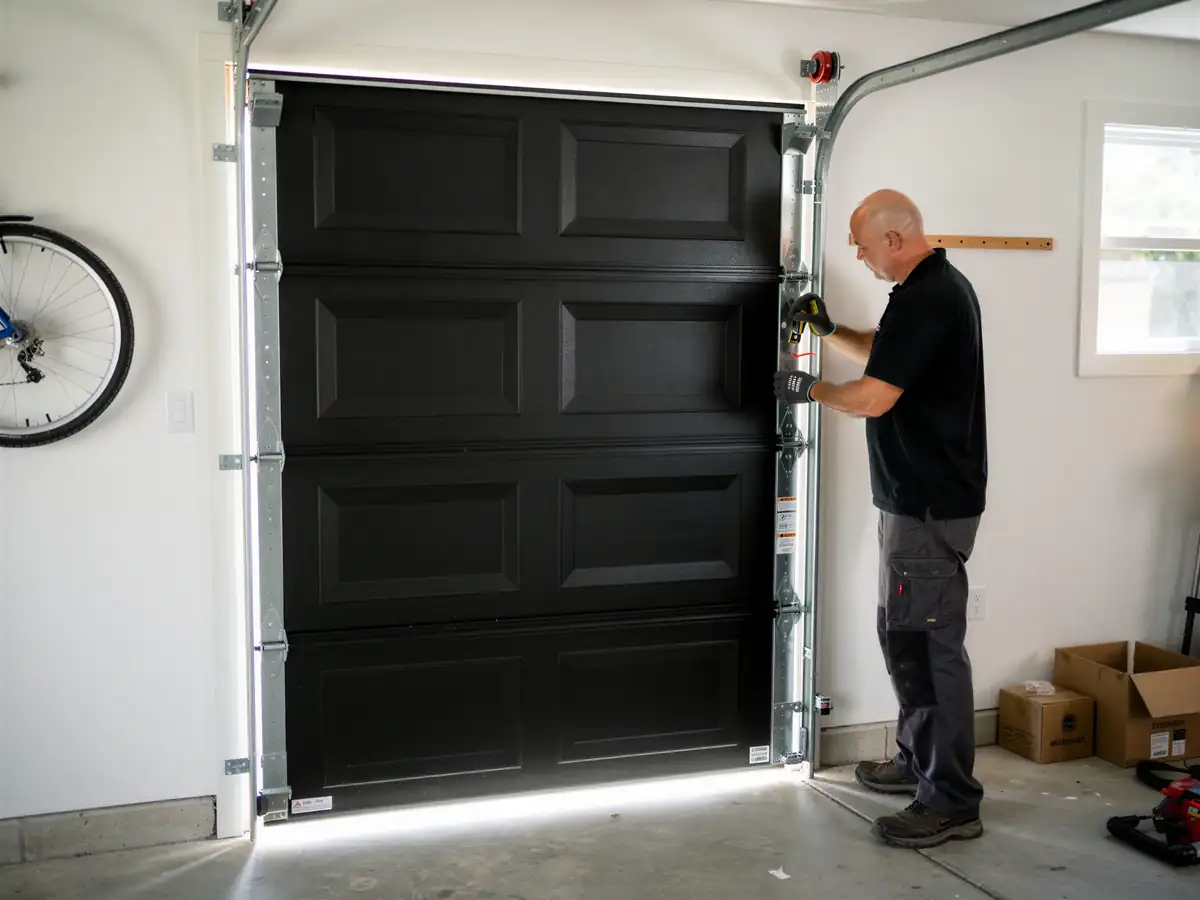
We travel from Kalispell for the install, so we plan the trip around the job rather than treating it as a quick add-on - that's the honest limitation of covering a town 16 miles out. We won't tell you we can swing back same-afternoon for a forgotten part; if something's missing, it waits for the next trip or we carry it with us from the start, which is why we confirm model and mounting details before we head out.
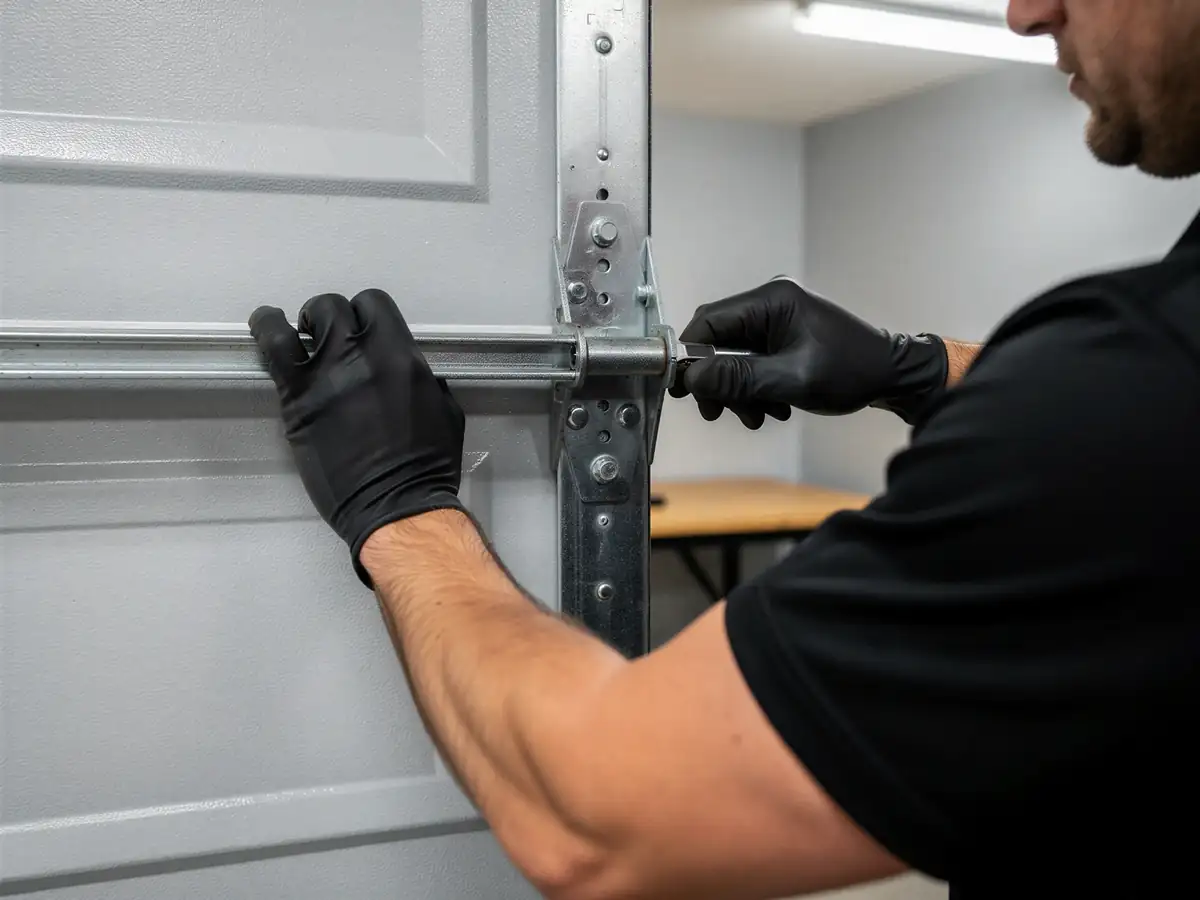
We set force and travel limits to the actual door weight rather than factory defaults, which matters more in cold-severe conditions where a door is heavier to lift when the track grease has stiffened.
Stocked Parts
Because the trip out is real mileage, we carry common opener models and the belts, chains, and circuit boards that fit the 1990s-and-newer units typical of Bigfork's housing stock - we'd rather complete the job in one visit than schedule a second drive for a part we should have had
What we don't keep on the truck
Parts for older screw-drive openers or obscure legacy models, since that's not what this area's housing age calls for. If a job turns up something unusual, we're upfront that it may mean a return trip rather than pretending we can source anything on the spot.