Why This Fails Locally
Most of the homes we work on across the Kalispell service area were built between 1979 and 2003
With a median year of 1988. Bigfork sits a few years past that midpoint - homes here cluster closer to 1994. That gap matters more than it sounds like. A house built in the late 1980s usually still has its original extension-spring setup or an early torsion conversion. A house built in the mid-90s is more likely to have come with a factory torsion system and a lighter steel door from the start, which means different failure points and different spare parts.
Bigfork is also a smaller slice of the territory than most of the areas we cover
About 2,277 households against roughly 14,369 across the whole service area - and a higher median income, near $82,648 versus $71,110 area-wide. That doesn't change the physics of a broken spring, but it does mean we see more upgraded openers and insulated doors here than in older pockets, and fewer of the bare steel single-layer panels that show up on 1980s builds elsewhere in the territory.
- 2,277 households
We run out of Kalispell, about 16 miles away
So we don't have a local branch here - every call is a drive, which we plan for rather than pretend away.
- 16 miles
The Symptom
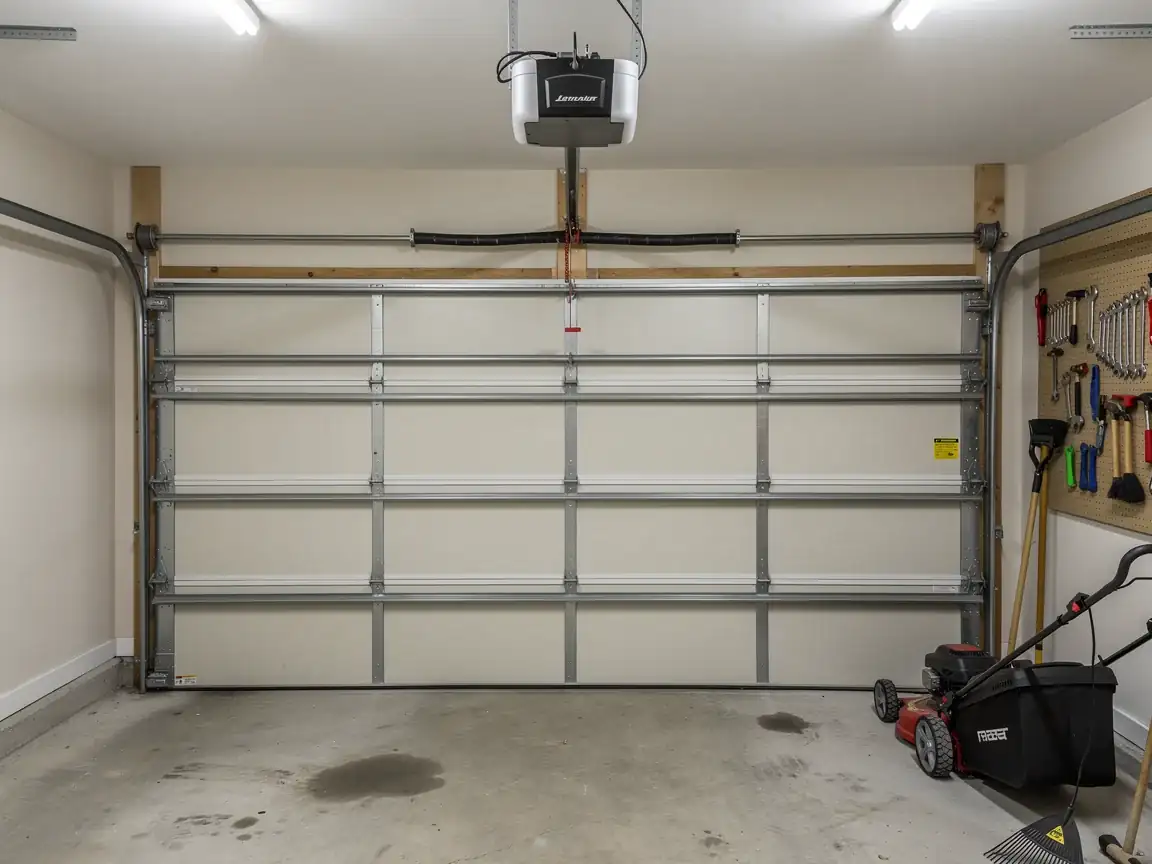
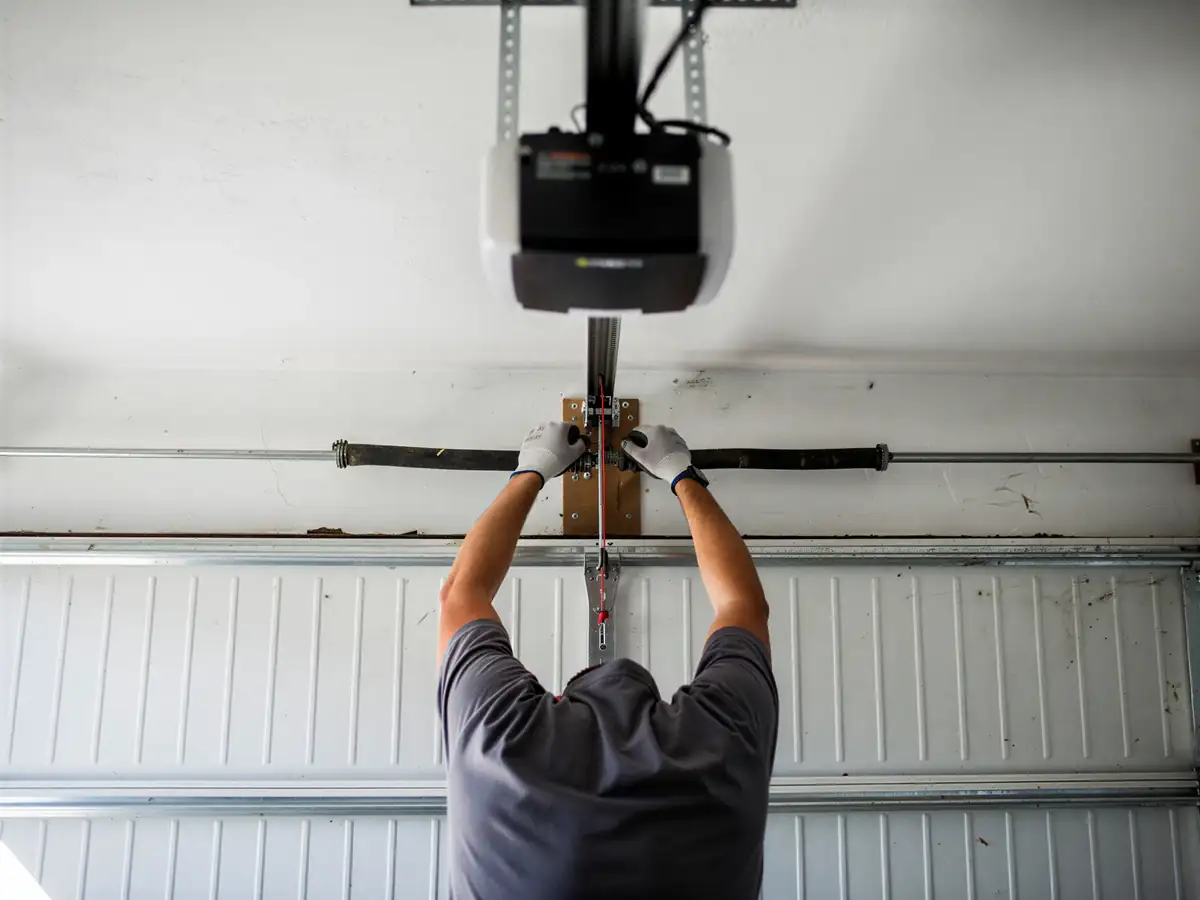
On a mid-90s build, the complaint we hear most is a door that opens partway then reverses, or an opener that runs but the door barely moves. That's usually a torsion spring that's lost tension or a cable that's starting to fray on hardware that's now roughly thirty years old - old enough to wear out, new enough that most owners assume it should still be fine.
The other common call is a door that's noticeably heavier to lift by hand than it used to be. On a late-80s door with worn extension springs that's expected. On a 1994-era torsion door, a sudden jump in lift weight almost always means one spring has already let go and the other is carrying the whole load - which is a two-spring job, not a one-spring patch, even if only one side failed.
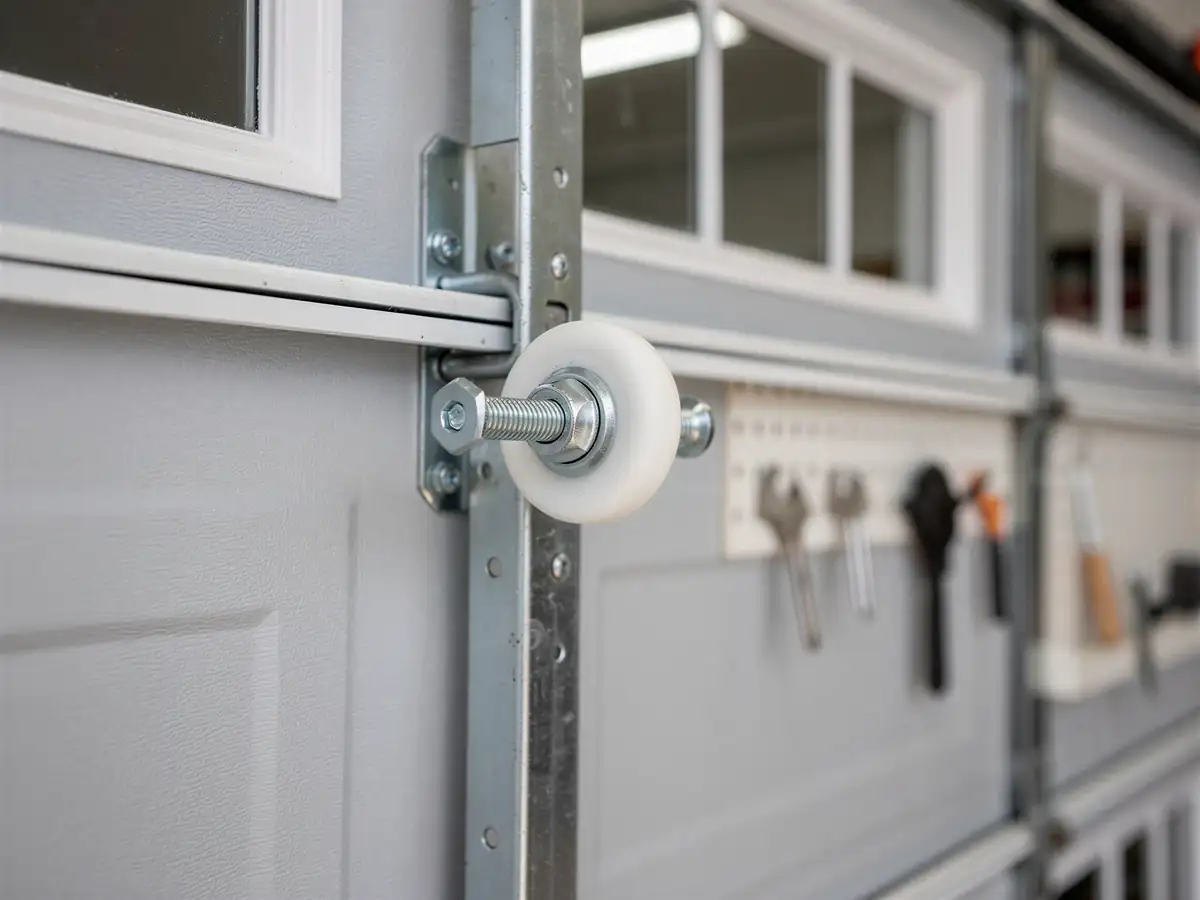
Cold-weather sticking shows up too. This region sits in a severe cold climate band, and a door that seals fine in July but drags or won't fully seat in January is usually a weatherstrip or track alignment issue that only shows itself once temperatures drop.
How We Fix It
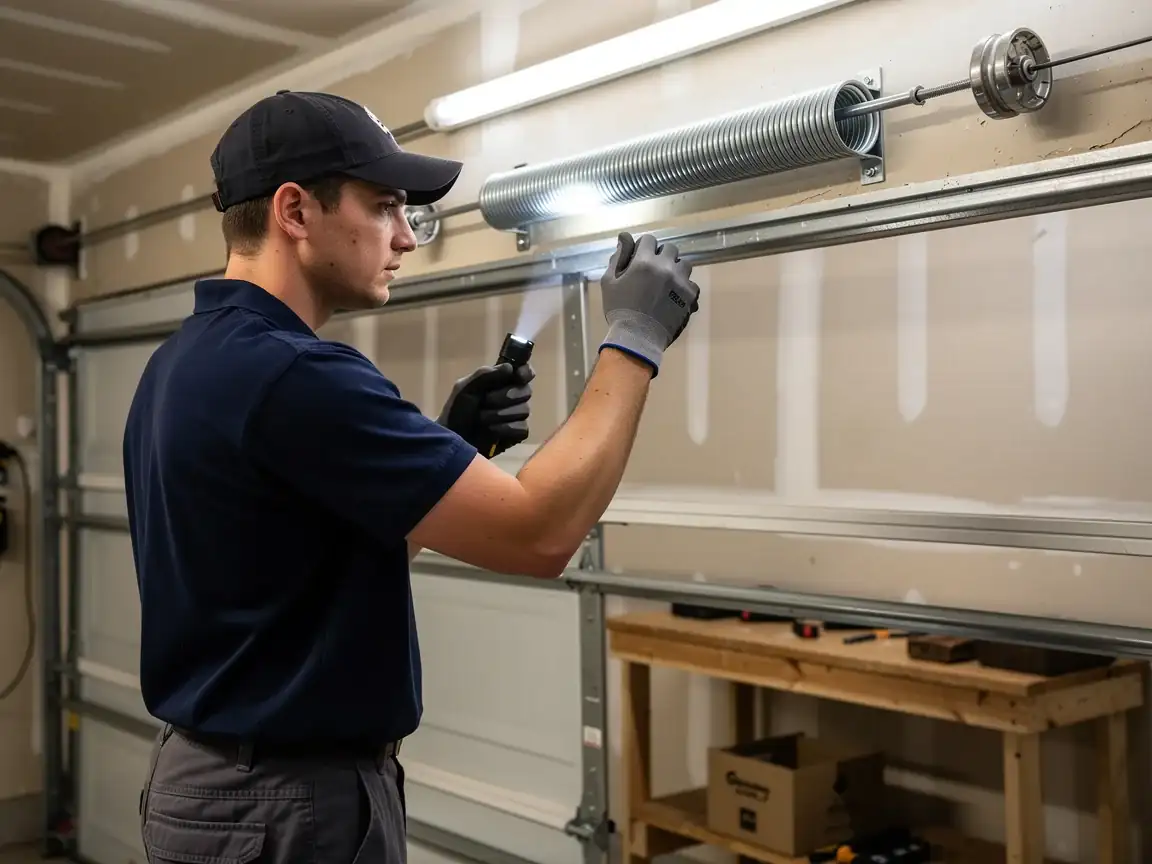
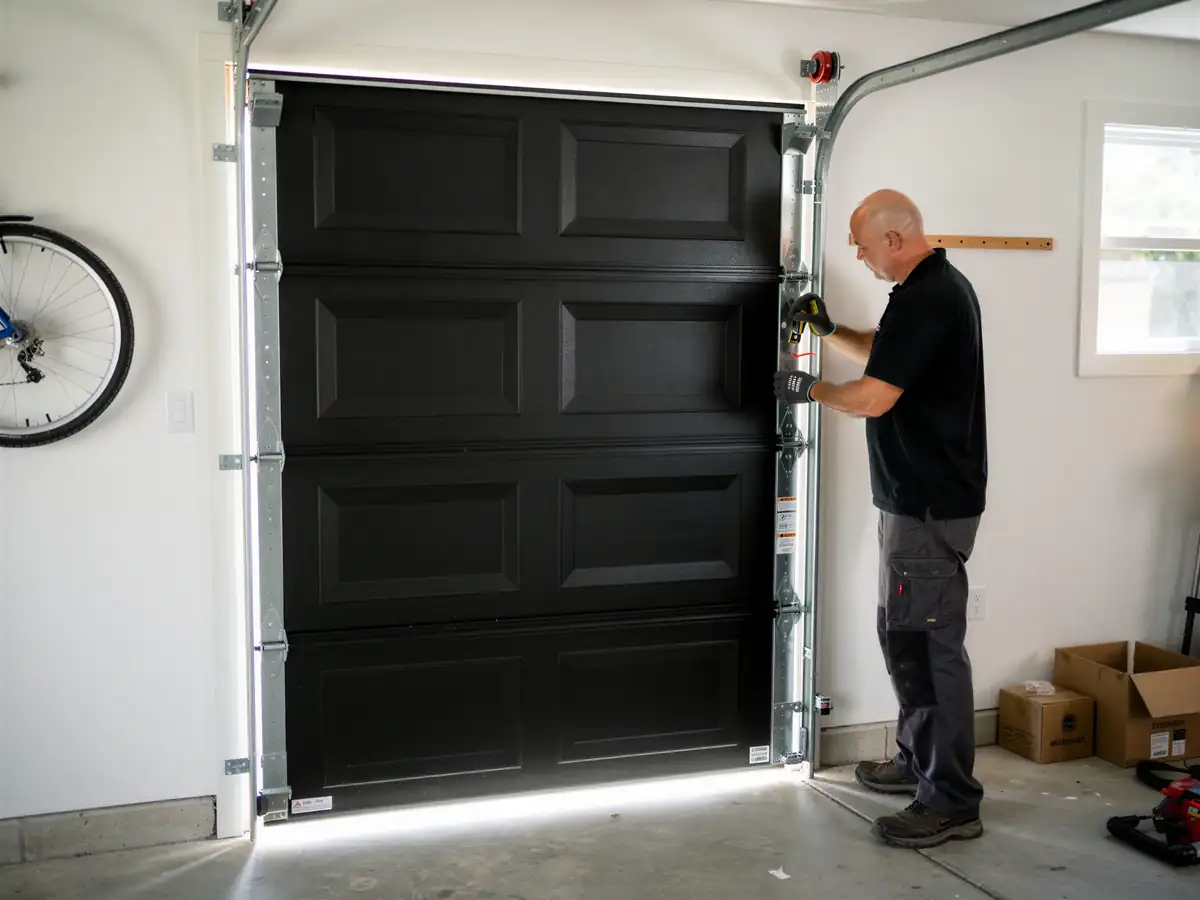
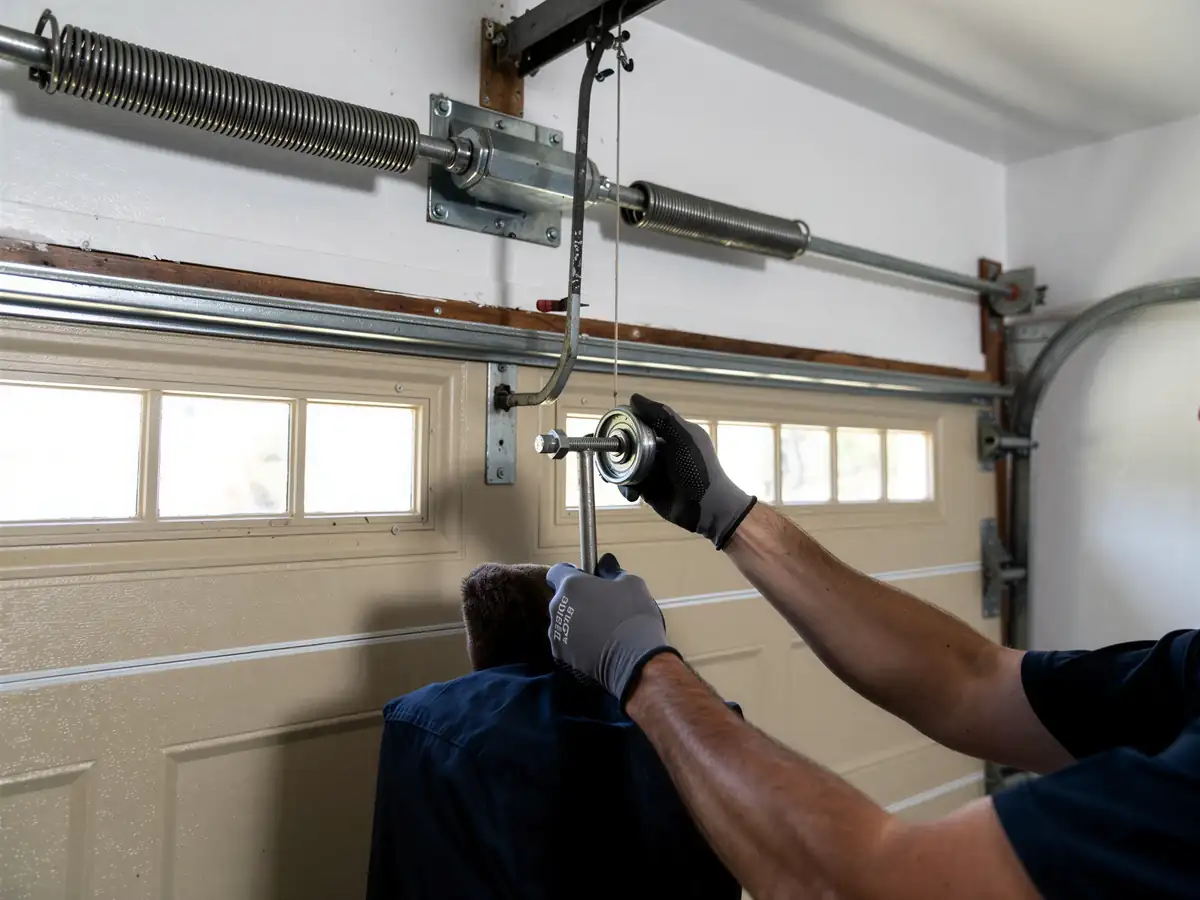
We start by matching the hardware to the house, not just the symptom. On a torsion system from the early-to-mid 90s, we check spring wind count and wire gauge against the actual door weight before we replace anything - swapping in a spring sized for an older, heavier door is a common mistake that leaves the opener straining.
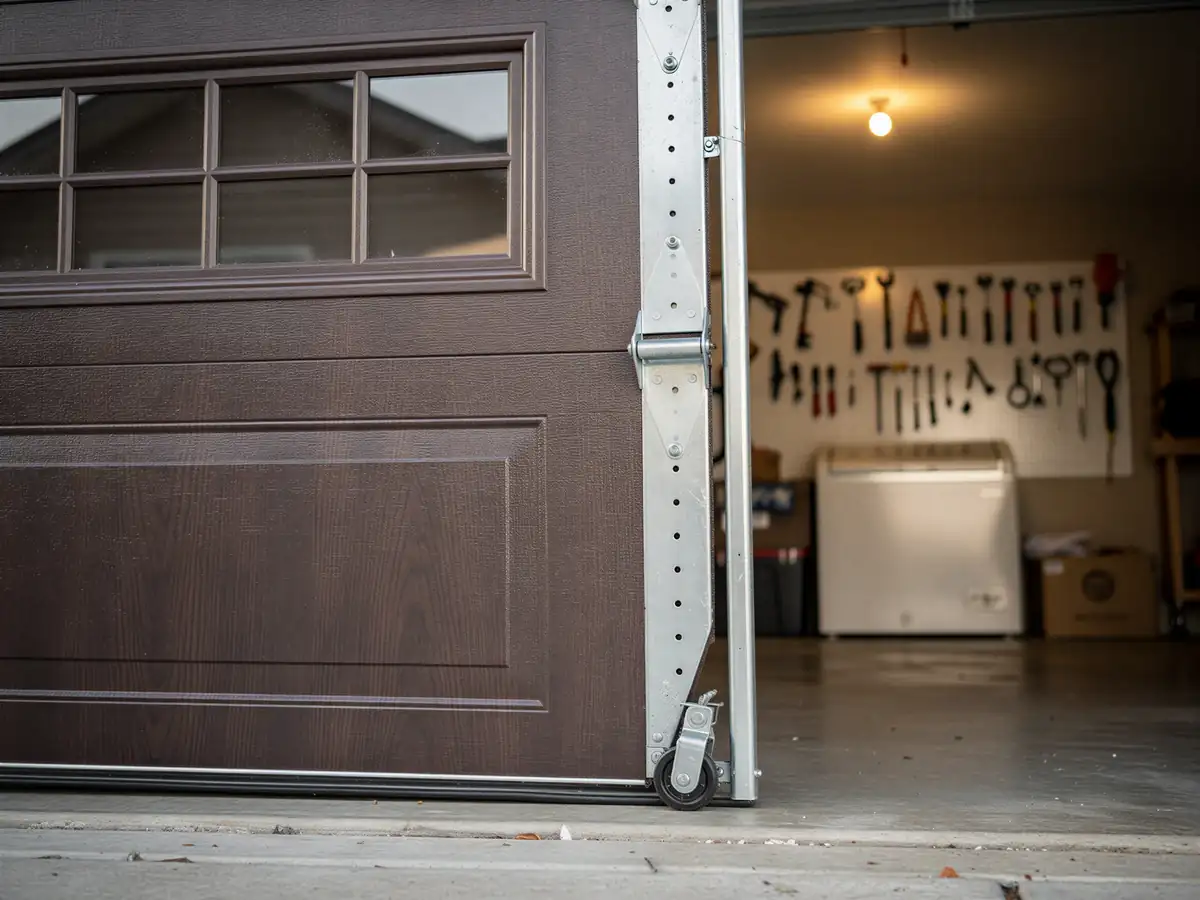
If it's a cable issue, we replace both cables as a pair even when only one shows fraying, since they age at the same rate on a door that's been cycling for three decades. For opener problems, we check whether the unit is original to the house or a later replacement - a factory-installed mid-90s opener is often still running and just needs a sensor or logic board fix rather than a full swap.
We're honest when replacement beats repair: if the door panel itself is original steel from 1994 and showing rust-through at the bottom section, patching the hardware around a failing panel isn't worth the labor. We'll say so and quote a new door instead of billing for a repair that won't hold.
Stocked Parts
Because Bigfork homes skew newer than the area median
We carry torsion springs sized for standard mid-90s double and single door weights, not just the heavier late-80s stock we keep for older builds elsewhere in the territory. We also stock matched steel cable sets and standard photo-eye sensor kits that fit the openers common to this build era.
What we don't keep on the truck is anything custom
Oversized commercial doors or specialty insulated panels still need an order, and that's a lead time we won't pretend isn't real. For the standard torsion and cable work that makes up most Bigfork calls, we're usually equipped without a return trip to Kalispell.