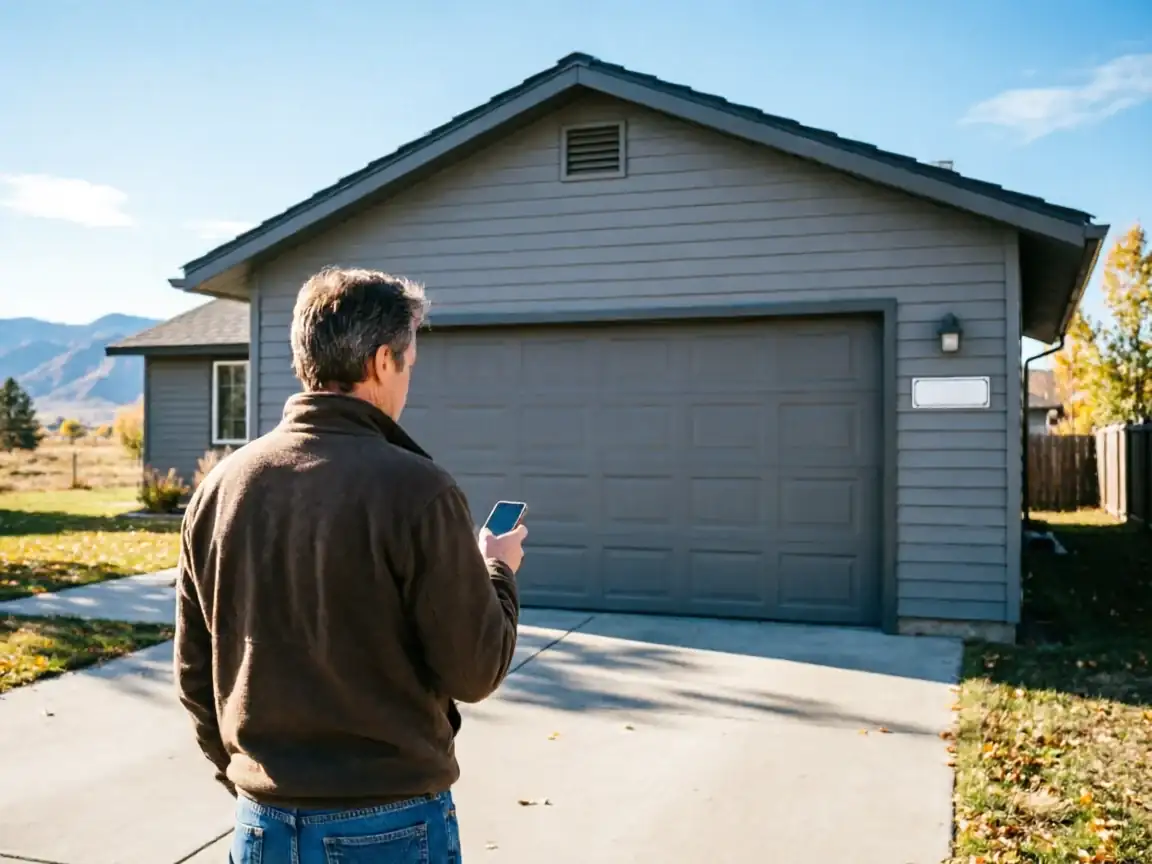
The Symptom
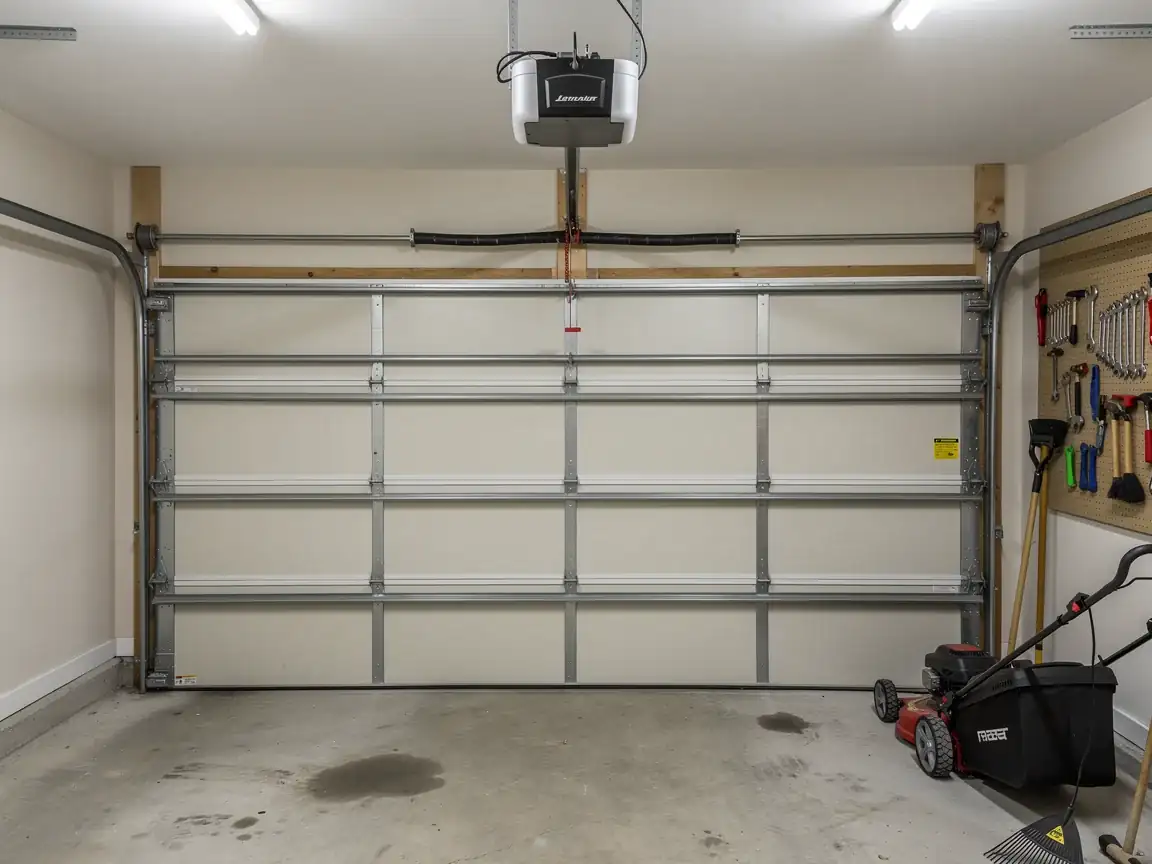
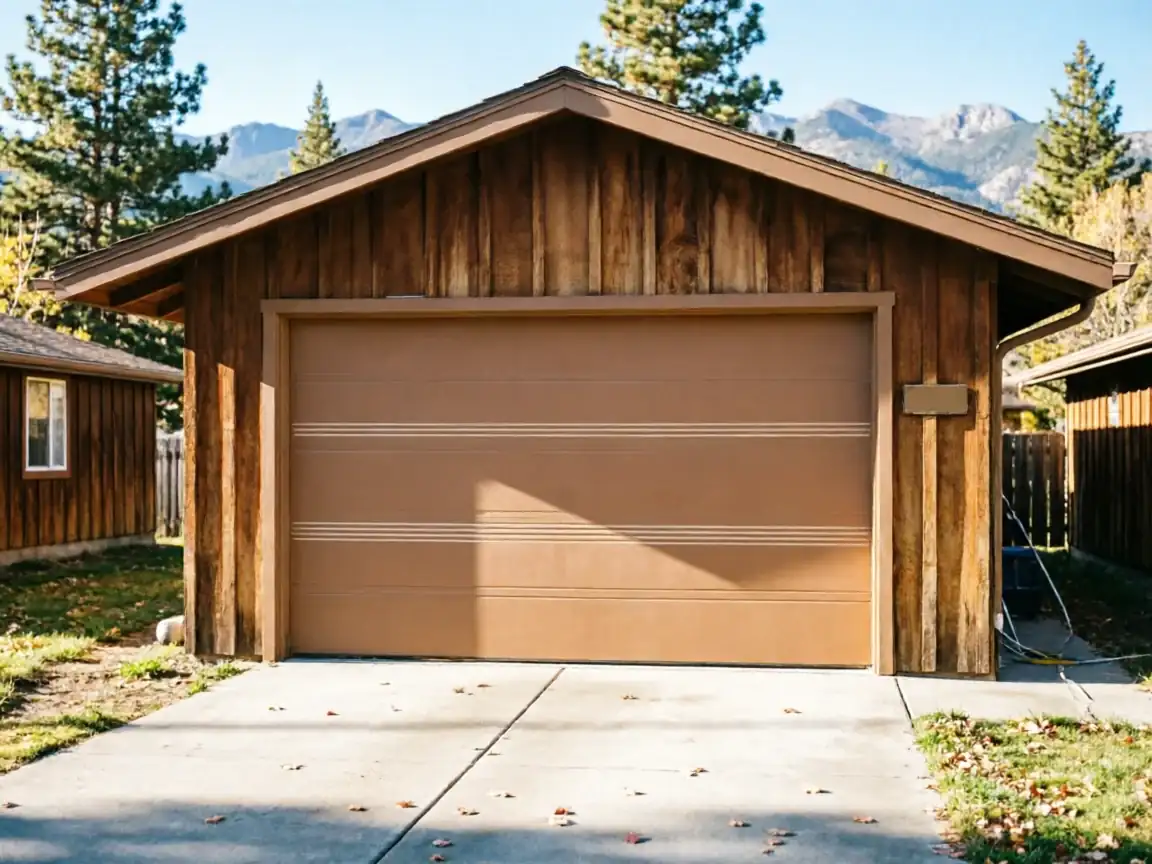
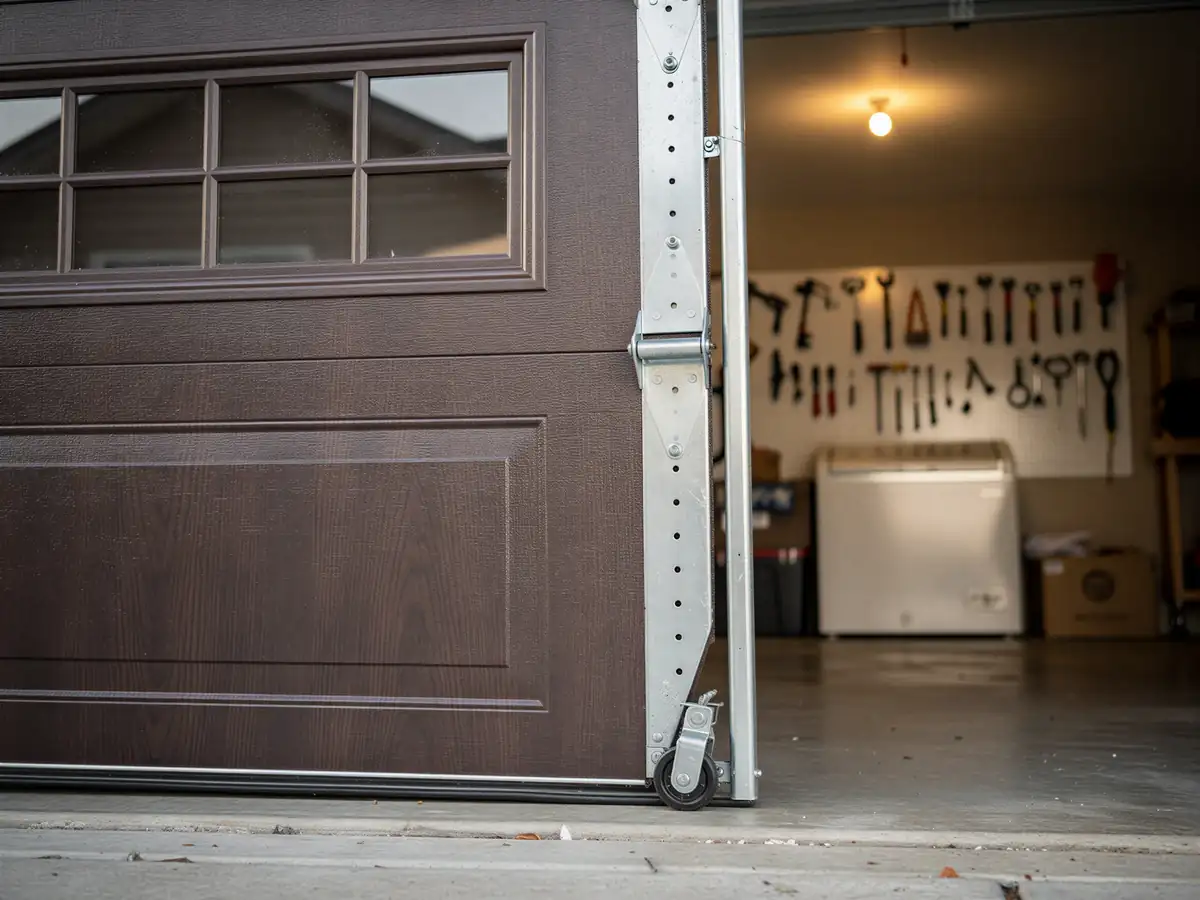
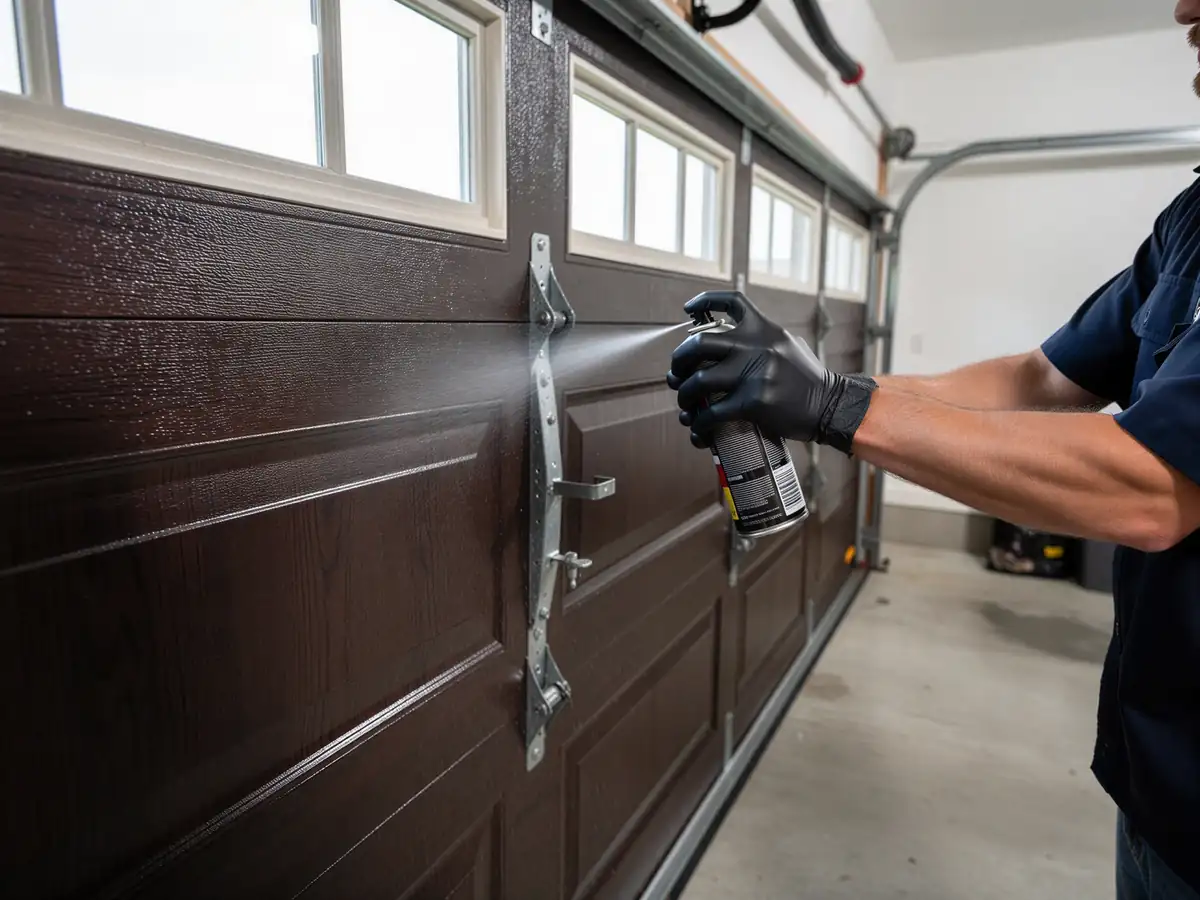
The giveaway is noise that gets worse with cold, not better. A steel roller riding a worn track groans or bangs on the way up, especially on the first open of the morning when the grease has stiffened. Cold-and-severe winters are hard on this hardware - metal contracts, lubricant thickens, and a roller that was marginal in October starts binding by January. You might also notice the door drifting to one side as it travels, or a roller that's visibly chipped or flat-spotted where it sits against the track when the door is down overnight. None of that means the opener or the springs are at fault. It's almost always the rollers and the track wear they've caused, and on an 1990s door that's the first place to look before anything else gets blamed.
How We Fix It
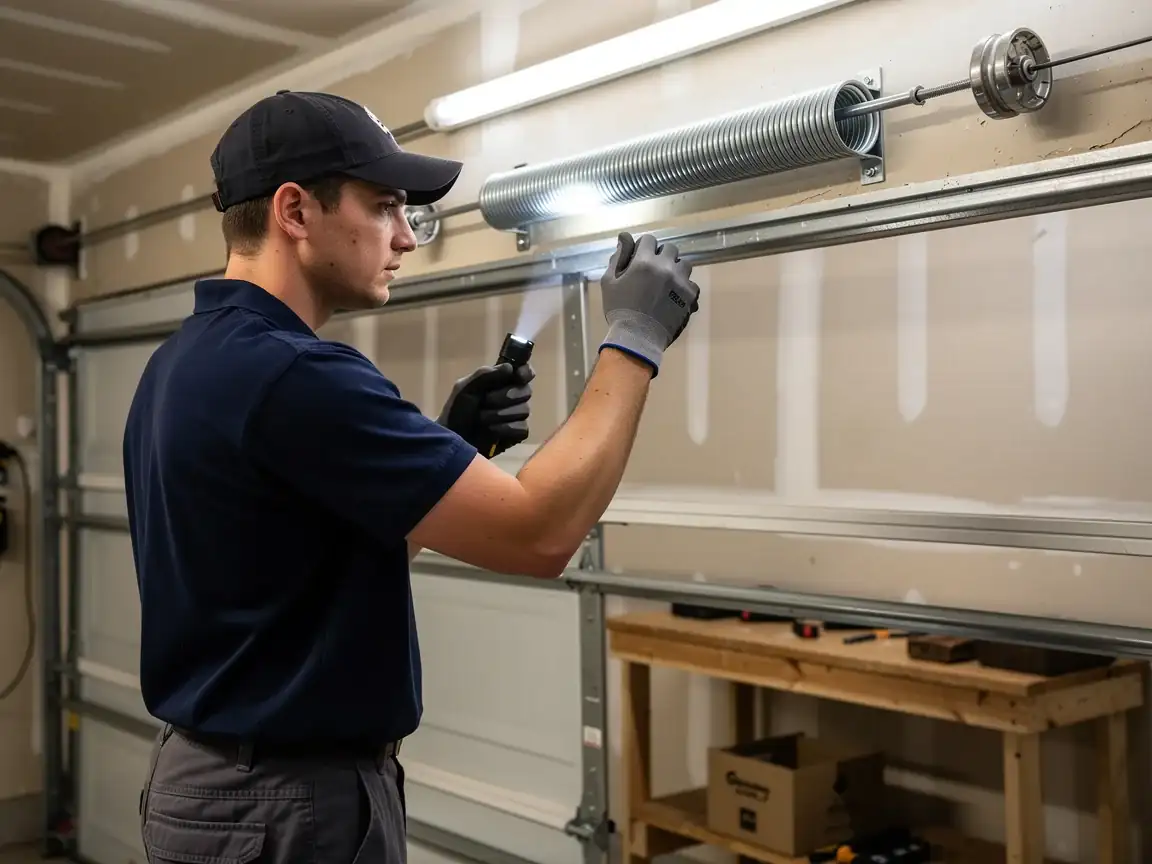
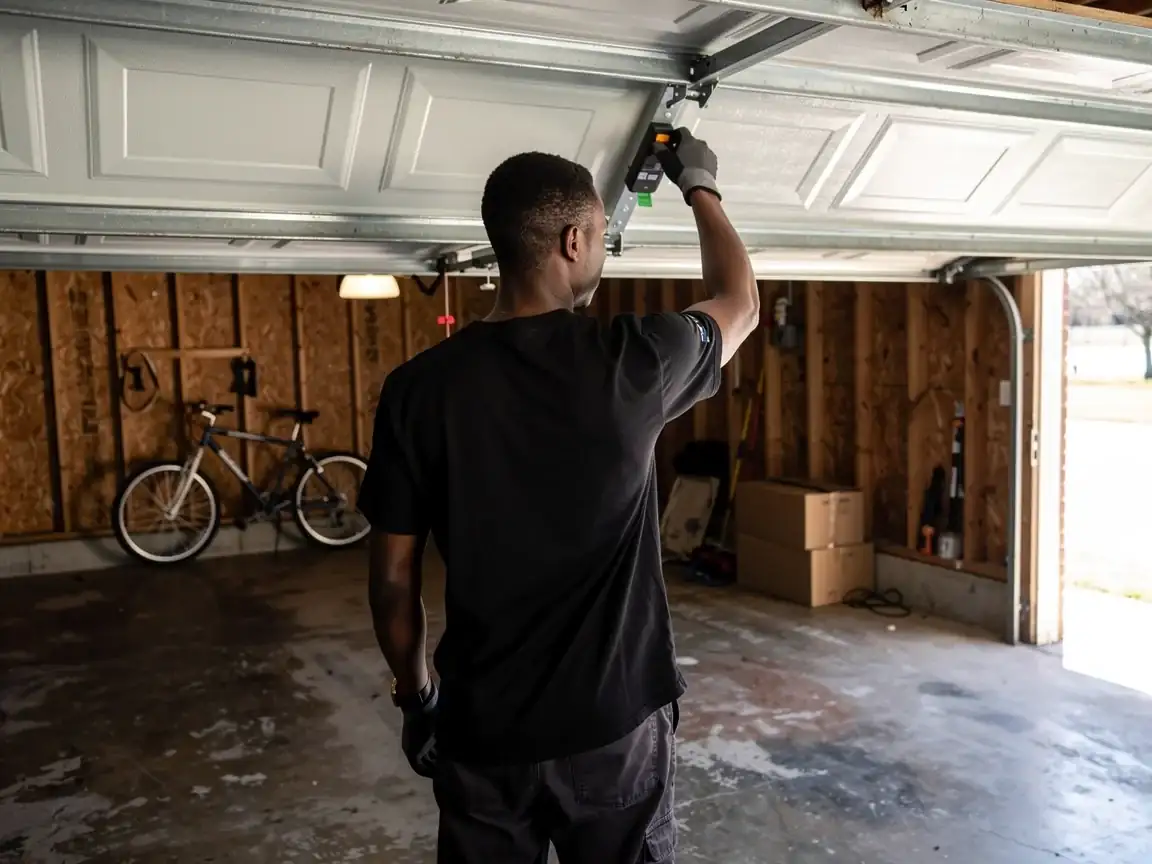
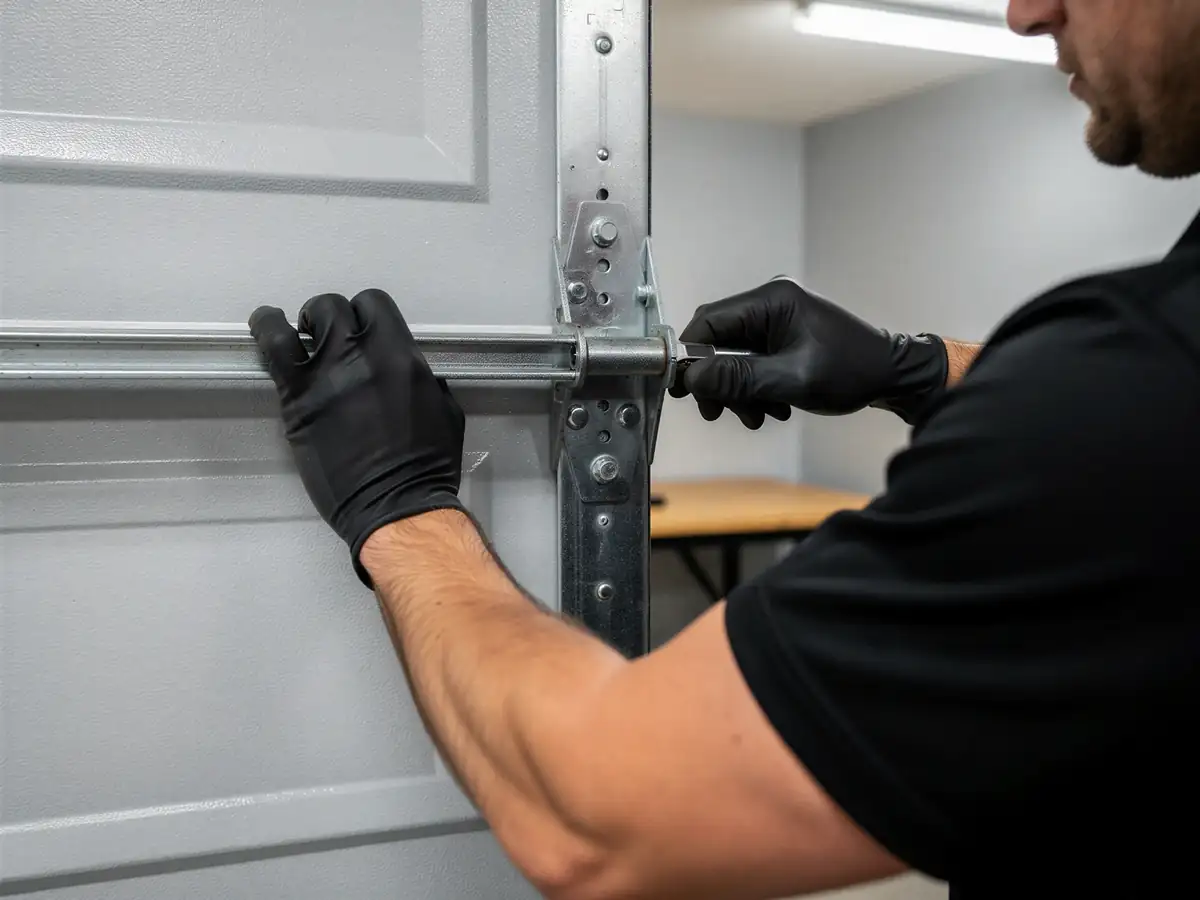
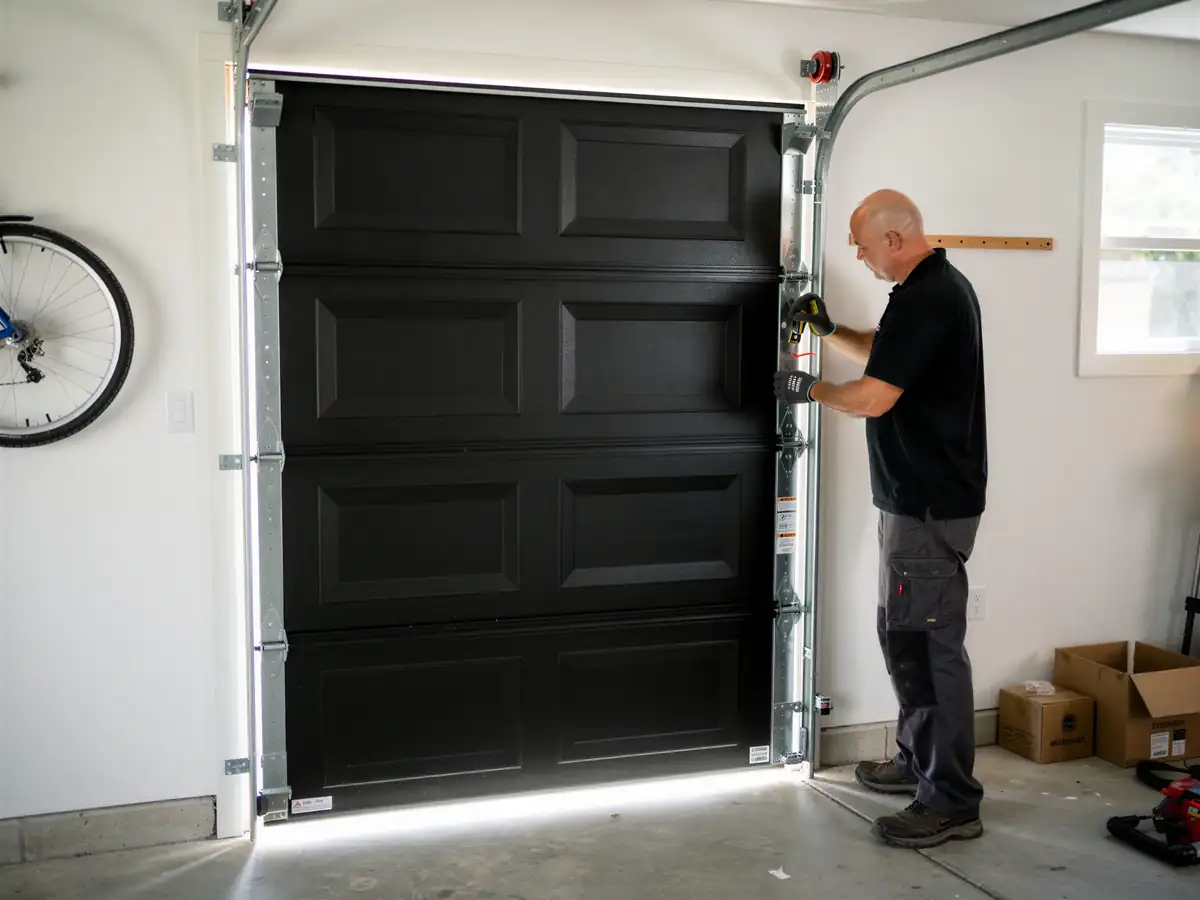
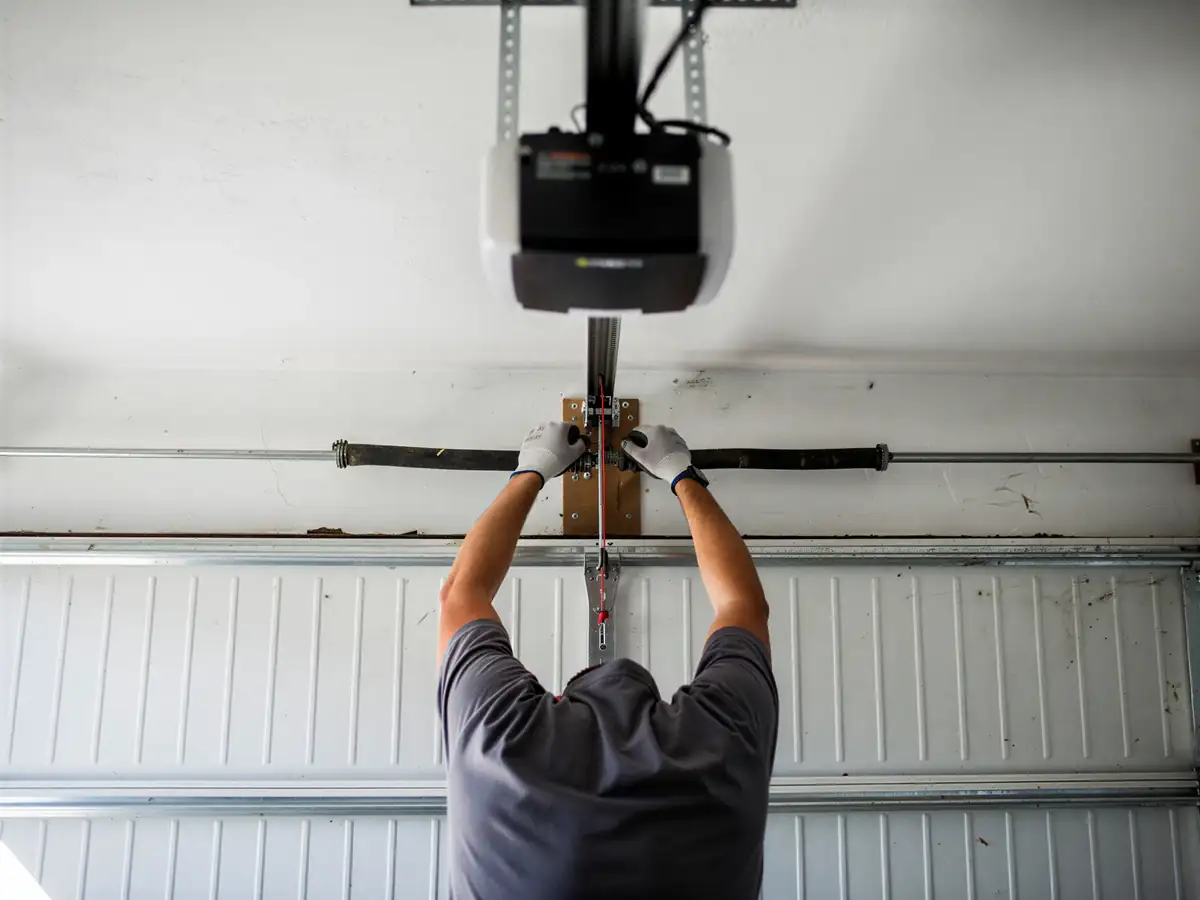
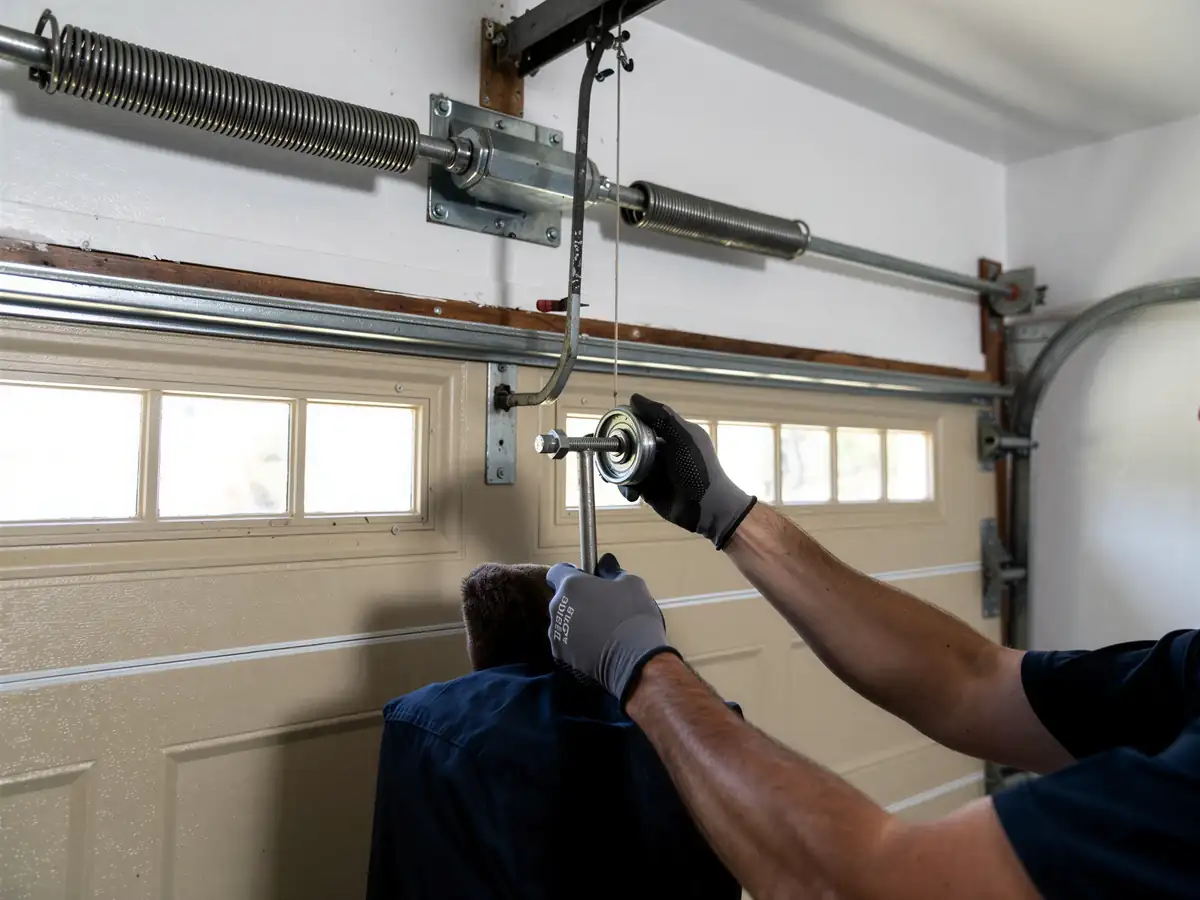
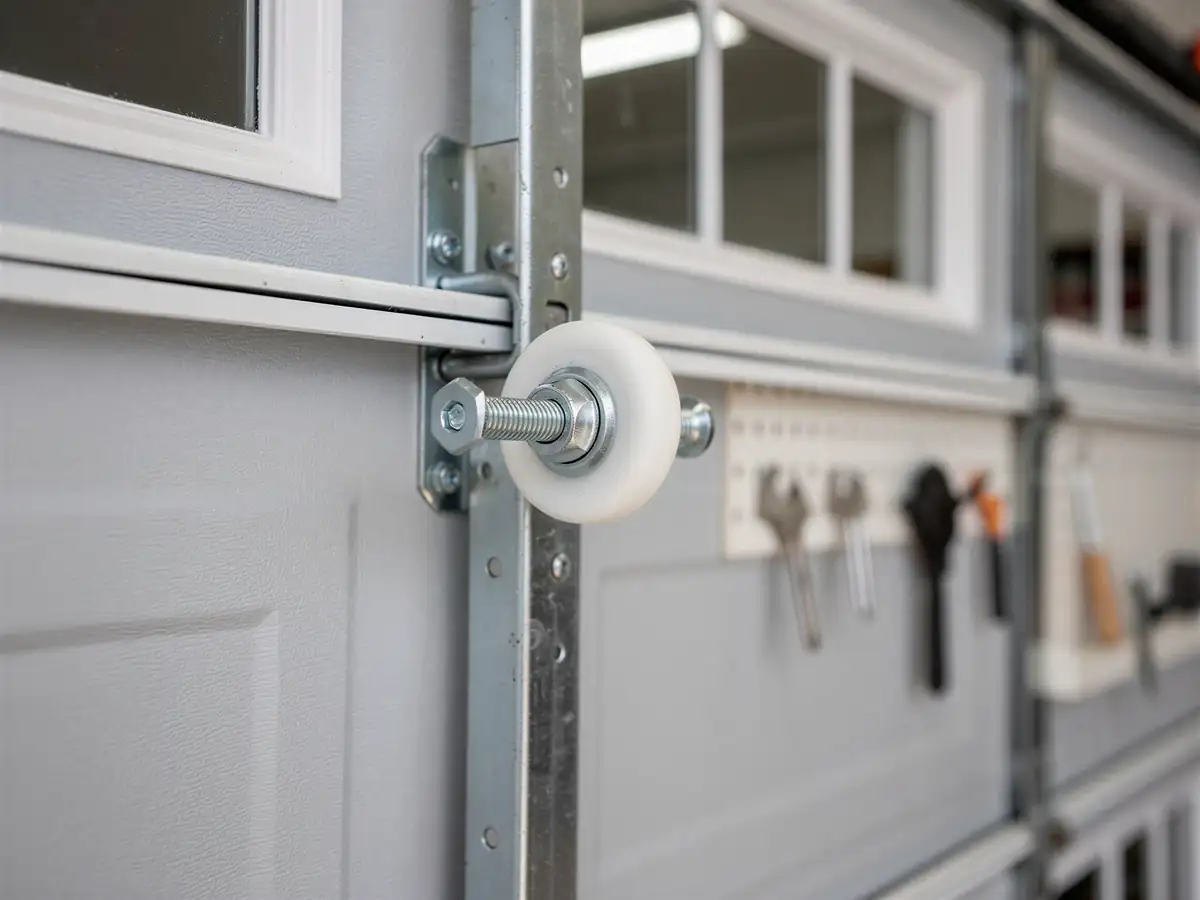
We pull the worn rollers, check the track for grooving or bent sections, and replace rollers in full sets rather than one at a time - mixing worn and new on the same track just moves the noise to the other side. On these older doors we typically swap steel for sealed nylon rollers, which run quieter and don't need the same grease schedule, a meaningful upgrade given what cold does to open lubricant. If the track itself is grooved past the point rollers alone will fix, we'll say so rather than sell a roller job that won't hold - sometimes the honest answer is a track section, not just rollers, and we'd rather tell you that up front than have you calling again in a month. We travel to Bigfork from Kalispell, about 16 miles, for this work.