The Symptom
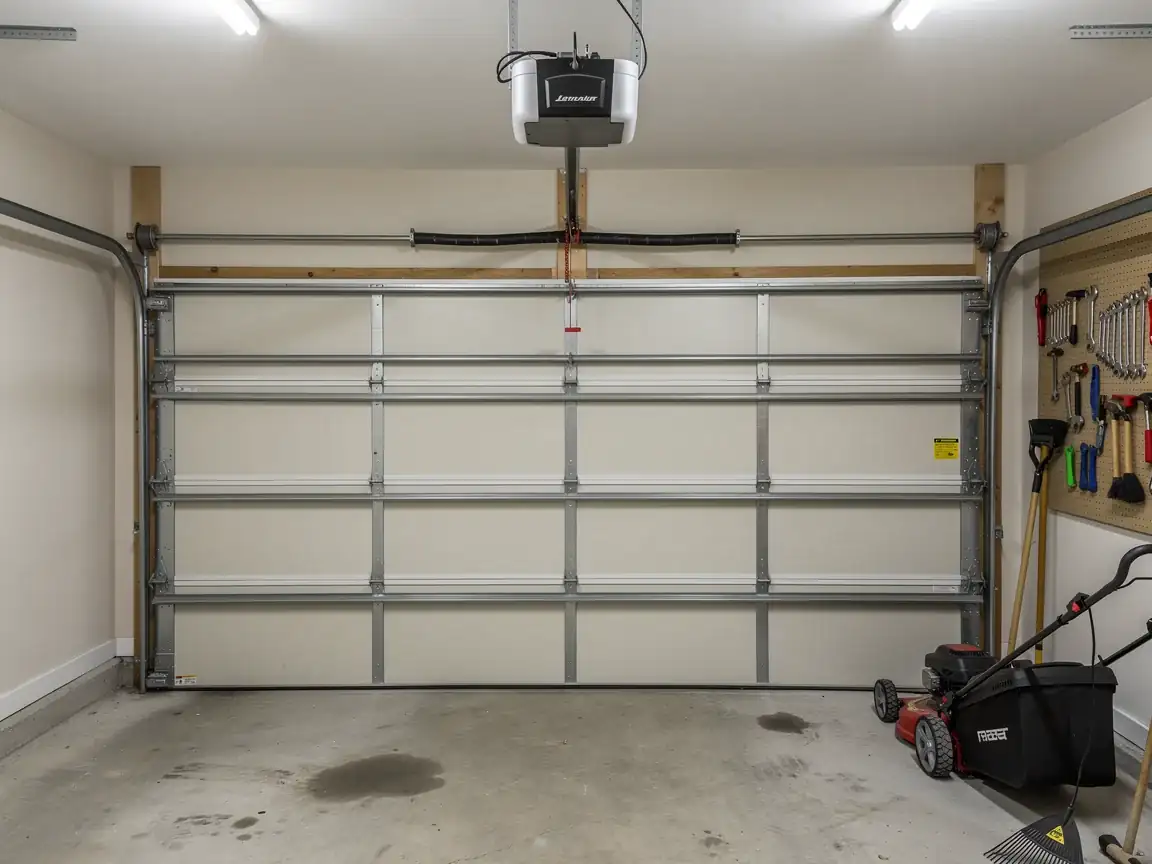
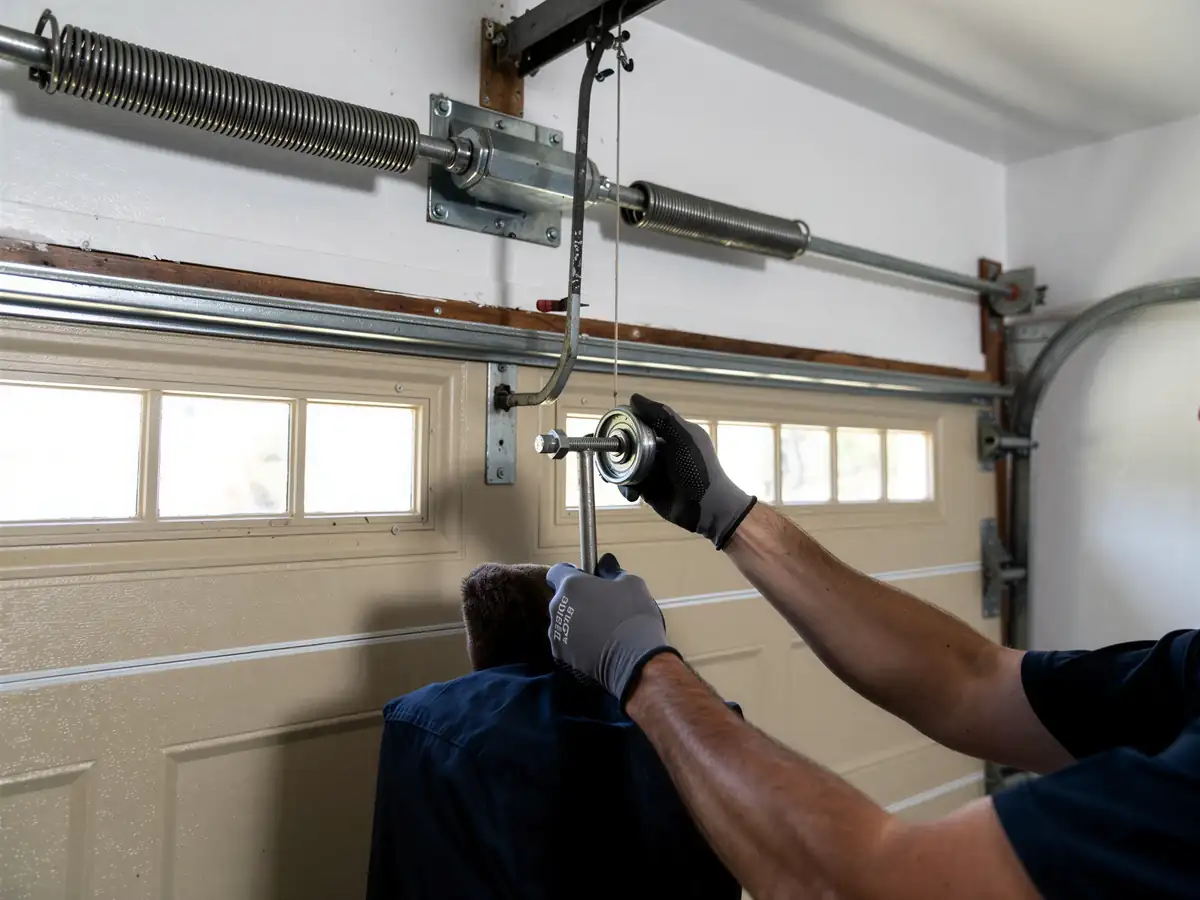
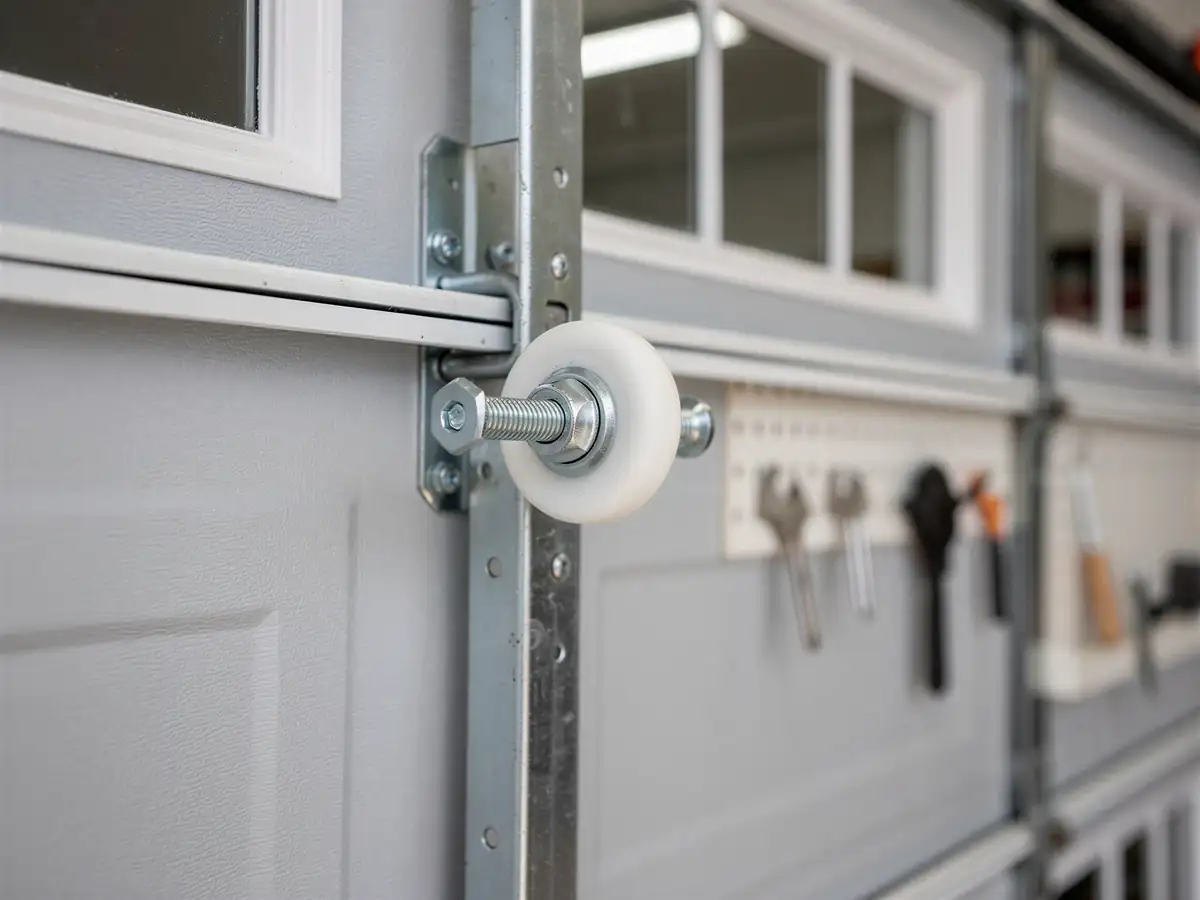
The complaint we hear most from this stretch is a door that's gone loud and stiff at the same time - a grinding or squealing roller noise paired with the opener straining harder than it used to, especially on the first lift of a cold morning. Some owners notice the door catching slightly partway up the track, or one side appears to lag the other by an inch or two before they level out. None of that points to a dying opener. It points to dry bearings and a torsion spring that's lost some of its factory tension through years of cold-to-warm cycling. Left alone, the symptom doesn't stay cosmetic. A spring compensating for dried-out rollers works harder on every cycle, and that's how a maintenance issue turns into a snapped spring call. The honest limitation here: if a door is already sagging visibly on one side or the track shows daylight gaps, that's past what a maintenance visit fixes - that's a track or cable repair, and we'll tell you so rather than lube it and send you on your way.
How We Fix It
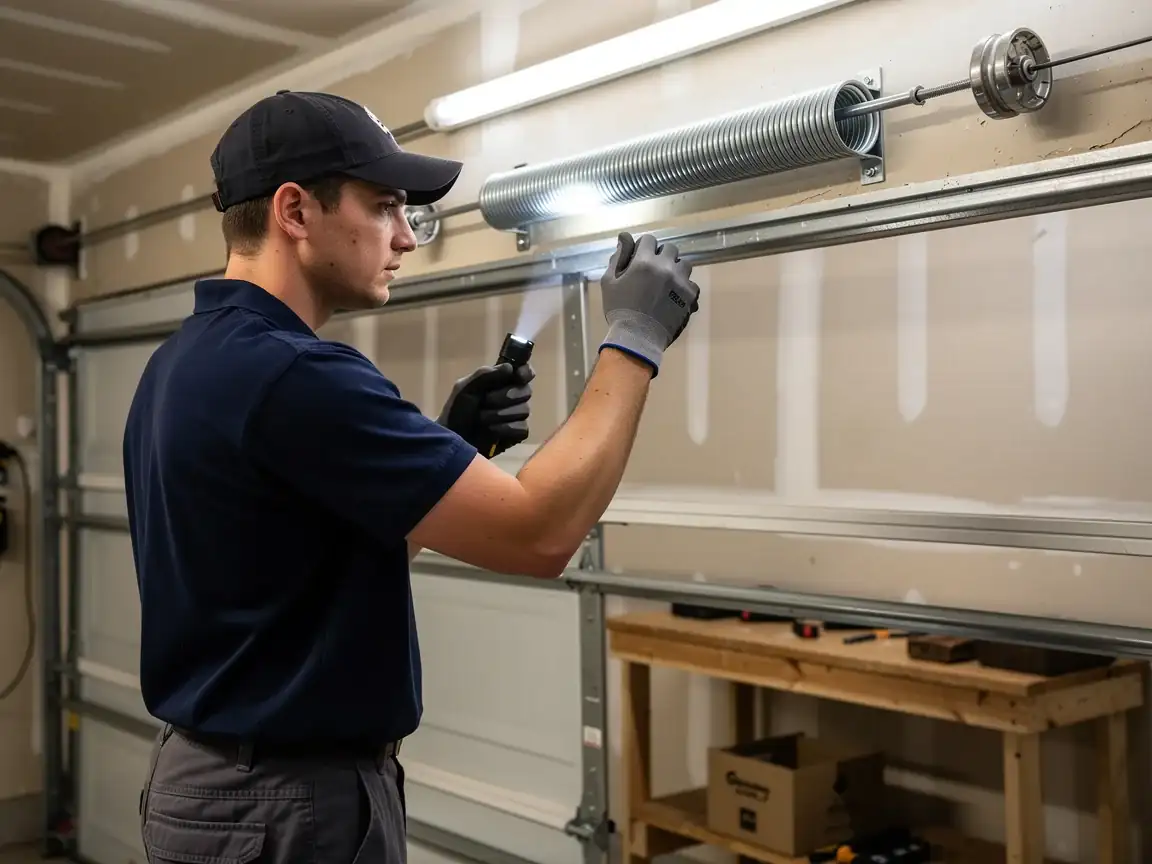
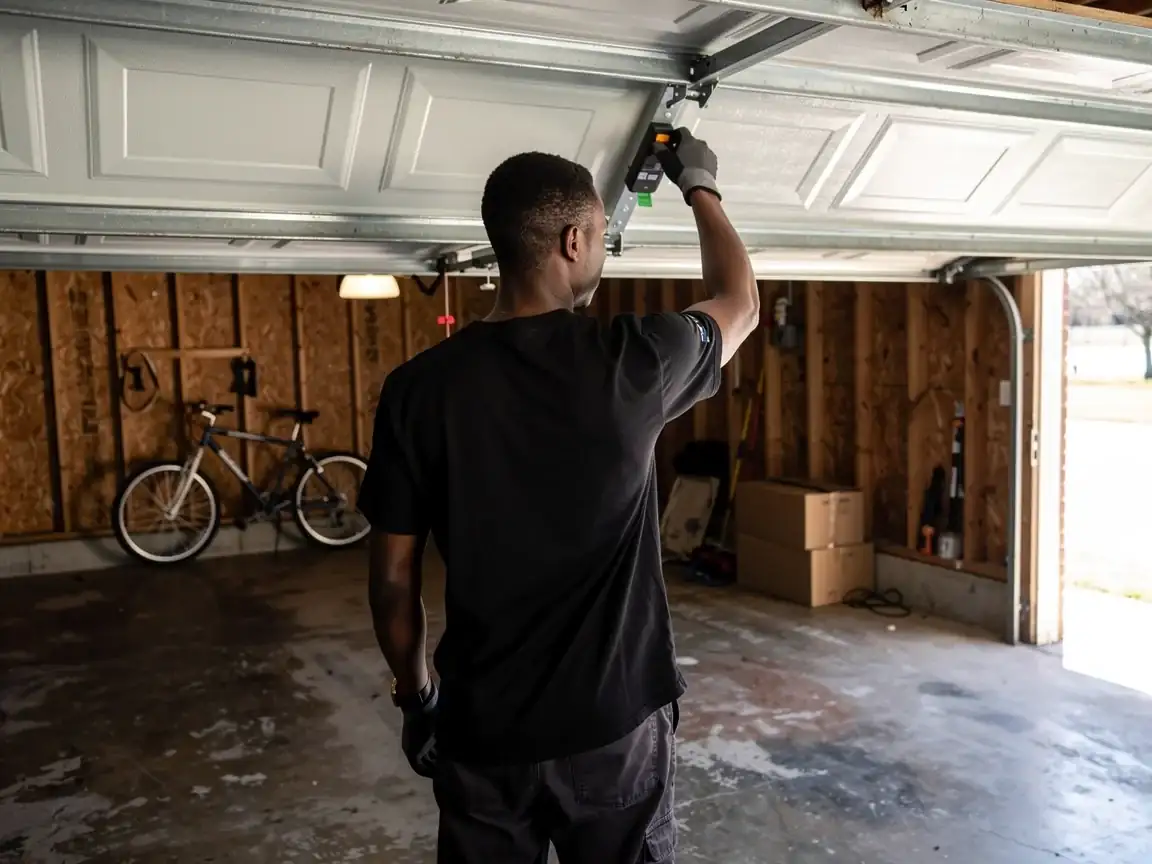
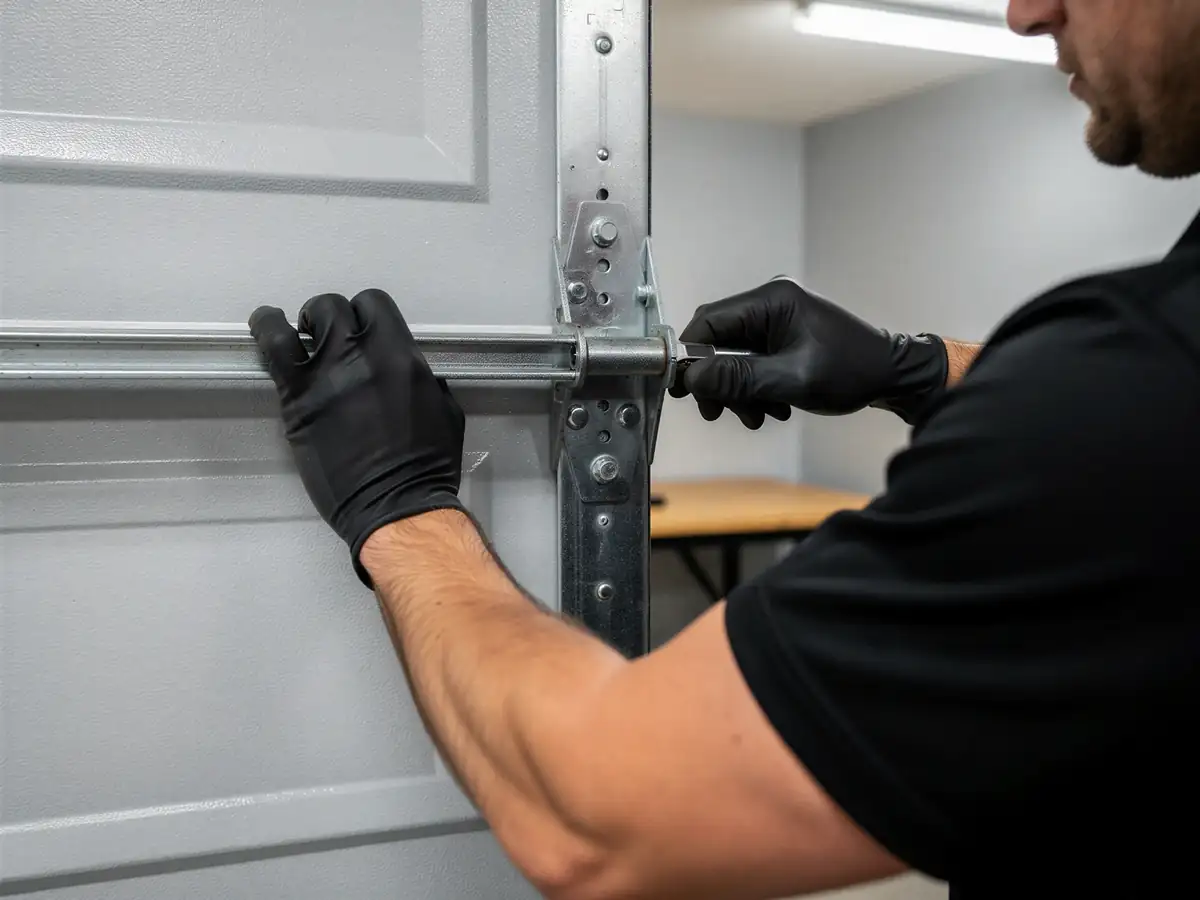
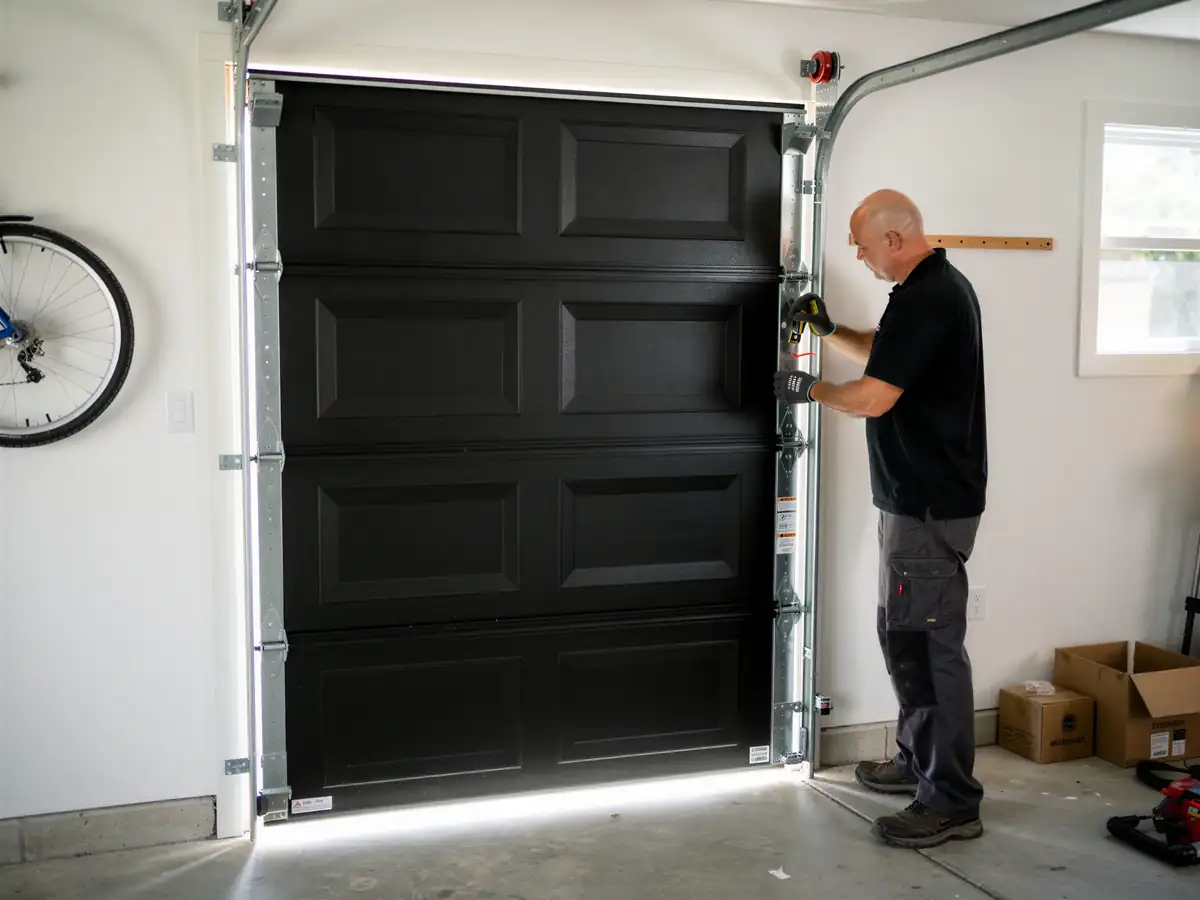
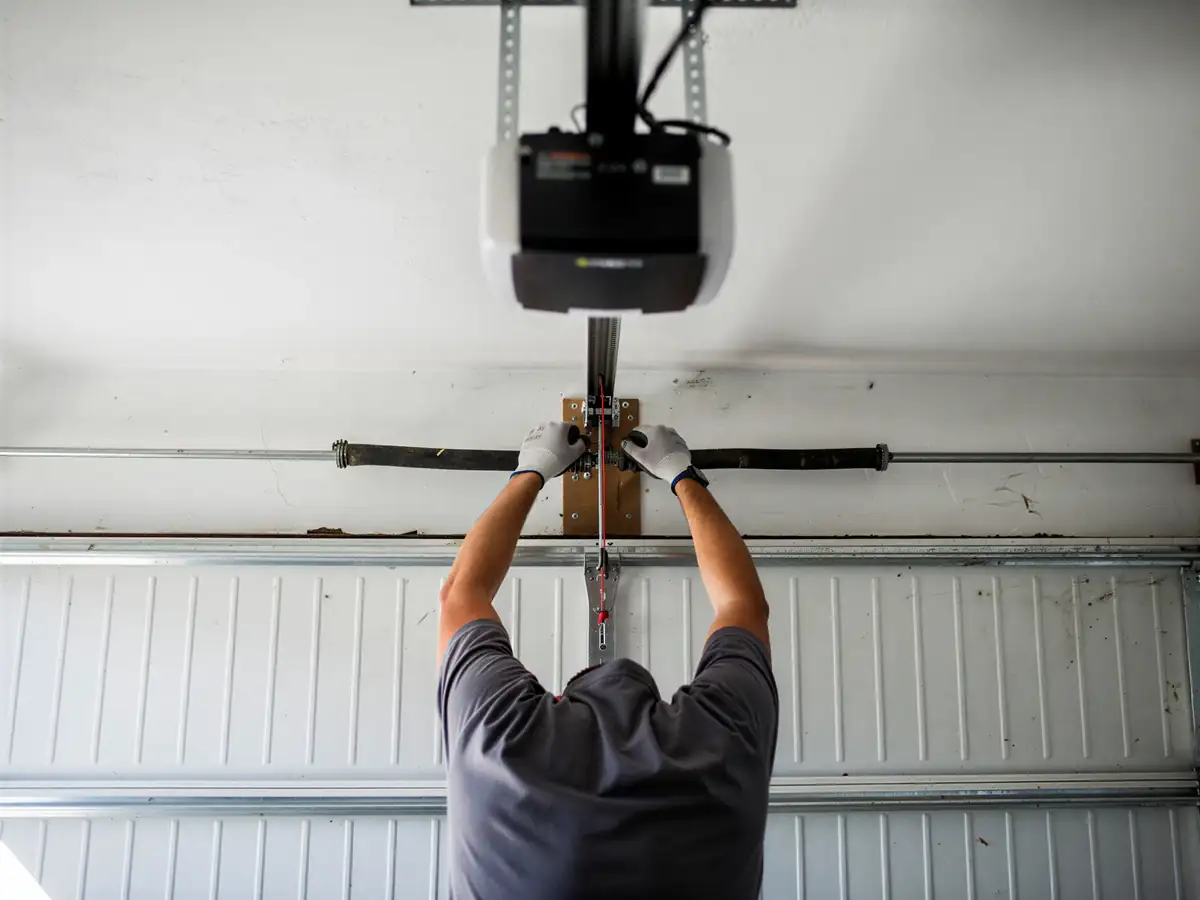
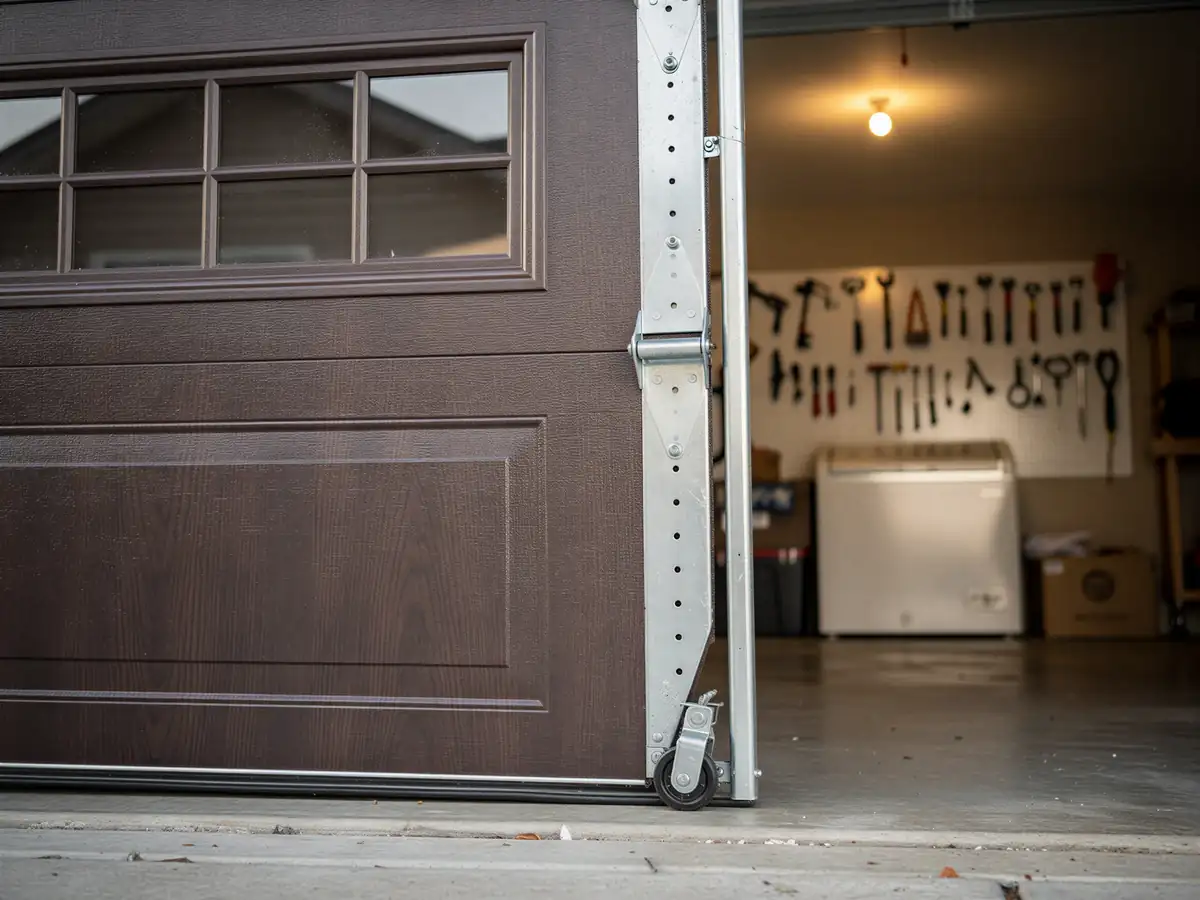
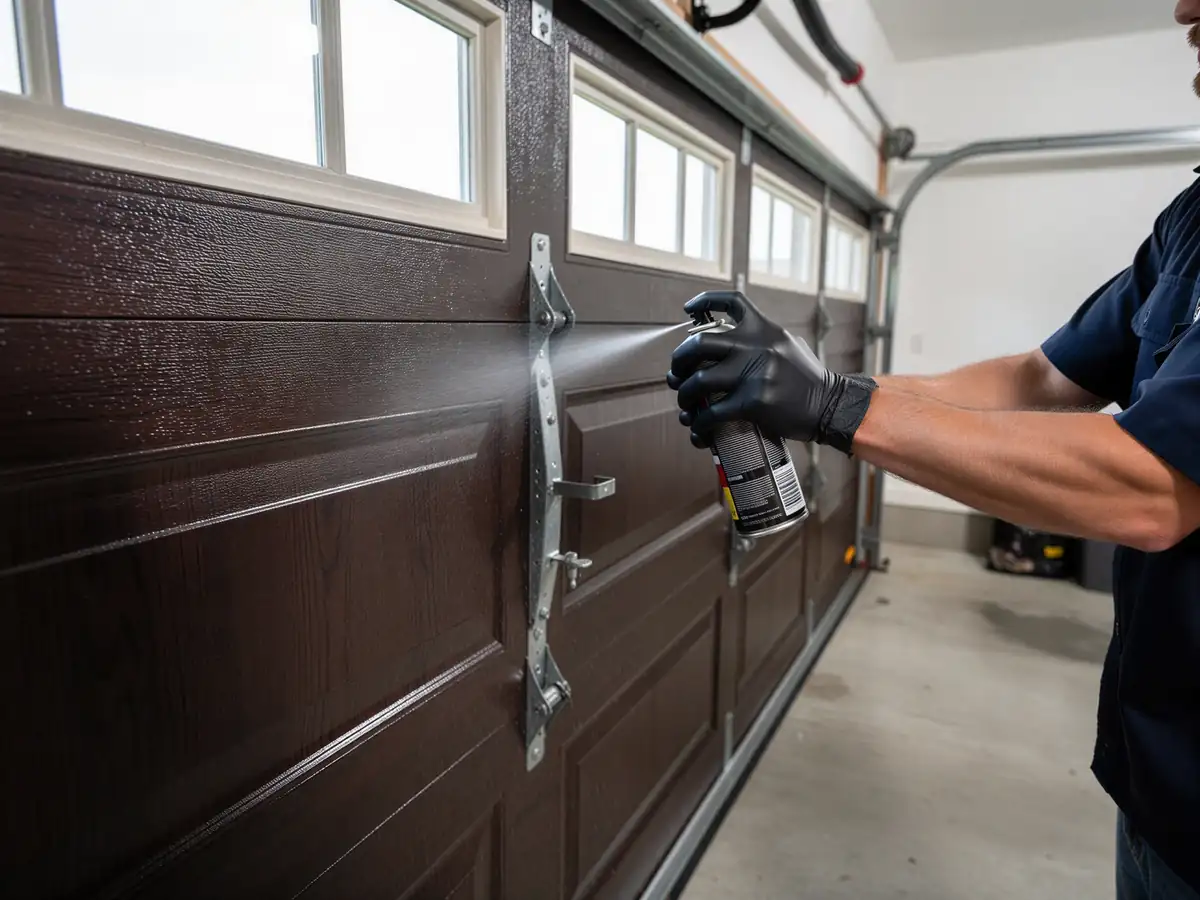
A maintenance visit means inspecting the torsion spring for rust and even coil spacing, cleaning and re-lubricating the rollers and hinges with a lubricant rated for severe cold rather than a household spray that just gums up at low temperatures, checking cable tension on both sides, and running the opener's force and limit settings since a door that's gotten stiffer often has an opener compensating by fighting harder than it should. We also check the bottom seal and weatherstripping, since a gap there is how cold air and moisture get at the hardware in the first place. Bigfork sits about 16 miles out from Kalispell, which puts it on the farther end of our maintenance route, so we schedule these as planned visits rather than same-day drop-ins. That's not a complaint about the distance - it's why we ask owners here to book ahead rather than expect a truck to swing by on short notice for a tune-up.