How We Fix It
Most houses out here went up around 1988, give or take a few years on either side
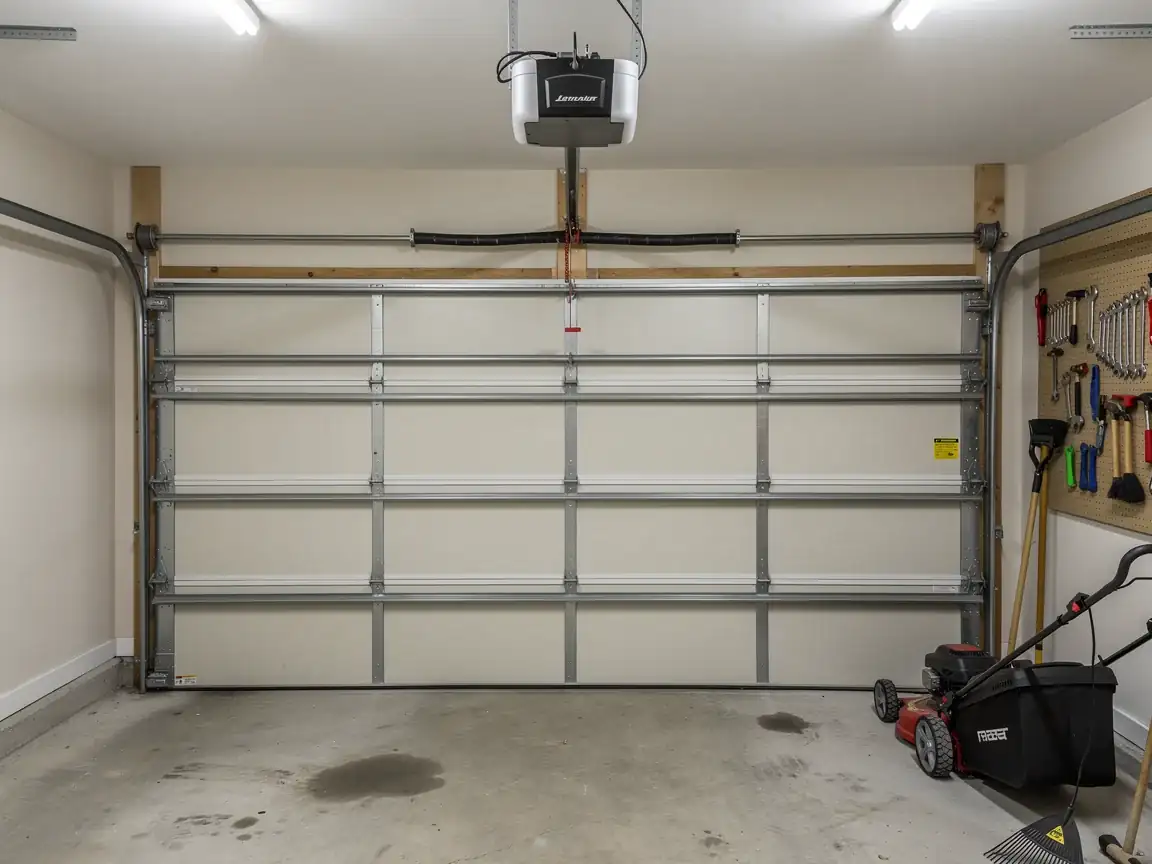
And that means a lot of garage doors in Hungry Horse are still running on the torsion spring that came with the house. A spring rated for 10,000 cycles doesn't care what decade it is - it just wears, and a 35-year-old spring has usually seen more open-close cycles than it was built for, especially once winter cold makes the steel brittle and less forgiving under load.
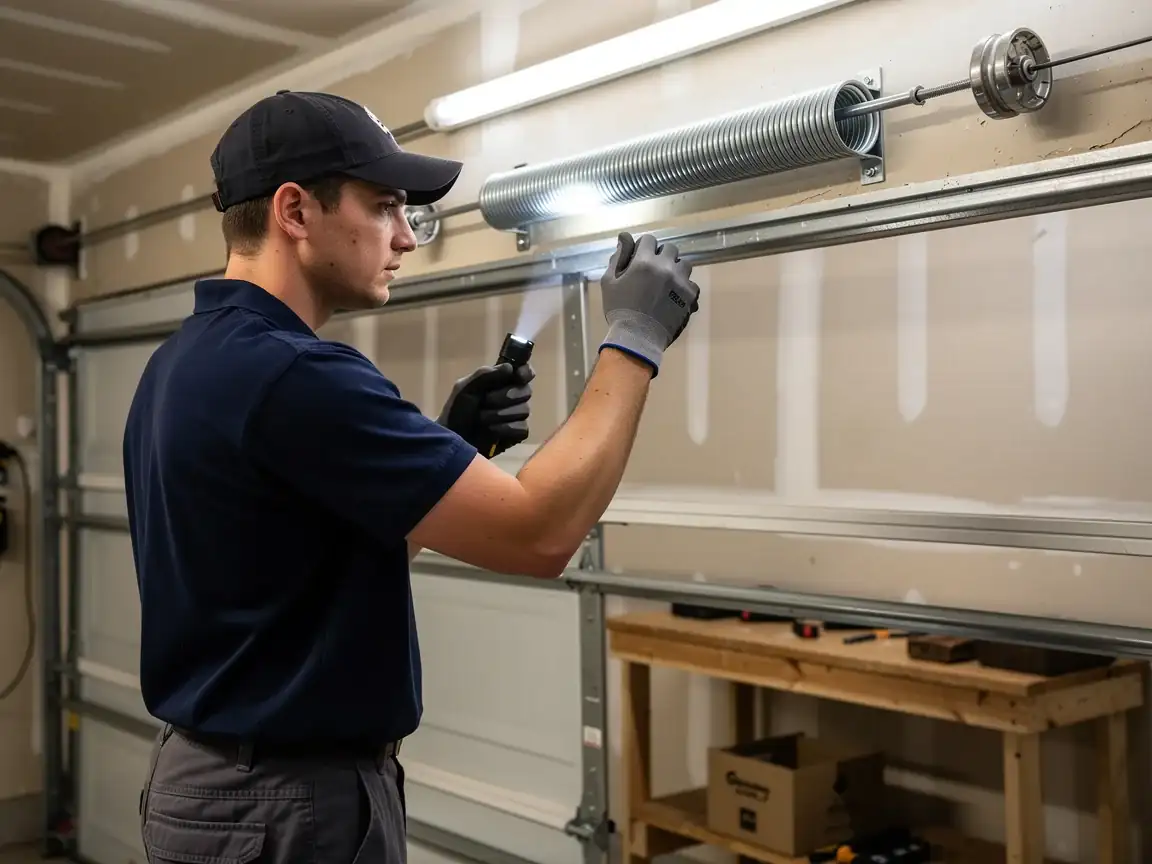
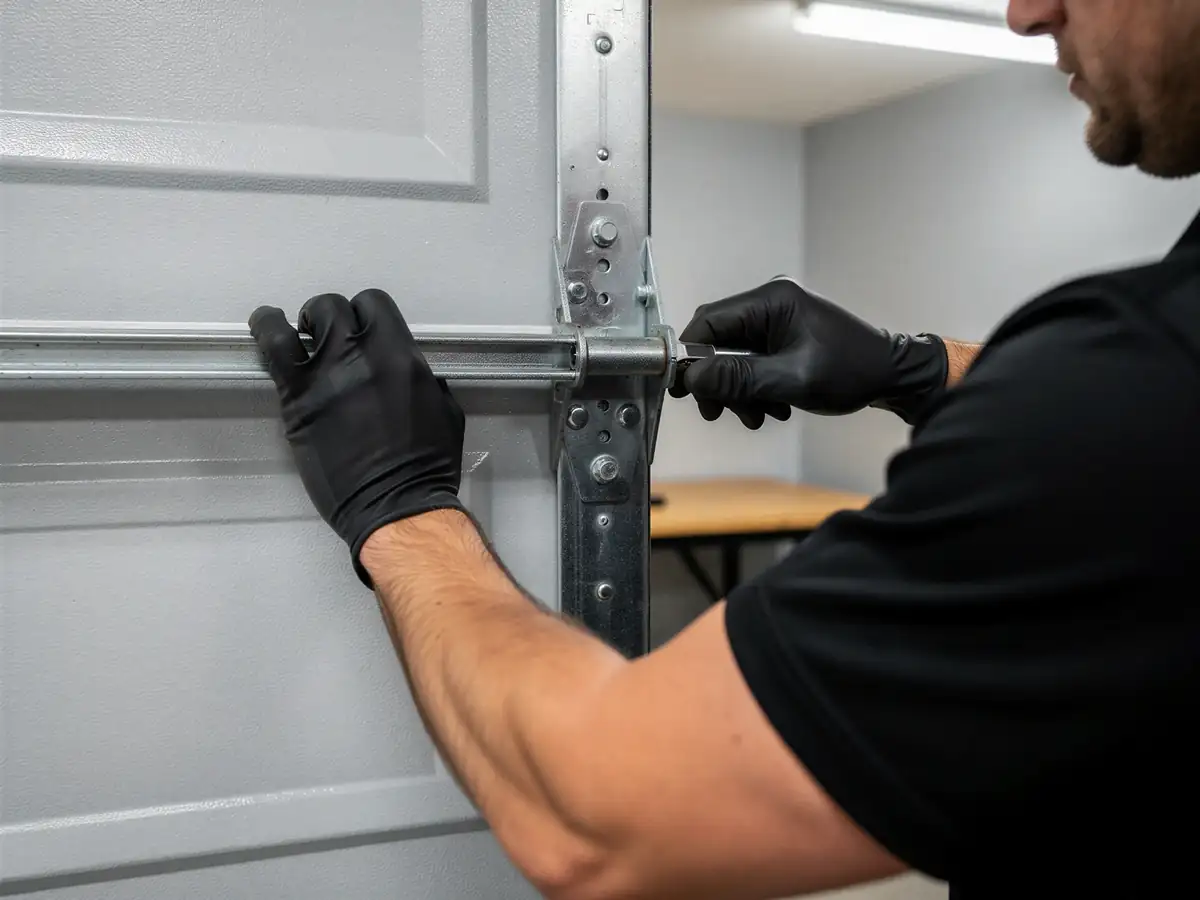
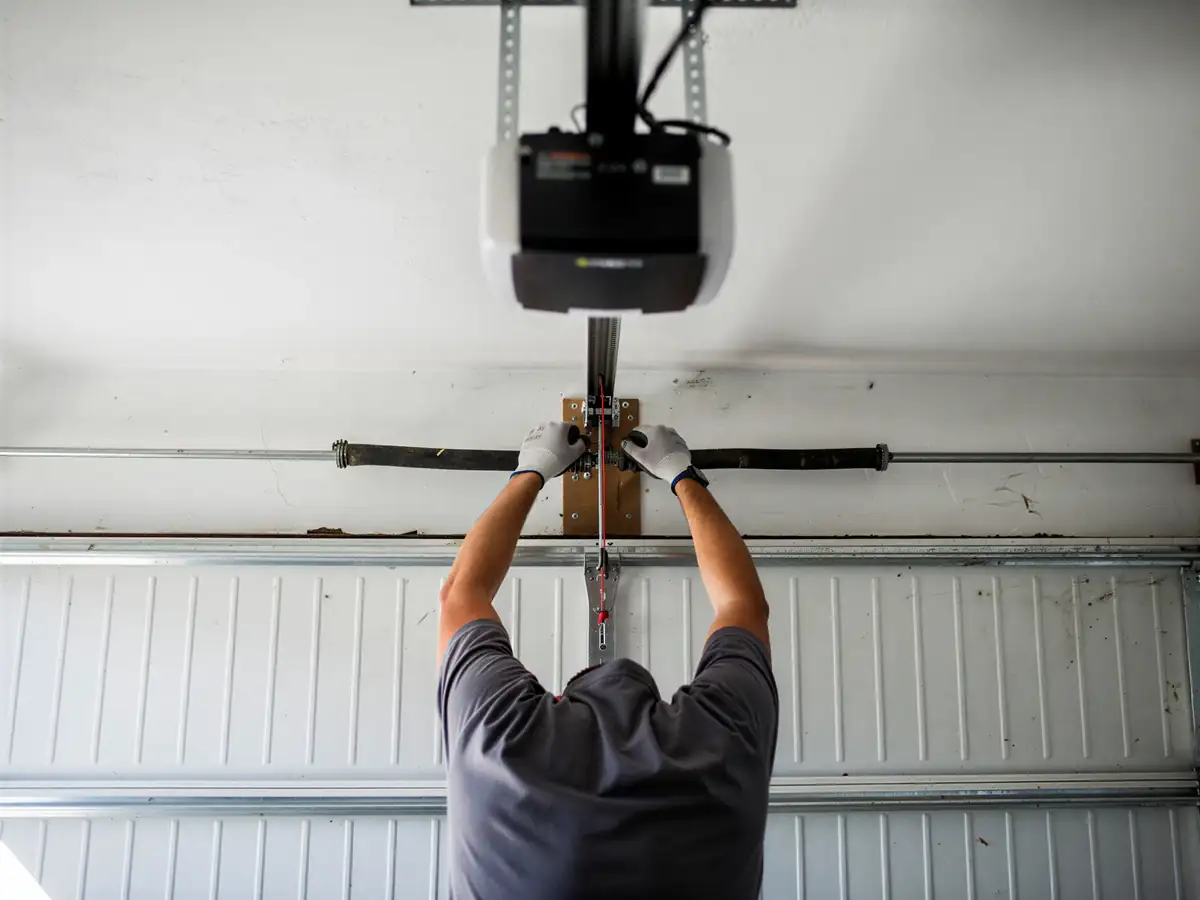
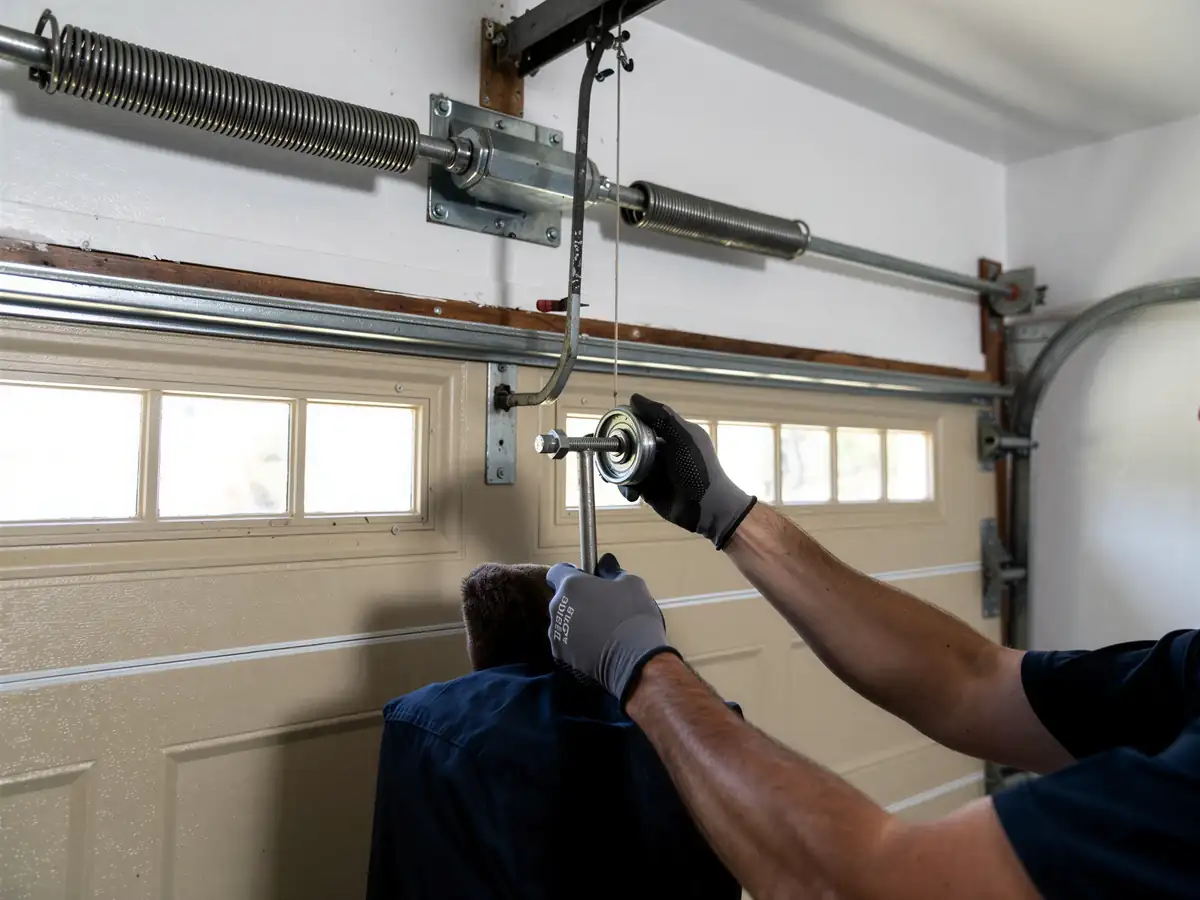
We pull the broken spring, match the wire gauge and wind direction to what's on the shaft (originals from this era are often a slightly different size than what's sold off the shelf today), and set the new spring to the door's actual weight rather than guessing off a chart
On a double door that's usually two springs working together, and if one went, the other is close behind - we'll tell you straight if it's worth replacing both at once so you're not calling us back in six months for the second failure.
We don't patch a spring or rewind a broken one
Once the coil snaps, it gets replaced, not repaired - there's no safe way to splice torsion steel under that kind of tension.
Stocked Parts
Our truck carries standard torsion springs in the common sizes for residential doors, which covers a good share of what we find on 1980s and 90s builds. What we don't always carry on the truck is a spring sized for an oversized or custom door, or older oil-tempered wire in a size nobody runs anymore - those sometimes mean a short order delay rather than a same-visit fix, and we'll tell you up front if that's the case before we start the job.
We also carry the end bearing plates, cable drums, and center brackets that tend to fail alongside a spring on a house this age, since the hardware around the spring is usually just as original as the spring itself. If a drum is cracked or a bearing plate has worn oblong from three decades of use, we replace it in the same visit rather than leaving a quarter of the job undone.
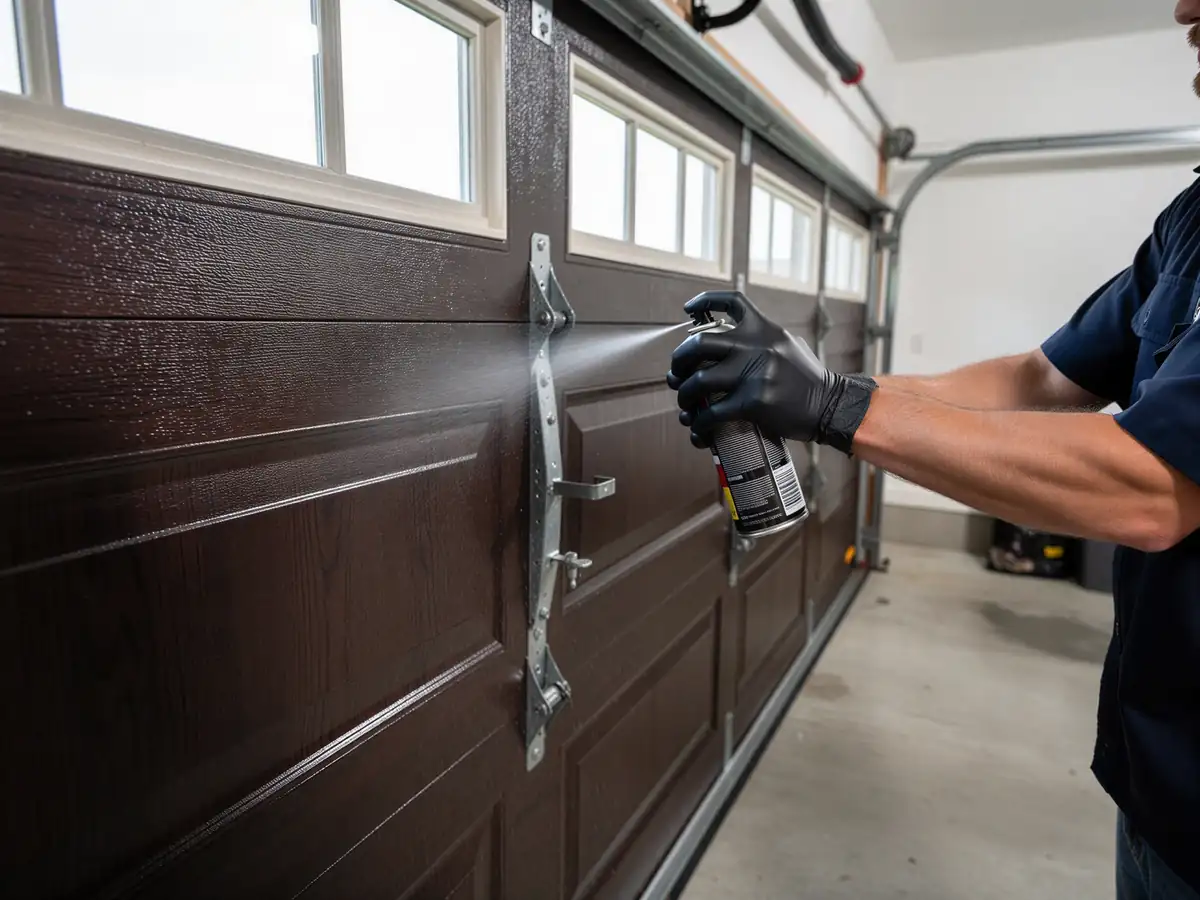
Cold-rated lubricant goes on every new spring before we leave, since the severe winters this area sees are hard on exposed torsion hardware, and dry steel under tension in subzero weather is how a lot of these failures start in the first place.
Booking a Visit
Hungry Horse is about 17 miles out from our shop in Kalispell, and we build that drive into the job, not into a separate trip charge tacked on after the fact. When you call, tell us whether the door won't open at all, makes a loud bang, or just sags on one side - that tells us whether to bring one spring or two, and whether to expect a cable issue riding along with it.
With only a couple hundred households spread through Hungry Horse, we're not running a route through here daily the way we might through a denser part of the service area, so a same-day slot depends on what else is already on the schedule that day. We'll give you an honest window when you call rather than a number we can't back up.
The Symptom
A door that won't budge
Or one you can lift partway before it fights you, is almost always a spring, not the opener. The opener motor isn't built to lift a door's full weight on its own - that job belongs to the spring, and when it breaks, the opener just strains against dead weight until something else gives, usually a gear or the drive mechanism.
A loud bang from the garage, especially on a cold morning, is a classic sign of a torsion spring letting go
The kind of sharp crack that's hard to mistake for anything else. If the door looks lopsided, dropping lower on one end than the other, that's often one spring of a pair failing while the other is still holding its half of the load, which is a short window to get it fixed before the second one goes too.
Don't try to force a door open when a spring's gone
Without it, the door is pure dead weight on whatever cable or track is left holding it, and forcing it risks the track or the other spring next.