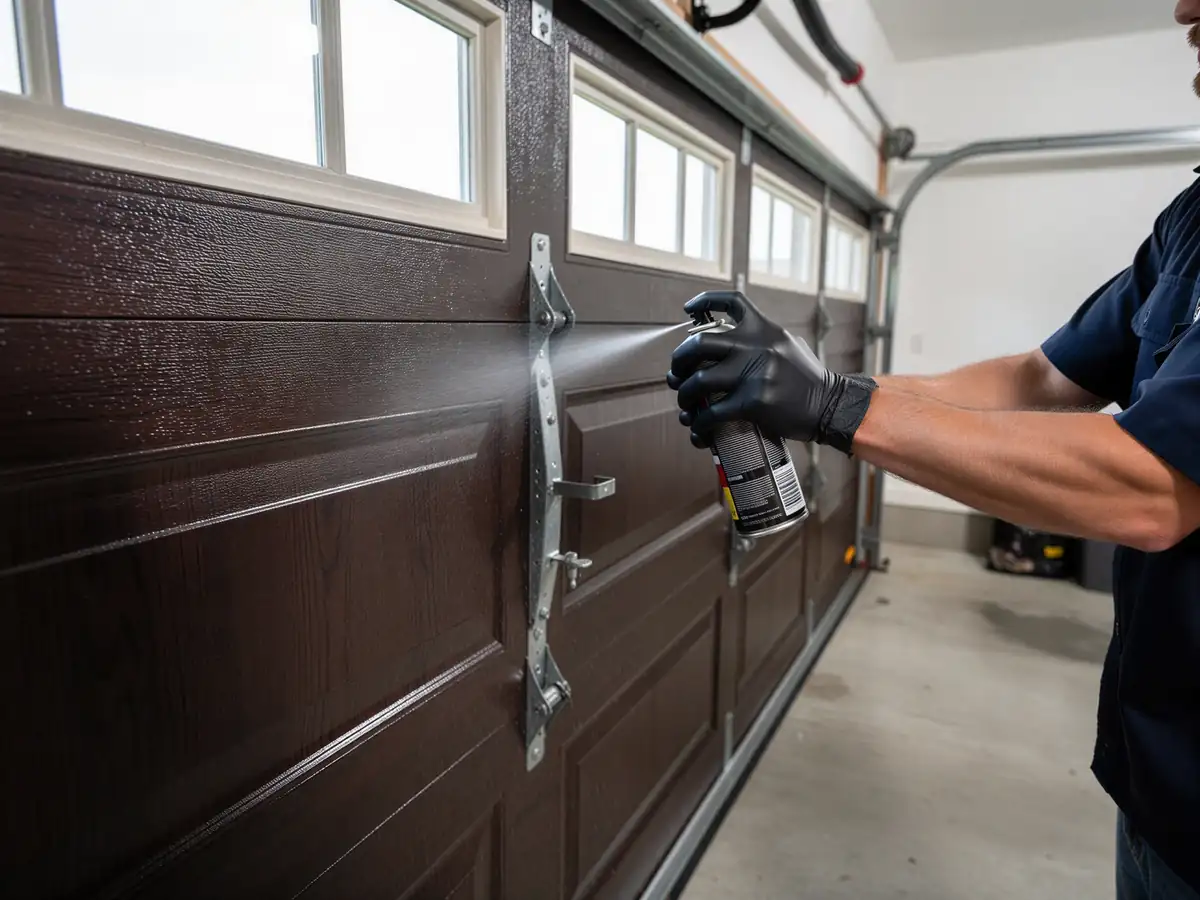
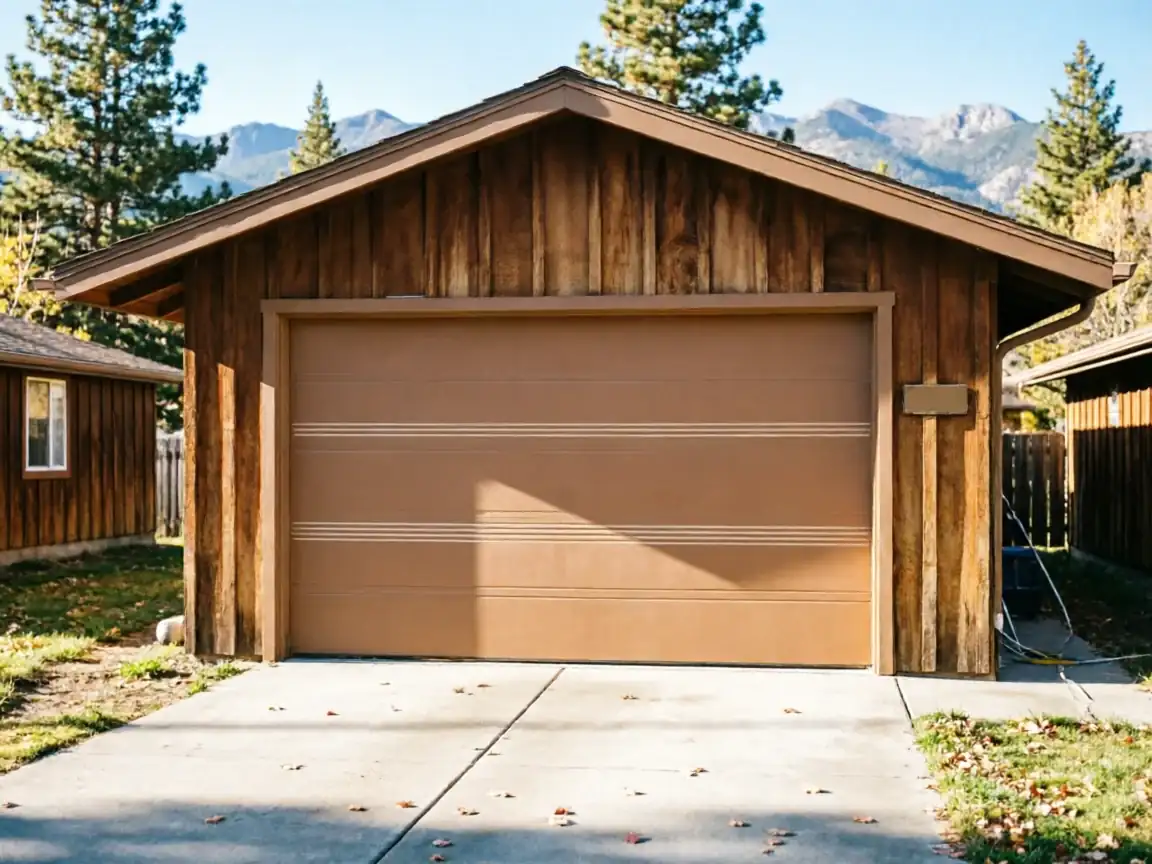
How We Fix It
Hungry Horse's roughly 265 households sit mostly in homes built around 1988
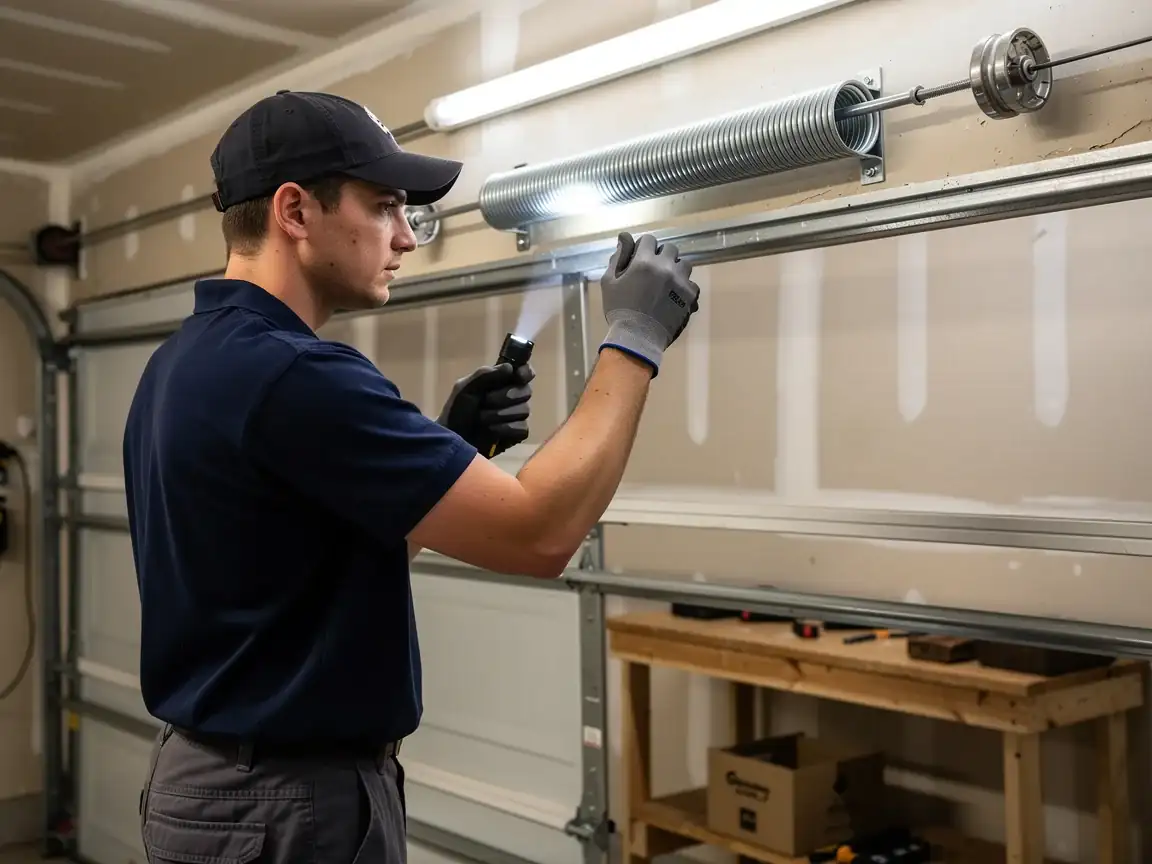
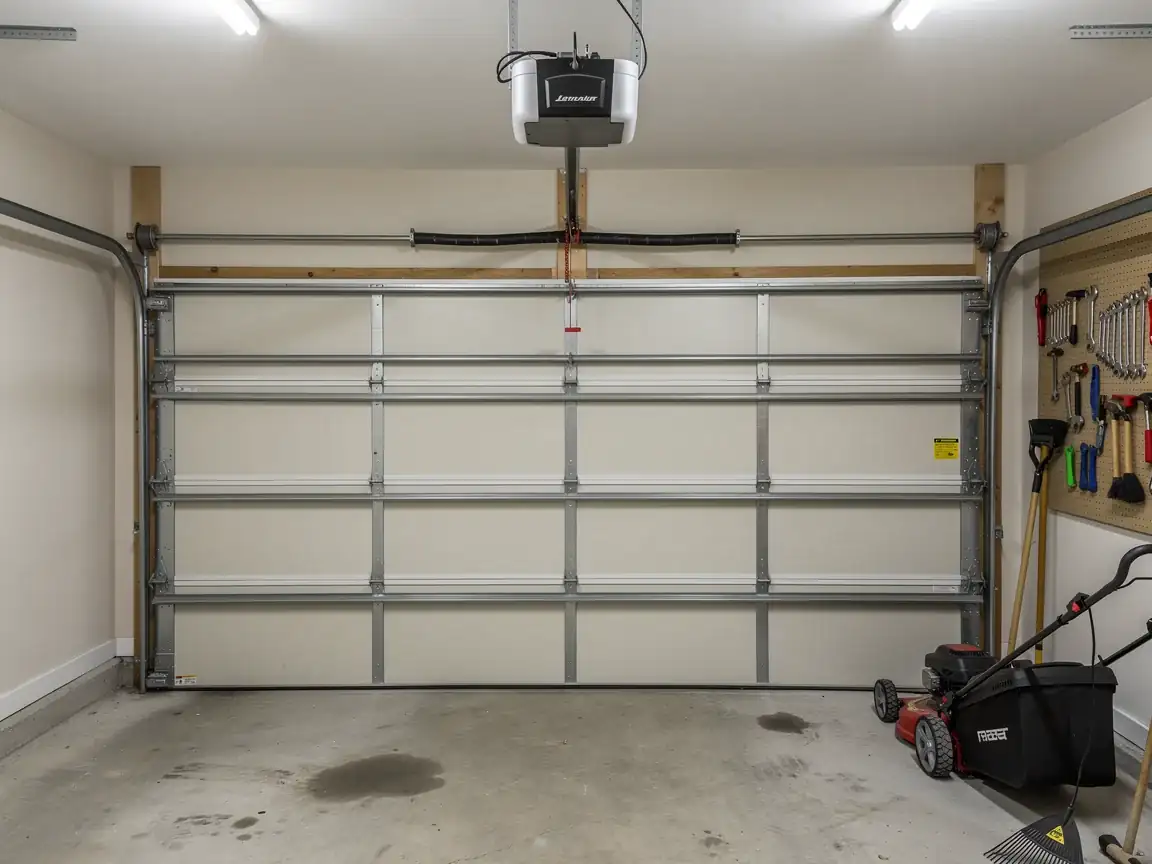
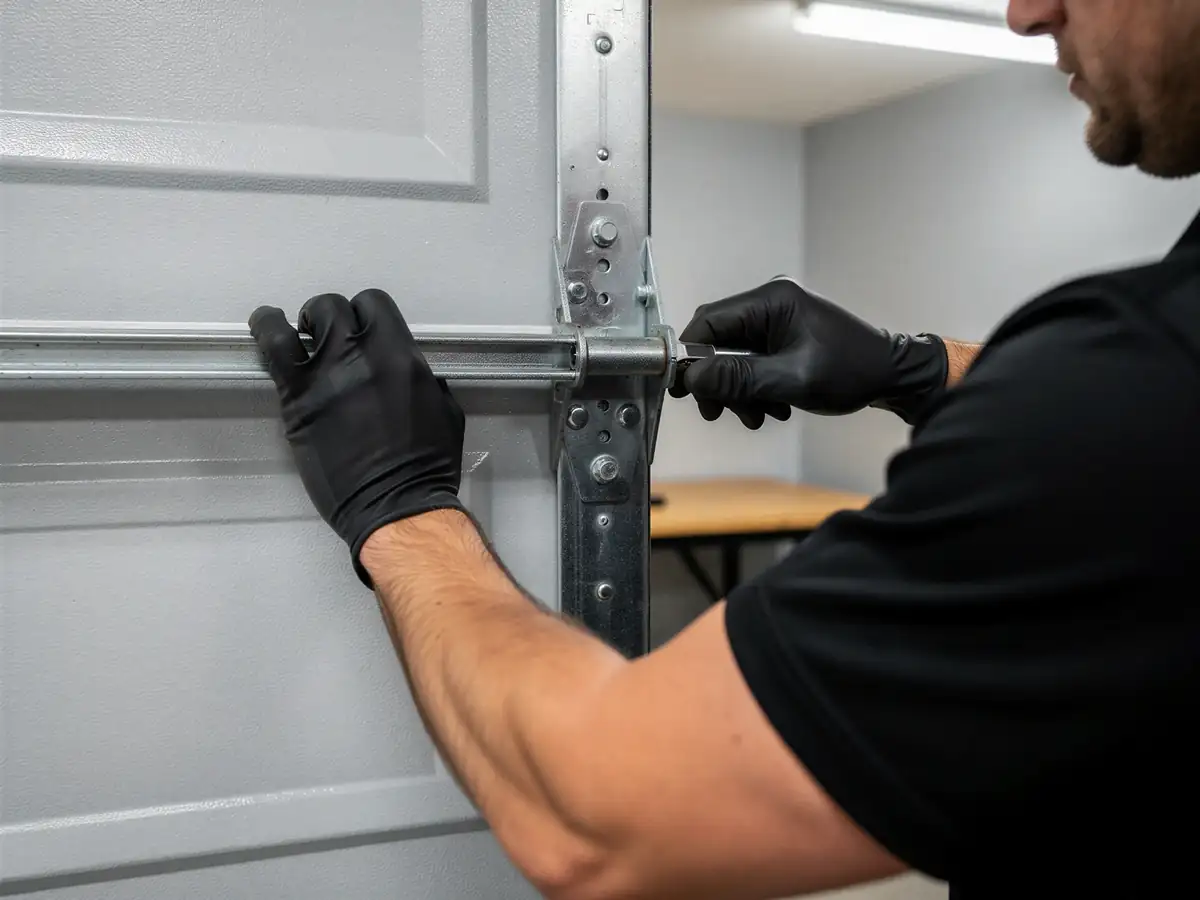
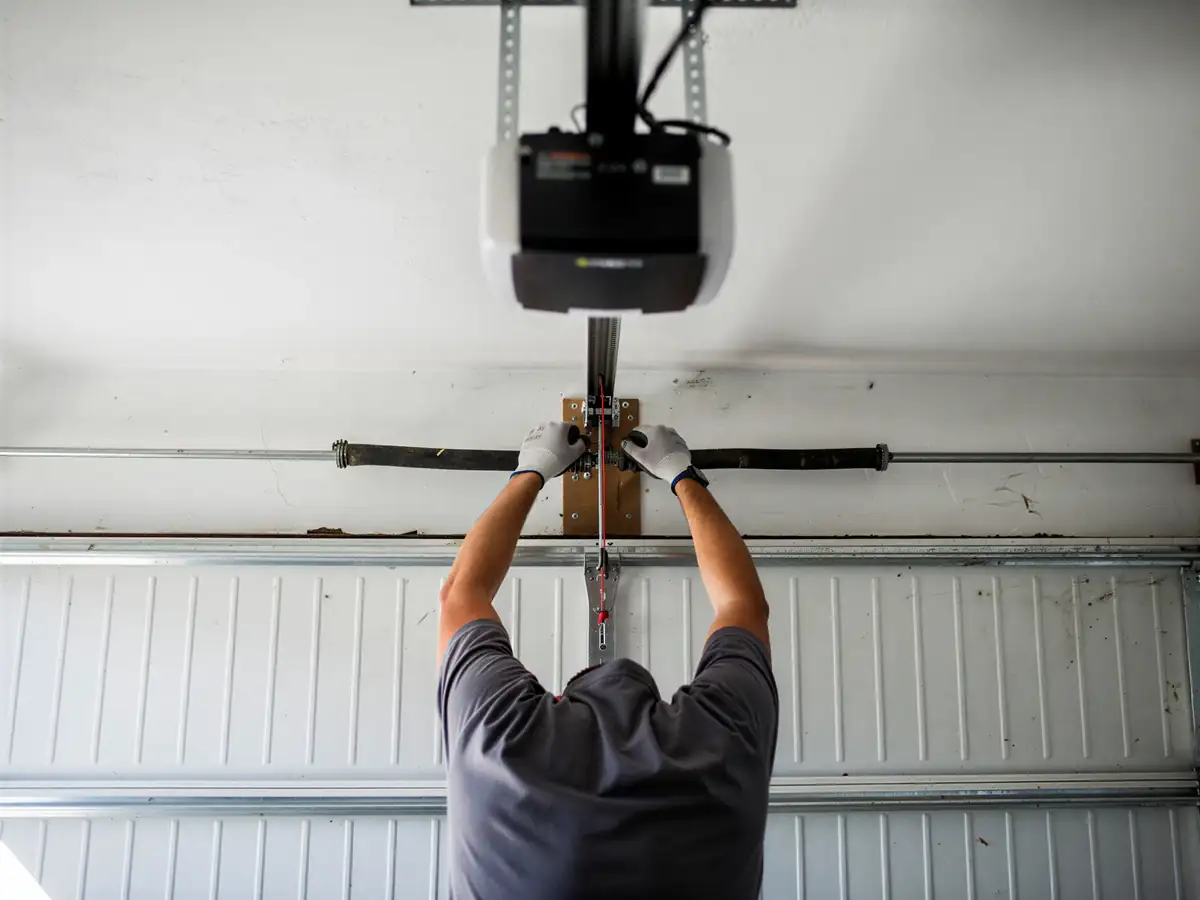
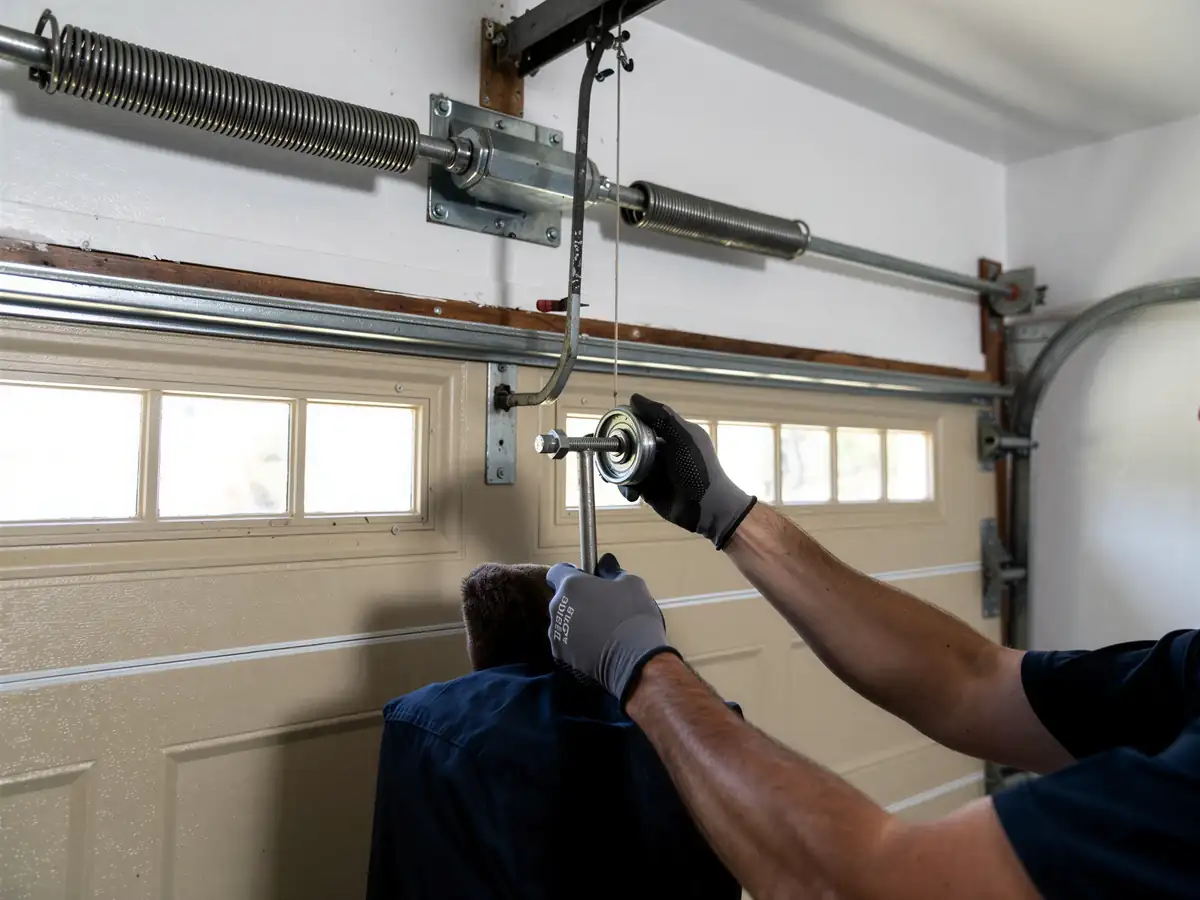
Which puts most doors here on the tail end of the galvanized torsion-spring era before lighter steel sections and plug-in safety sensors became standard. That matters for diagnosis. A door from this stretch of construction usually runs a single torsion spring rated for a heavier wood-core or early steel section, mounted on a shaft that's been fine for three decades until the spring finally fatigues from cold-weather cycling. We check the spring wind count and shaft play first, because on houses this age that's where the failure almost always starts, not at the opener.
- 265 households
We also look hard at the track alignment before touching anything electrical
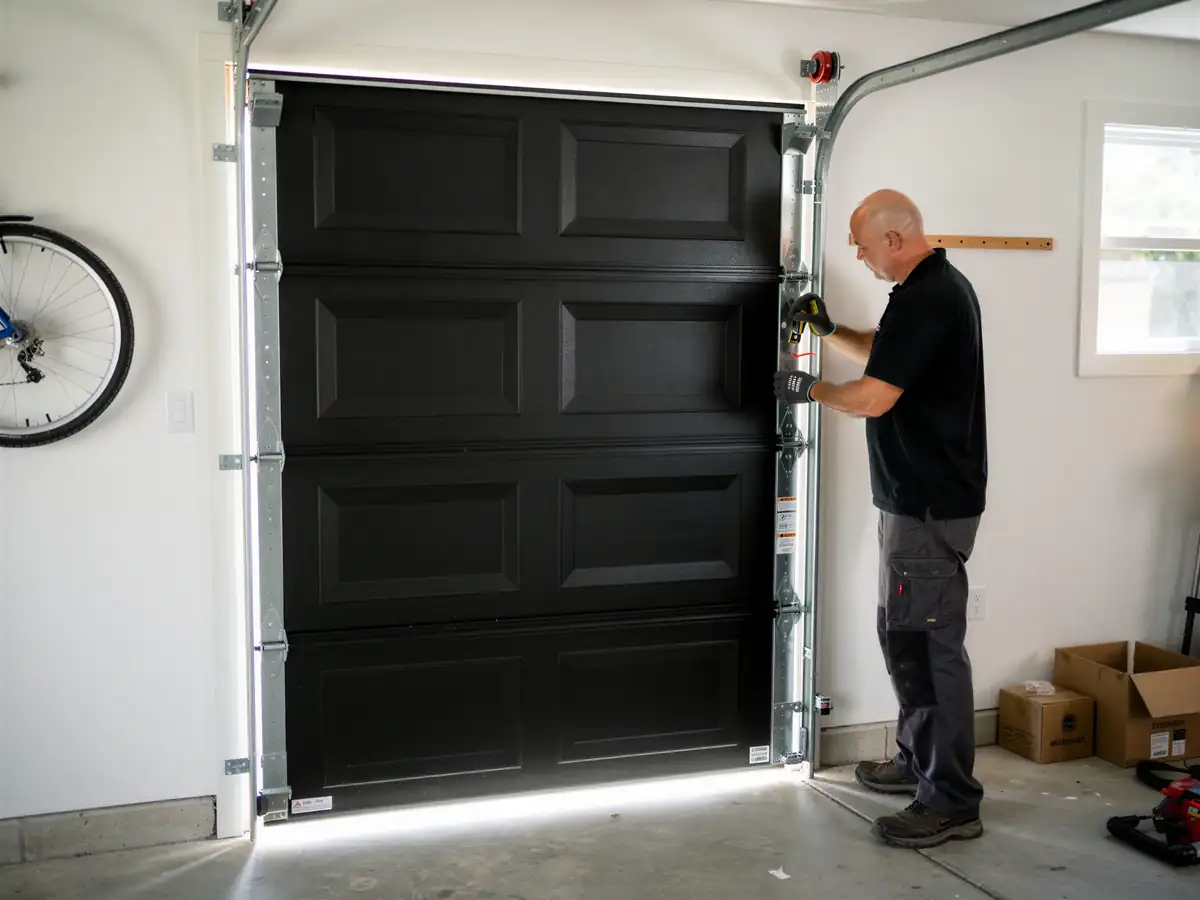
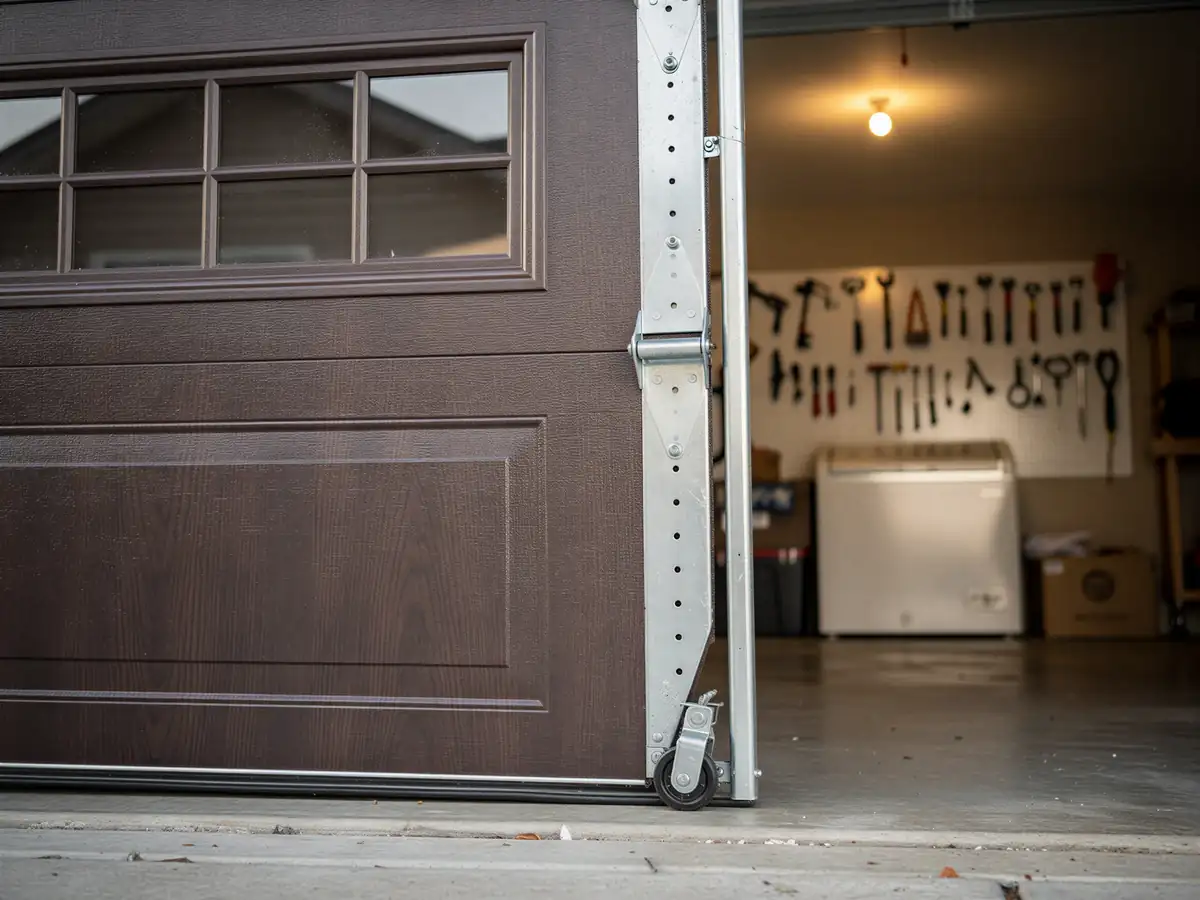
Builders in this period often used lighter gauge track than what ships today, and years of a cold climate flexing that steel can leave it slightly bowed even when the door still looks like it's rolling fine. Fixing the symptom you called about without checking the track means you're back out here in six months for the same complaint under a different name.
Stocked Parts
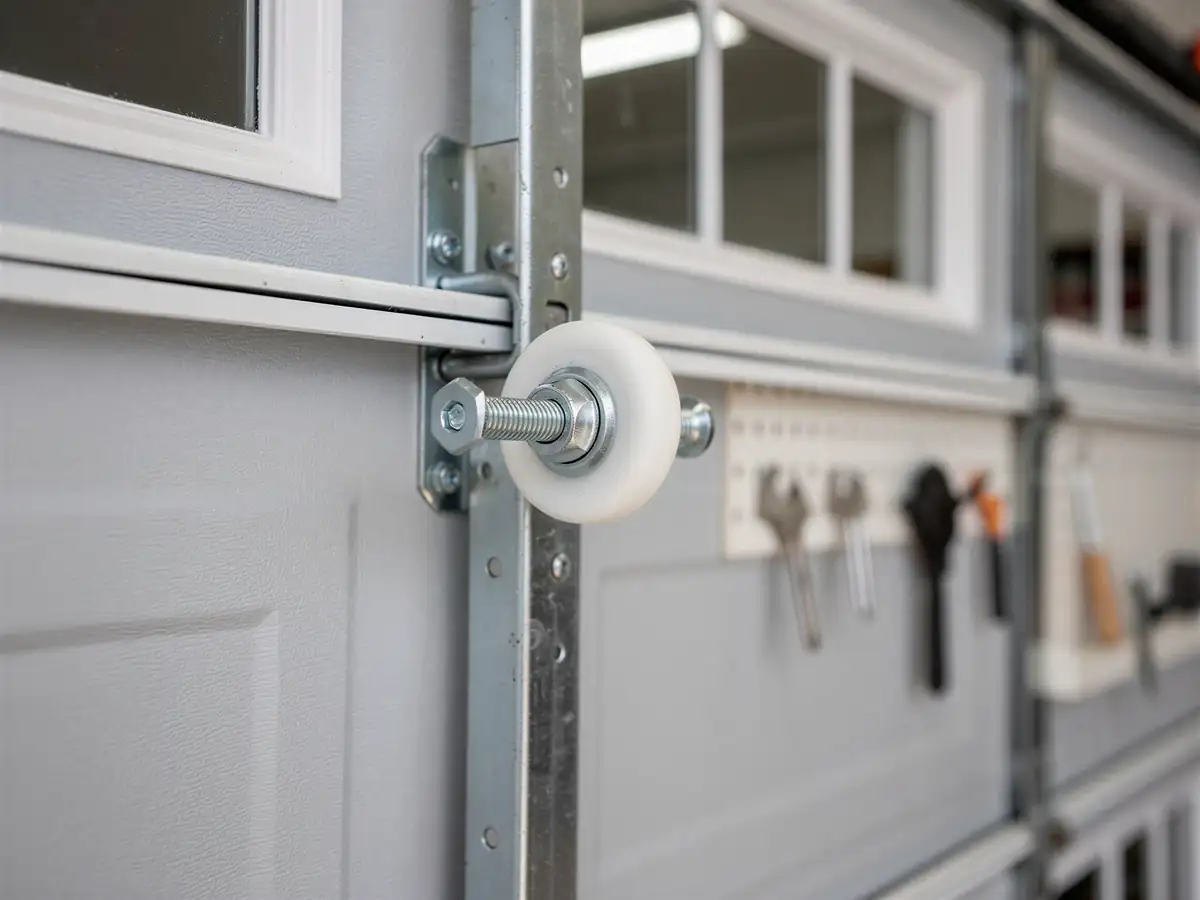
We carry torsion springs sized for the common openings on 1980s-built garages, along with the galvanized cable and standard-drum combinations that match that era's hardware. Rollers and hinges in the sizes used before 2000 are also on the truck, since those wear out faster in a cold climate than the newer nylon versions.
What we don't carry on every run is a replacement section for a specific discontinued panel profile. If your door is an older style that's been out of production, we can usually source a close match, but matching the exact panel ribbing sometimes takes an extra trip once we've confirmed what's on the house. That's the one honest limit here: a same-day fix on the mechanism is realistic, a same-day exact-match panel is not always.
Booking a Visit
We cover Hungry Horse from our Kalispell base, about 17 miles out, along with the rest of the service area that includes Evergreen, Kila, Somers, Columbia Falls, Lakeside, Whitefish, Bigfork, and Marion. There's no branch or dispatch point out this way, so when you call, you're scheduling a truck that's coming from town.
Give us the age of the house if you know it and what the door is doing when it fails, whether that's at the top of the travel, the bottom, or mid-cycle. On a 1988-era door, that detail usually tells us more before we arrive than a description of the noise does.
The Symptom
The complaint we hear most from houses built in this stretch is a door that reverses halfway up
Or won't lift past a couple feet before the opener strains and quits. On a door this old, that's rarely the opener itself failing outright. It's a torsion spring that's lost enough tension that the opener is trying to lift dead weight it was never sized for, and the opener's internal clutch is doing exactly what it's built to do: protect the motor by giving up.
A spring that's lost tension gradually, rather than snapped outright
Is easy to miss because the door still closes under gravity just fine. It's only on the lift that the mismatch shows up. If your door is quiet going down and labored coming up, that's the pattern to describe when you call, since it points us straight at the spring before we even get out of the truck.