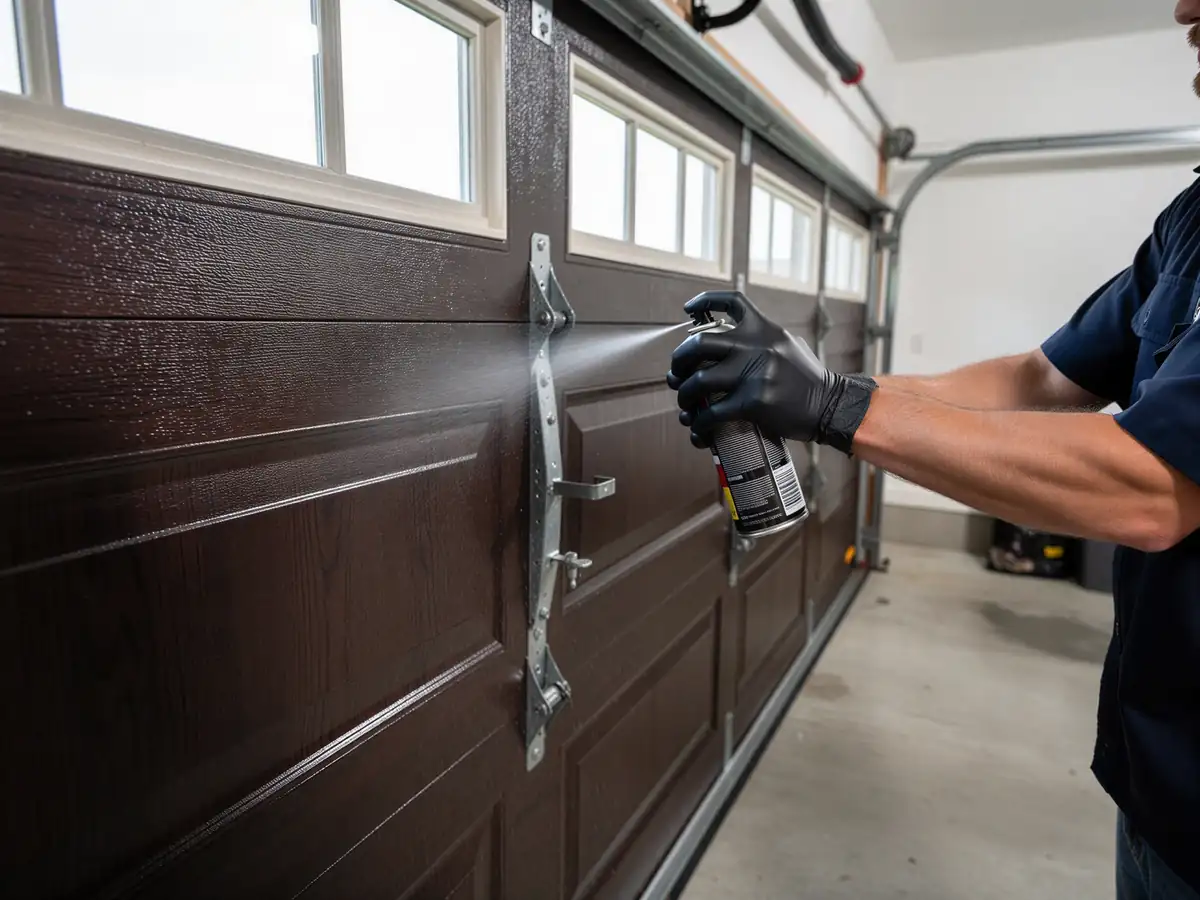
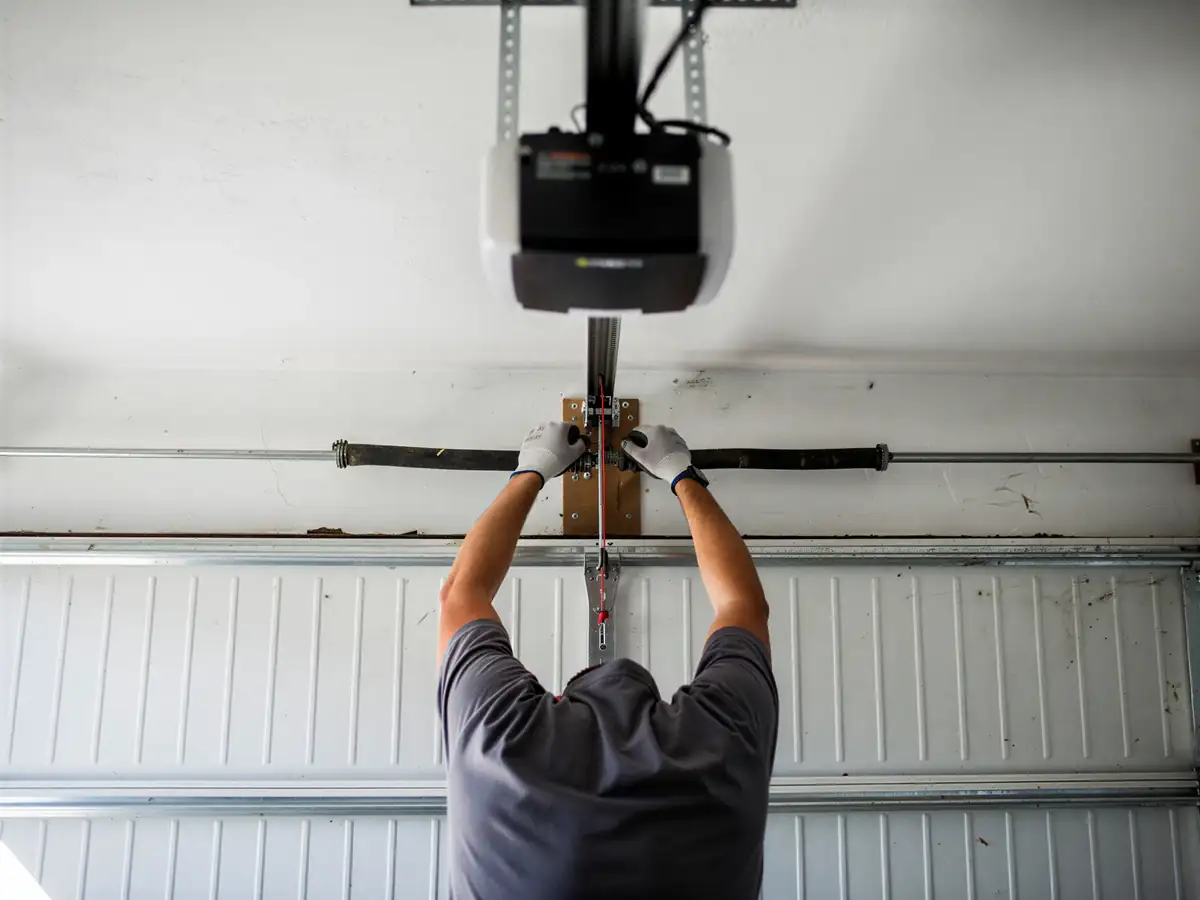
How We Fix It
Hungry Horse sits seventeen miles out from Kalispell, farther than all but one stop on our route
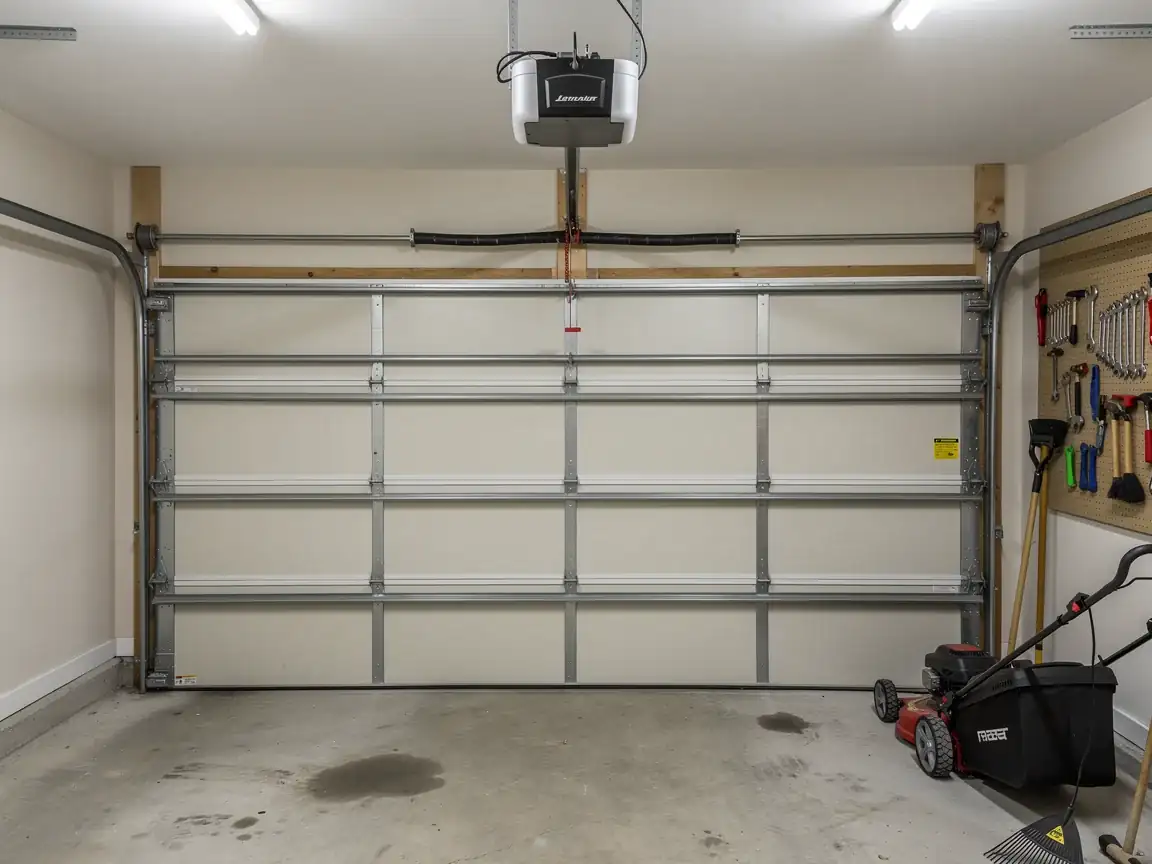
And the houses out here went up in the same stretch as most of the rest of the service area - right around 1988, with the bulk of the stock dating 1979 to 2003. That consistency matters for how we handle an opener swap: we're not guessing at header clearance or track length for a dozen different eras, we're dealing with a known range of garage sizes and ceiling heights typical of that build window.
What changes with Hungry Horse isn't the door, it's the cold
This stretch of the Flathead sits in a COLD-rated climate zone, and openers built without heated circuit boards or cold-rated gear sets start grinding and skipping limits well before a comparable unit near town would. When we install out here, we spec a drive built to run below freezing for months at a stretch, not a unit that happens to work most winters and fails on the coldest ones. If you want the broader rundown on how we approach opener installs across the valley, that's covered on our Kalispell opener installation page.
Stocked Parts
The truck carries the drive units, rail sections, and logic boards that fit 1980s and 90s construction - quarter-horsepower chain and belt drives sized for the single and double door headers common to houses from that build window, plus the battery backup modules that matter in a COLD climate zone where a winter power outage and a stuck door have a habit of showing up on the same night.
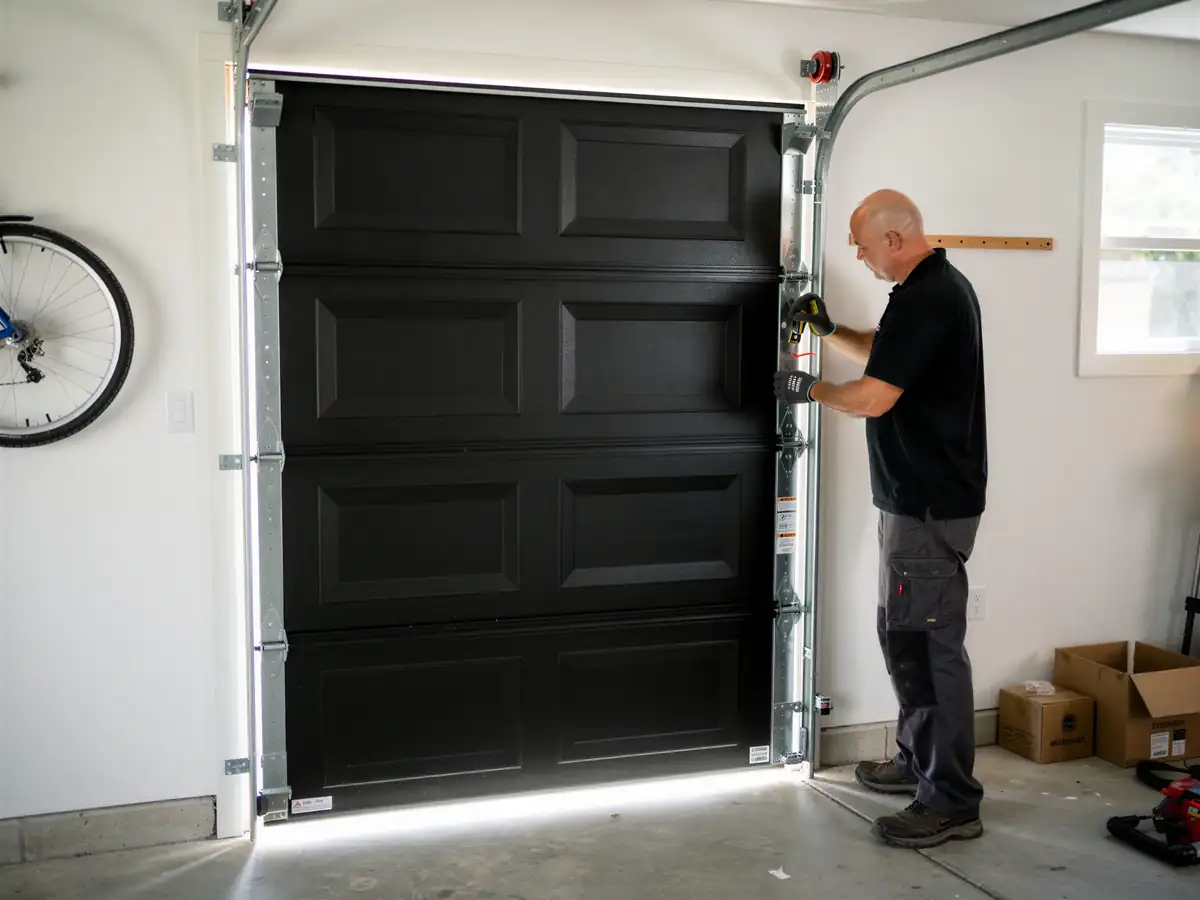
What we don't always carry is a drive matched to a non-standard header height or a smart-opener model tied to a specific home automation system. Those get special-ordered, and out here that adds a day or two to the job since it isn't a same-day run from a supply house nearby. We'd rather say that upfront than show up with the wrong unit and need a second trip. For most of the opener calls we take in this part of the service area, though, the standard chain-drive or belt-drive unit off the truck is the right fit the first time.
Booking a Visit
We don't keep a branch in Hungry Horse - every job here starts as a drive from Kalispell, so an opener install gets scheduled as a dedicated trip rather than a drop-in between calls closer to town. With 265 households in the area, it's not a route we run daily, which means booking a day or two ahead gets you a tighter appointment window than trying to call in and get someone out the same afternoon.
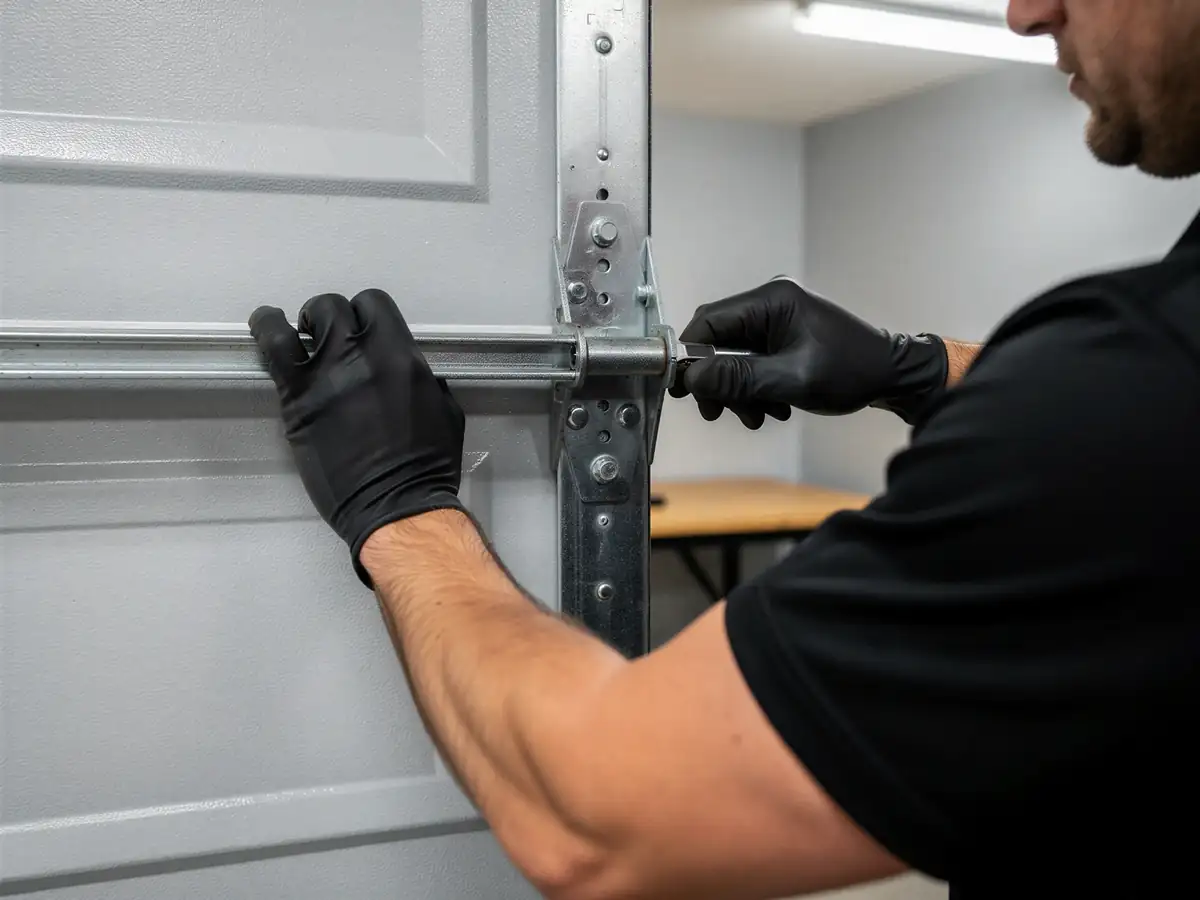
Bring the make and approximate age of your current opener when you call, if you know it. On houses from this era, that's often enough for us to tell whether we're swapping a drive unit onto existing rail or replacing the whole system, rail included. You can also start a request through our Hungry Horse service area page and we'll follow up to confirm the details and get a day on the schedule.
The Symptom
The opener call we get most from this part of the service area starts the same way
A door that worked fine in October and started hesitating by December. Original and early-replacement openers on houses built in the late 1980s often ran on gear sets and logic boards that weren't rated for sustained cold, and in a COLD-rated zone like this one, that shows up as a door that reverses for no reason, a remote that stops reaching the receiver, or a motor that runs but the carriage won't catch the chain.
None of that automatically means the opener is unsalvageable
Sometimes it's a limit switch thrown off by cold-contracted metal, not a dying motor. But on a unit installed when the house was new, we're usually looking at a full replacement rather than a single part swap, since parts for a motor that old are harder to source than the unit itself. If your opener is already decades past its original motor, replacing it ahead of a January breakdown is almost always the cheaper call than an emergency trip once it quits in the cold.