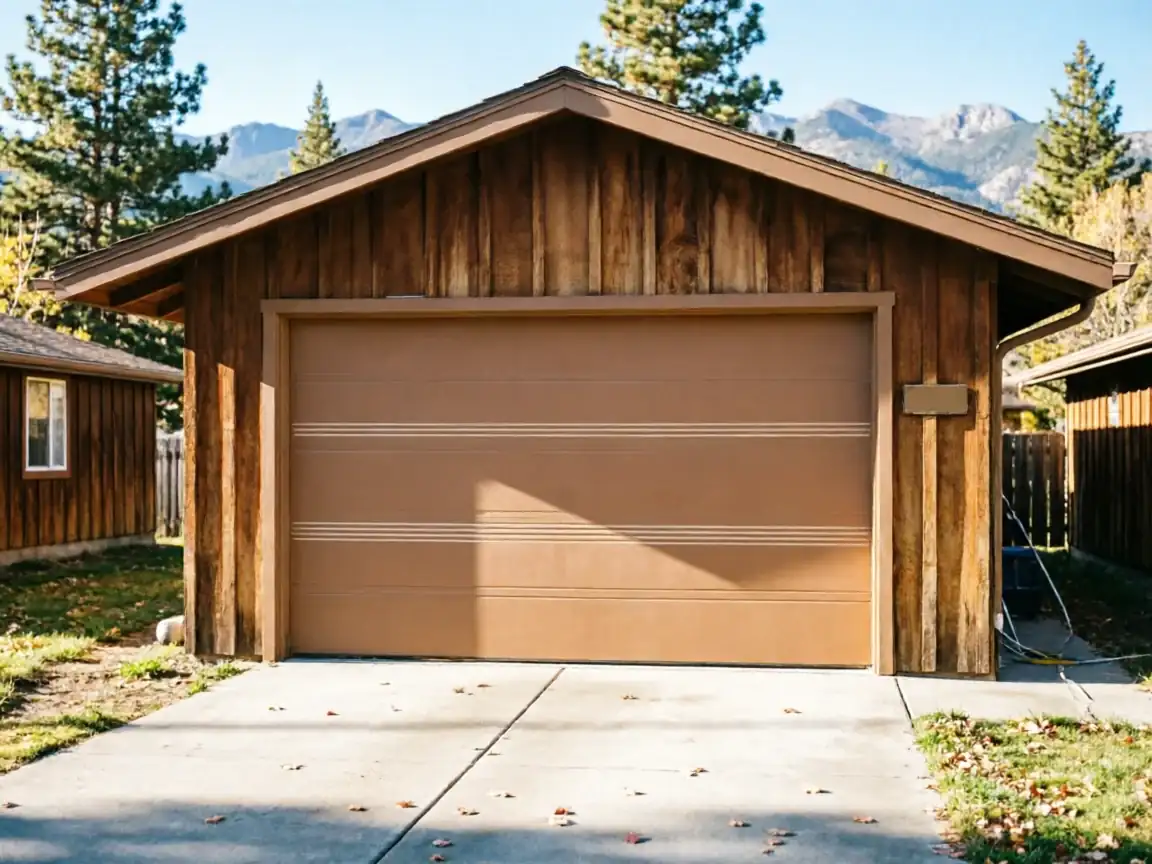
Hungry Horse homes mostly date to the late 1980s and 90s. We install new garage doors there from our Kalispell shop, 17 miles out, built for cold winters.
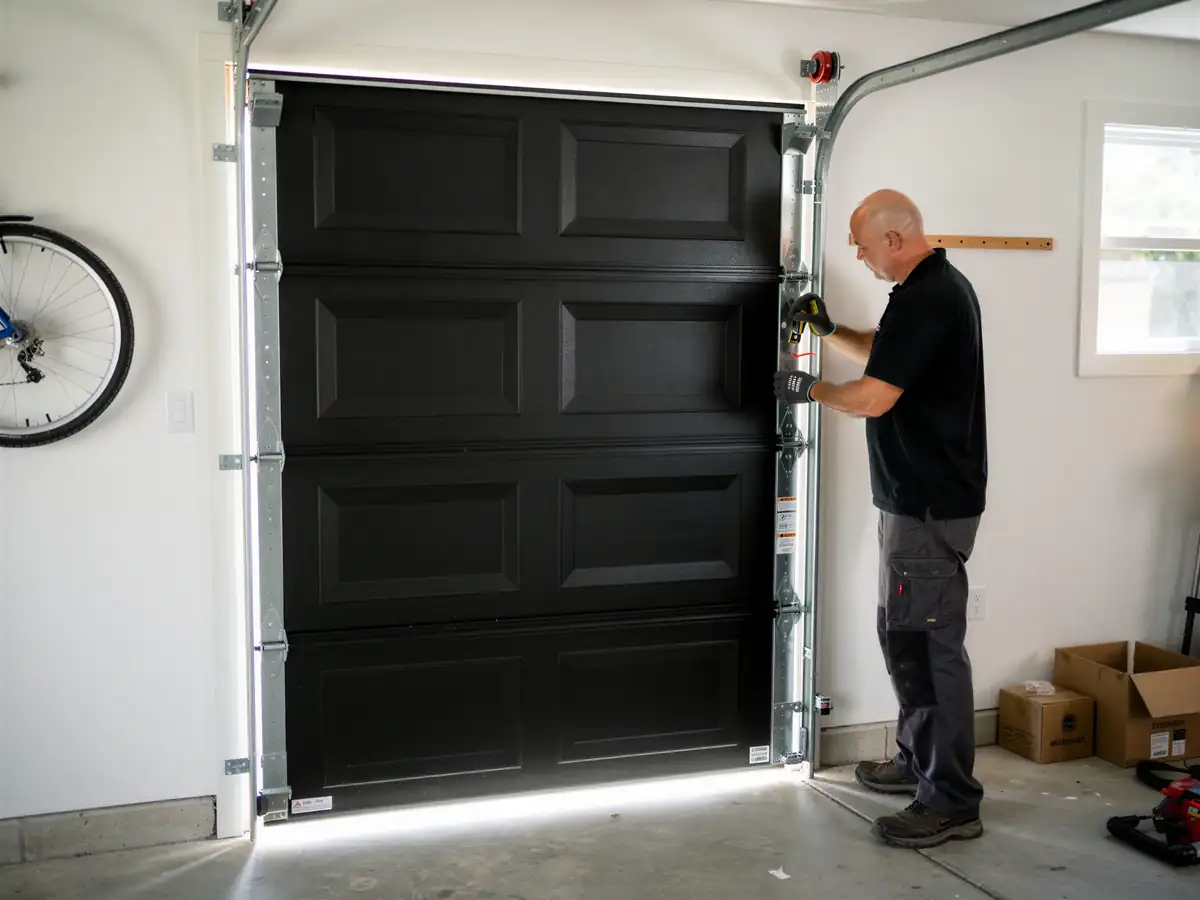
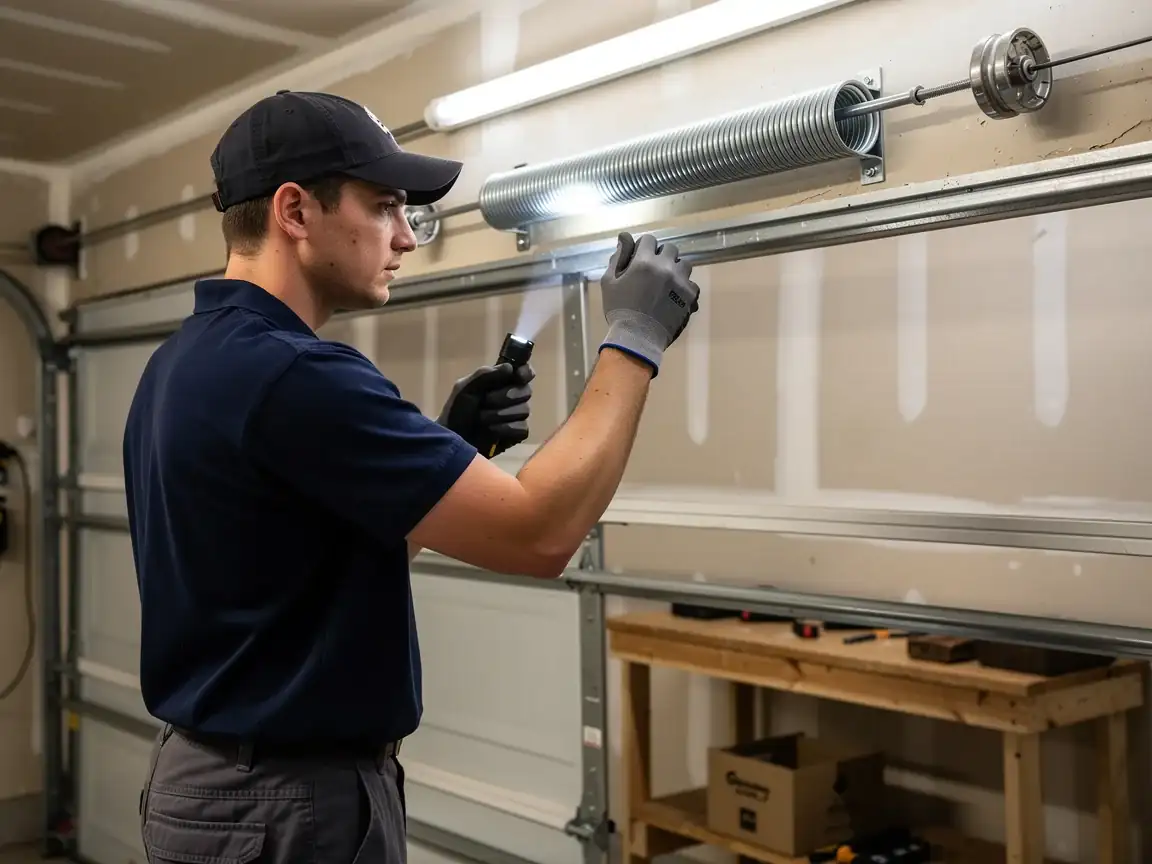
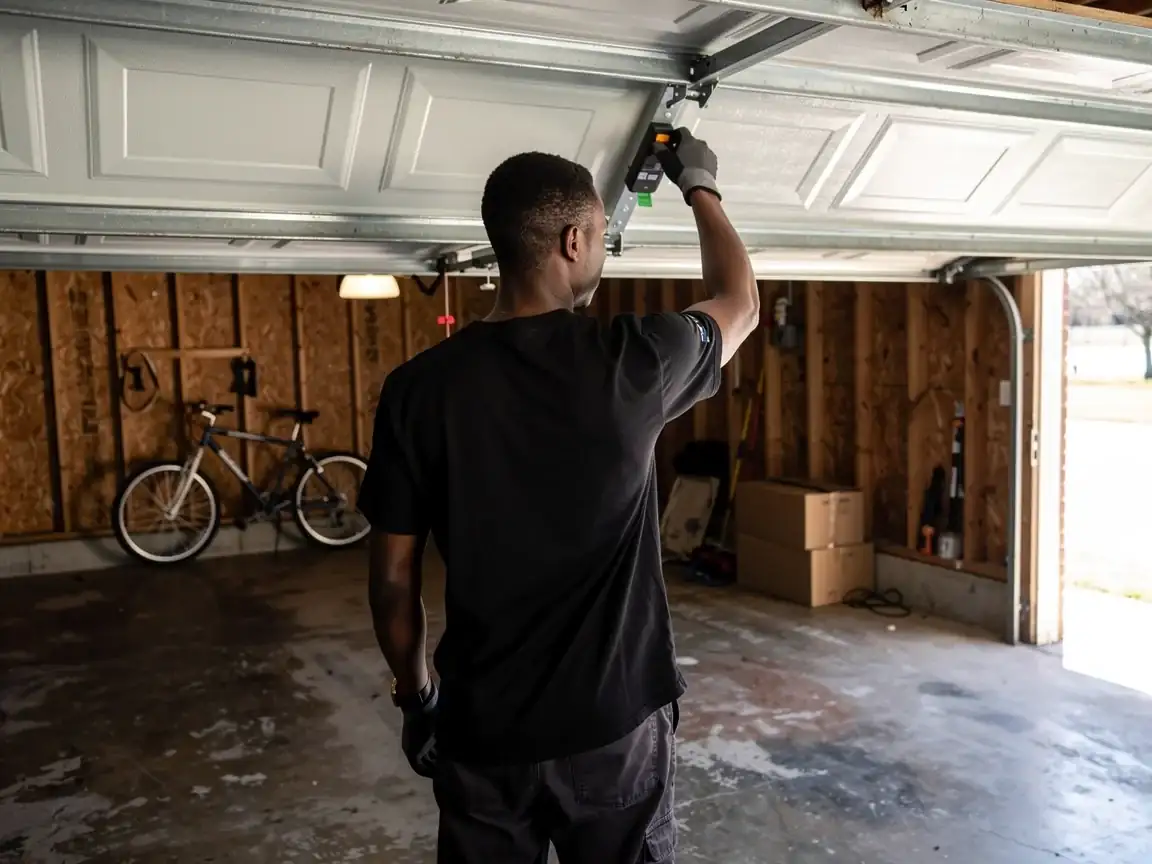
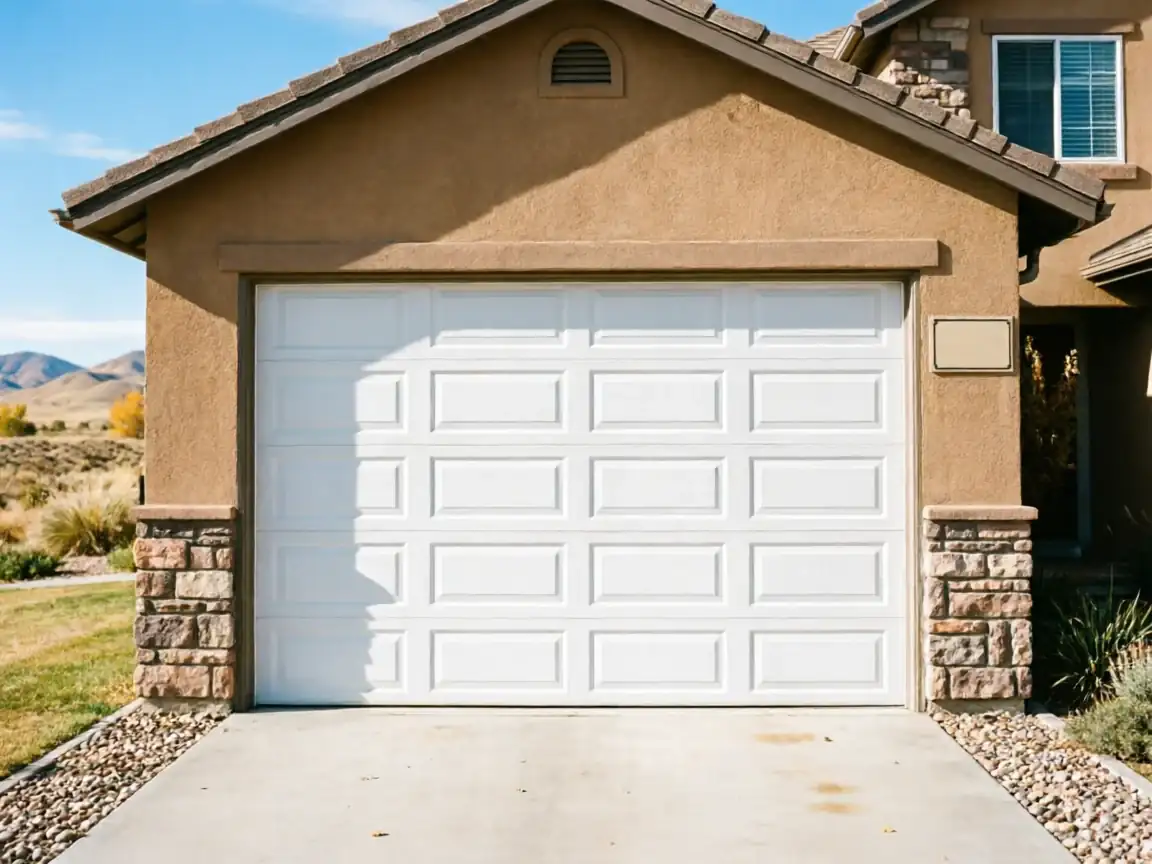
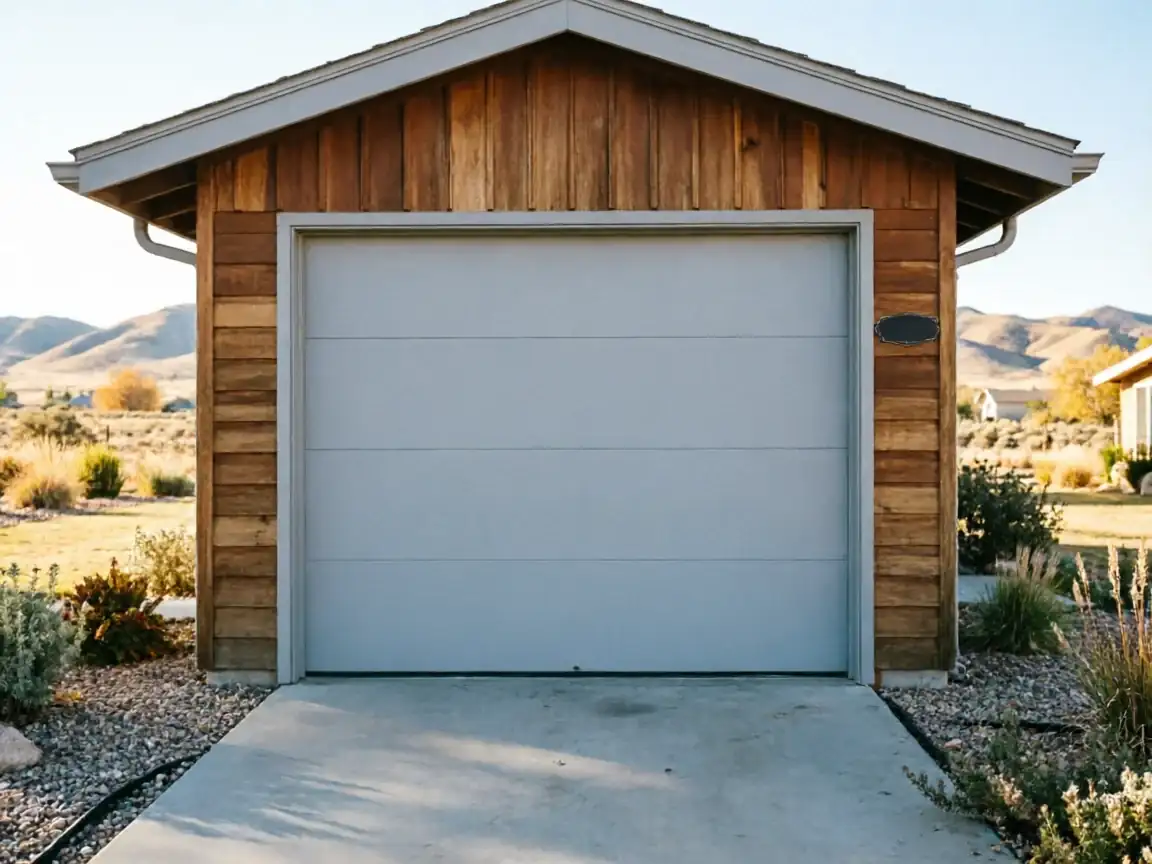
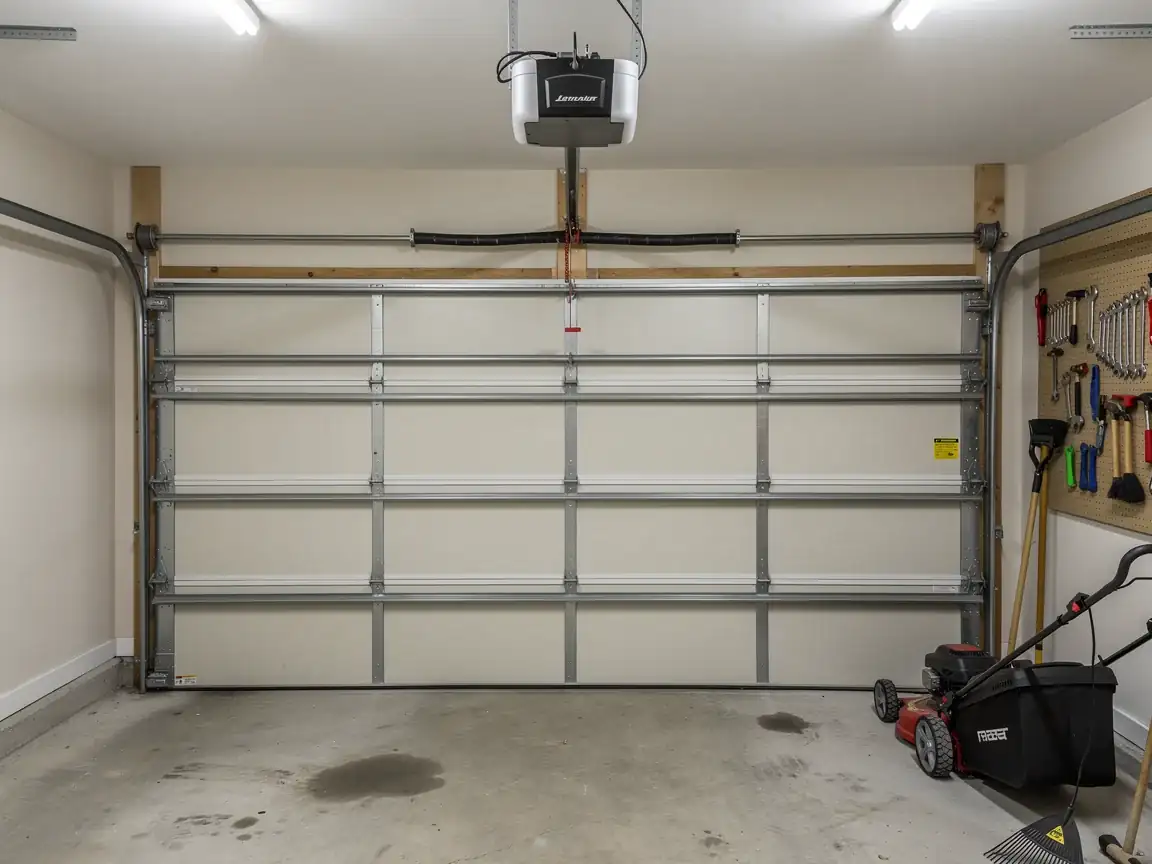
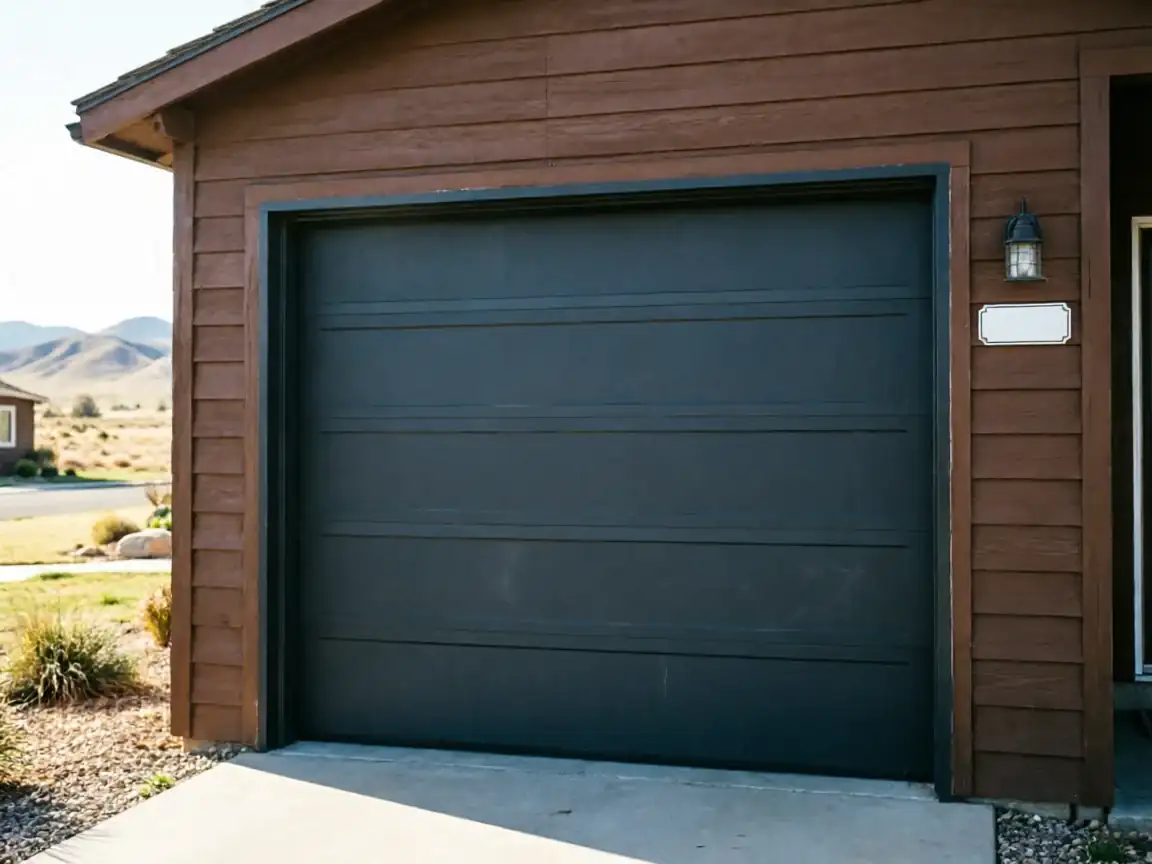
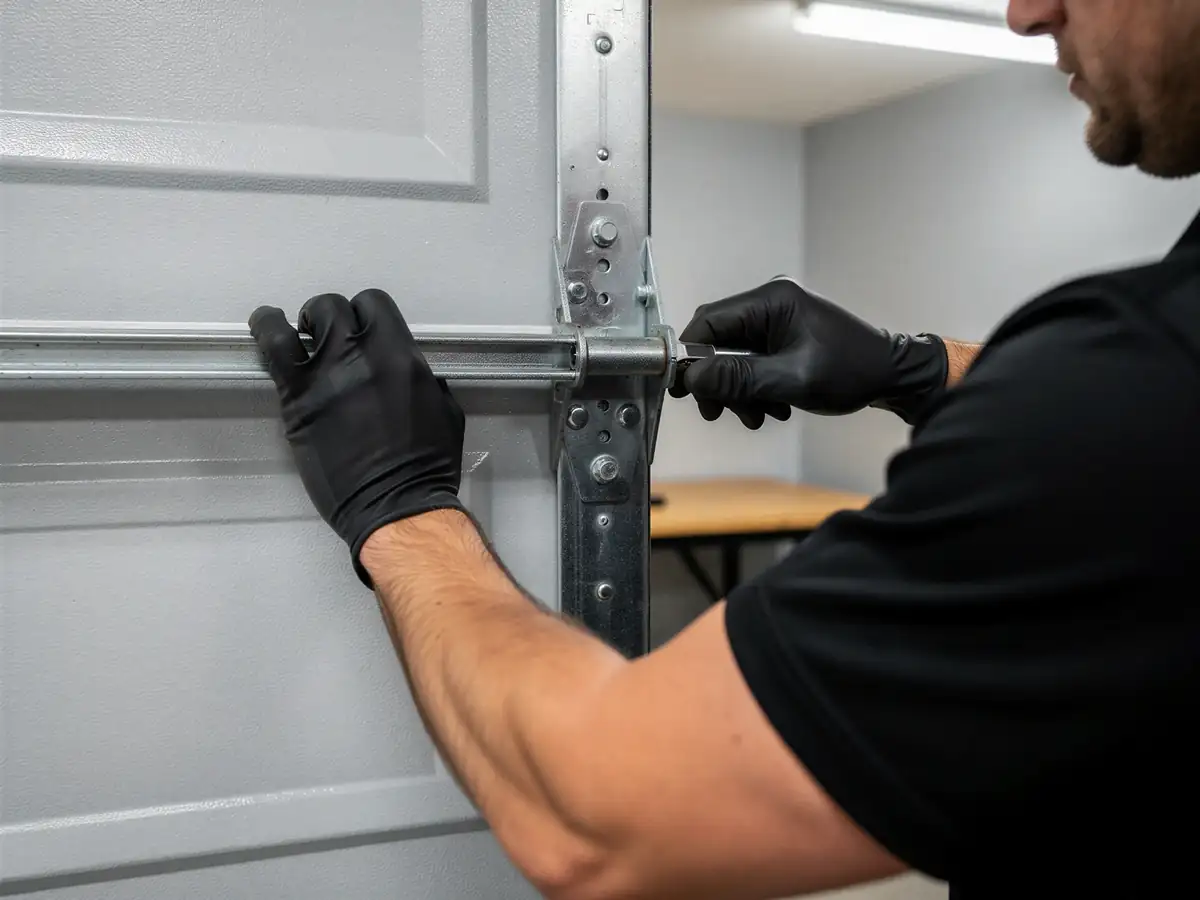
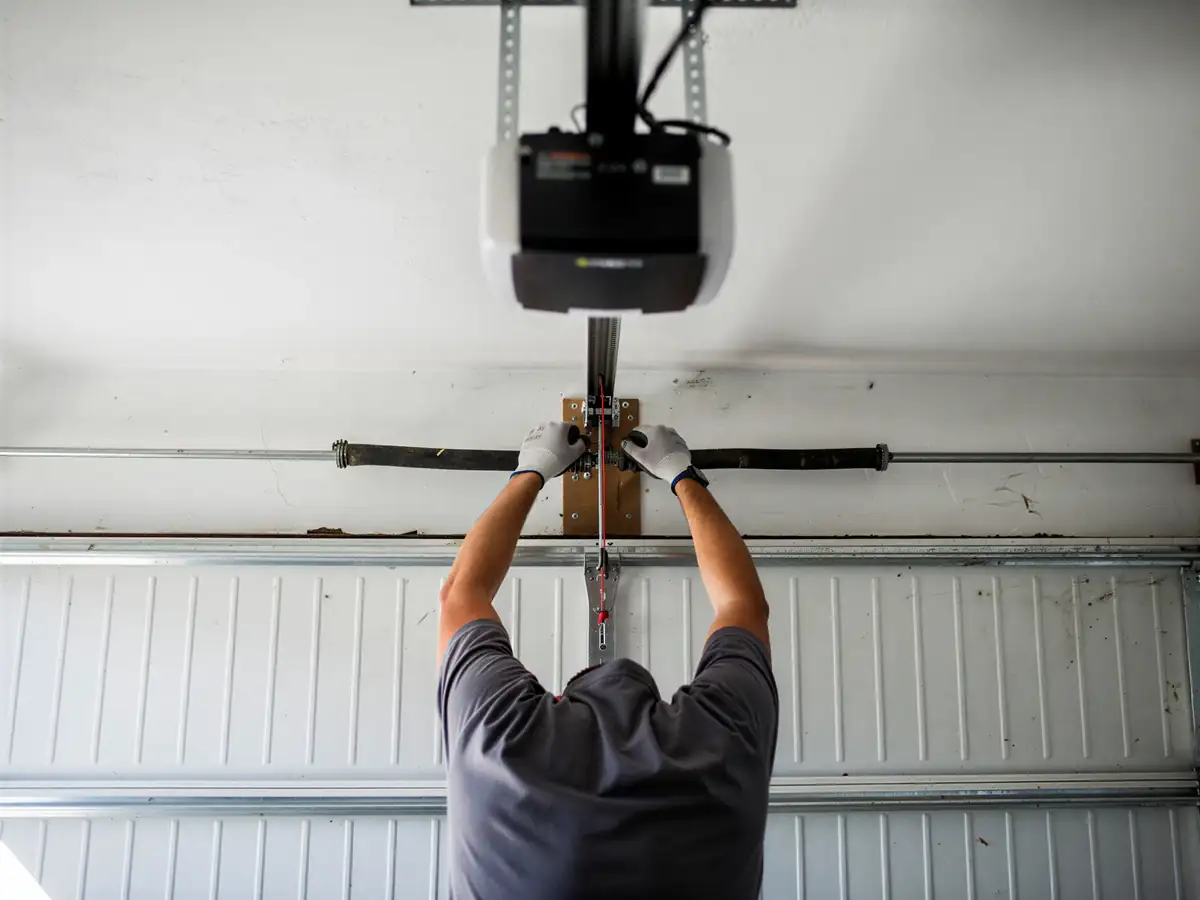
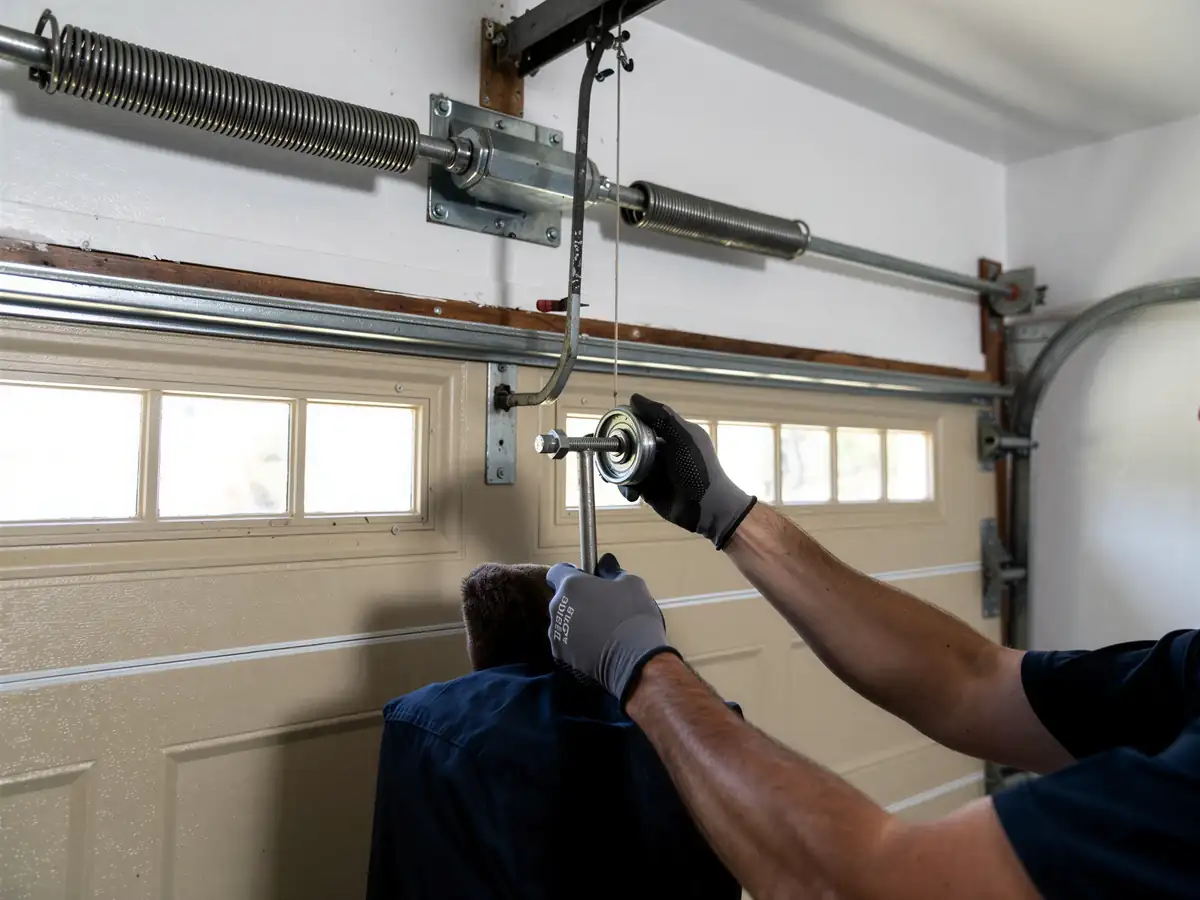
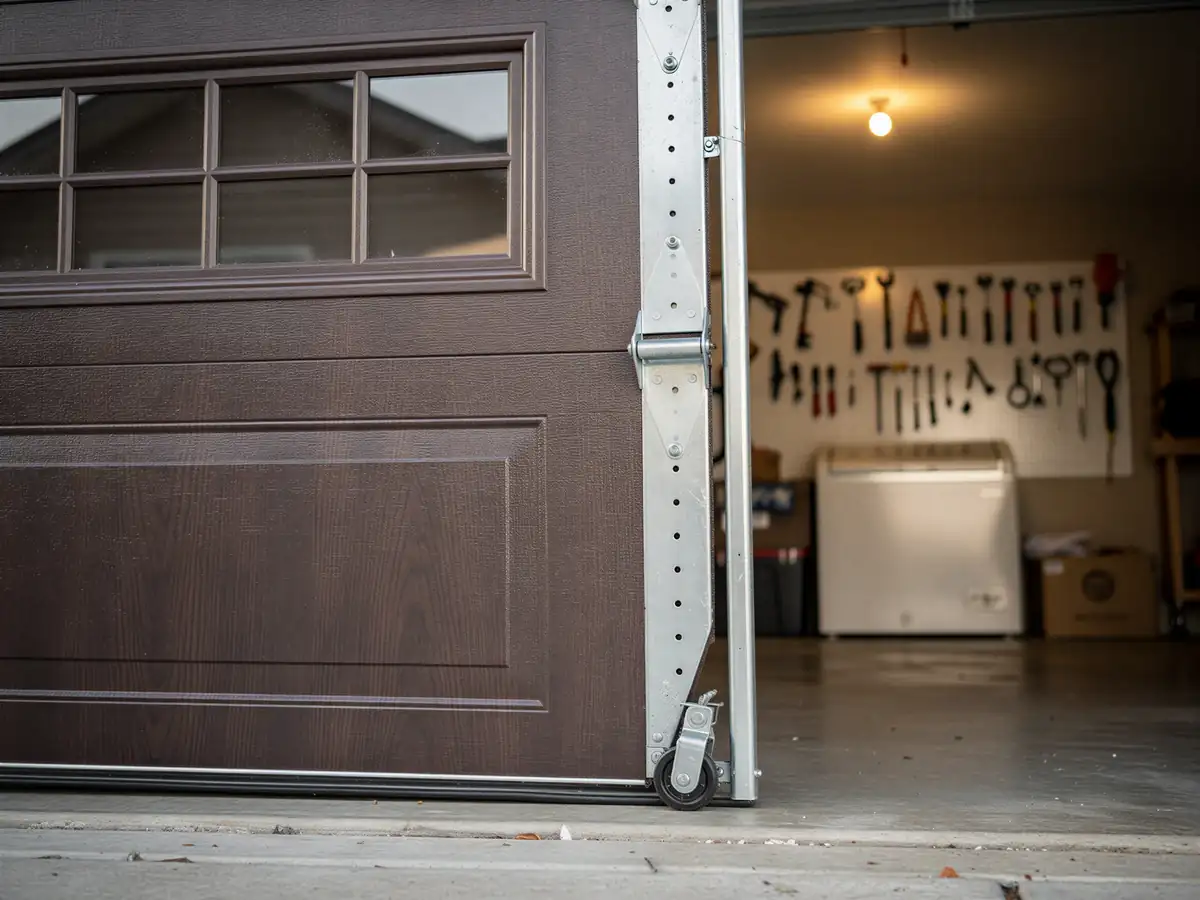
Hungry Horse sits seventeen miles out from our Kalispell shop, which is close enough that a new door install here runs on the same schedule as any job in town, but far enough that we load the truck twice: once for the door and track hardware, once for the spring and opener gear a cold-weather install needs. Most houses out this way went up between 1979 and 2003, with the bulk landing around 1988, so the openings we're measuring are standard 16x7 or 9x7 double-car bays on steel jamb framing, not the odd sizes you find in older in-town stock. We pull the old door off its track, check the jamb for square and rot, and set new track and springs rated for the swing in temperature this area sees through winter. Because the climate here runs cold and severe, we spec doors with a thermal break and weatherstrip rated for that swing rather than a standard builder-grade panel. The install itself - door, track, opener, safety sensors - usually runs a full day. We don't rough-frame openings or reside a house around a door; if the jamb's rotted past where new lumber will hold screws, that's a carpentry call before we come back.
Stocked Parts
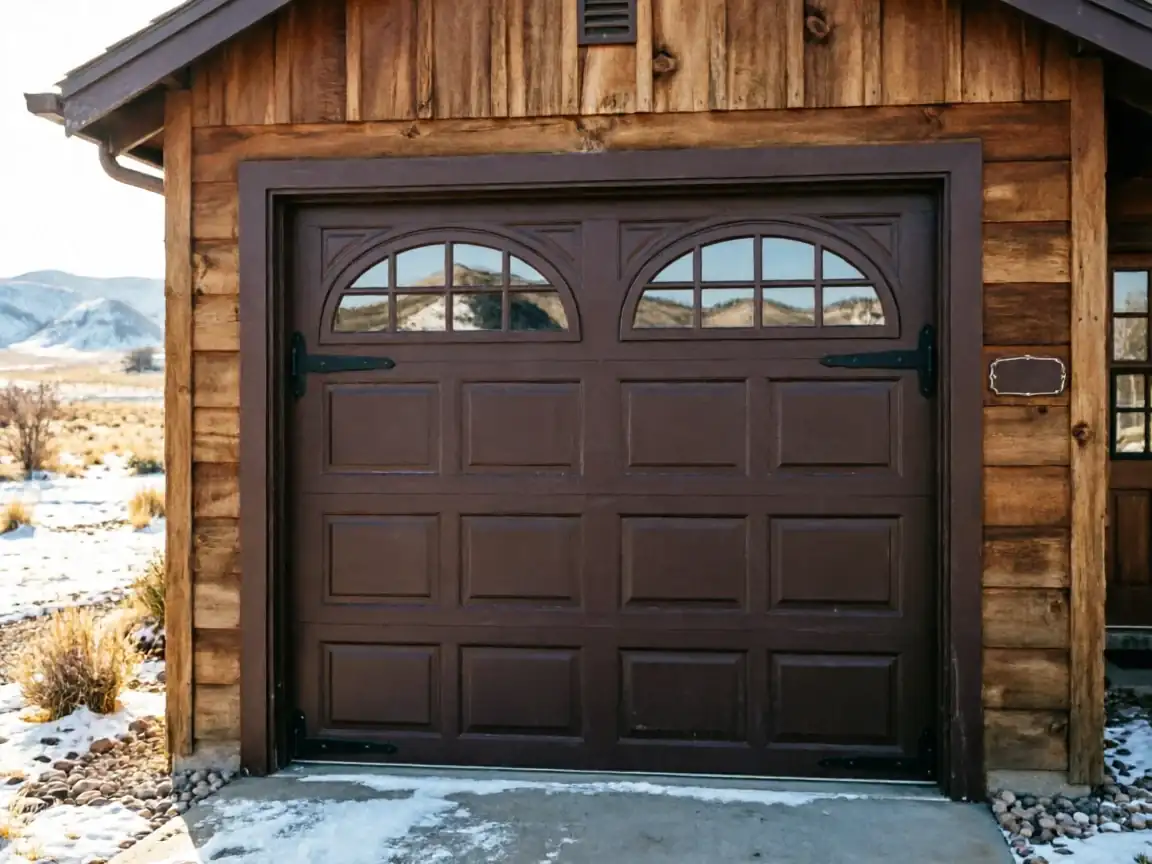
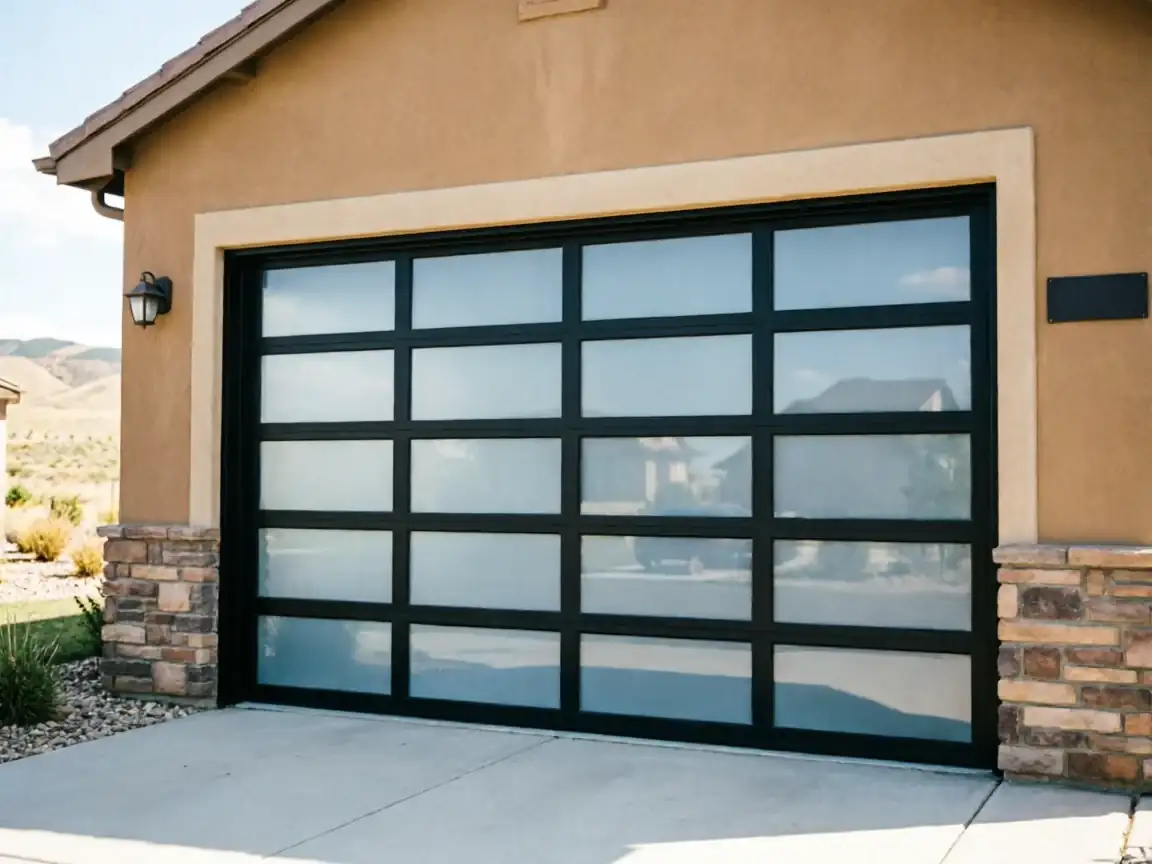
The doors we carry on the truck for jobs out here are picked for the housing stock, not a catalog average. With most of this area built in the 1980s and 90s across the nine communities we run between - Evergreen, Kila, Somers, Columbia Falls, Lakeside, Whitefish, Bigfork, Hungry Horse, and Marion - the openings and jamb depth are close enough from house to house that we stock standard torsion springs, 2-inch track, and steel-insulated panels in the two most common widths. What we don't keep on hand is a full run of custom colors or glass-panel inserts; those get special-ordered and add time to the job, which matters more here than it would for a same-day in-town repair, since a second trip means another seventeen miles each way. For a cold-rated install we stock polyurethane-backed panels and double-sealed bottom astragal as the default, not the add-on, because a steel-only door without that backing is a callback waiting to happen once the temperature drops hard.
Booking a Visit
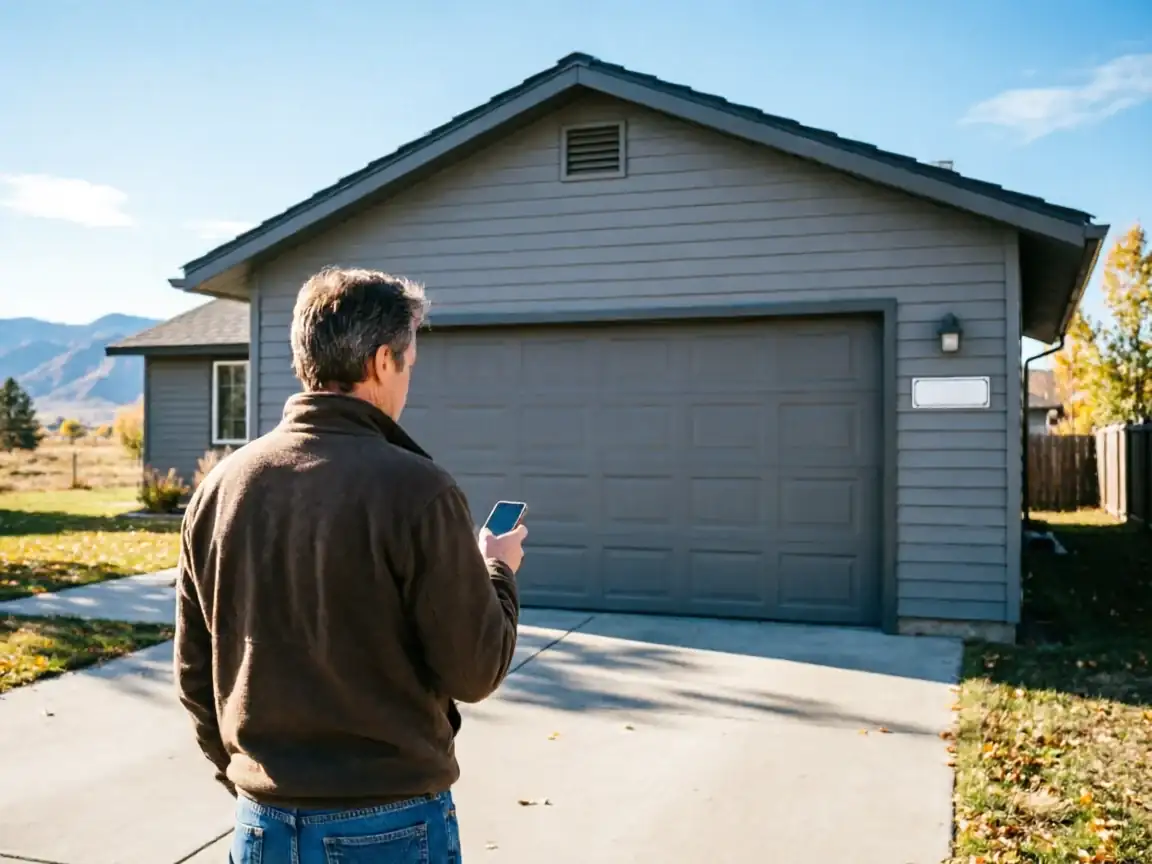
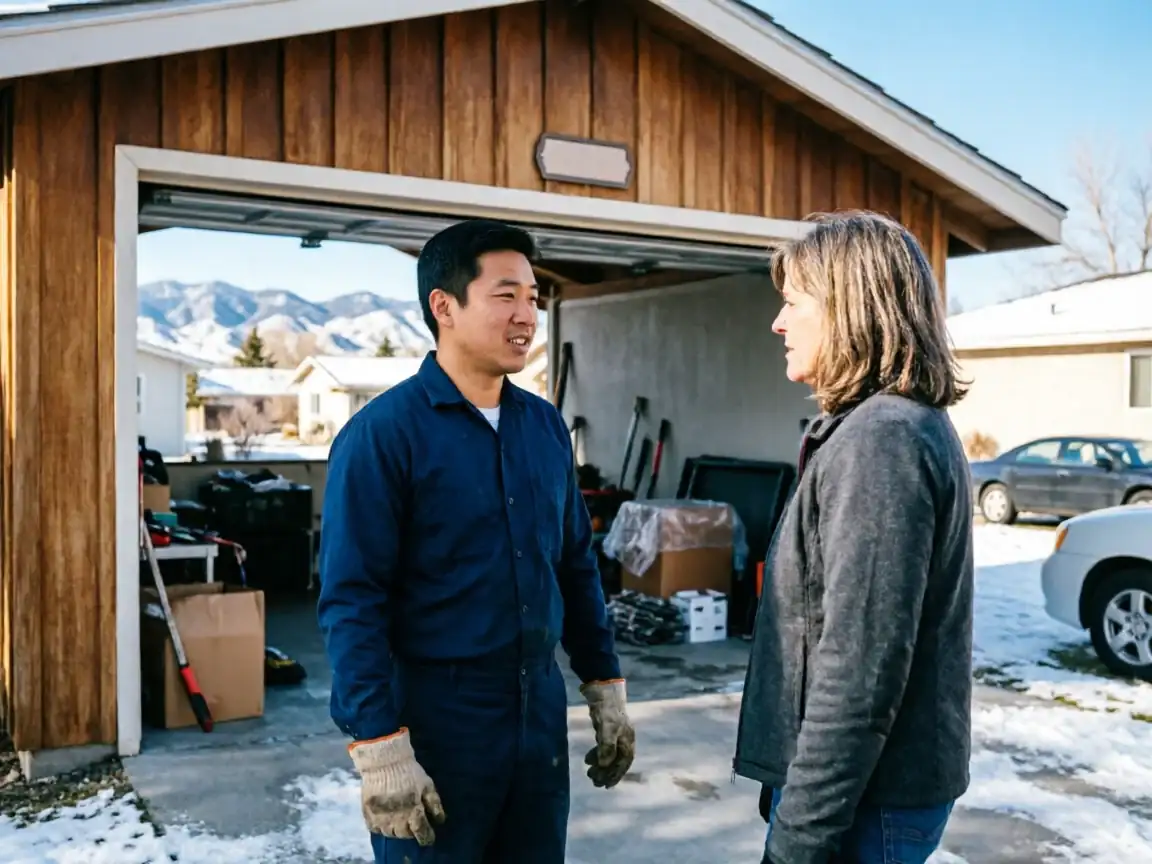
We run from the Kalispell shop, so a visit here gets scheduled the same way any other service-area job does - we just build the drive into the window we quote you. Seventeen miles out means we book Hungry Horse jobs in blocks rather than squeezing one between two in-town calls; the measuring visit and the install itself are usually separate trips unless the opening is a straightforward swap. If you know the door's age and rough size when you call, we can often quote over the phone and skip a measuring trip entirely. We don't offer a same-day install guarantee on new doors out this far - track, spring, and panel kits sometimes need a day to come in from the supplier before we load the truck for the drive. Call ahead rather than hoping for a walk-up slot; a crew already out this direction can sometimes add a second stop, but we don't promise that without checking the schedule first.
The Symptom
Out here, the complaint we hear most isn't a broken spring - it's a door that's heavy, slow, and cold to the touch on the inside, which tracks with housing built mostly around 1988: steel doors from that era were rarely insulated, and the foam-core double-wall panel didn't become a standard builder spec until later. A thin single-layer door in a cold, severe climate doesn't just run up a heating bill; the steel contracts enough in hard cold that the panel seams work loose and the roller track binds. If your door's original to the house, that's the age range we're usually finding under the hood when we open the cabinet. A second symptom worth naming: openers from this build era are often original too, and when the door gets replaced but the decades-old chain drive stays, the new panel outlives the opener by a year or two anyway. We'll tell you straight if replacing just the door and keeping the opener is a bad trade - sometimes it's not worth the labor to split the job that way.
How it works
From “it’s stuck” to “it’s fixed”
01
Tell us what’s wrong
Describe the symptom - won’t open, loud bang, opener runs but the door won’t move.
02
On-site diagnosis
A technician tests the door under power and by hand and finds what actually failed.
03
Clear, up-front plan
You get the fix that’s needed and what drives the cost - before any work starts.
04
Repaired & tested
The repair is done, the door is set true and tested, and the work area left clean.
Not sure which repair your door needs in Kalispell, MT? Describe what it’s doing - every job starts with a diagnosis.
Do you install new garage doors in Hungry Horse, or only repair them?
We install new doors there too, same as repairs - the crew drives out from Kalispell either way. Because it's a seventeen-mile trip, we usually combine the measuring visit with the install when the opening is a standard swap, which cuts down on separate trips for you.
How far is Hungry Horse from your shop?
About seventeen miles from our Kalispell location. That's farther than some of the other areas we cover, so we build the drive into the scheduling window rather than treating it like a same-day in-town call.
Will an insulated door actually make a difference in Hungry Horse winters?
Yes. The climate band here is cold and severe, and a lot of the original doors on houses built in the late 1980s were single-layer steel with no foam core. Swapping to a thermal-break, insulated panel cuts the draft and stops the seam-binding that cold steel causes.
What size door do most Hungry Horse houses need?
Most of the housing out here dates from 1979 to 2003, centered around 1988, which means standard 16x7 or 9x7 double-car openings on steel jamb framing. That's a stock size for us, not a custom order, so lead time is usually just the drive, not the part.
Ready to get your garage door sorted?
Tell us what it’s doing and where you are in Kalispell - we’ll take it from there.