What You Pay
Evergreen's median household income sits at $73,015
A little above the $71,110 average across the wider Kalispell service area we cover. That number matters here because it sets a real line: on a door that's otherwise sound, swapping worn rollers is a small job that pays for itself in quiet operation and a track that stops chewing itself up. On a door with a bent track, a cracked panel, and rollers that are shot, replacing the whole door usually makes more financial sense than nursing it along, especially once you add up spring, cable, and roller work piecemeal. We'll tell you straight which side of that line your door is on before we start, not after.
We don't price jobs sight unseen
And we're not going to pretend every Evergreen garage fits one number. What we can tell you is that roller jobs on their own, without hardware damage behind them, are one of the cheaper repairs we run - cheap enough that waiting rarely saves money once a roller starts binding.
Where This Job Goes Sideways
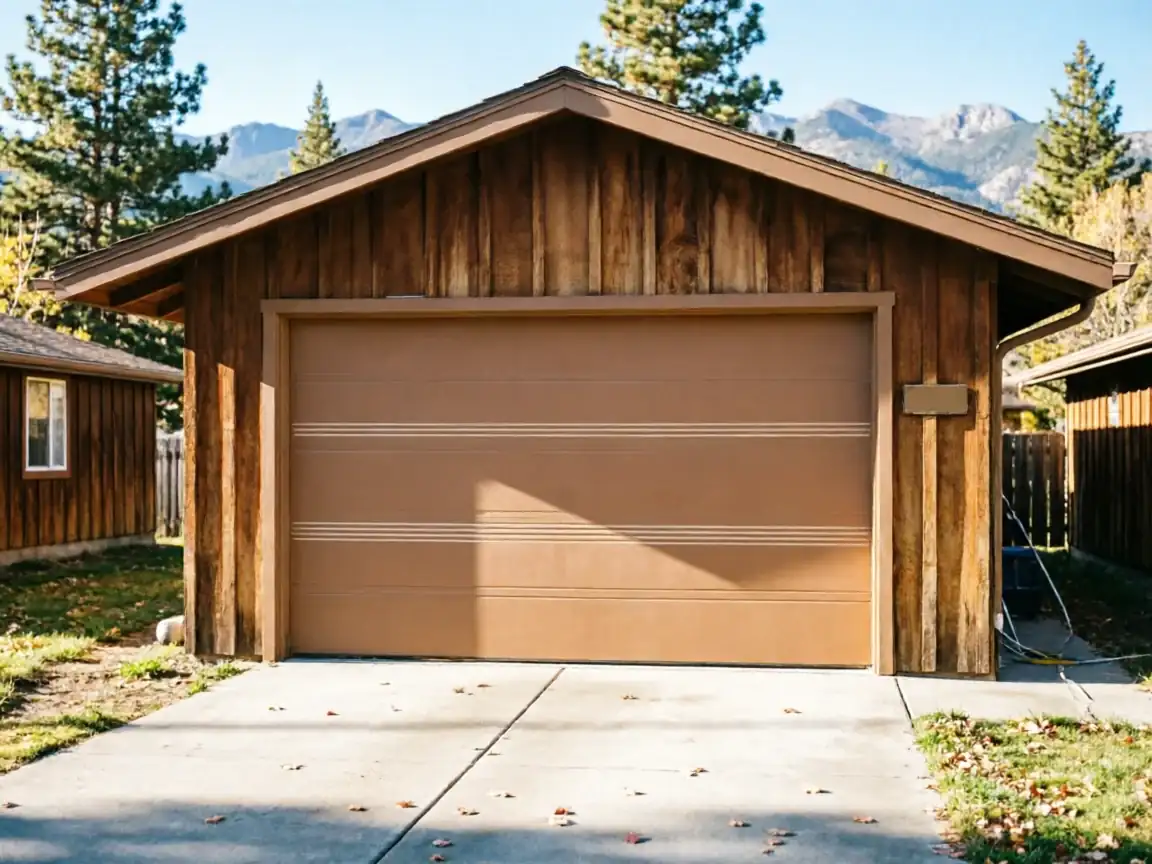
Evergreen's housing stock runs around 1979 at the median, on the early edge of the 1979-2003 range we see across this service area. Doors from that era were built with steel rollers on steel track, no nylon, no sealed bearings. Those rollers wear a groove into the track over decades, and by the time a homeowner notices the noise, the track itself is often worn to match the old roller's shape exactly.
That's where this job goes sideways: you put in a new roller, and it doesn't ride true because the track was never flat to begin with. We check the track profile before we commit to a roller-only fix, because a new roller forced into a worn track just wears out again, fast, and now you've paid twice. In a cold-climate service area like this one, where steel contracts hard in a deep freeze, a track that's already out of true gets worse every winter, not better.
Doing It Yourself
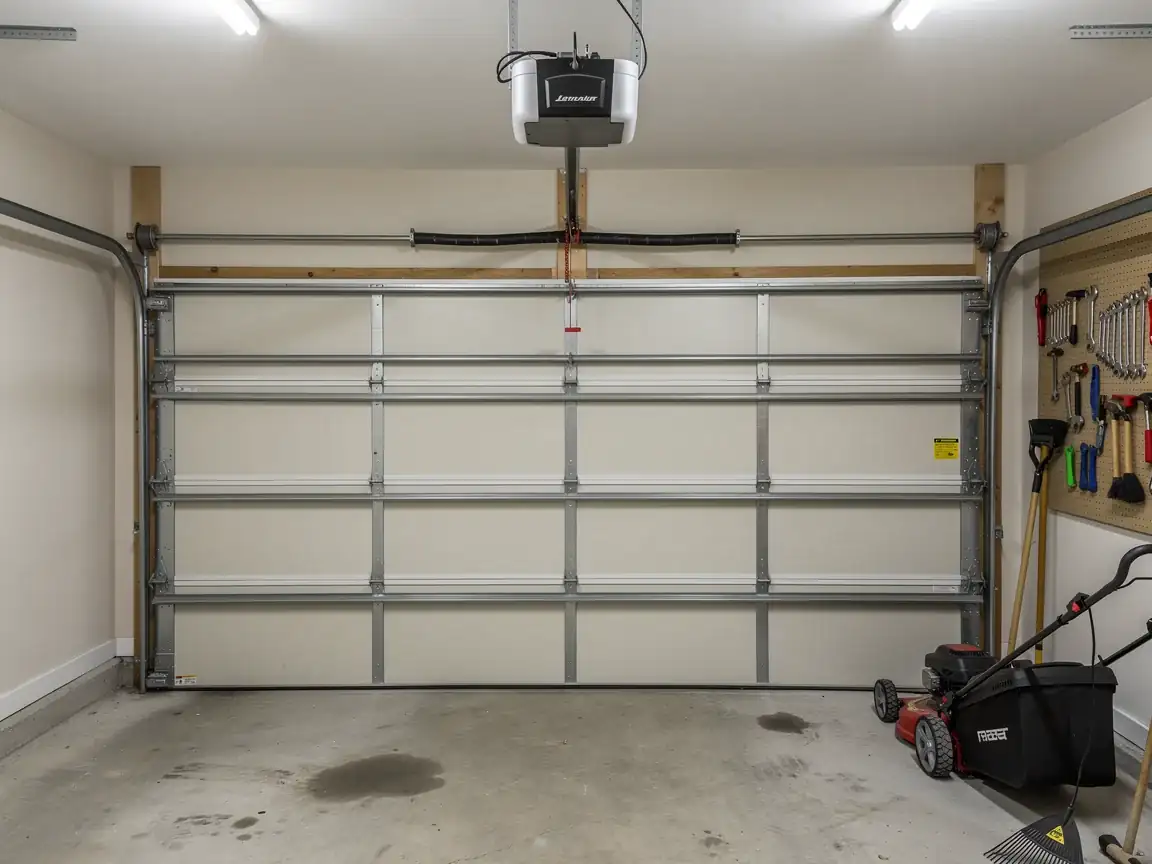
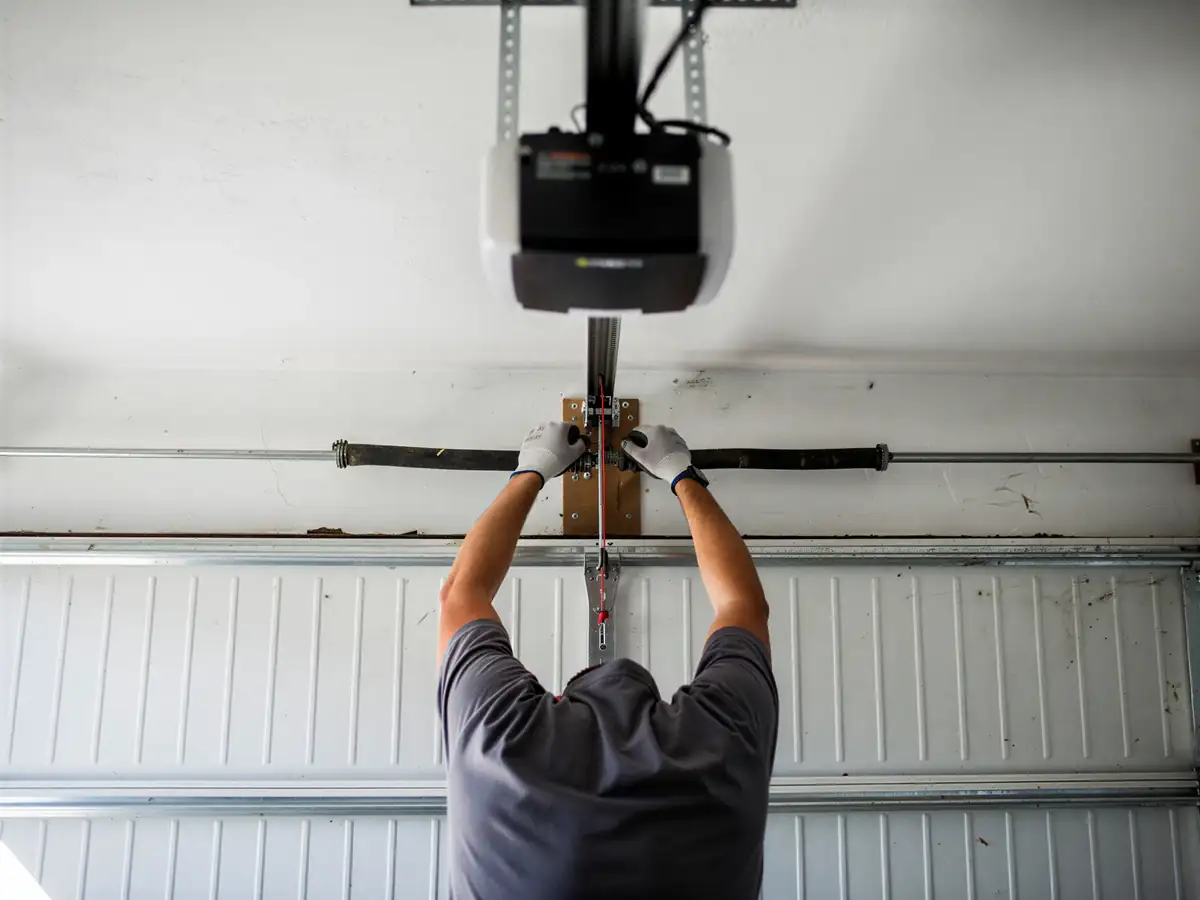
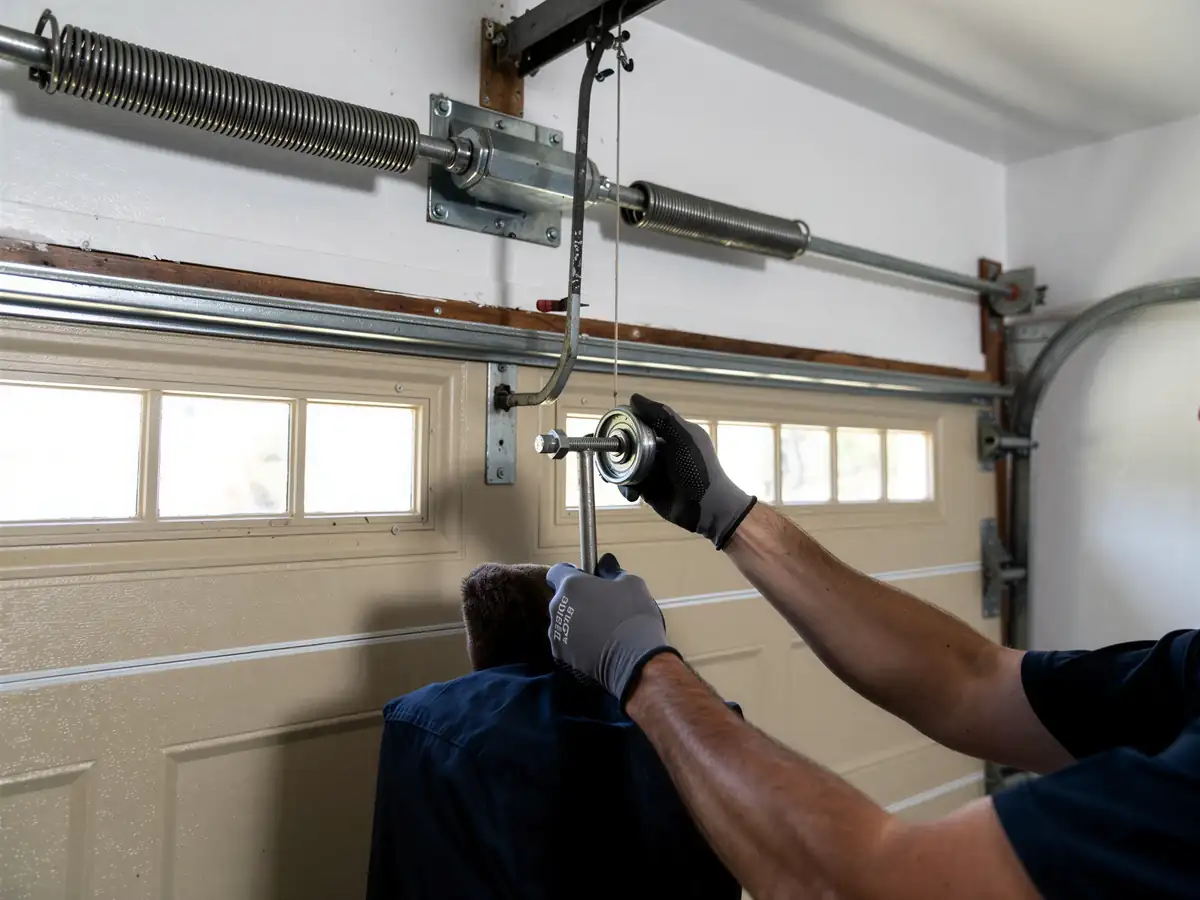
Rollers look like a bolt-on part, and on paper they are. The catch is the spring. Most Evergreen doors from the late '70s and '80s run torsion springs under real tension, and pulling a roller off the bottom bracket or working near the bottom section while that spring is loaded is how people get hurt. If you're only swapping the top rollers on an open track section with the door down and the opener disconnected, it's a reasonable DIY job for someone comfortable with tools.
What we don't recommend doing yourself is replacing rollers on a door where the track itself is bent or worn unevenly, because you can't true a track with hand tools and a level - you need to pull it and reset it, which is a two-person job with the door weight controlled the whole time. If you're not sure which kind of job you've got, that's worth a quick look before you buy parts, not after.
Stocked Parts
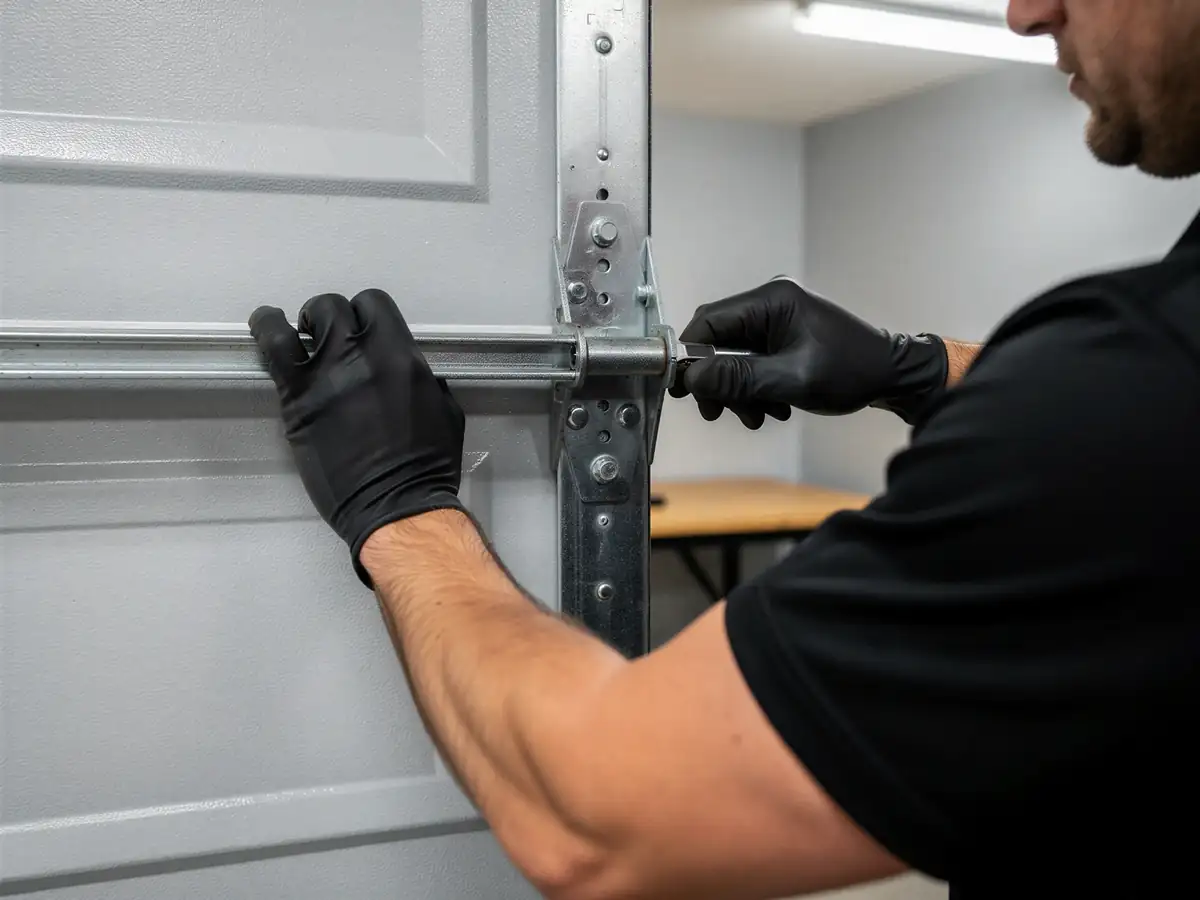
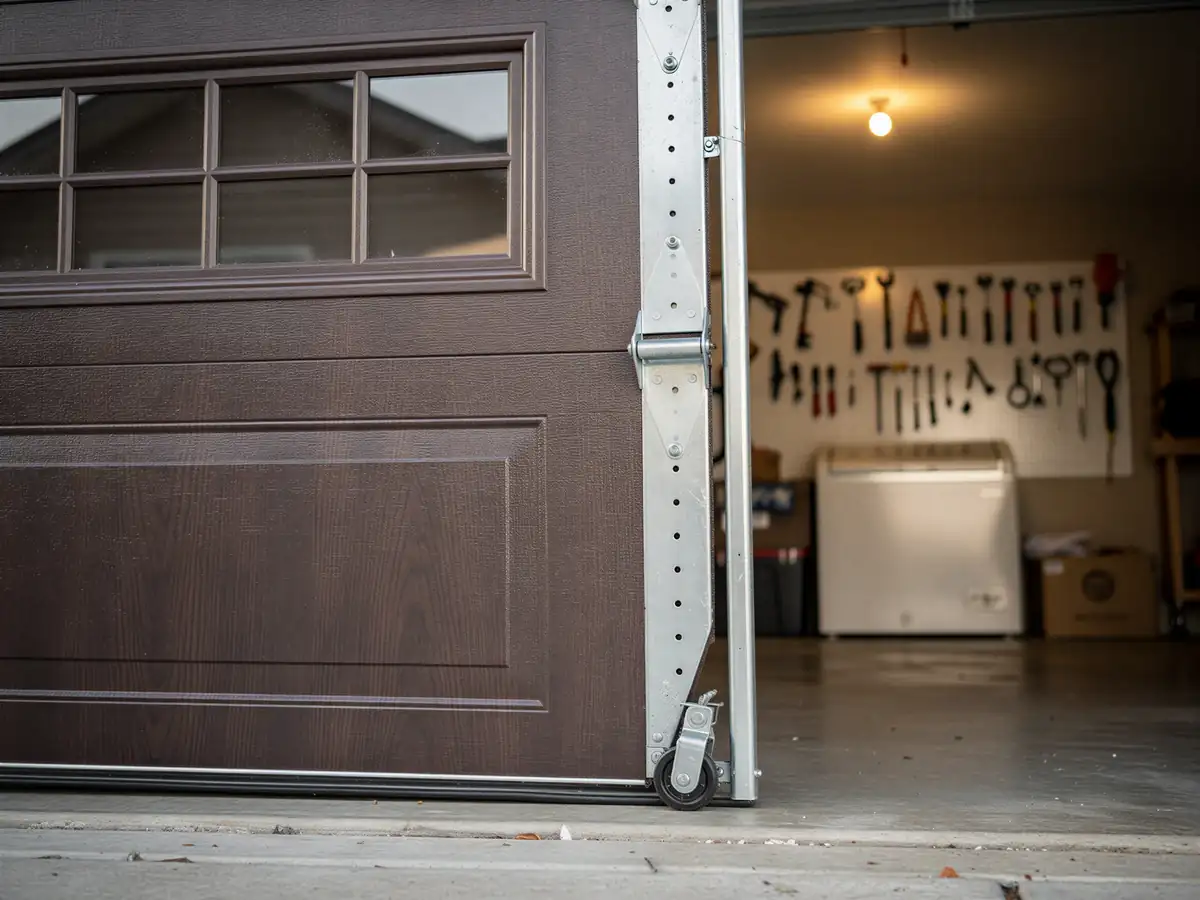
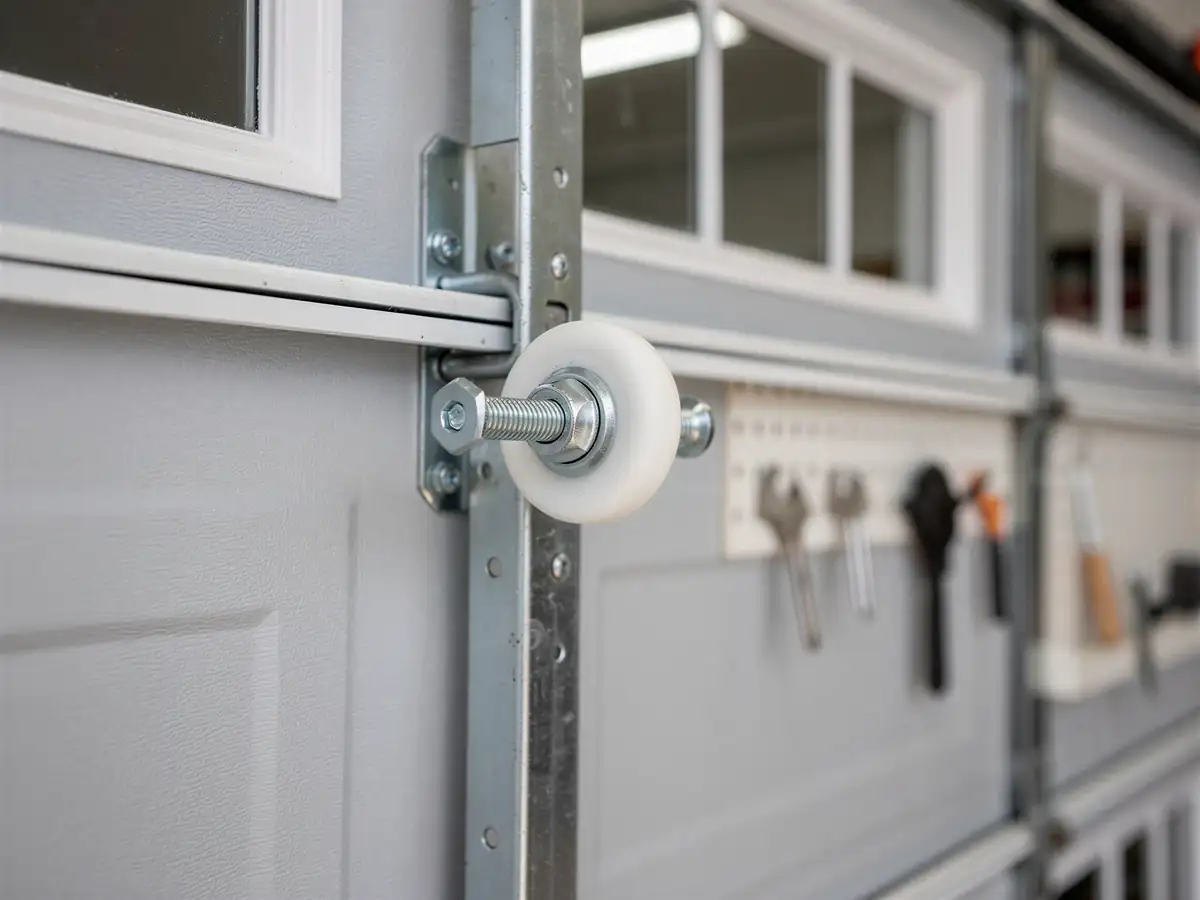
We carry steel ball-bearing rollers on the truck because that's what most of the 1979-era stock in this part of the service area still runs
And because a steel-climate service area this cold holds up better with sealed bearings than with open-bearing nylon rollers that can crack when grease stiffens up overnight. Standard stem lengths and 10-ball and 13-ball bearing counts cover the large majority of what we pull off doors out here.
What we don't stock on the truck is anything custom
Oversized commercial rollers, odd stem lengths from a door brand that's gone out of production, or rollers matched to a track profile nobody's made in twenty years. Those get special-ordered, and that's the one honest delay we'll warn you about up front: it's not a same-day fix if your door needs one of those.
How We Fix It
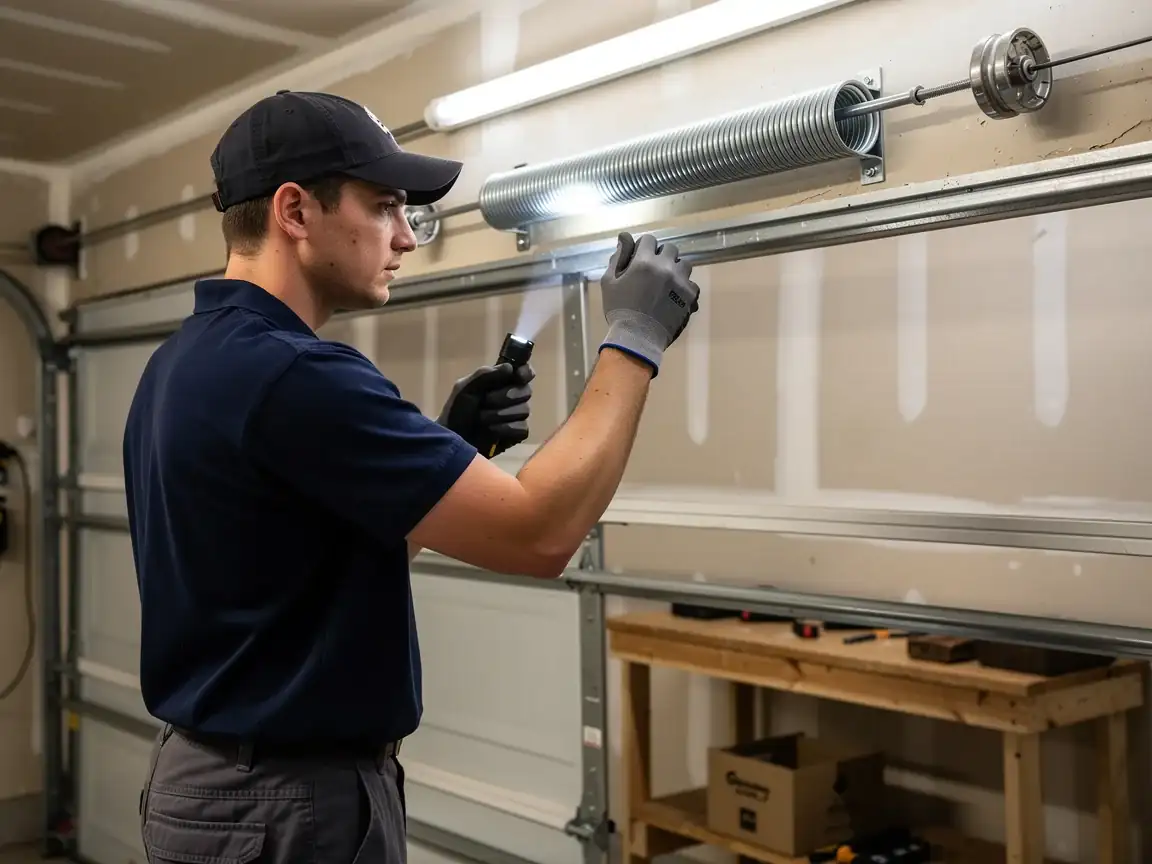
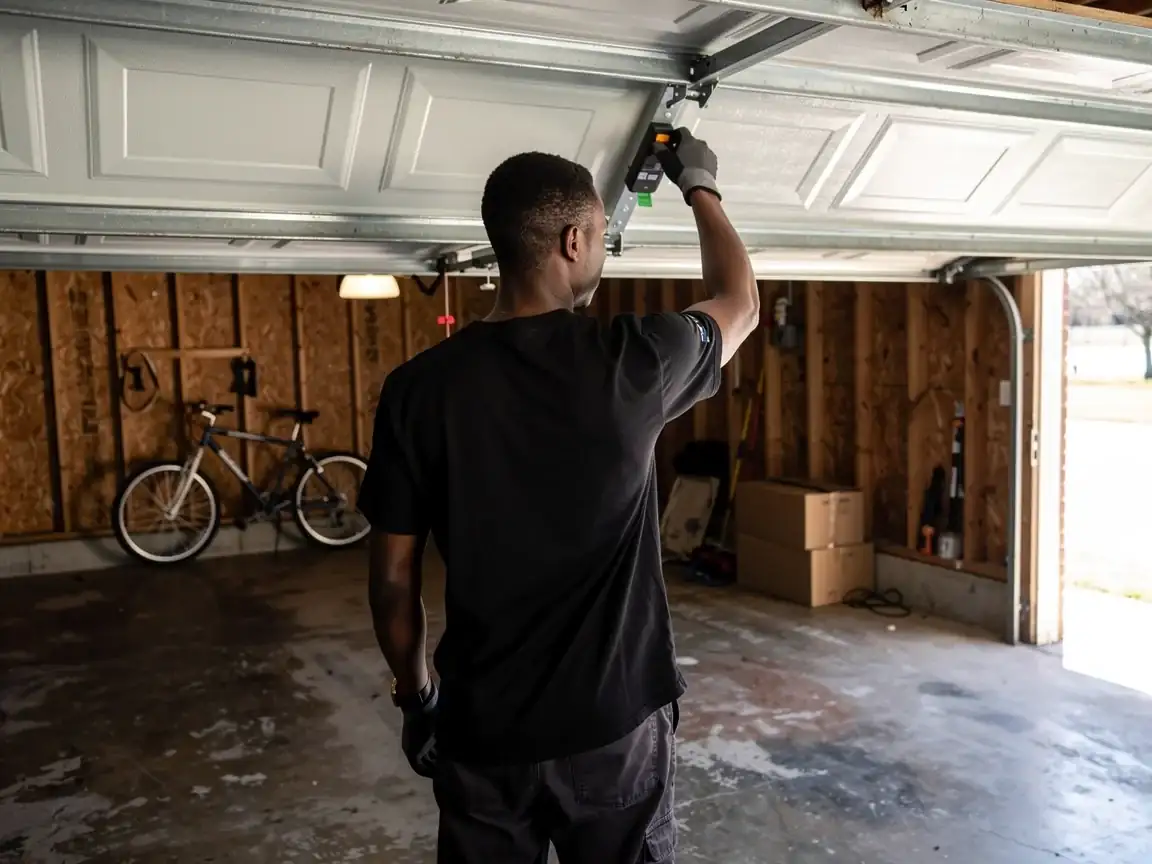
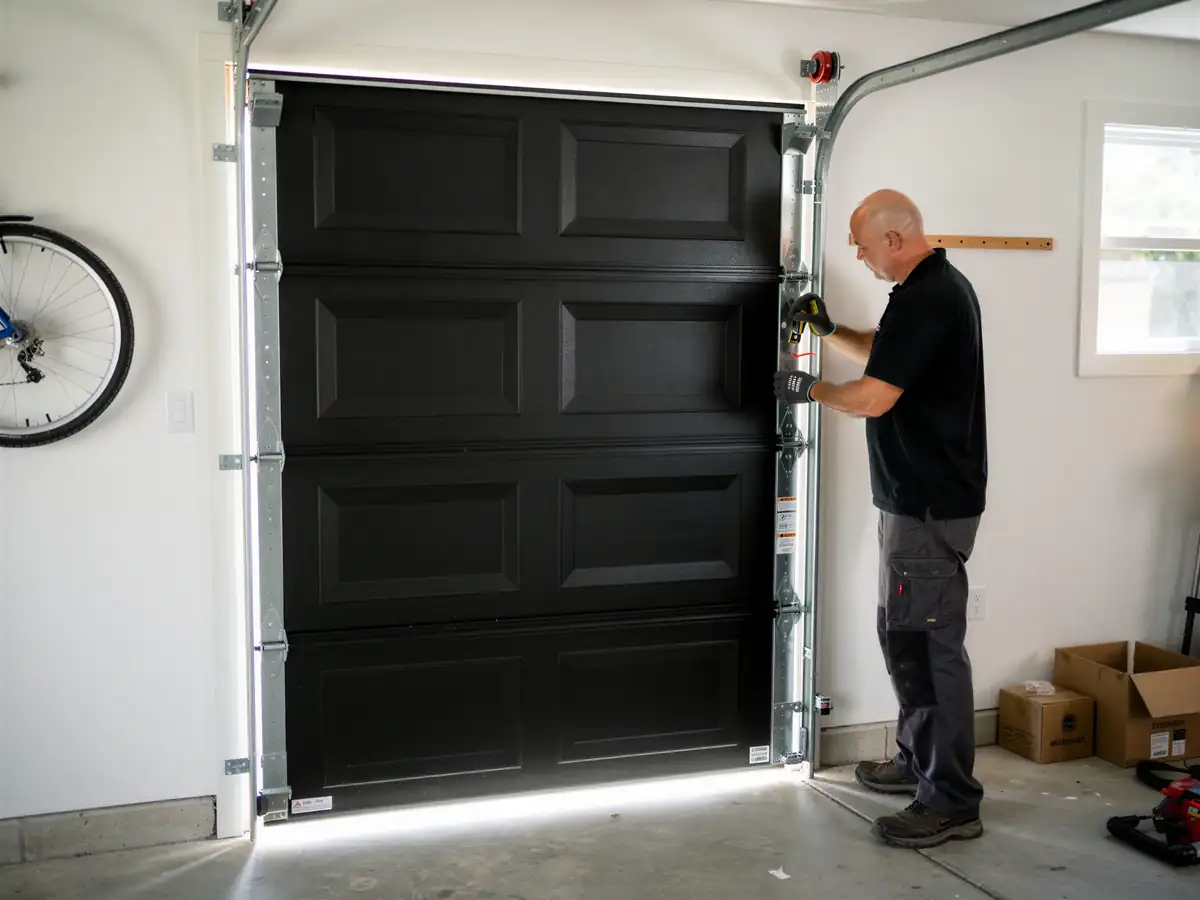
We come out from Kalispell, about 3 miles to most of Evergreen, and start by running the door by hand with the opener disconnected to feel where the roller resistance actually is - top corner, middle, or all the way down the track. That tells us whether it's a roller problem, a track problem, or both, before anyone touches a wrench.
If it's rollers only, we pull them one at a time, working section by section so the door stays supported in the track the whole time, and we check the track for wear grooves as each roller comes out. If a section's track is worn past the point a new roller will ride true in it, we tell you then, not after it's installed. Across the roughly 3,204 households in this part of the service area, most of what we see is straightforward roller wear on original hardware - the harder calls are the doors where the track went bad first and the rollers just followed it down.