What You Pay
We won't put a number on this page that isn't tied to your door
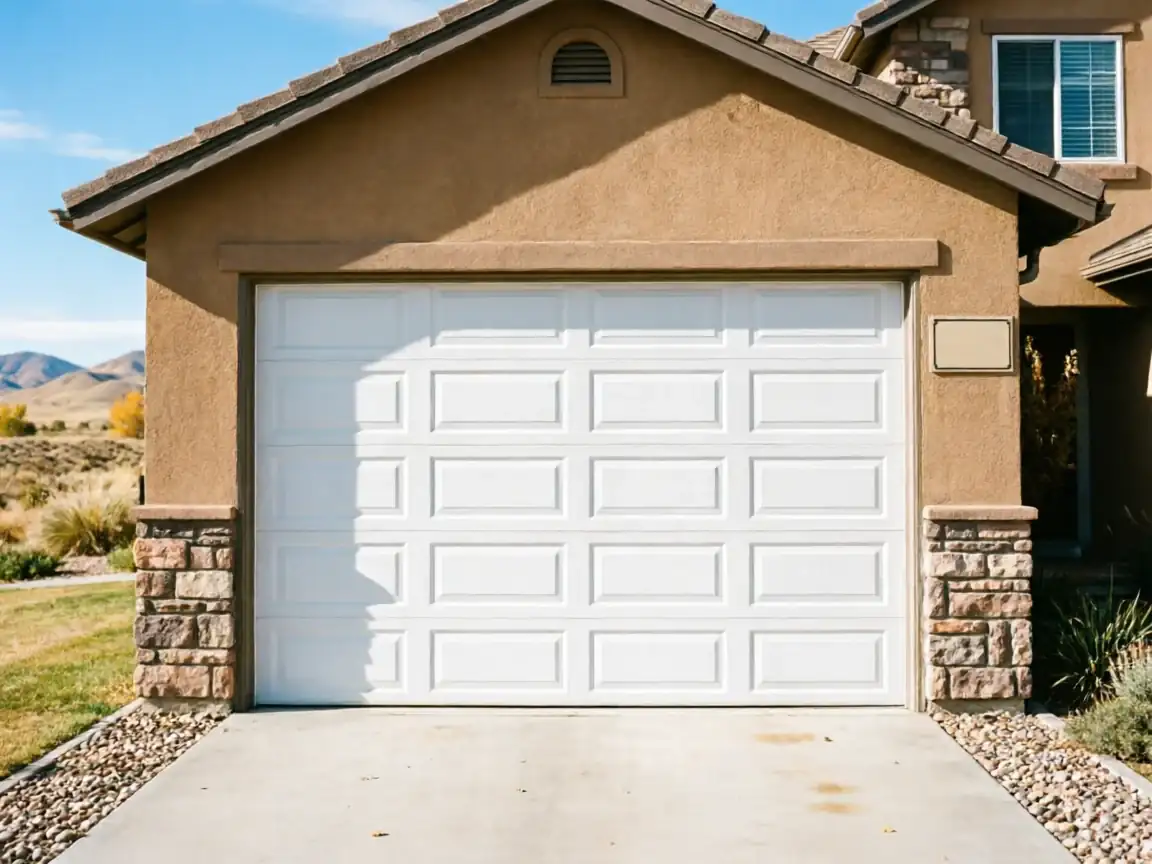
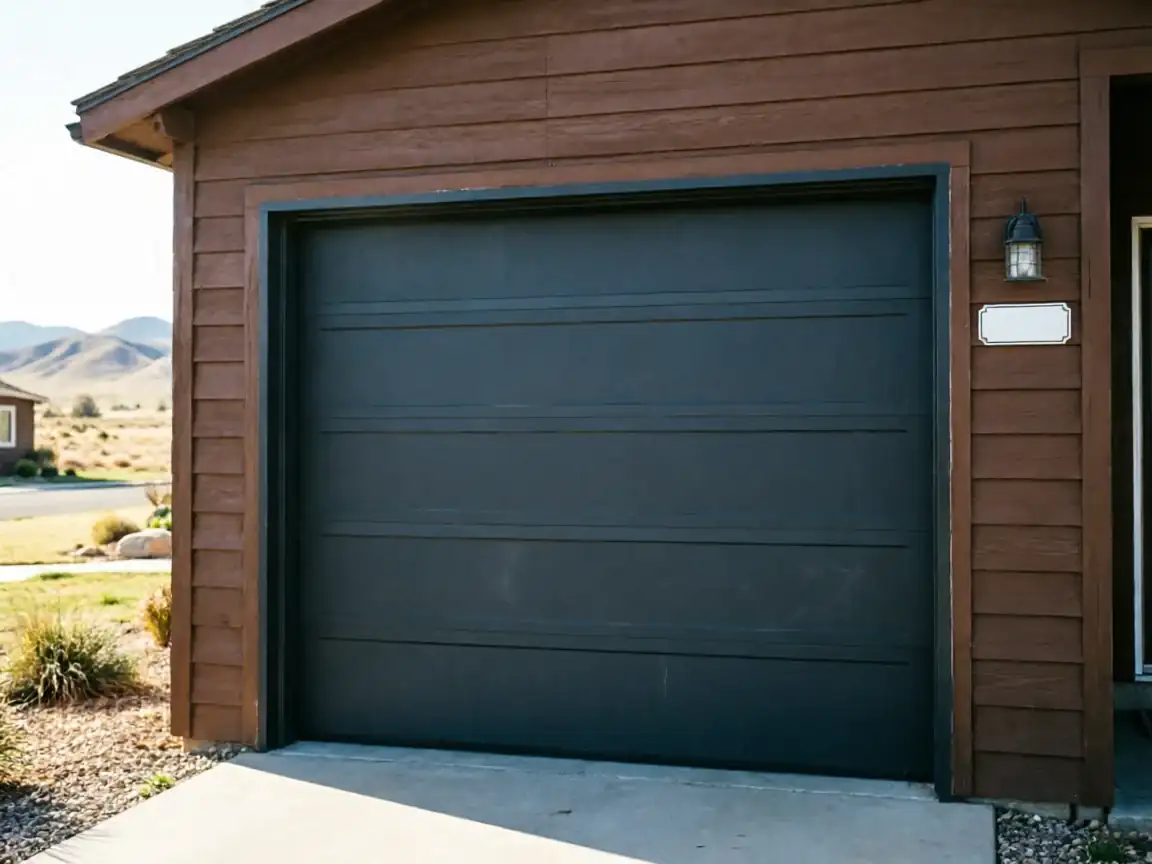
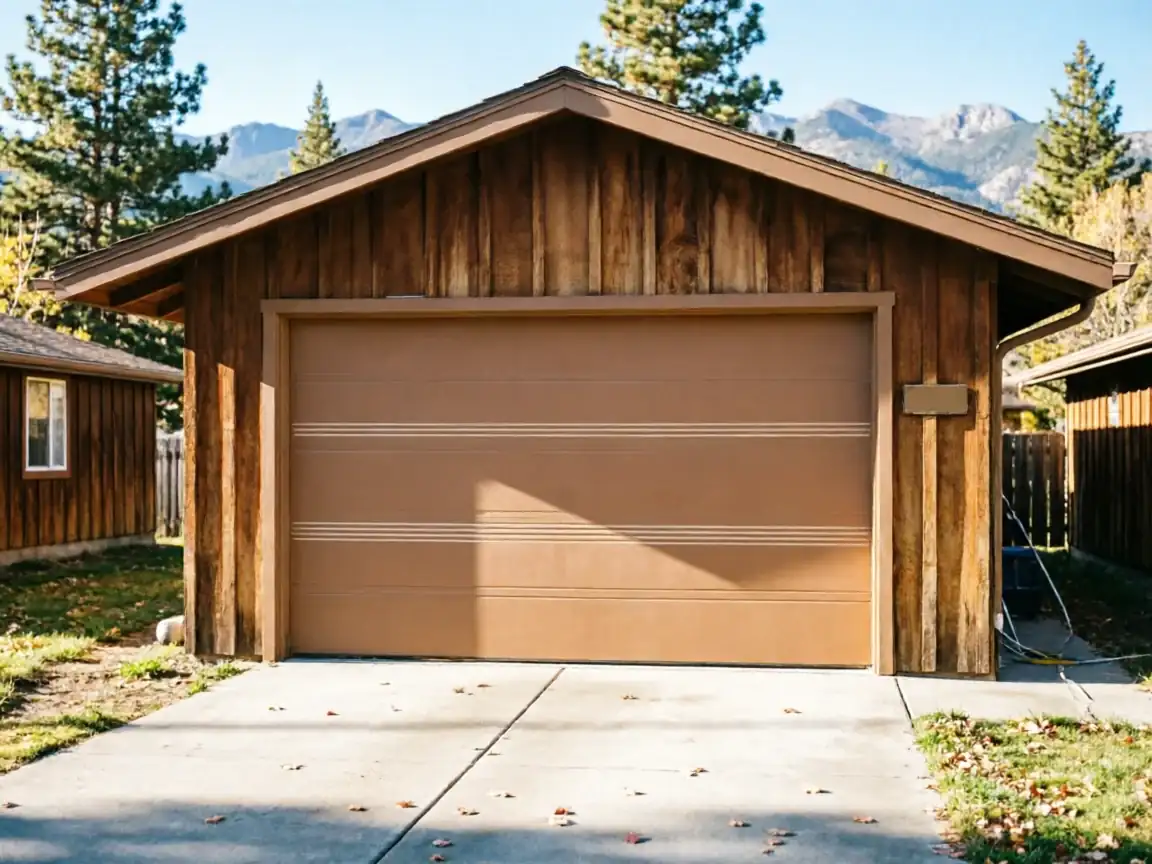
Because Evergreen's housing stock makes the range wider than you'd think. Most houses here went up right around 1979, the older edge of this valley's main building run (the broader area runs 1979 to 2003, median 1988). That means garages built to 1979 code, often with openings a few inches off from what a modern steel door ships in off the shelf. A straight swap on a standard 16x7 opening costs less than cutting down a new door to fit an odd 1979 frame, or adding insulation that wasn't there originally.
Income here runs a bit higher than the territory average
$73,015 in Evergreen against $71,110 across the full area we cover - but that doesn't change what the door costs, it just means more owners here ask for the insulated upgrade instead of the bare steel replacement. We'll tell you flat out if your opening needs reframing before we quote, because that's a different job than hanging a door.
Where This Job Goes Sideways
The trouble with a house built in 1979 isn't the door, it's what's behind it. Framing from that era settles, and headers over a garage opening that's sat under a steel or wood door for four decades sometimes aren't square anymore, even if they look fine. We've pulled old doors in similarly aged houses out here and found the track mounted on a jamb that's bowed enough that a new door won't seal against the weatherstrip without reshimming the whole frame.
Low headroom is the other one. A lot of 1979 garages in this valley were built with less clearance above the opening than current torsion hardware wants, because extension springs were still common then and take up less vertical space. Swap in a torsion setup without checking that clearance first and you end up re-ordering the bracket mid-job. We check headroom and jamb square before we quote, not after we've started cutting.
Doing It Yourself
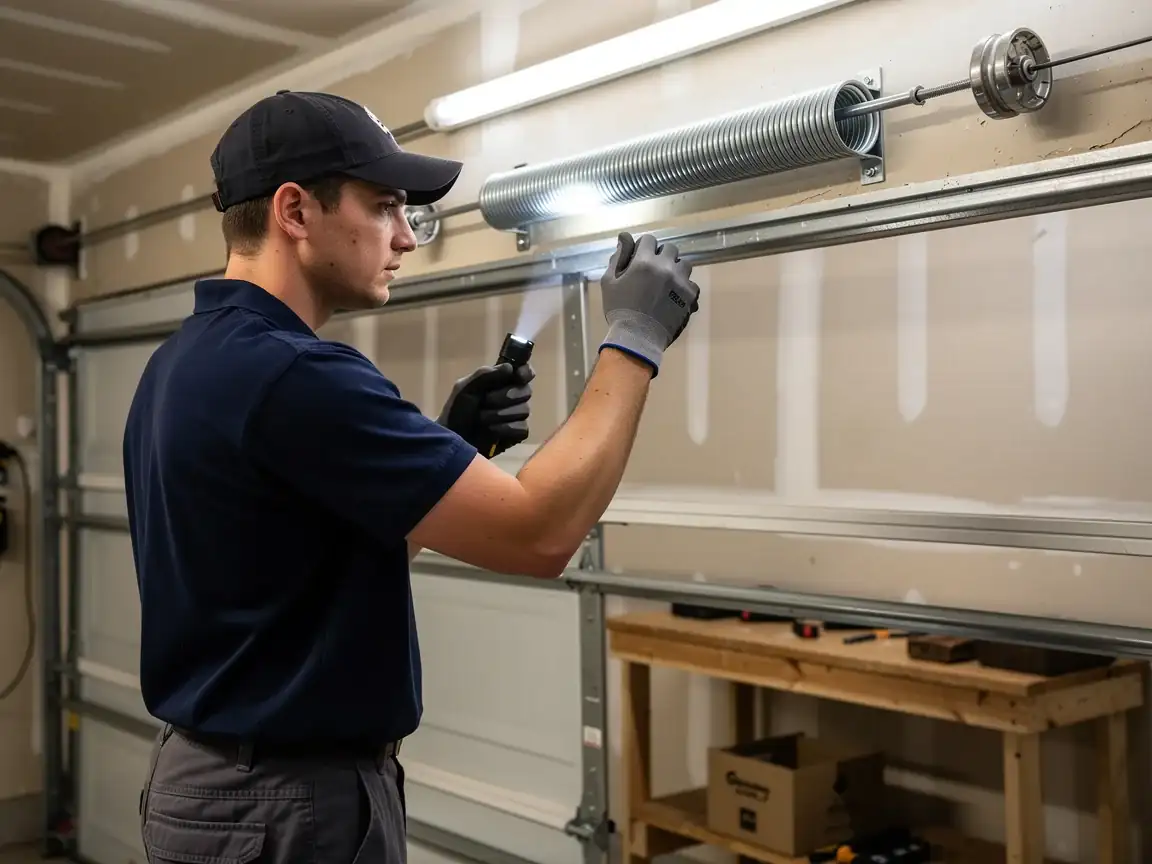
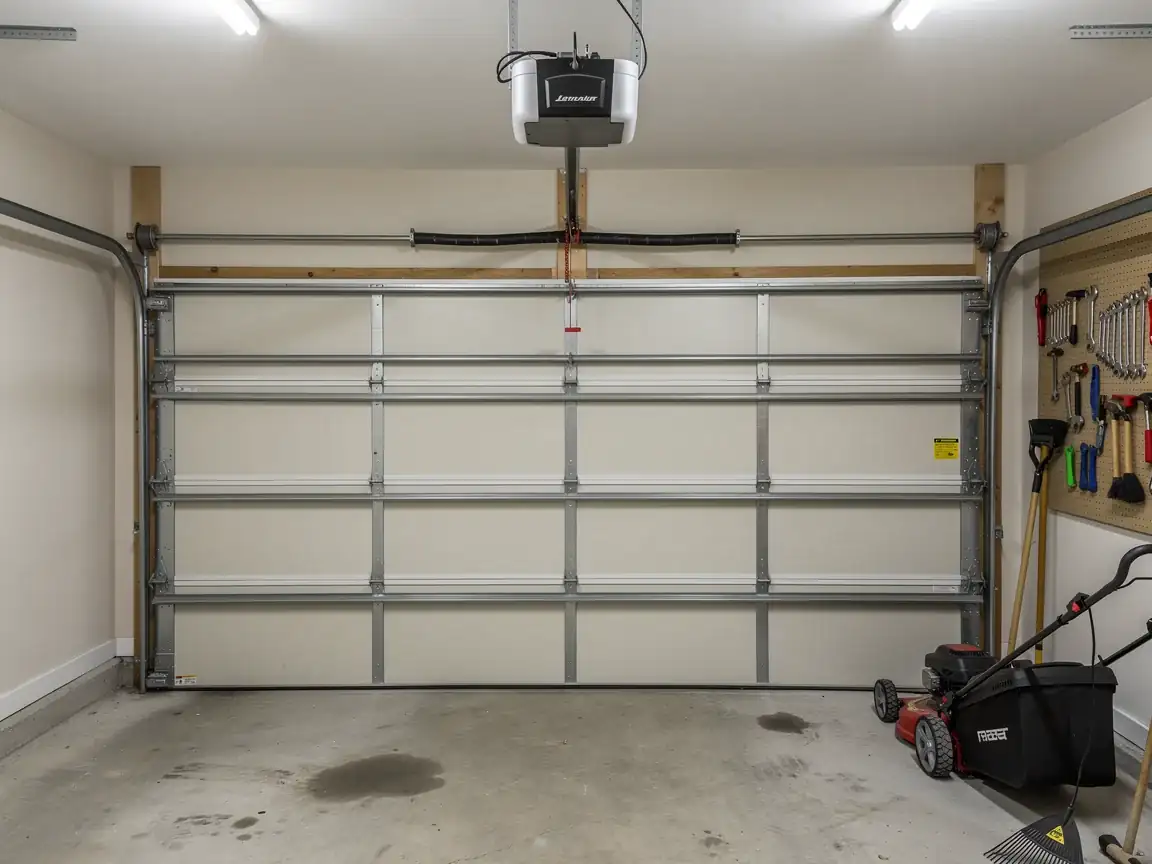
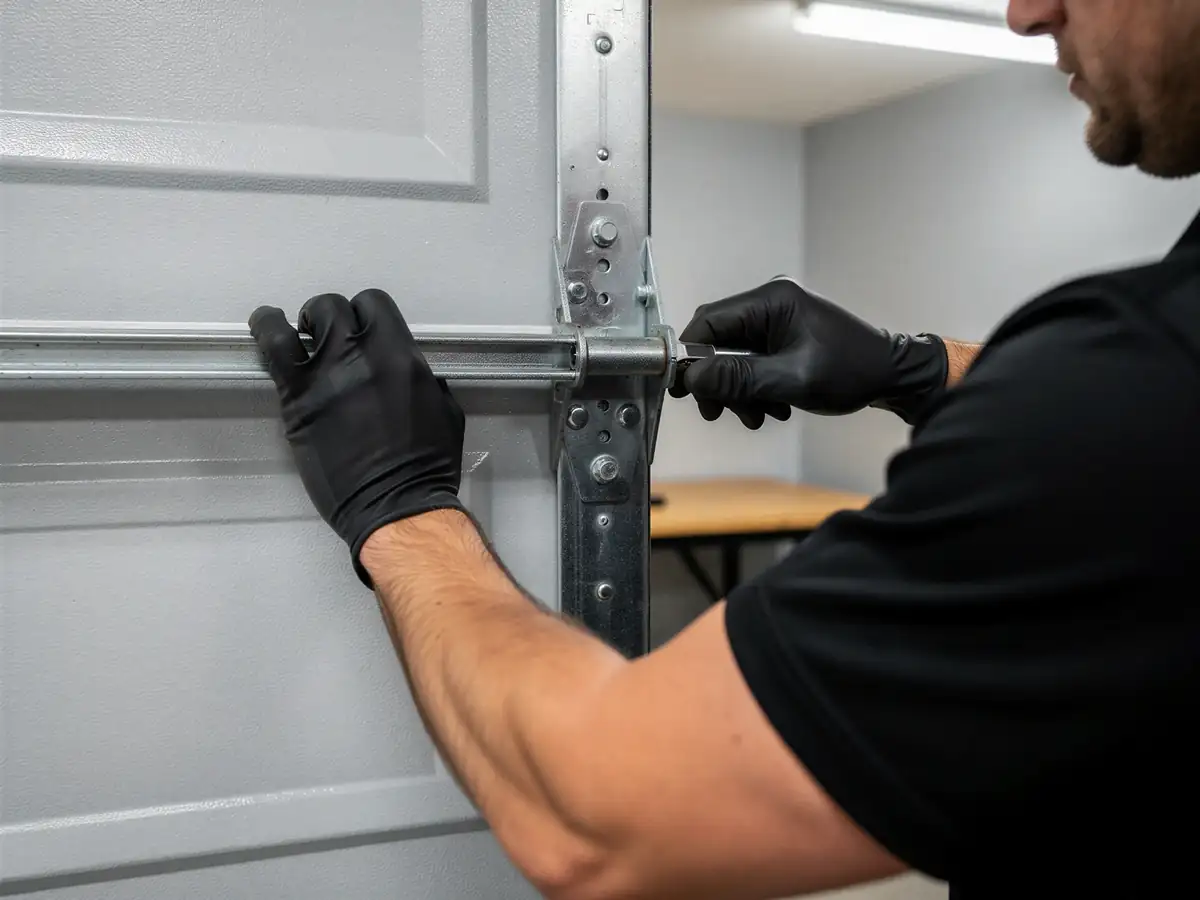
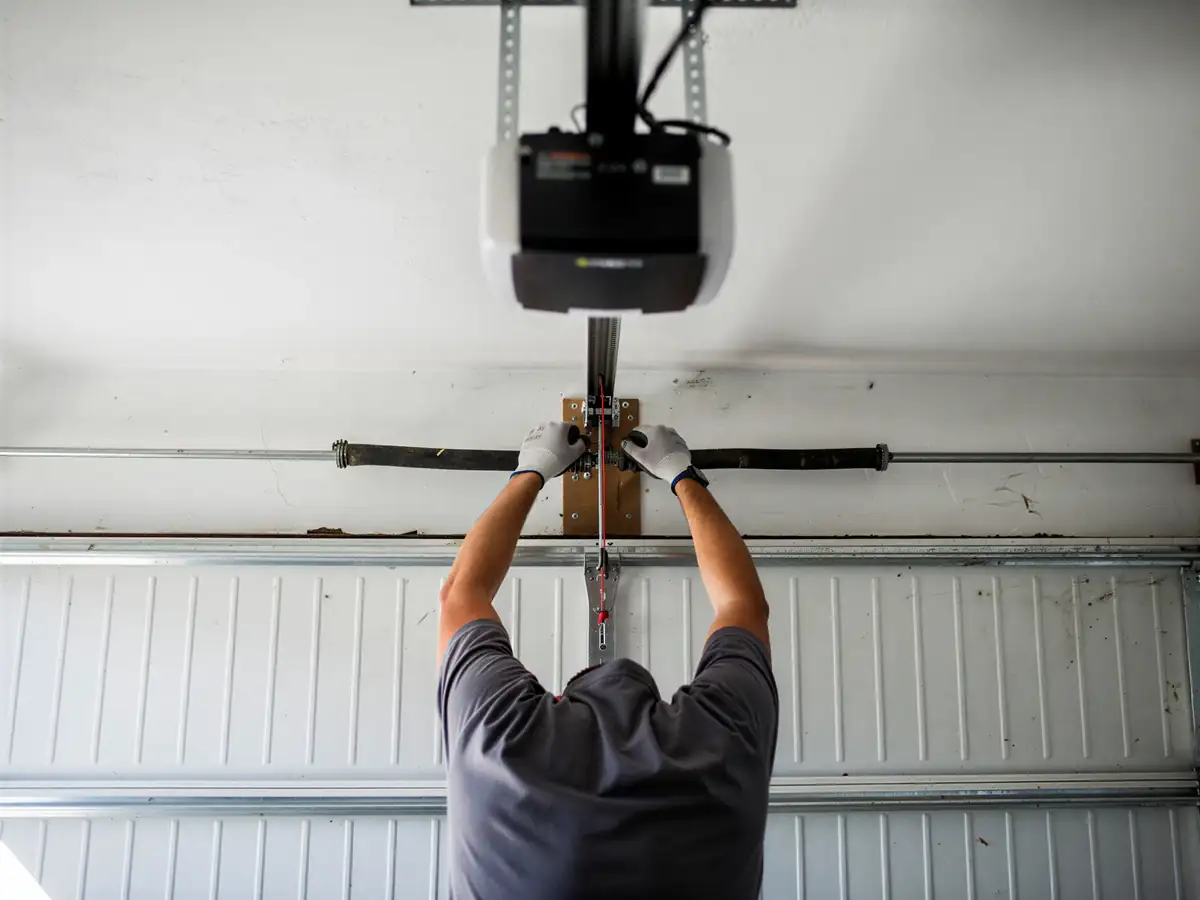
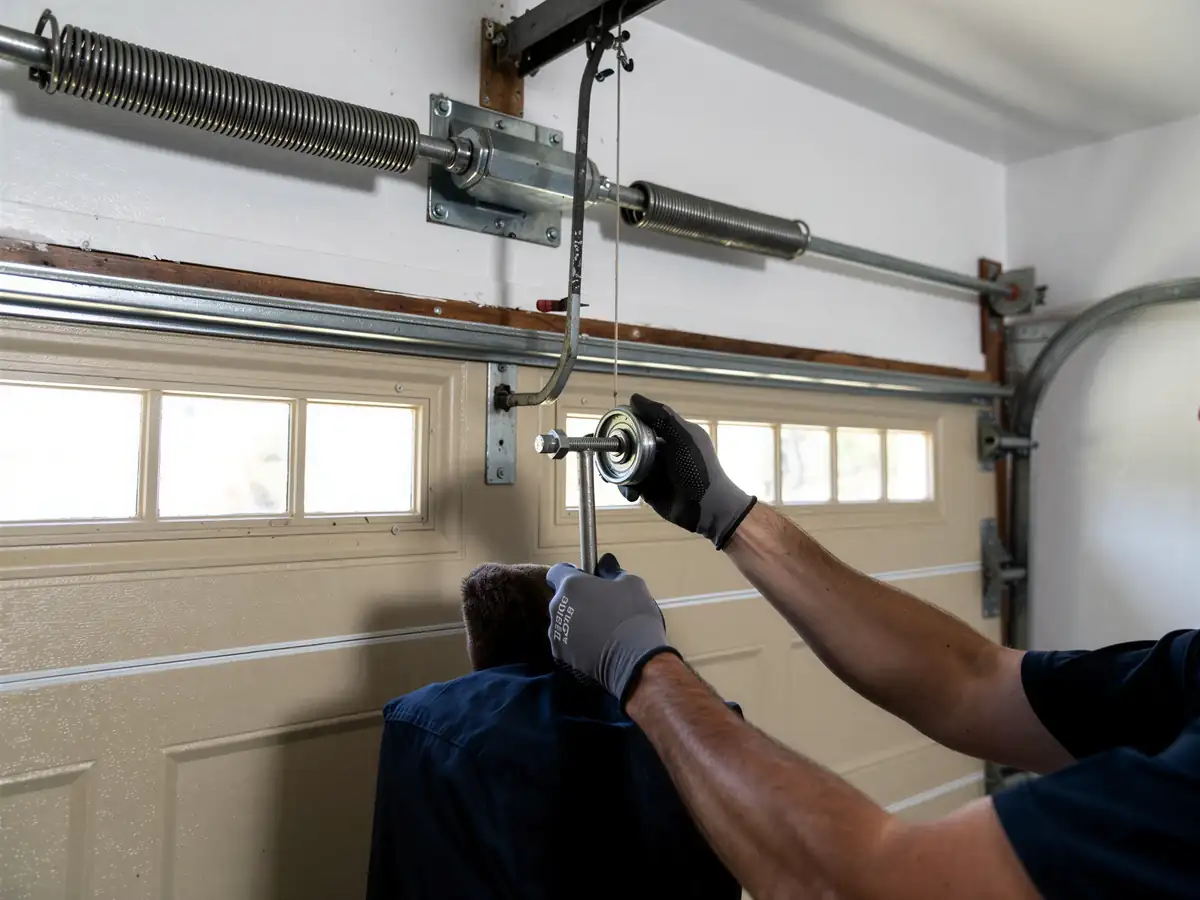
A new garage door is not a weekend install for most owners, and we'll say that plainly. The panels aren't the hard part - it's the spring system, and on a double door with torsion springs under full tension, a slipped winding bar can break a hand or worse. If your current setup is extension springs, which is common on 1979-built garages before torsion became the default, swapping to a new torsion-spring door means new cable drums, new track, and a header bracket rated for the load, not a part-swap.
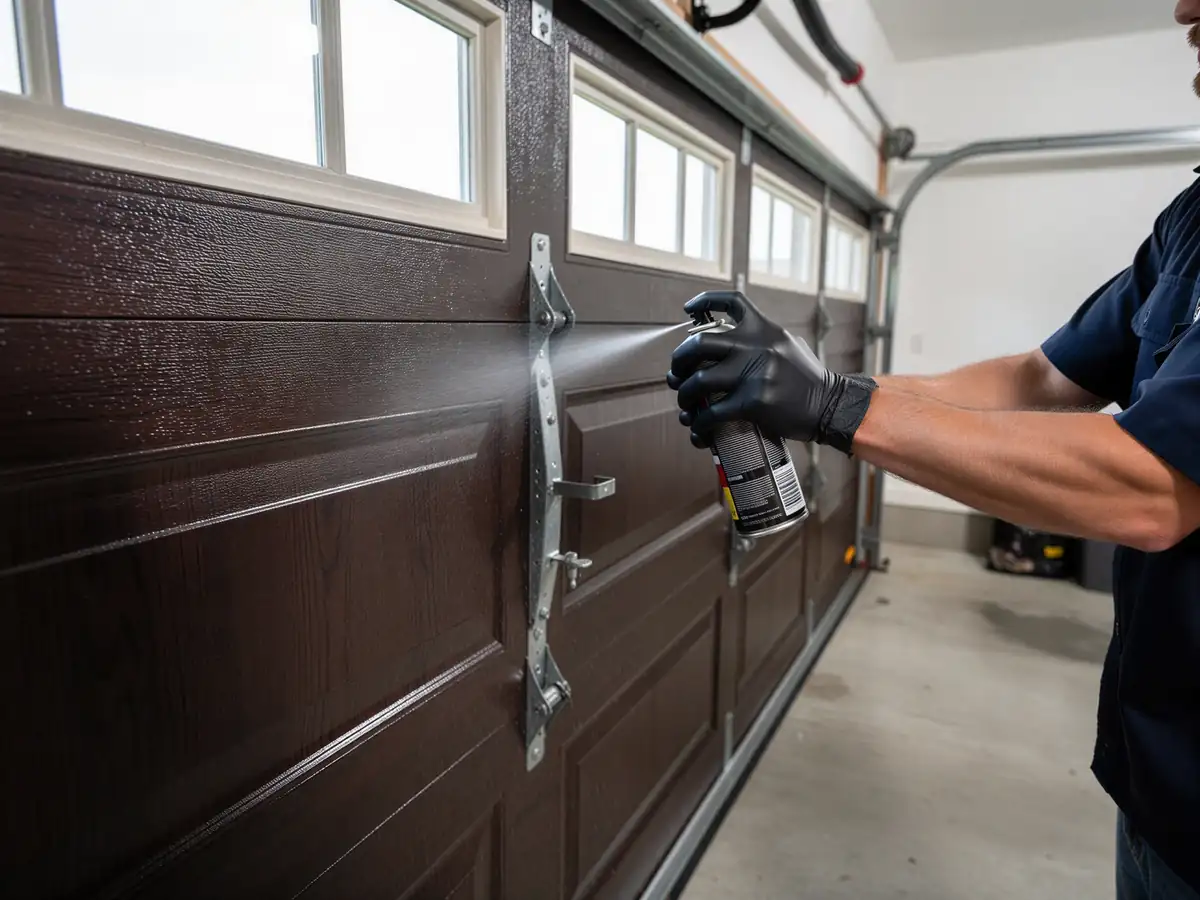
Where DIY makes sense is cosmetic: new weatherstrip, a new keypad, repainting panels. Where it doesn't is anything involving the spring or the track alignment on an opening that's 45 years old and may not be square anymore. We're not going to tell you it's impossible - plenty of people do it - but we are going to tell you the margin for a bad afternoon is thinner on an old frame than a new one.
Stocked Parts
We run our trucks out of Kalispell
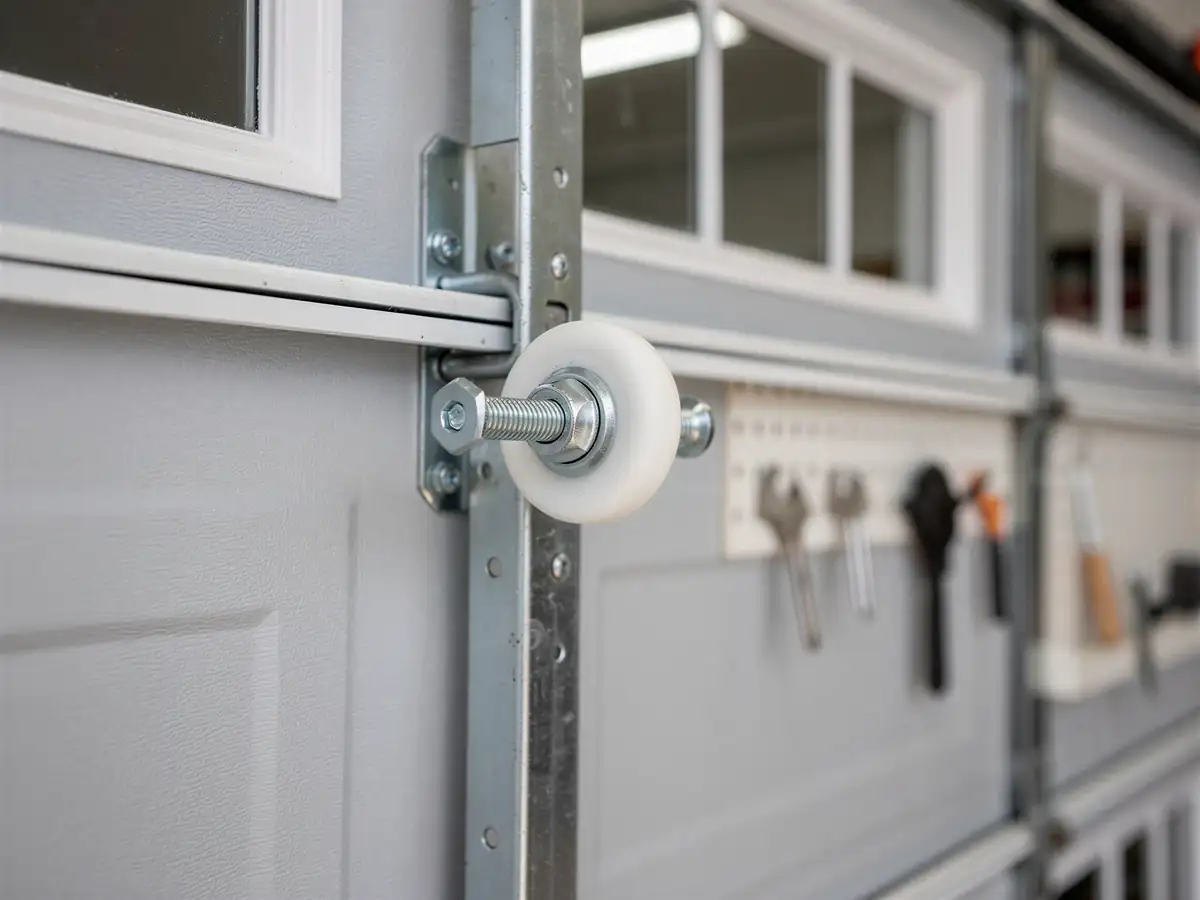
And Evergreen sits about three miles out, which means a standard-size door and common hardware aren't a special order for us just because the job's outside city limits. What we stock covers the sizes that show up most on 1979-era garages in this area: single and double openings in the common widths, torsion springs sized for insulated and non-insulated panels, and standard track for normal headroom.
What we don't carry on the truck is a custom-width door cut for a non-standard opening
Or specialty low-headroom track for a garage with less than the usual clearance above the door. If your 1979 frame needs either, that's a lead-time item from the manufacturer, not something we hand you same-visit. We'll tell you at the quote stage which category your job falls into so there's no surprise when the order goes in.
How We Fix It
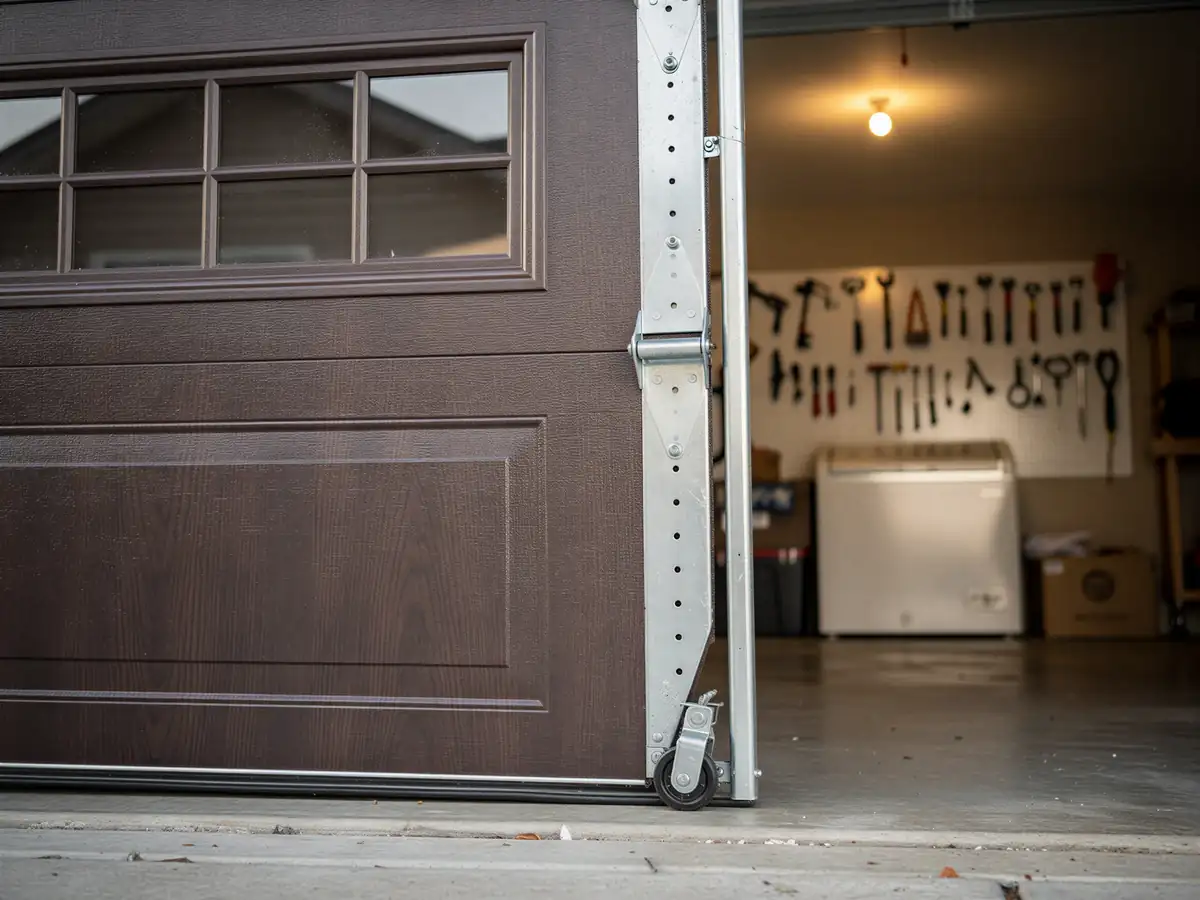
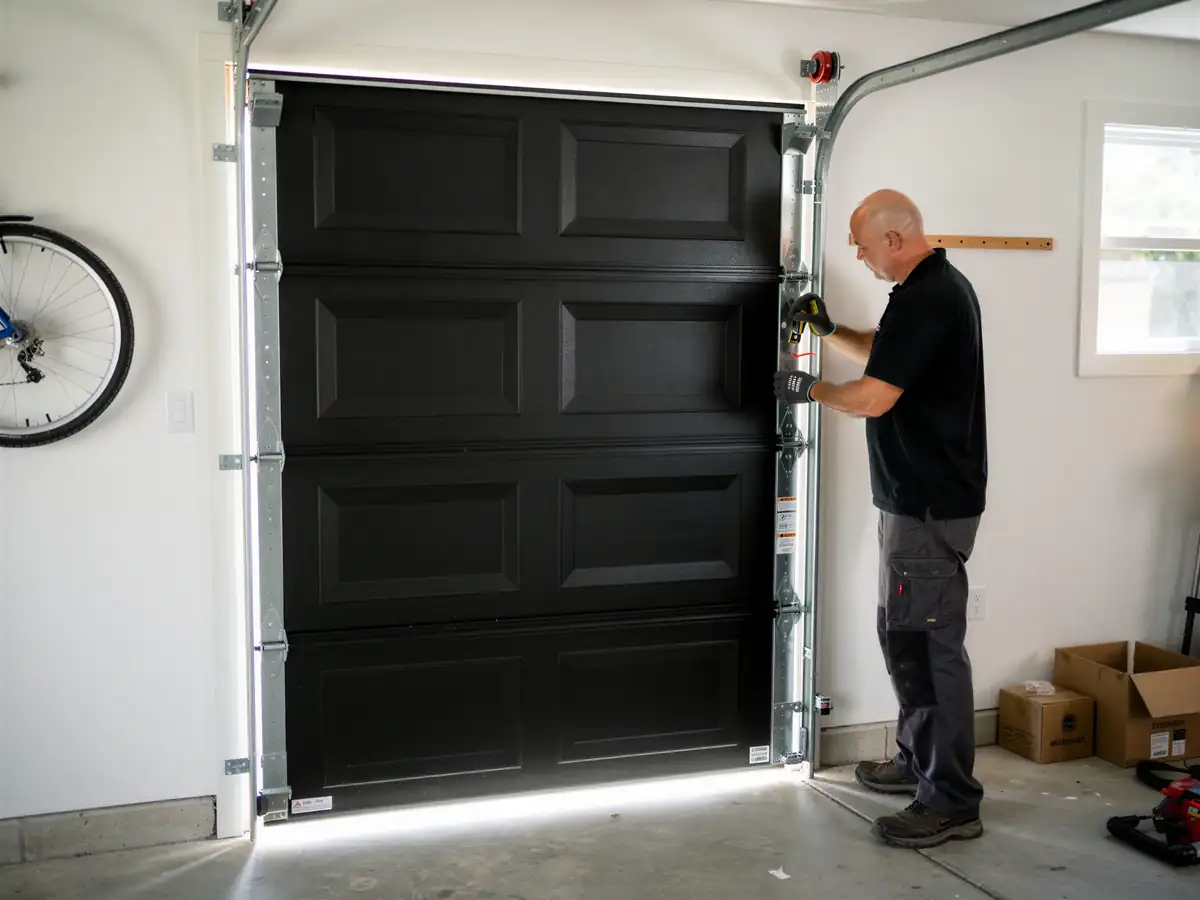
We start at the opening, not the door. On a house from this era we measure the frame, check square, and check headroom before we talk panel style, because an opening that's shifted over 45 years changes what hardware fits. If the jamb needs shimming or the header needs a reinforced bracket for a heavier insulated door, we handle that as part of the install rather than forcing a new door onto an old frame and hoping the weatherstrip makes up the gap.
Given this valley's cold winters, most owners swapping an original 1979 door are moving from a bare steel or wood panel to an insulated steel door, and that changes the spring calculation - insulated panels weigh more, so the torsion spring has to be matched to the new weight, not the old one. We size the spring to the actual door going in, set the track, and test the balance by hand before we call the job done, not just by running the opener.