Where This Job Goes Sideways
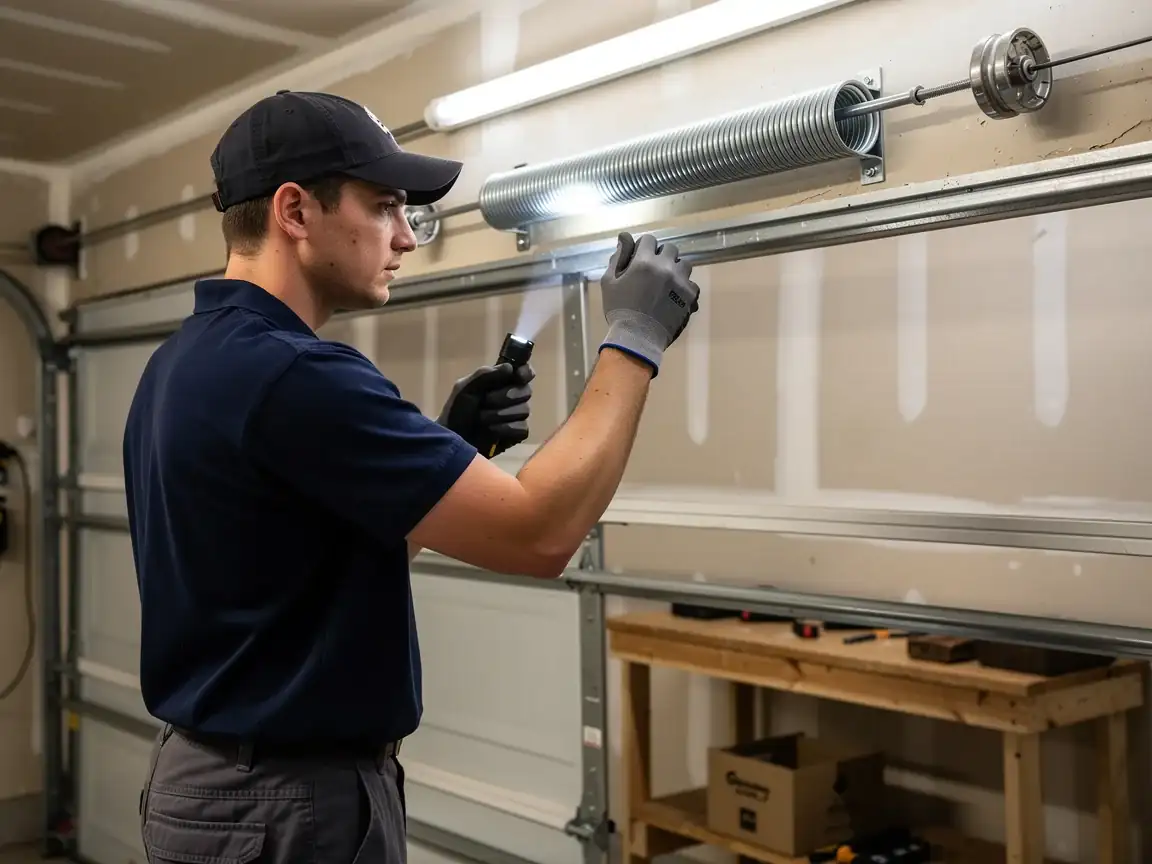
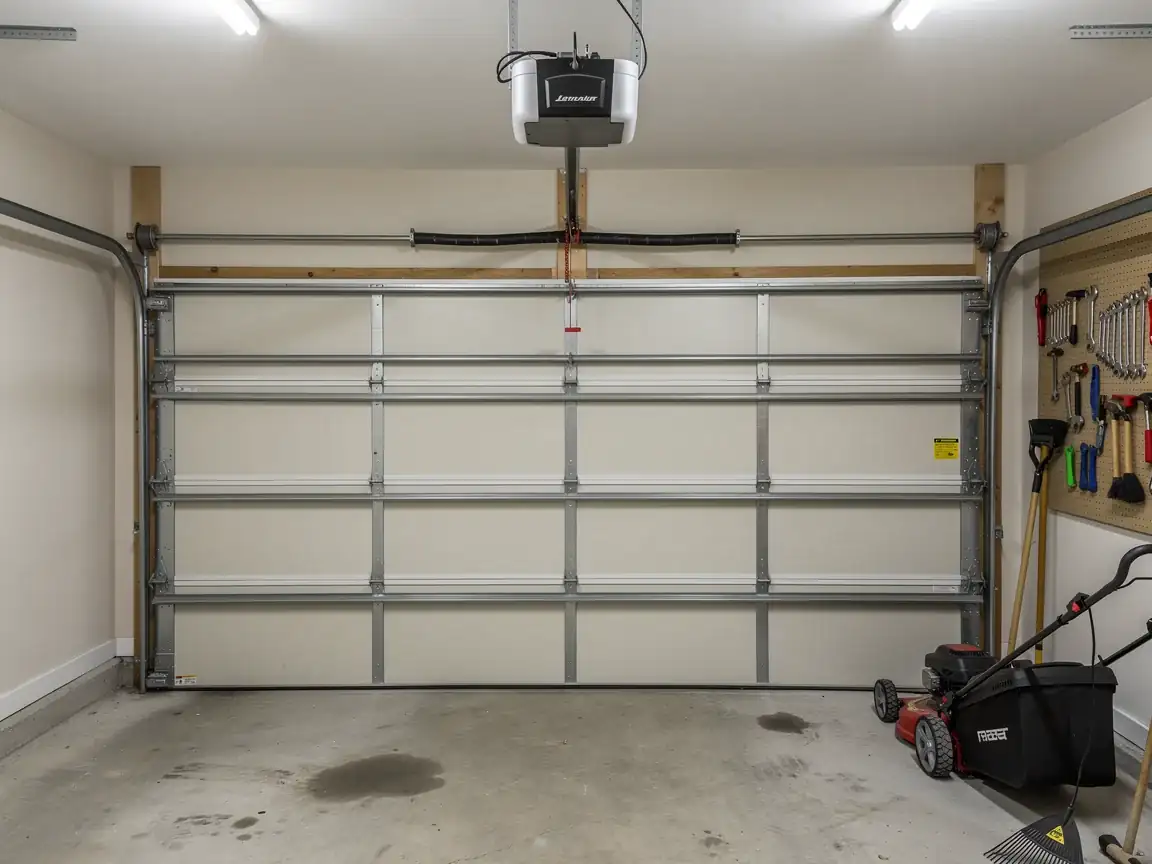
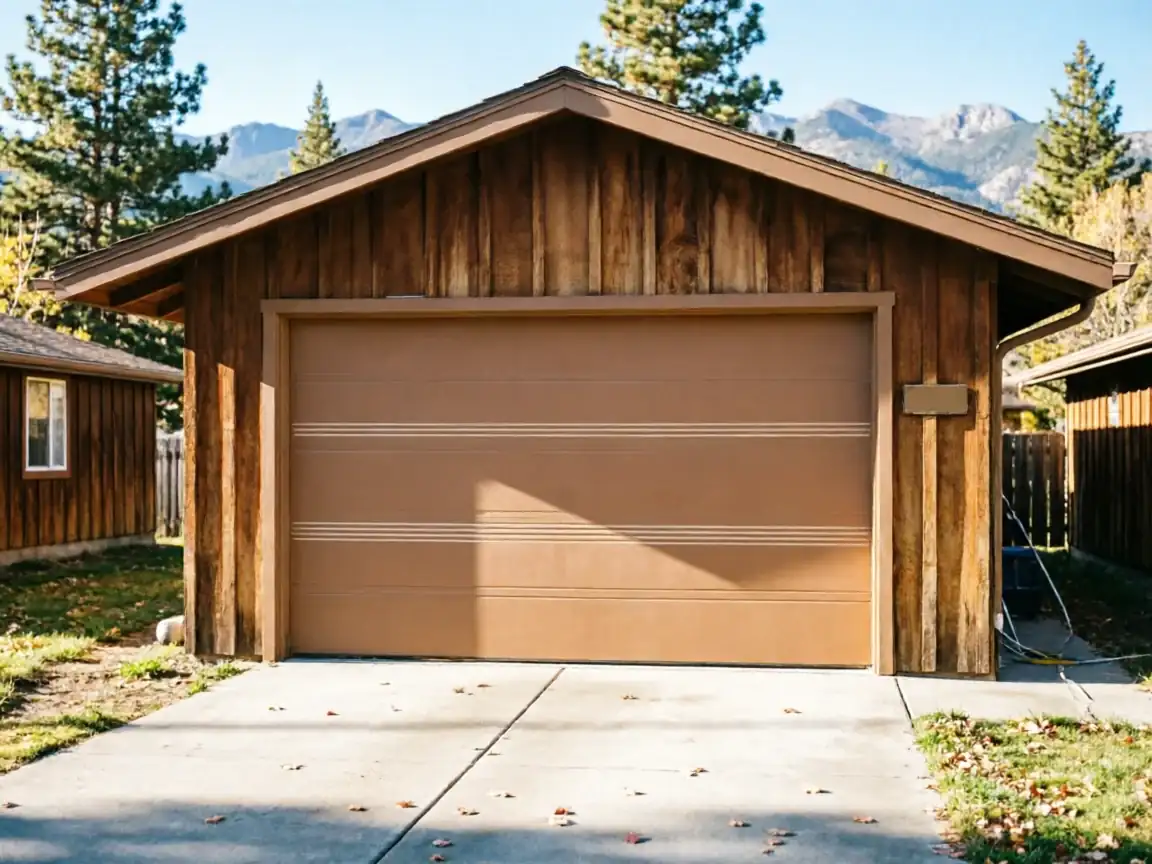
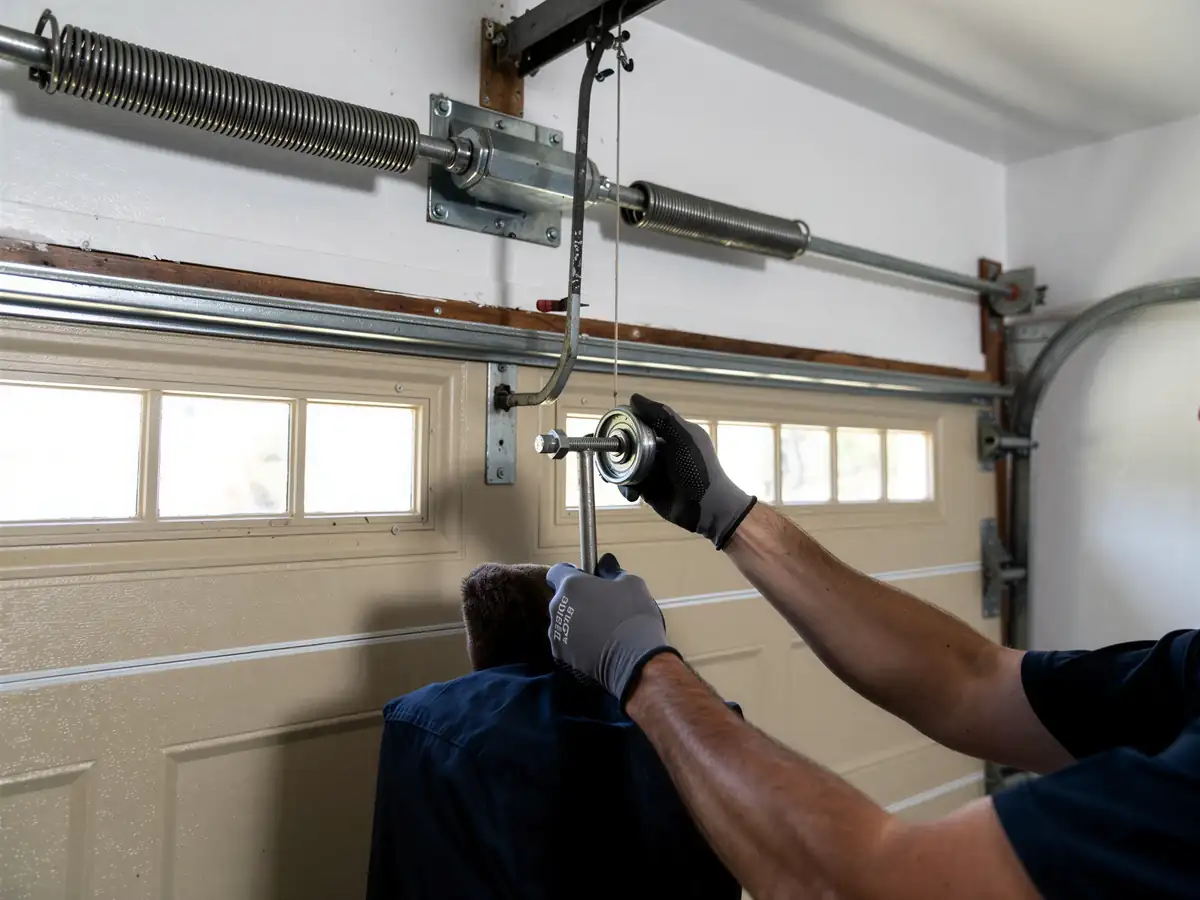
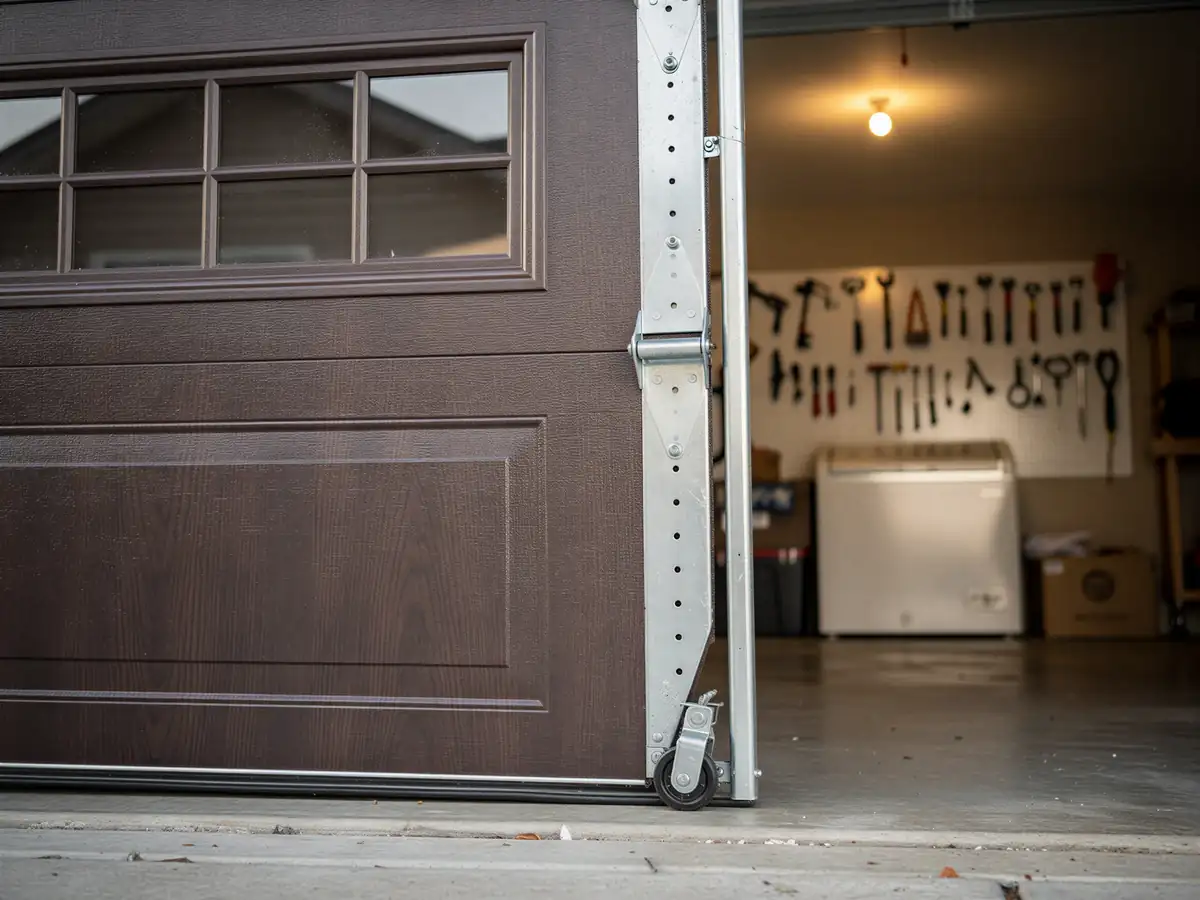
On a door built around 1979, the failure point is almost never the opener - it's the stuff behind it. Track brackets from that era were fastened straight to jamb framing that's now thirty-plus years into cold-climate freeze-thaw cycles, and bracket screws back out slowly in wood that's shrunk and swelled a thousand times. A maintenance visit that only lubricates rollers and checks balance misses that. The other place it goes sideways is springs: a single torsion spring sized for a lighter original door doesn't hold up once a heavier insulated panel gets swapped in later without anyone resizing the spring. We see that mismatch more in older housing stock than in anything built after 2000. Neither of these shows up as a dramatic failure day one - they show up as a door that's slowly gotten louder, slower, or harder to lift by hand, which is exactly the kind of wear a seasonal check is supposed to catch before the cable snaps or the bracket pulls free.
Doing It Yourself
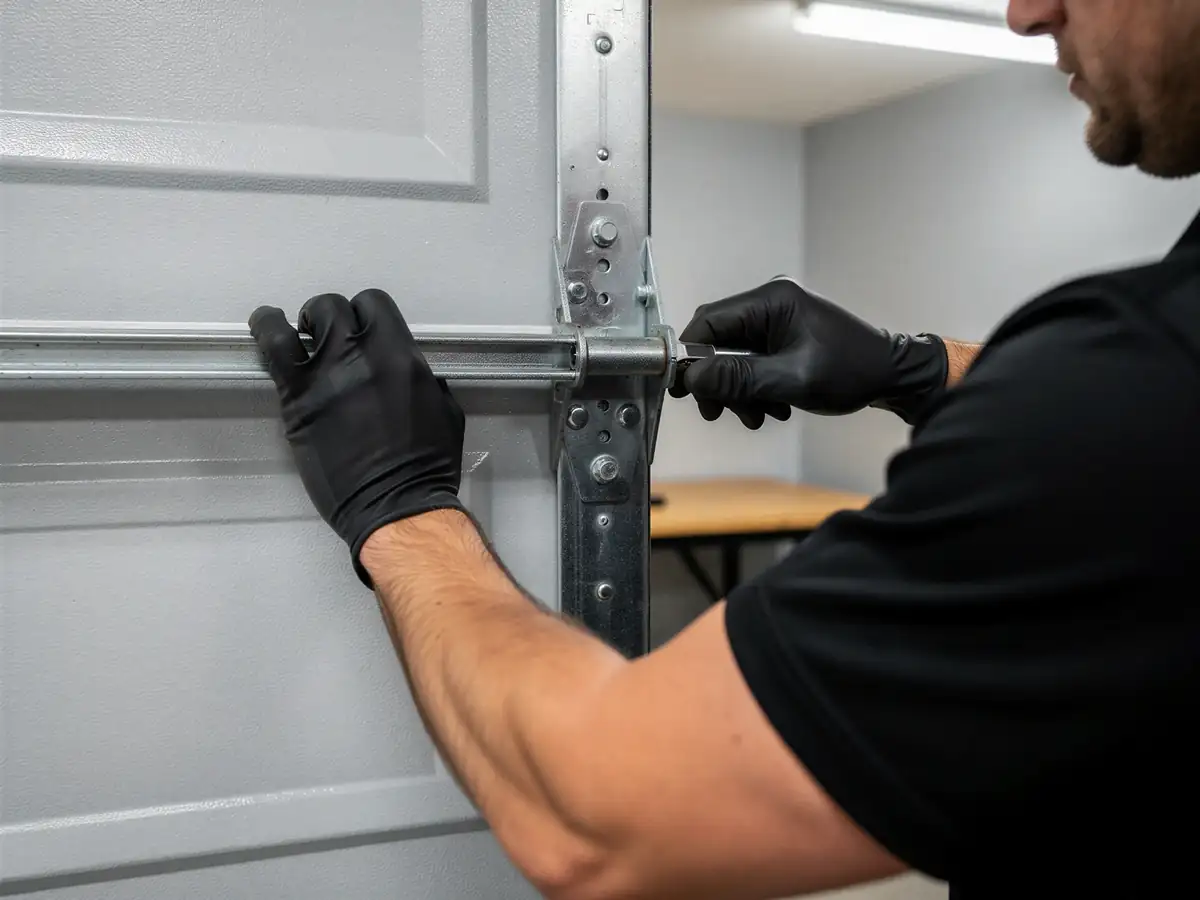
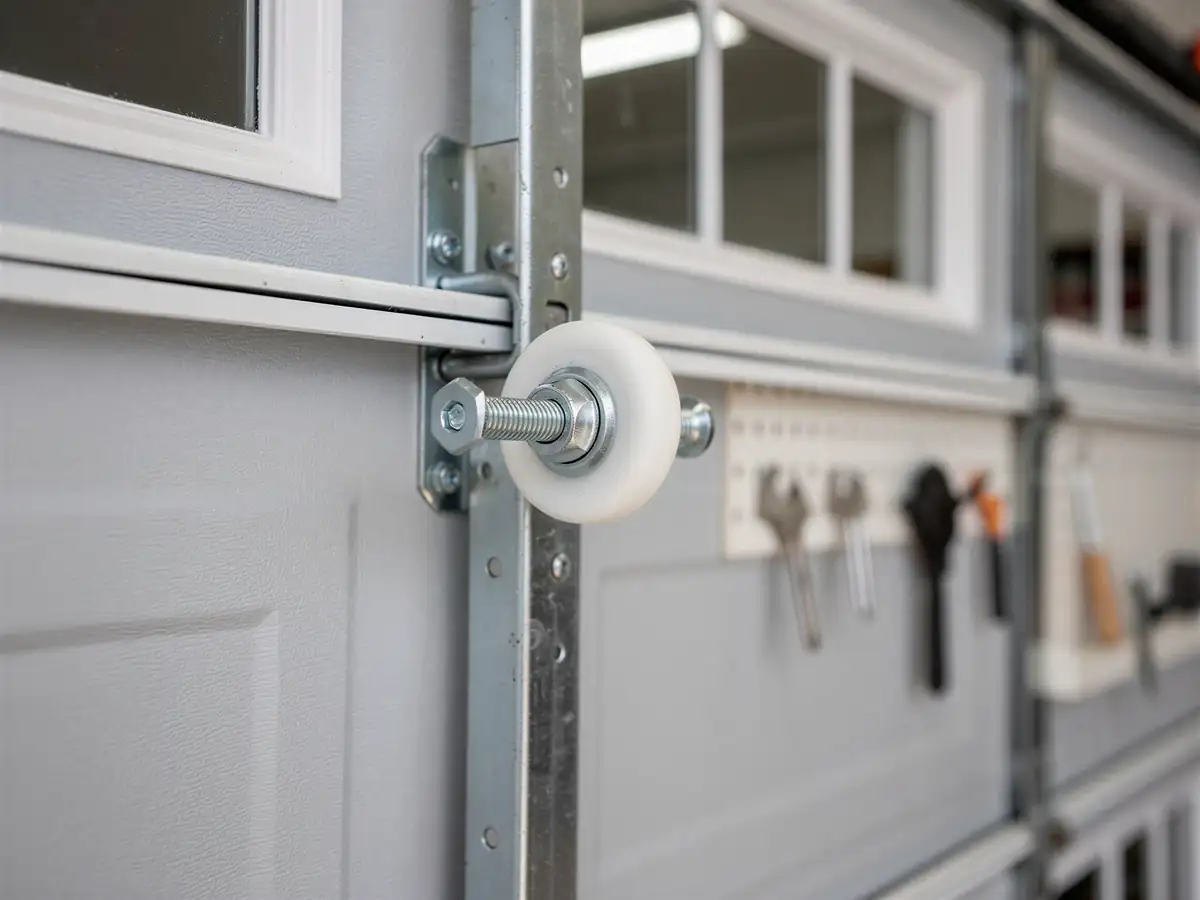
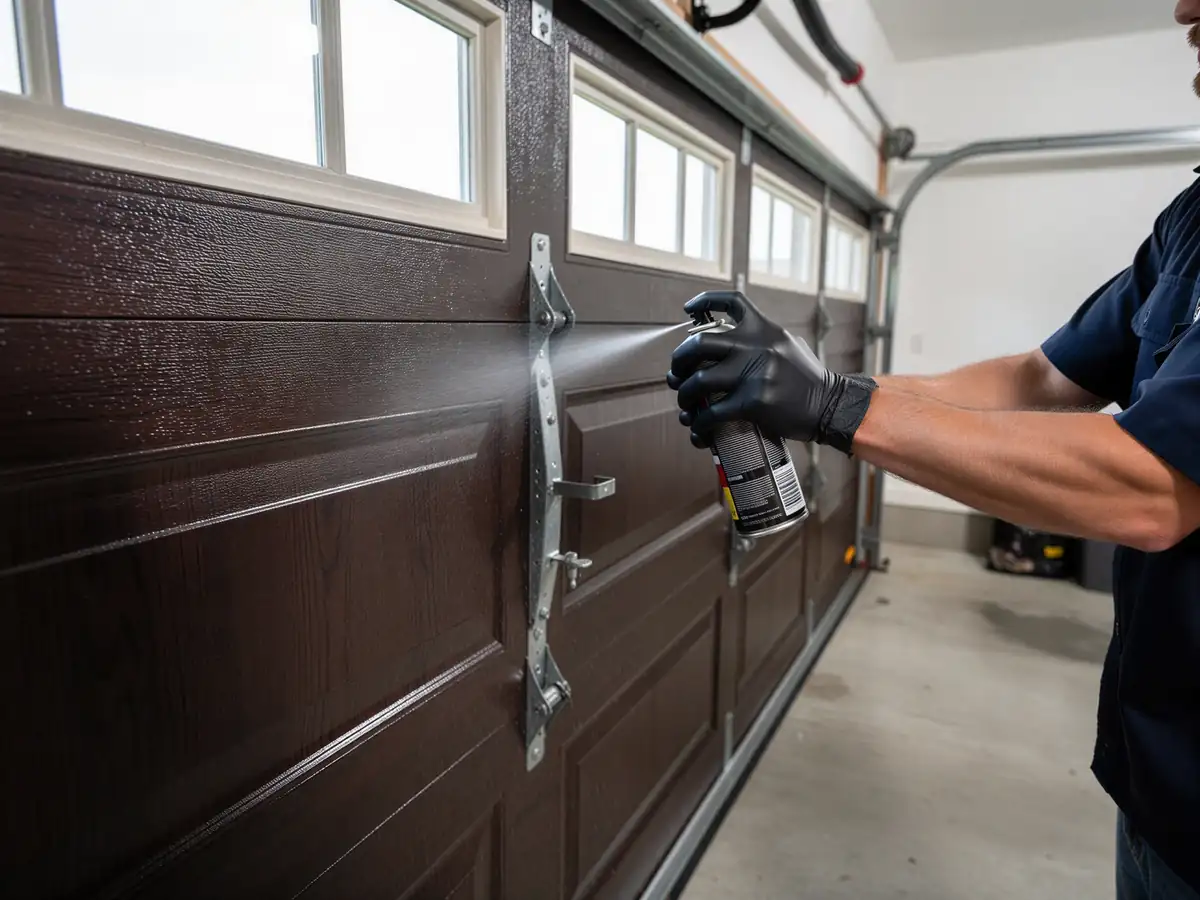
Plenty of this is fine to do on your own: wipe down and lubricate rollers and hinges, check that the photo-eye sensors are aligned and clean, tighten visible bolts on the track, and test the auto-reverse by setting a 2x4 under the door and running it closed. What we don't recommend you touch is the torsion spring or anything under tension - on a door this age, the hardware holding that spring in place has had decades to corrode or loosen, and a spring letting go under load is a serious injury, not an inconvenience. We also won't talk you through resetting spring tension over the phone. If the door feels heavier to lift by hand than it used to, that's a sign the spring is losing tension, and it's worth a call rather than a guess, especially with severe cold-climate temperature swings putting extra stress on steel hardware twice a year.
How We Fix It
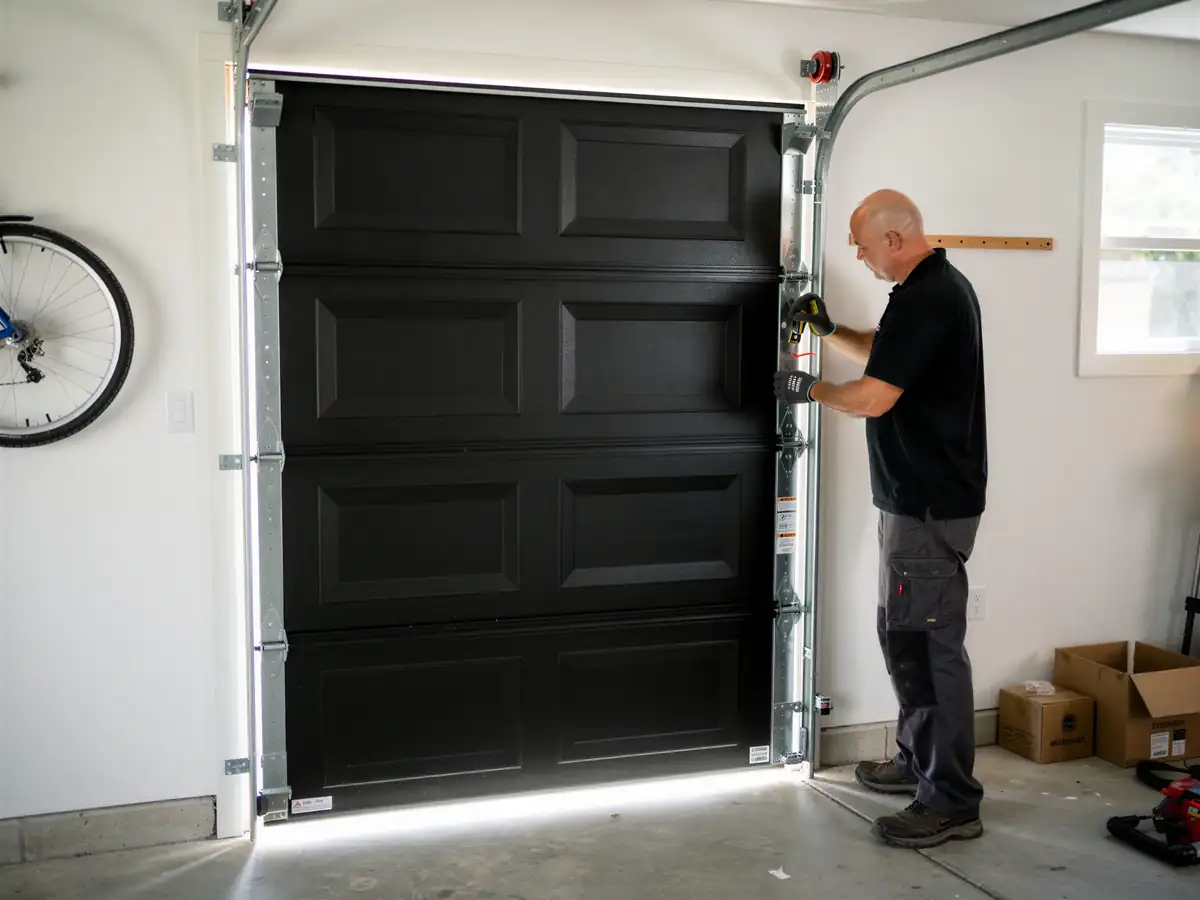
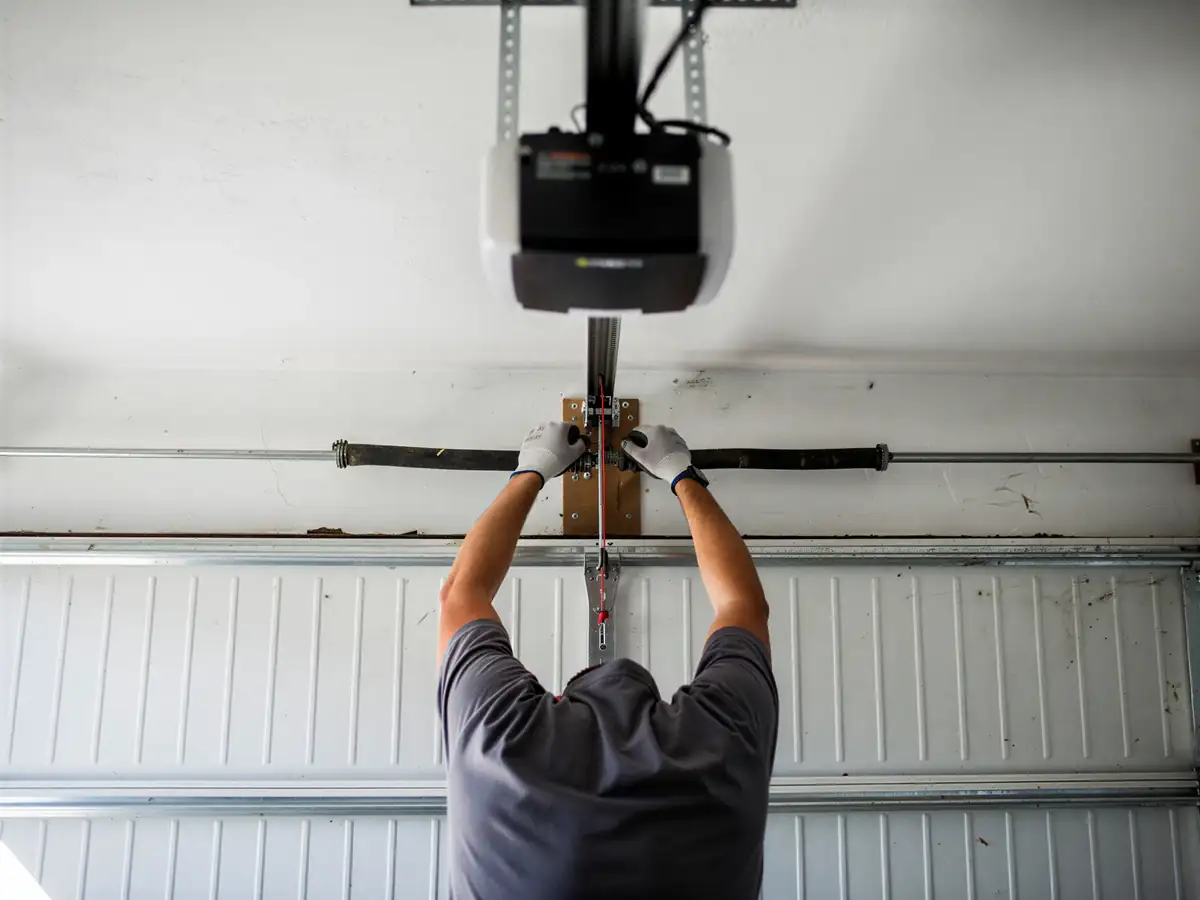
A maintenance visit on an Evergreen door starts with checking spring tension against the door's actual weight, not just a visual lube-and-go. We inspect bracket fasteners at the jamb, since that's the failure point most specific to this build era, and we check the bottom panel seal, which matters more here given the cold-severe climate band this area sits in - a cracked seal lets moisture and cold air work on hardware all winter. If something's past adjusting, we say so rather than patching it and sending you off for another year. We travel to Evergreen from our Kalispell location, about 3 miles out, so there's no separate branch here - just the same crew and the same truck stock making the short drive.