What You Pay
We don't post a flat number for Evergreen because the fault decides the cost, not the zip code
What we can tell you is what tends to drive the bill here: a lot of Evergreen's garage doors went up around 1979, a good decade ahead of the 1988 median you'll find across the rest of our service area. Doors from that build year are more likely to still be running the original torsion spring and a steel panel that's thinner than what ships today. Swapping a spring on a door that age is a straightforward job. Replacing a bent or rusted-through panel on it often isn't, because the sizing doesn't match current stock and we end up sourcing or custom-fitting instead of grabbing a part off the shelf.
Evergreen also sits in a household income band a touch above the wider area
$73,015 median versus $71,110 across the full service territory. That doesn't change our pricing, but it does mean we see more owners asking to replace instead of patch once a repair starts looking like it'll need a second trip. We'll tell you straight when that math makes sense and when it doesn't.
Where This Job Goes Sideways
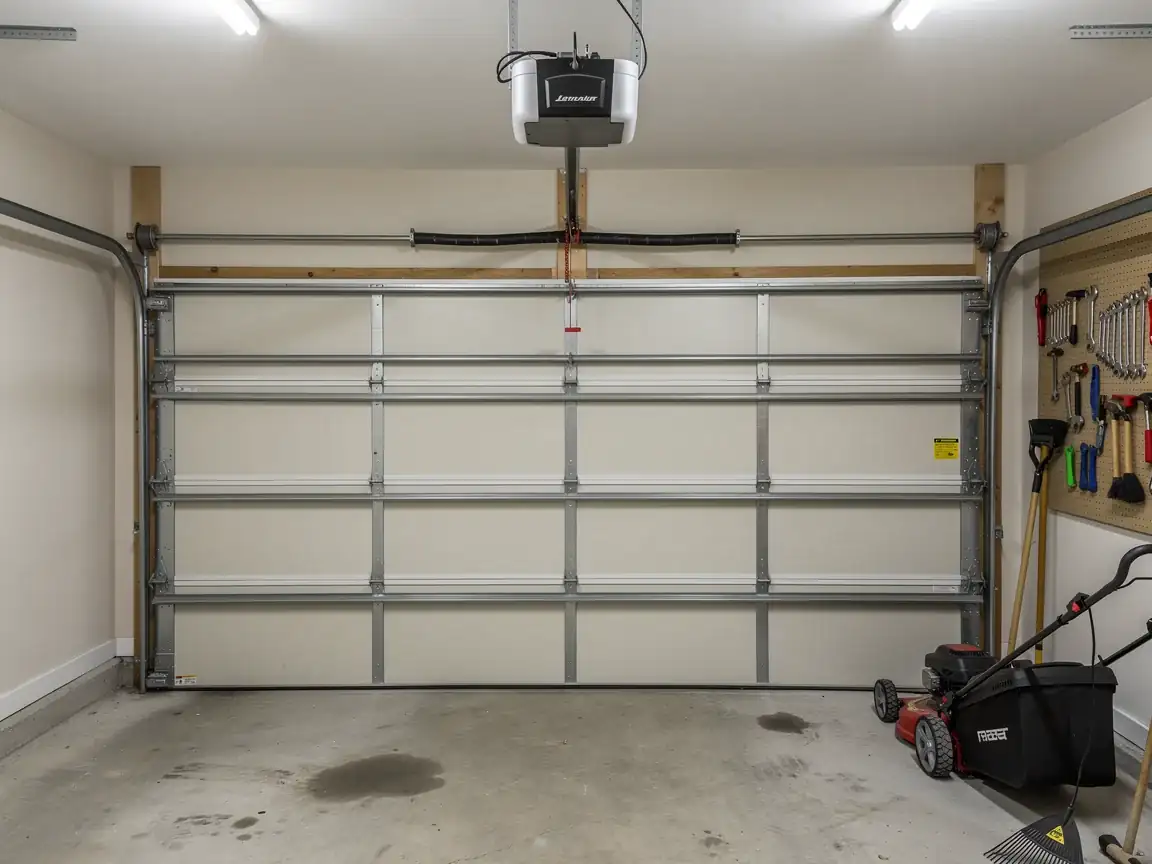
The thing that catches people off guard in Evergreen is the age gap between the door and the opener. A house built in 1979 that's had one opener swap in forty-plus years usually has a drive system from the 90s bolted to door hardware from the 70s. The two don't always talk to each other the way a homeowner expects. You replace a sensor or a logic board and the door still won't close right, because the real problem is a worn track or a spring that's lost tension and is making the opener work harder than it's rated for.
Cold is the other piece. This area sits in a severe cold climate band, and a torsion spring under constant subzero load behaves differently than one babied through mild winters - it fatigues faster and it can snap without much warning. We've had calls here where the customer swears the opener just died, and the real fault is a spring that gave out and left the motor straining against dead weight it was never built to lift alone. That's not an Evergreen-only fact, but on housing stock this old it shows up more, not less.
Doing It Yourself
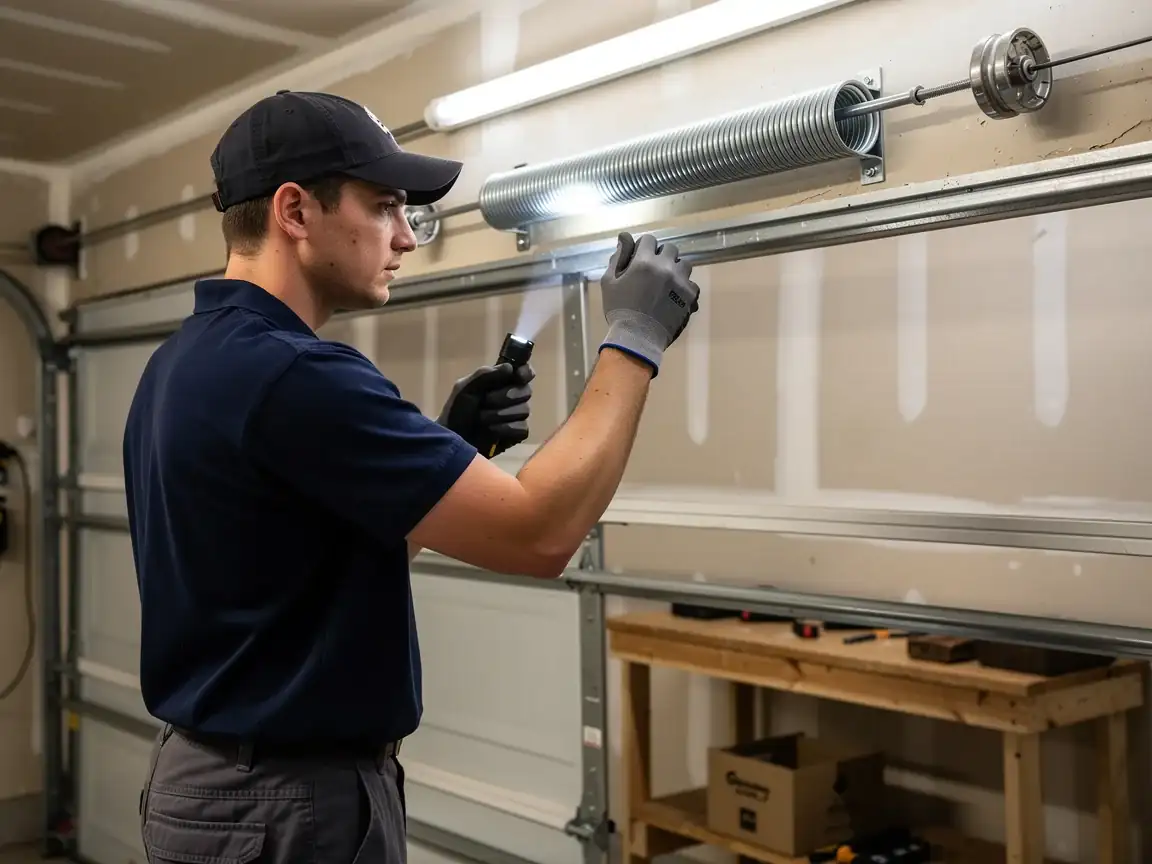
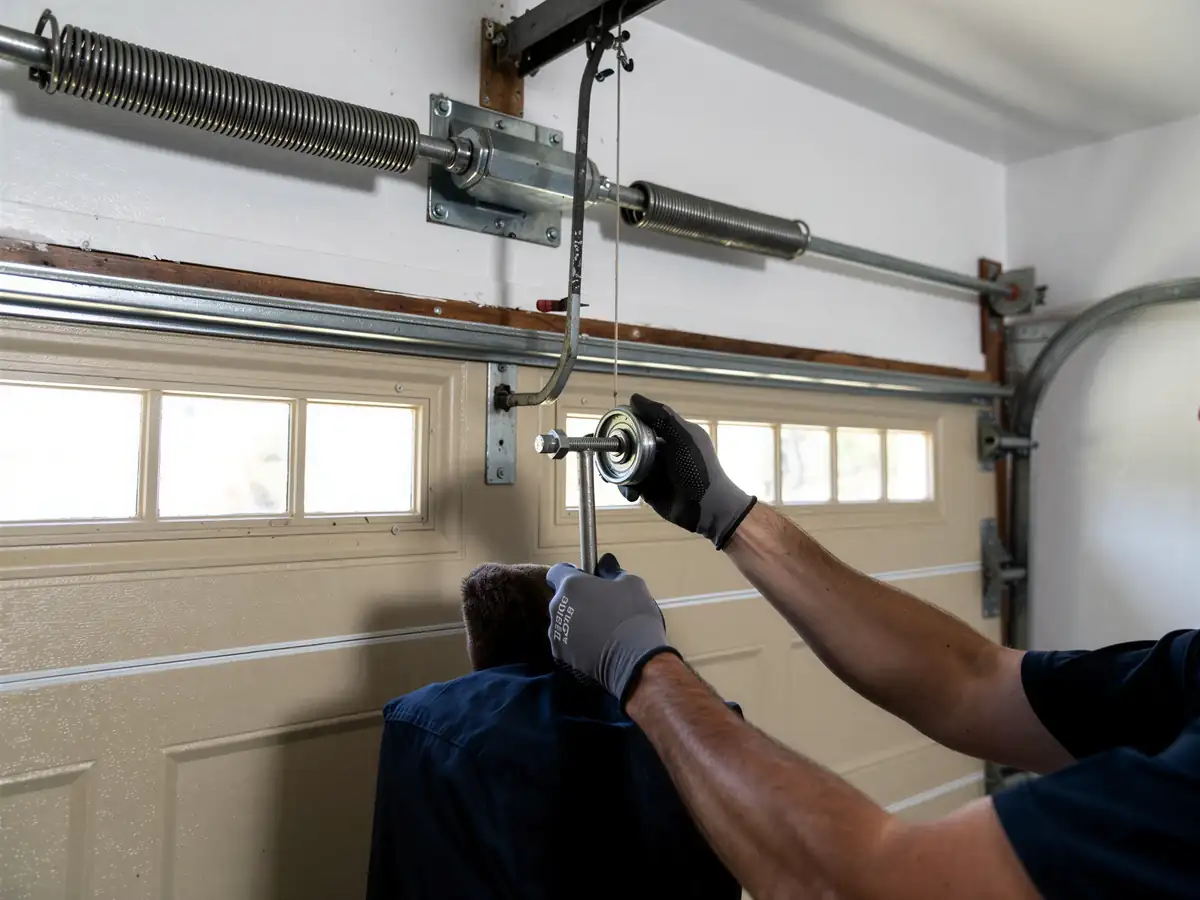
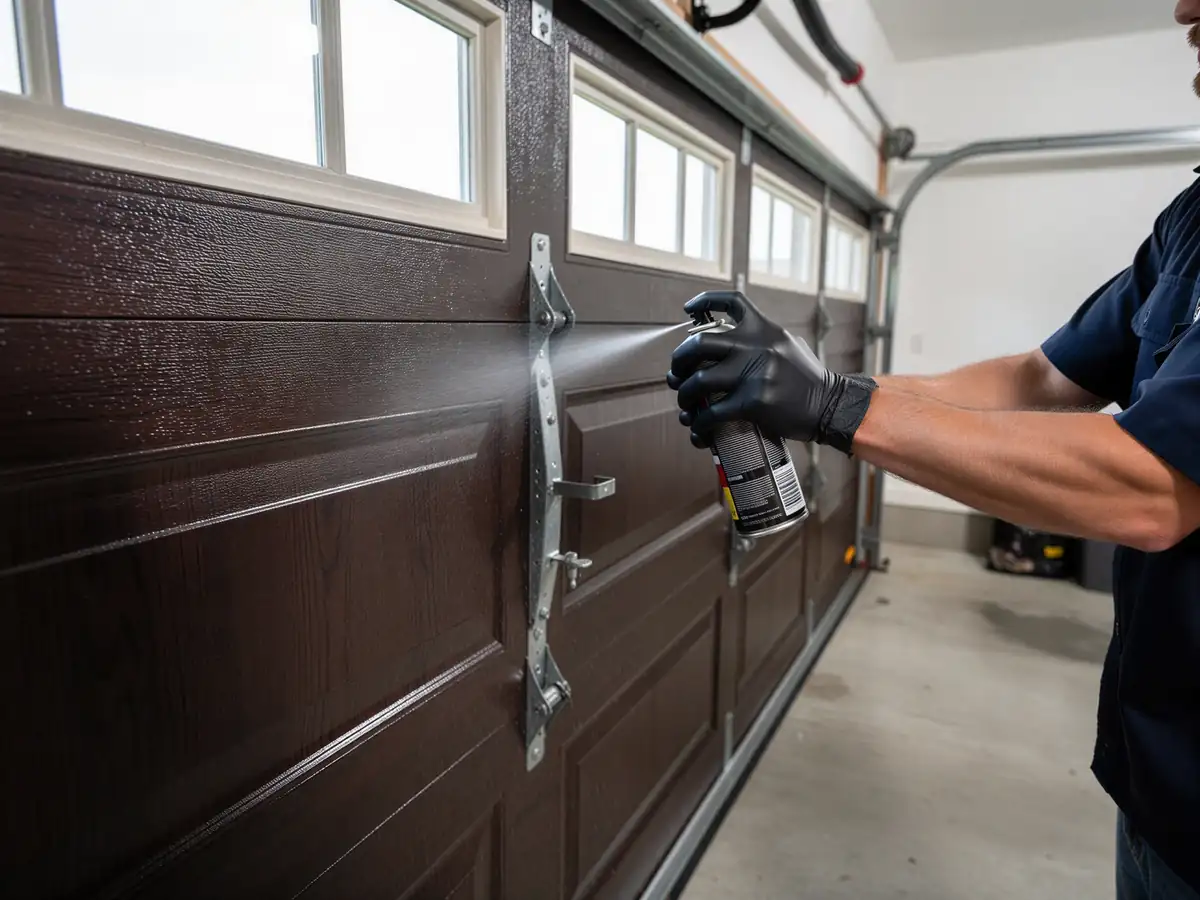
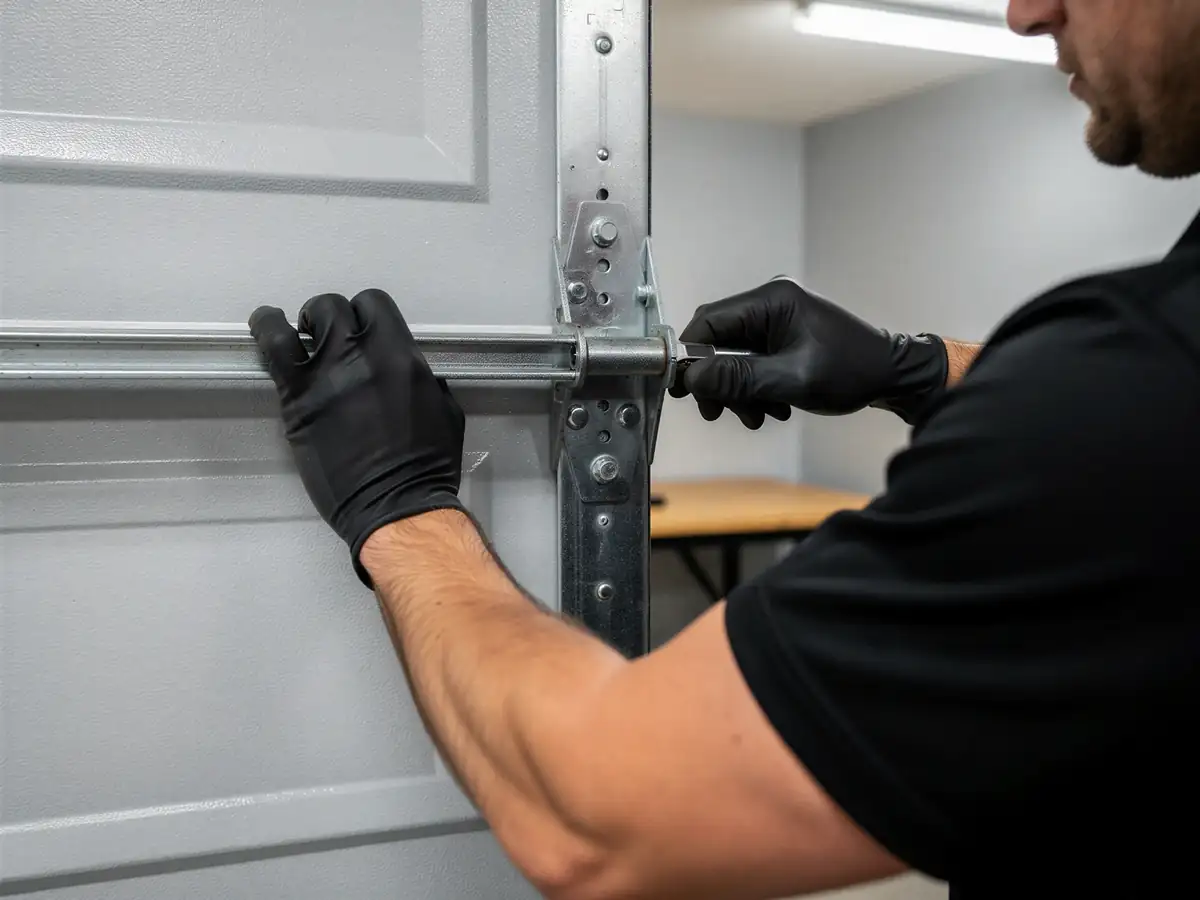
Some of this you can do yourself and some of it will put you in the ER. Lubricating hinges, tightening loose hardware, clearing the track, swapping a photo-eye sensor - fine, go ahead. A torsion spring under tension is not on that list. Not because we're protecting work, but because a spring at full wind on a door this old carries real force, and the winding bars and gauge you need for a 1979-era system aren't the ones sold at the hardware store for current doors.
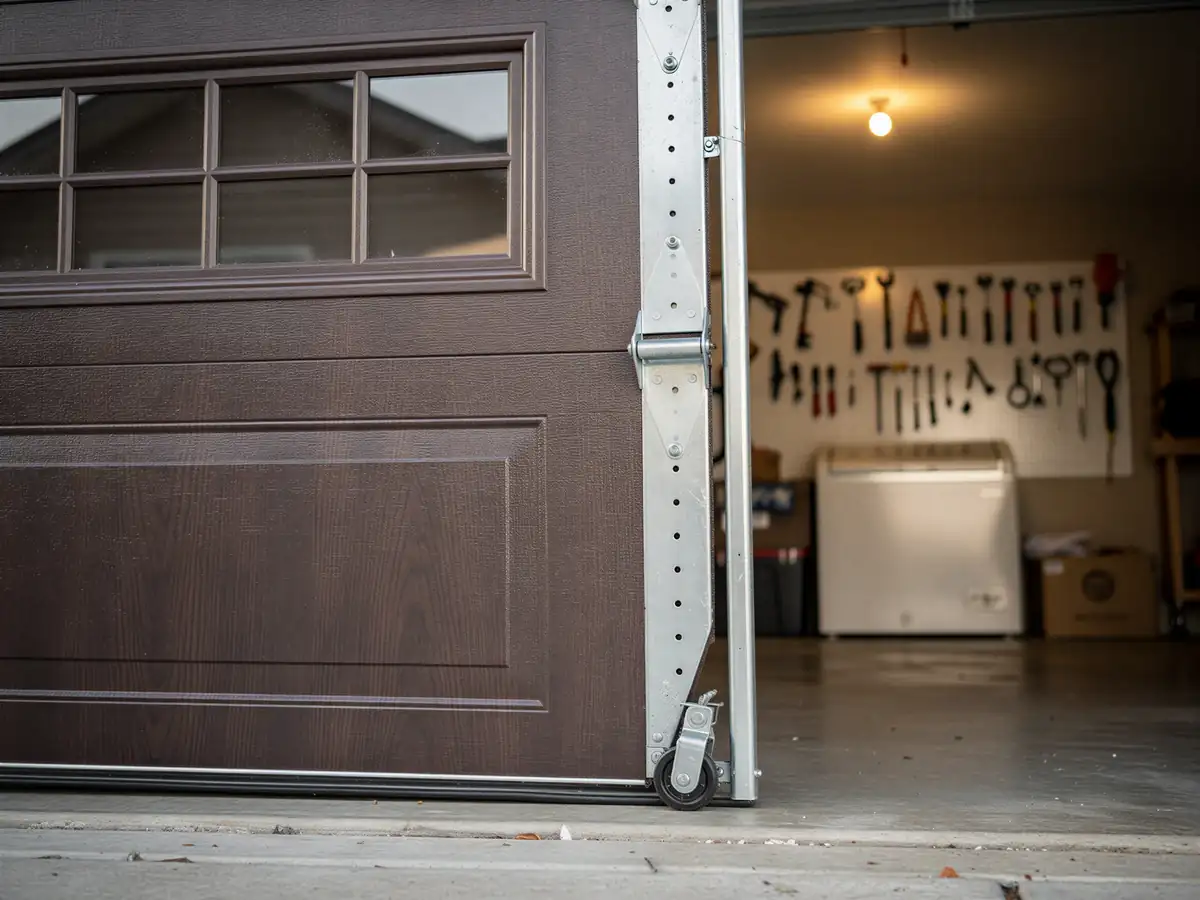
We'll also say this plainly: if your door is original to a 1979 build and the track is bent or the rollers are worn down to the steel, don't spend a Saturday trying to true it up. That kind of wear compounds - a track that's slightly off throws extra load on the cables and the opener, and fixing it piecemeal usually costs more over a year than doing it once, right.
Stocked Parts
We carry springs and rollers sized for the torsion systems common on homes built through the late 70s and 80s
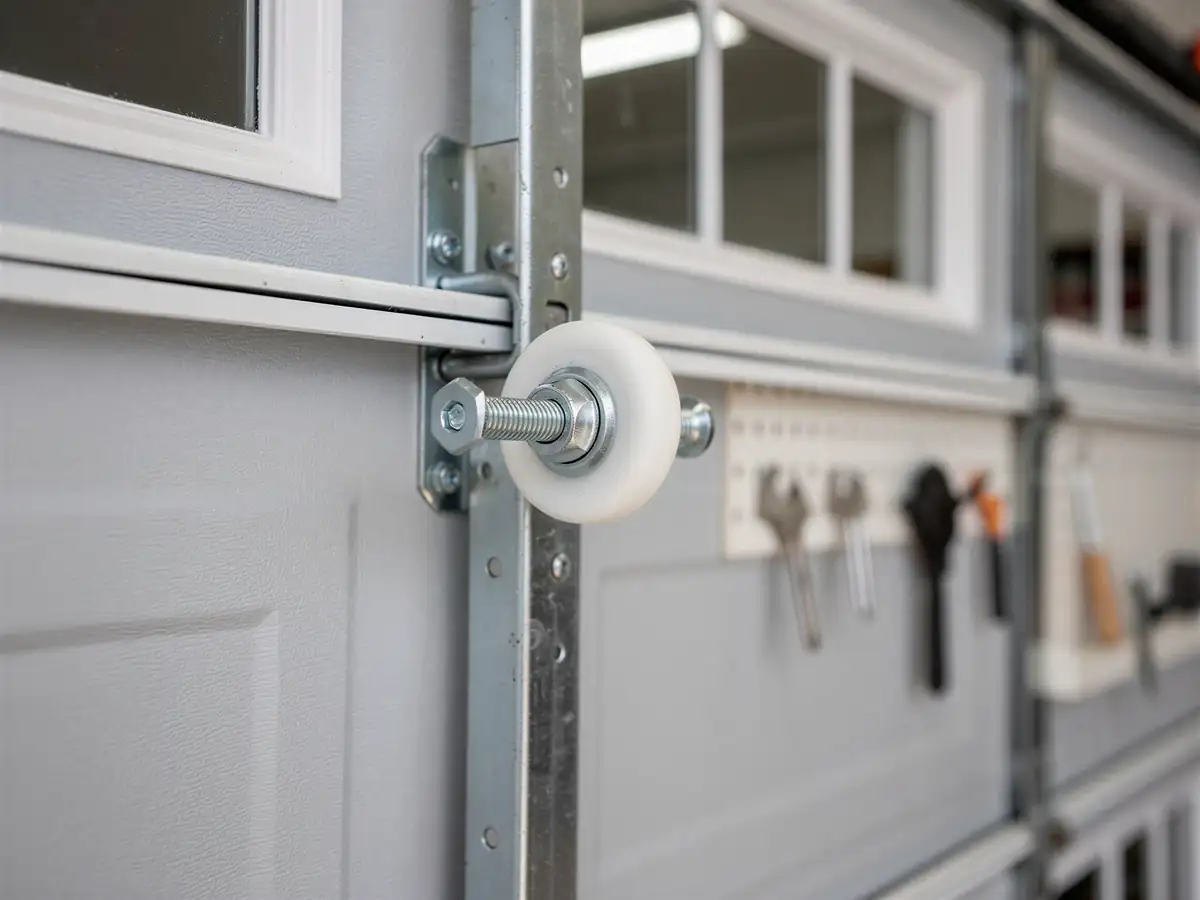
Since that's most of what we find on Evergreen calls. Standard extension springs, 1 3/4 inch rollers, and the cable gauges that match doors from that era are on the truck, not back-ordered.
Where we come up short
Some original panel sections and the specific drum sizes used on a handful of older custom installs aren't something we keep stocked, because they're not common enough across the rest of the service area to justify the shelf space. If your door needs one of those, we'll tell you on the first visit rather than let you wait on a part that isn't coming.
How We Fix It
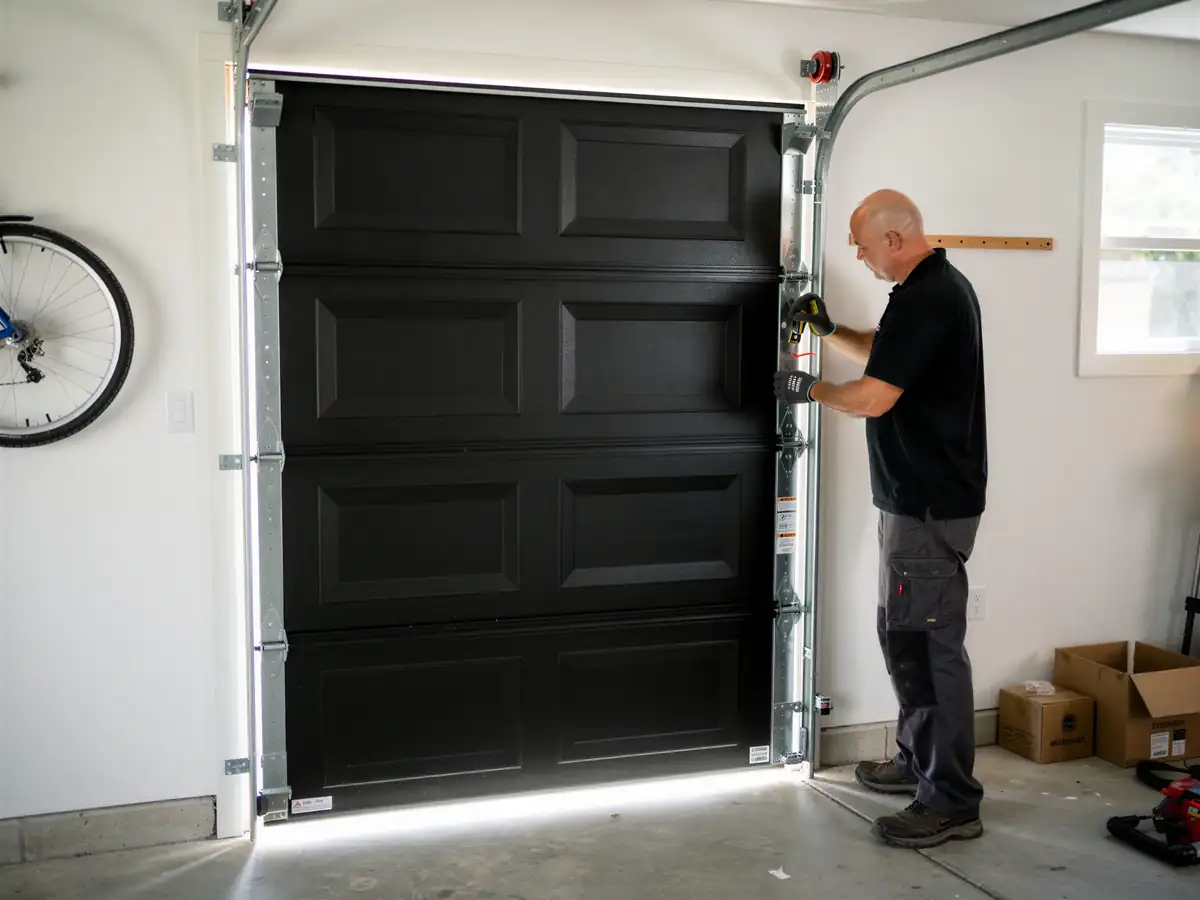
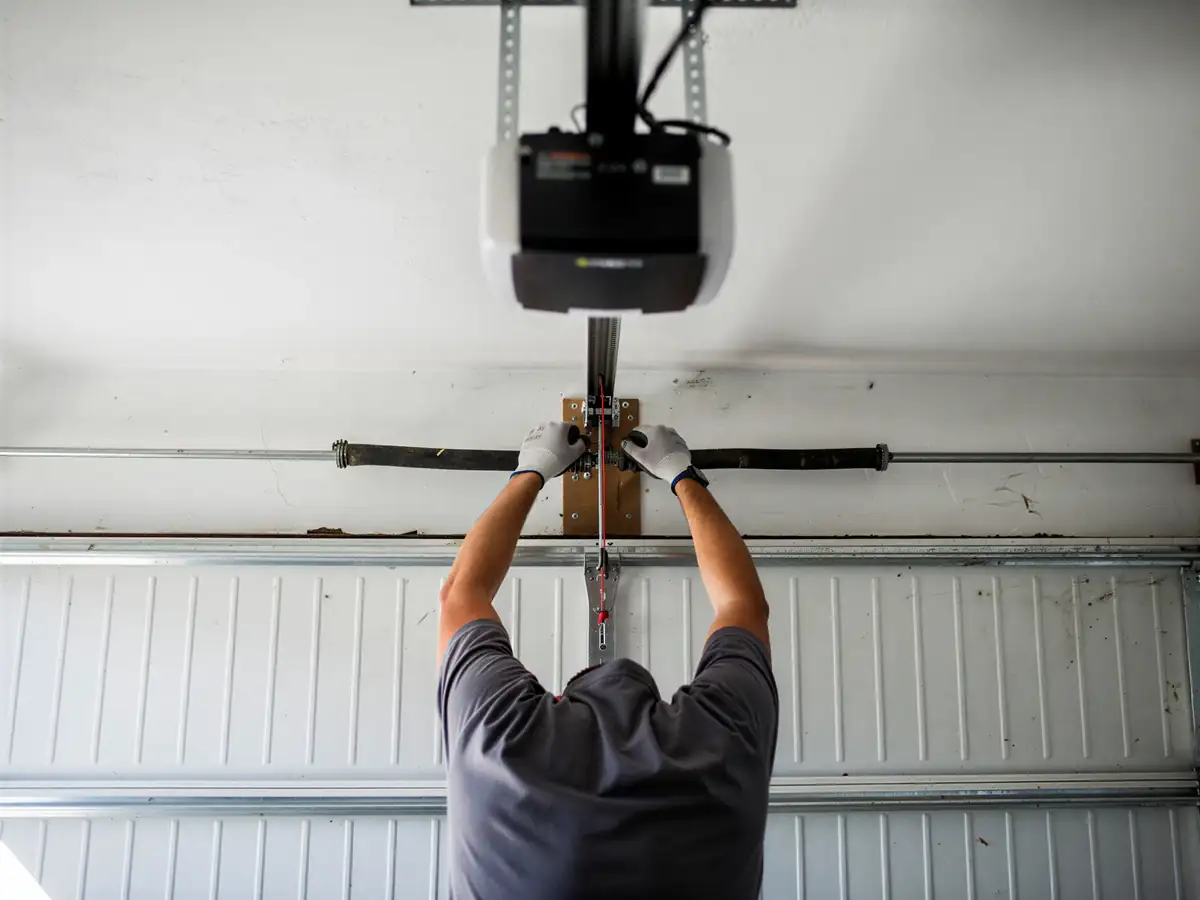
We come from Kalispell, 3 miles out, so there's no separate branch or crew based in Evergreen - it's the same team and the same truck stock that covers the rest of the area. On a call here we start by checking whether the spring tension matches what the door actually weighs, since that mismatch is the most common root cause we find on houses from this build era, not the opener itself.
From there it's balance, then track alignment, then the opener logic last - in that order, because fixing the opener first on a door that's out of balance just means it fails again in a few months. We're not going to sell you a new opener if the fix is a $30 part and twenty minutes with the winding bars.