Roller Replacement for Somers' Older Housing Stock
Somers homes date to around 1980, eight years ahead of the service area's 1988 median. That gap changes which rollers wear out first. Here's what that means for your door.
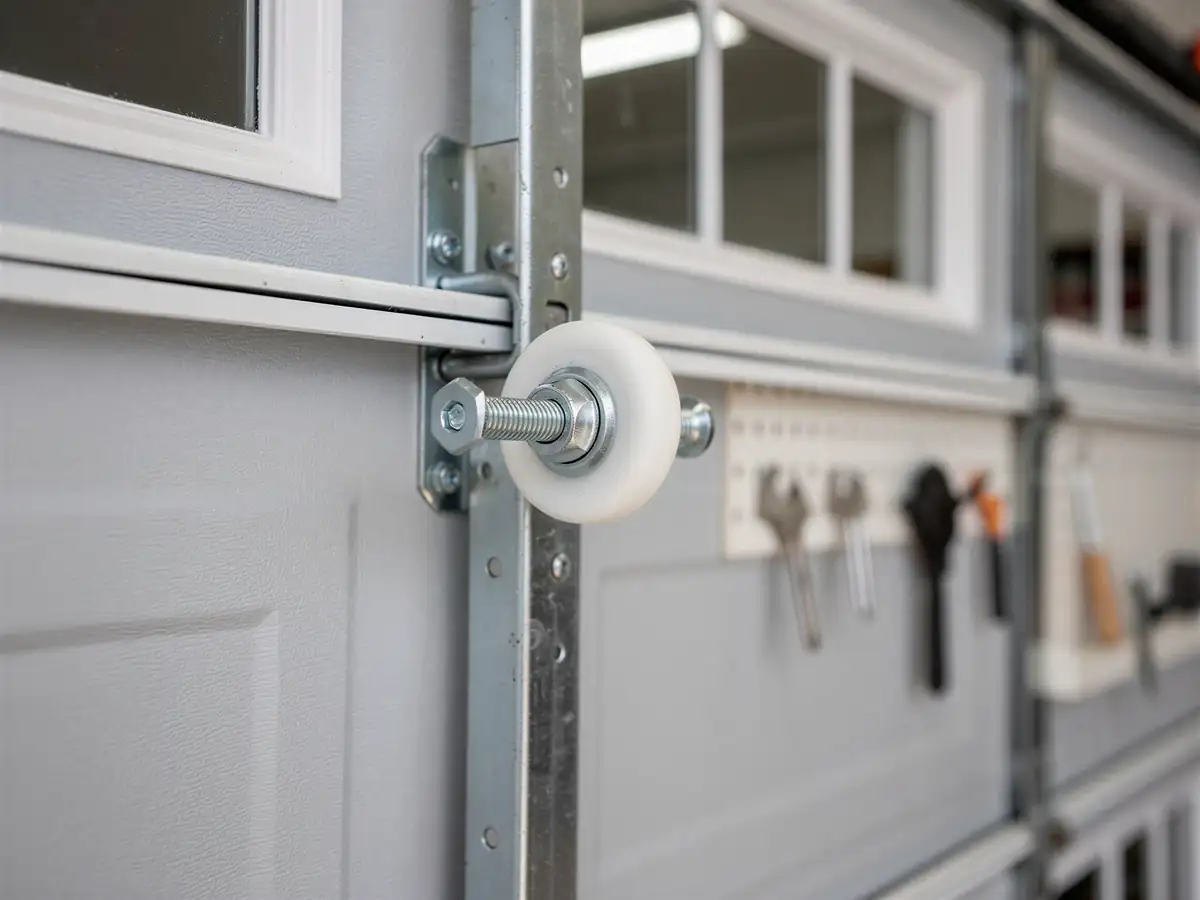
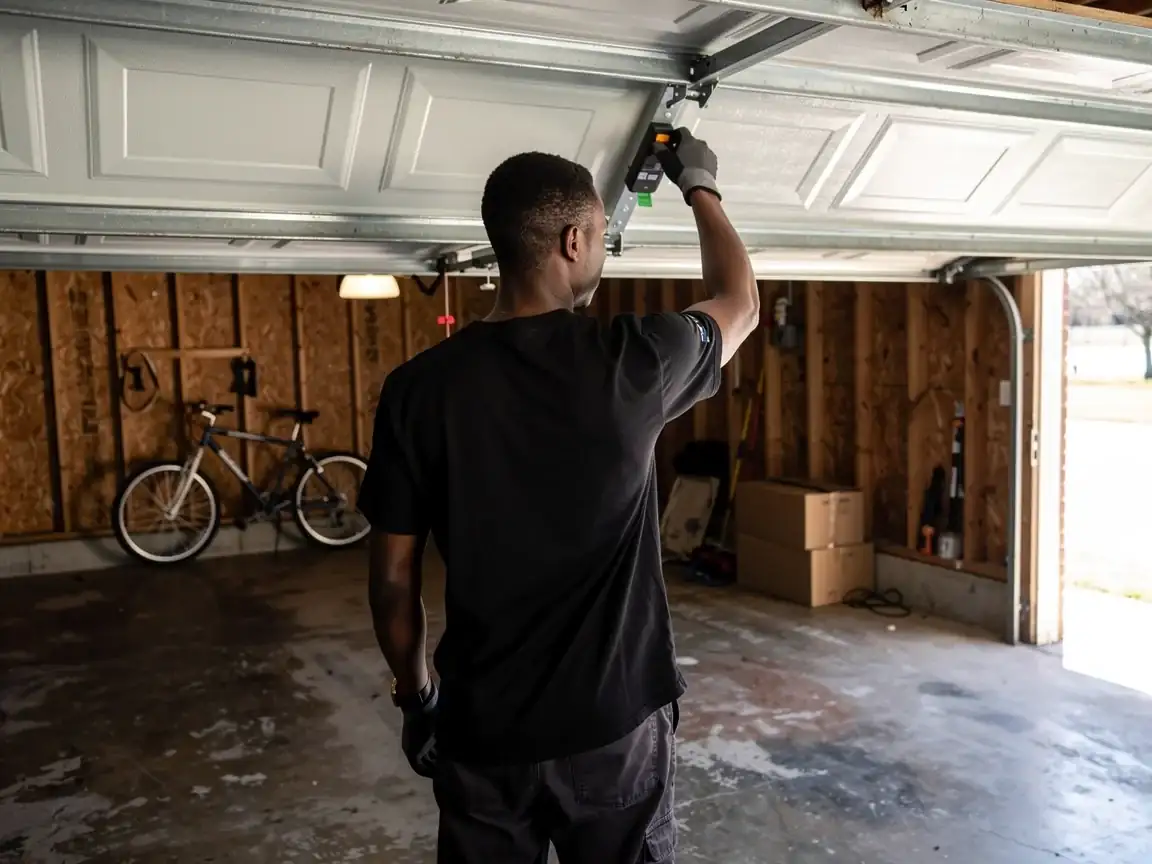
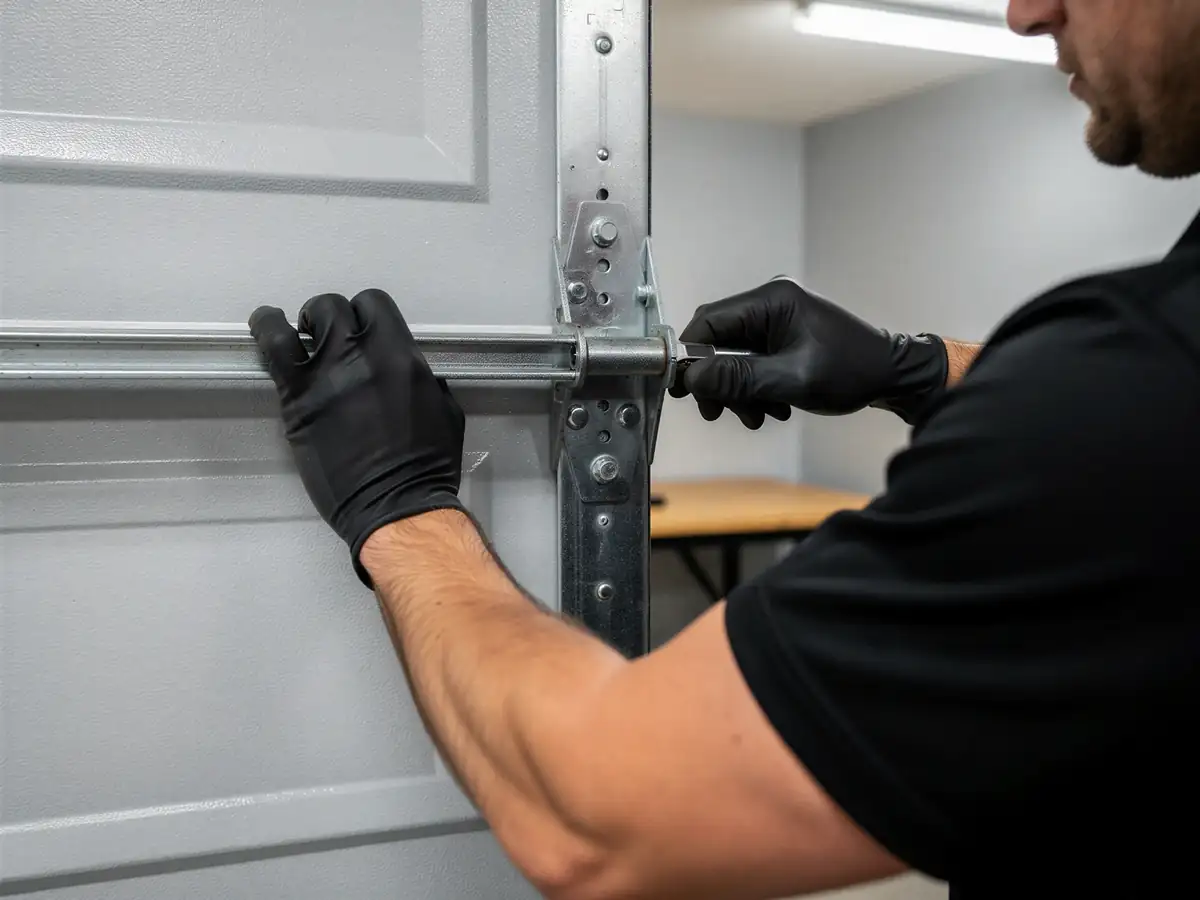
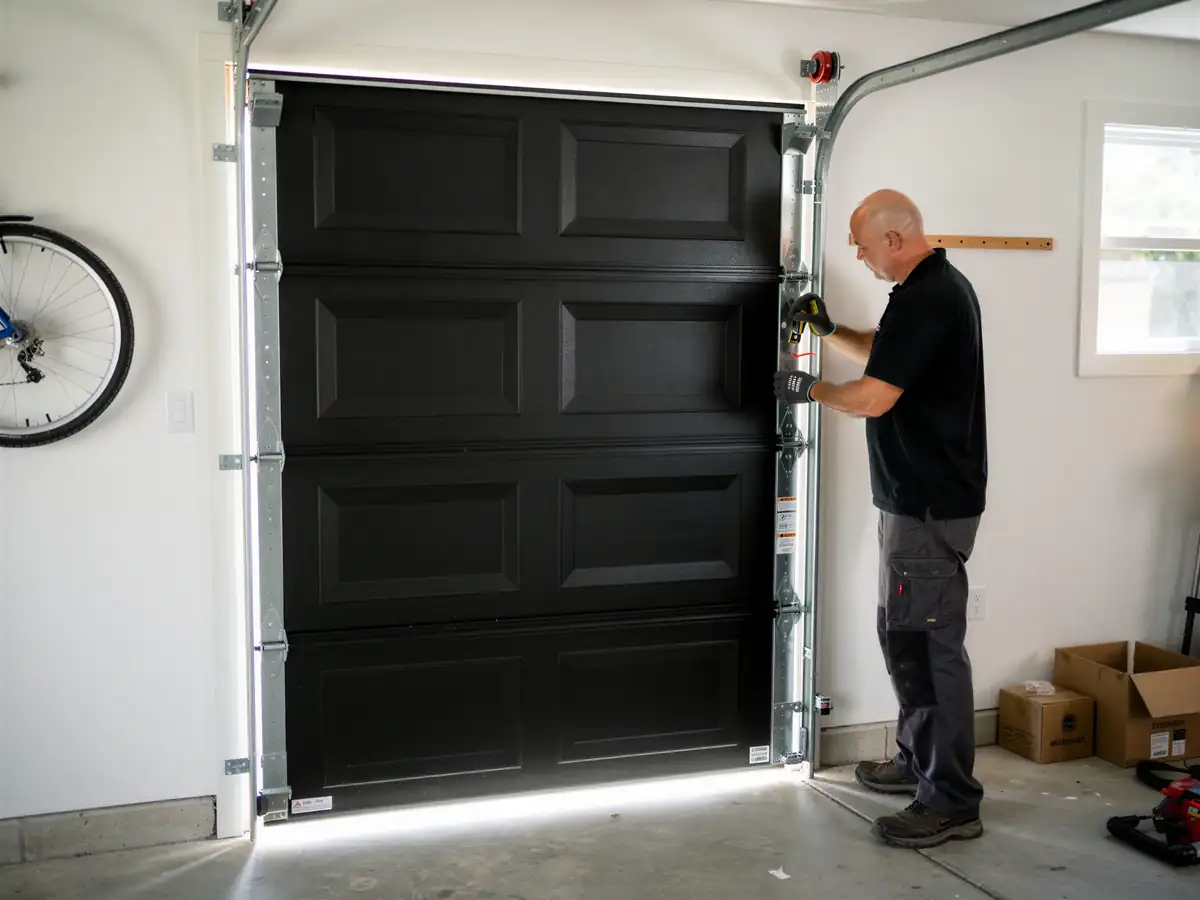
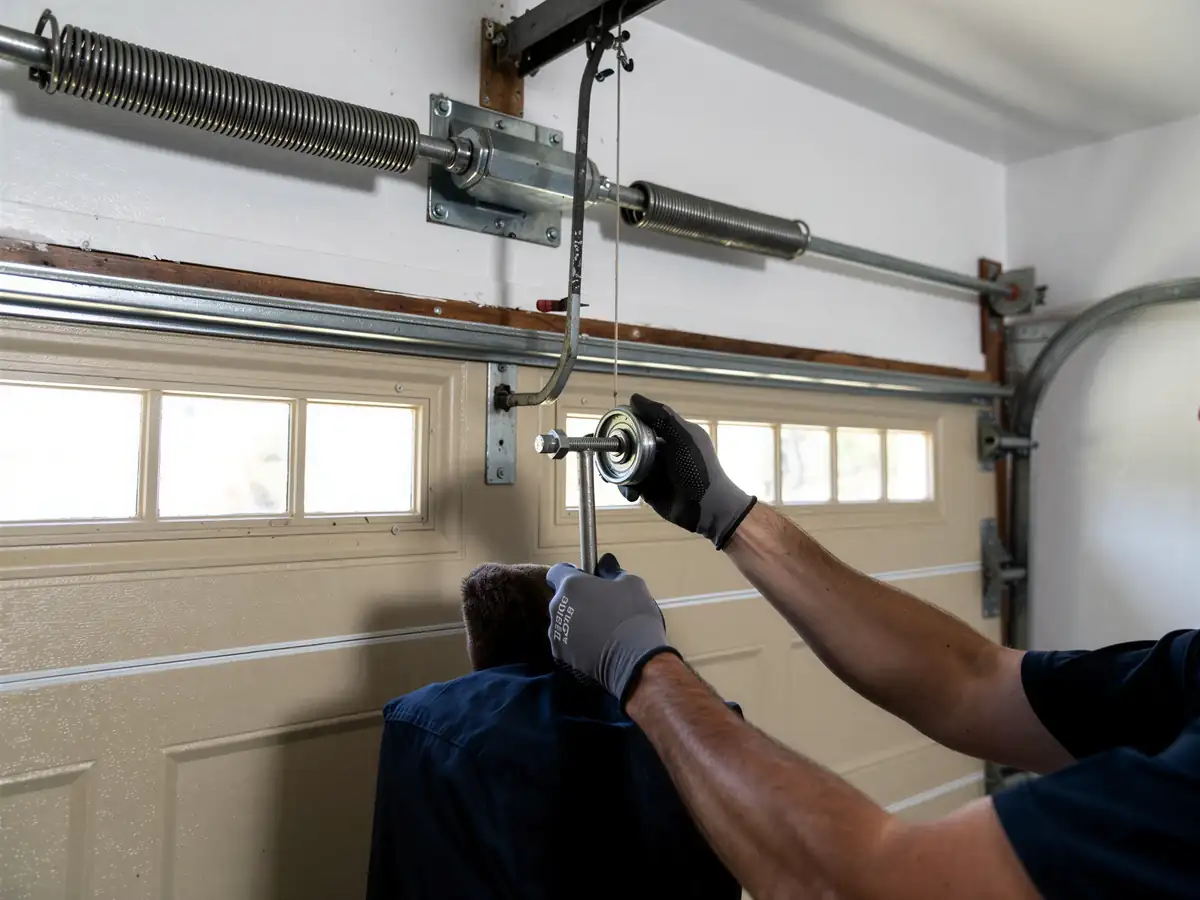
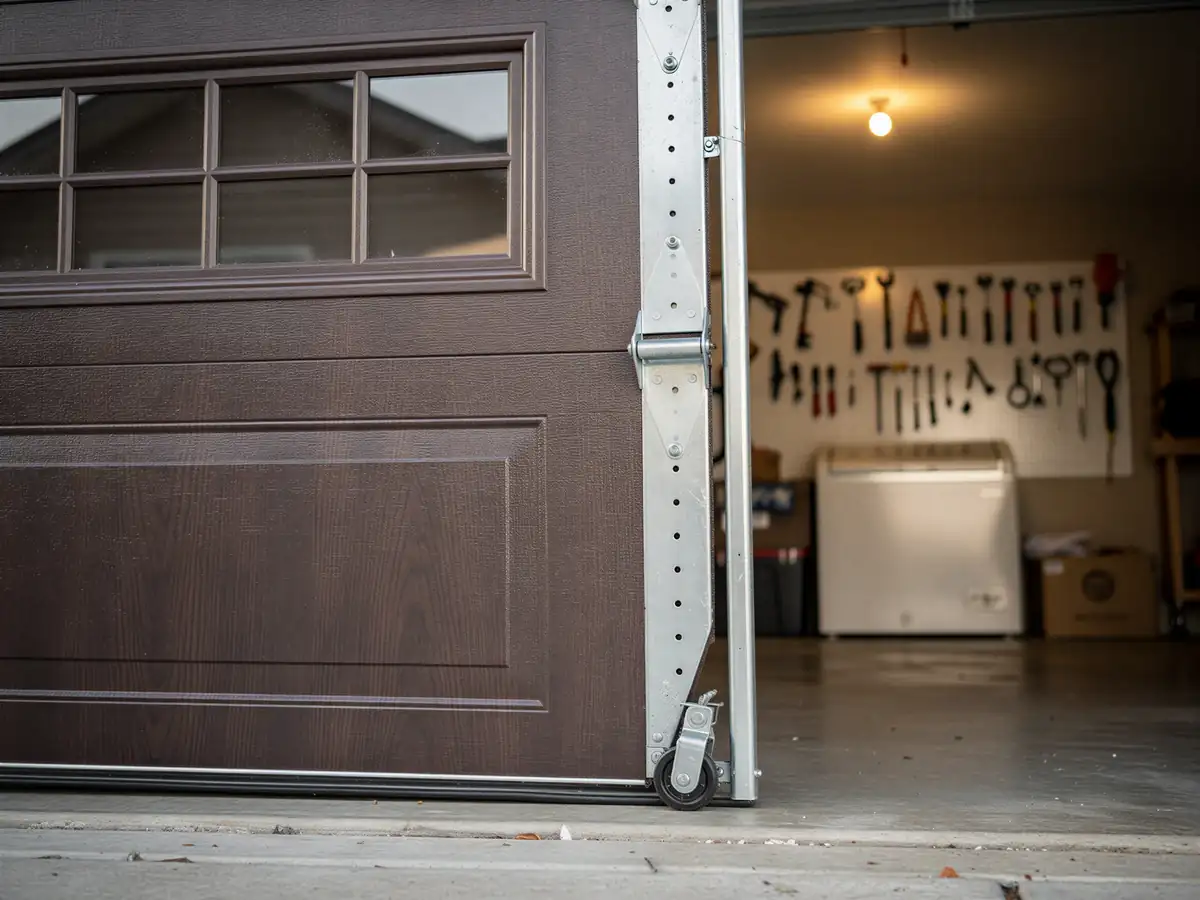
Swapping a worn roller sounds simple, and on a newer door it mostly is: release tension, slide the roller stem out of the bracket, drop the new one in. The problem in Somers is that a lot of the doors here are older than the area median of 1988 - this part of the service area was mostly built around 1980, which means more of the original tracks and brackets are still in place rather than replaced hardware from a prior repair. Original brackets from that era were often sized differently than what's sold off the shelf today, and a roller that looks like a match can bind in the track or chew up the edge after a few weeks of use. If your door has 11-ball steel rollers instead of nylon, the stem length and diameter can be off enough that a DIY swap throws the door out of alignment. We're not going to tell you it can't be done - plenty of owners manage it - but if the track itself is bent or the brackets are rusted into place, that's past a roller job and into something we'd rather look at in person before you buy parts.
The Symptom
The giveaway in houses this age is usually noise that gets worse with cold, not noise that's constant. A roller that's cracked or flat-spotted will rumble or clunk as it rolls over the track seams, and in the severe cold this area sees, aged nylon rollers get brittle and chip rather than just wearing smooth the way they might in a milder climate. You'll often notice it first thing on a cold morning and then it seems to quiet down once the door's been run a few times and the material warms slightly. Steel rollers on original hardware tend to announce themselves differently - a grinding or squealing that doesn't go away with lubrication, because the bearing itself is shot, not just the roller surface. Either way, a bad roller on an older track often drags one side of the door slightly, so watch for the panel running crooked or hesitating partway up. That's the track taking damage from a roller that should have been replaced already.
Where This Job Goes Sideways
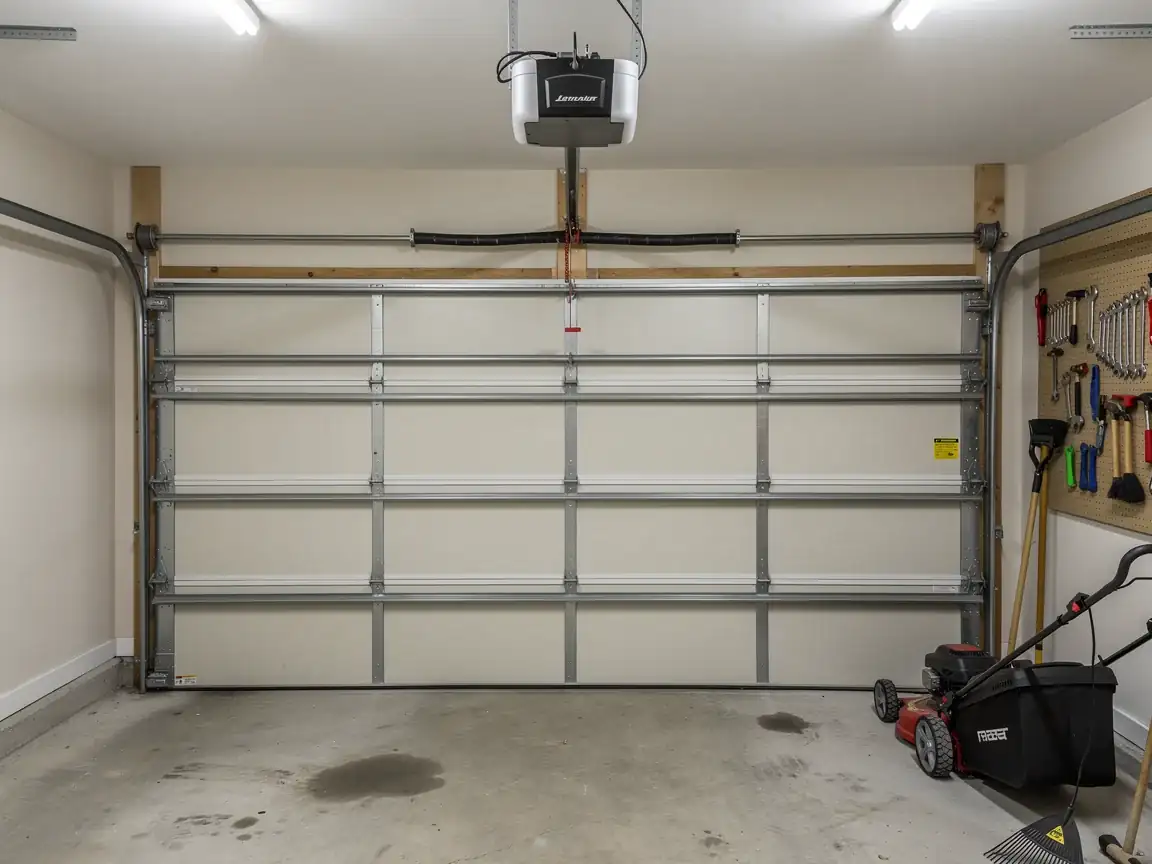
The job gets harder, not easier, on original circa-1980 hardware. Track hangers and brackets from that era are frequently a gauge or a mounting pattern you don't find in a standard hardware-store kit, so a roller that fits the stem doesn't always fit the bracket spacing. We also see track that's been bent slightly from years of a bad roller grinding against it - replace the roller without checking the track and you've fixed the noise for two weeks before it comes back. On double doors in particular, if one roller has failed the others on that side are usually close behind, since they've carried uneven load the whole time. We'll tell you straight if the fix is a full set of rollers instead of one, and if the track itself needs straightening or swapping, that's a different job than roller replacement and we'll quote it separately rather than roll it into a roller call.
Why This Fails Locally
Two things stack up against roller hardware in Somers specifically. First, the housing here skews to around 1980, ahead of the broader service area's 1988 median, so there's simply more original track and bracket hardware still in service, hardware that wasn't engineered with today's sealed-bearing nylon rollers in mind. Second, this is a severe cold climate, and repeated freeze-thaw cycling is hard on both the roller material and the grease in the bearing - grease stiffens, the roller doesn't spin freely, and it starts sliding instead of rolling, which flattens one side fast. With roughly 569 households in this part of the area, we're not out here constantly, so we lean on homeowners to catch the rumble-and-quiet-down pattern early and call before a dragging roller takes the track with it. We travel out from Kalispell for these calls, about 10 miles each way, so a roller problem is worth bundling with anything else the door needs rather than calling twice.
How it works
From “it’s stuck” to “it’s fixed”
01
Tell us what’s wrong
Describe the symptom - won’t open, loud bang, opener runs but the door won’t move.
02
On-site diagnosis
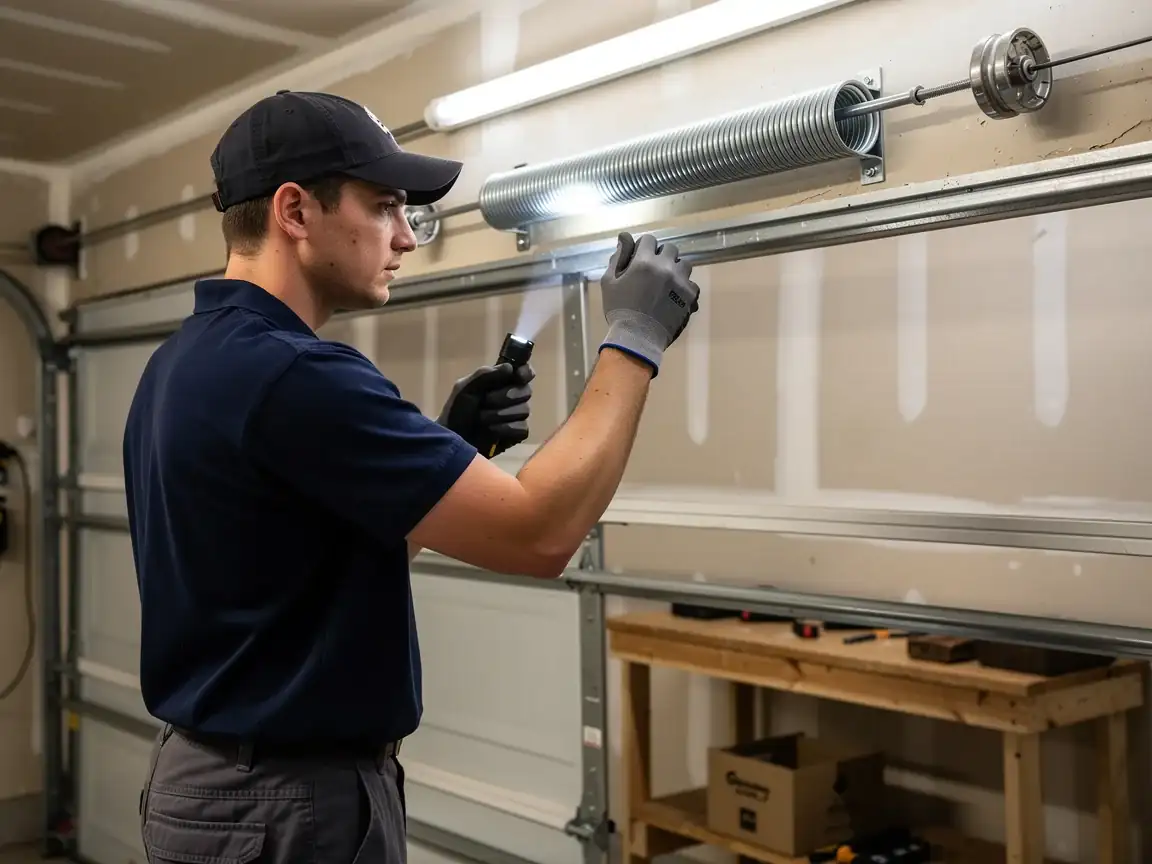
A technician tests the door under power and by hand and finds what actually failed.
03
Clear, up-front plan
You get the fix that’s needed and what drives the cost - before any work starts.
04
Repaired & tested
The repair is done, the door is set true and tested, and the work area left clean.
Not sure which repair your door needs in Kalispell, MT? Describe what it’s doing - every job starts with a diagnosis.
Are the rollers on my Somers house likely original?
If your house was built around 1980, which is typical for this part of the service area, there's a decent chance the track and brackets are original even if the rollers themselves have been swapped once before. Original brackets sometimes have different spacing than current kits, which matters if you're buying parts yourself.
Why does my door get louder in winter?
Cold makes nylon roller material more brittle and stiffens the grease in steel roller bearings, so a roller that's starting to fail will usually get noisier in freezing weather before it fails completely. That's consistent with the severe cold winters this area gets.
Do you have a shop in Somers?
No, we work out of Kalispell and drive out to Somers for calls, about 10 miles each way. We don't keep a branch or stock here, so if your job needs an unusual part we may need to confirm availability before we come out.
Is roller replacement ever the wrong fix?
Yes. If the track is bent or the brackets are rusted or pulling loose, swapping rollers alone won't hold. We'll tell you if the job is really a track repair or replacement instead, since forcing new rollers into damaged track just brings the noise back.
Ready to get your garage door sorted?
Tell us what it’s doing and where you are in Kalispell - we’ll take it from there.