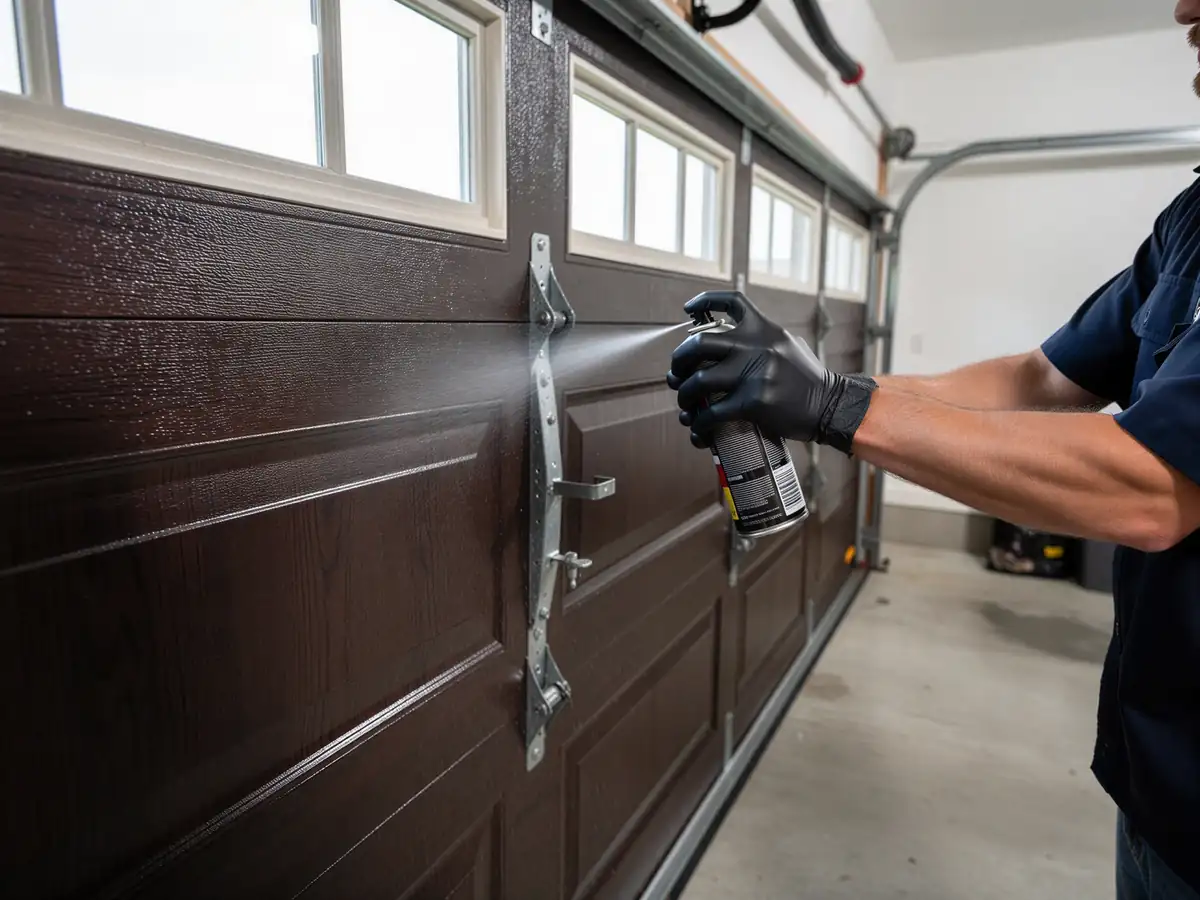
Doing It Yourself
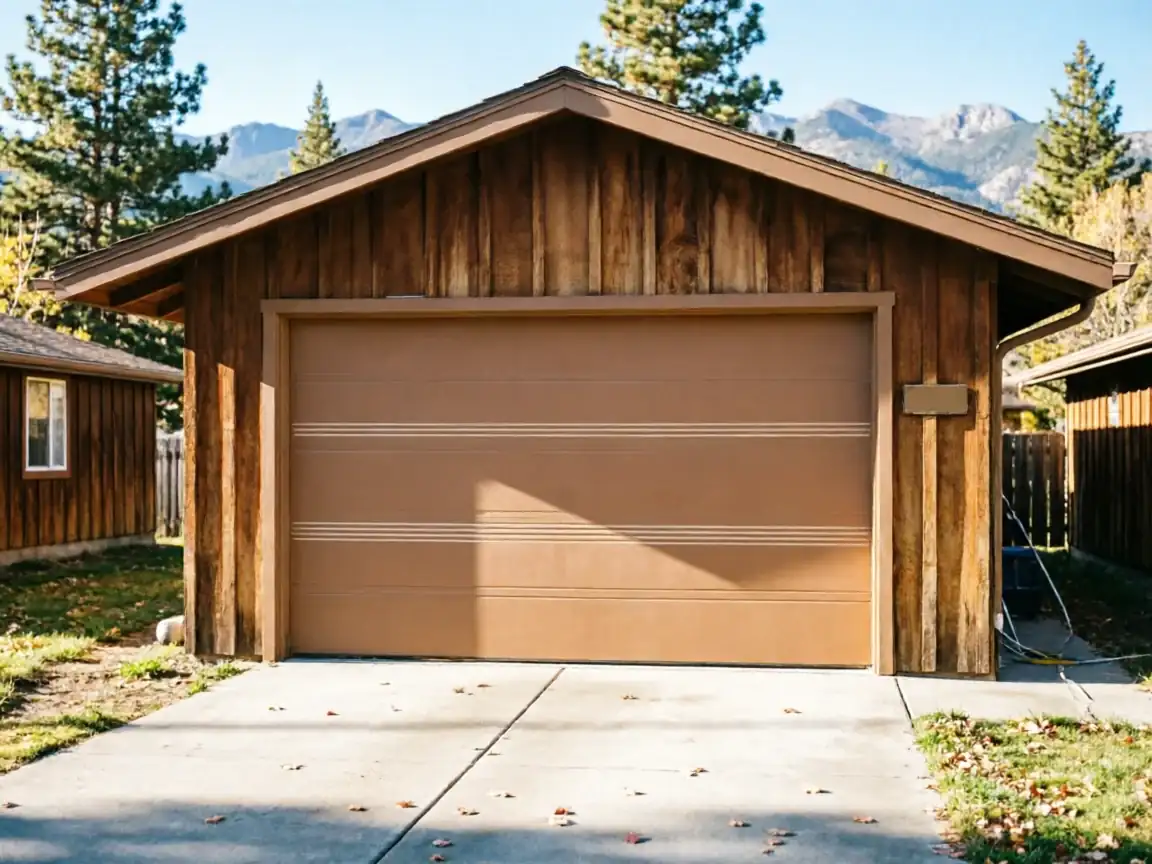
Somers is small enough that most of the off-track calls we get trace back to the same handful of door models
Not a sprawling mix. With around 569 households in town, the housing stock doesn't vary much, and a lot of those doors came in around 1980, which lines up with the broader area's 1979-2003 build window. That matters because a door off its track in a house this age usually isn't a one-off accident. It's old track brackets working loose from decades of use, or rollers that have worn down enough that the door walks sideways every time it opens.
- 569 households
You can sometimes get a door back on track yourself if a cable just slipped and the door is otherwise square
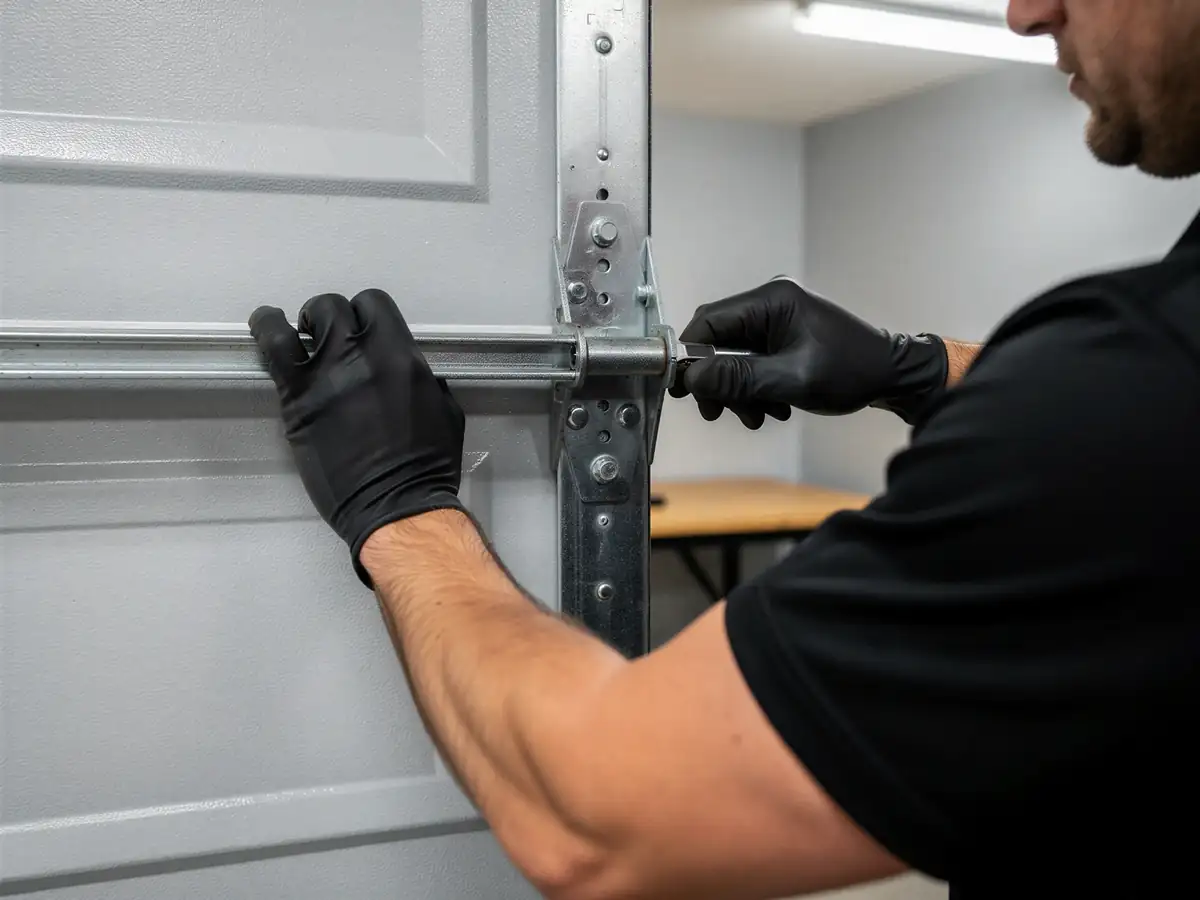
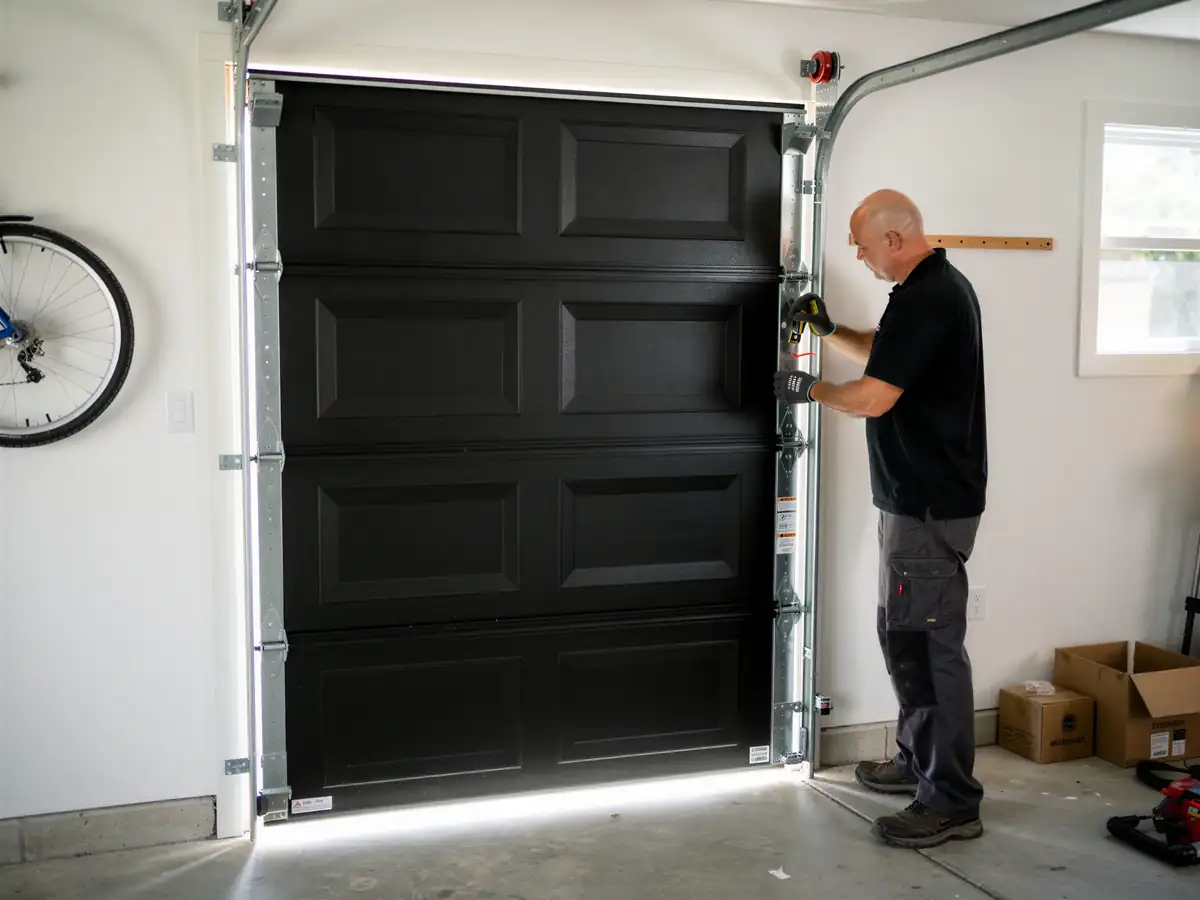
Open the door partway, check that both sides are even, and see if the roller popped out of the track without bending anything. If the track itself is bent, or the door is leaning at an angle, stop. Pulling on a door that's binding on a bent track can snap a cable or pull the opener bracket out of the header, and now you've turned a $150 job into a $600 one.
The Symptom
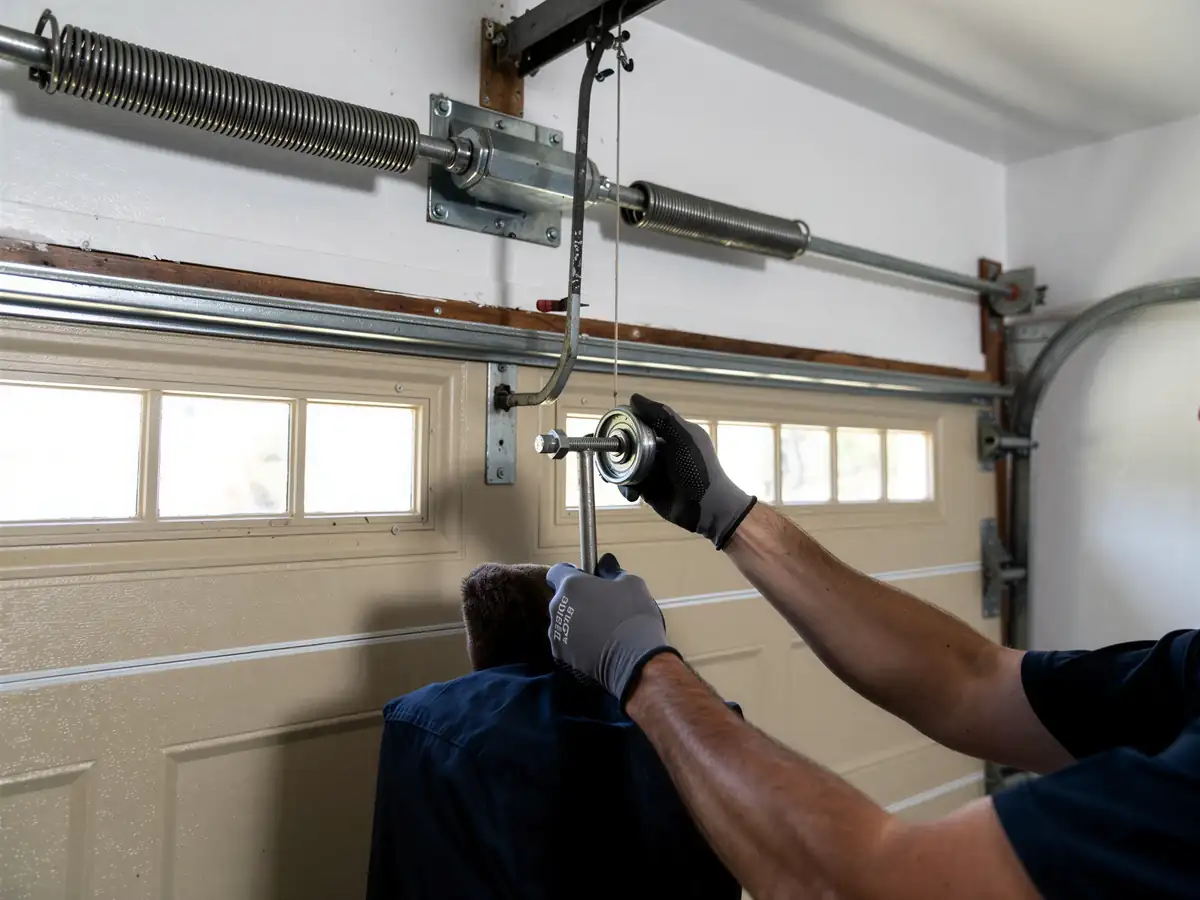
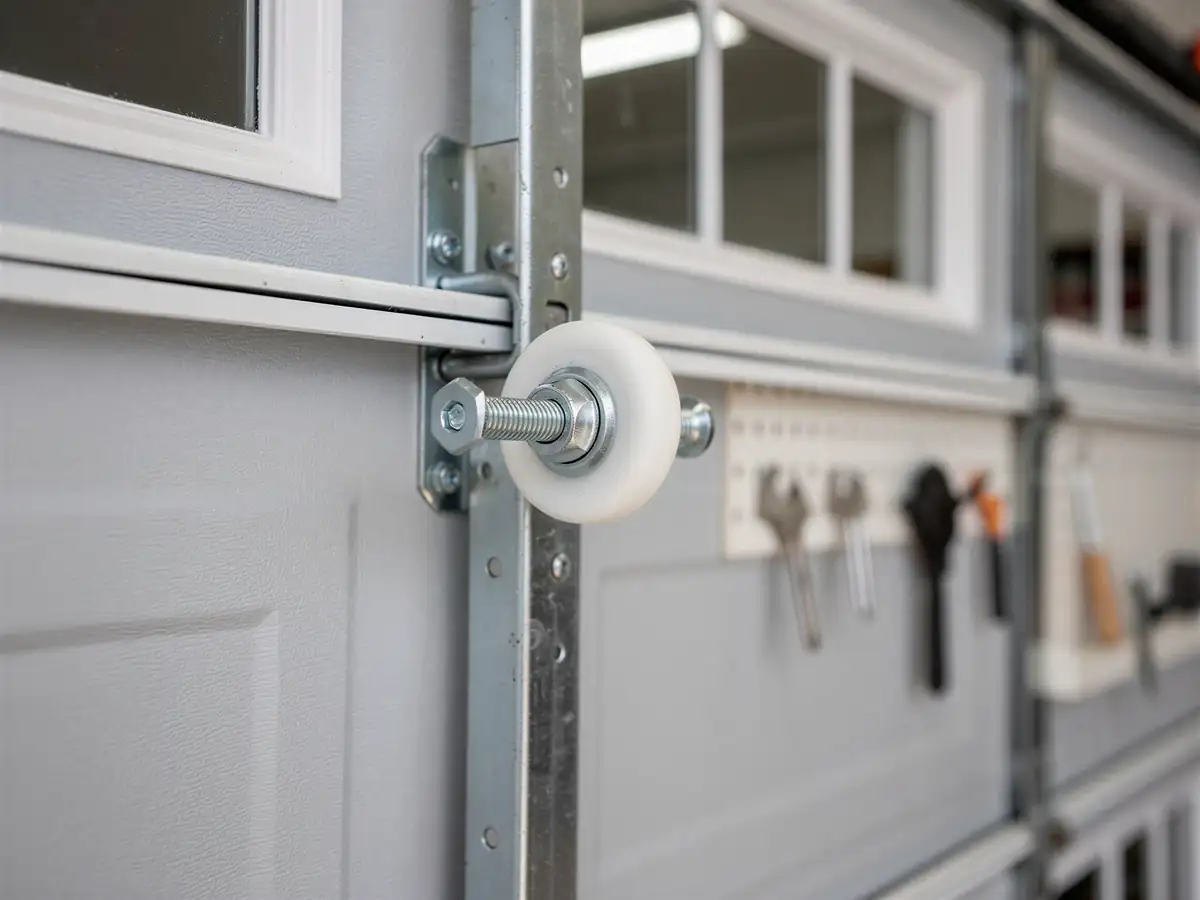
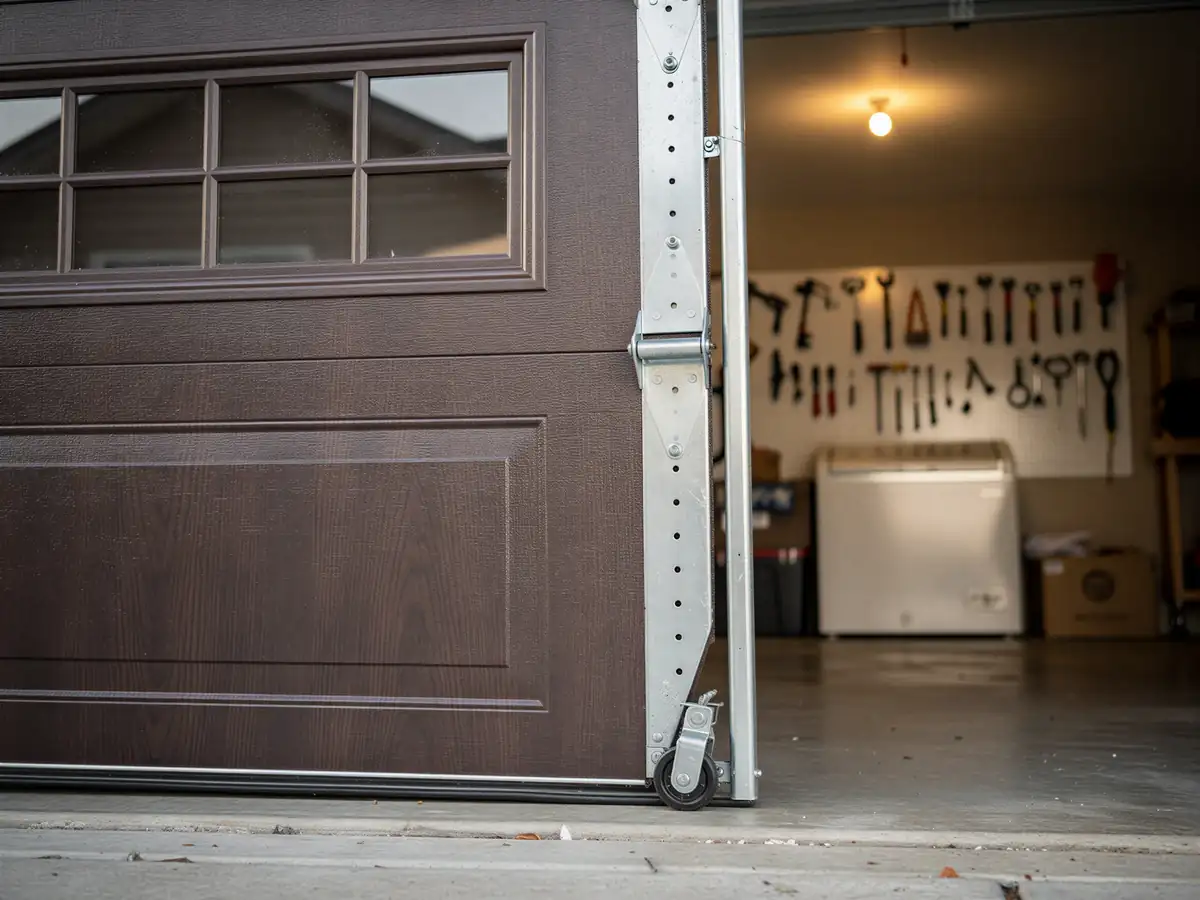
The classic sign is a door that runs crooked on one side, usually dragging or grinding as it climbs, then jumping the track near the top or bottom of travel. On a lot of Somers doors built around 1980, the roller brackets were installed with lighter-gauge hardware than what's standard now, and forty-plus years of temperature swings loosen those lag screws year over year. You'll also hear a distinct clunk right before the door comes off, which is usually the roller catching the edge of the track instead of riding inside it.
Sometimes the door looks fine sitting closed but comes off the second the opener engages. That points to the track being pulled slightly out of plumb on one side, often from a garage that's settled over the decades. It's not dramatic, just a quarter inch of lean that's enough to throw a roller clear of the rail every single cycle.
Where This Job Goes Sideways
The complication in Somers isn't the door itself, it's what the door is bolted to. A lot of these 1980-era garages were framed for a single door opening with basic header support, not built with the heavier tracks or the reinforced bracket runs you'd spec for a wider door replacement today. When a track comes loose and we go to remount it, the original screw holes are often stripped or too close together for a heavier bracket, which means repositioning or sistering in new framing before the track goes back up straight.
We're coming from Kalispell for every Somers call, about 10 miles each way, so we try to diagnose as much as we can before the truck rolls. If a homeowner can tell us whether the door catches going up or coming down, and whether it's one side or both, that narrows it down to roller wear versus a bent track versus a bracket pulling loose, and we bring the right parts instead of guessing on-site.
Why This Fails Locally
This is cold-climate country, and that's not just a line about winter being rough
Cold, severe-climate conditions mean steel brackets and track sections contract more over a Somers winter than they would somewhere milder, and that repeated contraction is what works lag screws loose in framing that's been there since 1980. It's a slow mechanical fatigue, not a single failure, which is why off-track issues here tend to show up gradually, a little more play each season, until one cold morning the door finally jumps the rail.
With median household income in Somers around $56,501
We see plenty of owners choose a targeted track and bracket repair over a full door replacement, and for a door that's otherwise sound, that's usually the right call. Where it isn't the right call is when the door panels themselves are warped or the track is bent in more than one place - at that point you're paying to fix the same symptom twice. We'll tell you straight if that's what we're looking at instead of just replacing parts.