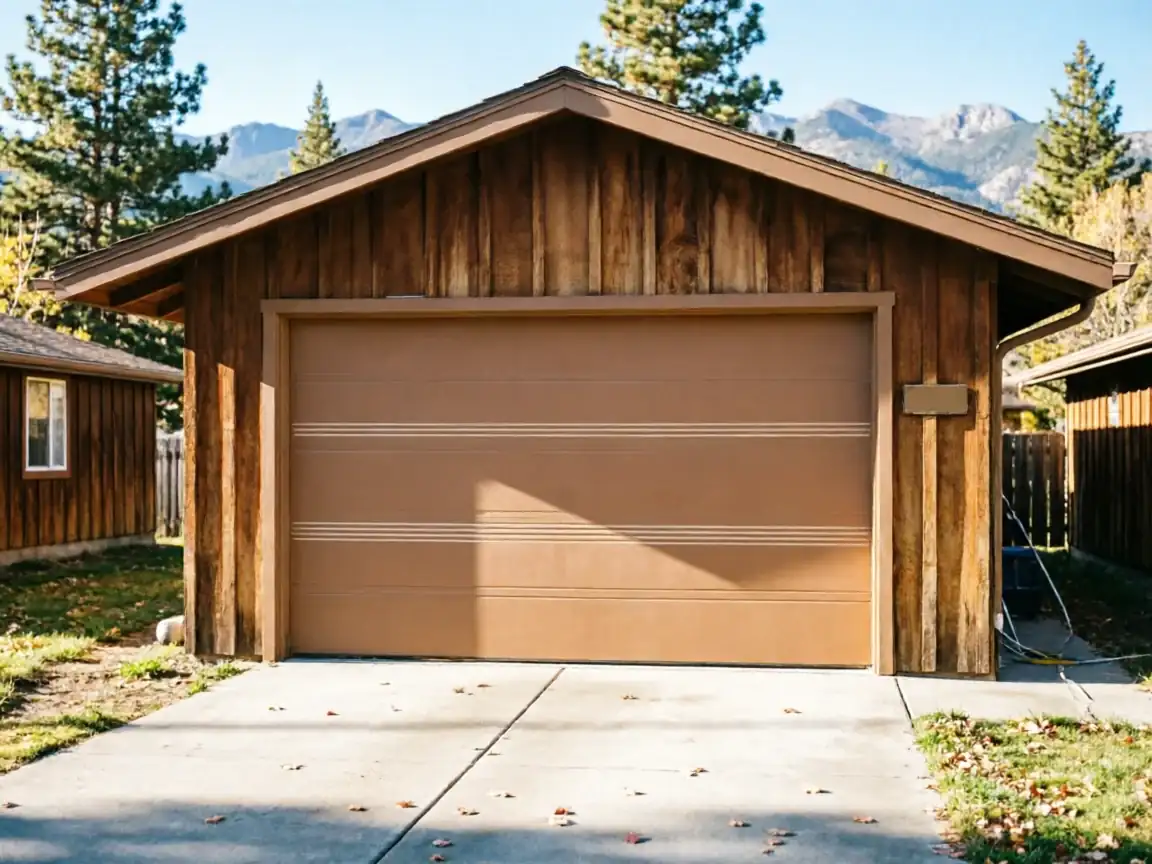
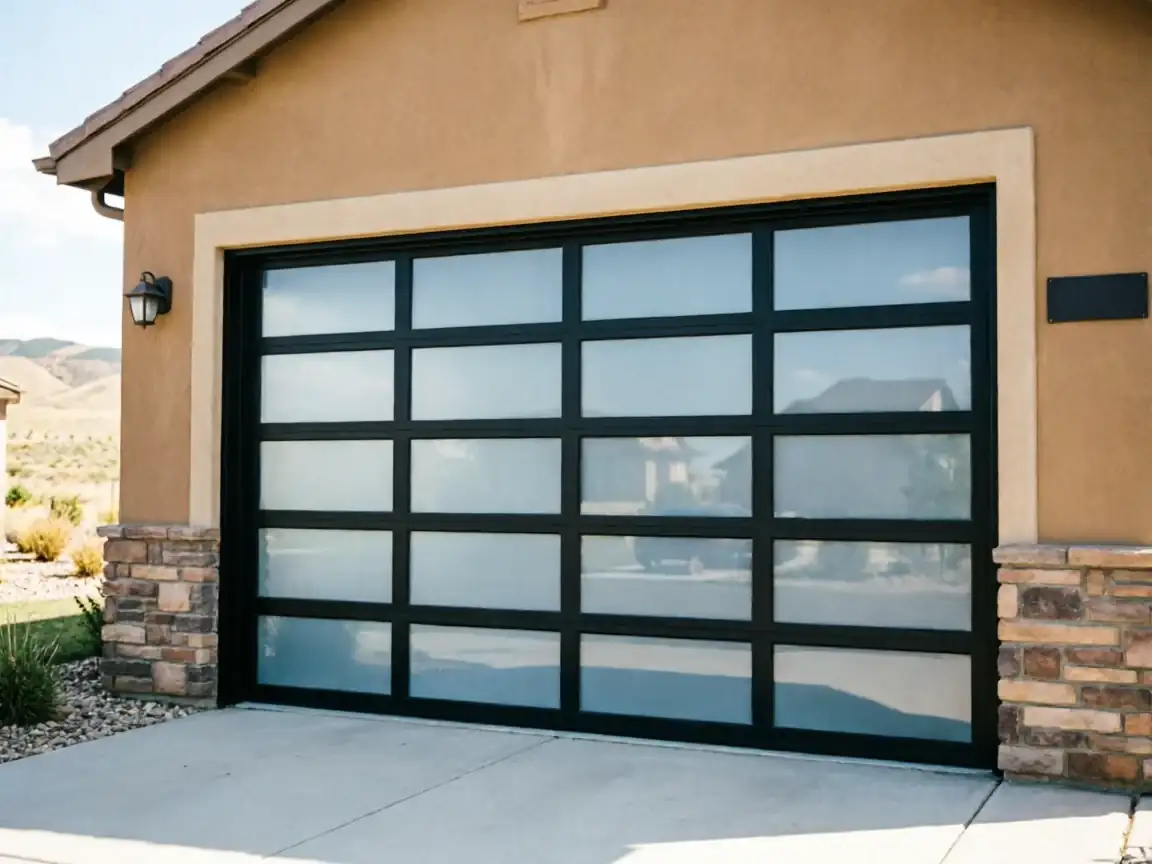
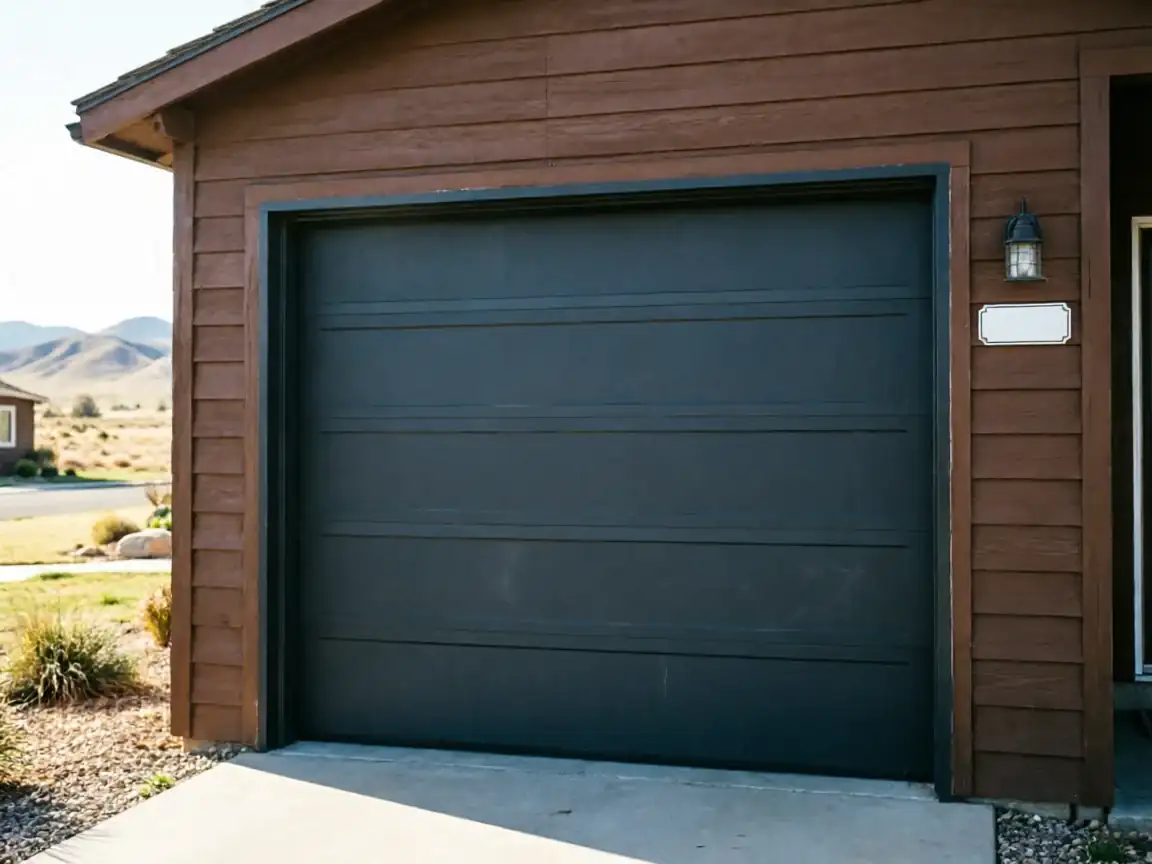
Somers homes mostly date to 1980, which means steel panel doors and original hardware built for a milder spec than Montana winters now demand. We cover Somers from Kalispell, 10 miles out.
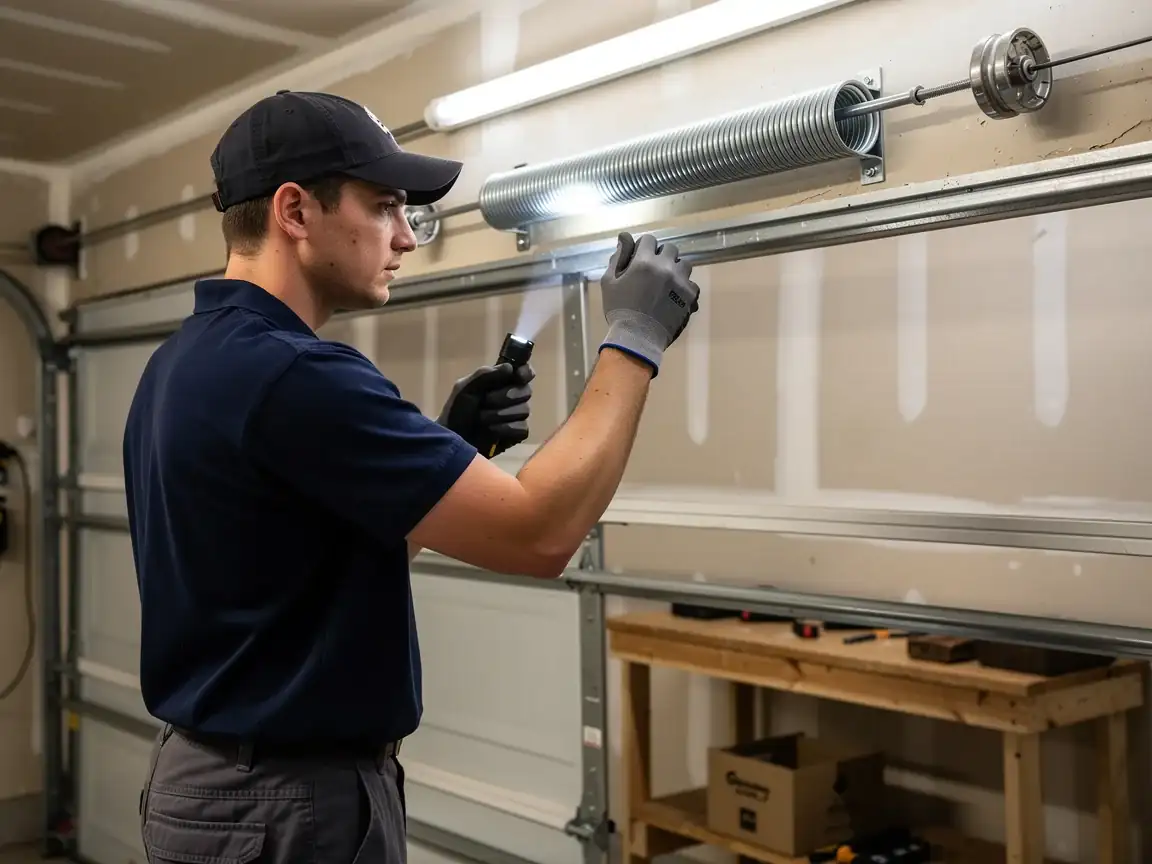
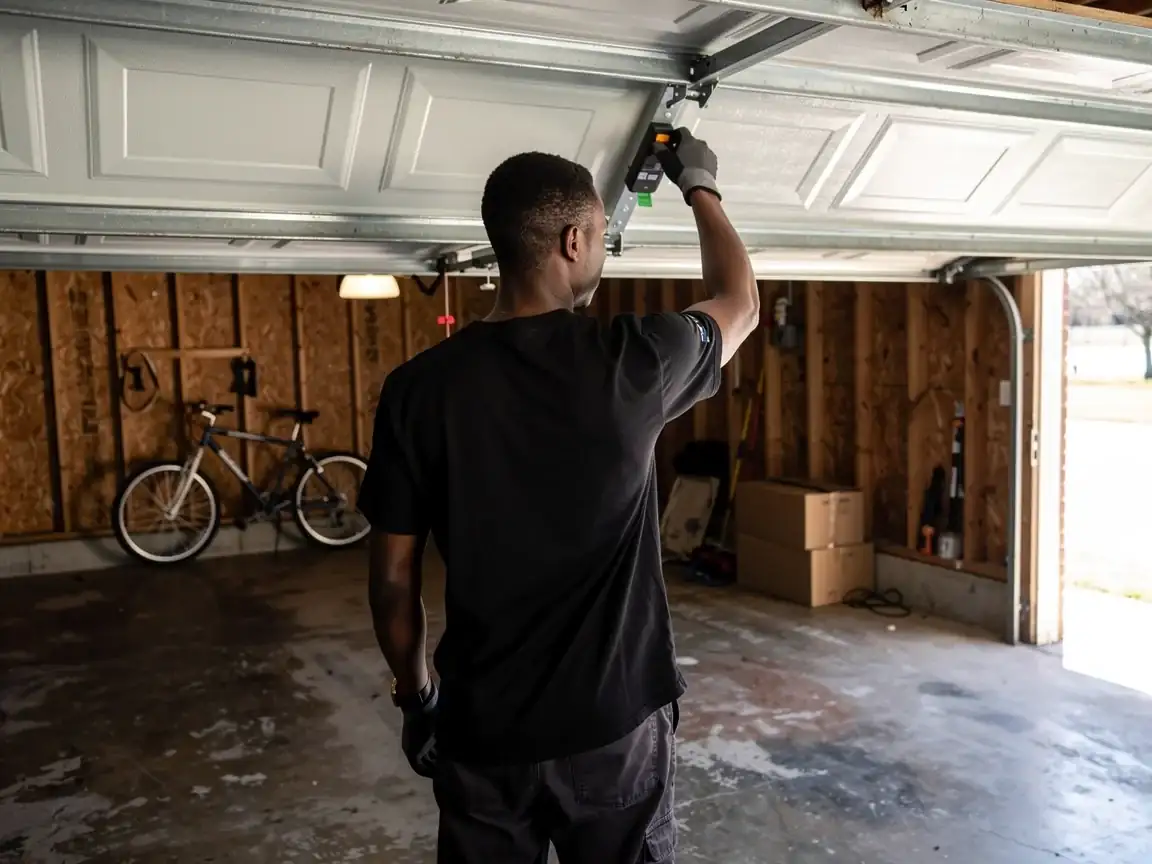
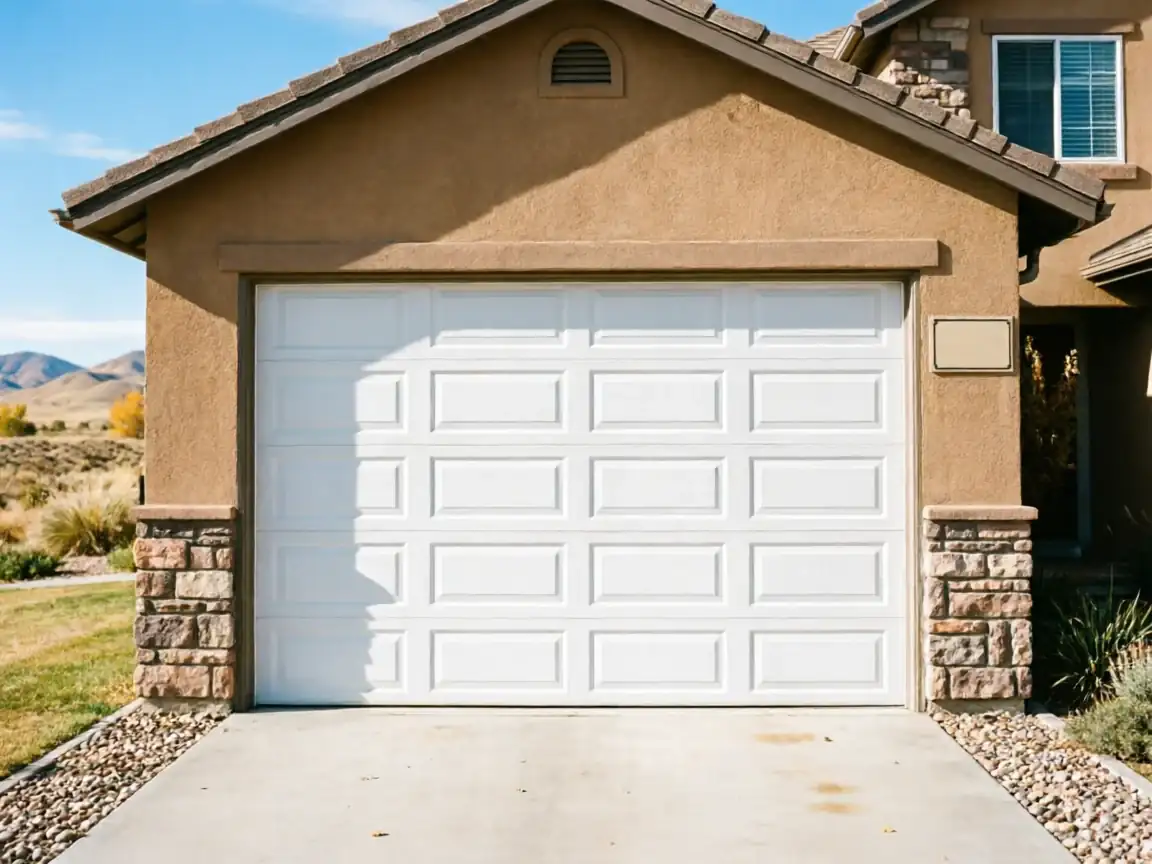
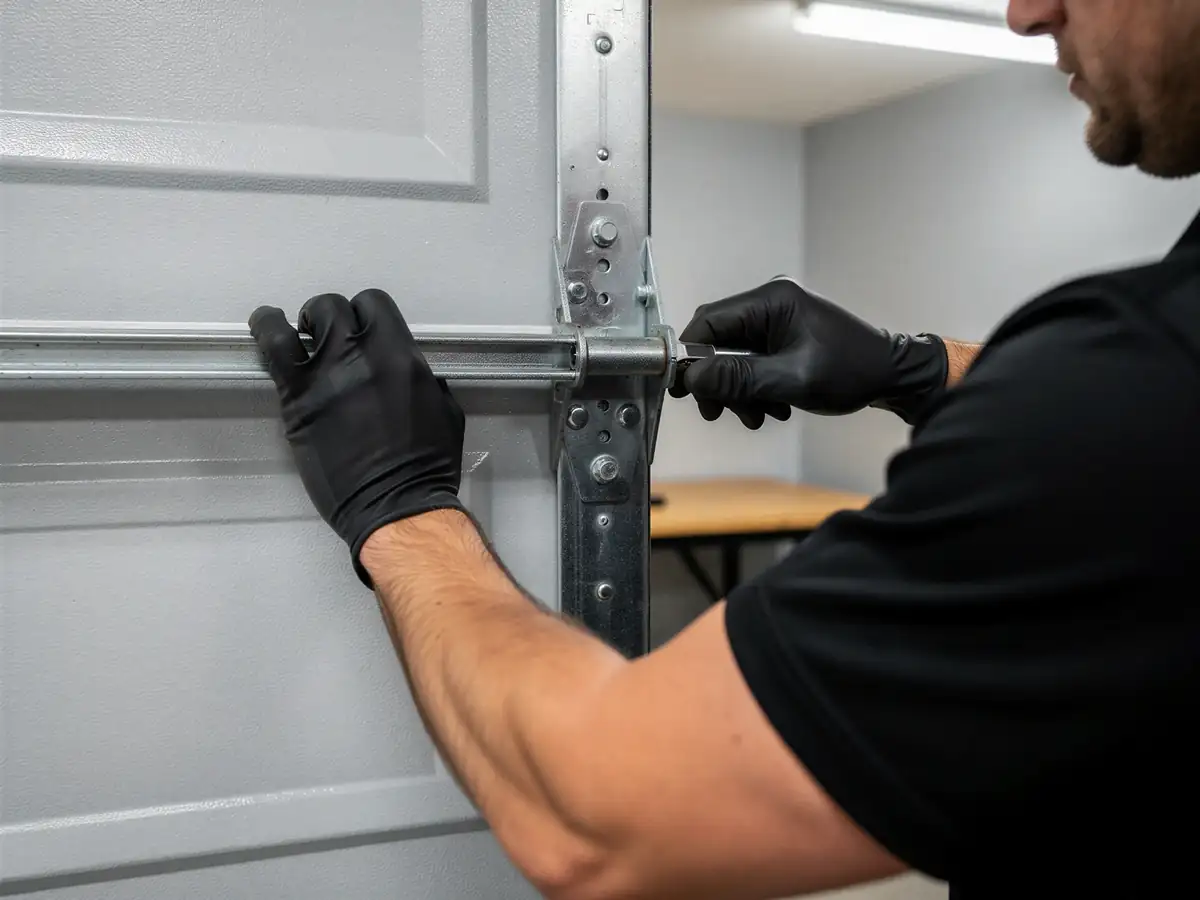
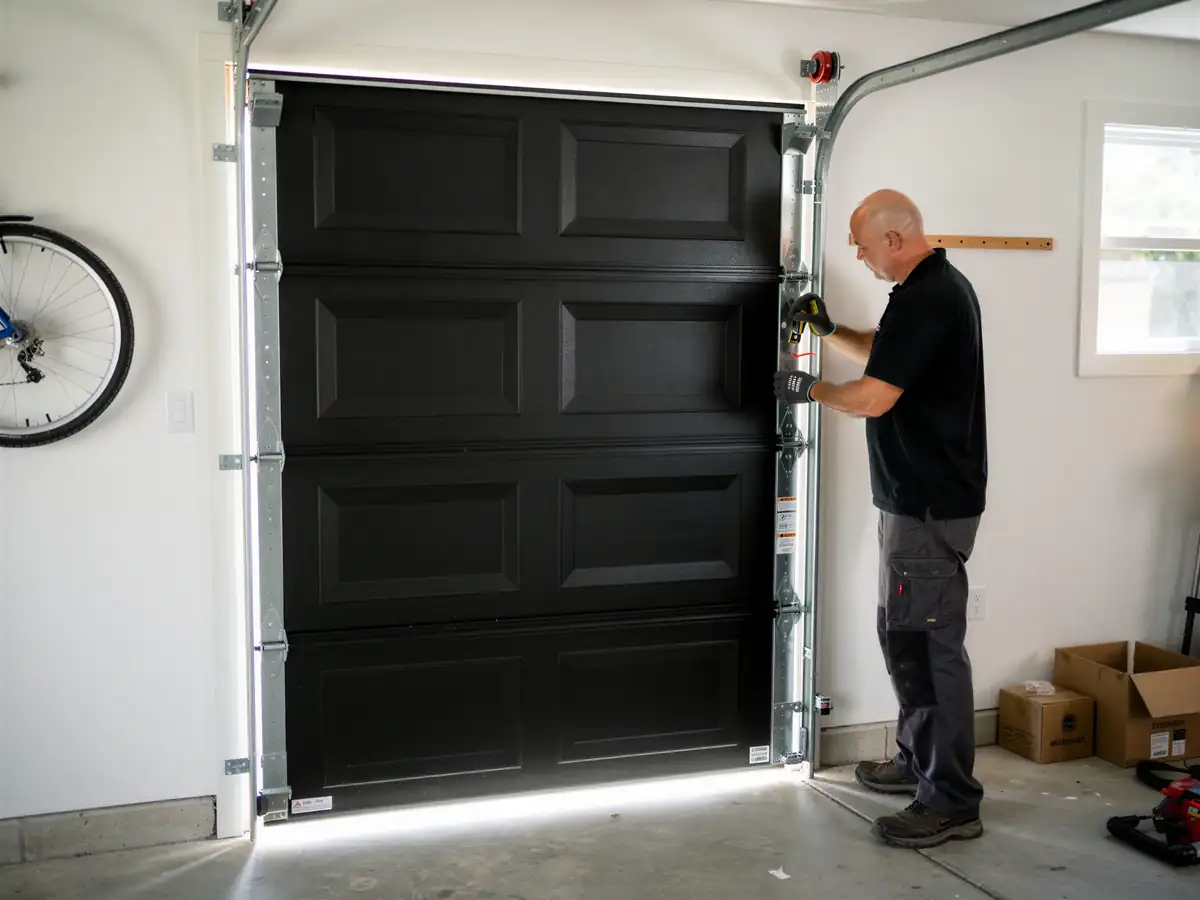
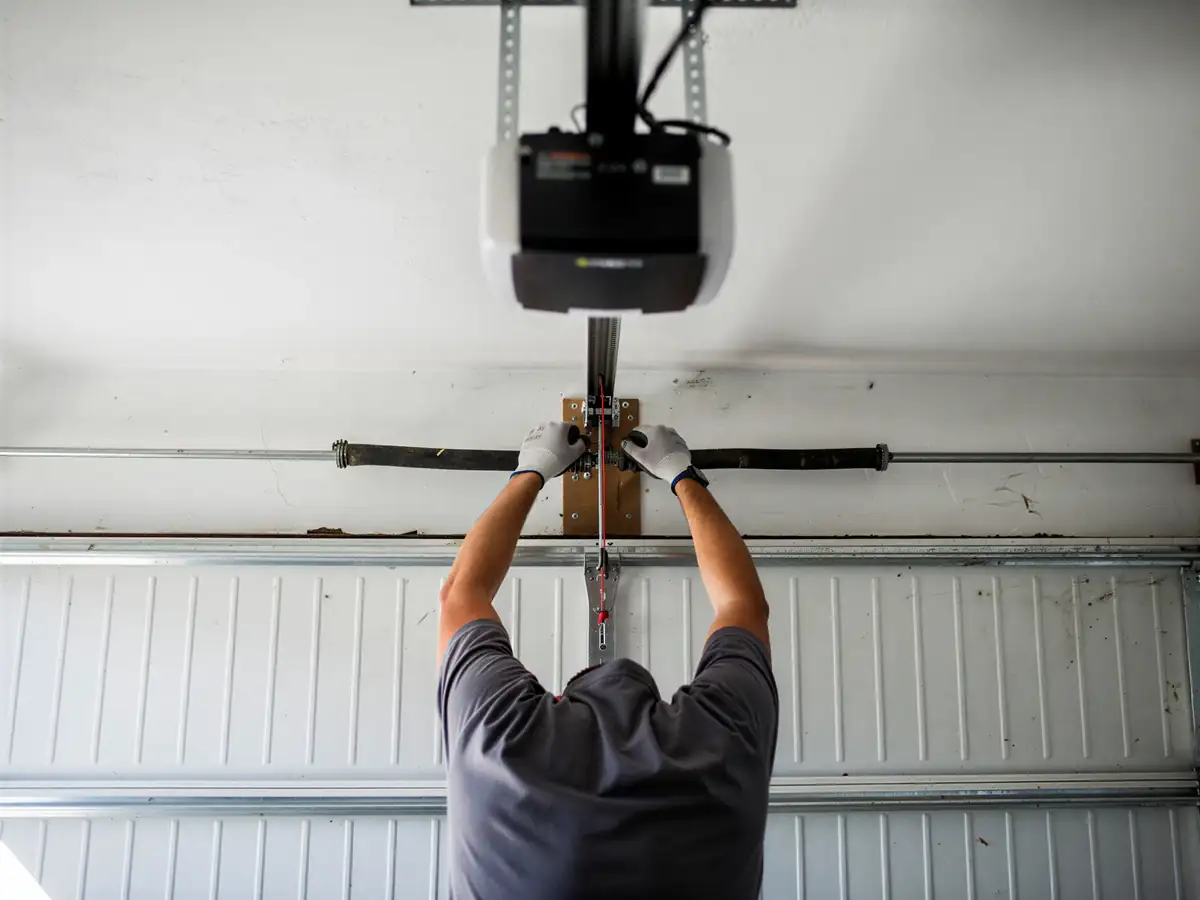
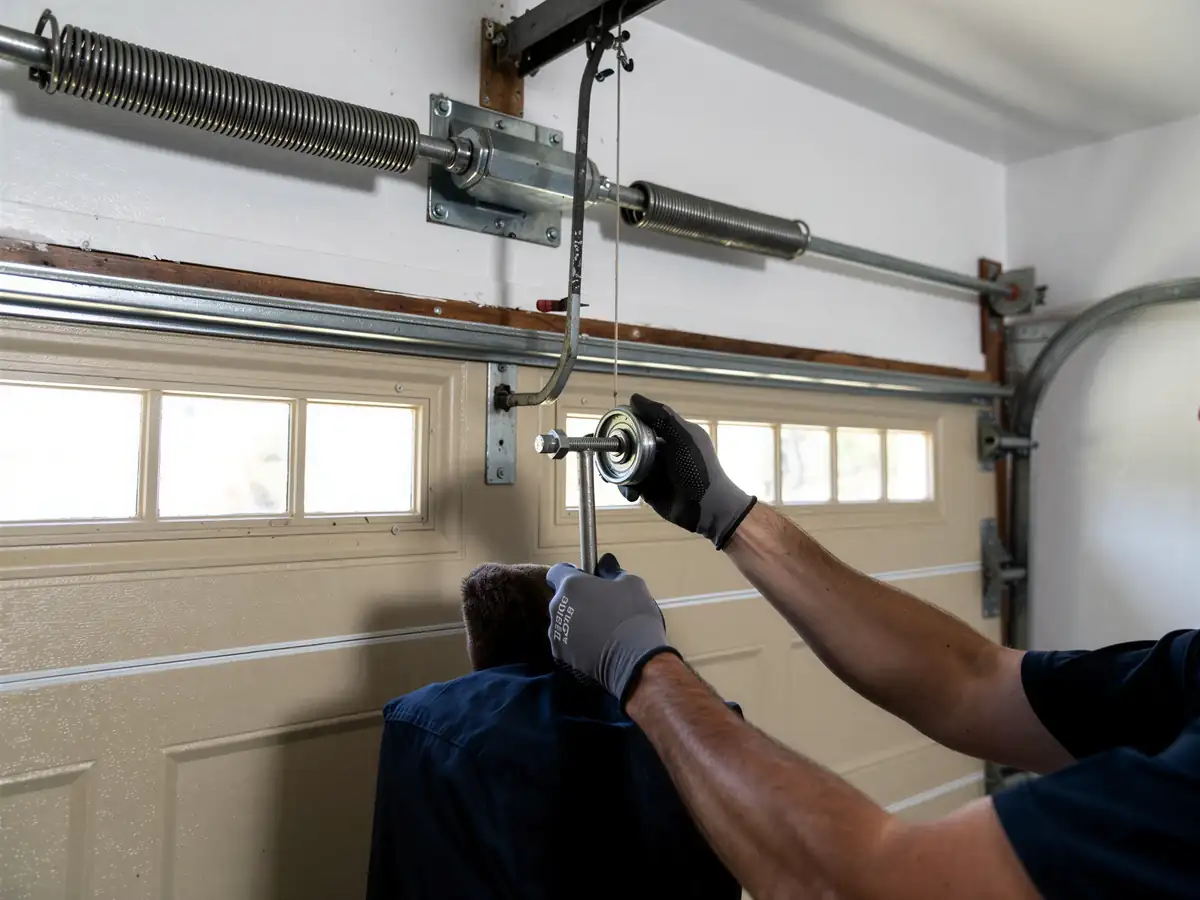
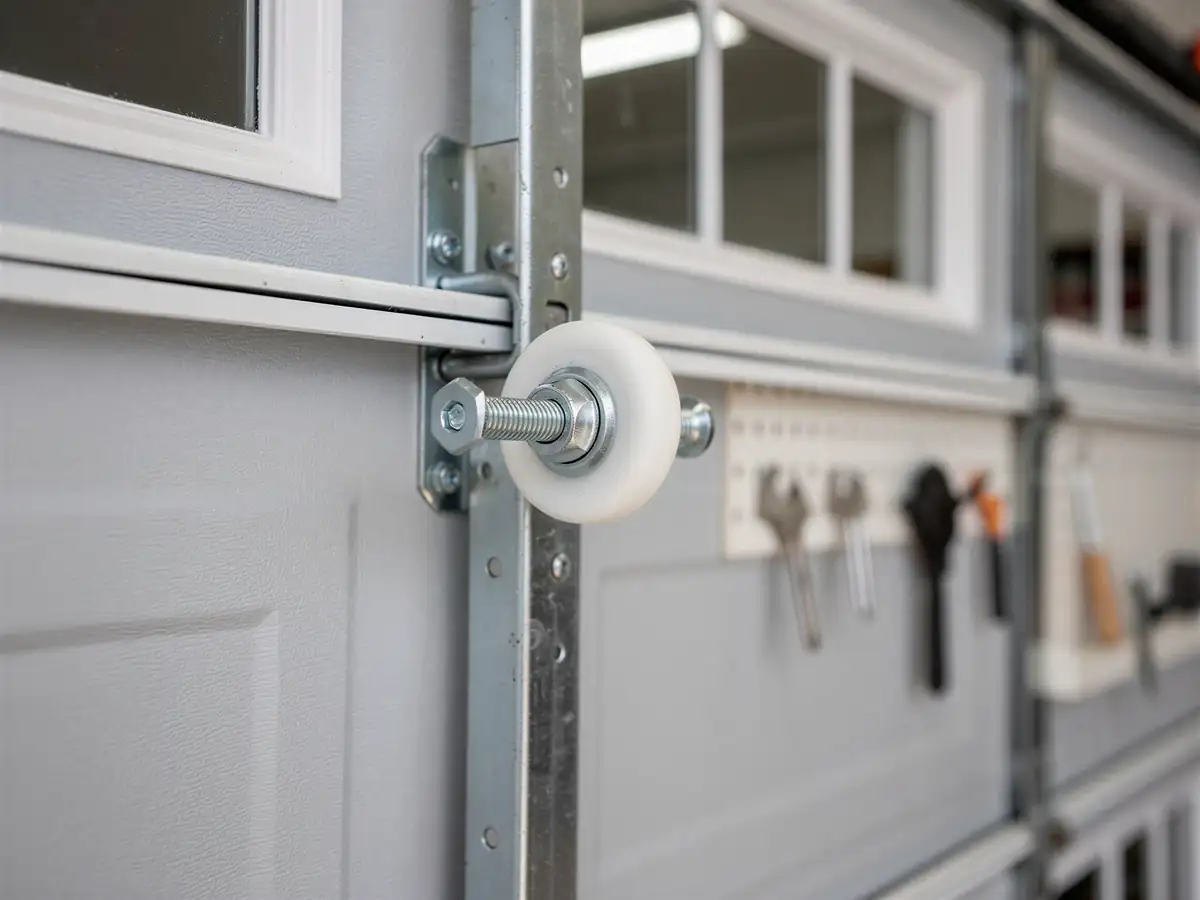
A lot of Somers houses went up right around 1980, and the garage door on a house that age is almost always a steel panel door, either single or double width, hung on hardware nobody updated when the door itself got replaced once or twice over the decades. If you're thinking about tackling a repair yourself, the honest answer depends on what's wrong. Swapping worn rollers or tightening loose hinge bolts is reasonable weekend work if you've got the right wrenches and you're not afraid of a ladder. A broken torsion spring is not. Those springs are wound under enough tension to break a wrist or worse if the winding bar slips, and on a door this old the spring size often isn't marked clearly or doesn't match anything on a shelf at the hardware store in town. We'll say it plainly: we don't talk anyone through a spring job over the phone, and we'd rather you call than find out the hard way why that rule exists. Cable replacement and opener gear-and-sprocket kits fall in a middle zone - doable with patience, risky if you rush it. If in doubt, leave the spring and the cable side to someone who does it daily.
The Symptom
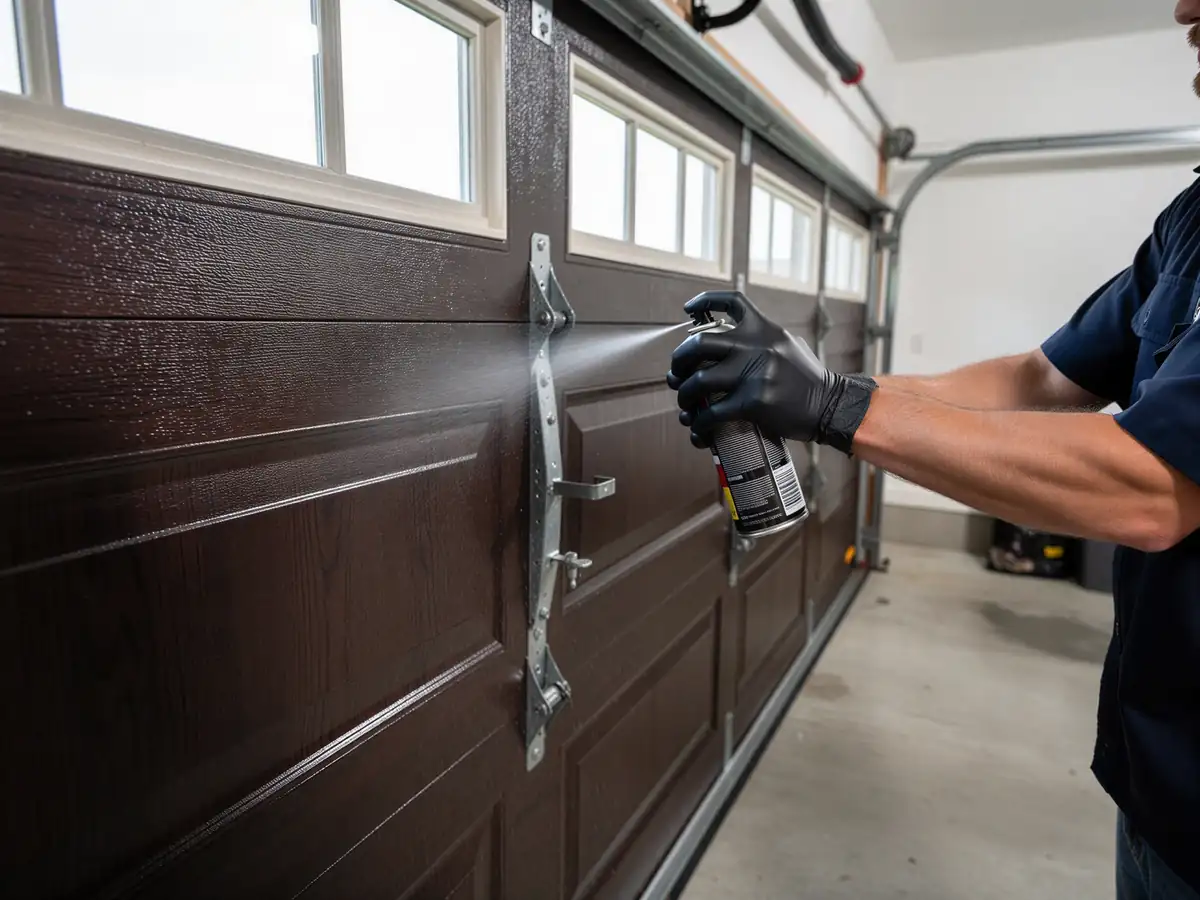
The complaint we hear most from this stretch, where homes cluster around that 1980 build year, is a door that starts the winter working fine and then gets slow, loud, or stuck halfway by January. That's not coincidence. Doors from that era weren't built with the insulation or the cold-rated lubricants that newer sections use, and in a climate rated cold and severe, grease inside an original torsion spring or an old nylon roller just stiffens up. The opener strains against resistance it was never designed to fight, which is how a slow door turns into a dead opener capacitor or a stripped gear inside a year or two. Some owners notice the door sagging slightly at one corner first - that's usually a cable stretching unevenly, not the spring itself, and it's worth having someone look before it becomes a spring problem too.
Where This Job Goes Sideways
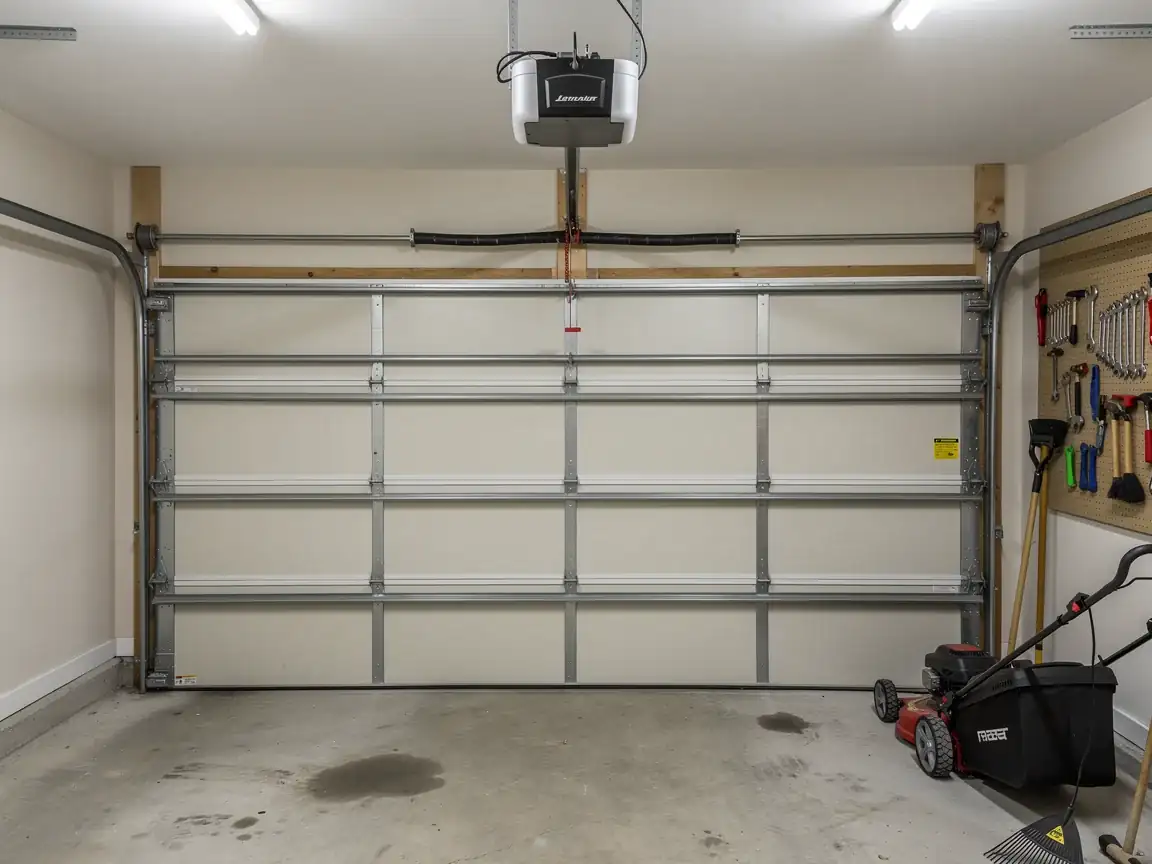
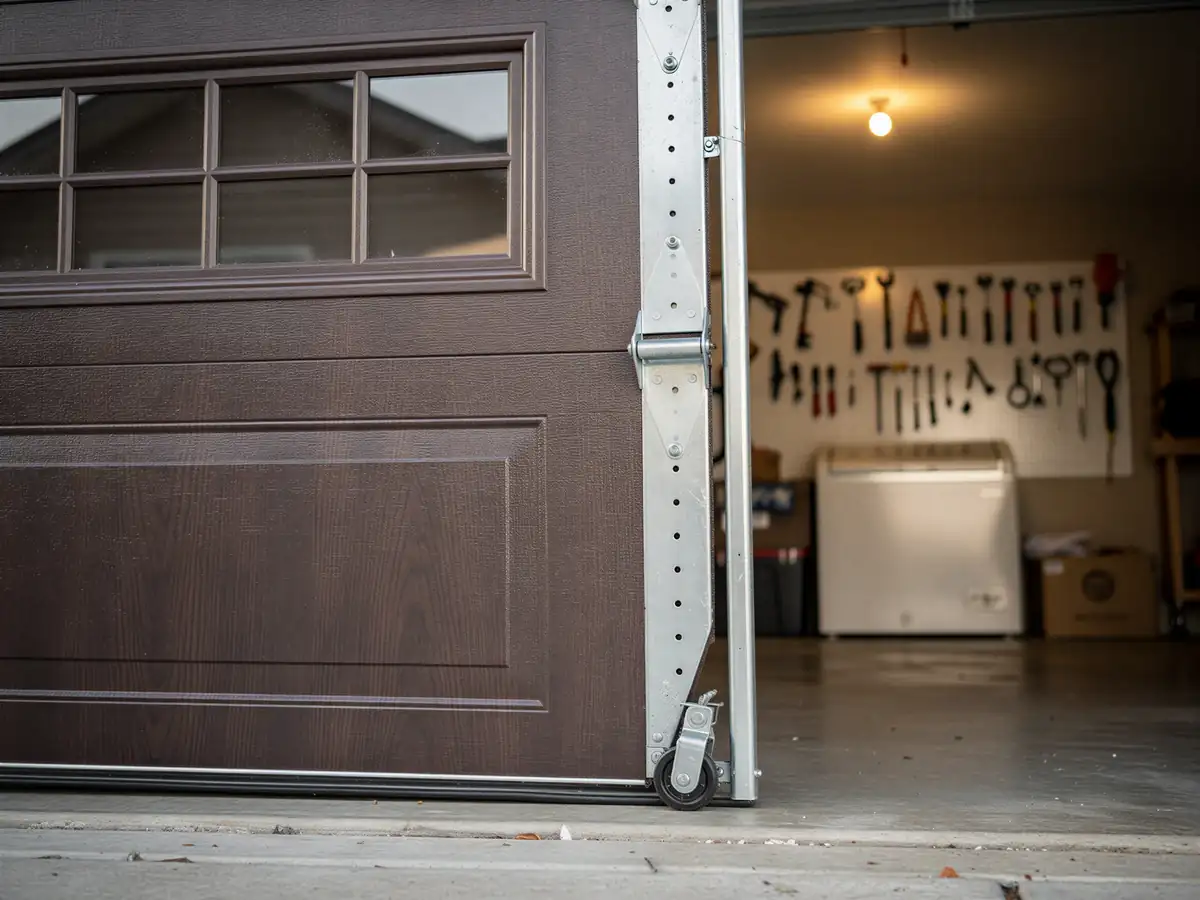
The job goes sideways when someone treats a 1980-era door like a new one. Original torsion hardware on houses from that build year often uses a shaft and drum setup that doesn't match the universal kits sold today, so a repair that should take an hour turns into sourcing a part, or replacing more of the system than the owner expected to pay for. We also see owners replace just the opener and assume that fixes a door that's actually dragging on worn track or a bent hinge - the opener burns out again inside months because the real load problem was never addressed. On a double-wide door especially, cold-stiffened hardware puts uneven strain on both springs at once, and fixing one side without checking the other is how a second service call gets booked for the following week.
Why This Fails Locally
Somers sits about 10 miles from our shop in Kalispell, and we don't run a branch out there - every call means a drive, so we schedule by the day rather than promising a same-hour window. That's the one limitation worth saying outright. What makes the work different here isn't the distance, though - it's the housing. With roughly 569 households in Somers and a median year built around 1980, this is one of the older pockets we cover, closer to the early end of the 1979-2003 range across our wider service area. Median household income here runs about $56,501, noticeably under the area-wide figure, which is part of why we see more owners choosing a targeted spring or hardware repair over a full door swap when the door itself still has life left. Add a climate band that's cold and severe for months at a time, and original hardware on a 1980 door is working harder than it was ever specified for. That combination - older stock, tighter household budgets, and a winter that doesn't let up - is what actually shapes the calls we get from this side of the valley, not generic wear and tear.
How it works
From “it’s stuck” to “it’s fixed”
01
Tell us what’s wrong
Describe the symptom - won’t open, loud bang, opener runs but the door won’t move.
02
On-site diagnosis
A technician tests the door under power and by hand and finds what actually failed.
03
Clear, up-front plan
You get the fix that’s needed and what drives the cost - before any work starts.
04
Repaired & tested
The repair is done, the door is set true and tested, and the work area left clean.
Not sure which repair your door needs in Kalispell, MT? Describe what it’s doing - every job starts with a diagnosis.
How far out is Somers from your shop, and does that affect scheduling?
Somers is about 10 miles from our Kalispell location. We don't keep a branch out there, so we route calls by the day rather than offering a guaranteed same-hour arrival like you might get from a shop based in town.
Why does my garage door get so much worse in winter?
If your house dates to around 1980, like a lot of Somers homes, the door hardware predates the lubricants and insulation standards used now. In a cold, severe climate, grease in the spring and rollers stiffens, which loads the opener harder and speeds up wear.
Is it worth repairing an original 1980s door instead of replacing it?
Often, yes. If the panels aren't rusted through or badly dented, a spring and hardware repair can get years more out of a door built in that era, and it costs less upfront than a full replacement - worth weighing given typical household budgets in this area.
Can I replace a torsion spring myself on an older door?
We don't recommend it. Springs on doors from the 1980s often use shaft and drum sizing that doesn't match today's standard kits, and the tension involved can cause serious injury if the winding bar slips. This is one job we always tell owners to call for.
Ready to get your garage door sorted?
Tell us what it’s doing and where you are in Kalispell - we’ll take it from there.