Doing It Yourself
Marion's houses skew newer than a lot of what we see around Kalispell
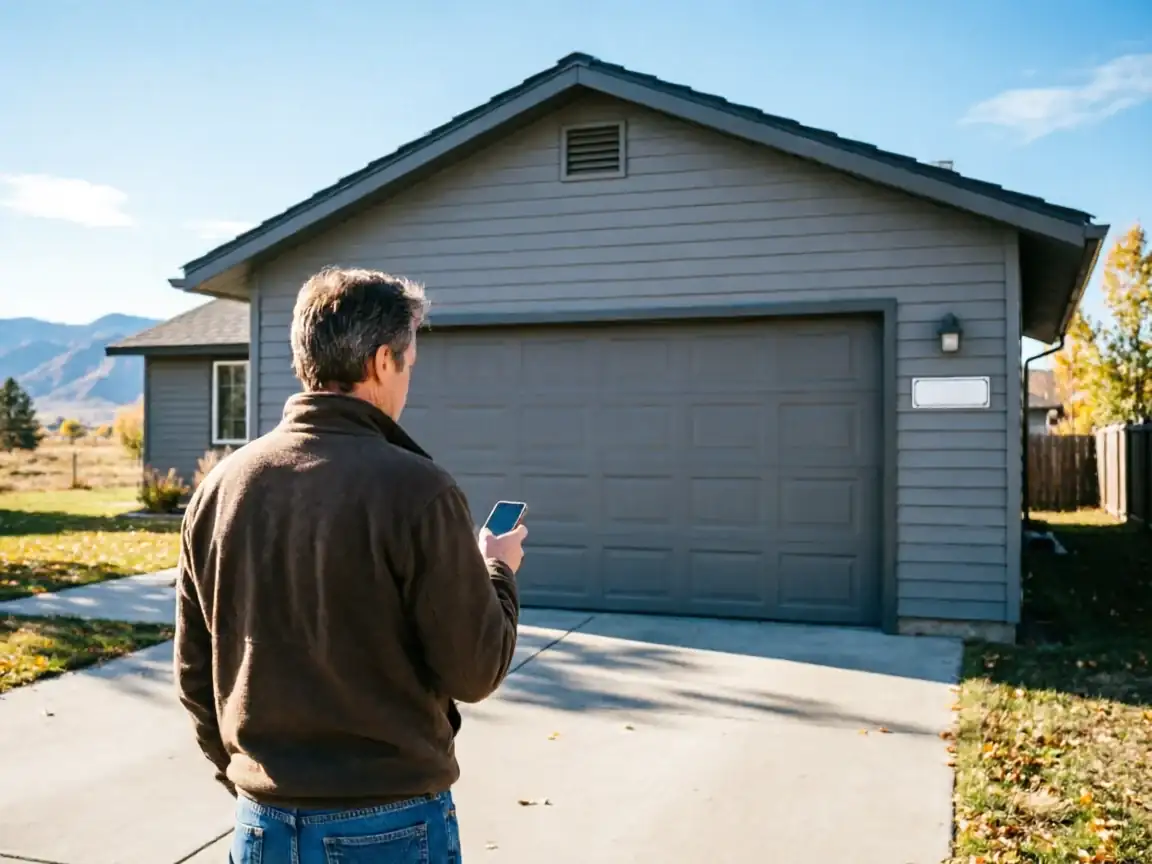
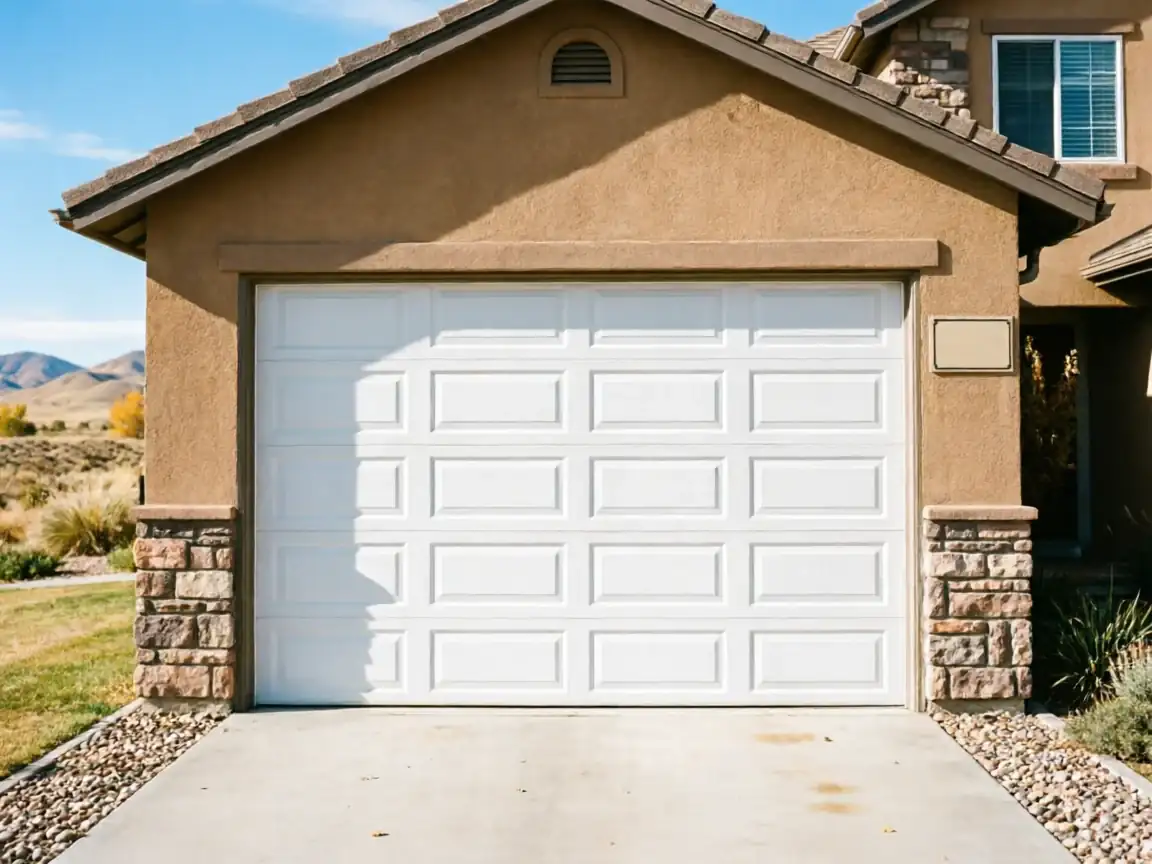
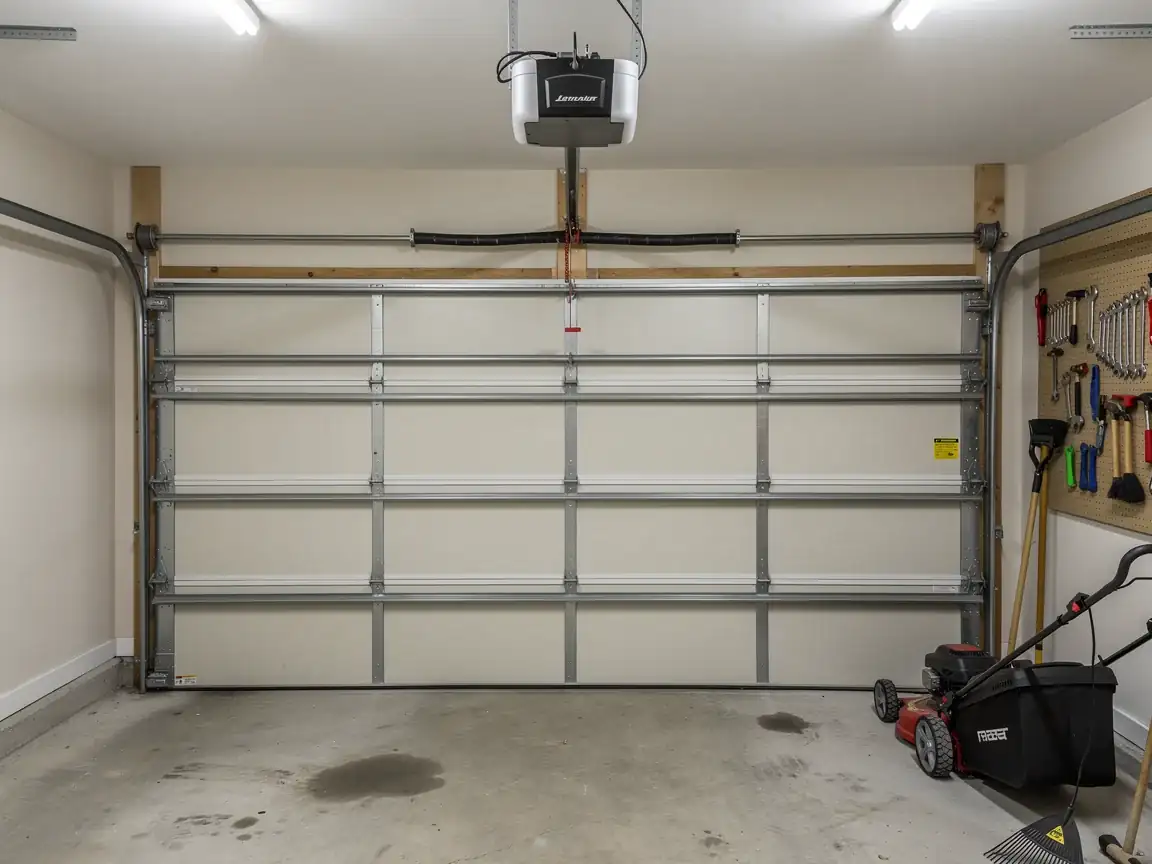
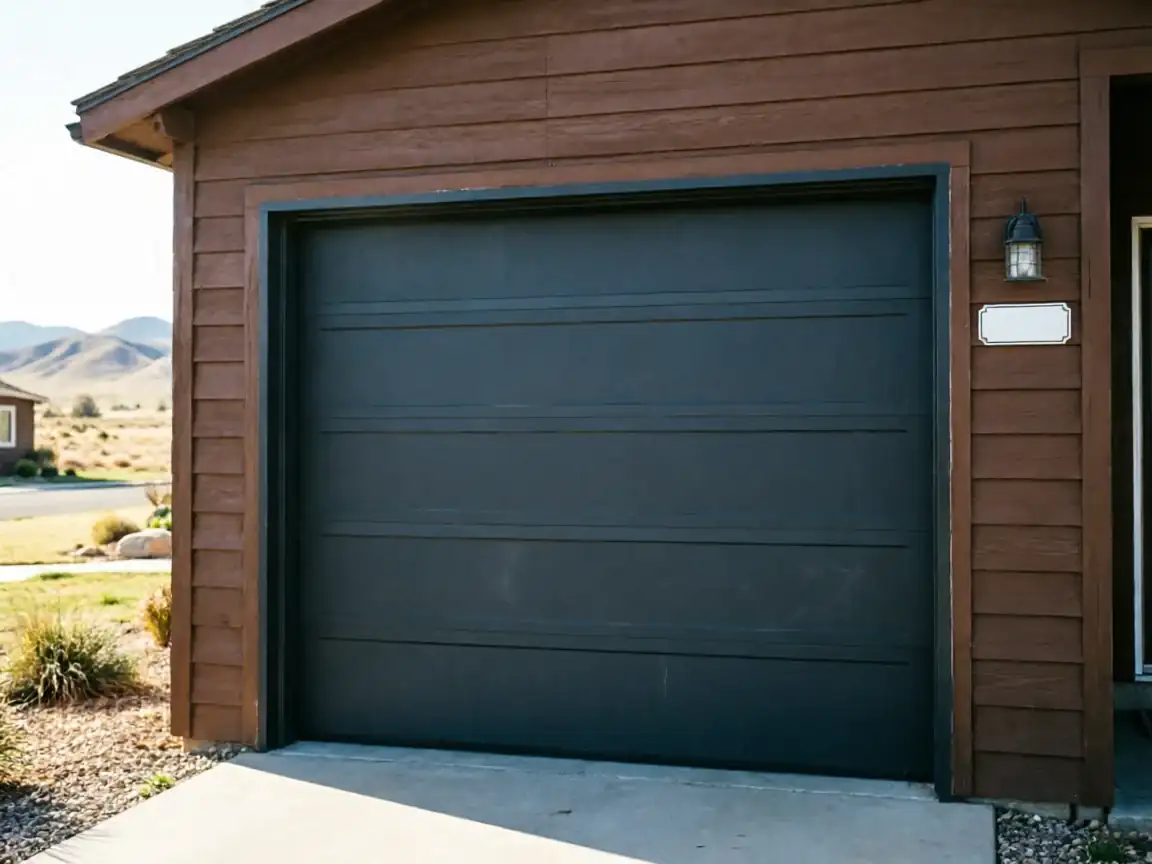
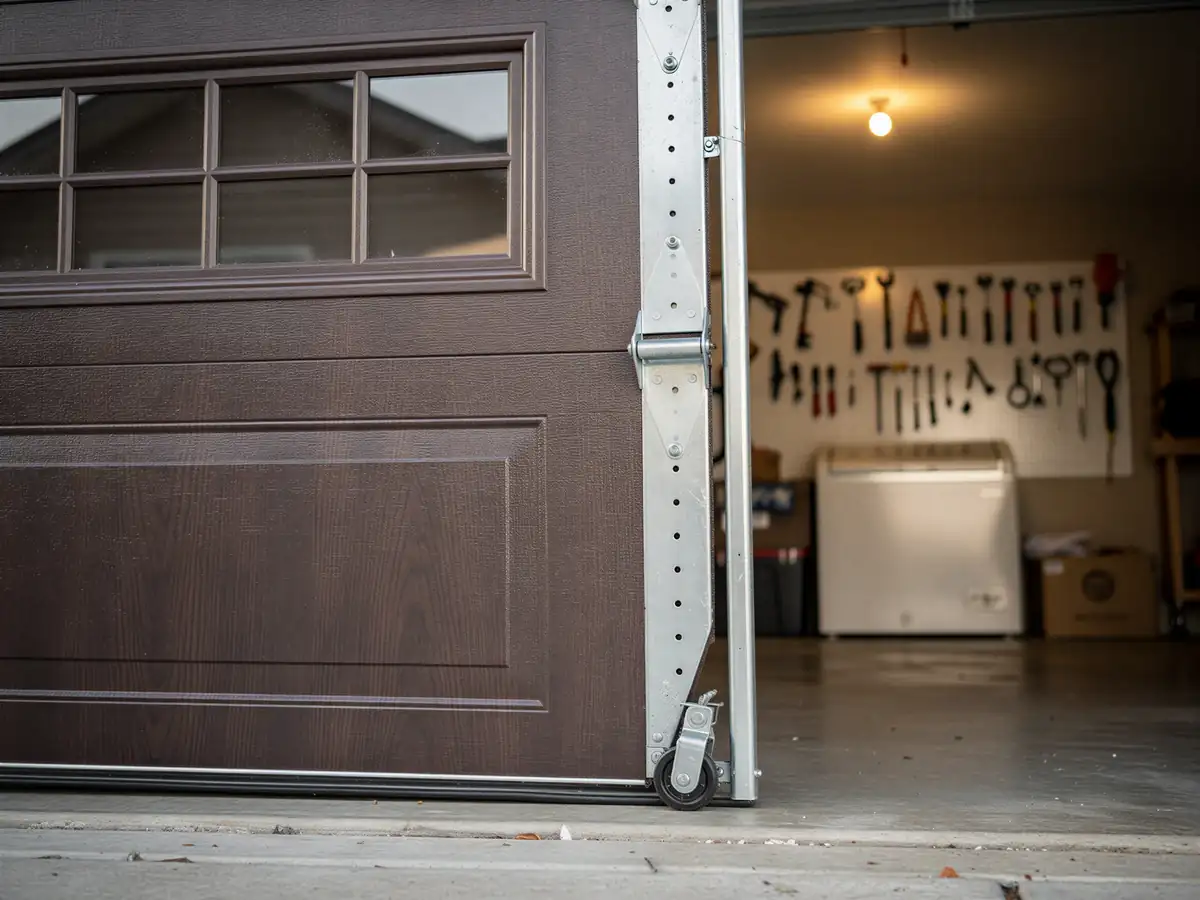
Most went up around 2003, not the 1980s stock that dominates the wider service area. That means you're probably not fighting a door from the Reagan era. You're fighting a builder-grade steel door that came with the house twenty-some years ago: a plain raised-panel single-layer or thin double-layer panel, standard 16x7 or 9x7 sizing, torsion spring overhead, probably the cheapest opener the builder could get installed before closing. Nothing exotic, nothing custom-cut, which is actually good news if you're thinking about doing this yourself.
Where a DIY swap gets hard isn't the door panel - it's the spring
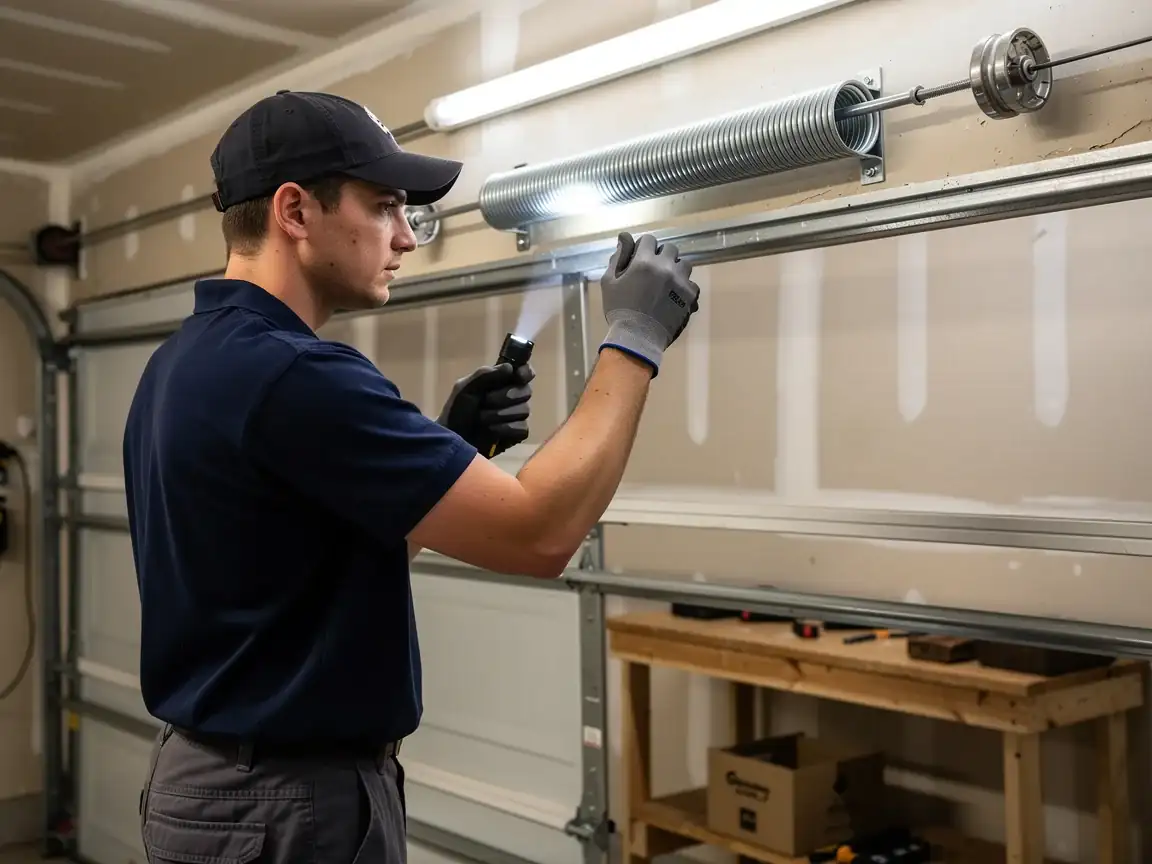
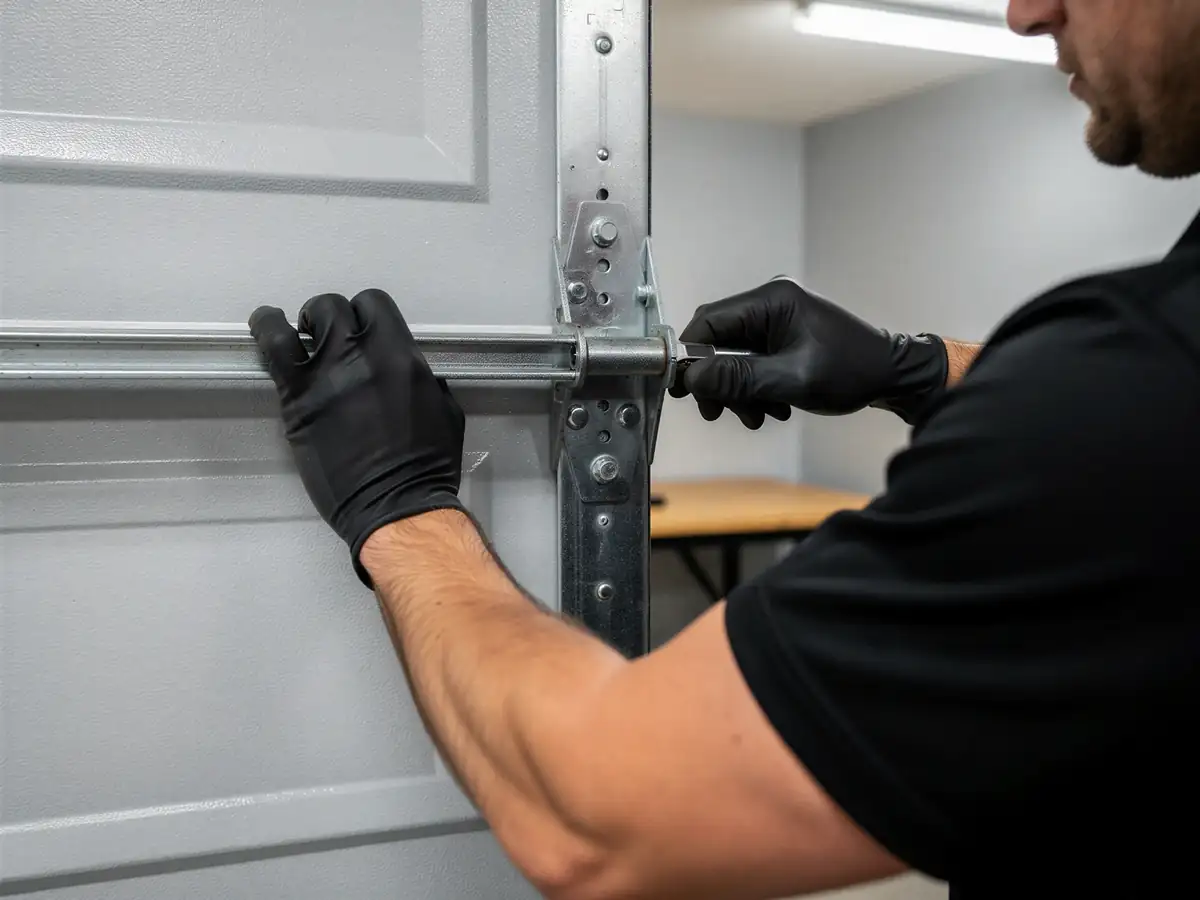
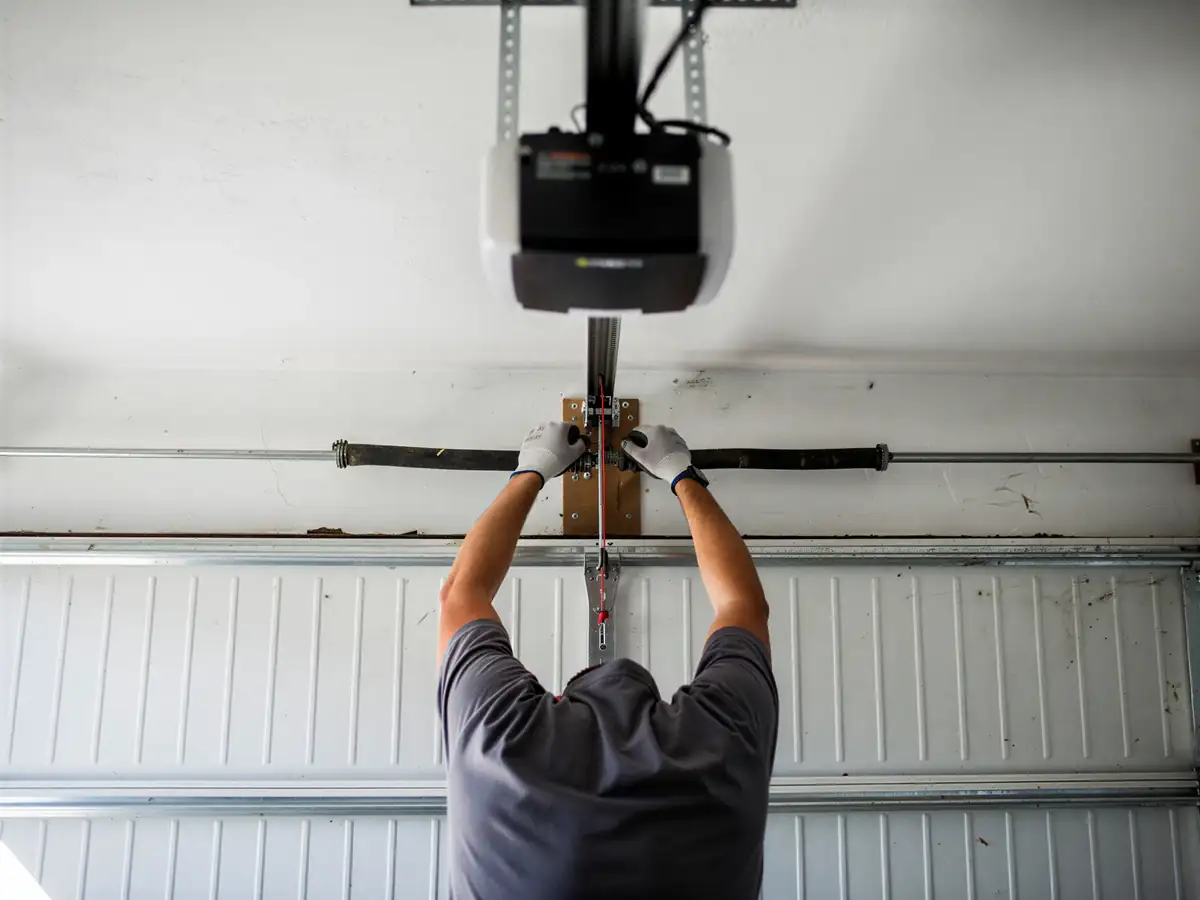
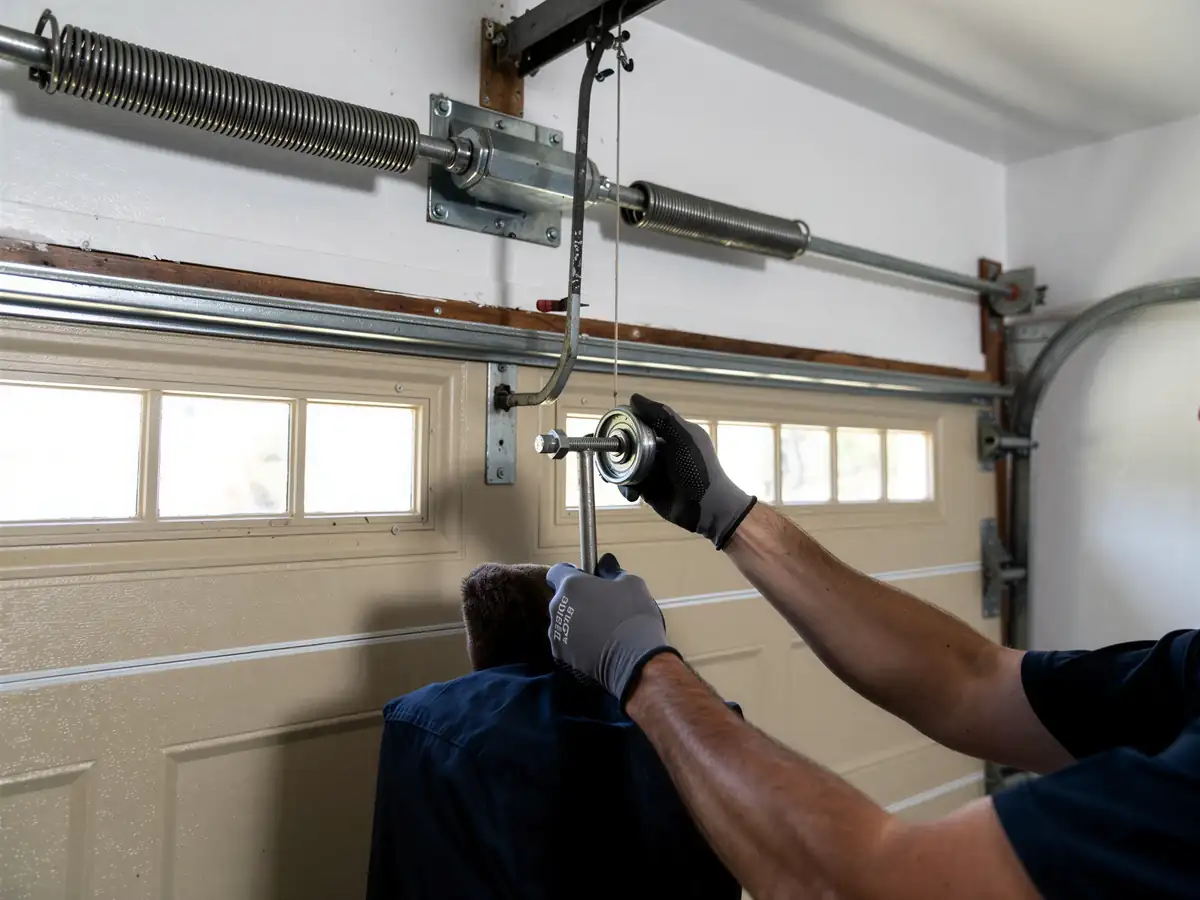
Torsion springs are wound under real tension and they are not a weekend-project item; getting the wind count wrong or the winding bar slipping is how people end up in the ER, not the garage. If you're comfortable with the opener swap and the track alignment and just want us to handle the spring and the lift calibration, say so when you call - we'll work around what you've already done. If you want the whole job off your plate, that's fine too.
Where This Job Goes Sideways
Marion sits in a severe cold climate band, same as the rest of this service area, and that's the part people underestimate when they replace a door themselves. A builder-grade door from 2003 was speced to code at the time, but it usually wasn't speced with much insulation - a lot of these came with a single skin of steel and a thin foam liner, if any liner at all. Swap in a new door without checking the R-value and you've spent money to end up with the same cold garage.
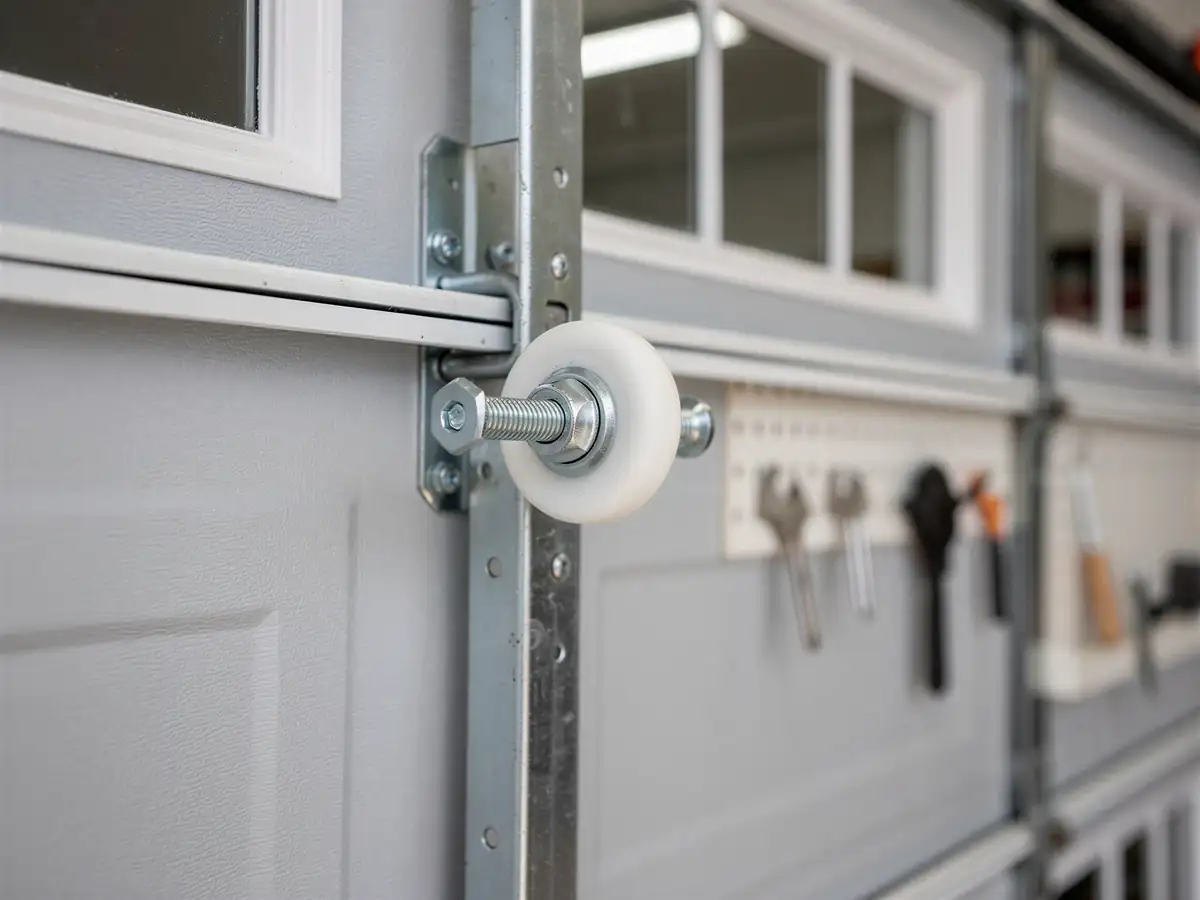
The other place it goes sideways is track and header clearance. Houses built in this era in the area tend to have fairly standard framing, but if you're going from a single 9-foot door to a double, or changing the door height, the header and side room have to actually support it - that's not something you catch by eyeballing it from the driveway. We measure before we quote, not after we've already ordered the wrong size.
How We Fix It
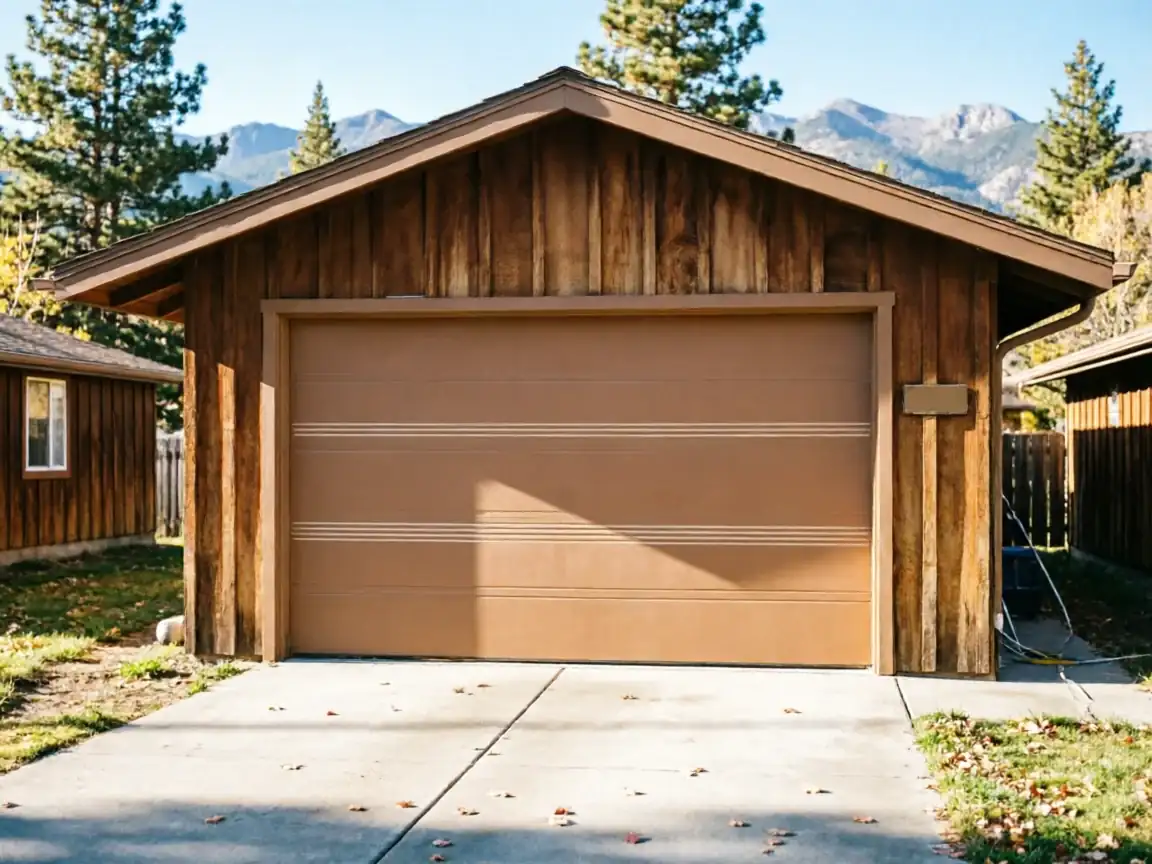
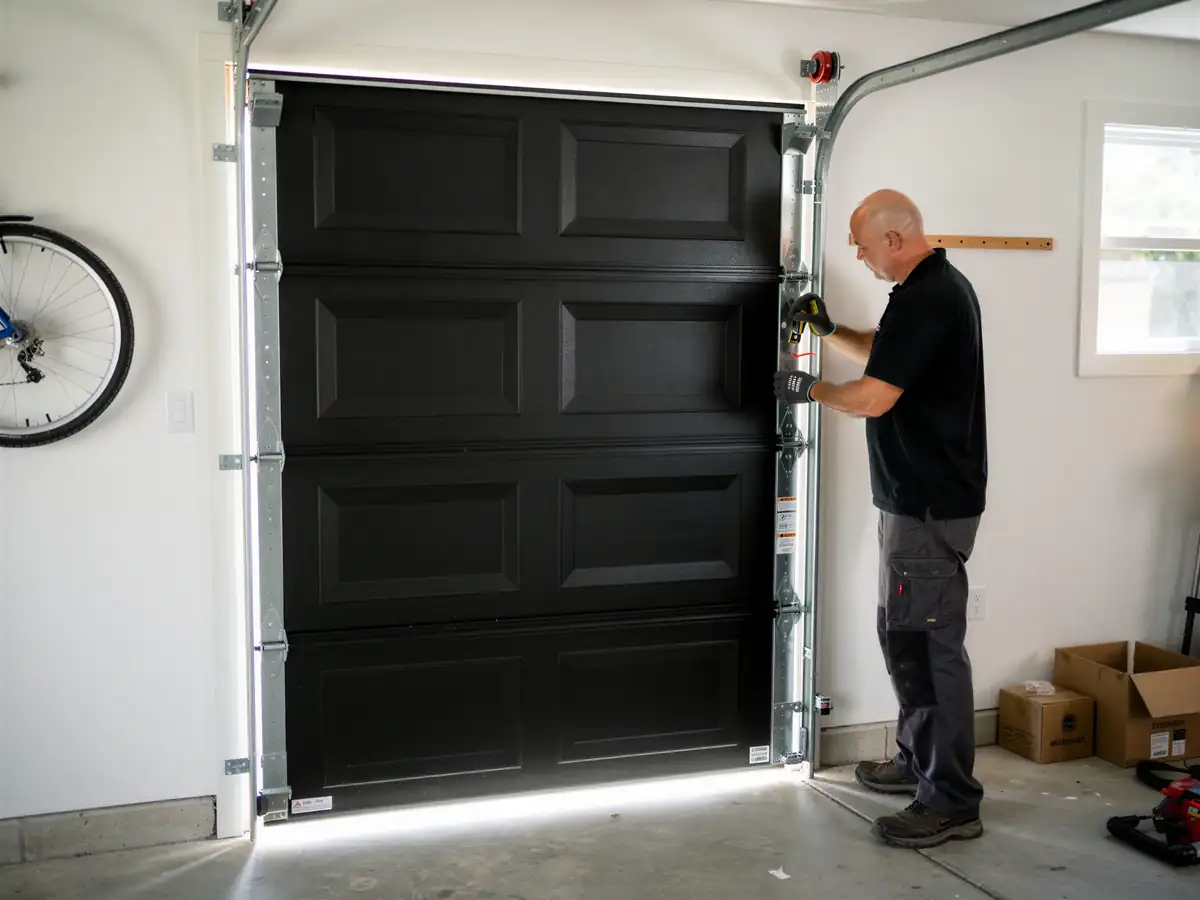
For a straight swap - same opening, same rough size - we pull the old door, check the track and header for wear, and set a new insulated steel door sized to the opening. Given the cold band this area sits in, we default to recommending an insulated panel rather than the bare single-skin option, because the house is already twenty years into a Montana climate the original door wasn't built heavy for.
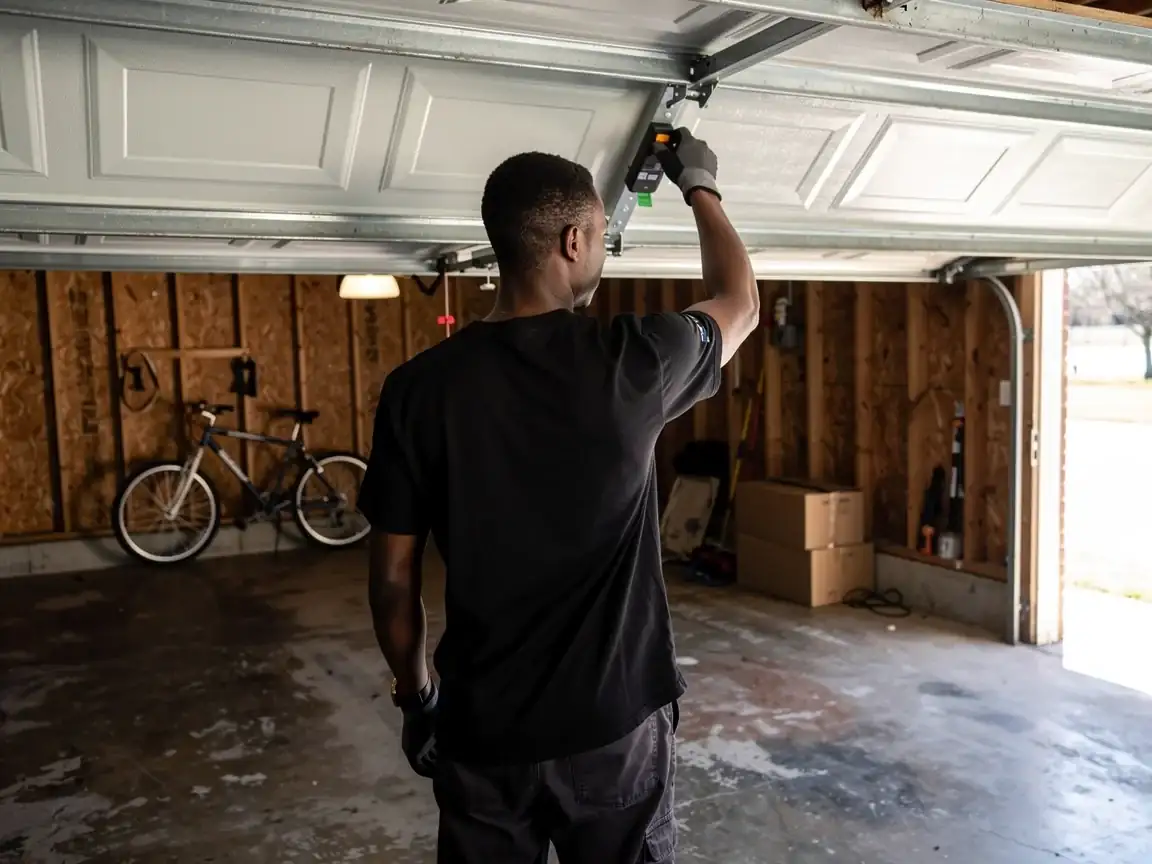
If you're changing size or going from single to double, we check the header load and jamb condition first, since that's what decides whether the new opening is even viable without carpentry work we don't do. We're straightforward about that limit: if the opening needs structural framing changes, that's a call to a contractor, not us. Once the opening's sound, we set the door, balance the spring to the door's actual weight, and run the opener through a full cycle before we call it done.
The Symptom
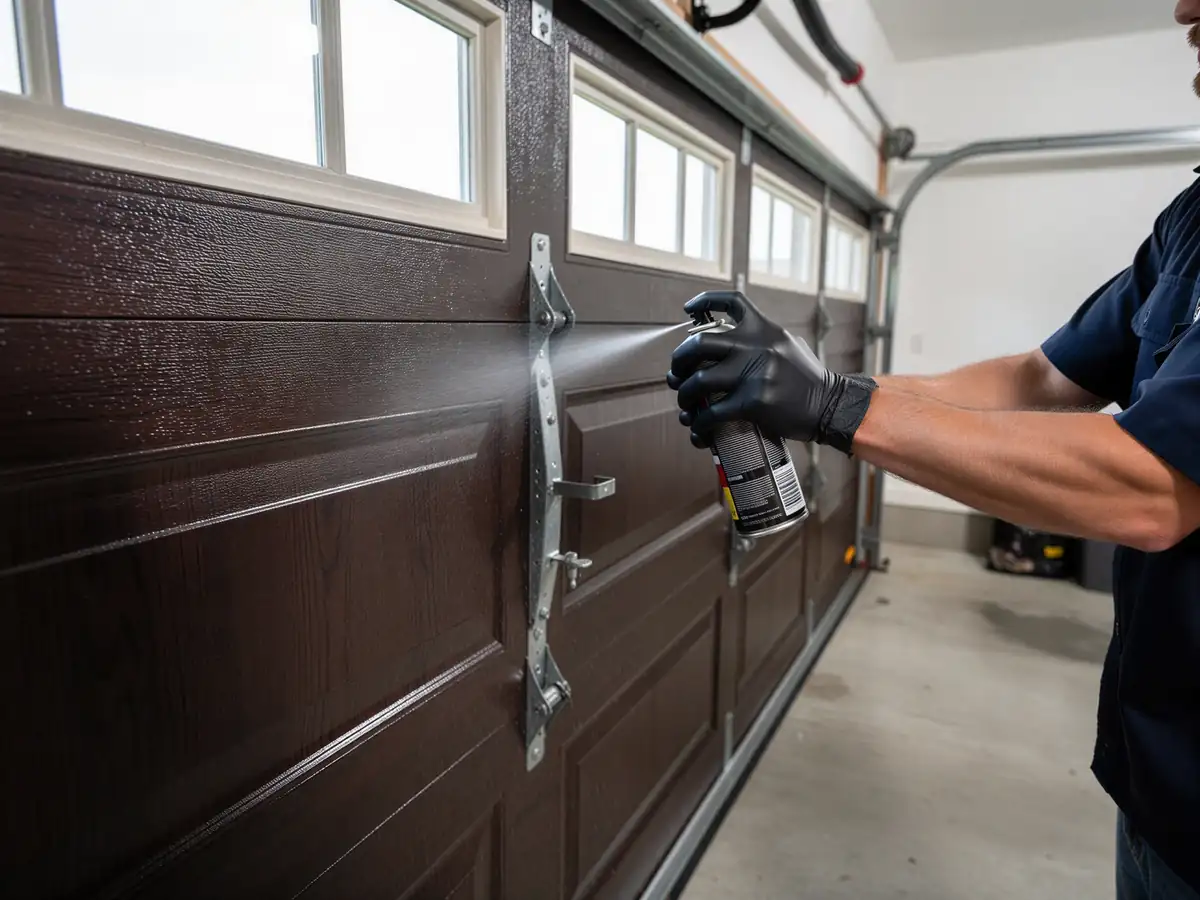
Most calls from this area start the same way: the door's still running, but it's loud, it sags a little at the bottom corner, or the opener strains before it lifts. On a door from the early 2000s that's usually the spring tension drifting off the door's actual weight over the years, or the bottom panel seals finally giving out after enough cold winters. Neither means the whole door is dead. If the panels are straight and the track isn't bent, a spring rebalance and new opener logic can carry you a while longer. If the steel's dented or the panel's delaminating, replacement is the honest answer and we'll tell you that instead of patching something that'll just fail again next winter.