Doing It Yourself
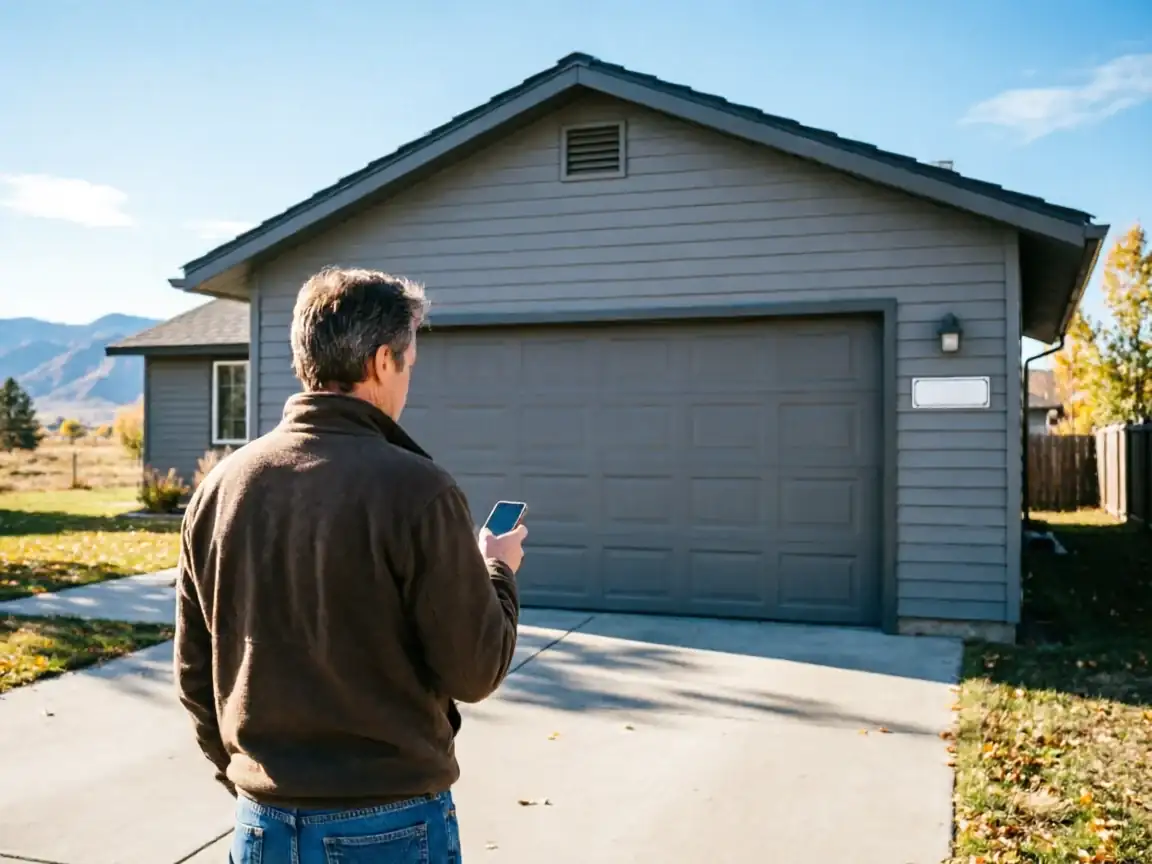
A fair amount of what goes wrong with a garage door in Marion is stuff you can check yourself before you call anyone
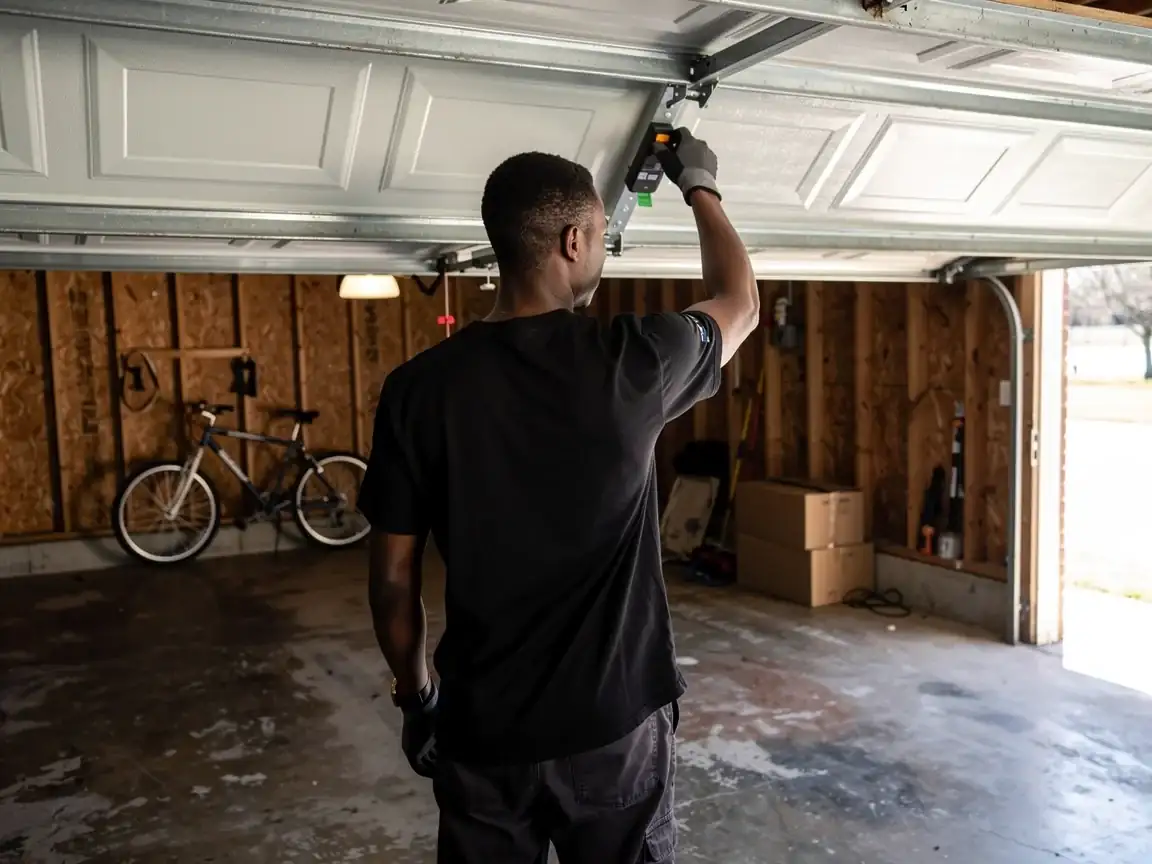
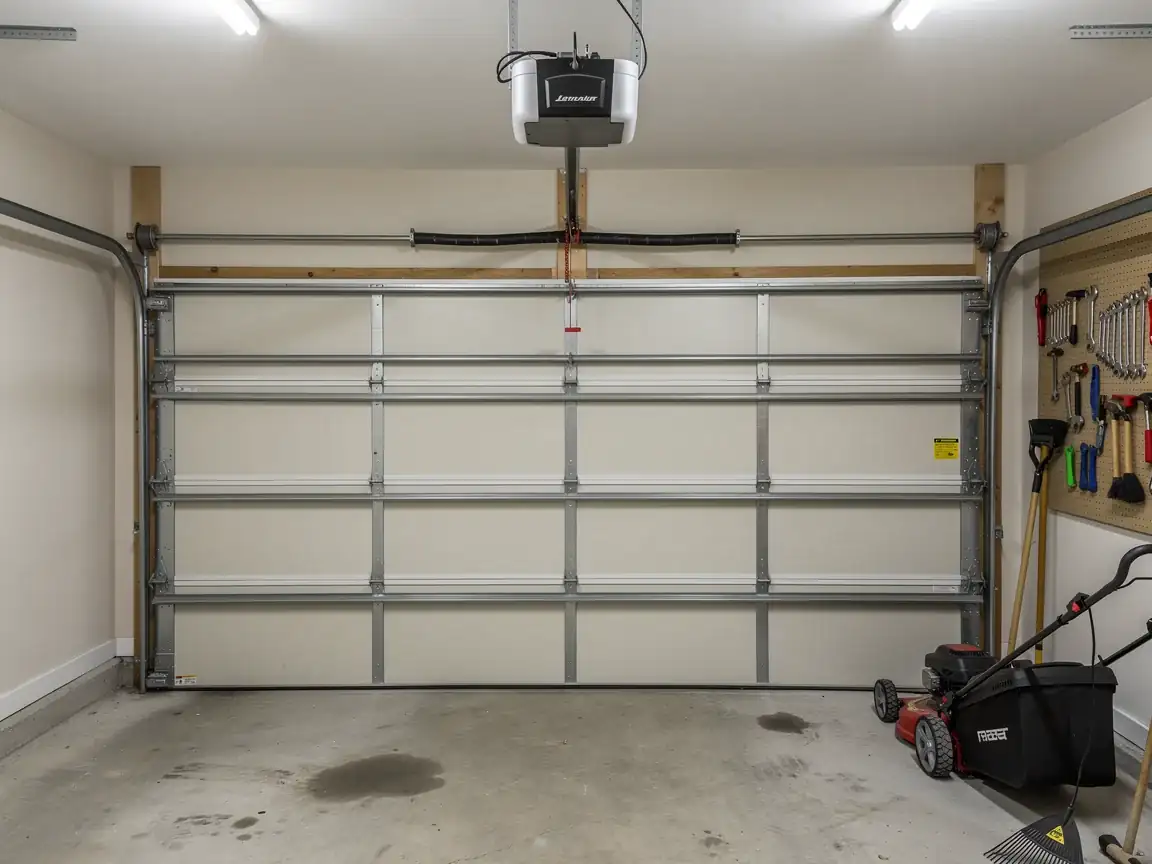
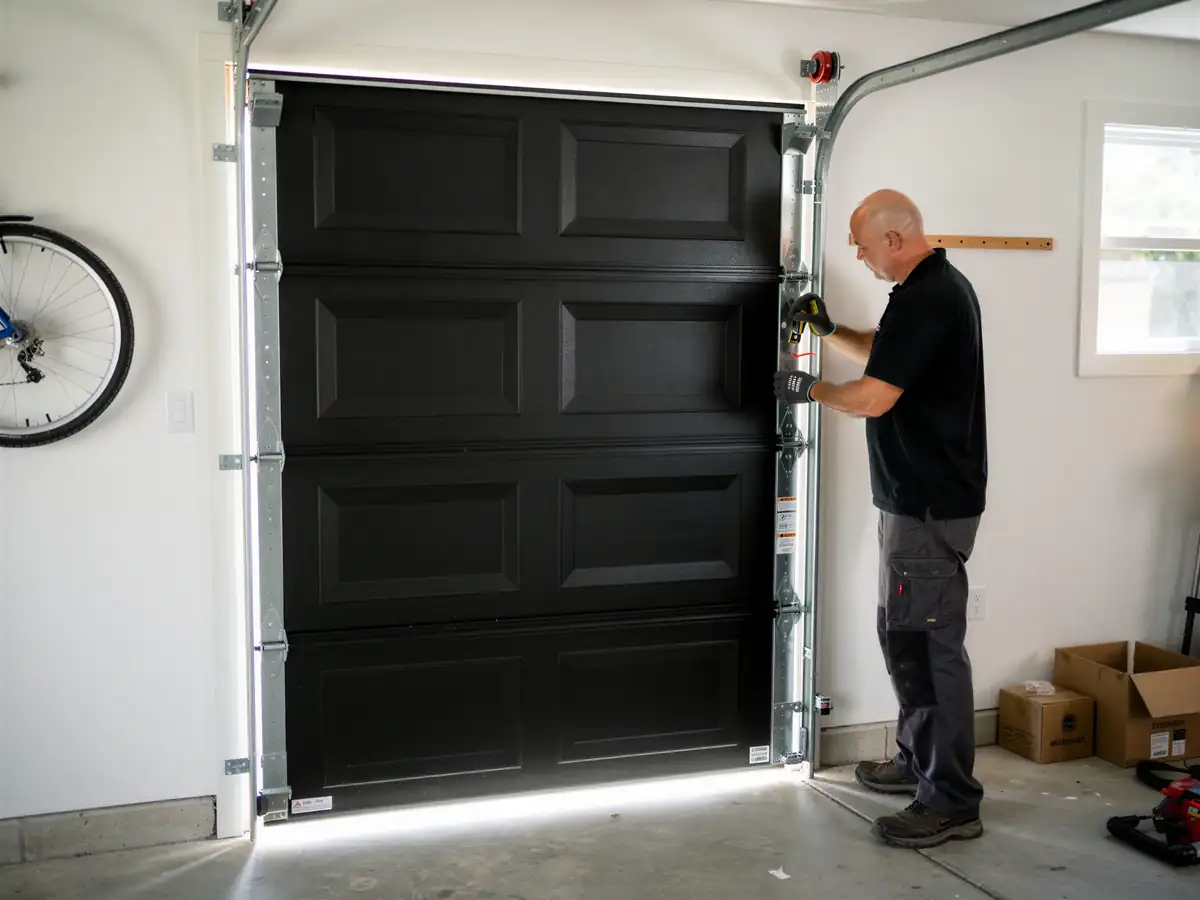
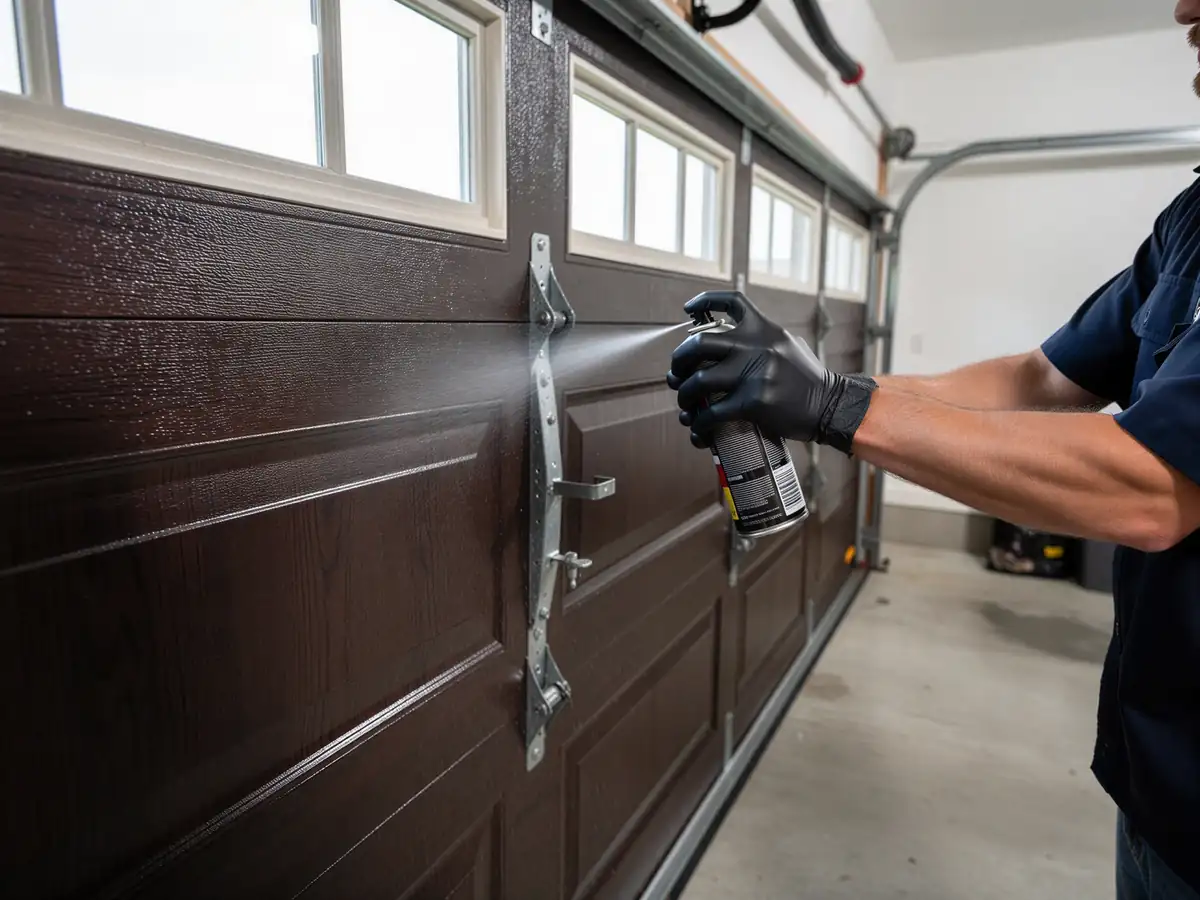
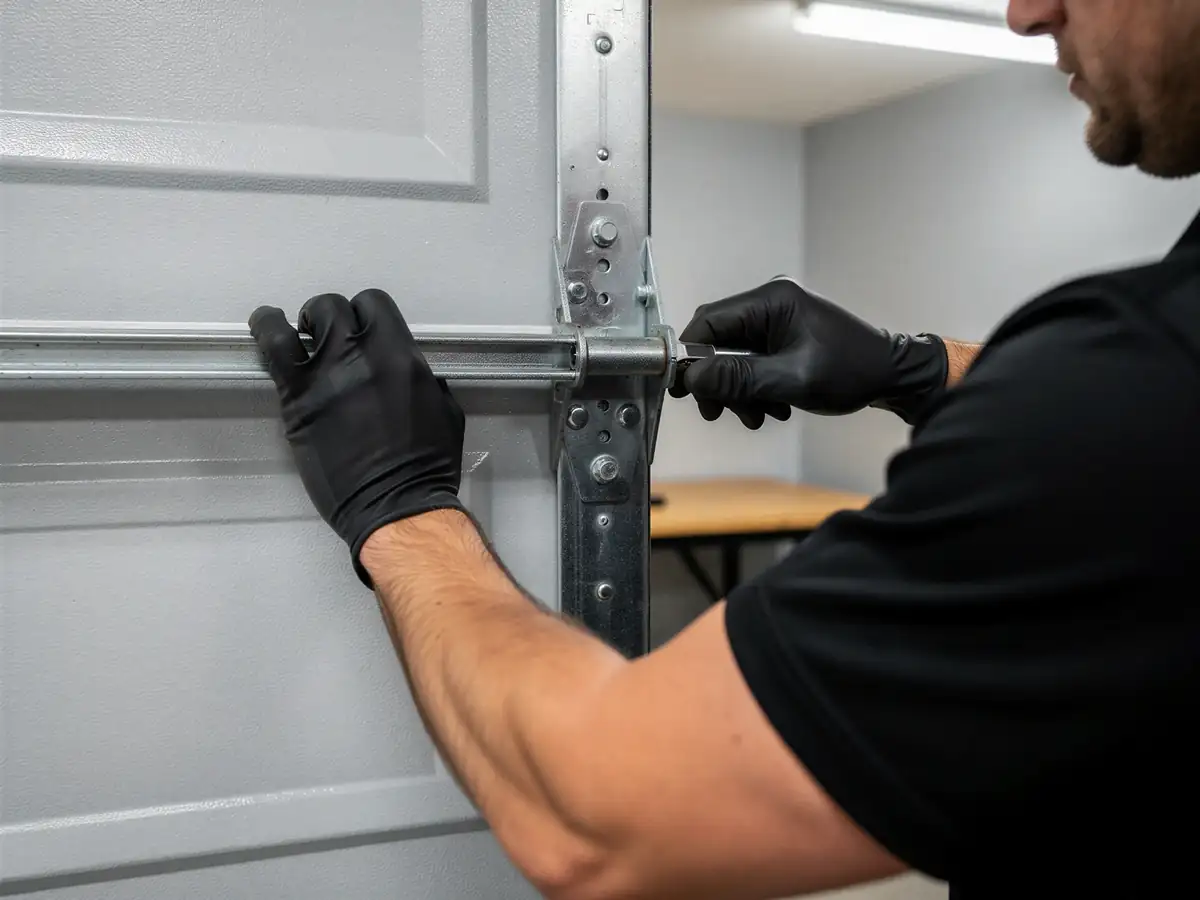
Clear the track of dirt and dried grease, check that the photo-eye sensors near the floor are lined up and not fogged with condensation, and make sure nothing is pinching the bottom weatherseal. Tighten the bolts on the track brackets if the door rattles when it moves; wood framing settles over twenty years and those bolts work loose.
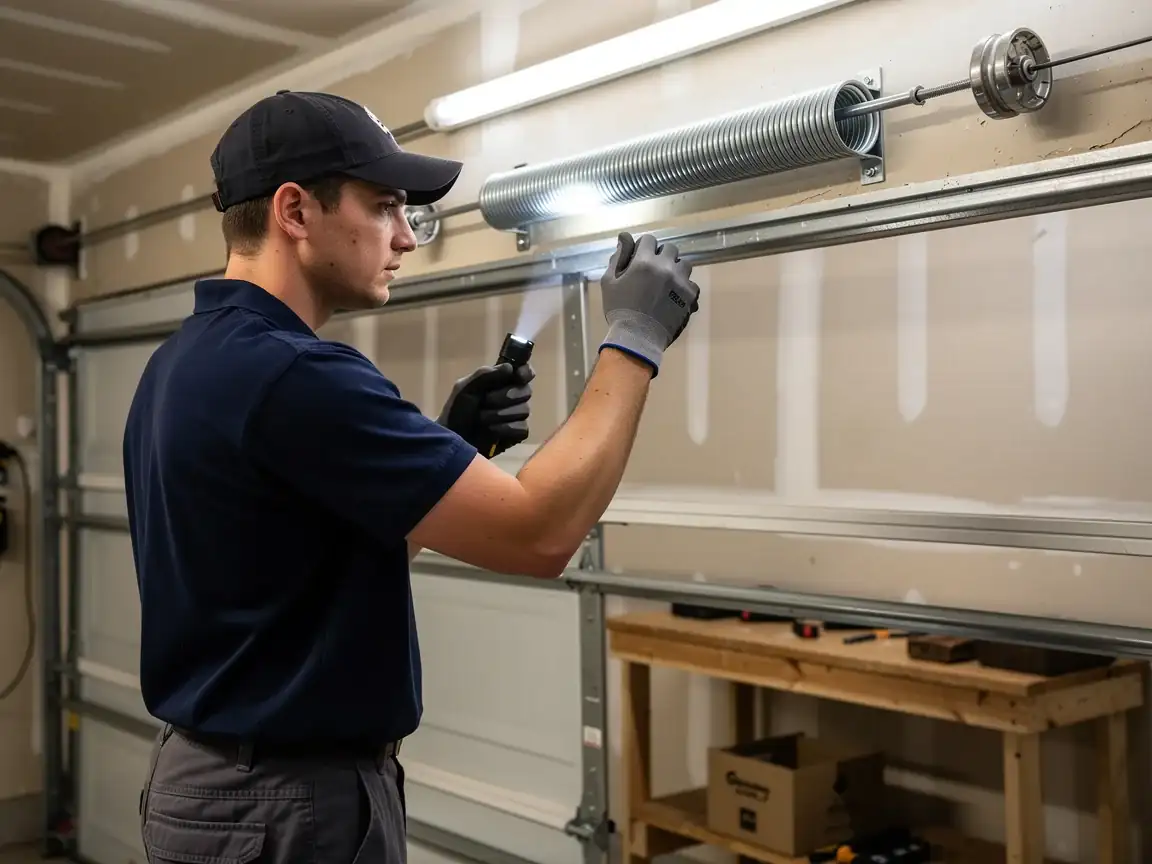
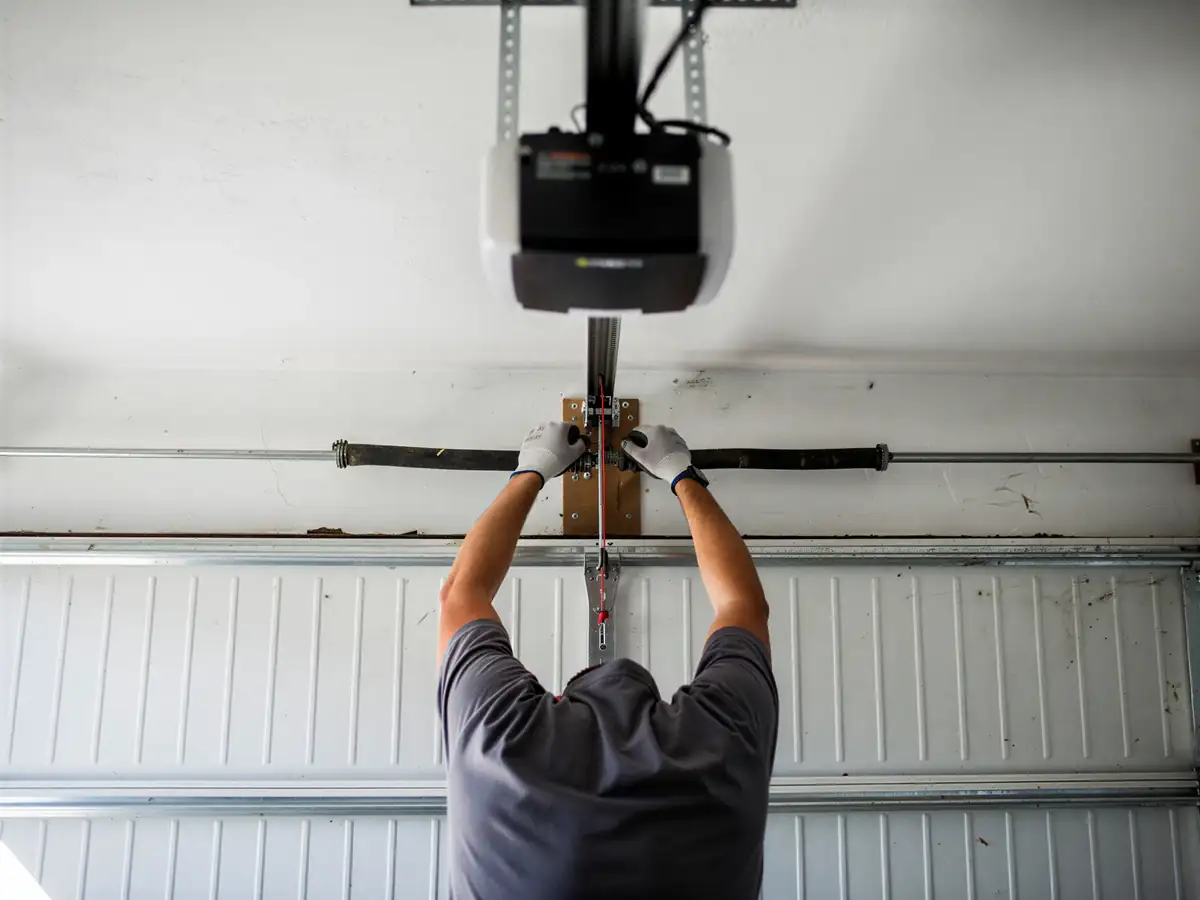
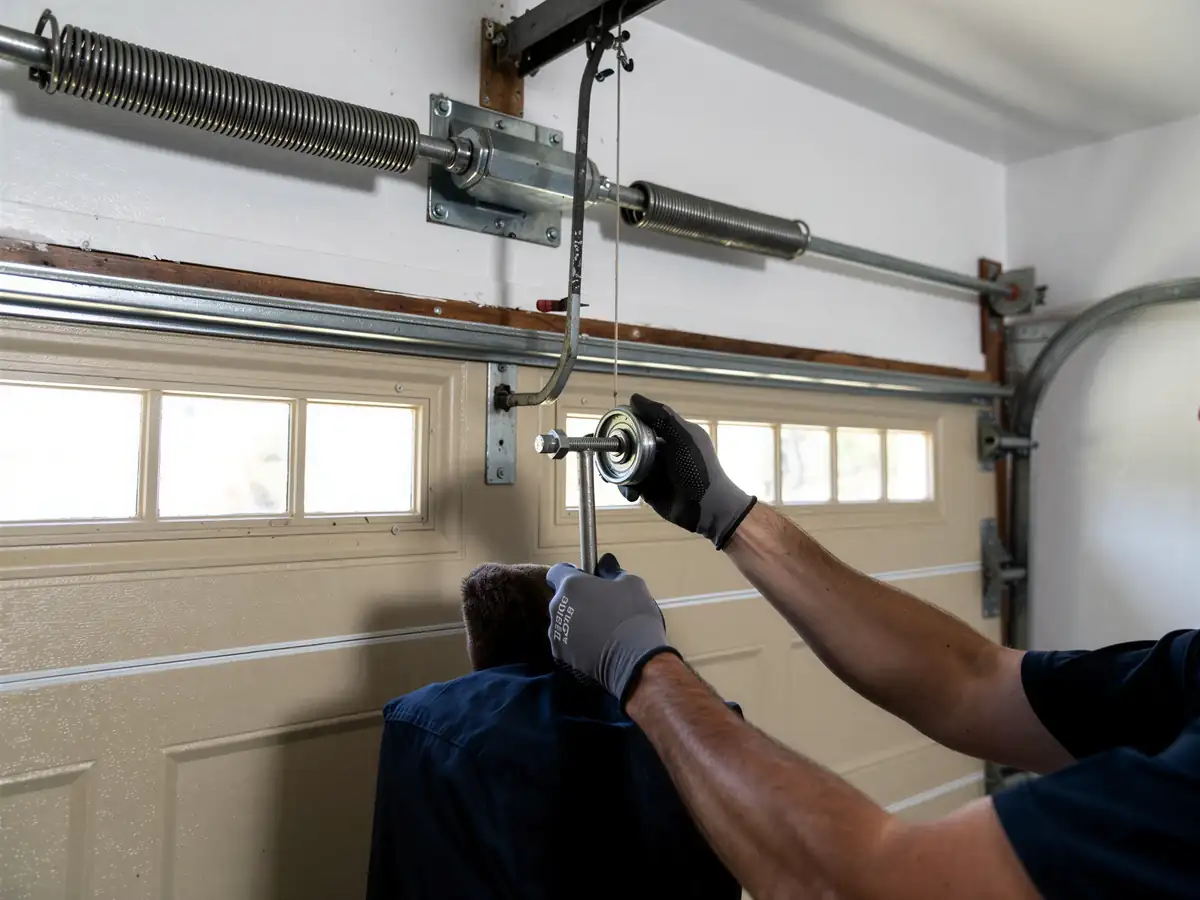
What you should not touch is the torsion spring above the door or the cables running down either side of it
Those are under enough tension to break a hand or worse, and on a double door that spring is doing a lot of work every single cycle. If the door feels heavy to lift by hand with the opener disconnected, or if one side of the door sits lower than the other, that's spring or cable territory, not a weekend project.
Most of Marion went up around 2003
Which means you're not dealing with decades-old hardware the way some older neighborhoods closer to Kalispell are. The openers and springs out here are generally one generation newer, but that doesn't mean they're new. Twenty-plus years of cold winters is enough to wear down plastic gears and stiffen old lubricant, so don't assume newer construction means nothing fails.
Where This Job Goes Sideways
The pattern we see most in Marion isn't a broken spring, it's a dying opener. Houses here cluster around a 2003 median build year, which lines up with when a lot of chain-drive openers from that era were installed. Those units typically carry a plastic drive gear inside the housing, and after enough winters of cold-stiffened grease and thermal expansion and contraction, that gear strips. The door won't move, or the opener motor runs but the trolley doesn't travel down the rail.
Cold-climate severe winters make this worse than it would be somewhere milder. Plastic gear sets get brittle at low temperatures, and circuit boards in openers that age weren't built to run reliably past fifteen or twenty years regardless of climate. When a homeowner tells us the opener makes a grinding sound and then just stops, we're usually looking at a stripped gear kit or a board on its way out, not a spring problem at all.
Where it goes sideways for the homeowner is trying to diagnose this by sound alone over the phone. A stripped gear and a failed capacitor sound almost identical from inside the garage, and guessing wrong means a wasted trip for both of us. If you can tell us whether the motor runs, whether the trolley moves, and whether the lights on the opener blink in a pattern, that gets us to the right fix faster.
How We Fix It
For the opener failures that are common in Marion's 2003-era housing, the fix is usually a gear and sprocket kit if the motor and board still test good, or a full opener swap if the board has failed. We carry standard gear kits and common opener models on the truck, so most of these get handled in one visit. A handful of less common opener brands use parts we don't stock, and that one does sometimes mean a second trip once the part is in - that's the honest limit of what fits on a service truck.
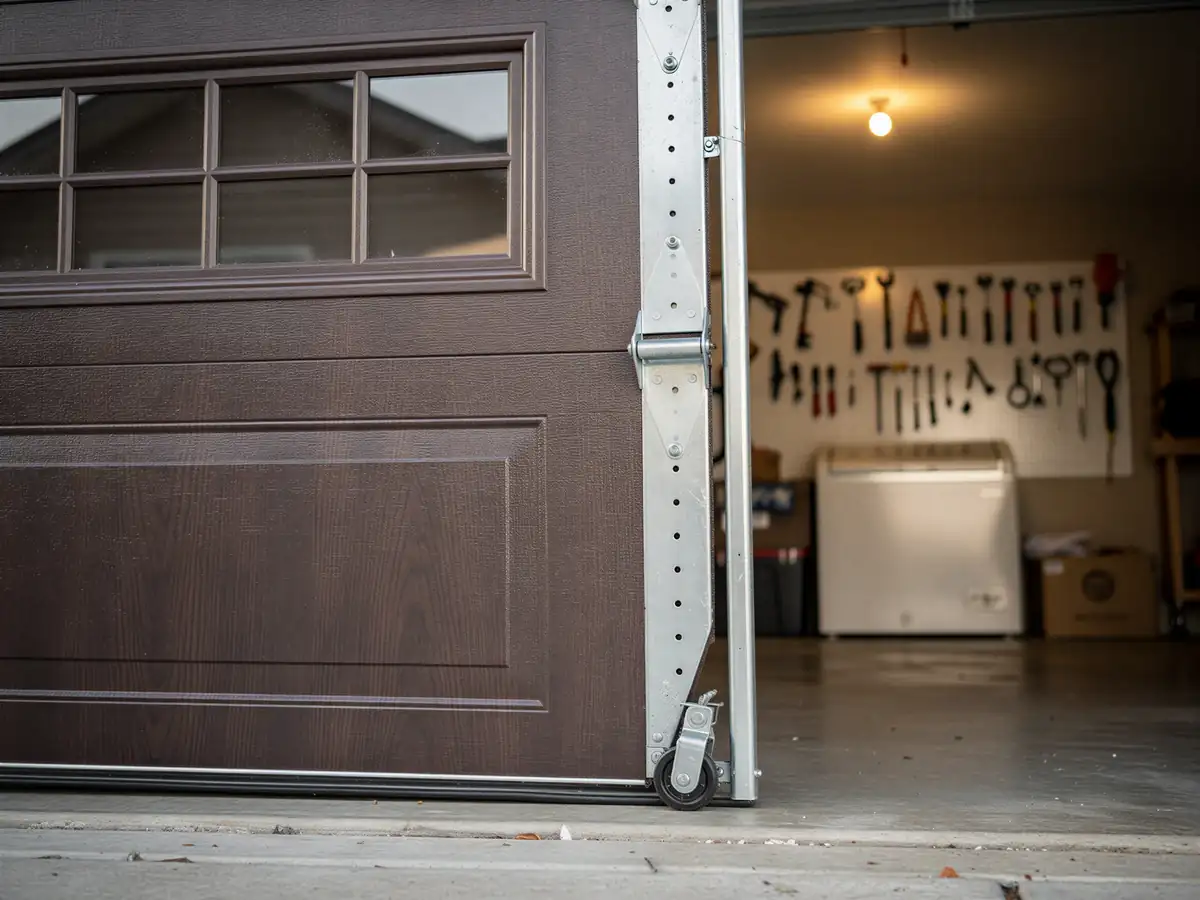
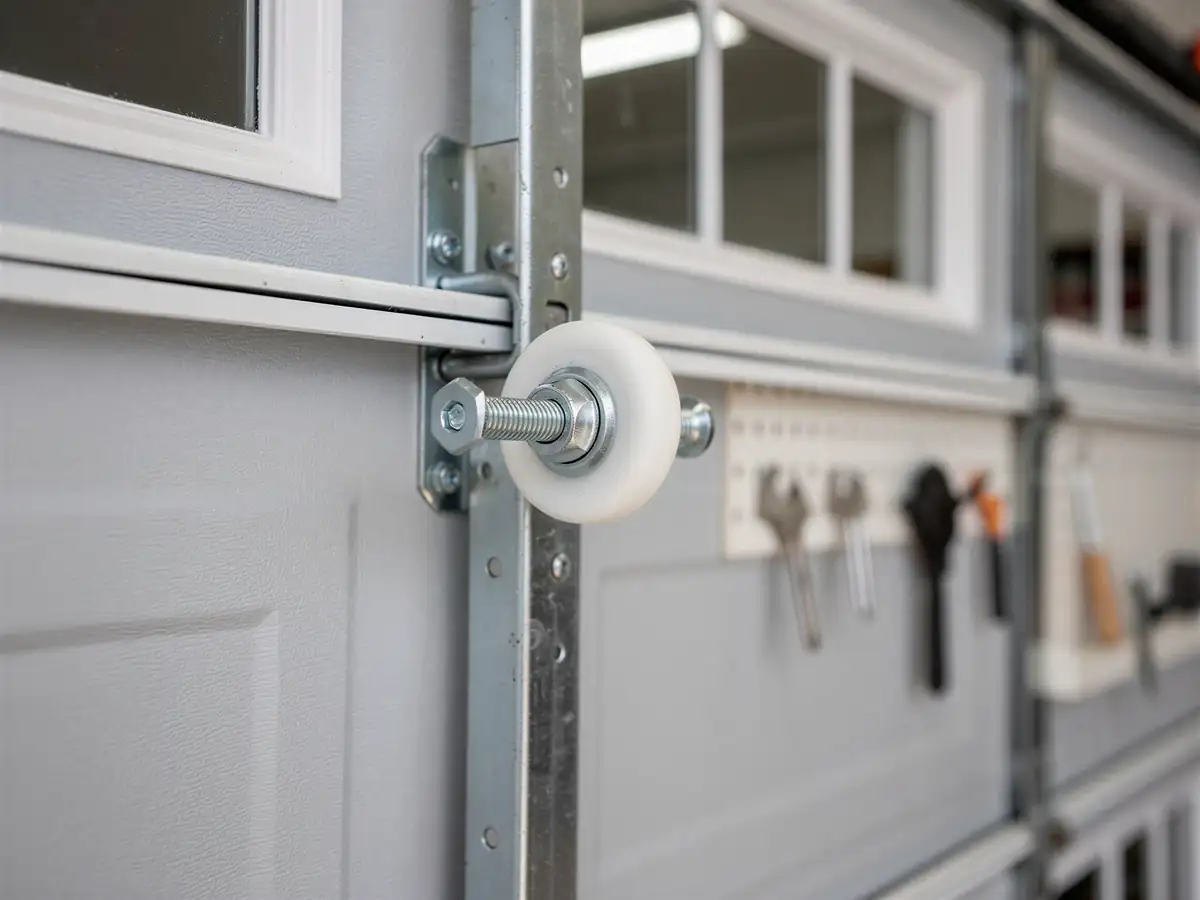
For spring and cable work, we size the replacement spring to the door's actual weight and cycle count, not just whatever was on it before, since cold-climate severe winters shorten spring life compared to milder regions. We also check the bottom brackets and rollers while we're in there, because a sagging panel or worn roller is often what triggered the original complaint even when the spring gets the blame.
We don't push a full door replacement on a 2003-built garage unless the panels themselves are damaged or rusted through. At that build year, most doors here have a lot of working life left in the panel even after the opener or spring has failed. Replacing the whole door when the hardware is what broke isn't a repair, it's an upsell, and we don't do that.
Booking a Visit
We come out to Marion from our shop in Kalispell, about 18 miles away
So having good information ready when you call saves a wasted trip in either direction. Tell us whether it's a single or double door, whether you hear the opener motor running, whether the door moves partway and reverses, and roughly how old the opener is if you know it.
- 18 miles
With around 462 households spread across Marion, this isn't a dense subdivision where we're already down the street
We're planning the trip from Kalispell, so a clear description up front matters more here than it would in town. At a median household income of $52,105 in Marion, well under the $71,110 median across the wider service area, we try to lead with the repair that actually fixes the symptom rather than defaulting to full replacement, since a gear kit or a single spring swap costs a lot less than a new opener or door.
- 462 households
You can see the full list of areas we cover from Kalispell on our service area page
And if what you're dealing with turns out to be broader than a Marion-specific fix, our main Kalispell repair page covers the full range of work we do.
The Symptom
The call we get most often from Marion starts the same way: the opener makes a grinding or clicking noise for a few seconds, then the door just doesn't move, or it moves an inch and stops. Sometimes the trolley light blinks a set number of times - that's the opener's board trying to tell you what failed, and the pattern is specific to the brand, not universal.
Less often, the complaint is a door that reverses itself immediately after it starts closing, which usually points to the photo-eye sensors being knocked out of alignment or fogged with moisture, common after a cold snap followed by a warm day. That one's sometimes a five-minute fix and sometimes a sign the sensor wiring itself has corroded at a connection point.
What we don't hear as often in Marion as we do in some older parts of the service area is a flat-out snapped torsion spring with the door stuck fully down. Given the newer build year here, 2003 median versus 1988 across the wider area, the hardware simply hasn't had as many cycles yet. That will change as these houses age another decade, but for now, opener failure is the symptom to watch for first.