Doing It Yourself
Marion's median build year sits around 2003
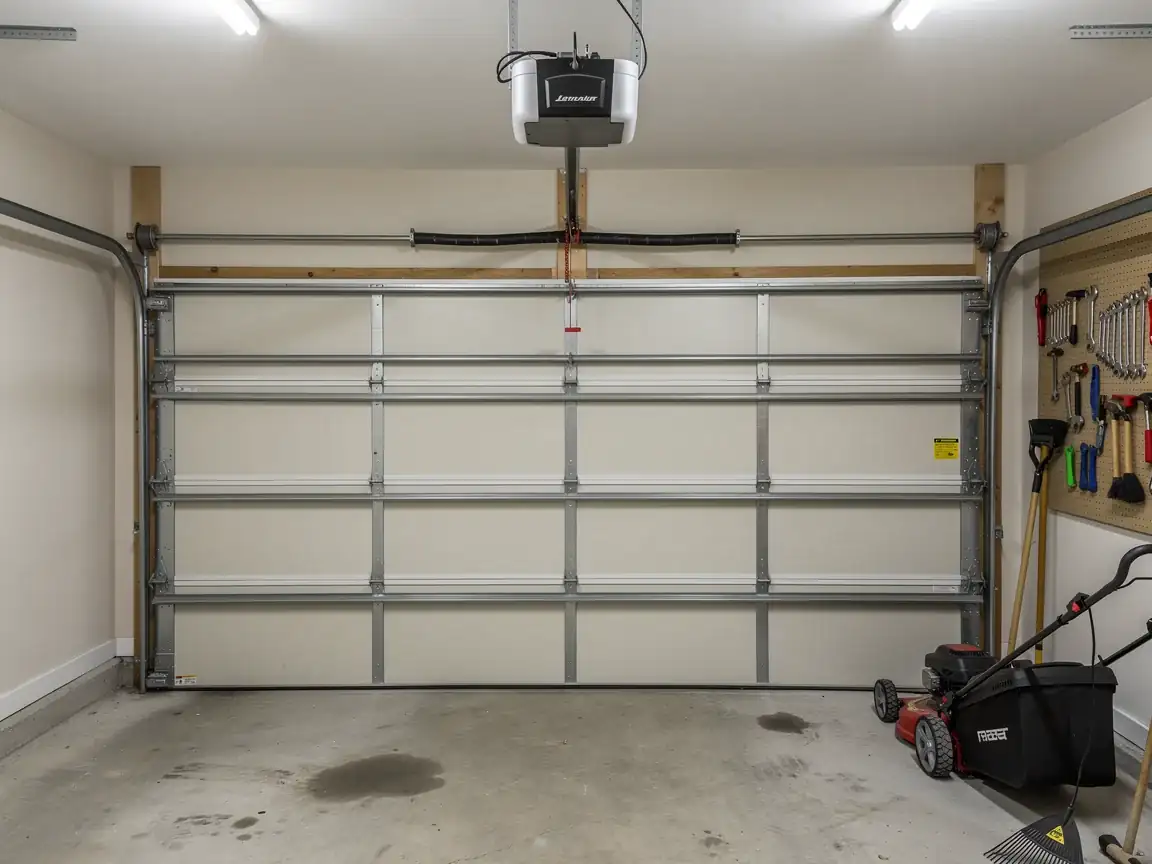
Which puts most garage doors here a good fifteen years newer than the typical house across the rest of the service area, where the median is closer to 1988. That matters for what's still original. A door and opener installed in the early 2000s is old enough that the spring has probably taken its first real wear cycle, but the hardware itself - the track, the hinges, the drum - is usually still the factory set. Nobody's been in there.
If your opener is from that era, it's worth knowing what you're dealing with before you grab a wrench
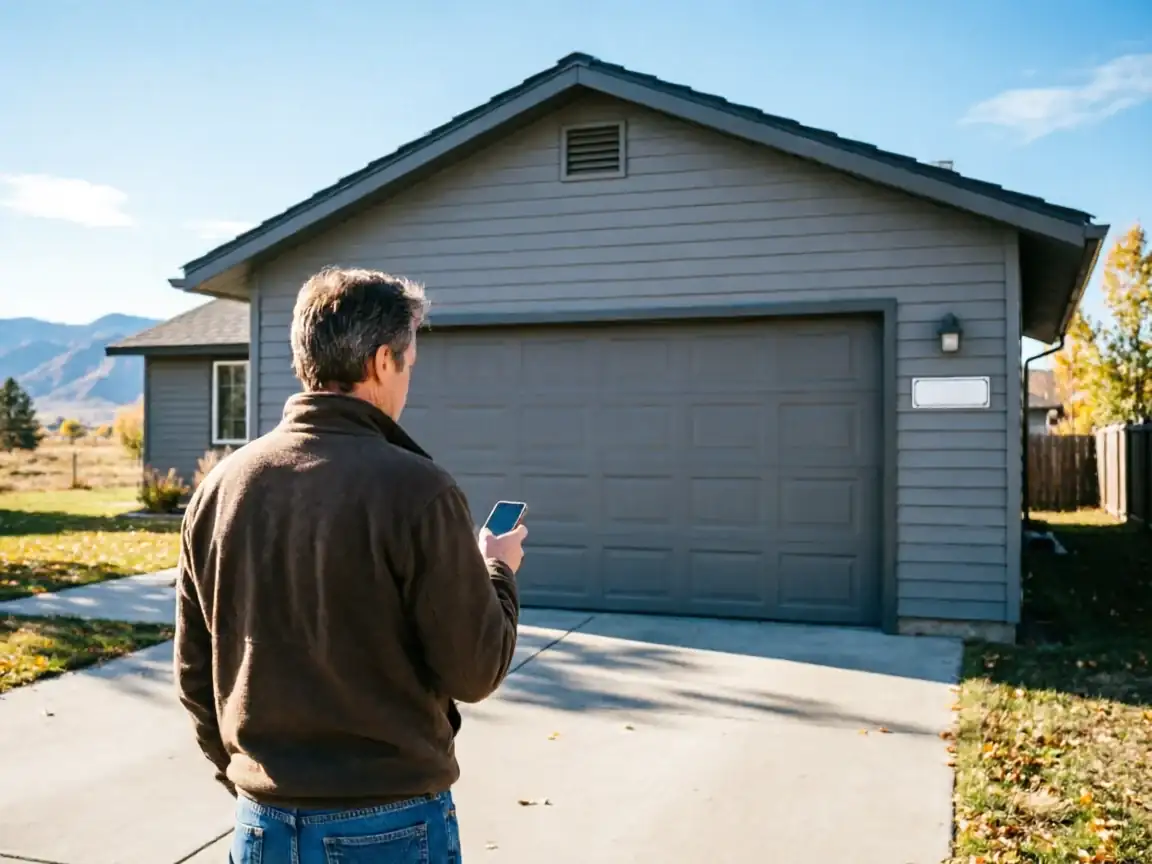
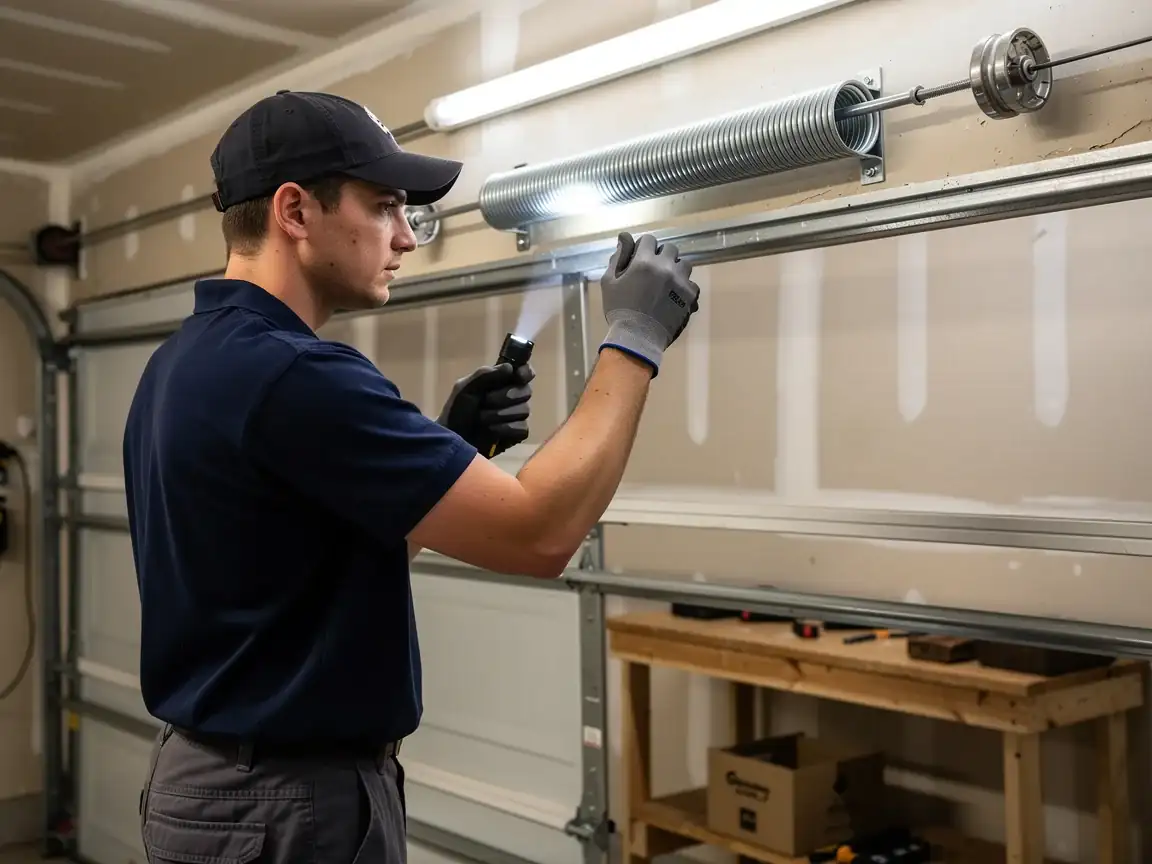
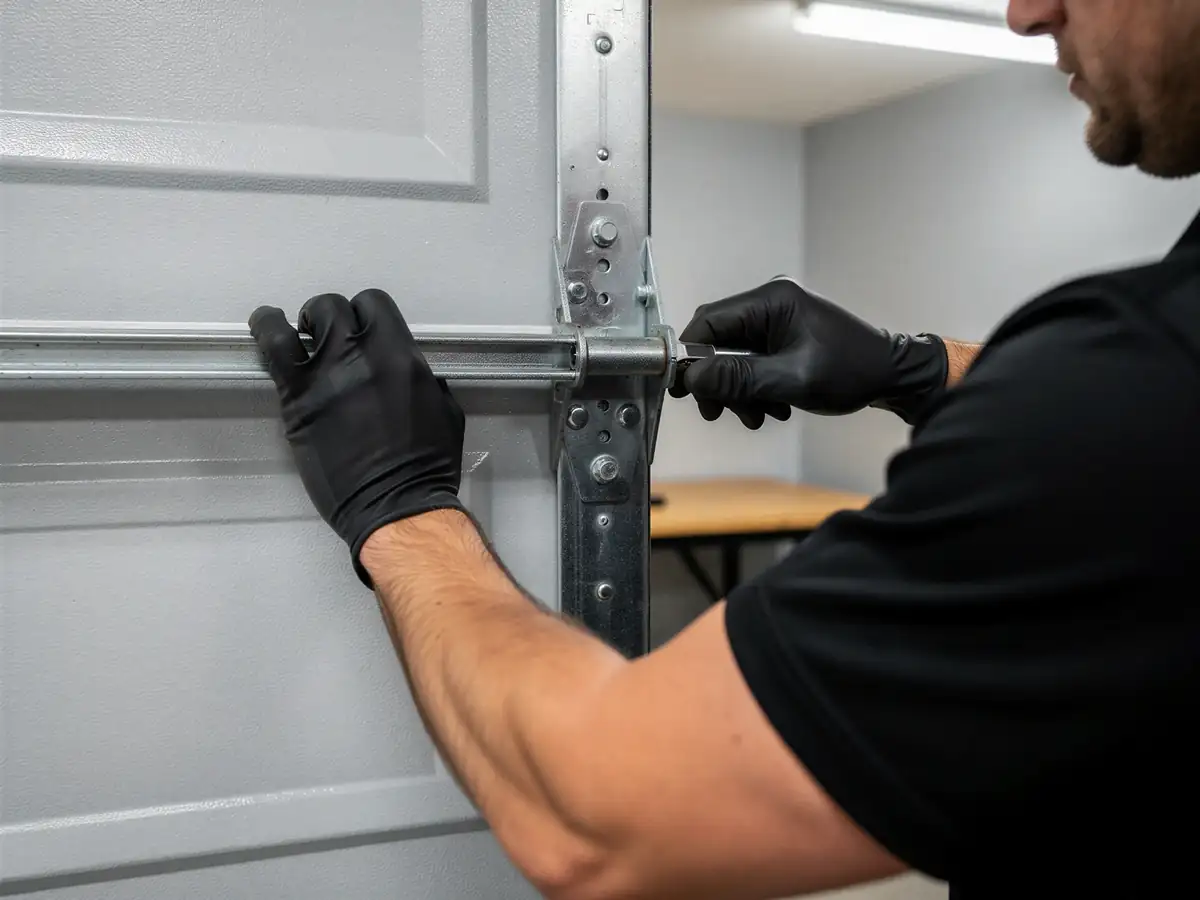
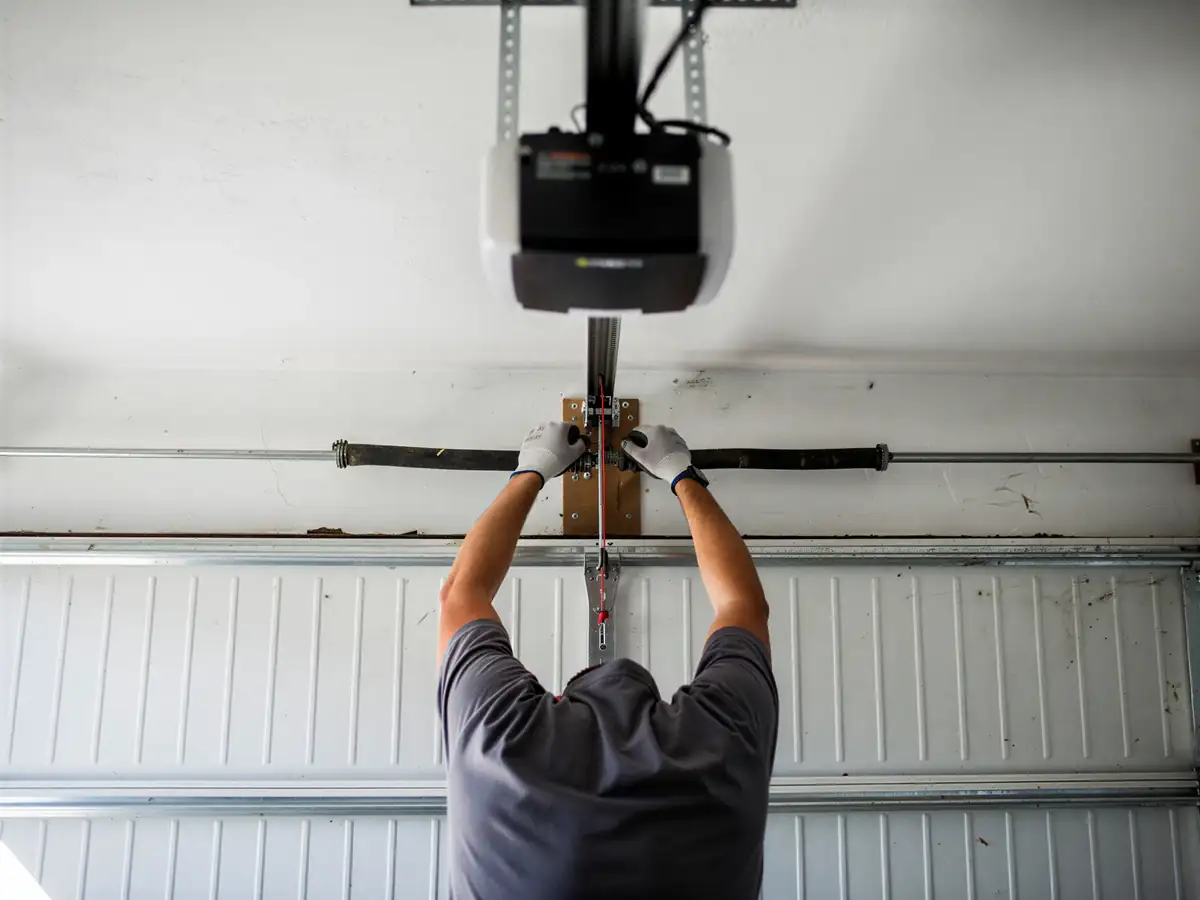
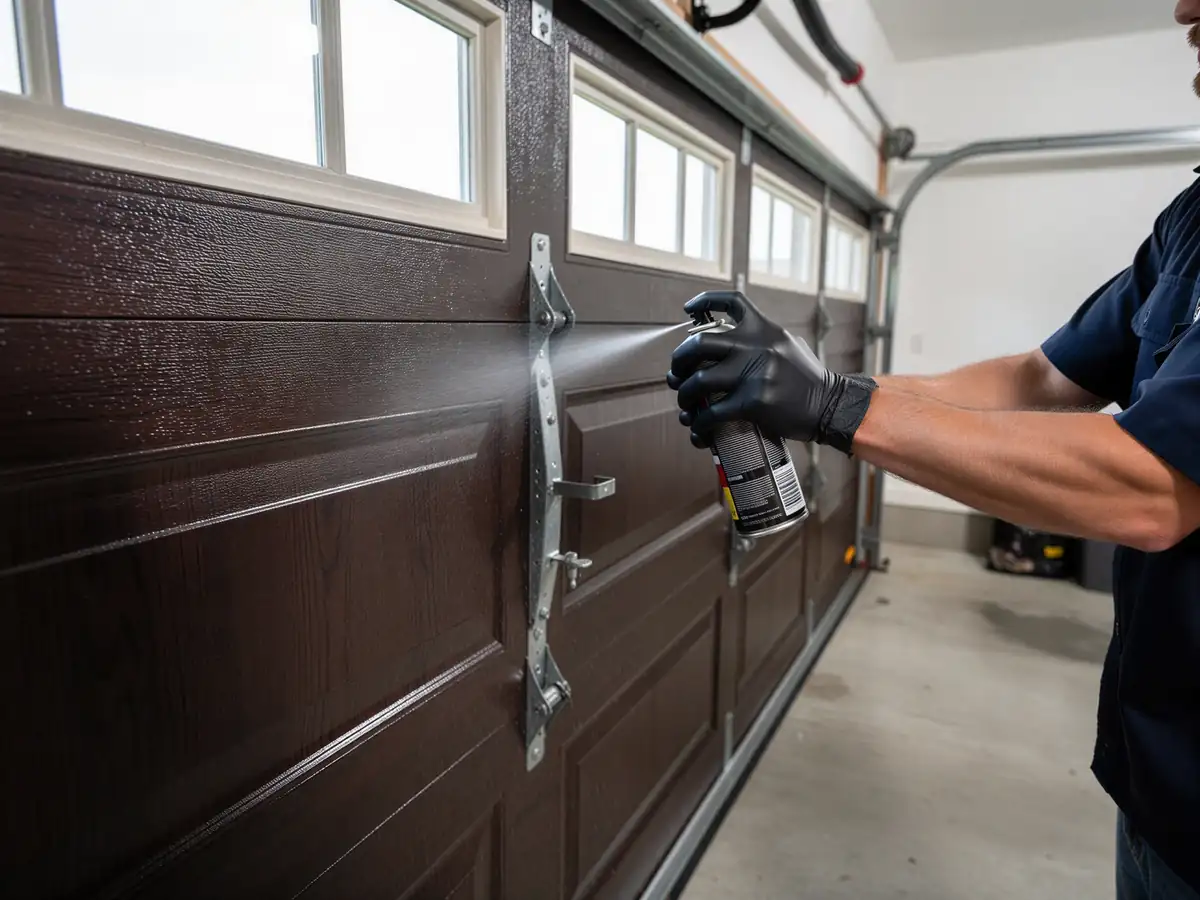
A frayed cable or a bent track rail is a job for someone who's done it, not a weekend project - the spring under tension can put you in the ER. What you can safely check yourself: the photo-eye sensors near the floor (wipe the lenses, make sure they're aligned), and whether the door reverses when it meets resistance. If it doesn't reverse, stop using it and call. That's a safety failure, not a convenience one.
With only 462 households in Marion, this isn't a place where every hardware style and brand shows up
The newer build era means openers here skew toward chain-drive and belt-drive units rather than the older screw-drive setups you'd find on 1960s stock elsewhere in the valley.
- 462 households
Where This Job Goes Sideways
Cold-climate winters mean the grease in an original 2000s-era opener gear has had twenty-plus years to go stiff, and stiff grease makes a motor work harder than it should. That's usually what turns a $40 fix into a stripped gear replacement - the opener strains against resistance it shouldn't be fighting, and by the time you notice the noise, the nylon gear inside has already chewed itself up.
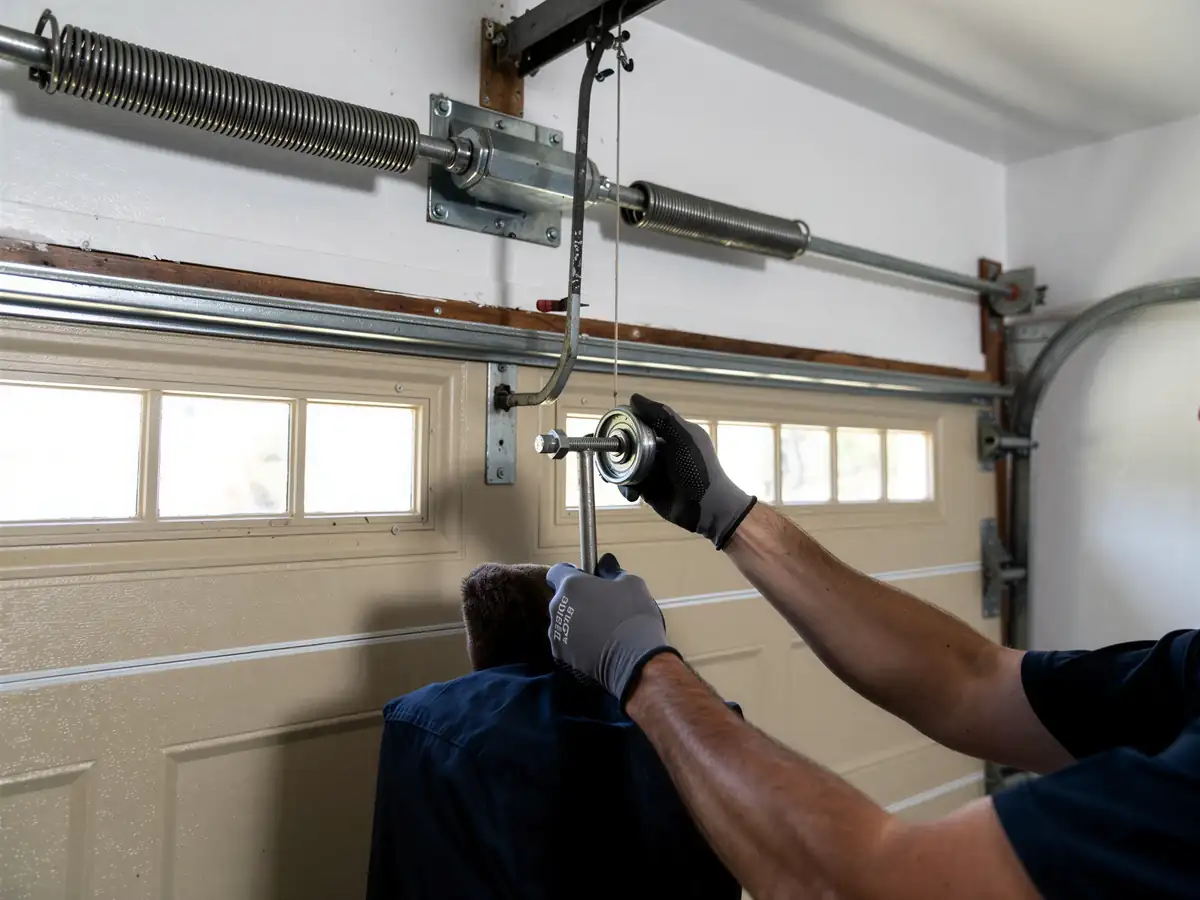
The other way it goes sideways is the spring. A torsion spring rated for a certain door weight and installed in the early 2000s is well past the point where failure is a surprise. When it breaks, people sometimes try to run the door on the opener anyway, which puts the full weight on the opener's drive mechanism instead of the spring doing its job. That's the fastest way to turn a spring repair into an opener replacement.
We've seen jobs where homeowners assumed a dead opener meant a dead door, when it was really just a worn capacitor or a stuck limit switch. We won't sell you a new system if the fix is smaller than that - but we also won't tell you a cracked panel or a snapped spring is a quick patch when it isn't.
How We Fix It
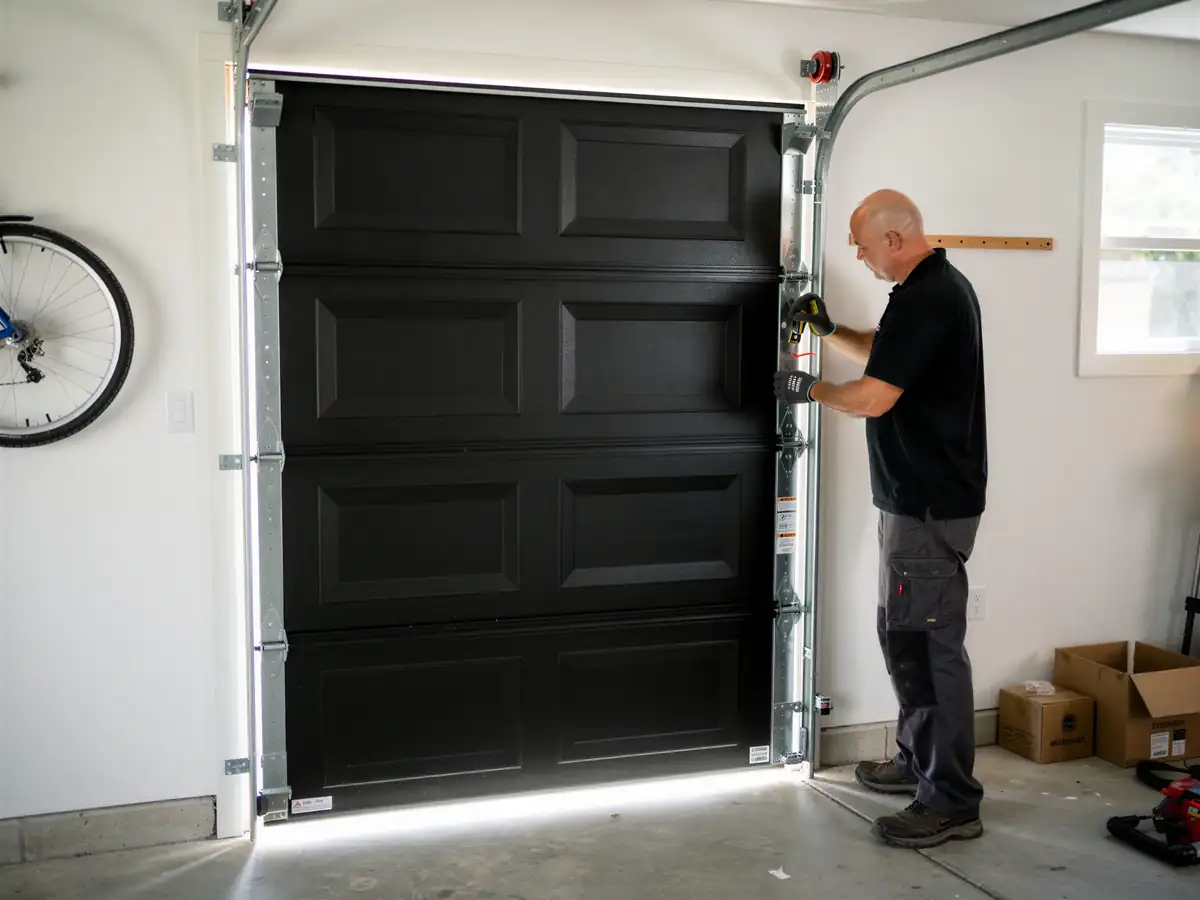
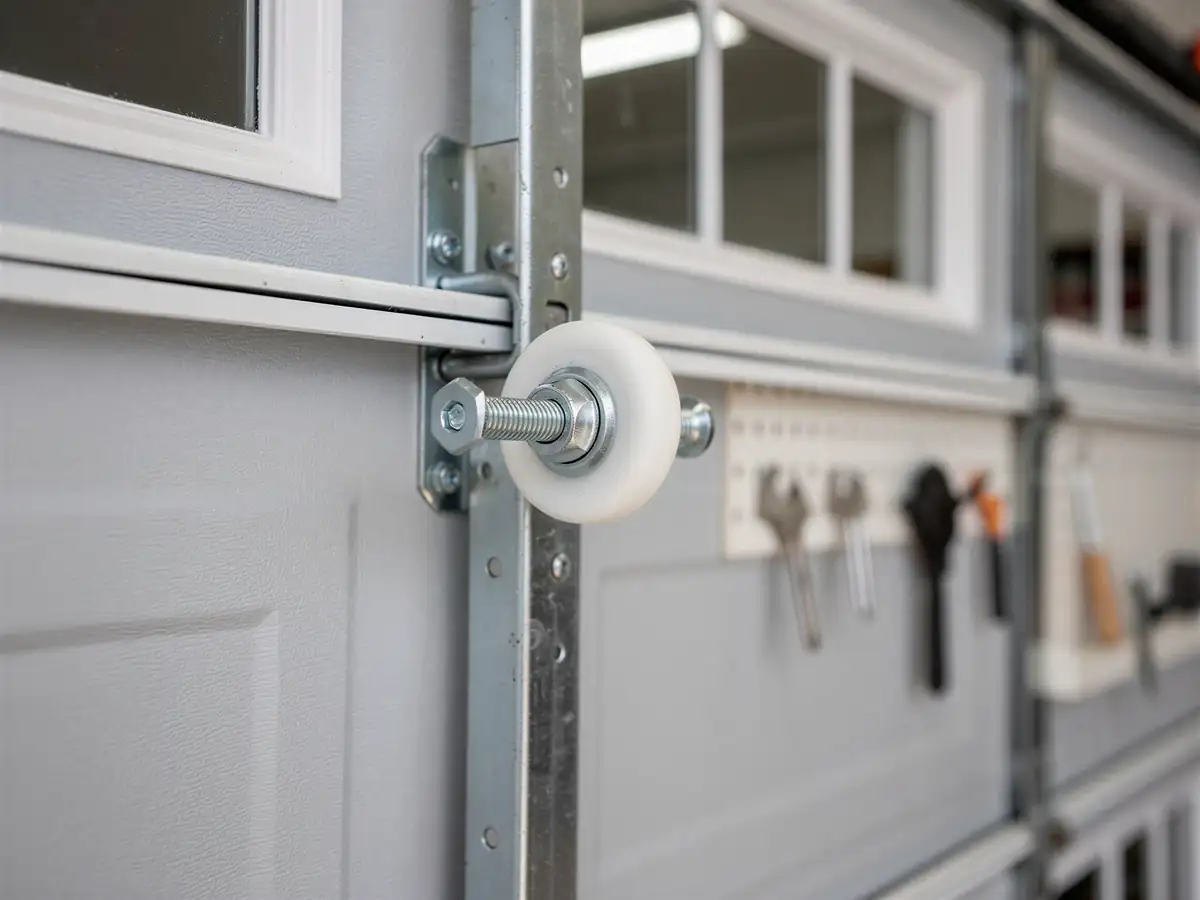
We travel the 18 miles out from Kalispell for Marion calls, so we come with the truck stocked for what early-2000s doors actually need: torsion springs sized to that era's standard door weights, replacement rollers, and opener logic boards that match chain- and belt-drive units from that build window. If your track has gone out of alignment - common after years of cold-weather expansion and contraction on the rail brackets - we true it up on site rather than just bolting a new panel onto a crooked track.
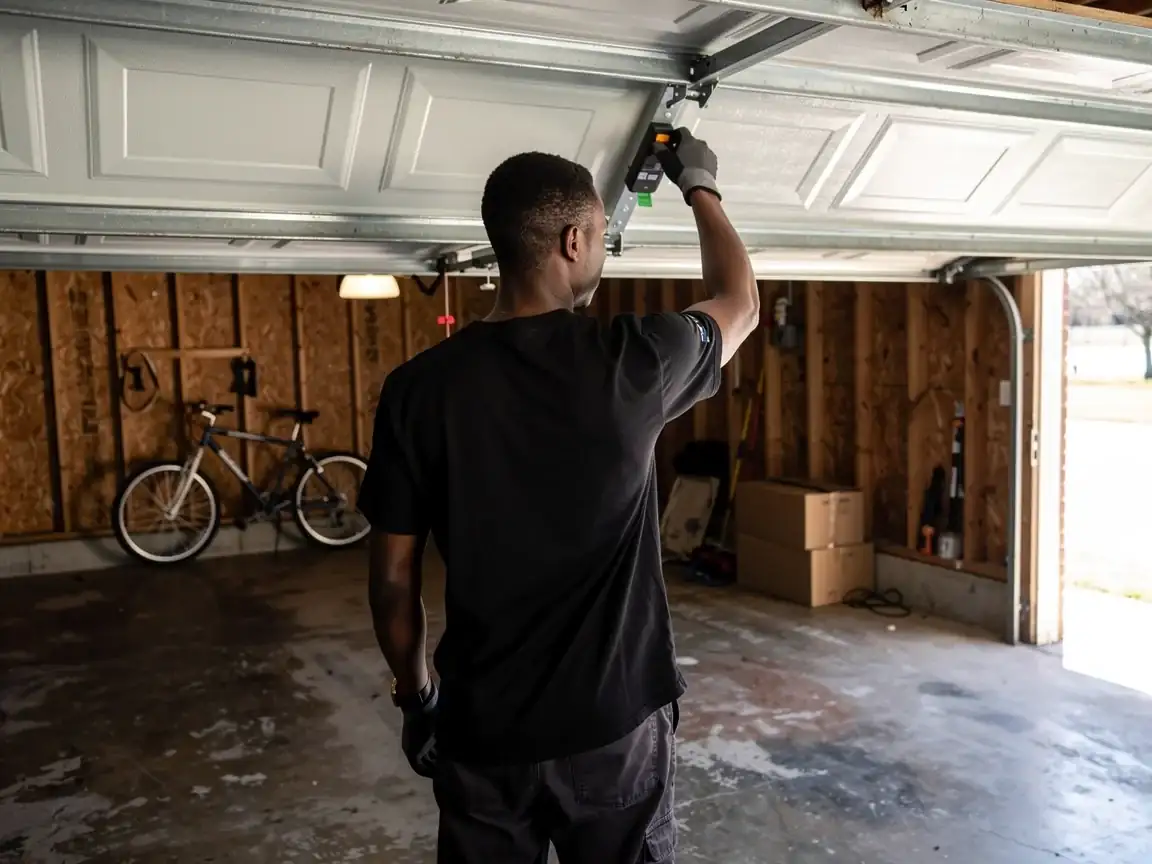
For spring replacement, we balance the door properly rather than guessing at the tension, which matters more in cold-climate garages where the door sees real temperature swings between a heated interior and an unheated bay. For opener work, we check the gear, the capacitor, and the sensor alignment as a set, since on hardware this age it's rarely just one part failing in isolation.
One limitation worth saying plainly: if your opener logic board is a model no longer made, we may need to replace the whole unit rather than patch the part, and that's a parts-availability issue, not an upsell.
The Symptom
The door that won't fully close and backs up partway is almost always the photo-eye sensors or a misaligned limit switch on this era of opener - not a dying motor. A grinding or whining sound from the opener head, especially in cold weather, usually points to a gear that's working against stiffened grease, not a failing spring. A door that feels suddenly heavy to lift by hand is the spring losing tension, and on a door installed around 2003, that's close to the age where original springs start to go. A door that opens unevenly, with one side dropping ahead of the other, points to a cable or roller issue on the heavier side - more common on double doors than single. None of these are reasons to force the door; forcing it is how a cable snaps instead of just wearing through.