The Symptom
Columbia Falls is twelve miles out from our shop in Kalispell
So when a call comes in from out there, we load the truck with every roller size and bearing type we stock before we leave - there's no running back for a part once we're on site. That drive shapes how the job gets booked: we try to diagnose over the phone first, because a bad roller sounds different from a bad spring or a bent track, and getting it right before the truck rolls saves everyone the twelve miles back.
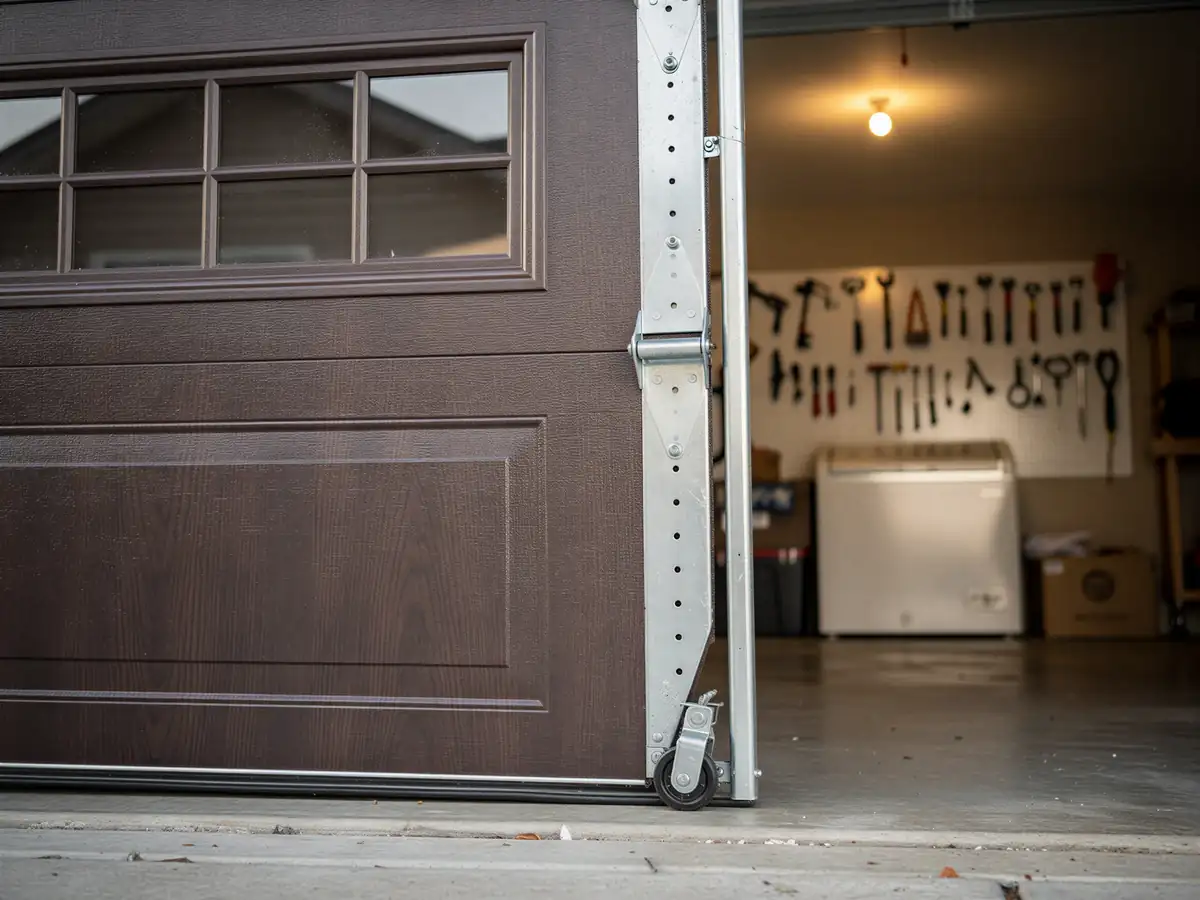
The symptom itself is usually a grinding or popping noise right as the door passes the point where the track curves from vertical to horizontal
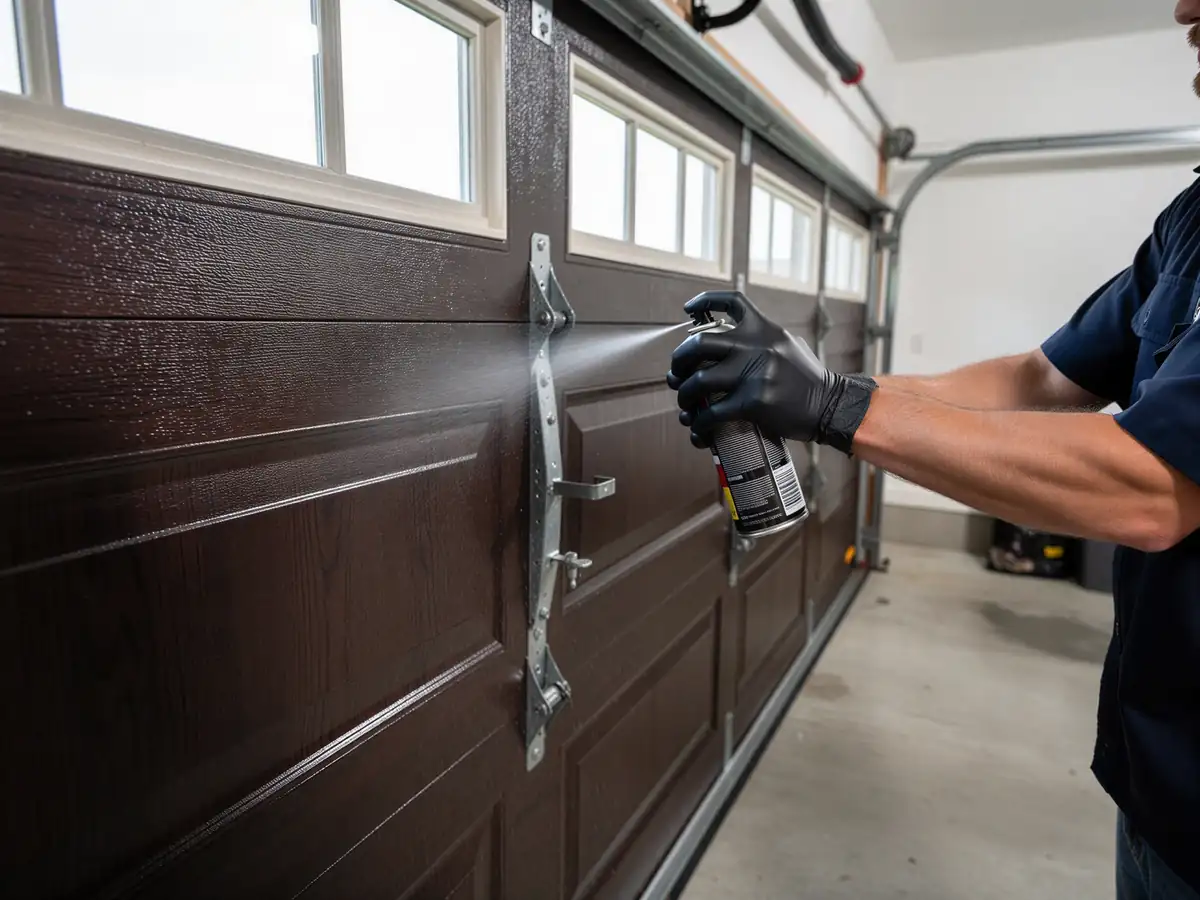
That's where a worn roller binds hardest. Sometimes it's a door that shudders or hangs up at the same spot every time, a sign one or two rollers have flattened or the bearing inside has seized. On older steel rollers, you'll often see metal shavings in the track before you see the door struggle. Either way, it's a wear-and-tear fault, not a safety emergency like a snapped spring - but ignored long enough, a seized roller puts side-loading on the track and the opener both.
How We Fix It
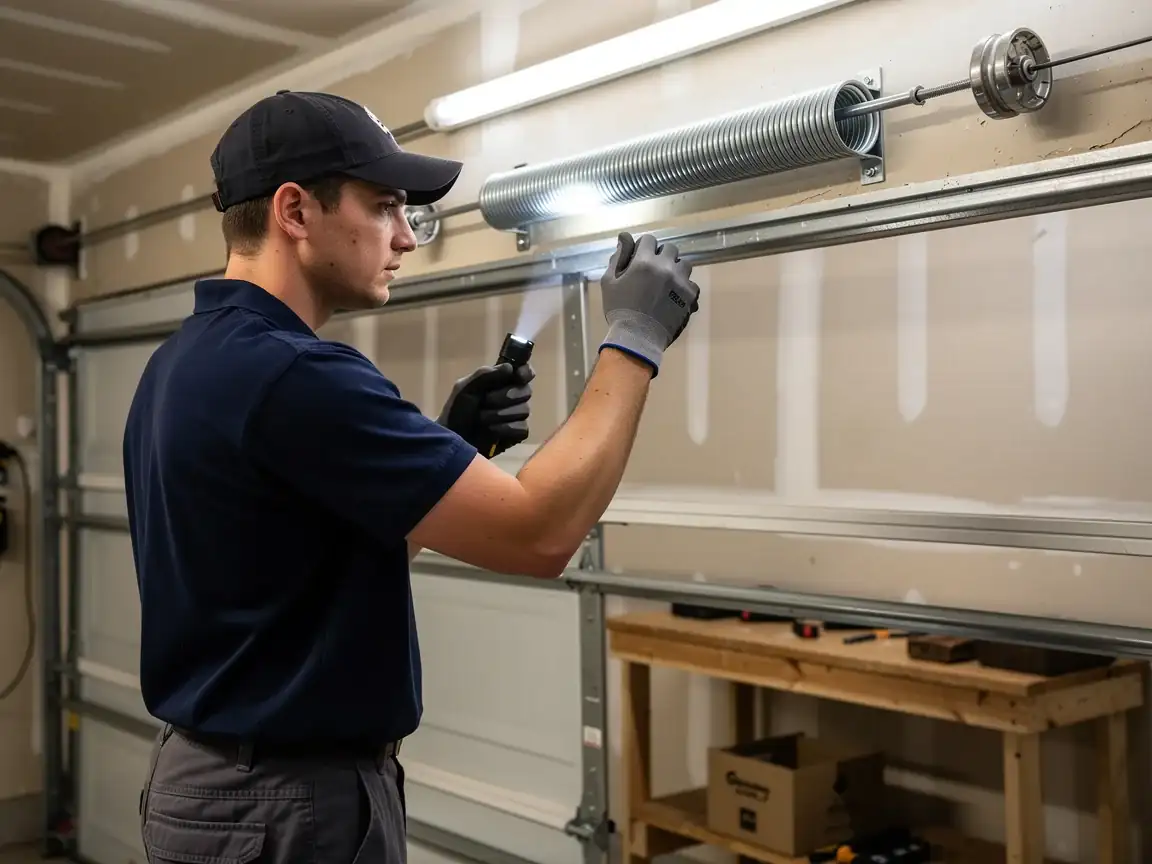
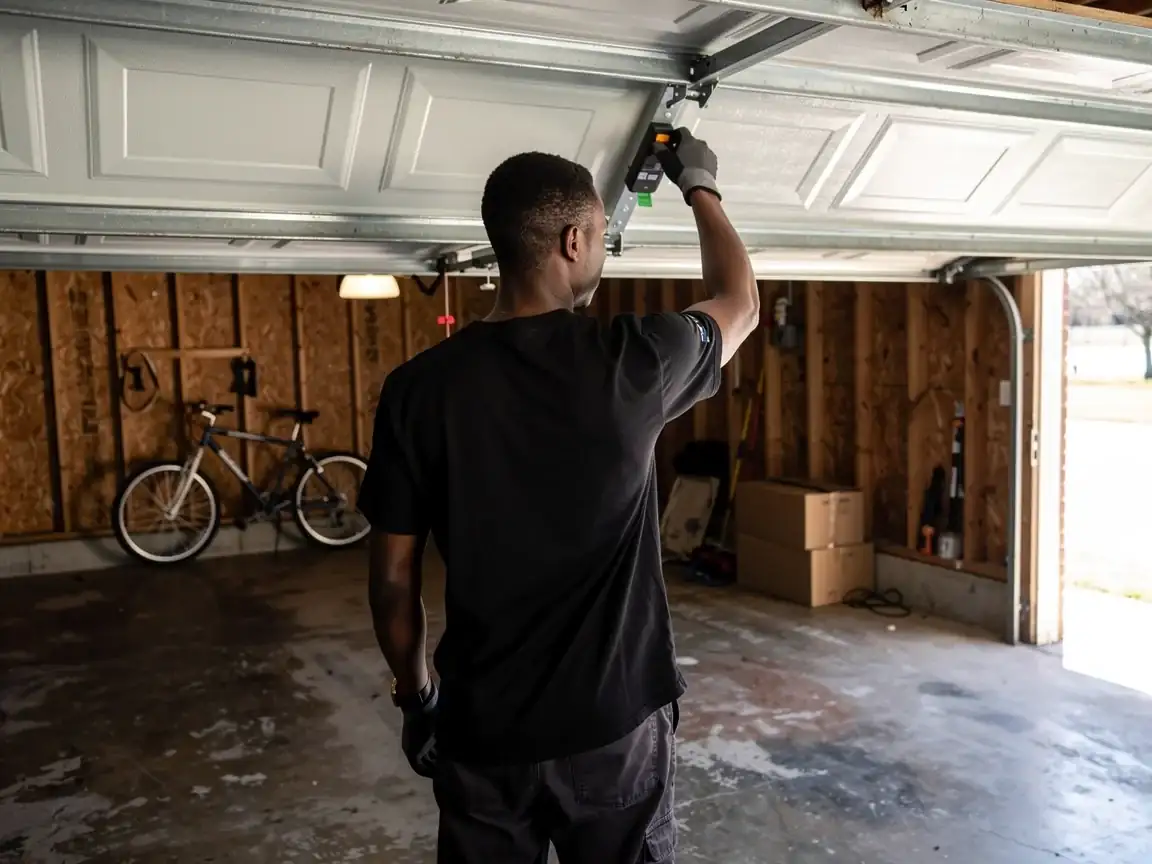
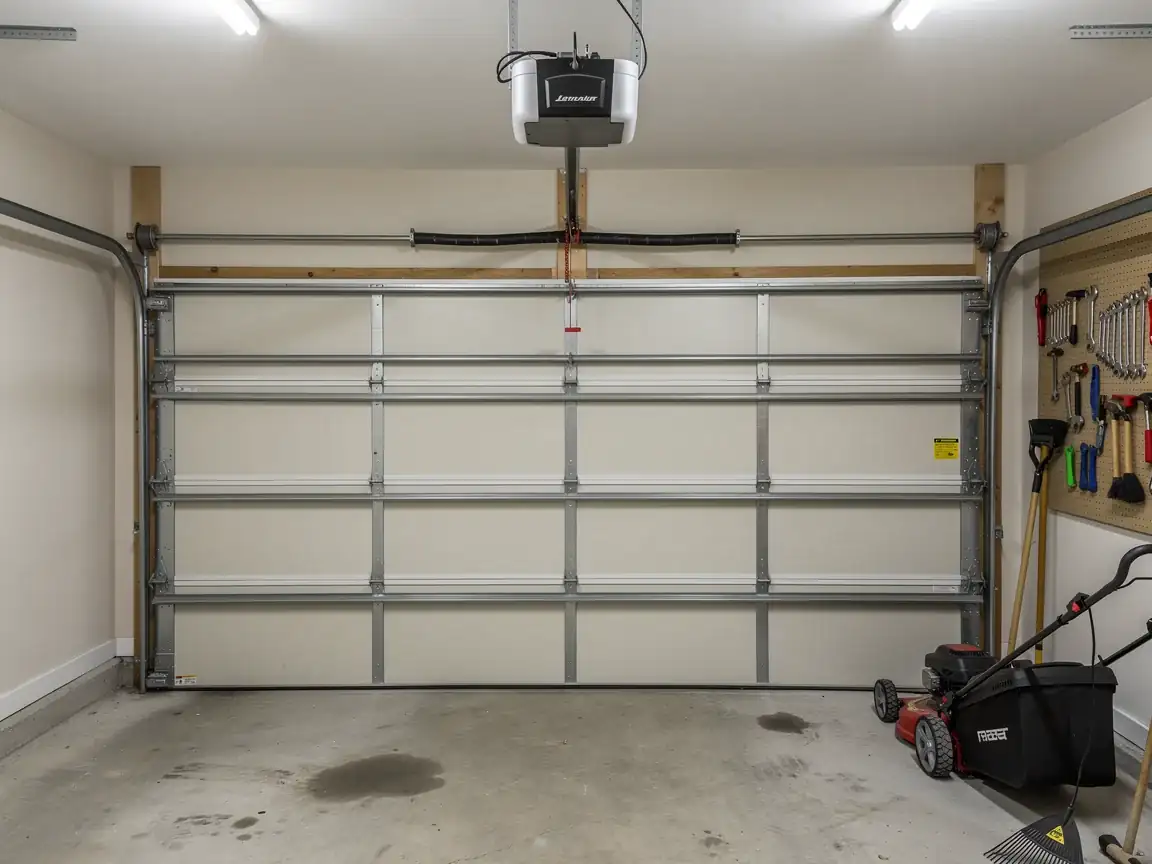
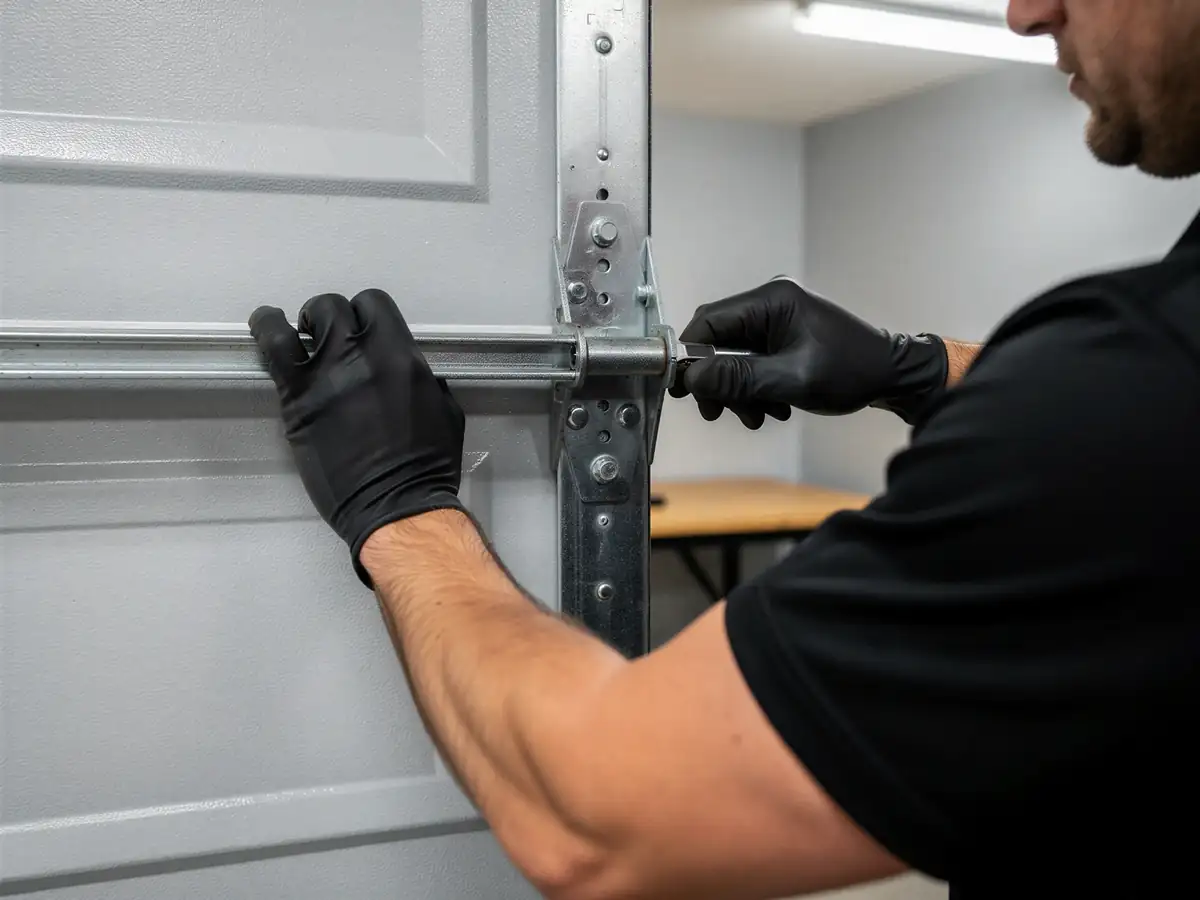
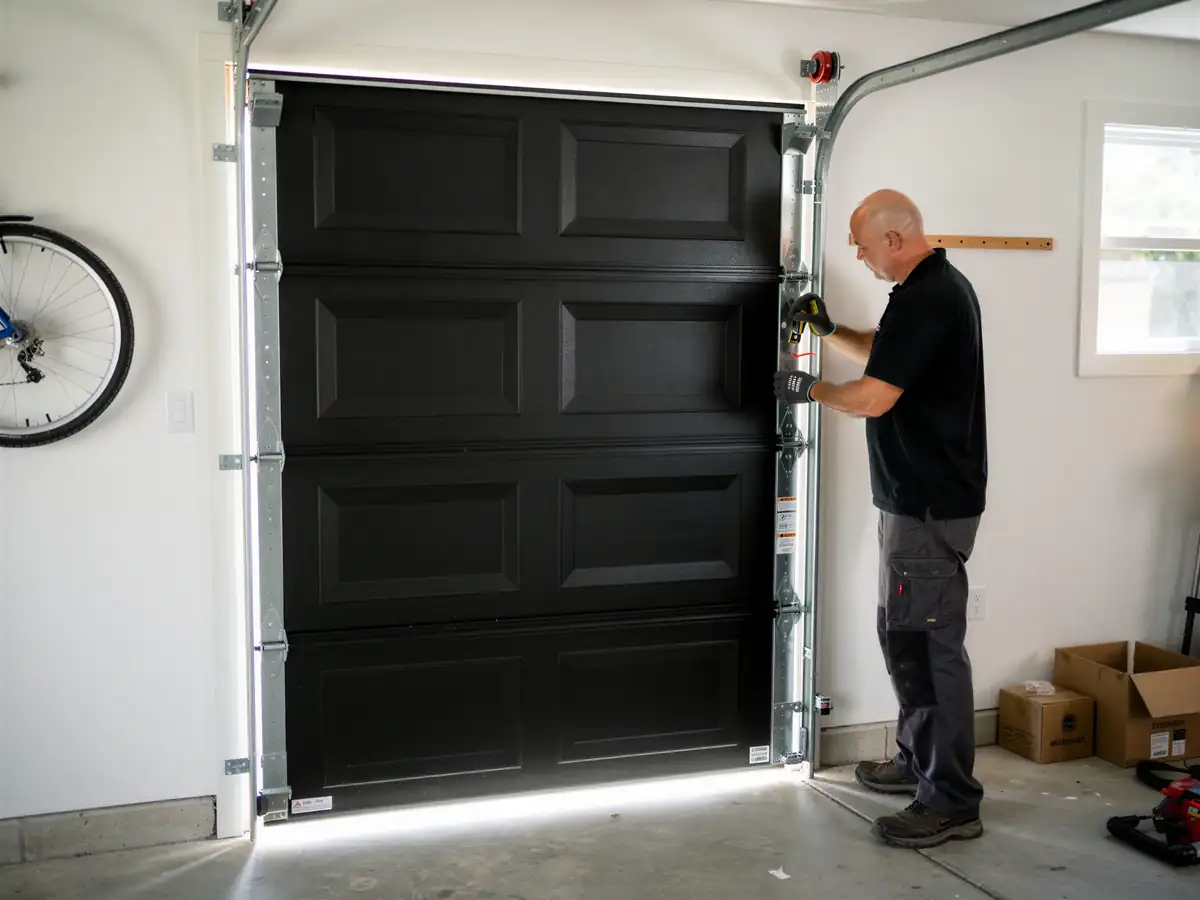
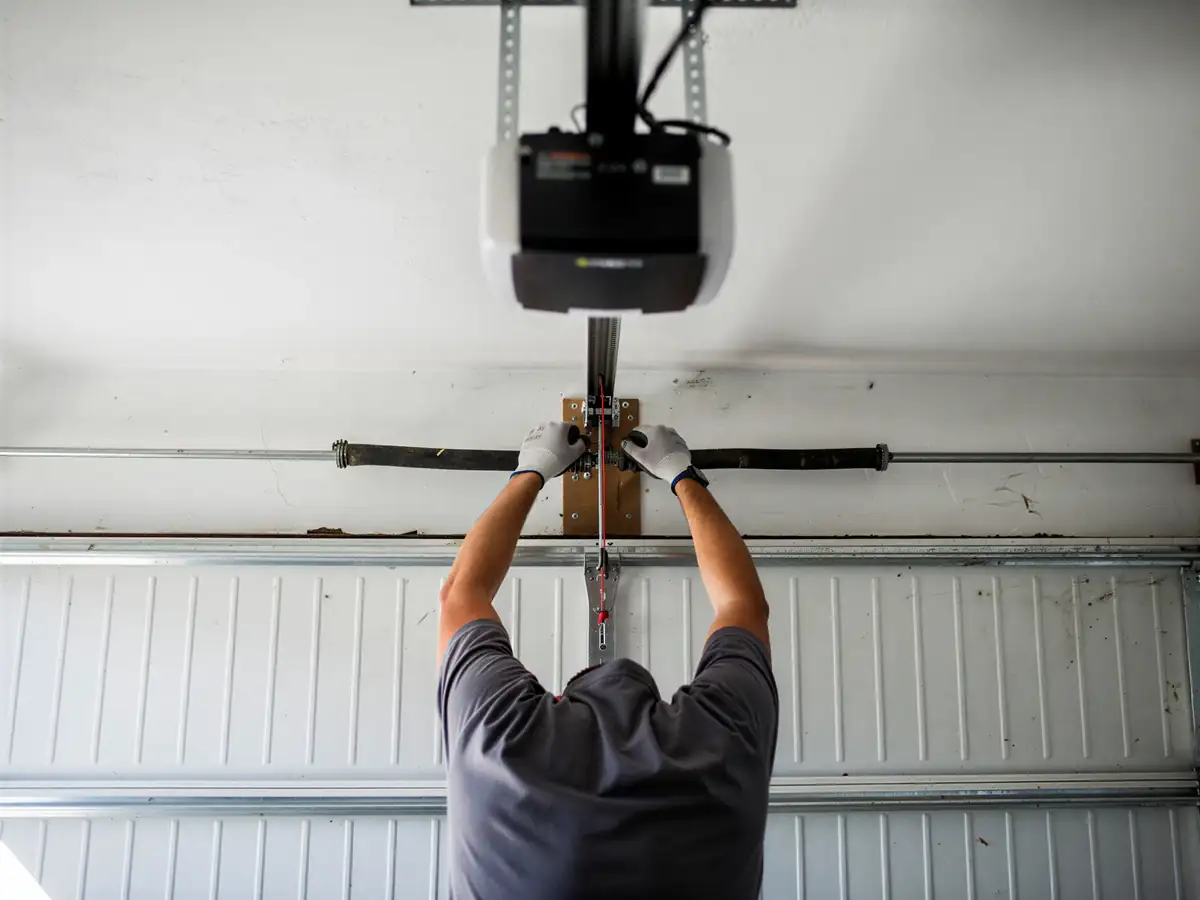
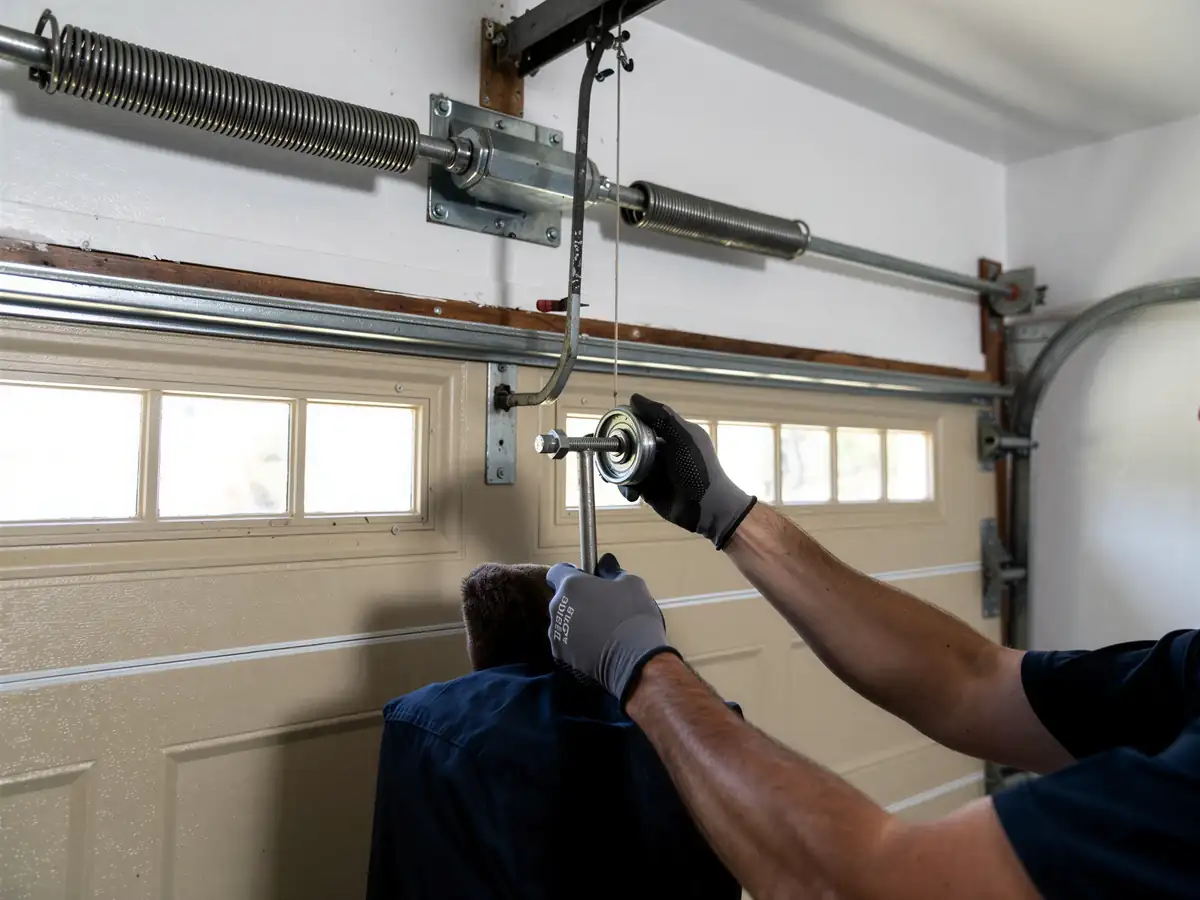
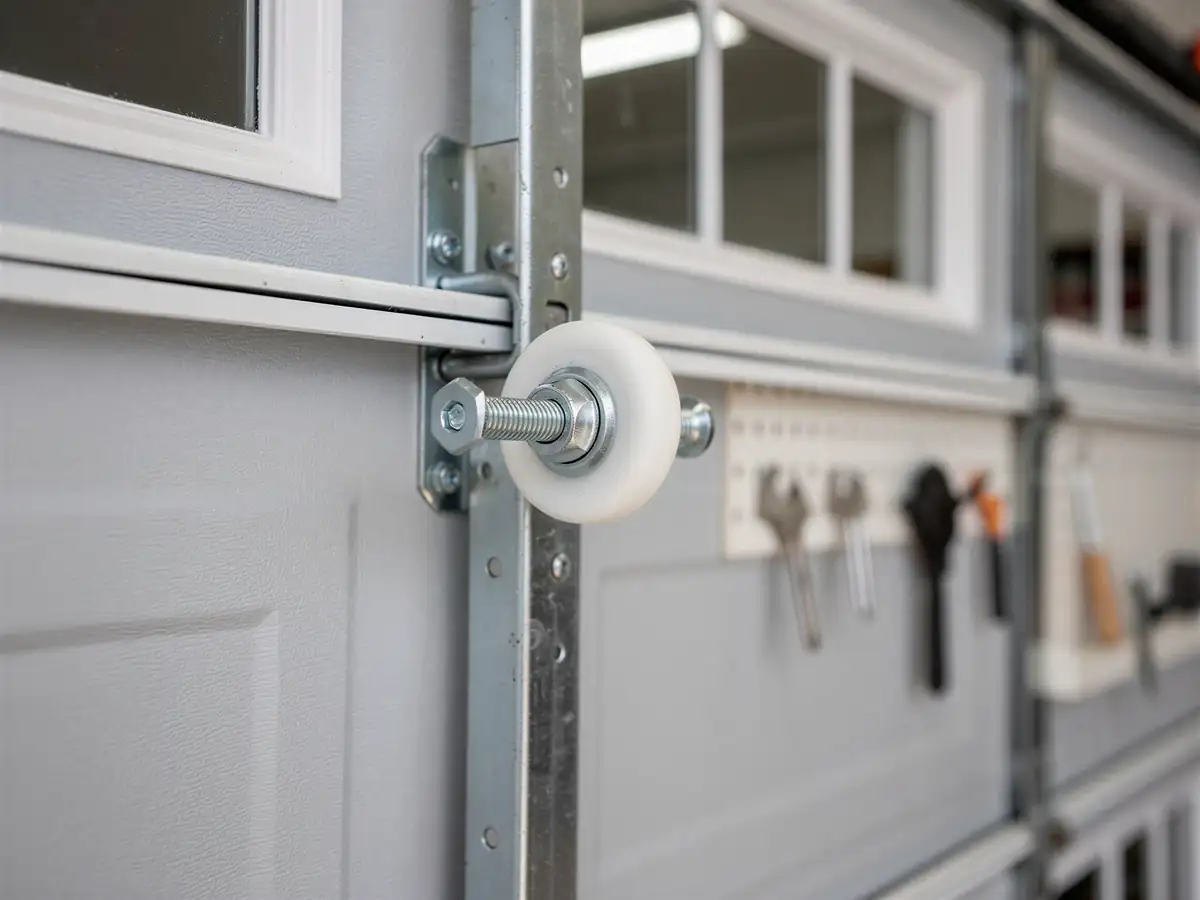
On a standard roller job we pull the door section by section, swap worn rollers for nylon composite ones with sealed bearings, and check the track alignment while the door's apart - a bent or out-of-plumb track is often what wore the rollers unevenly in the first place. We don't just replace the obvious bad ones; we check the full set, because rollers wear in pairs across the track height, and leaving three old steel rollers next to one new nylon one just moves the noise down the door instead of fixing it.
Given the drive out from Kalispell, we carry stock for full sets, not single replacements, since a Columbia Falls call is rarely worth a second trip over one roller. If the brackets or hinges holding the rollers are bent or rusted through, we replace those at the same time rather than reusing hardware that's already fatigued - reusing a cracked bracket on a fresh roller just shortens the life of both.
What You Pay
We don't quote roller pricing sight unseen, since it depends on how many rollers need swapping, whether brackets or hinges are shot, and whether the track needs resetting at the same time. What we can say is that median household income in Columbia Falls runs $65,313, a bit under the $71,110 figure for the wider area we cover, and that gap shows up in how jobs get decided here - more owners ask us to do a straight roller swap and leave the rest of the door alone, rather than bundling it into a bigger repair or a full replacement.
The honest limitation: if the track itself is bent badly enough, or the door is original to a 1979-built house and the panels are failing along with the rollers, a roller swap alone won't fix the underlying problem, and we'll tell you that instead of selling a repair that won't hold.
Why This Fails Locally
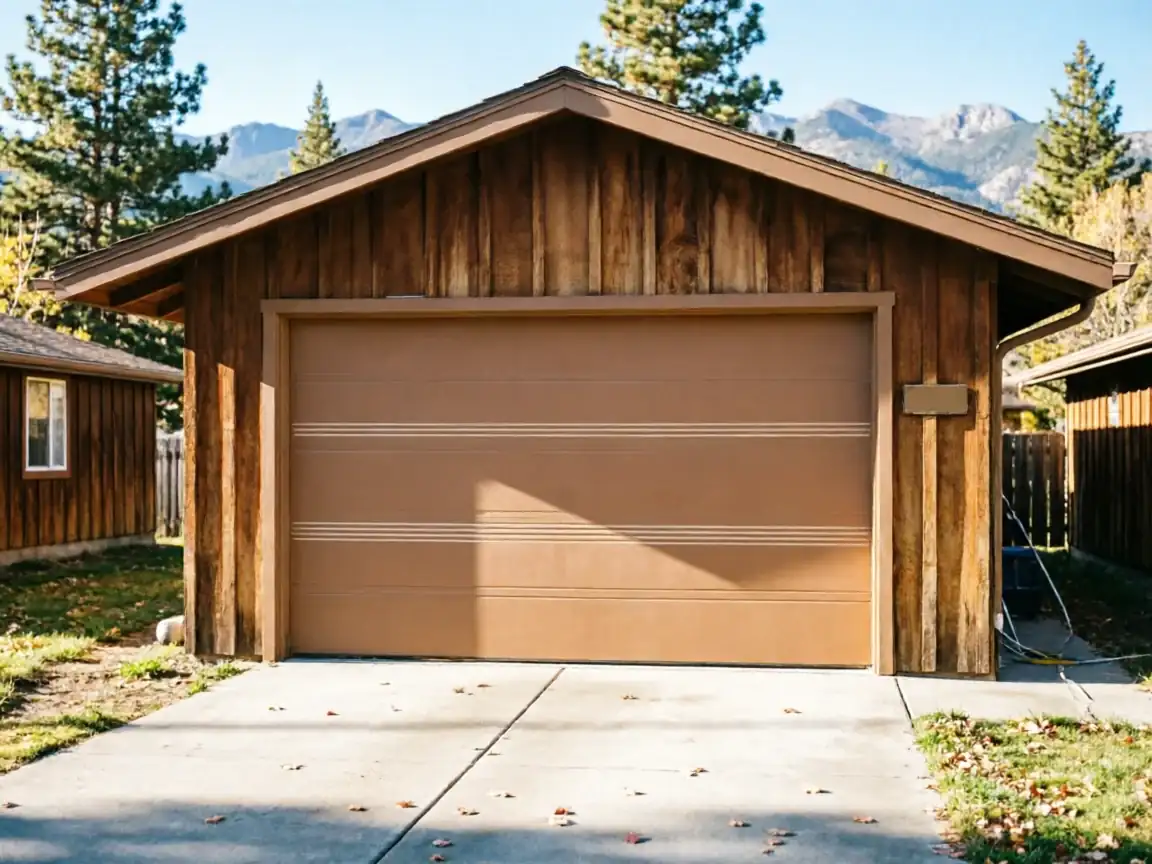
The median home in Columbia Falls went up in 1979
Close to a decade ahead of the 1988 median across the rest of the service area we cover, and that puts a real share of these doors on original steel rollers that have outlasted two or three openers already. Steel rollers on side-mounted hardware were standard through that era, and they wear loud and wear unevenly - nylon didn't become the factory default until later builds elsewhere in the area.
The region sits in a cold, severe winter climate band
And steel rollers handle that worse than nylon: grease in the bearing stiffens in deep cold, the roller drags instead of turning, and the flat spot that forms from dragging gets worse every cycle until the door binds hard enough to strain the opener. With roughly 2,140 households in Columbia Falls, the stock of original steel-roller doors here is thick enough that we replace full roller sets more often than we do in newer-built pockets of the area.
- 2,140 households
Where This Job Goes Sideways
Where a roller job turns into something bigger is when the track has been bent for a while and nobody noticed, because a bent track wears rollers unevenly no matter what they're made of - you can put new nylon rollers in and have them grinding again within a season if the track isn't trued first. We check for that before we close out any roller call.
The other place it goes sideways is hardware fatigue. At 1979, the median build year in Columbia Falls lands right at the edge of the broader area's 1979-2003 housing range, meaning this town carries some of the oldest roller brackets and hinges we see on any call out here. Metal fatigues over four decades whether or not it looks rusted, and a bracket that snaps mid-job on a twelve-mile-out call means a second trip we'd both rather skip - which is why we inspect hardware before we commit to a single-roller fix instead of a full set.