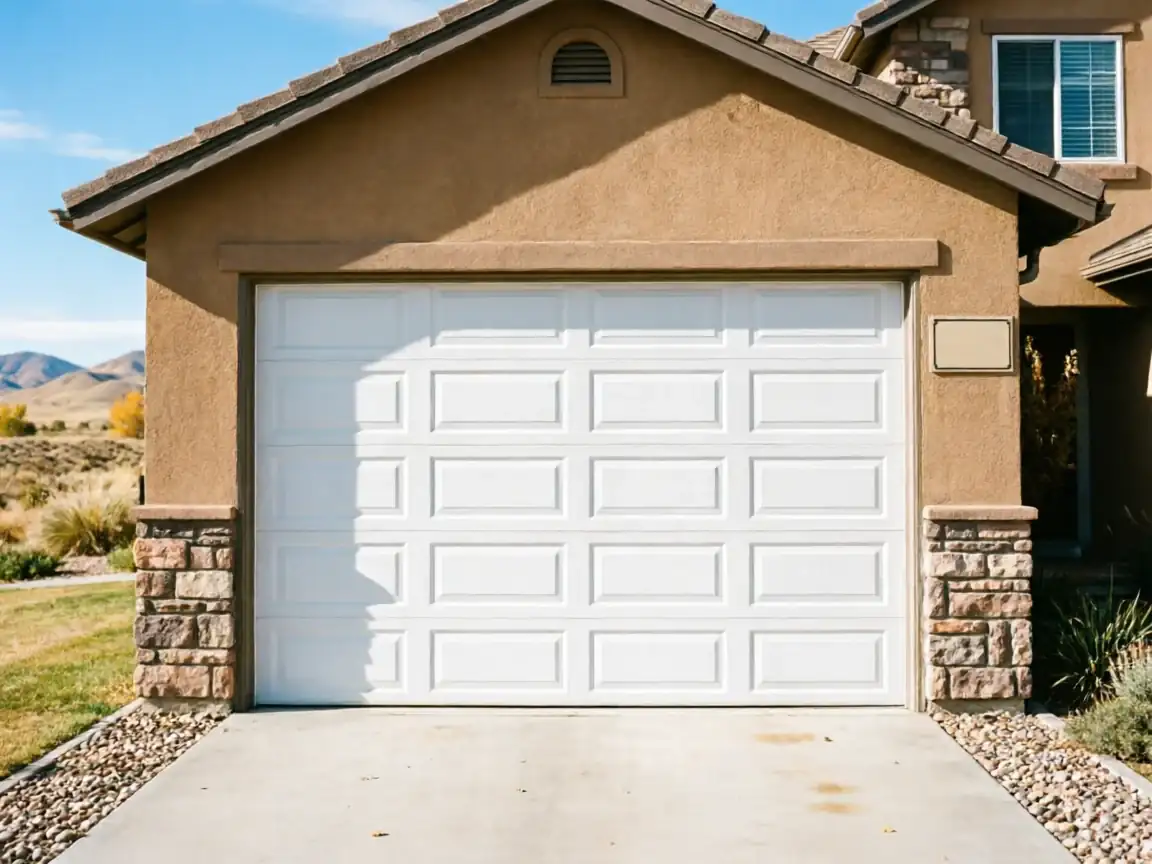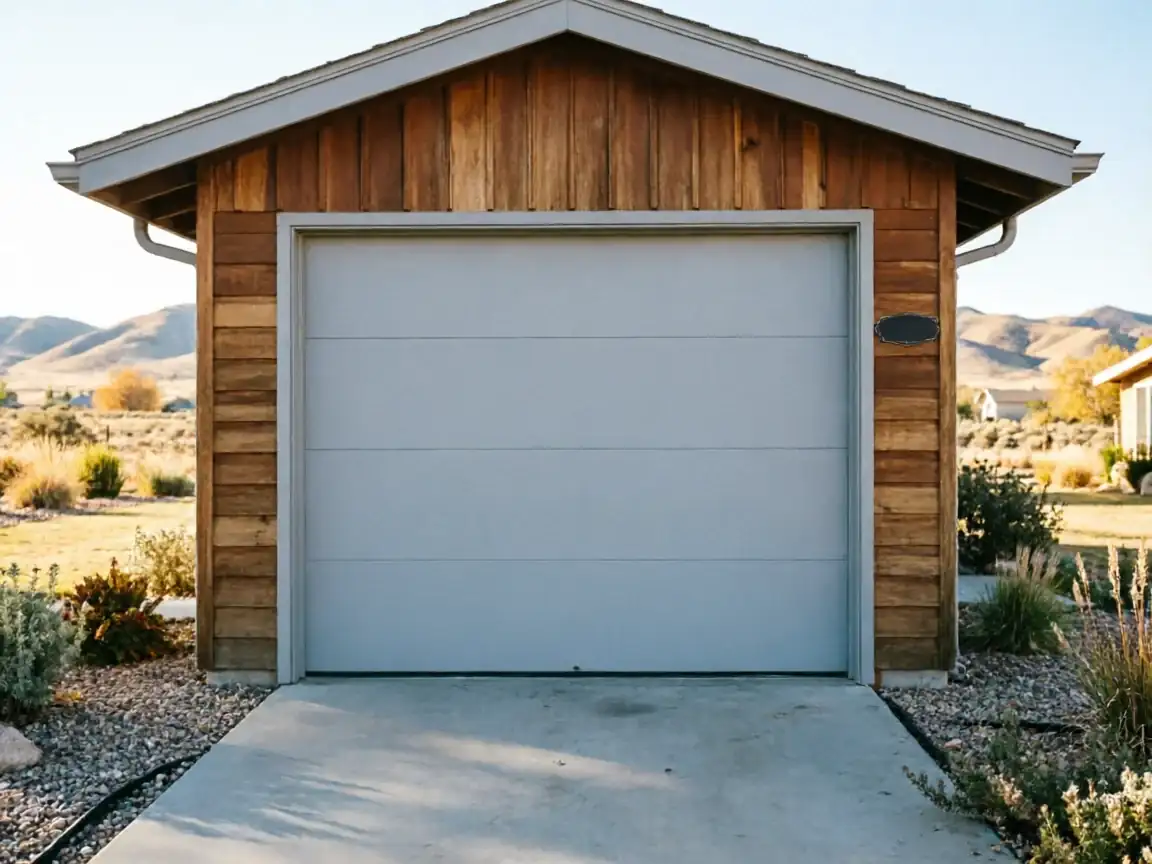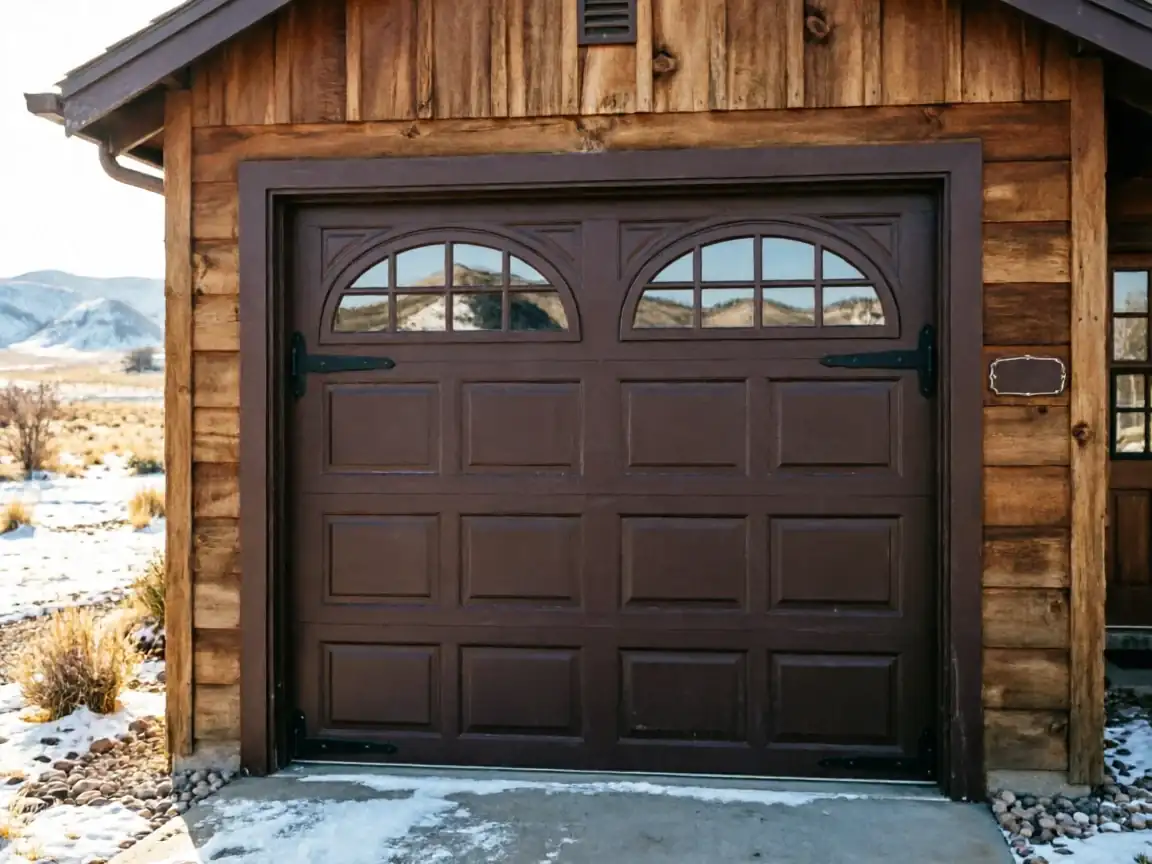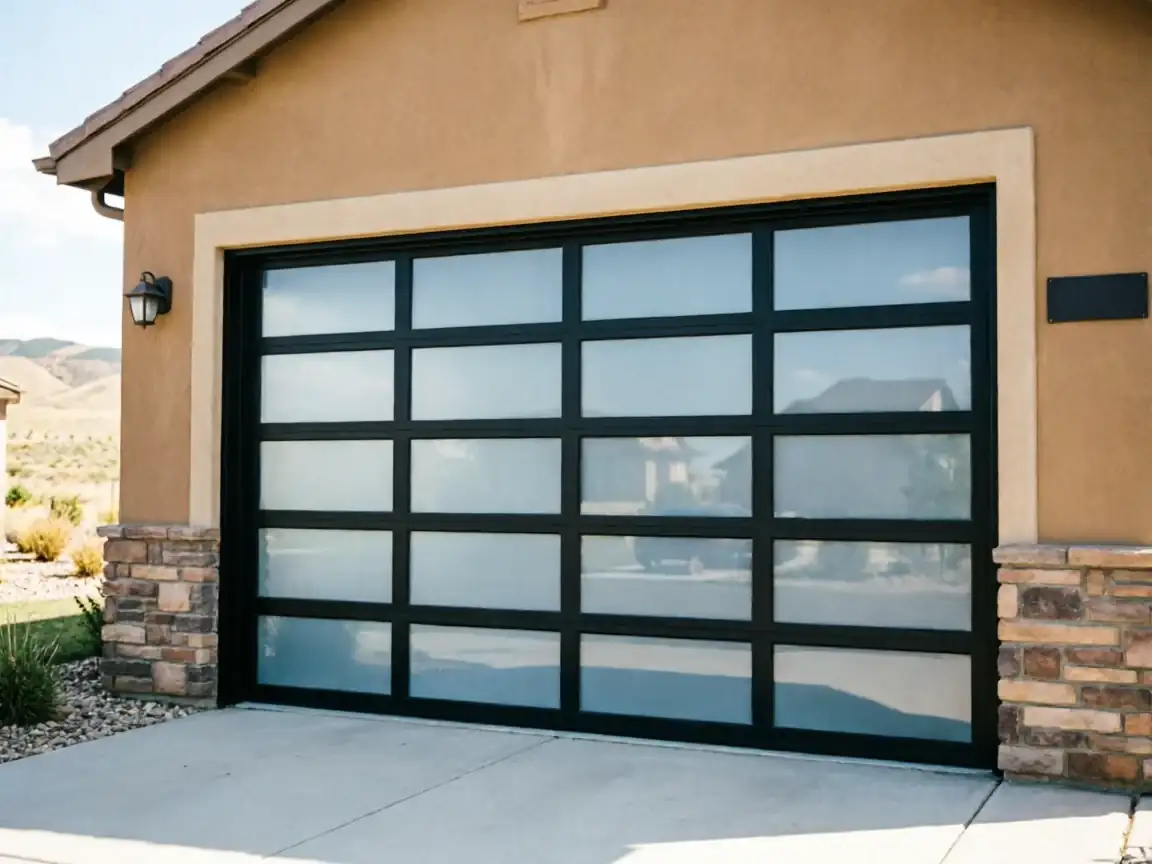
The Symptom
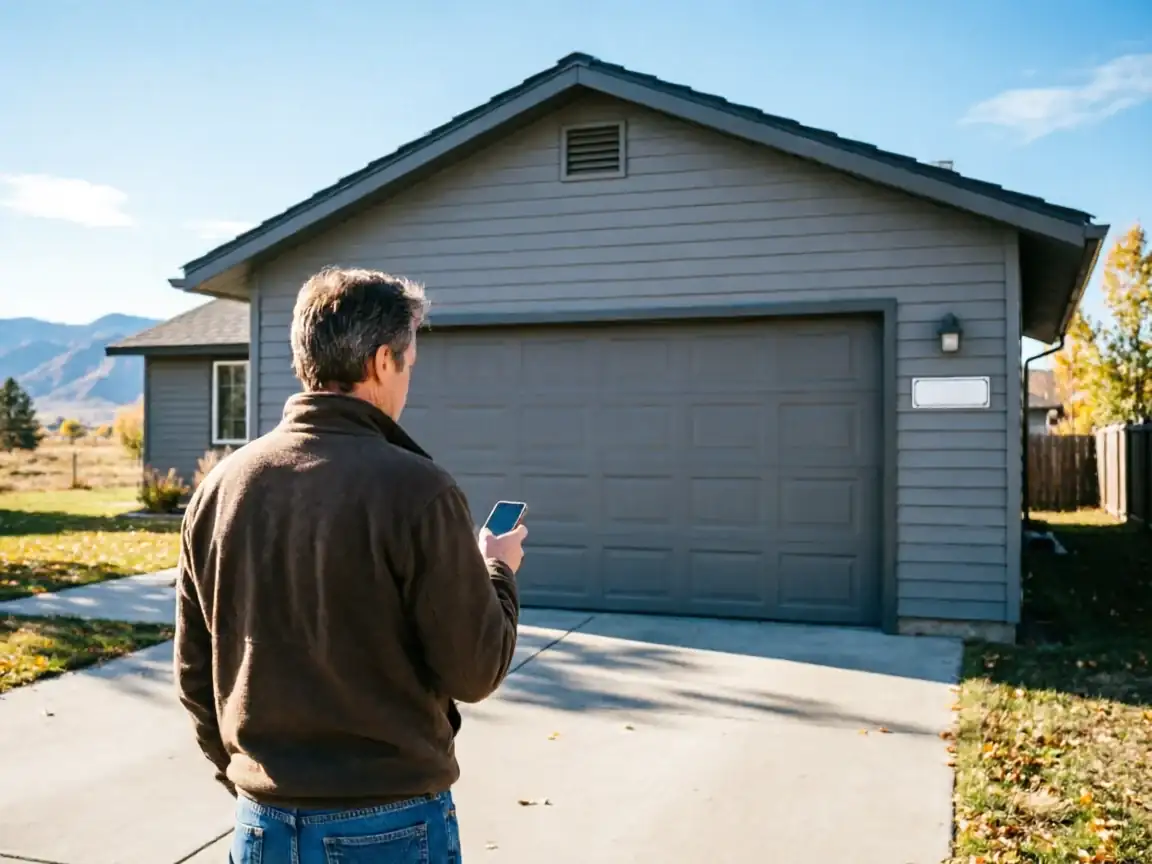
The call we get from Columbia Falls is usually about a door that's gotten heavy to lift by hand
Or an opener that grinds and strains before the door even moves. Sometimes it's a panel that's bowed enough you can see daylight at the corners in winter. These aren't random failures - they're what you'd expect from a door that's been doing its job since before most of the rest of our service area was built.
Across the 9 areas we cover, median build year lands around 1988
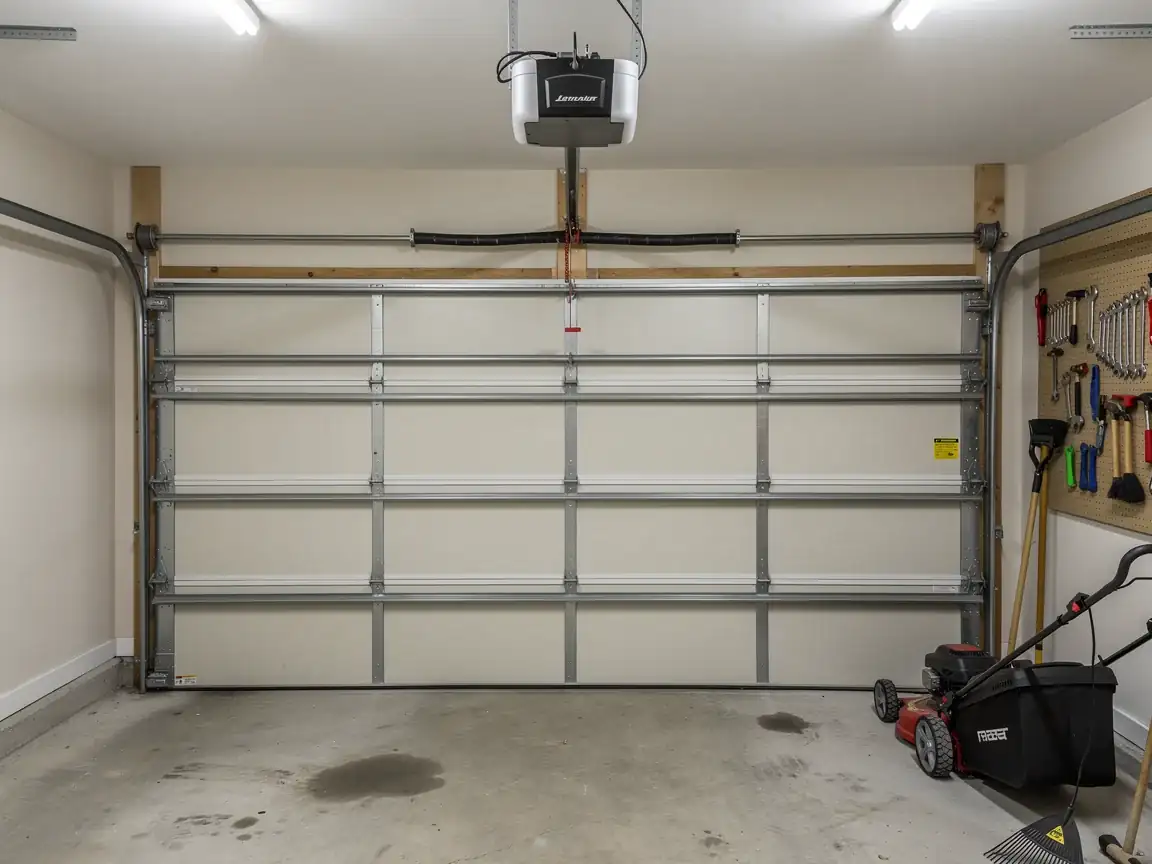
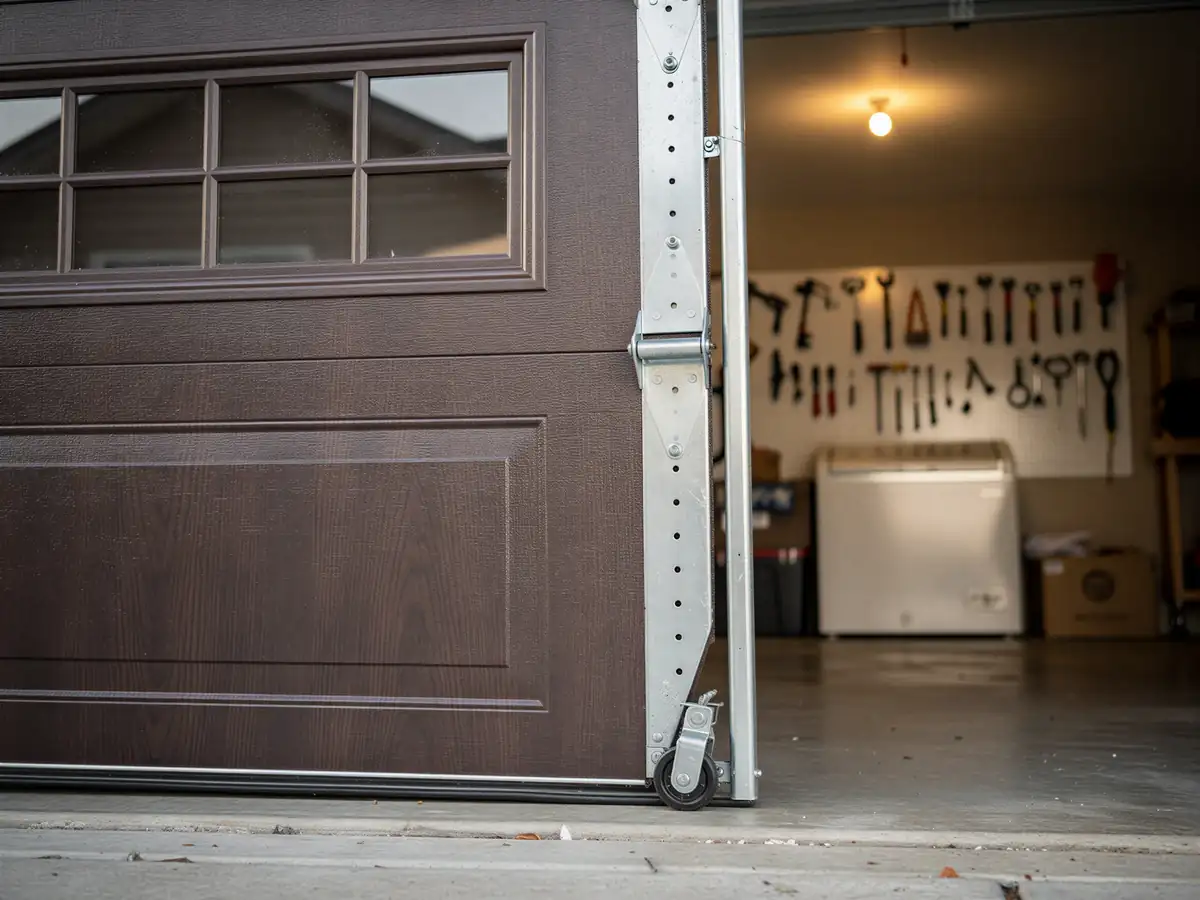
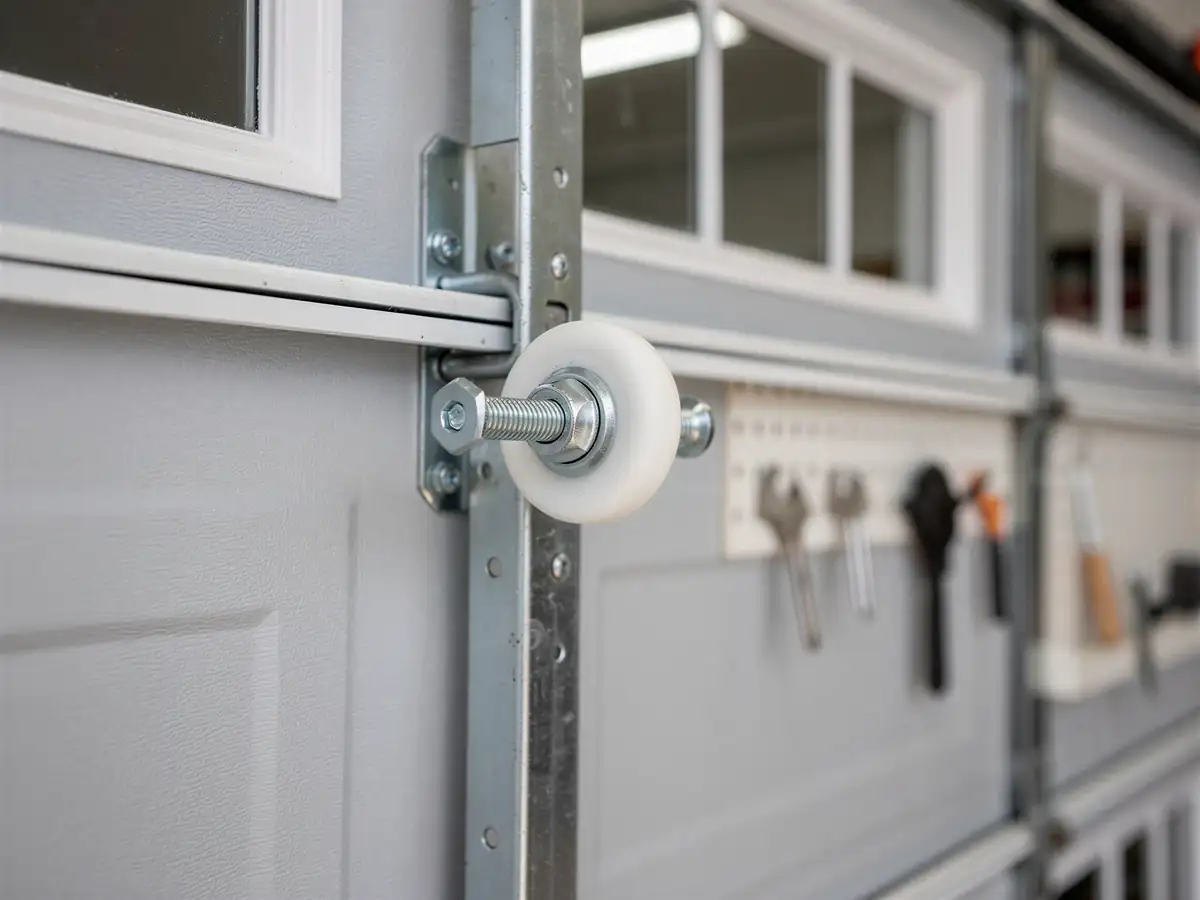
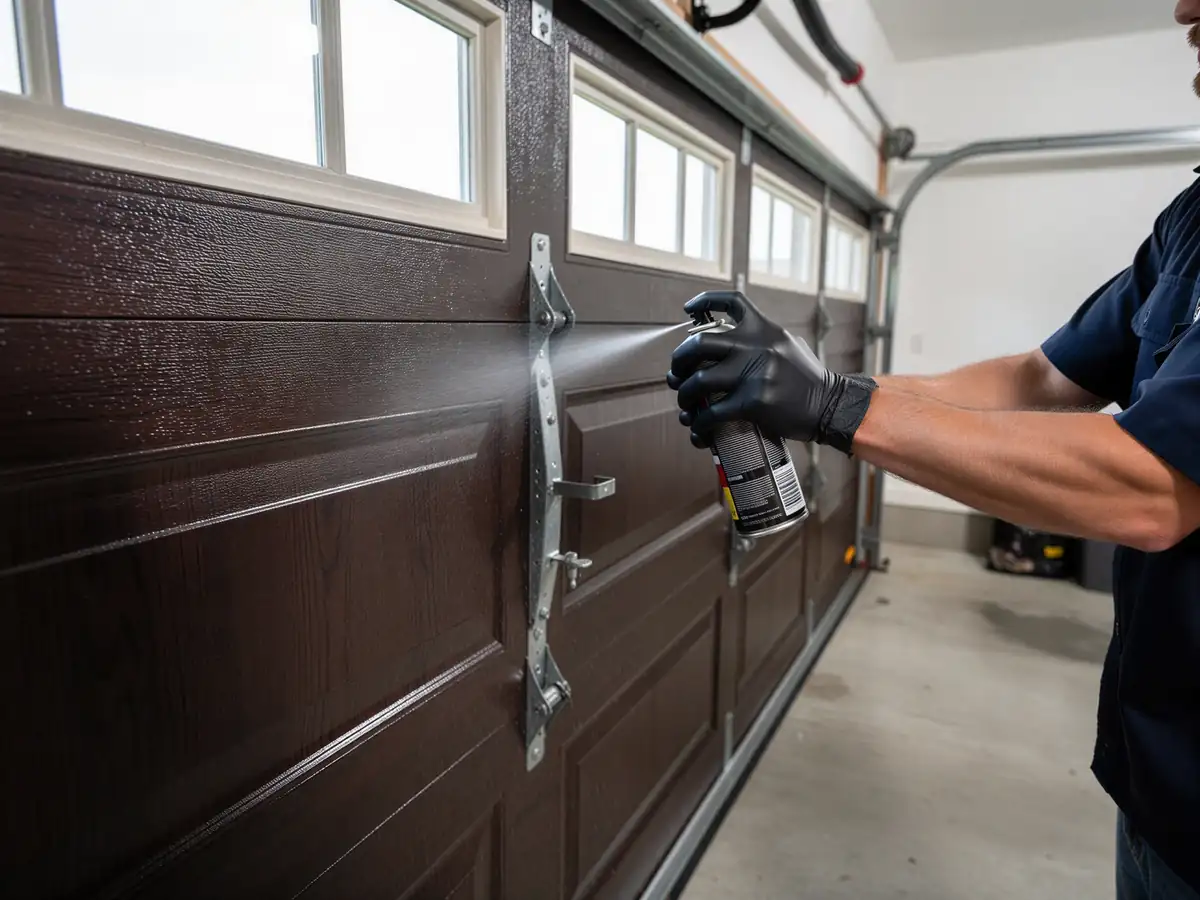
Columbia Falls sits closer to 1979. That decade matters more than it sounds like it should. A door and track system from the late 70s was built to a lighter spec, often with a single layer of steel and no thermal break, running on an opener that was never designed to lift anything heavier. When a homeowner here replaces a panel or adds insulation later, the original hardware underneath is frequently still original, and it's that mismatch - new door skin, old track and springs - that causes the binding and the noise.
How We Fix It
We come from Kalispell, about 12 miles out, so a new install here is scheduled, not a same-day drop-in - plan on booking ahead rather than expecting a truck to show up within the hour.
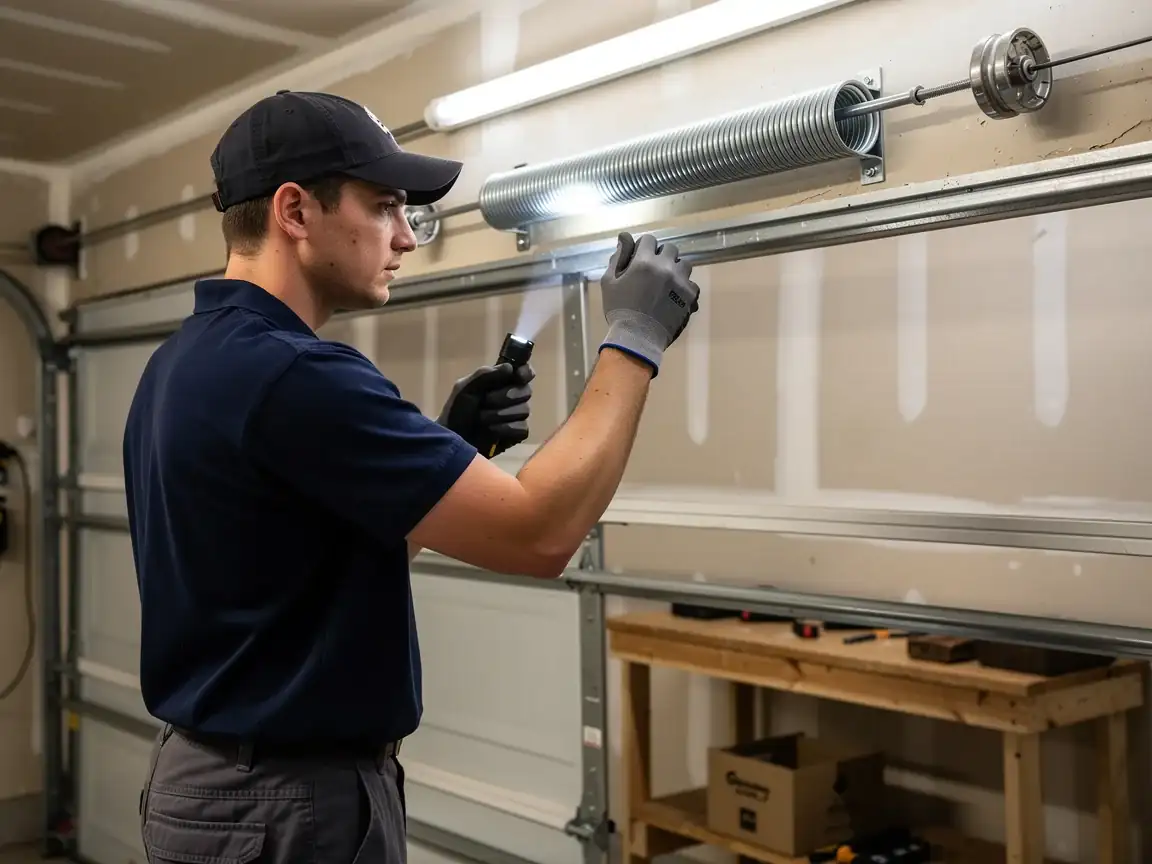
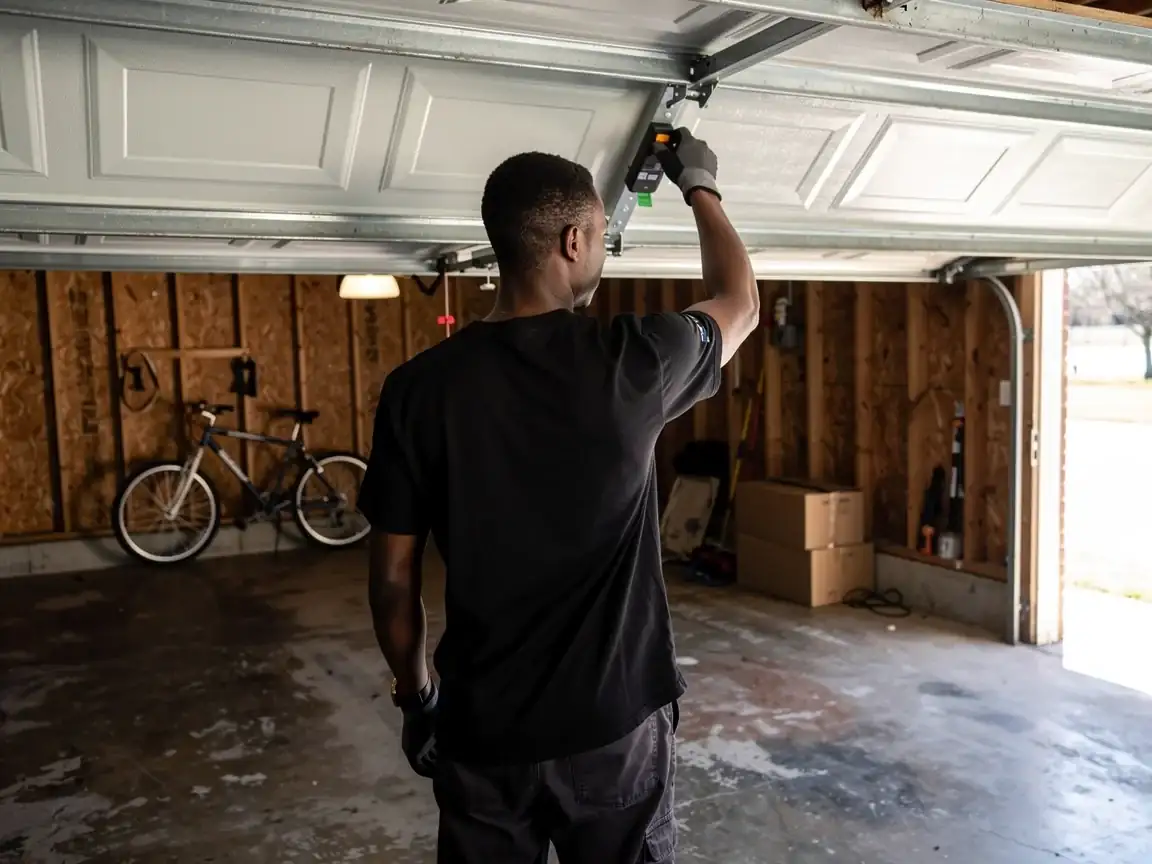
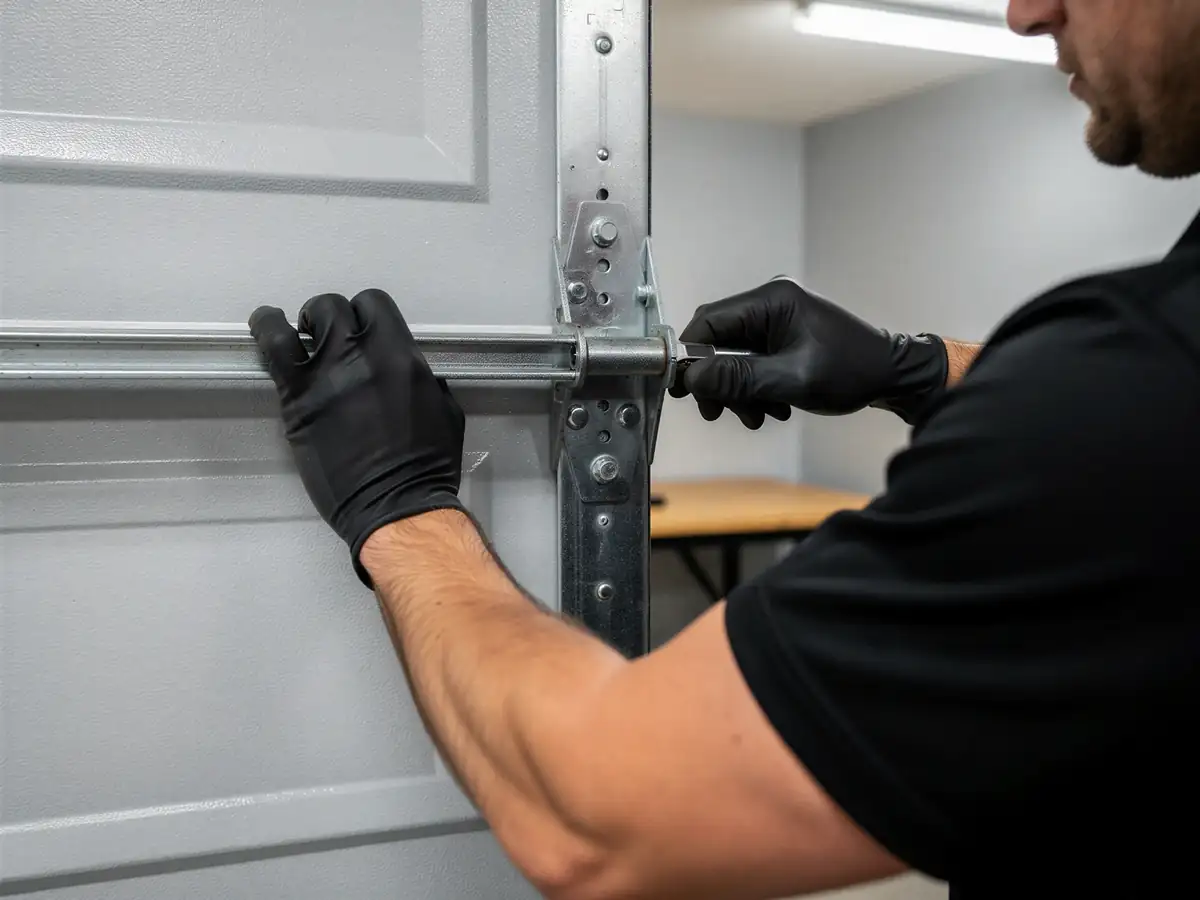
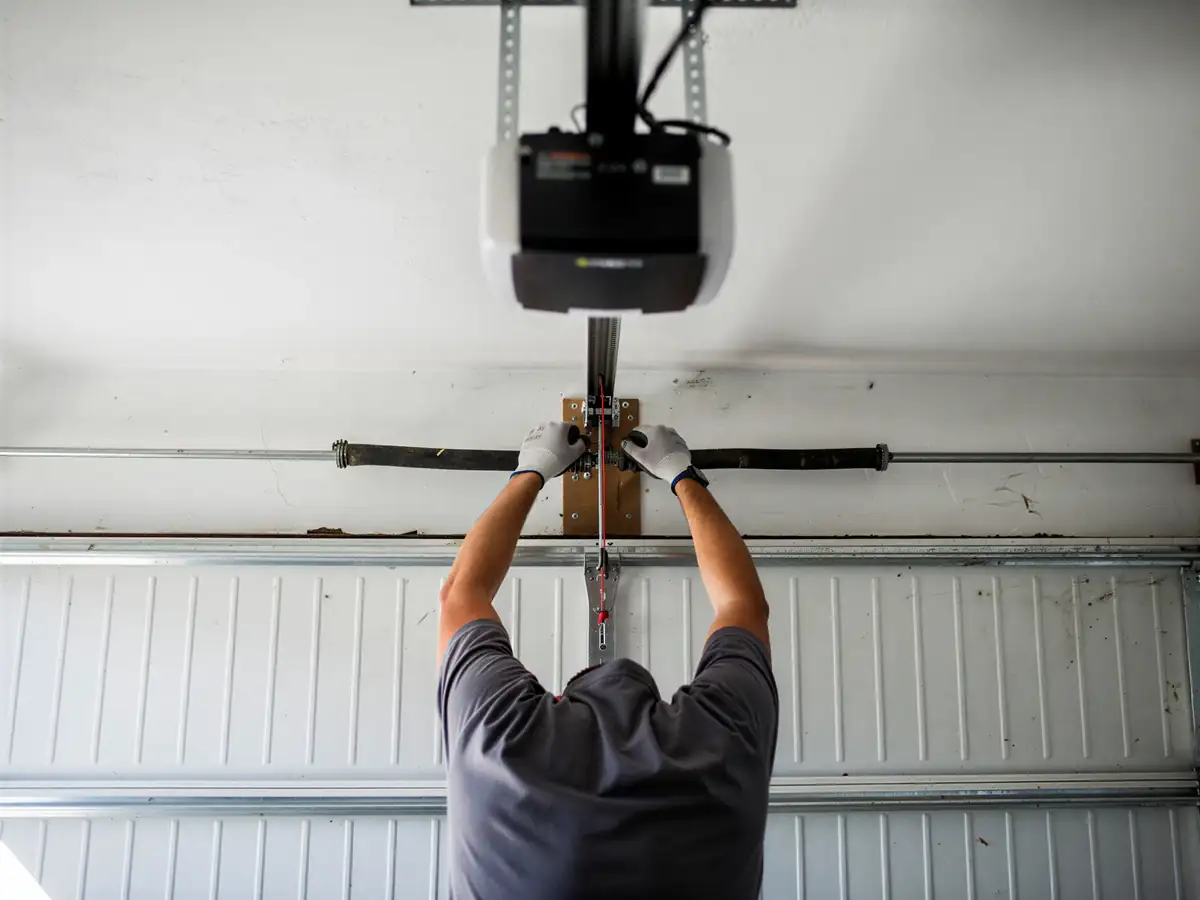
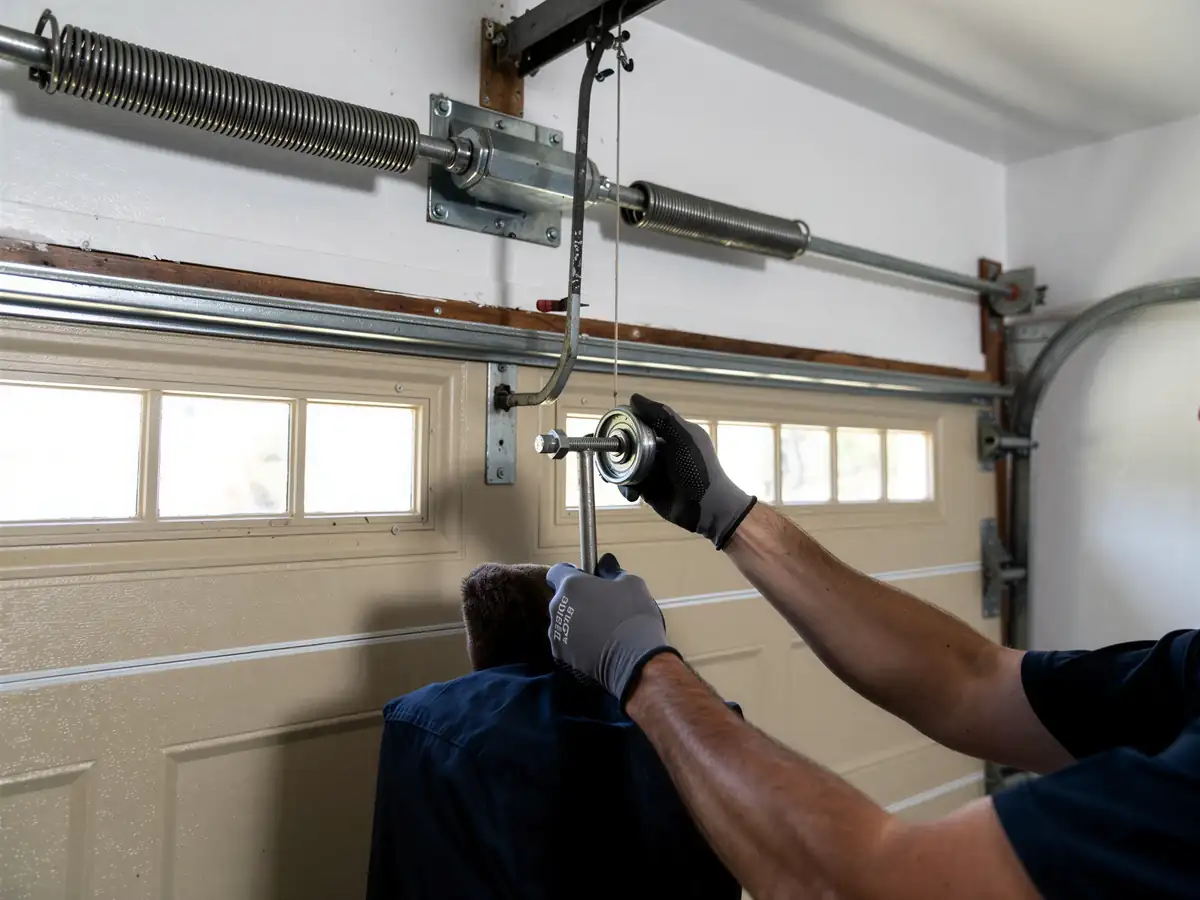
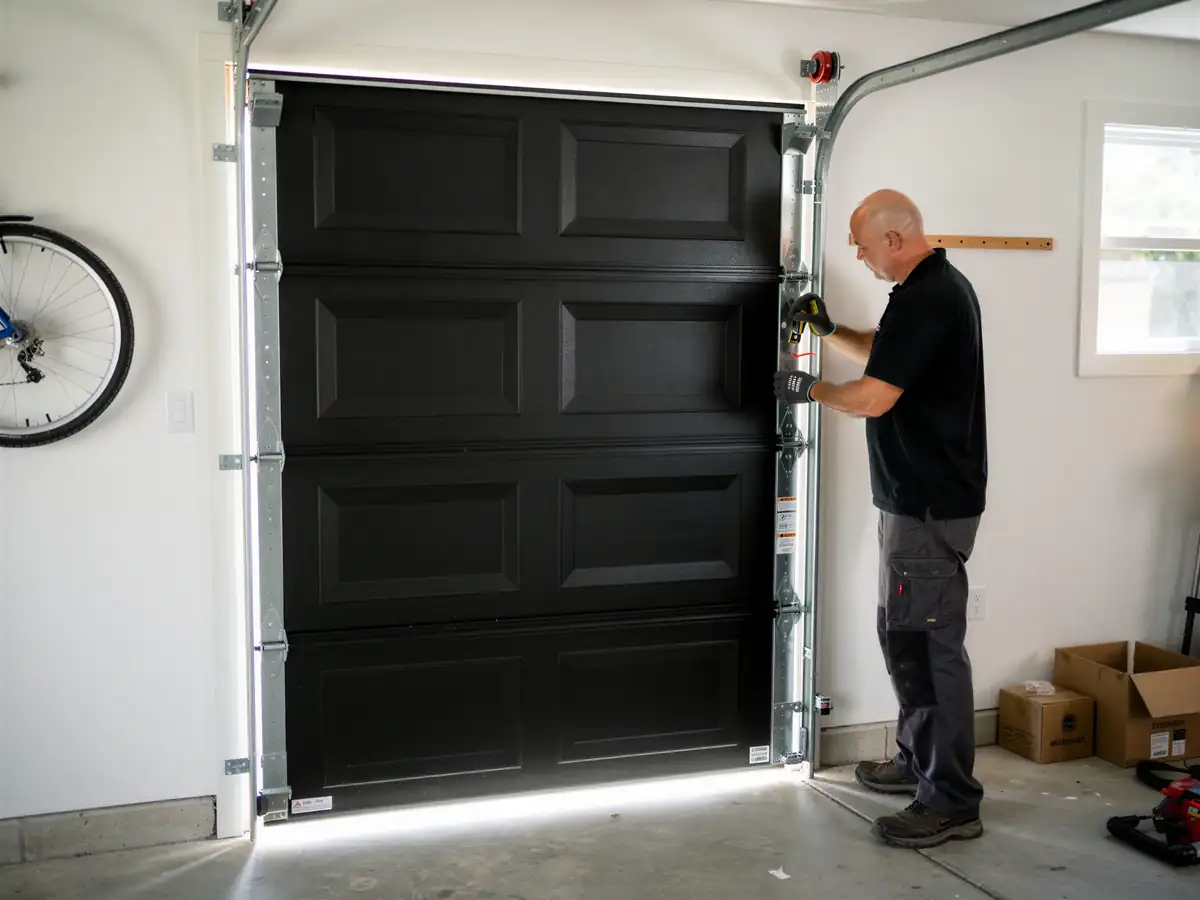
For a straight install, we size the door and track to the opening you actually have, not to a generic match, because openings in houses built in this era aren't always square after 40-plus years of settling. We replace the torsion spring system to match the new door's weight rather than reusing hardware sized for the old one - that's the single most common shortcut that leads to an opener failing again inside a year. If the opener itself is original or close to it, we'll say so plainly: in a cold-climate area like this, an aging chain-drive opener straining against a heavier insulated door is a second failure waiting to happen, and we'd rather replace both now than come back for the opener in six months.
What You Pay
We don't have a published price list specific to Columbia Falls jobs, and quoting a number here without seeing the opening and the current hardware would be a guess, not a fact - so we're not going to do that. What we can tell you is what drives the cost on a 1979-era home: whether the existing track and spring system can be reused (rare, given the age) or needs full replacement, whether the opening needs reframing, and whether you're adding insulation the original door never had.
Columbia Falls median household income runs around $65,313, lower than the roughly $71,110 median across our broader service area, and that's worth saying because it shapes the conversation we have with you - we'll walk through what's a safety-driven replacement (springs, cables, worn rollers) versus what's a comfort upgrade (insulated panels, a quieter belt-drive opener) so you can decide where your money goes first.
Why This Fails Locally
This is a cold climate, classified severe in federal climate data
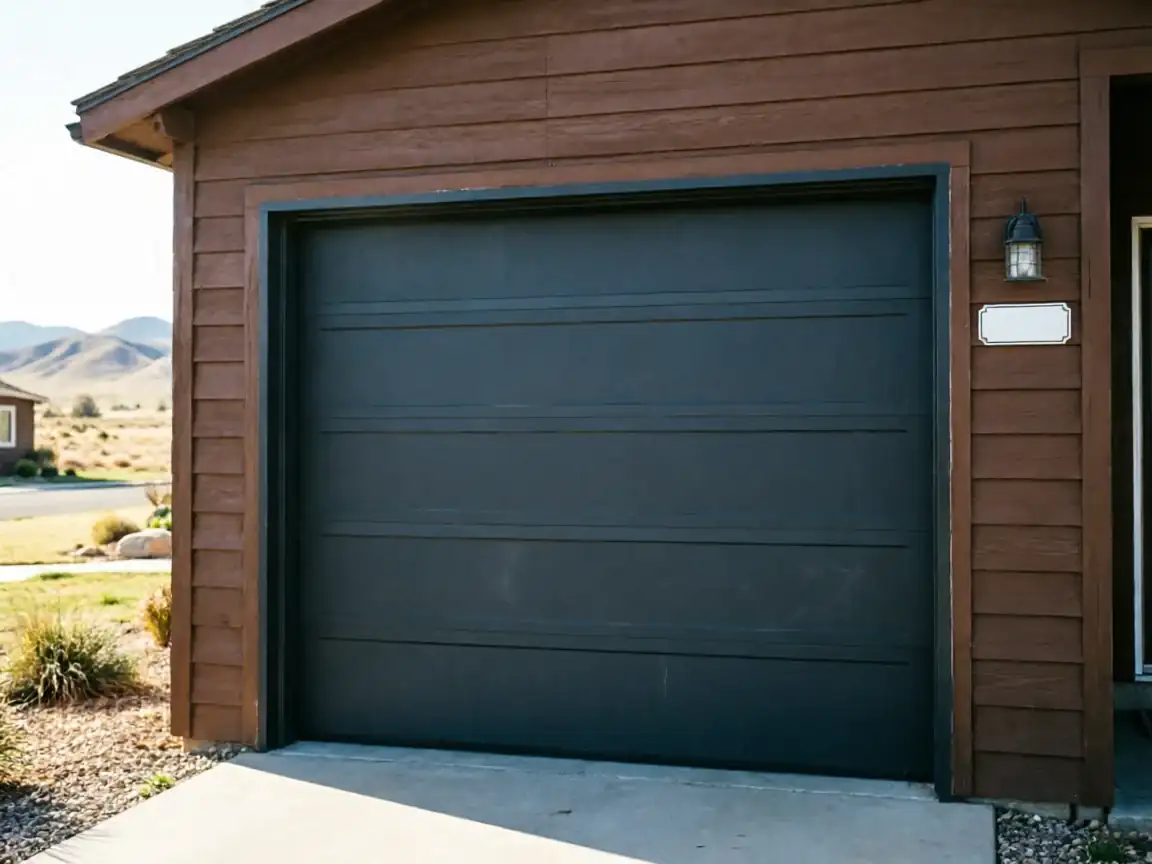
And a door built in 1979 wasn't speced against today's insulation expectations. Steel doors from that era are typically single-skin, which means the garage itself runs close to outdoor temperature all winter - fine if the garage is just for parking, a real problem if anyone's using it as a workspace or the house has living space above it.
The other local factor is simpler
Of the roughly 2,140 households in Columbia Falls, a large share are sitting on hardware from the same narrow build window. That's not a coincidence - it means parts wear out around the same age across many houses at once, and it means when a torsion spring lets go on an original system, it's usually not an isolated event for that one house. We see clusters of these calls from the same era of construction, which is part of why we ask the build year before we ask much else.
- 2,140 households
Where This Job Goes Sideways
The install goes wrong when someone matches a new door to old track and calls it done. A heavier insulated panel on a 1979 spring system will lift unevenly, wear the opener's gears fast, and in the worst case drop the door. We won't install a new door onto hardware we haven't inspected, even if the hardware looks fine from the garage floor.
The other place this goes sideways is framing. Older openings in this area sometimes aren't true to size after decades of settling, and a standard-size door forced into an out-of-square opening will bind at the top corners no matter how good the install otherwise is. If that's what we find, the honest answer is reframing before the door goes in, not a door that technically fits but fights the track every time it runs. That adds cost and time, and we'd rather tell you that upfront than have you find out from a door that won't close right.