How We Fix It
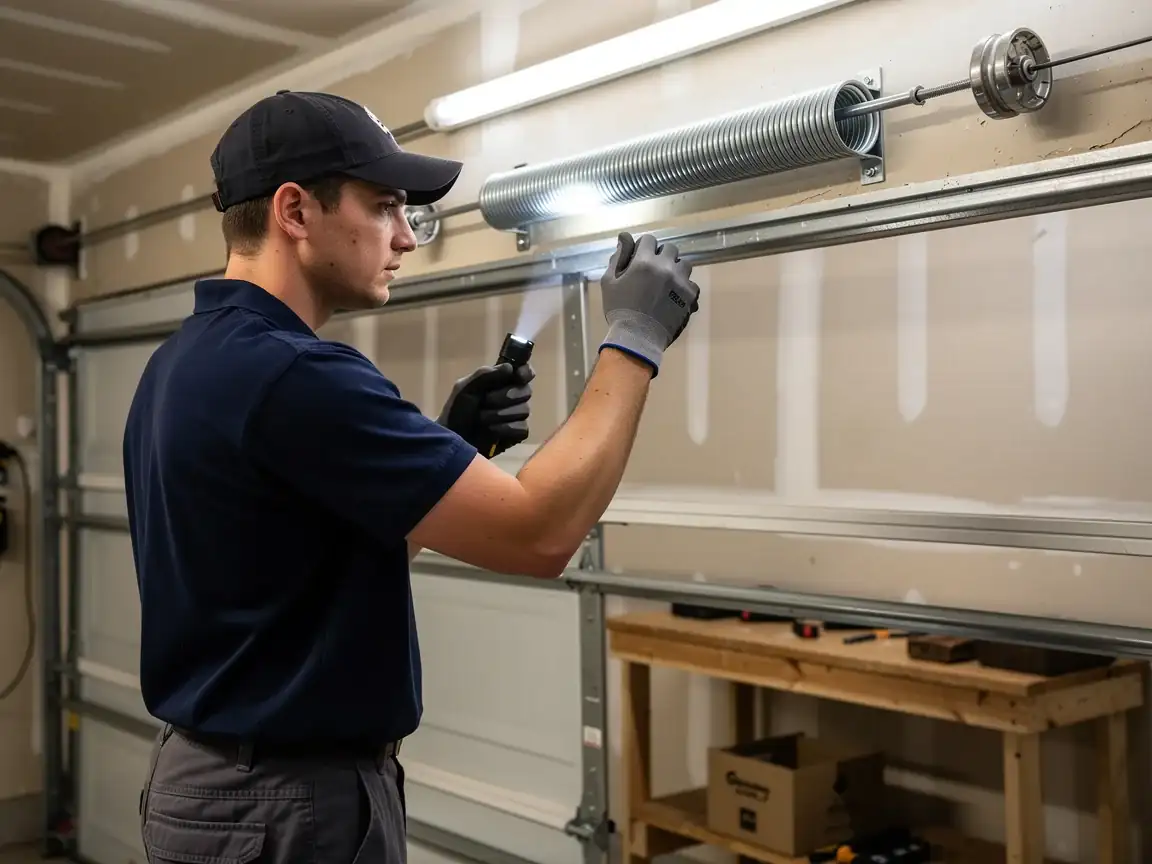
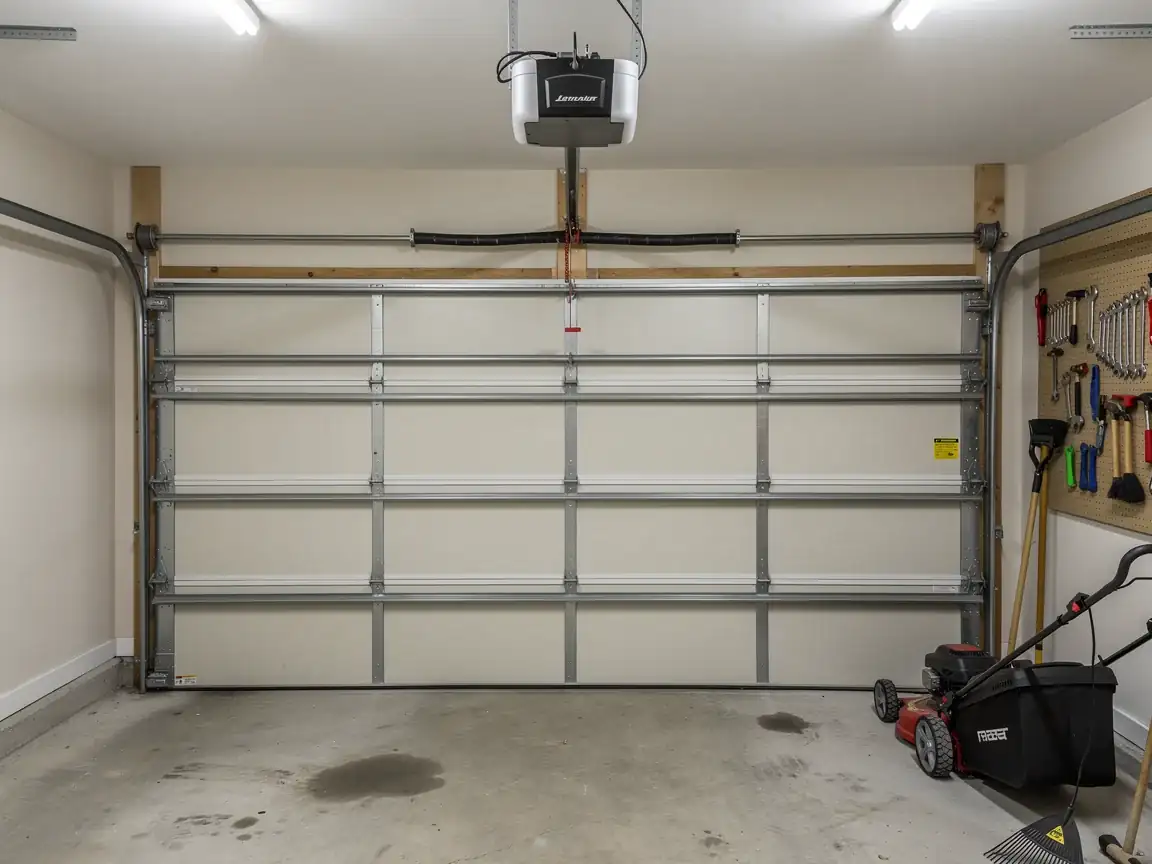
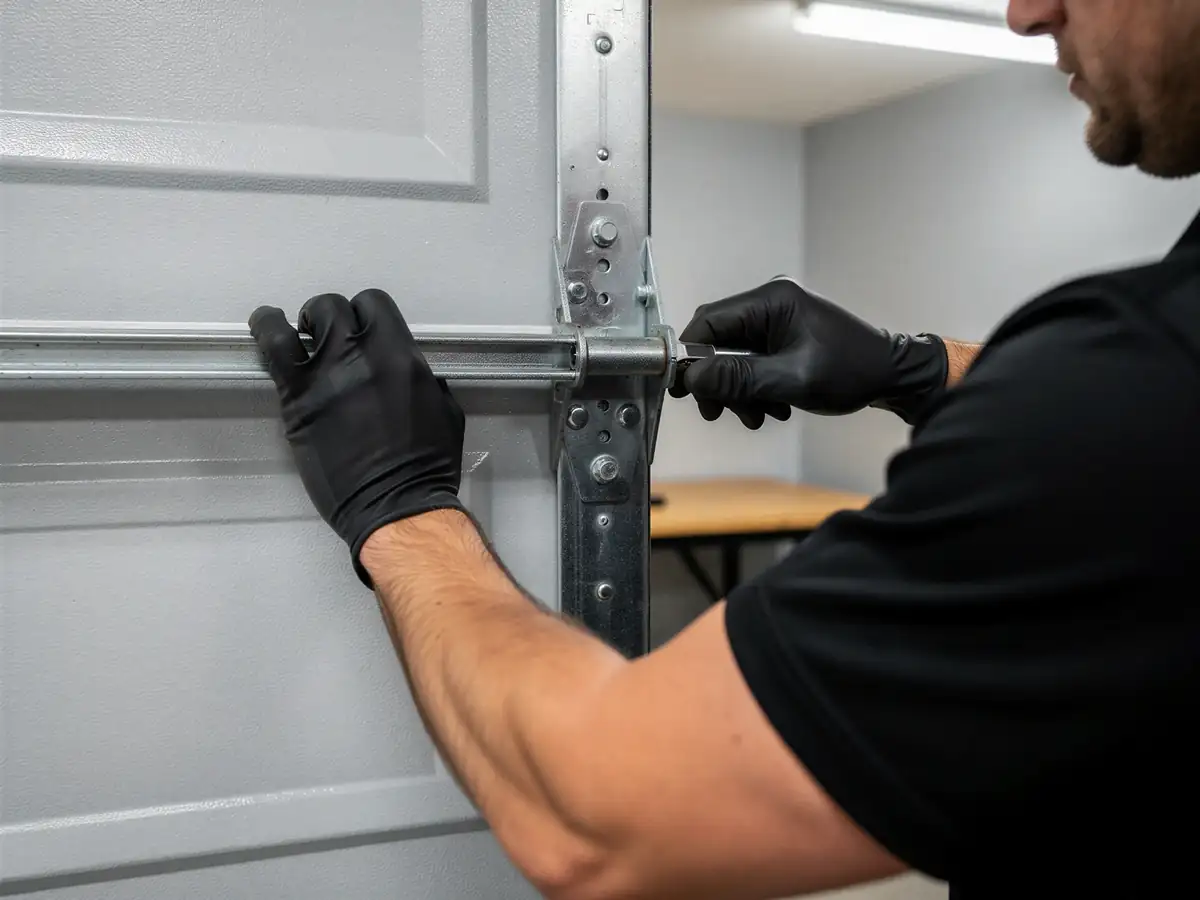
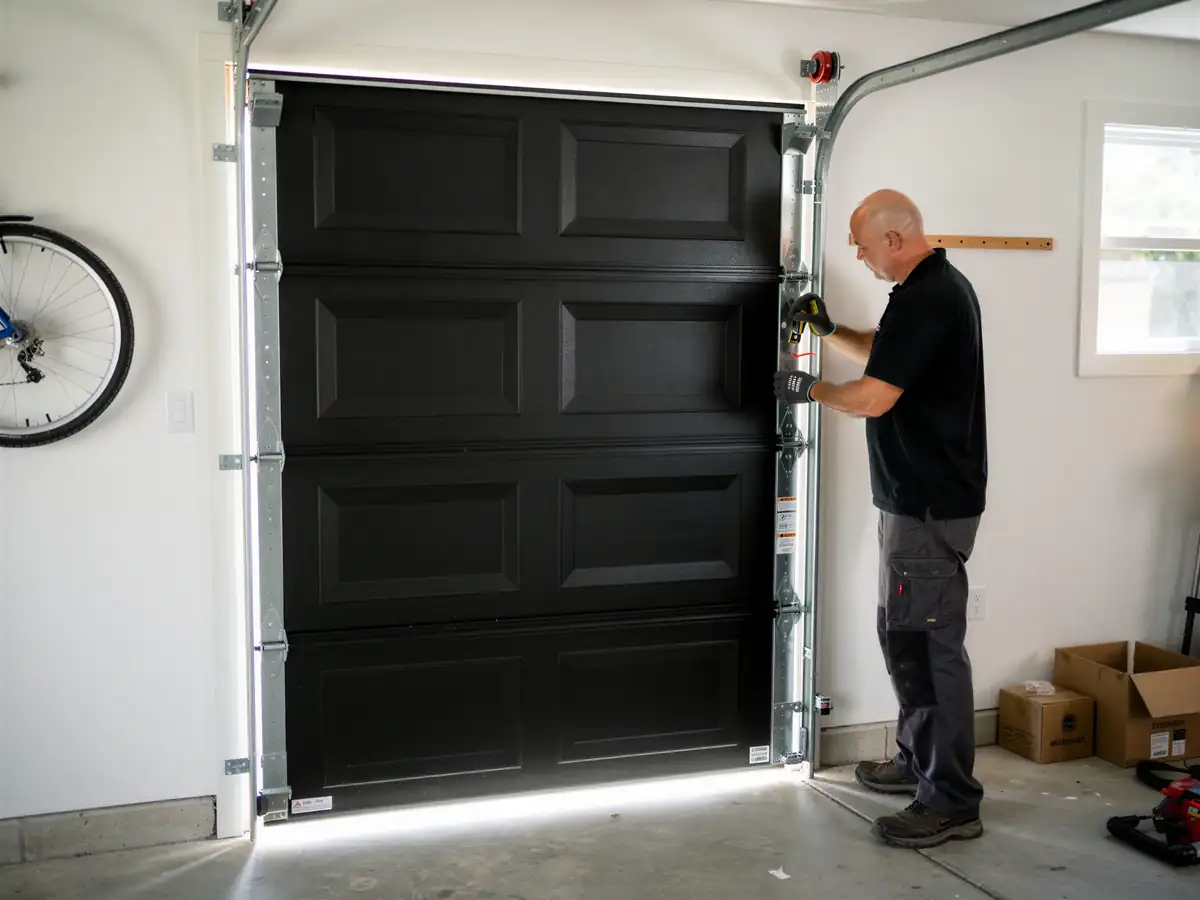
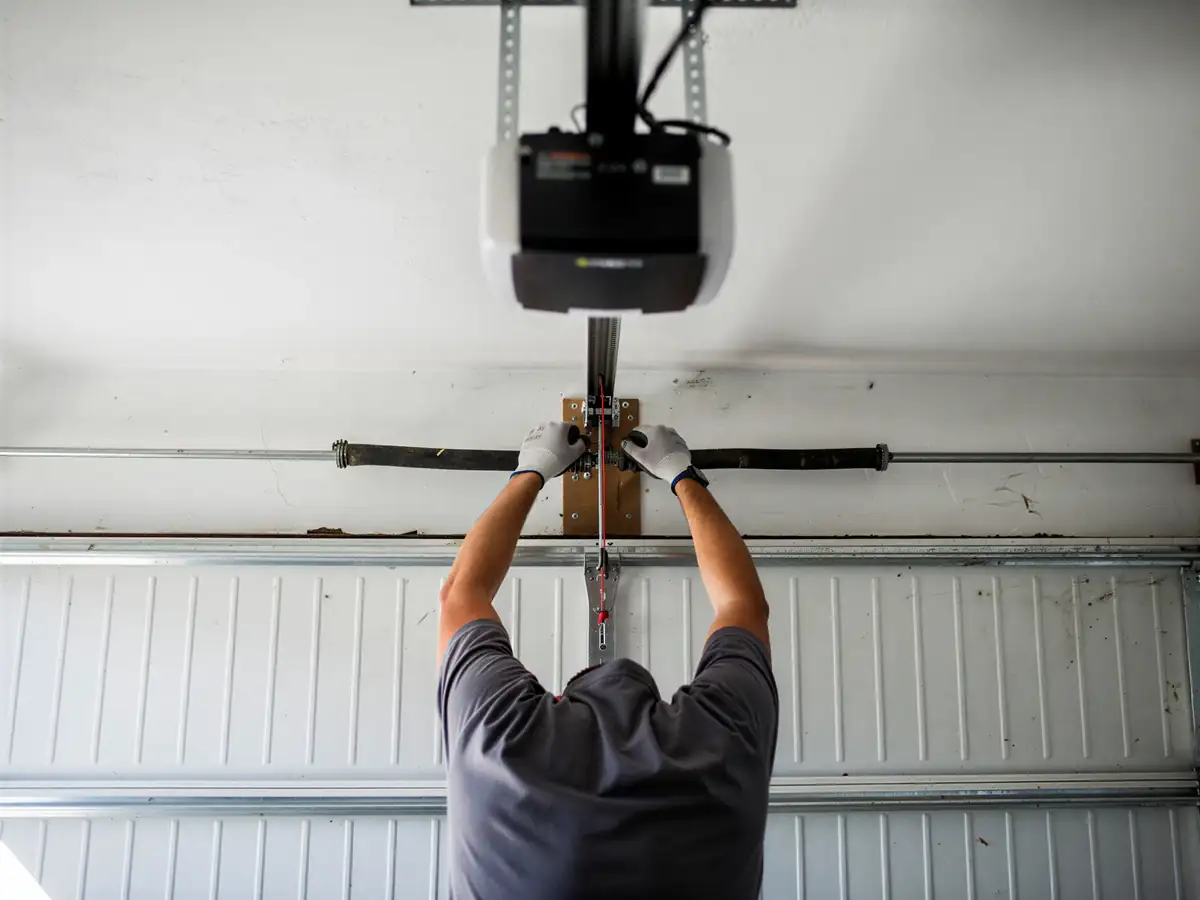
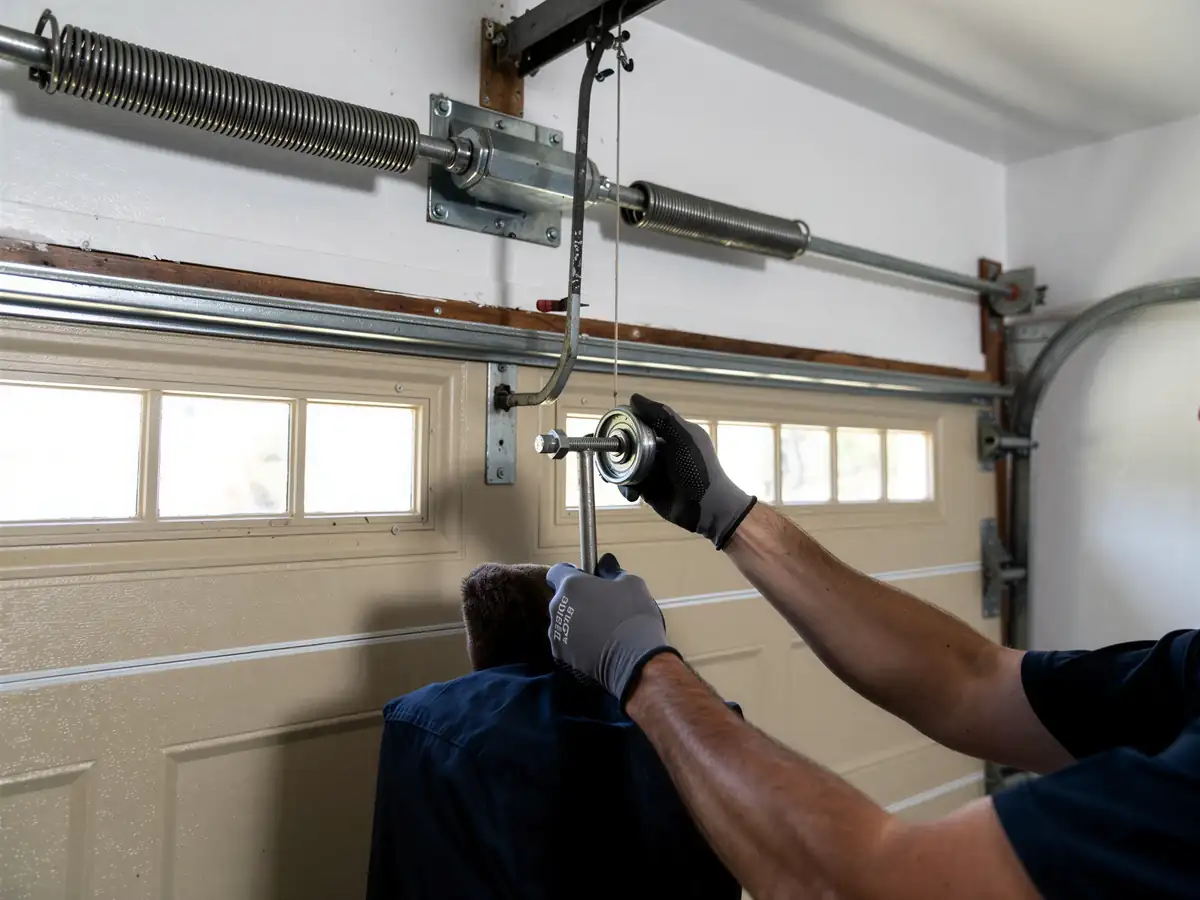
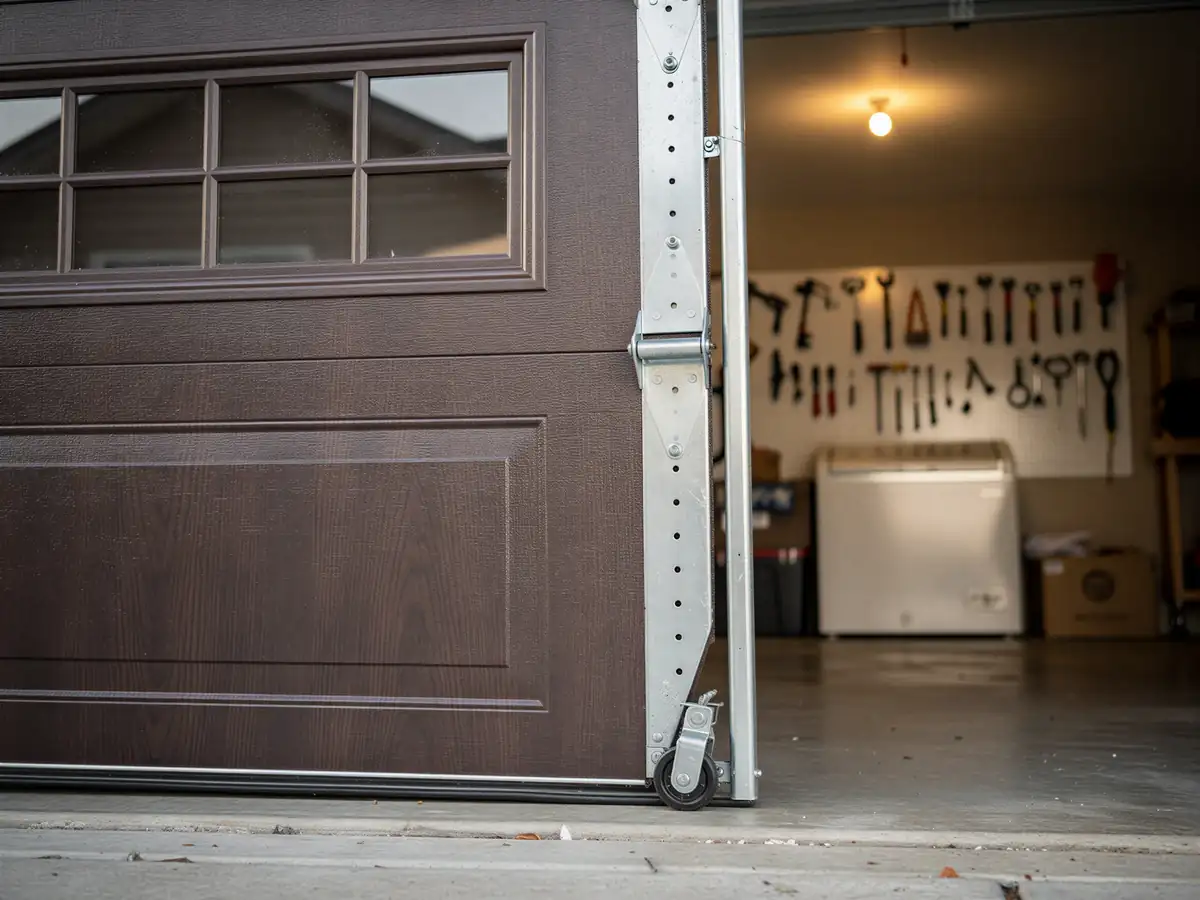
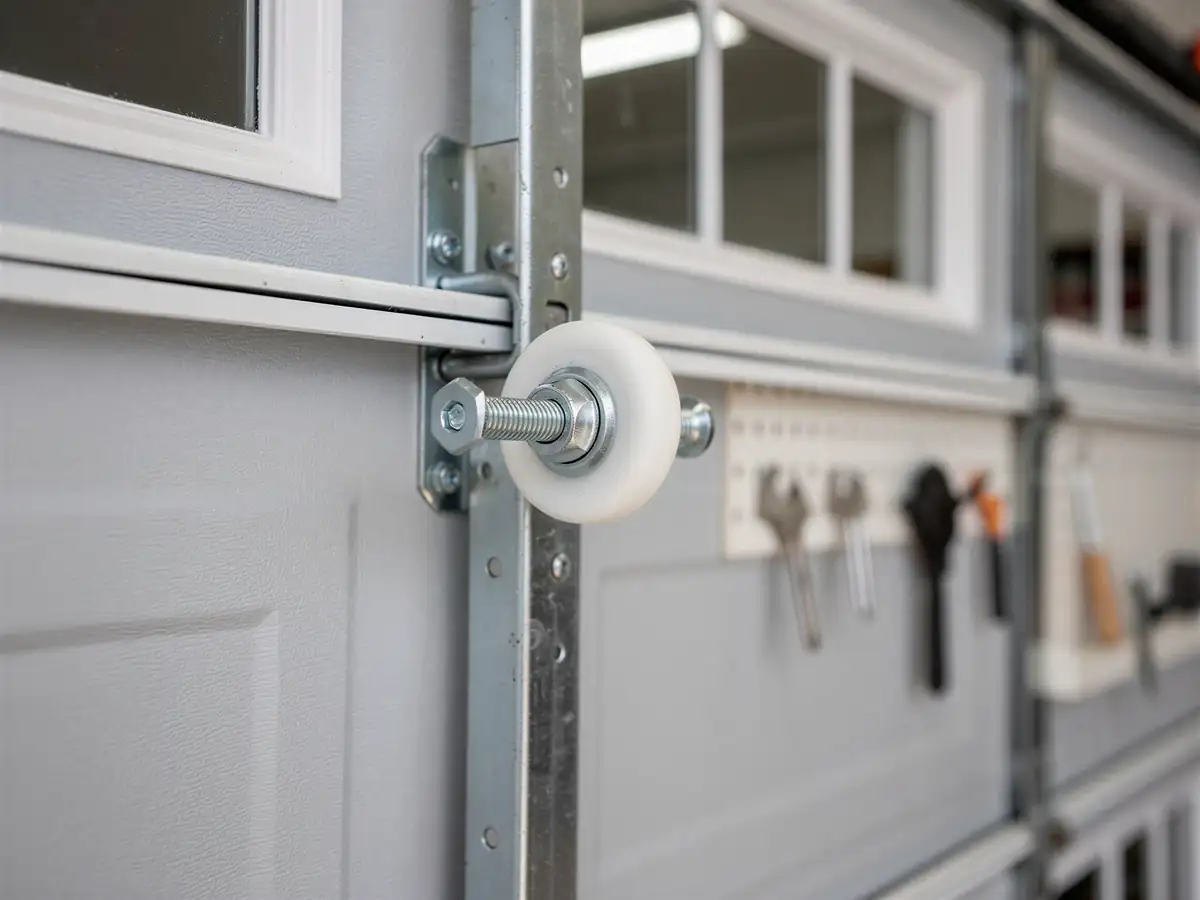
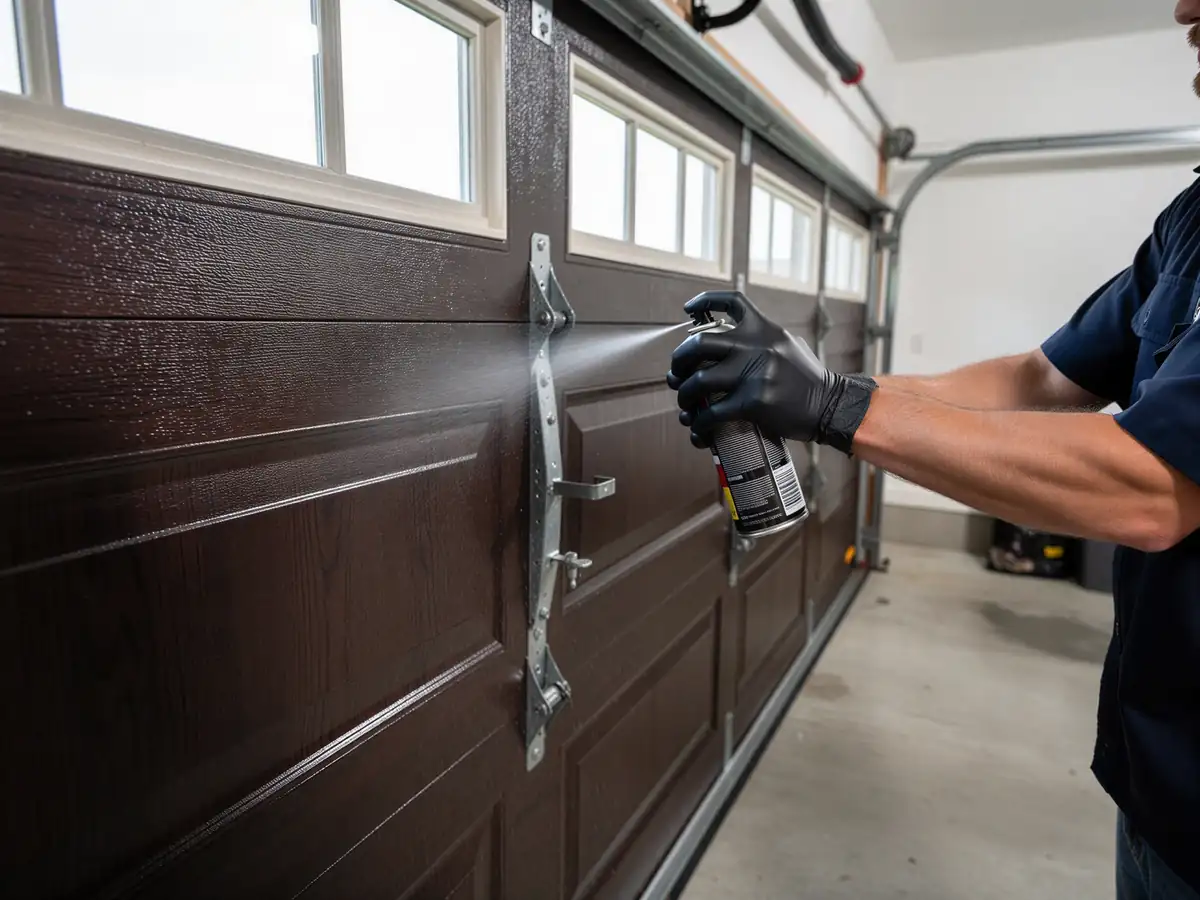
We start by checking what's actually on the door against what the opening needs now, not what was installed originally. On a 1979-era door that means pulling the spring and measuring wire size and wind count rather than assuming a standard off-the-shelf torsion spring will match - a lot of these openings were built to older rough-in dimensions that don't match today's standard panel sizes exactly. Track and rollers get checked for wear that's been masked by a struggling opener doing extra work to compensate. If the opener itself is original or close to it, we replace rather than patch, since parts for that generation aren't something we stock and sourcing them job-by-job isn't worth the homeowner's money. Cable and drum hardware get matched to the actual spring, not guessed at. None of this is dramatic work - it's careful measurement before anything gets cut or installed, because a torsion spring sized wrong for an older door is either useless or dangerous, and there's no middle ground on that one.
What You Pay
We don't have a published price list specific to Columbia Falls jobs, and we're not going to invent a number here to fill space. What we can tell you is that the job scope on older stock tends to run longer than a comparable job on a 1990s door, because measuring and matching hardware to a non-standard opening takes more time than swapping a part that's still in production. If your door was installed any time near 1979, expect the technician to spend time confirming spring wire size and track width before quoting, rather than quoting off a standard chart. That's the honest answer - cost follows what's actually on the door, and on this side of the service area, what's on the door is older than average.
Where This Job Goes Sideways
The run from Kalispell to Columbia Falls is about 12 miles, which isn't far, but it means we're not swinging by to check a noise before it becomes a failure - the trip has to be worth the visit. Where this goes wrong is when a homeowner waits through a few winters of a door that's just a little harder to lift each year, and then the cable snaps on a morning when the car's already half out of the garage. At that point it's not a spring job anymore - it's a spring, a cable, possibly a bent track from the door coming down unevenly, and an opener that's been straining against all of it. The other place this goes sideways is mismatched parts: a previous repair that put a spring rated for a lighter door on a 1979 two-car opening because it was what was on hand. We find that more often on older stock than newer, and it's worth having checked even if the door seems to be working fine right now.