How Long It Takes
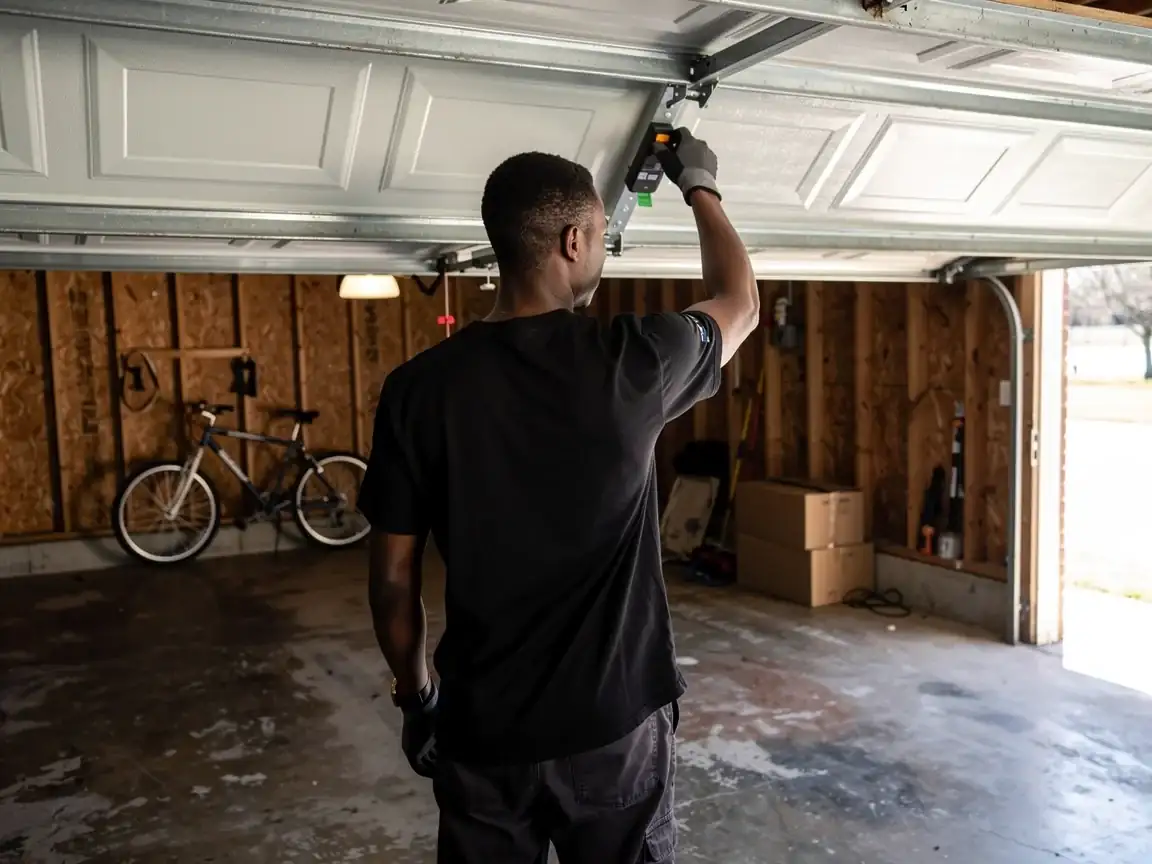
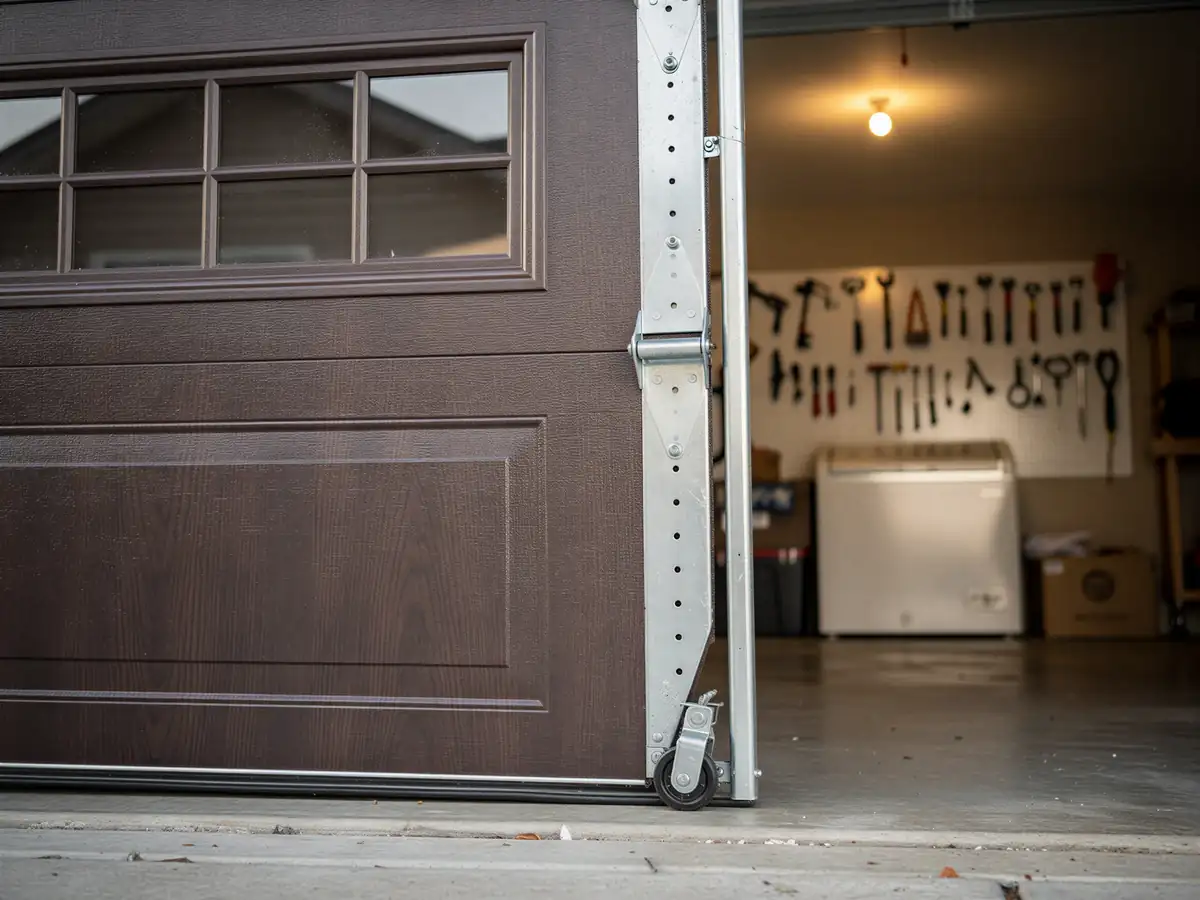
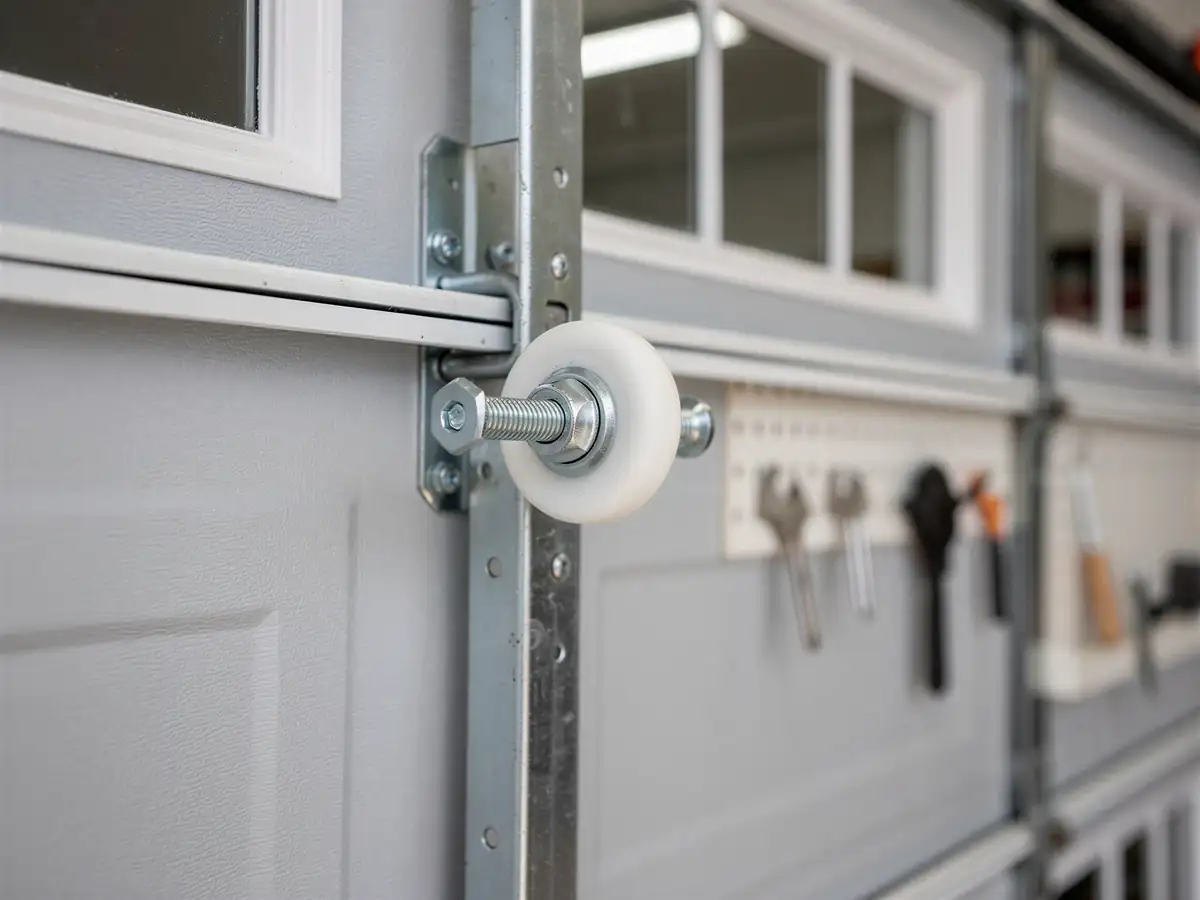
A straight roller swap - all ten rollers on a standard double door, no track damage - is usually a one-visit job measured in an hour or less once the tech is on site. Add in damaged track sections, which is common when a flat-spotted steel roller has been chewing a groove for a year or two, and the job runs longer because the track itself needs straightening or replacing. We come out from Kalispell, about 15 miles away, so we schedule the visit rather than offer a same-day window - plan on booking ahead rather than expecting a drop-in fix. If you hear the noise getting worse, it's better to call before a roller seizes completely and jams the door partway open.
Why This Fails Locally
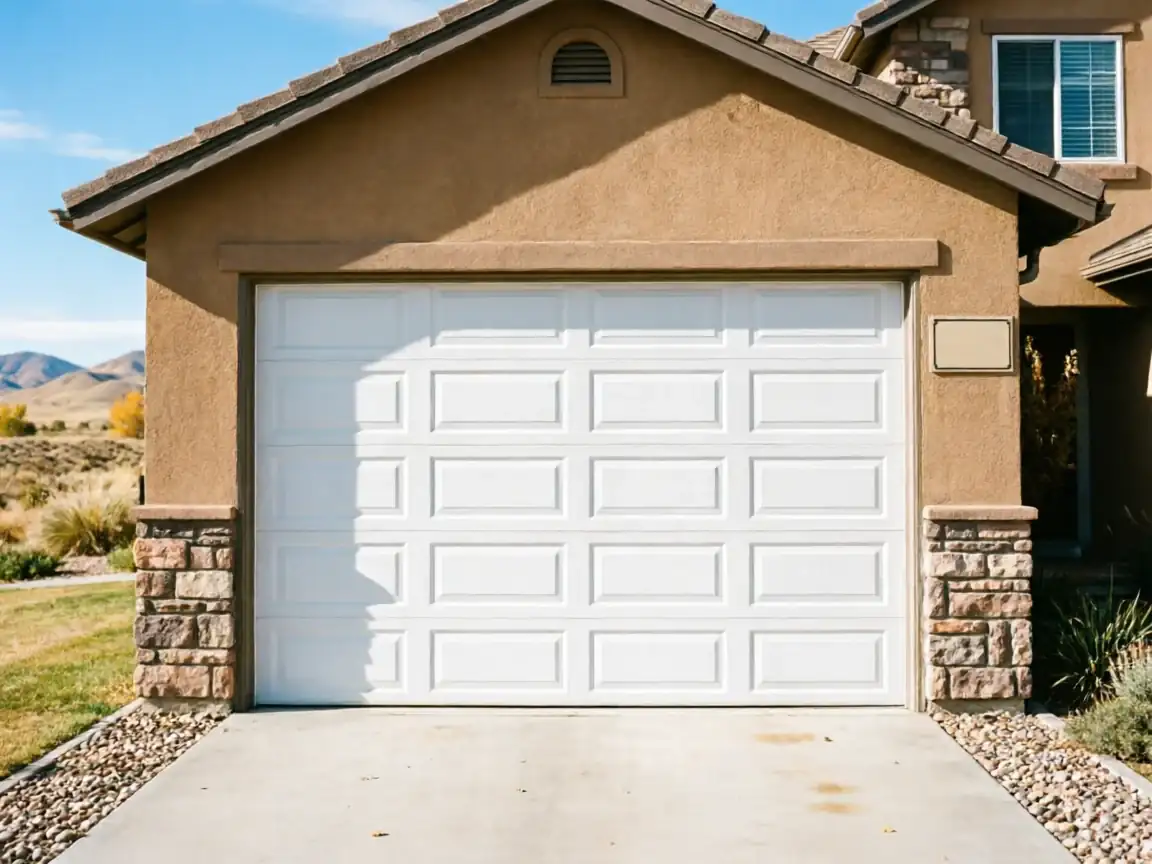
This area sits in a cold, severe climate band, and that matters more for rollers than people expect. Steel rollers with sleeve bearings lose their lubrication grease in deep cold faster than nylon rollers do, and the metal-on-metal contact that follows is what turns a quiet roller into a grinding one. On a house built around 1987, that roller has been through roughly thirty-five winters of that cycle. Nylon rollers with sealed ball bearings handle the cold better and run quieter, which is why most of what we install now isn't steel at all. The flip side: nylon rollers are a touch wider and on older, narrower track from this build era, they sometimes need a track adjustment to ride true. That's a five-minute fix on-site, not a reason to avoid the upgrade.
What You Pay
We don't have a posted price to quote here, and we're not going to guess one just to fill the page. What we can tell you is what moves the number: whether you're replacing all rollers or just the worn ones, nylon versus steel, and whether the track needs straightening or swapping alongside the rollers. A household income around $71,110 in this part of the valley means most of what we see is a straightforward roller-only job rather than a full door overhaul - but every door's history is different, and a quote over the phone before we've seen the track is a guess, not a number you should hold us to.
Doing It Yourself
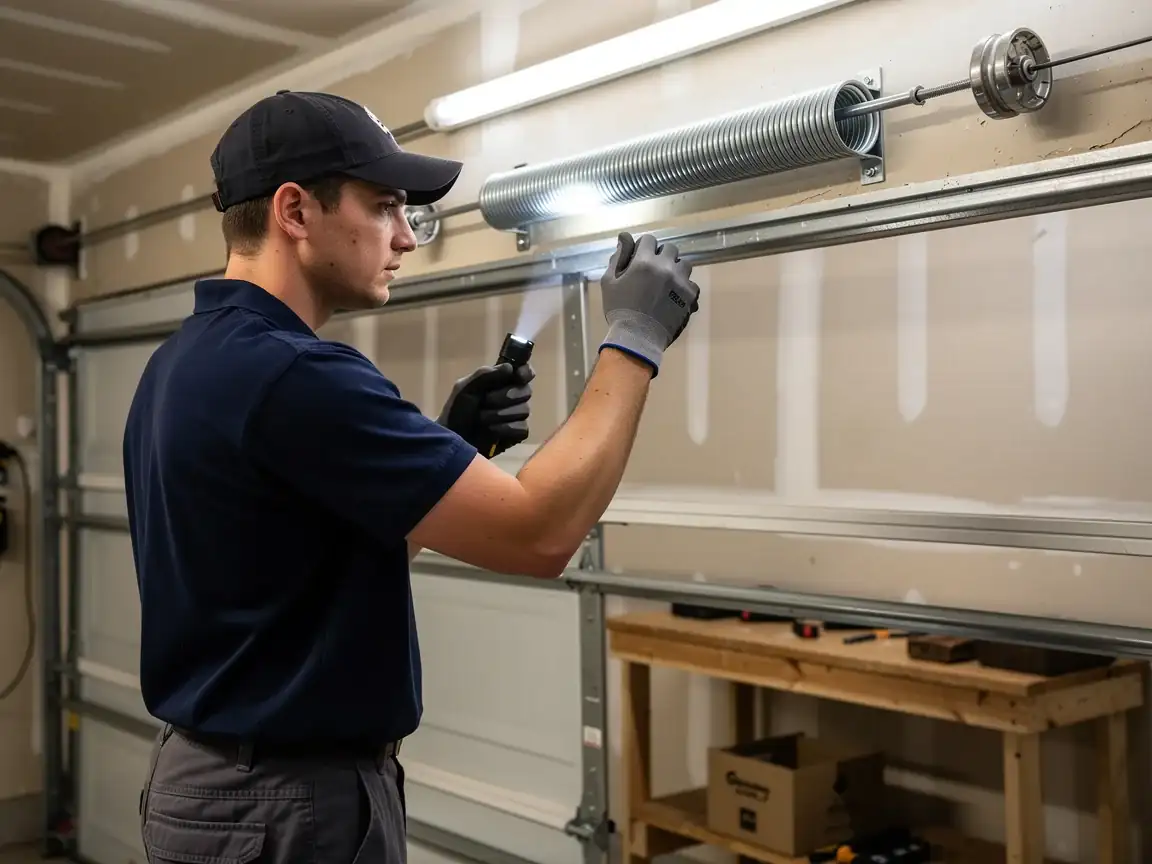
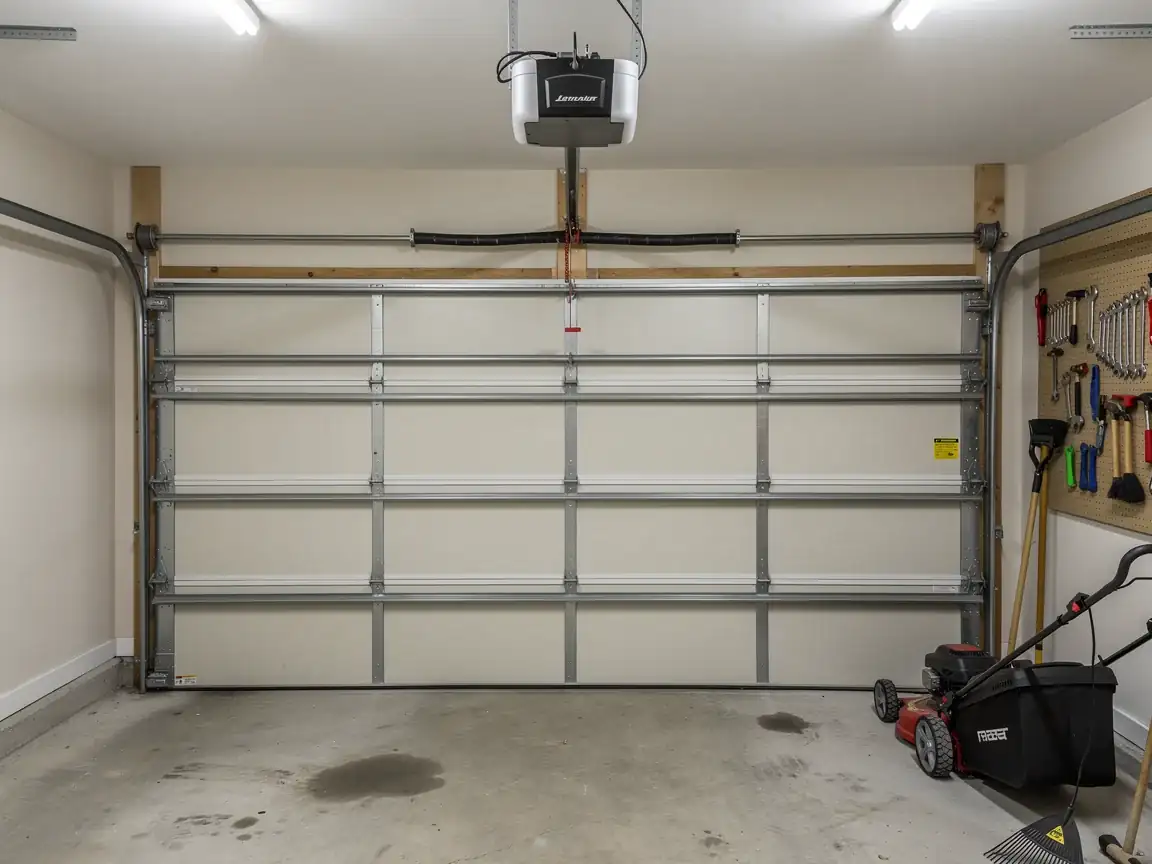
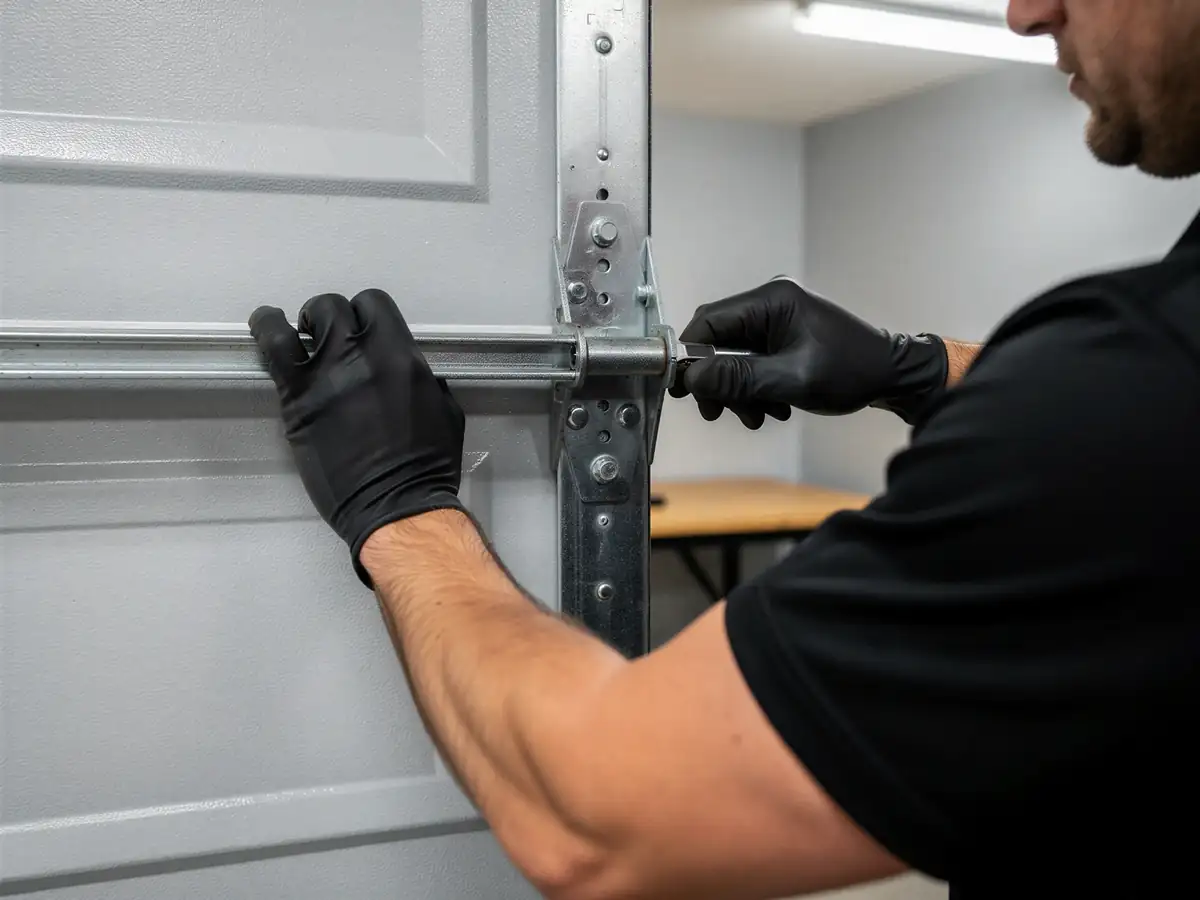
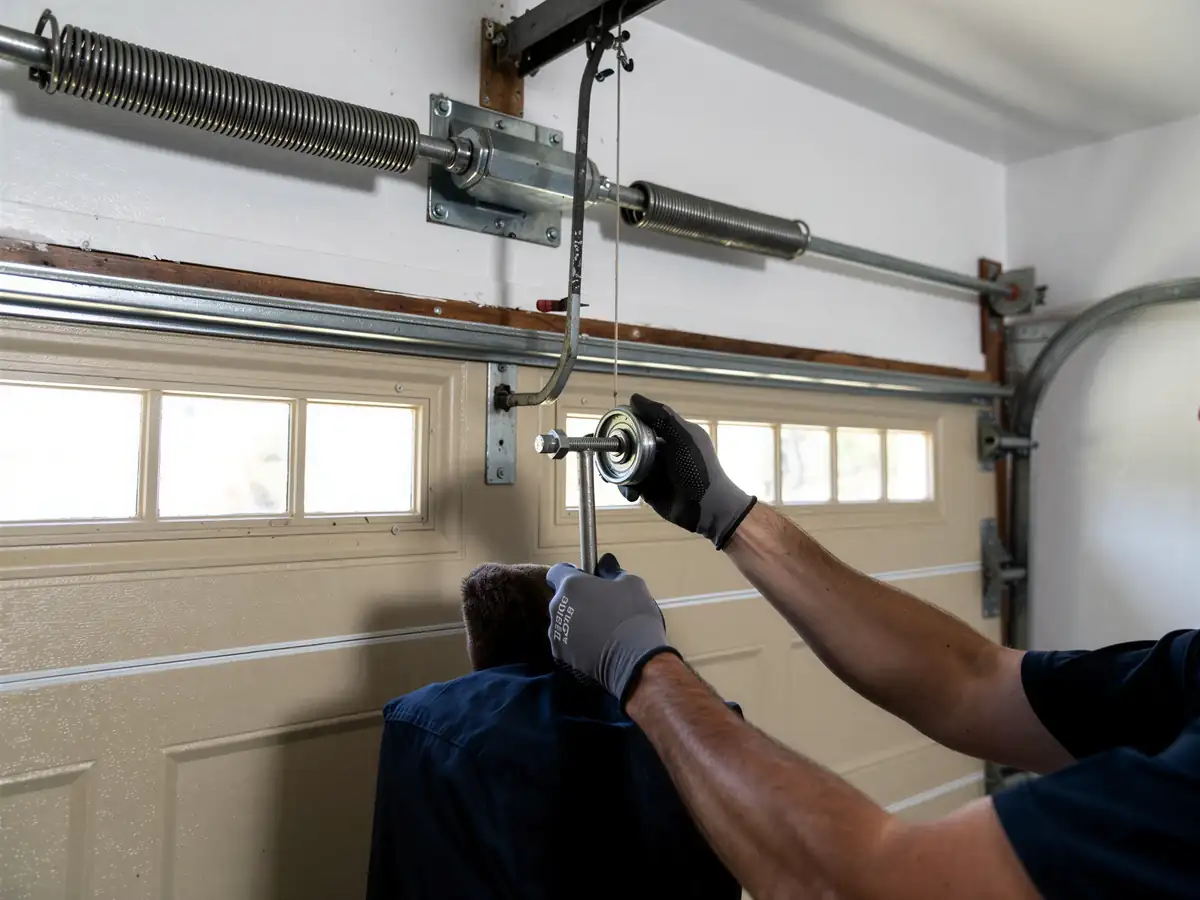
Rollers are one of the more DIY-friendly garage door parts - no spring tension to manage if you're only pulling rollers out of an open track section, not disconnecting the torsion spring. The honest limit: bottom rollers on a door with the spring still under tension, or any roller job that also involves adjusting cable drums, is where a homeowner can get hurt fast, and it's not worth the risk to save a service call. If your door is original to a 1987-era build, there's also a decent chance the track brackets are rusted or bent from three decades of use, and that's not something to force open with a pry bar. Pull one roller, look at the bearing, and decide from there.