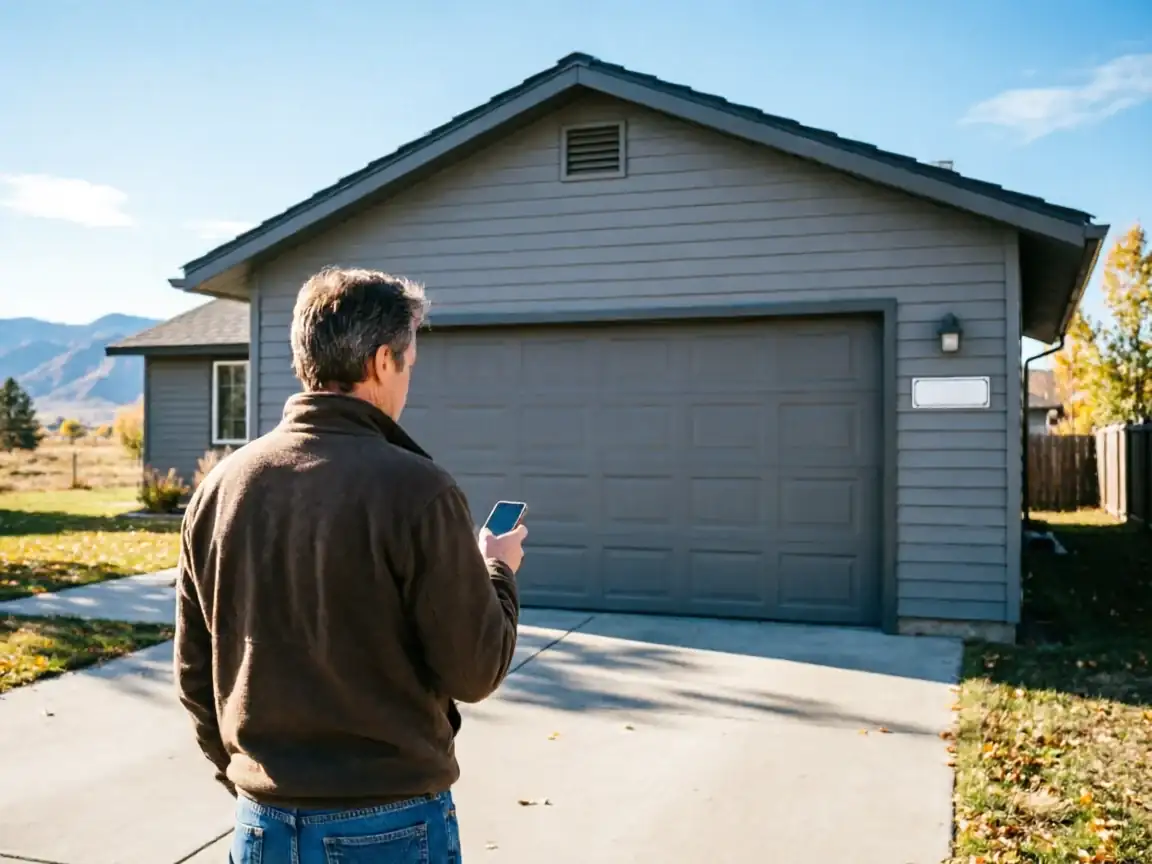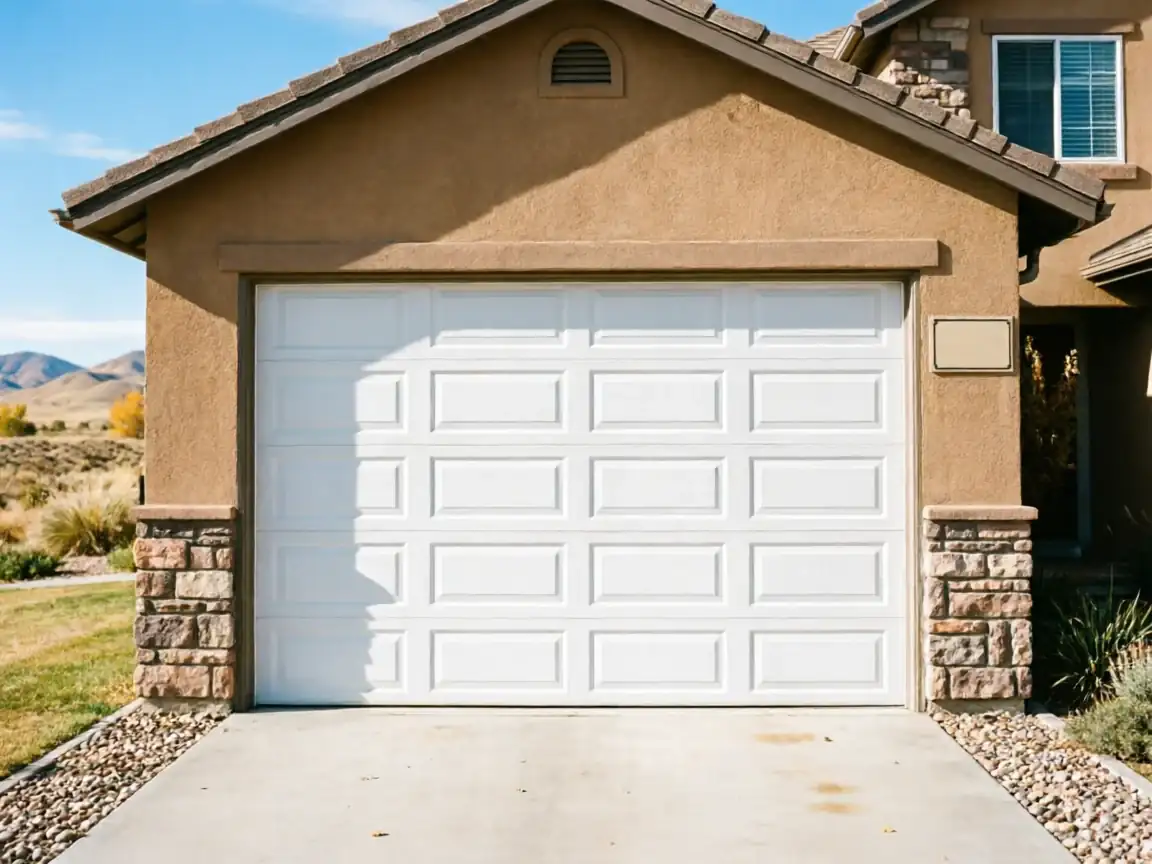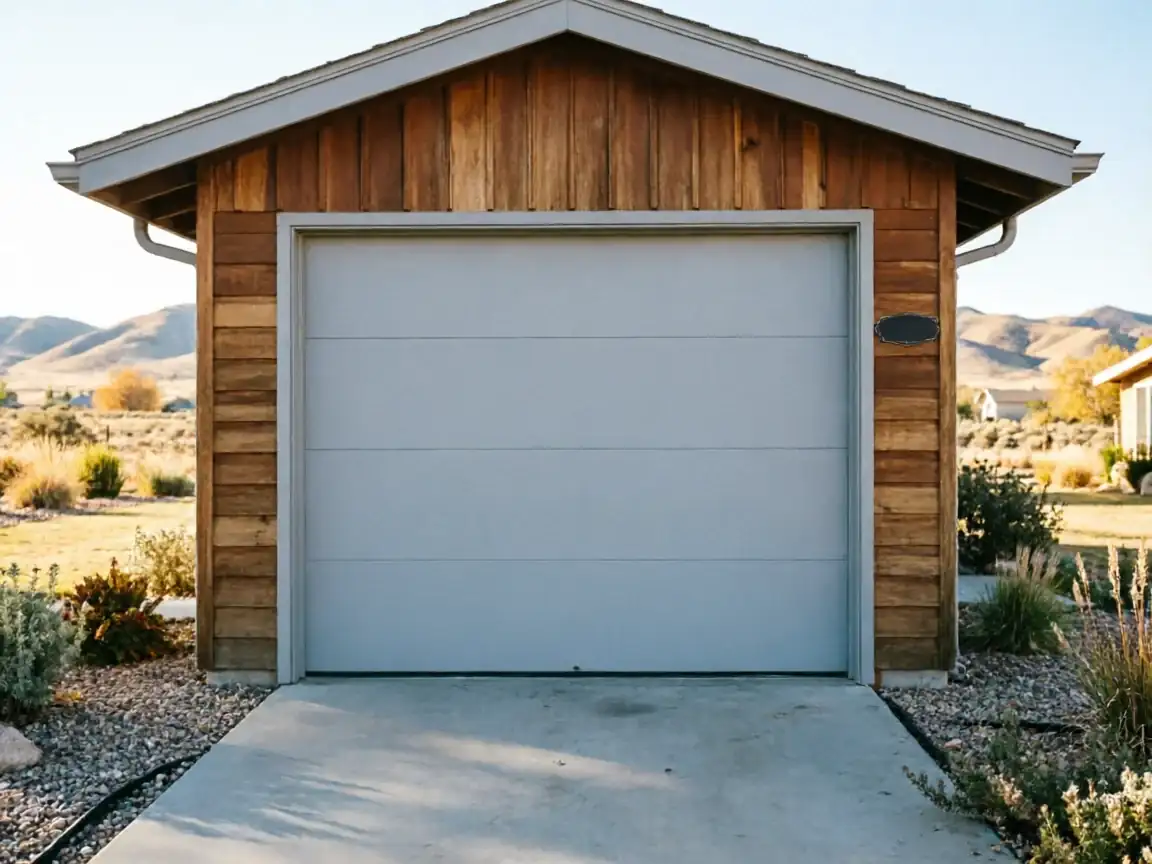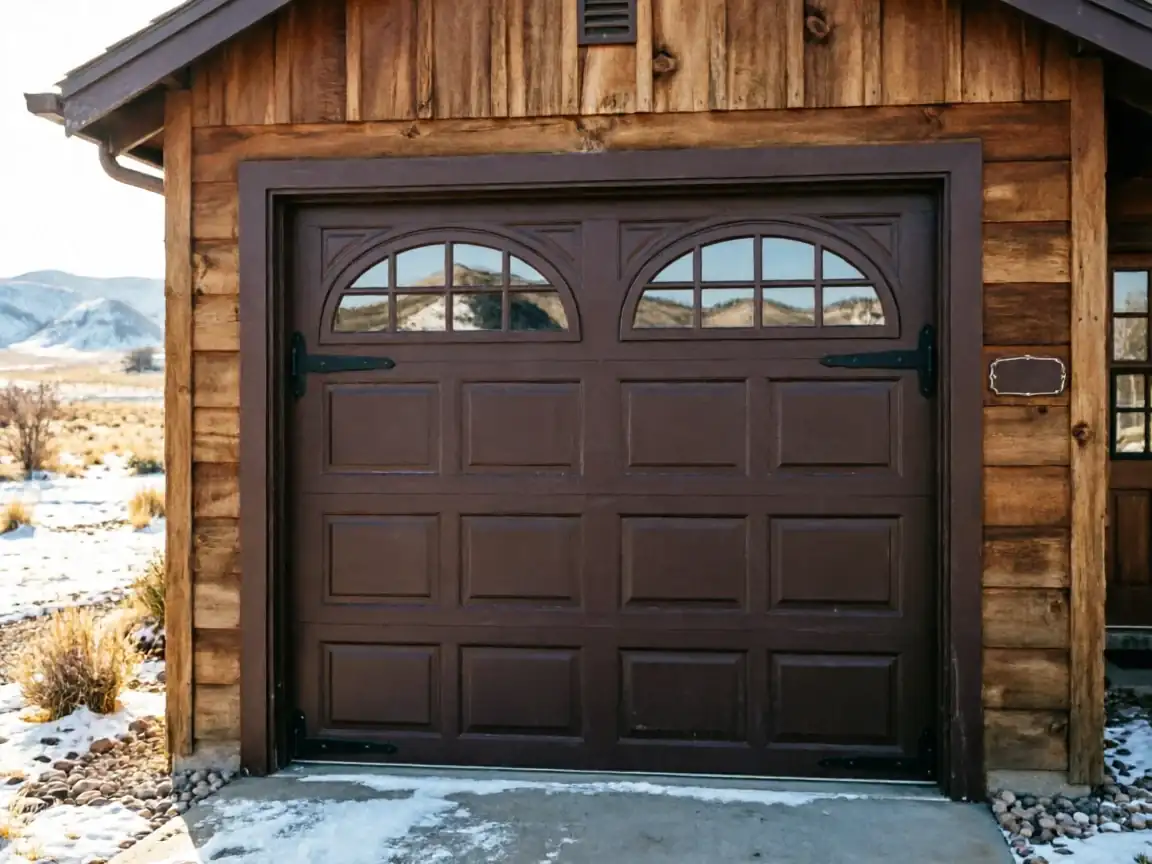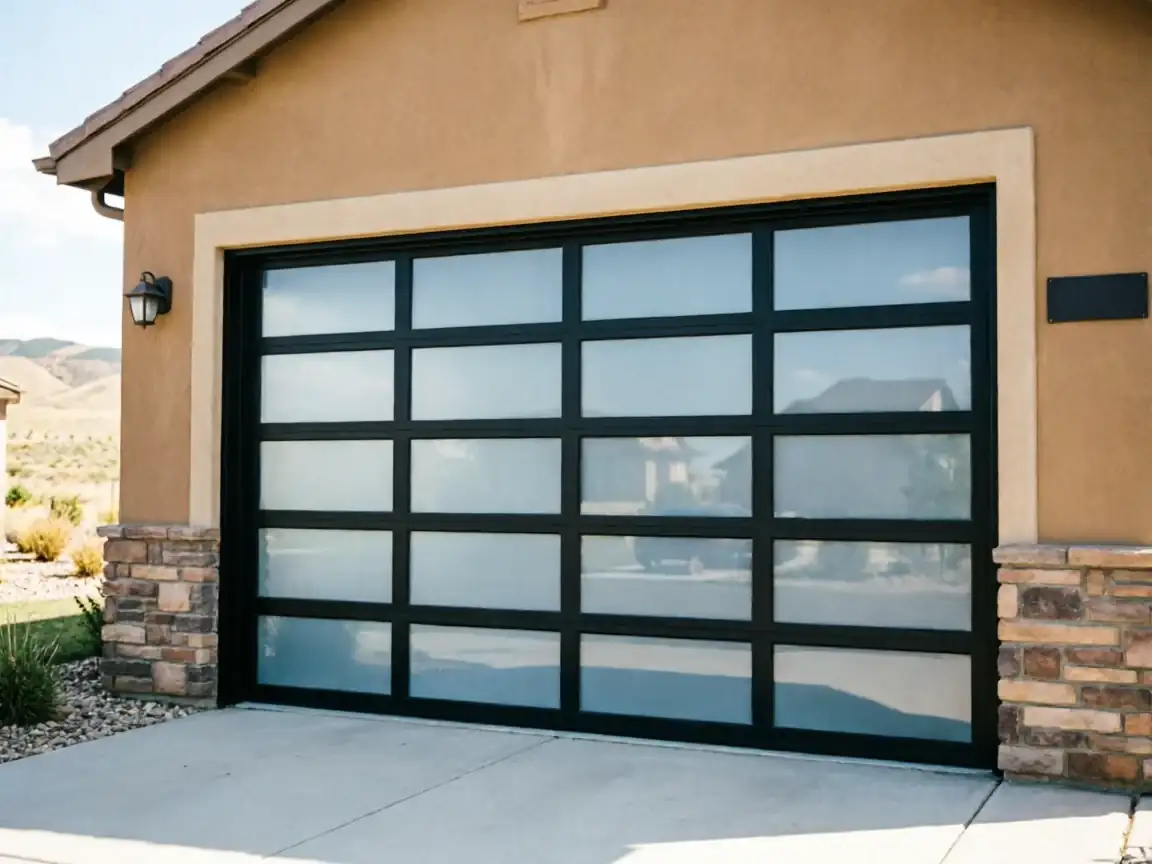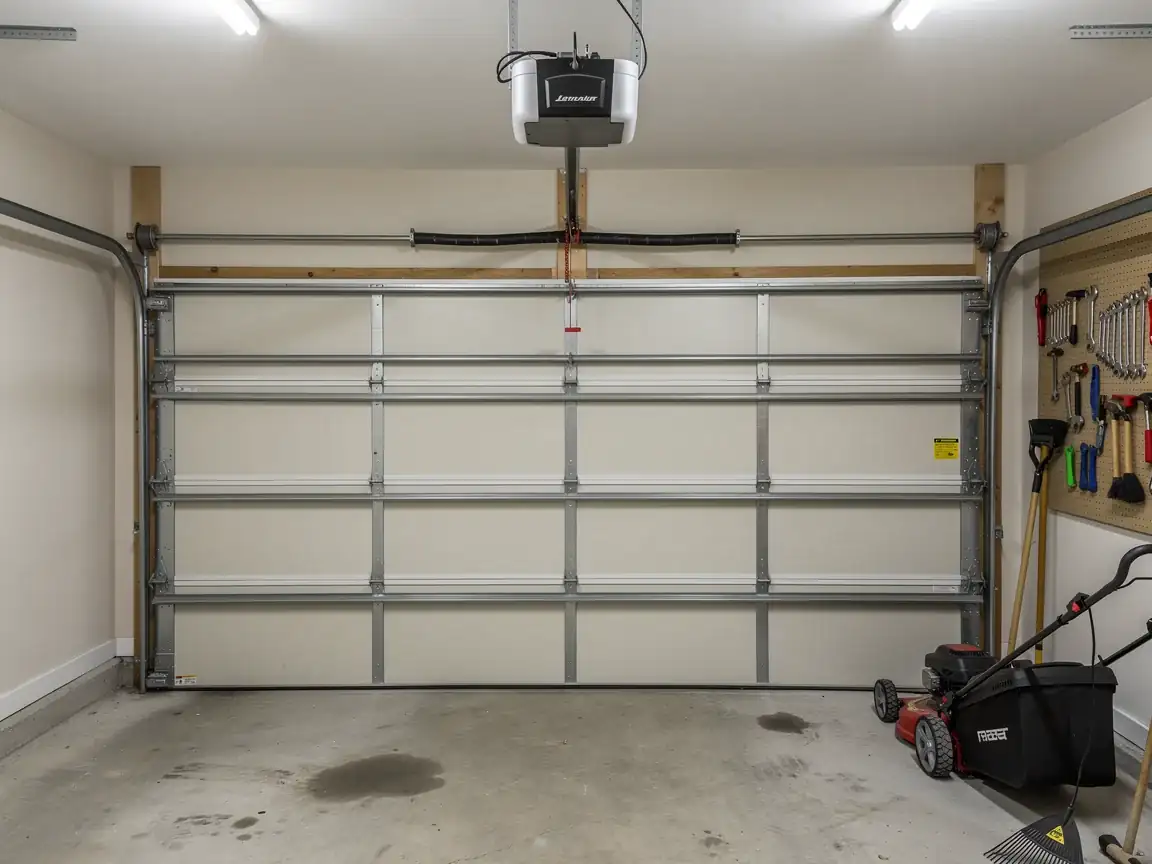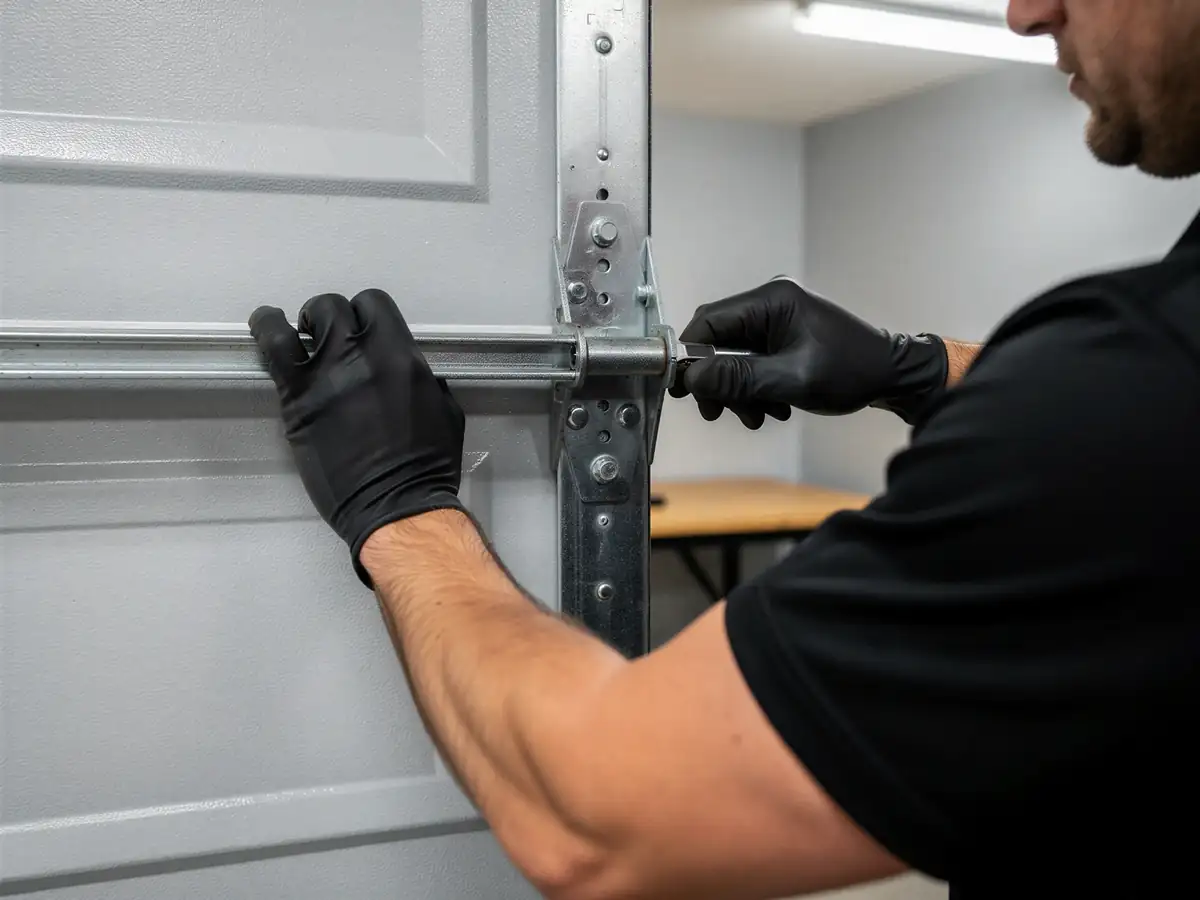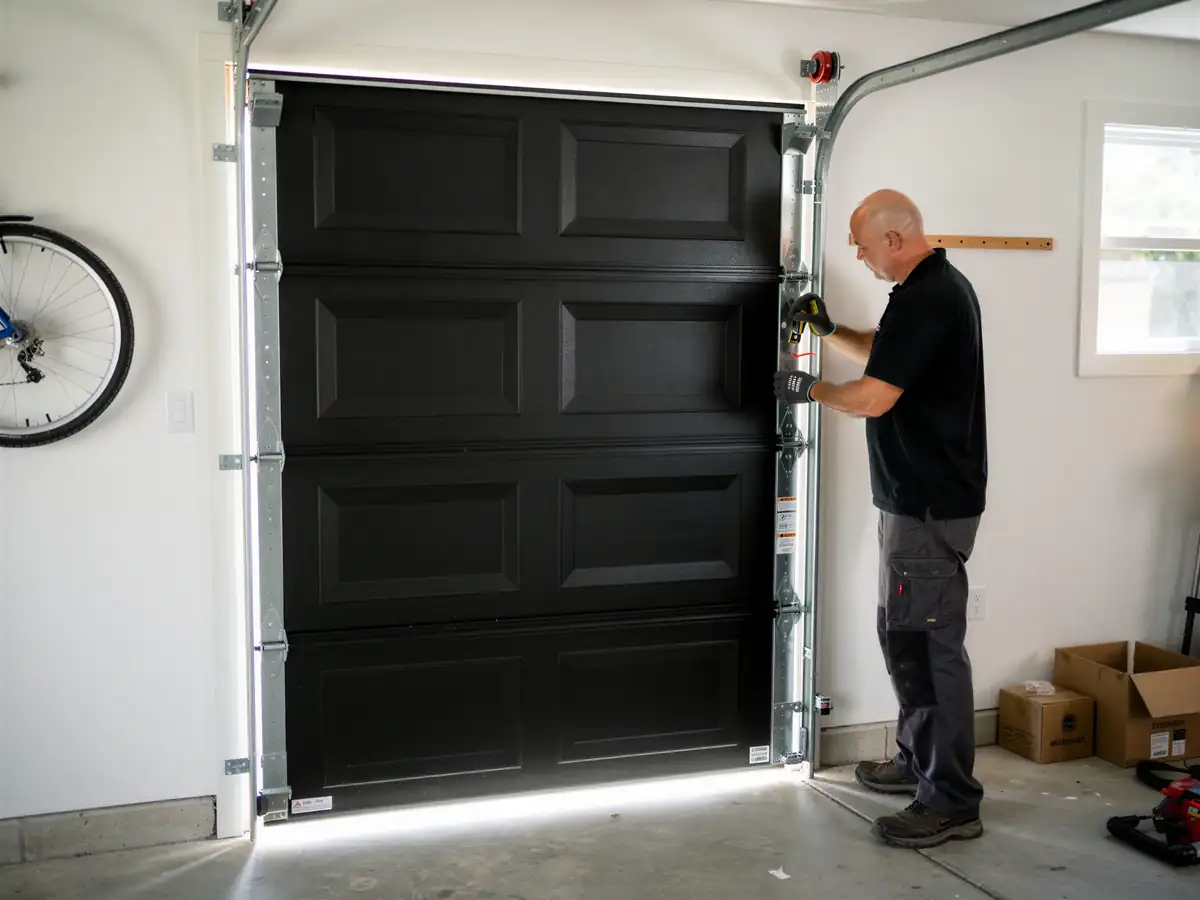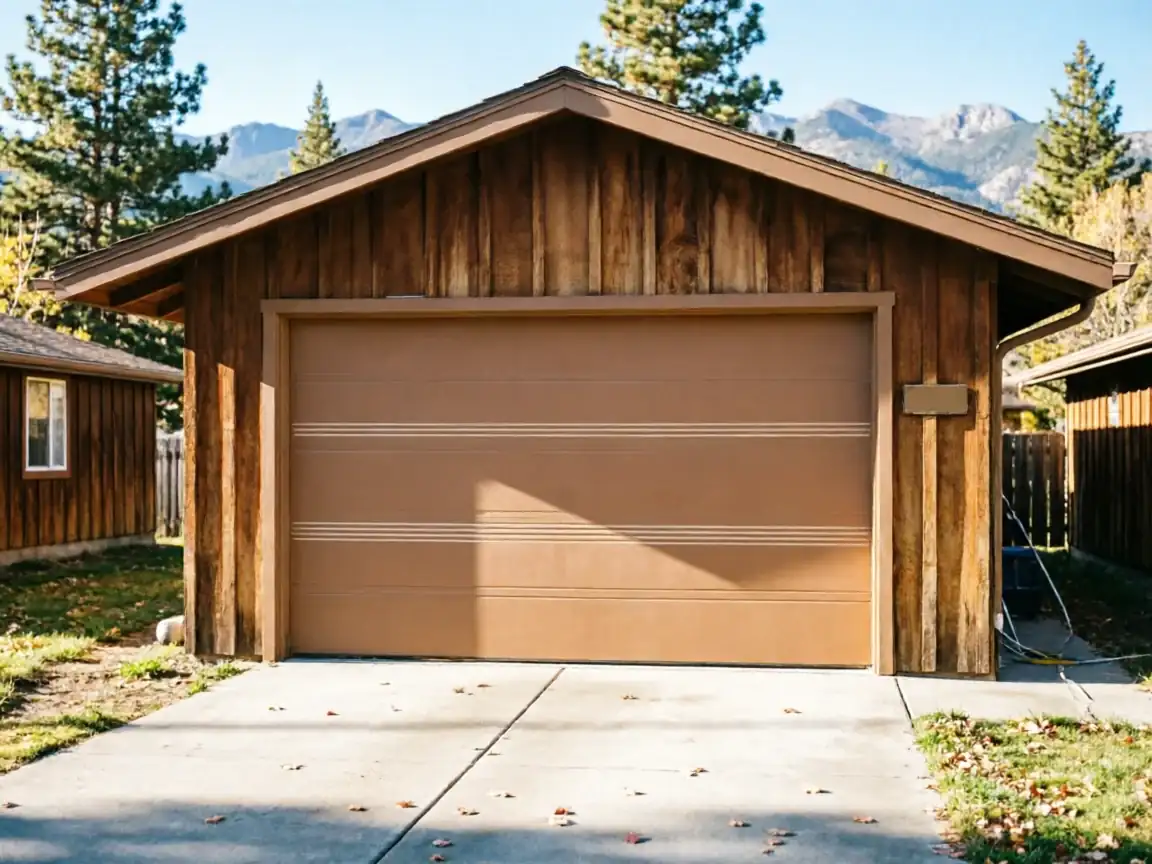
The Symptom
At a median household income of $71,110, the repair-or-replace line in Whitefish sits in a specific spot
If a tune-up or a spring swap gets you under roughly a third of what a new door and opener would run, fixing it is the right call. Past that, you're pouring money into a door that's going to need the next part in a year anyway. We bring that math with us, not a sales script, because a homeowner here spending on a garage door is weighing it against everything else that income has to cover.
- $71,110 median household income
The symptom end of this is mechanical, not financial
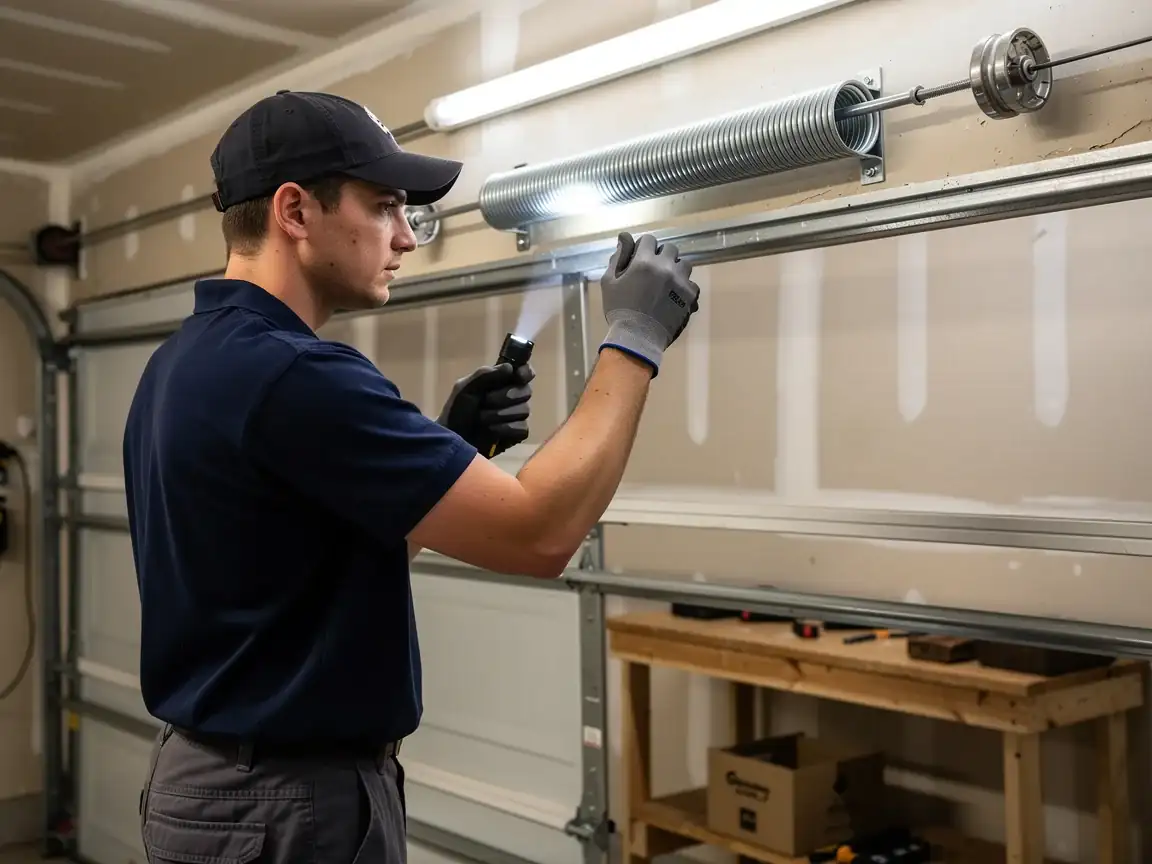
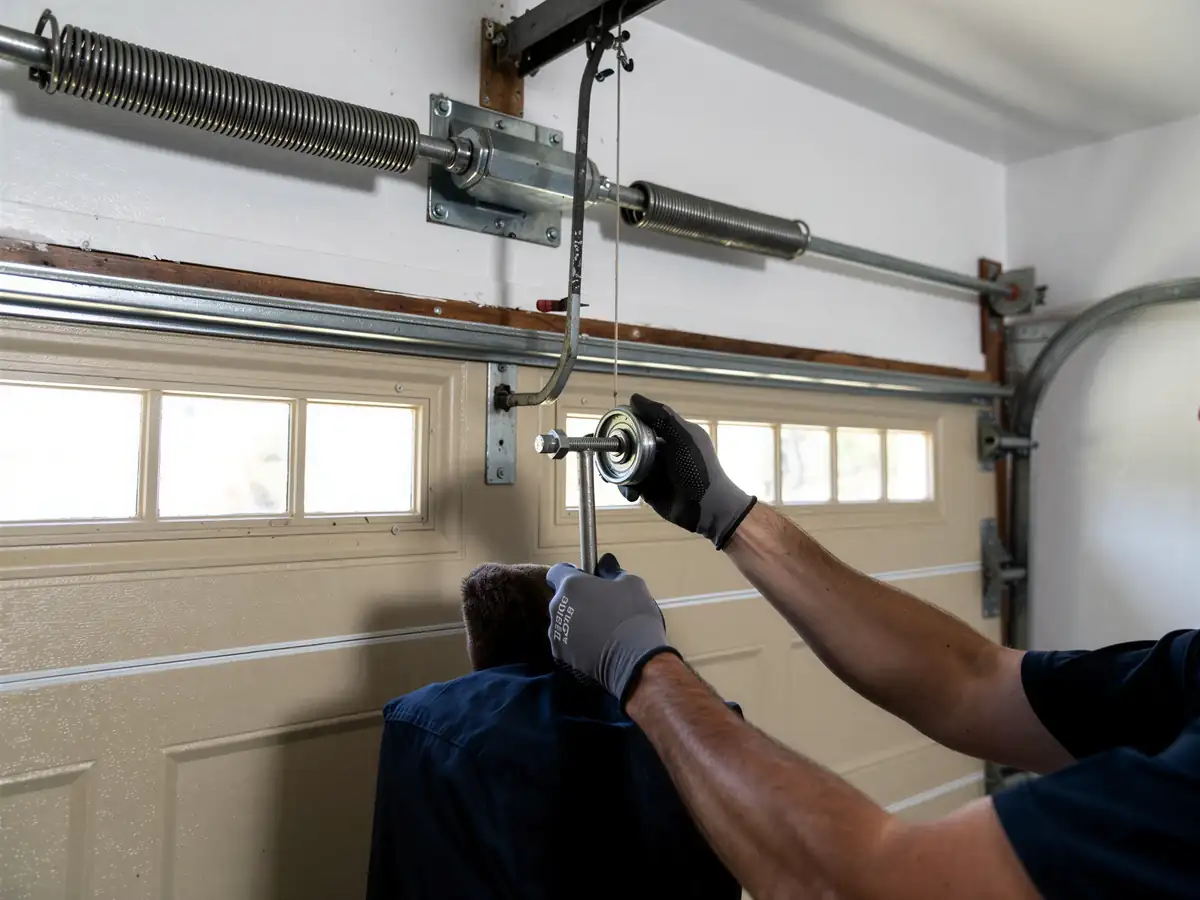
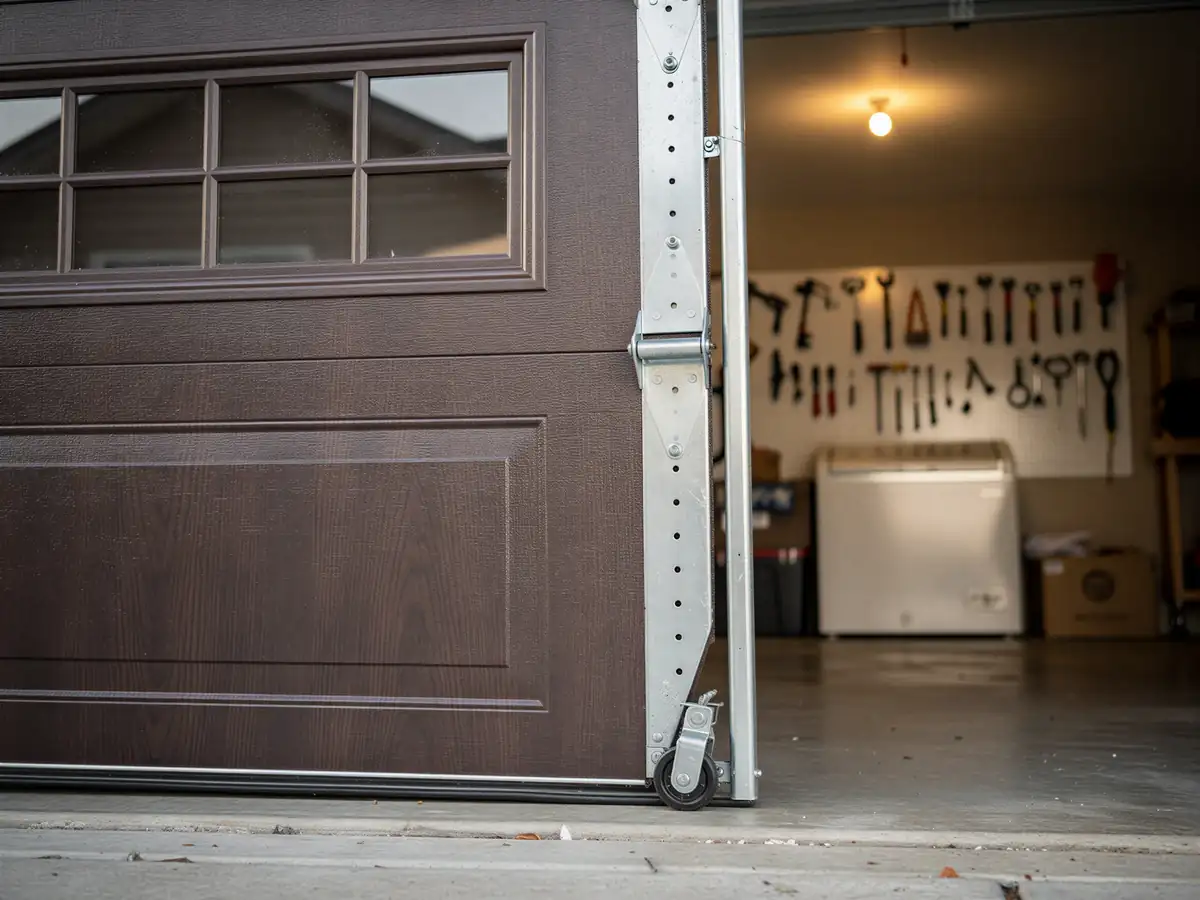
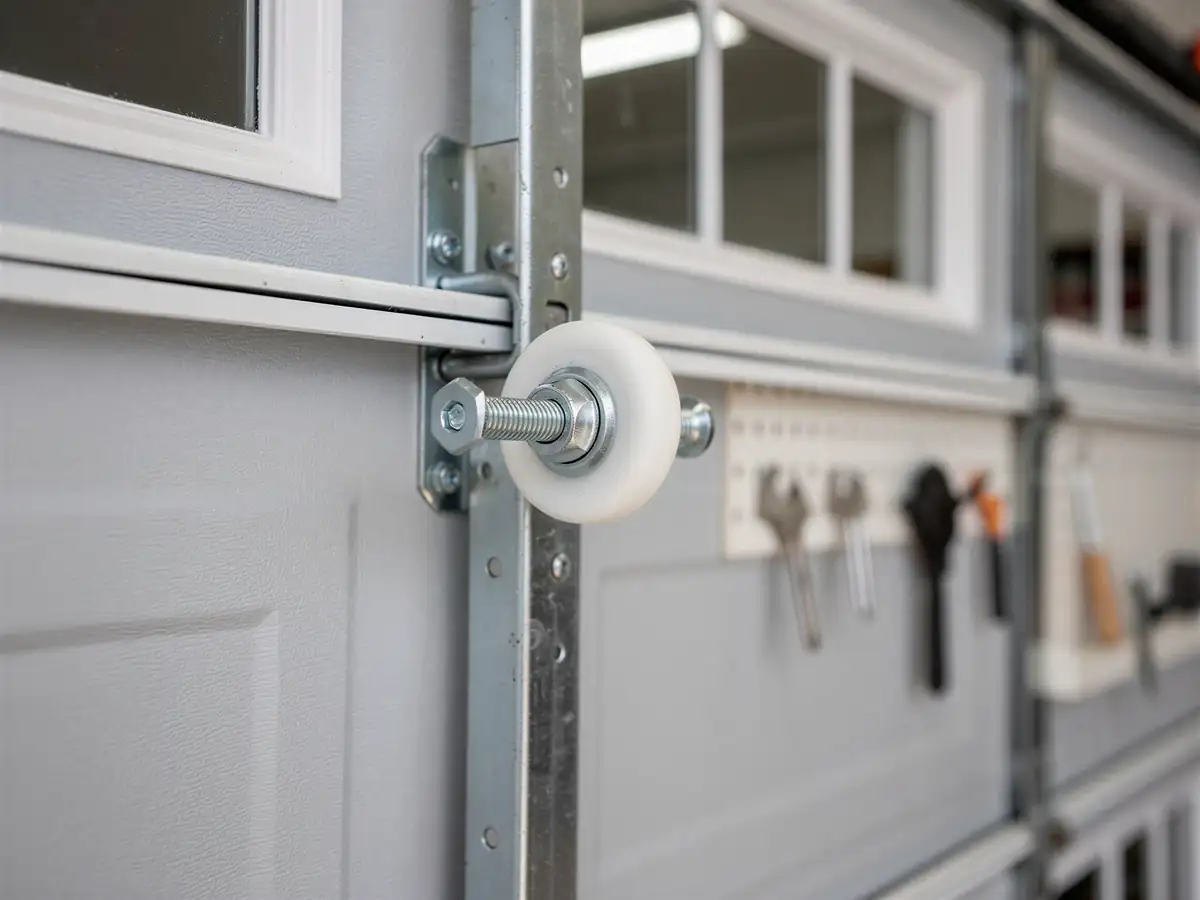
Doors around Whitefish are mostly going stiff on the extension or torsion springs, binding on tracks that have shifted slightly out of plumb, or running openers whose gears have worn down from years of cold starts. None of that announces itself with a bang. It shows up as a door that hesitates, grinds, or needs a shove partway up - small signs that the hardware is at the end of its design life, not a sudden failure.
How Long It Takes
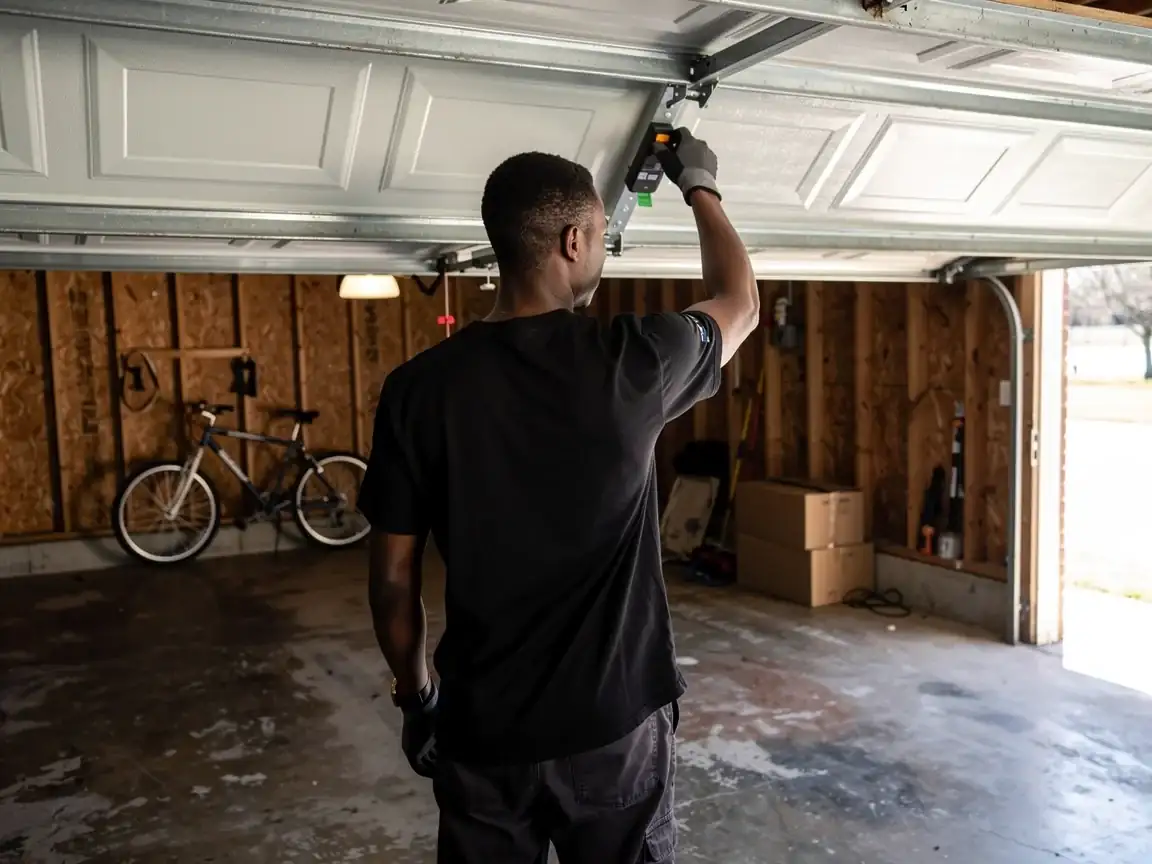
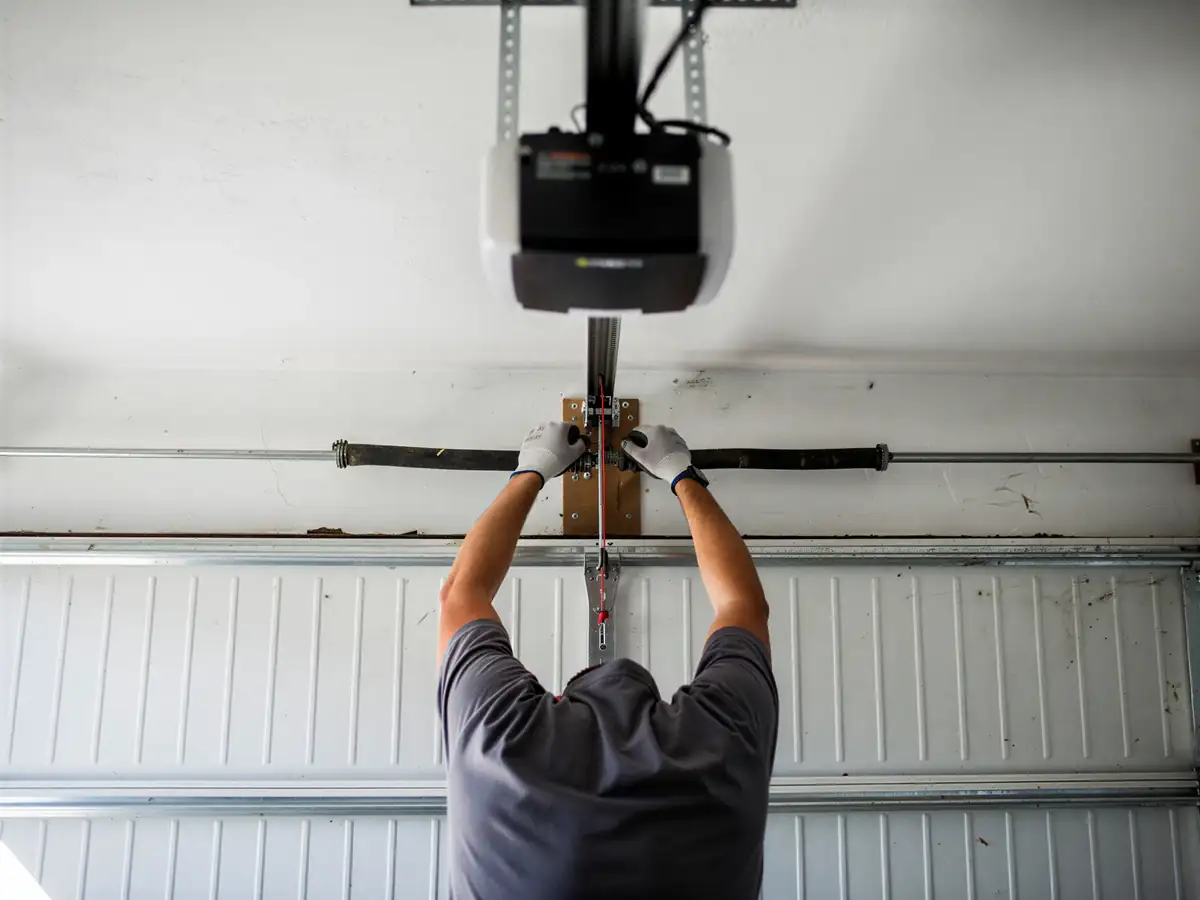
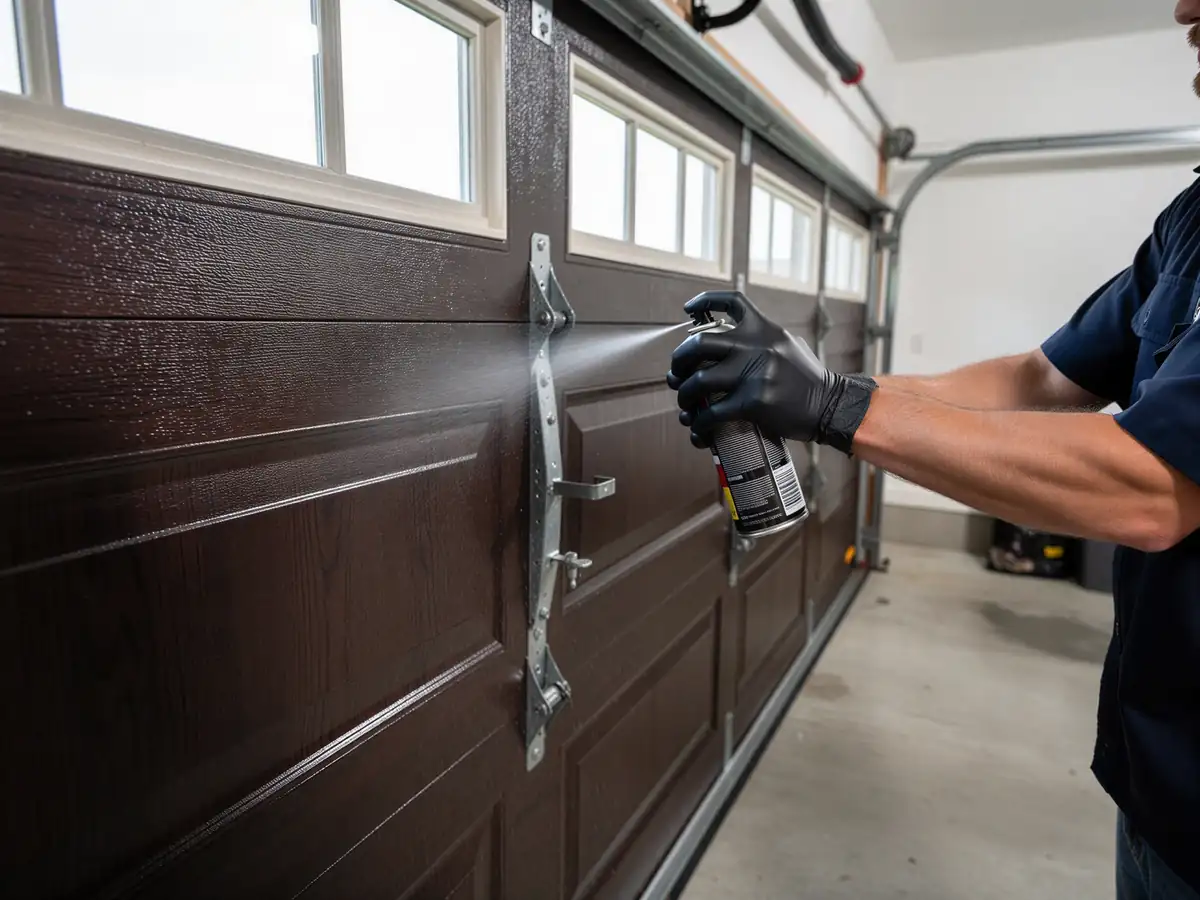
A standard maintenance visit - lubrication, hardware tightening, track alignment check, spring tension check, opener inspection - runs about the same whether the door is a single or a double, and we don't pad the visit with upsells. What changes the clock here is access: Whitefish is 15 miles out from our Kalispell shop, so we schedule these visits in blocks rather than one-offs, which is also why booking a specific week ahead works better than calling the morning you notice the grind.
If we find a spring close to failing or an opener gear chewed down to nothing, that's a second trip for parts in most cases - we don't carry every torsion spring size on the truck for a 15-mile run, and we'd rather tell you that than guess at it on-site.
Why This Fails Locally
The median year built across Whitefish homes lands around 1987, which puts most garage doors and openers here at or past the end of a normal service life even with decent upkeep. Hardware from that era - heavier steel sections, older torsion spring setups, chain-drive openers without modern force sensors - wasn't built for the number of freeze-thaw cycles this area's winters put it through. That's a COLD-severe climate band, and cold is what kills garage door hardware: metal contracts, lubricant stiffens, and a spring that was fine in July seizes or snaps in January.
With roughly 4,101 households in the Whitefish area built largely in that same stretch of years, the fault pattern isn't random - it's a generation of doors hitting the same wear point at close to the same time. That's useful to know going into a maintenance visit: we're not guessing at what's likely wrong, we're checking the parts that era of hardware wears out first.
What You Pay
We don't have a Whitefish-specific price list separate from the rest of the service area, and we're not going to invent one here. What we can tell you is how to think about the number when it's quoted: against a $71,110 median household income, a maintenance visit should feel like a minor annual cost, not a decision you lose sleep over. If a tech on-site finds a spring or opener part that needs replacing, that's priced separately from the visit itself, and you'll hear the number before any work happens, not after.
Doing It Yourself
Some of this is reasonable to do yourself: wiping down and lubricating rollers and hinges, checking that the door reverses when it hits an object, clearing debris off the tracks. What you shouldn't touch is anything involving the torsion spring - the ones common on homes built in the late 1980s store enough force to cause a real injury, and that's true whether the door is in Whitefish or anywhere else. If the door is sagging on one side or the cables look frayed, that's a call, not a weekend project.