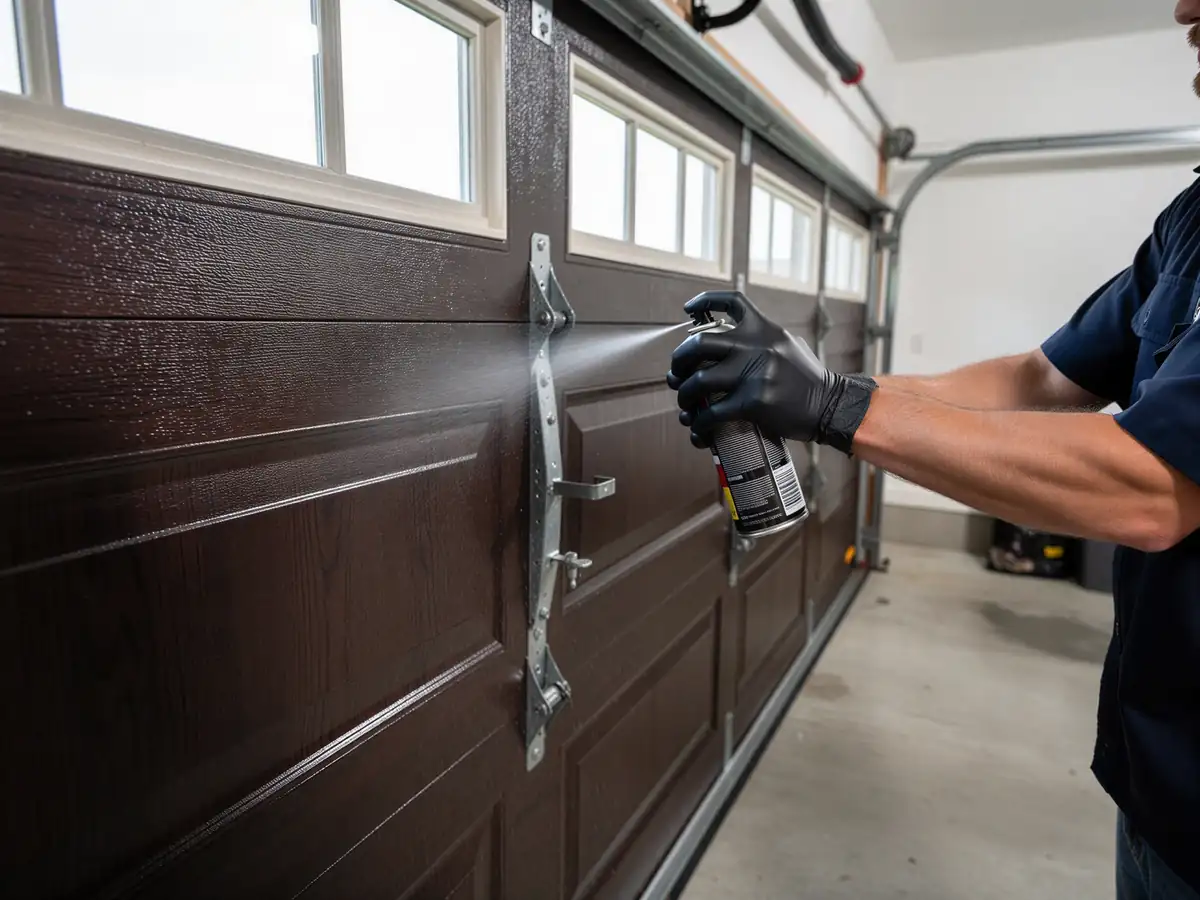
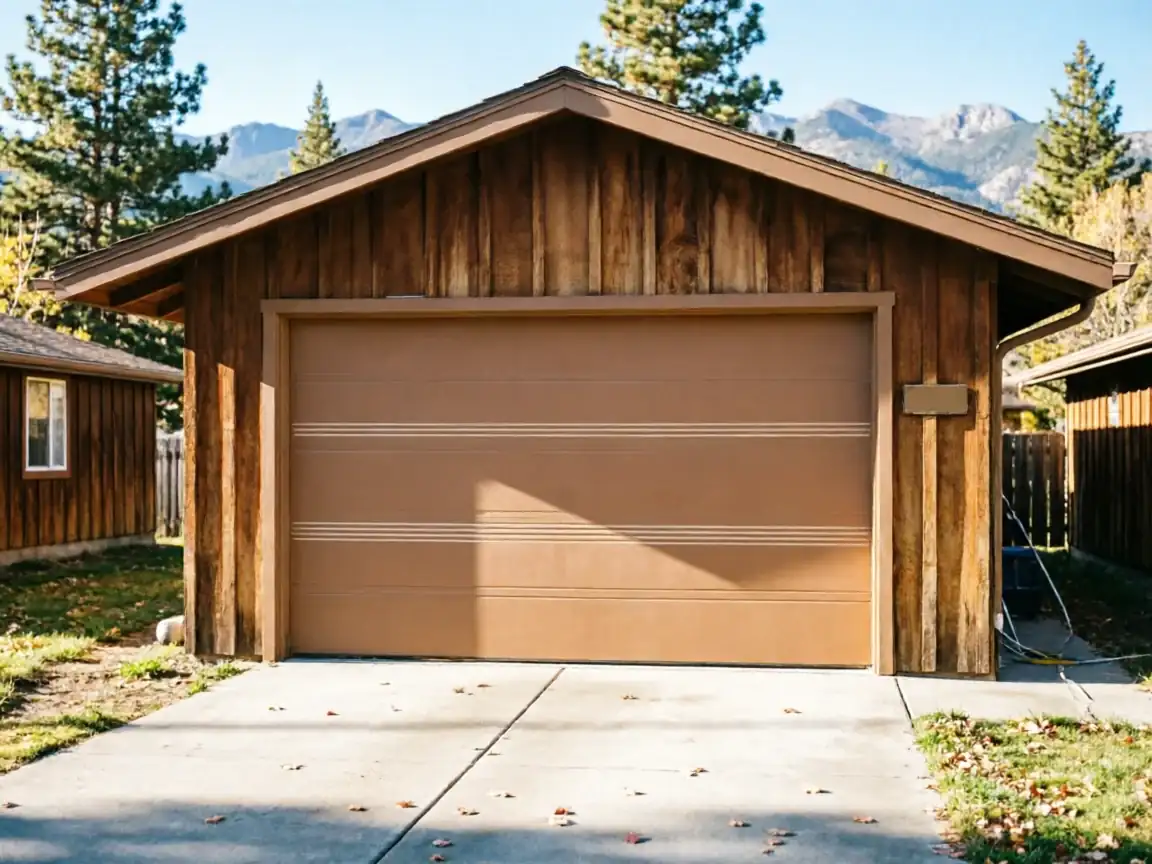
The Symptom
Whitefish is 15 miles from our shop in Kalispell
Which changes how a service call here actually works. We're not driving past your house on the way to somewhere else - a trip out to Whitefish is its own trip, and we plan the day around it rather than squeezing it between closer jobs. That means when you call, we're scheduling a drive, not just a stop, and we tell you that up front instead of pretending otherwise.
- 15 miles
The symptoms we see on these calls track the neighborhood's age
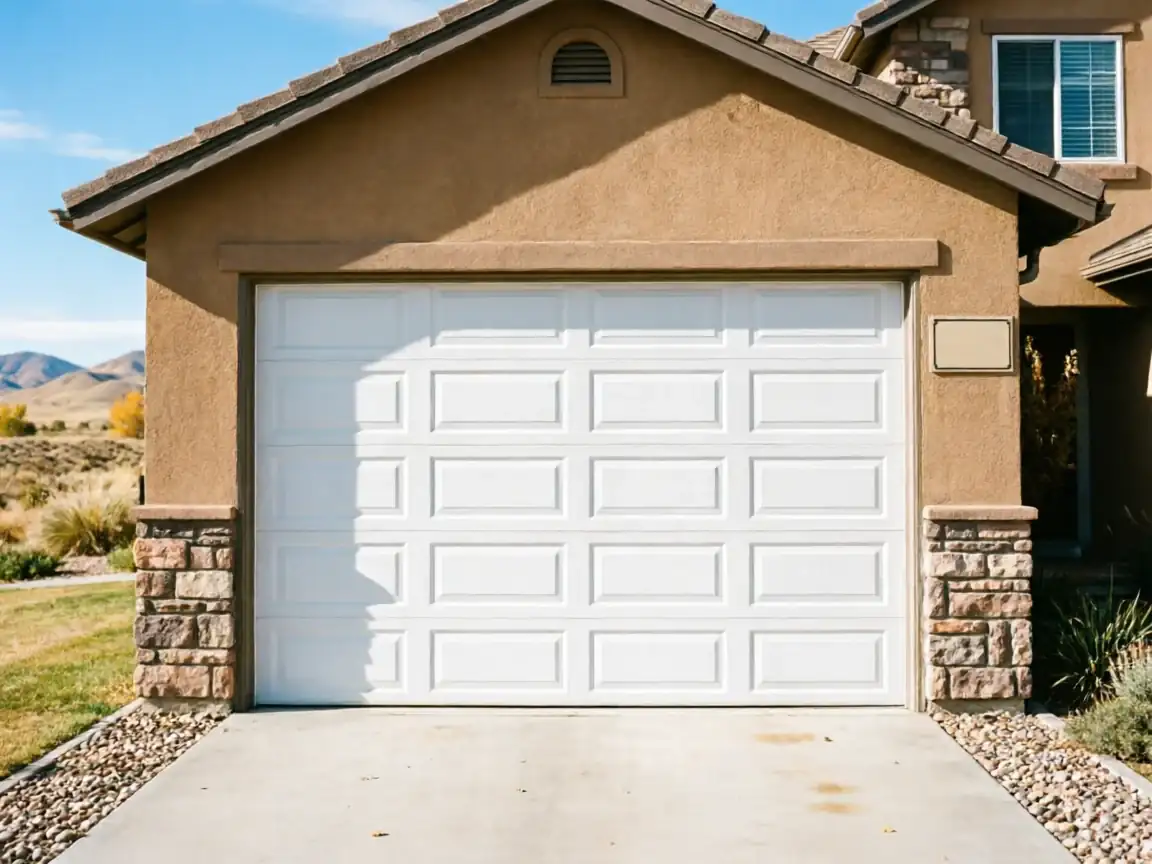
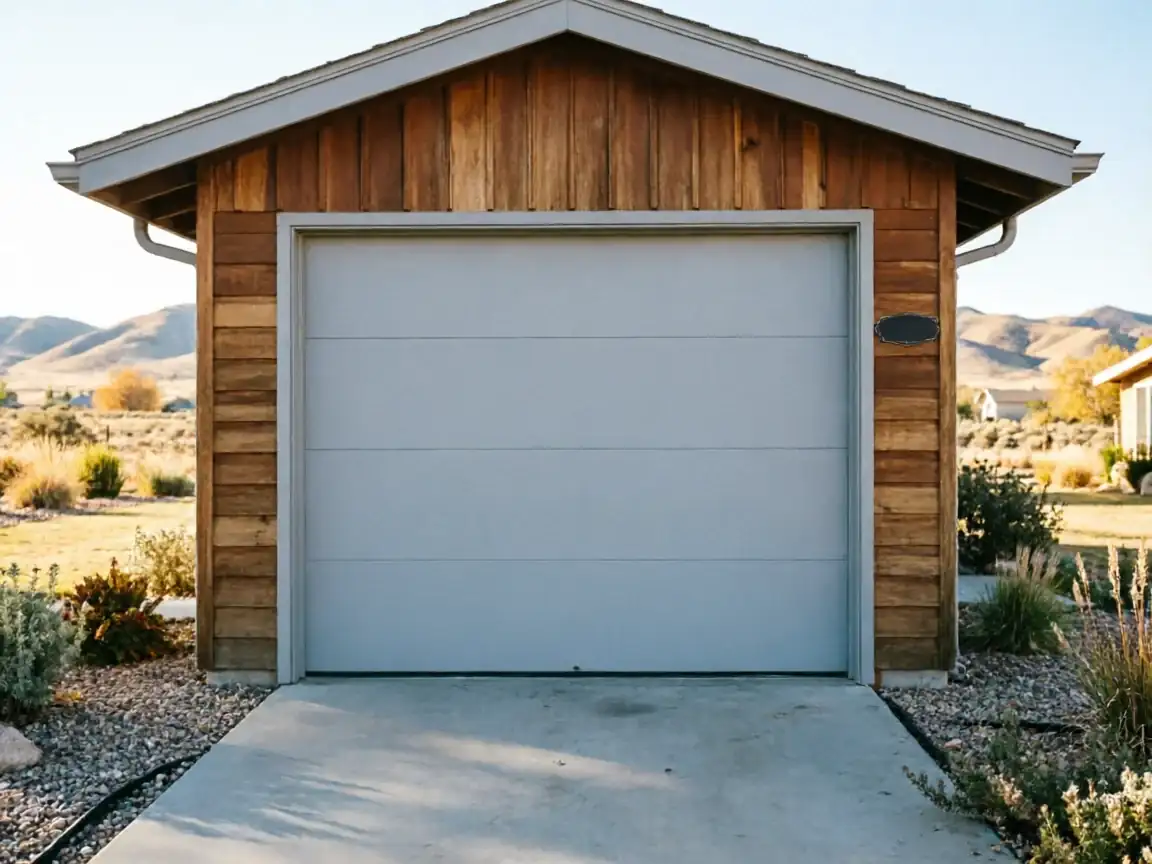
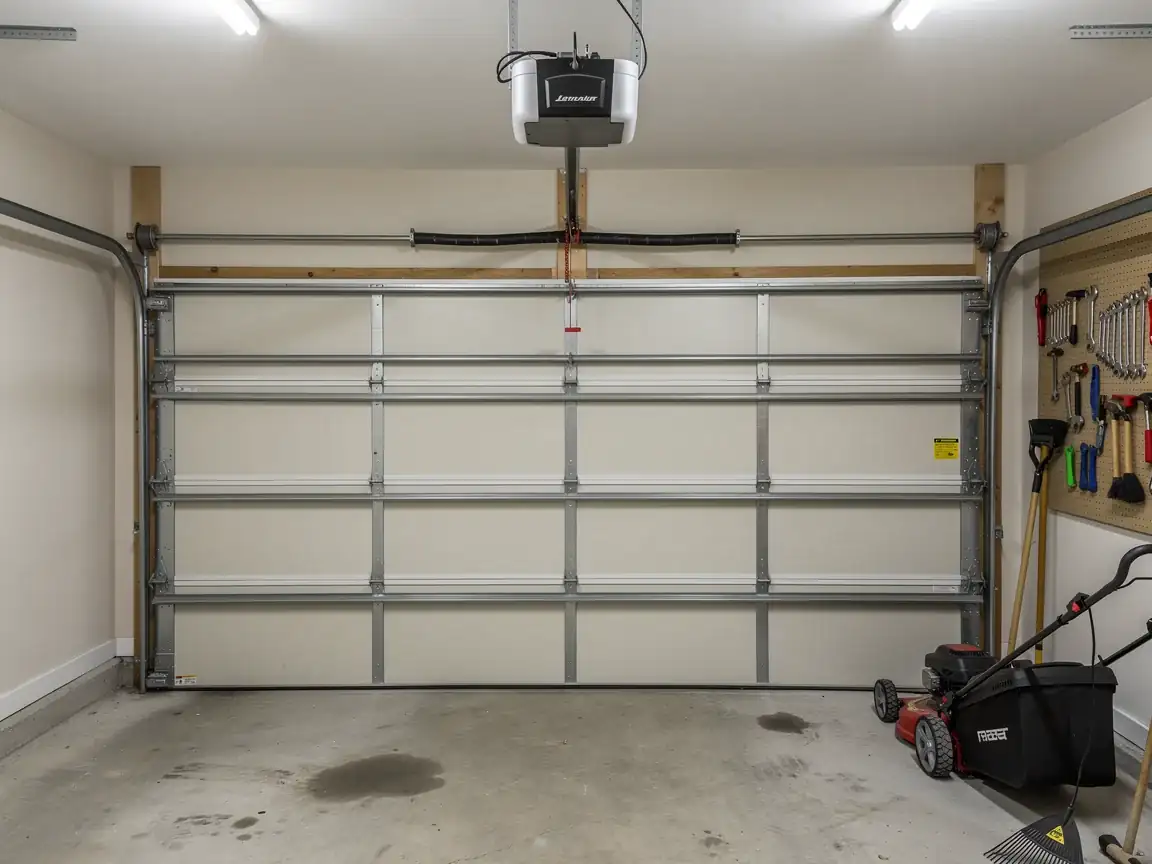
Most houses in and around Whitefish went up in the late 1980s, right around 1987 on the median, which puts the garage door hardware squarely in that late-80s to 90s generation - torsion springs sized for steel sectional doors, openers from a chain-drive era, and tracks that have had three decades of Flathead winters to work on the bolts. If your door is dragging, binding on one side, or the opener strains and reverses before the door seats, that's the age of the equipment talking, not a mystery.
How Long It Takes
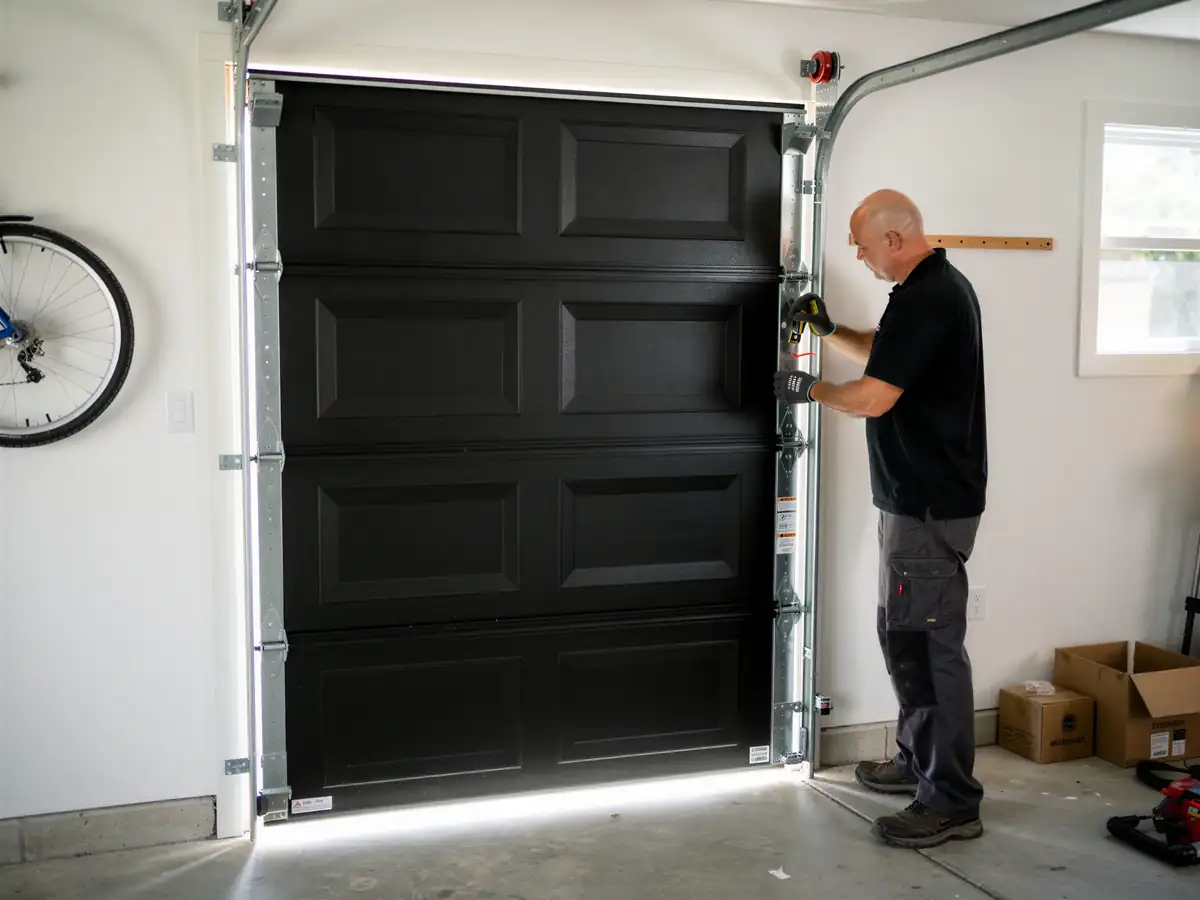
Because the job starts with a 15-mile drive, we build the travel time into the appointment window rather than quoting a response time we can't back up from Kalispell. Once the truck is on site, most spring or cable repairs on these 1980s-era doors run the same as they would anywhere else - the drive is the variable, not the wrench time.
We'd rather tell you the honest version: if you need a same-day fix on a Friday afternoon, Whitefish calls get scheduled with the drive in mind, and that can mean next available slot rather than next hour. We don't carry a second crew based out here, so what you're booking is one trip, done right, rather than a rushed one.
Why This Fails Locally
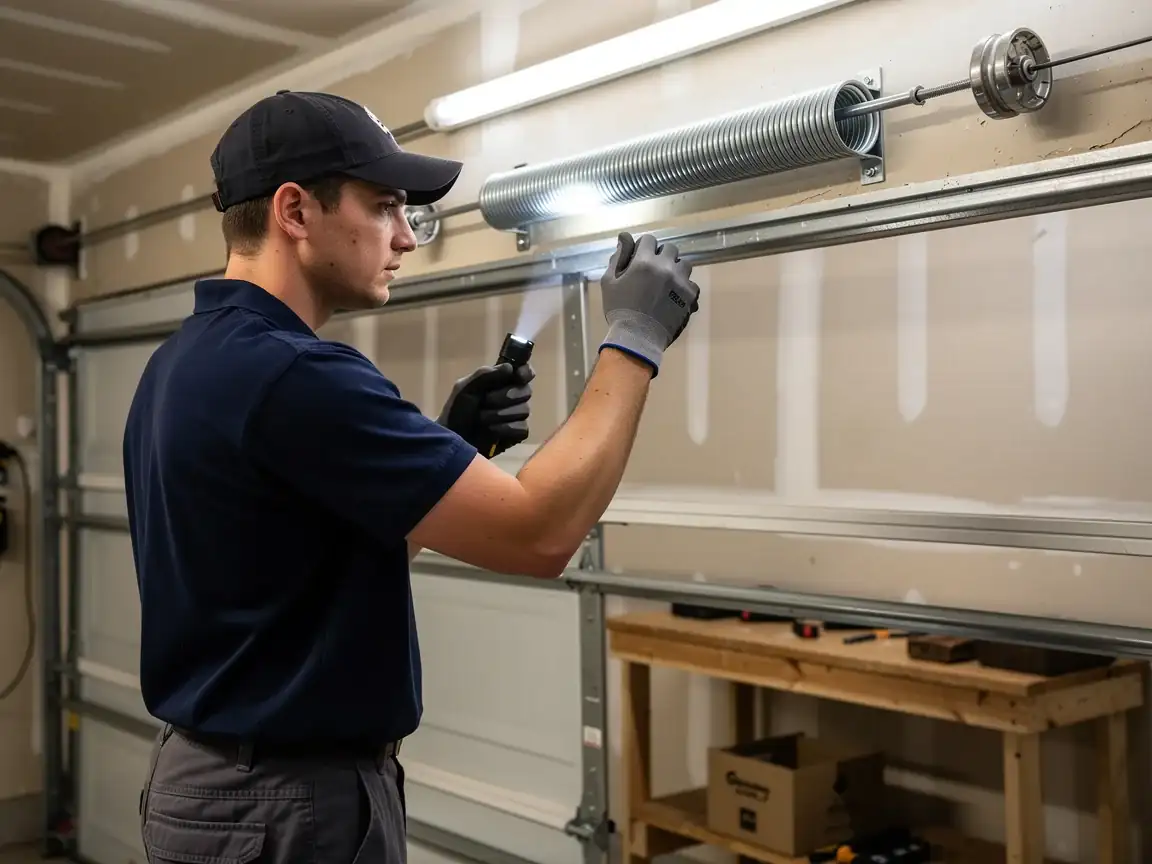
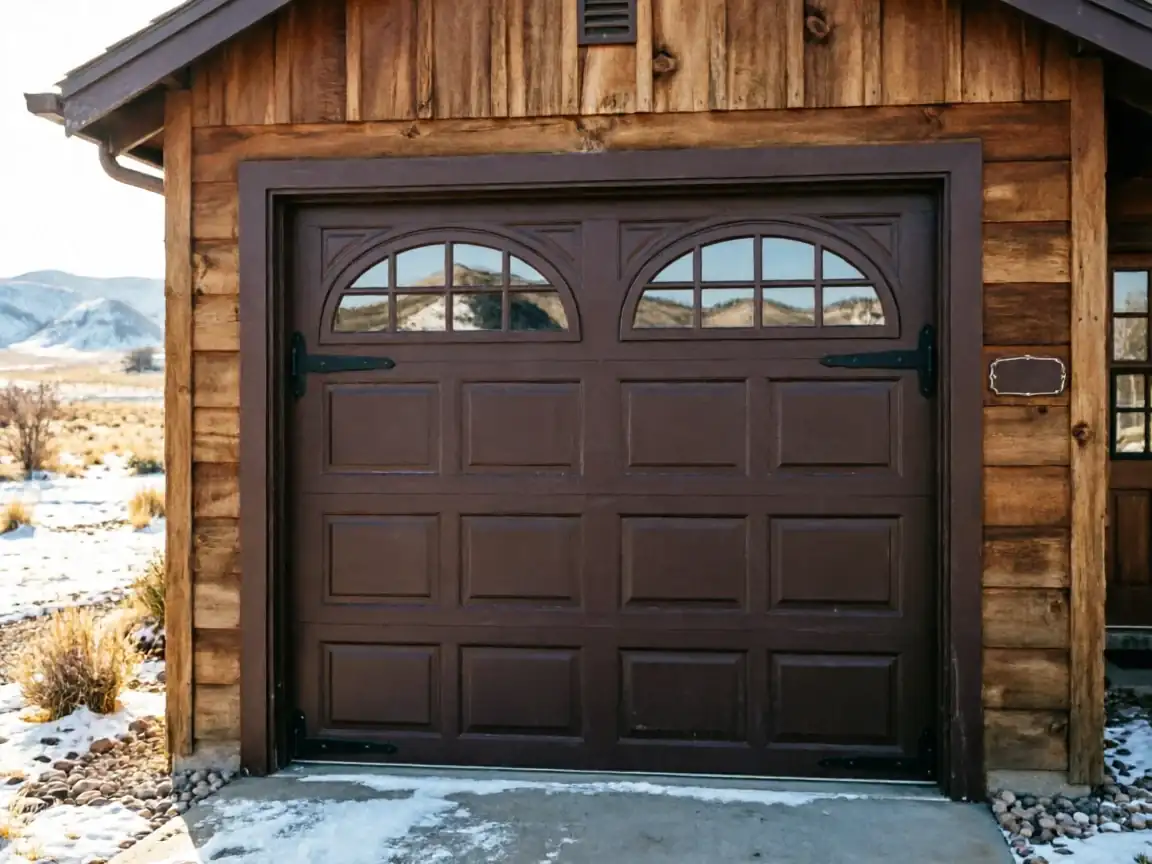
This area sits in a severe cold climate band, and that matters more for a house built around 1987 than it would for new construction. Steel doors and torsion springs from that era weren't engineered with today's insulation standards or with the freeze-thaw cycling this region puts on exposed hardware - end bearings, cable drums, and roller stems all take damage faster here than in milder climates.
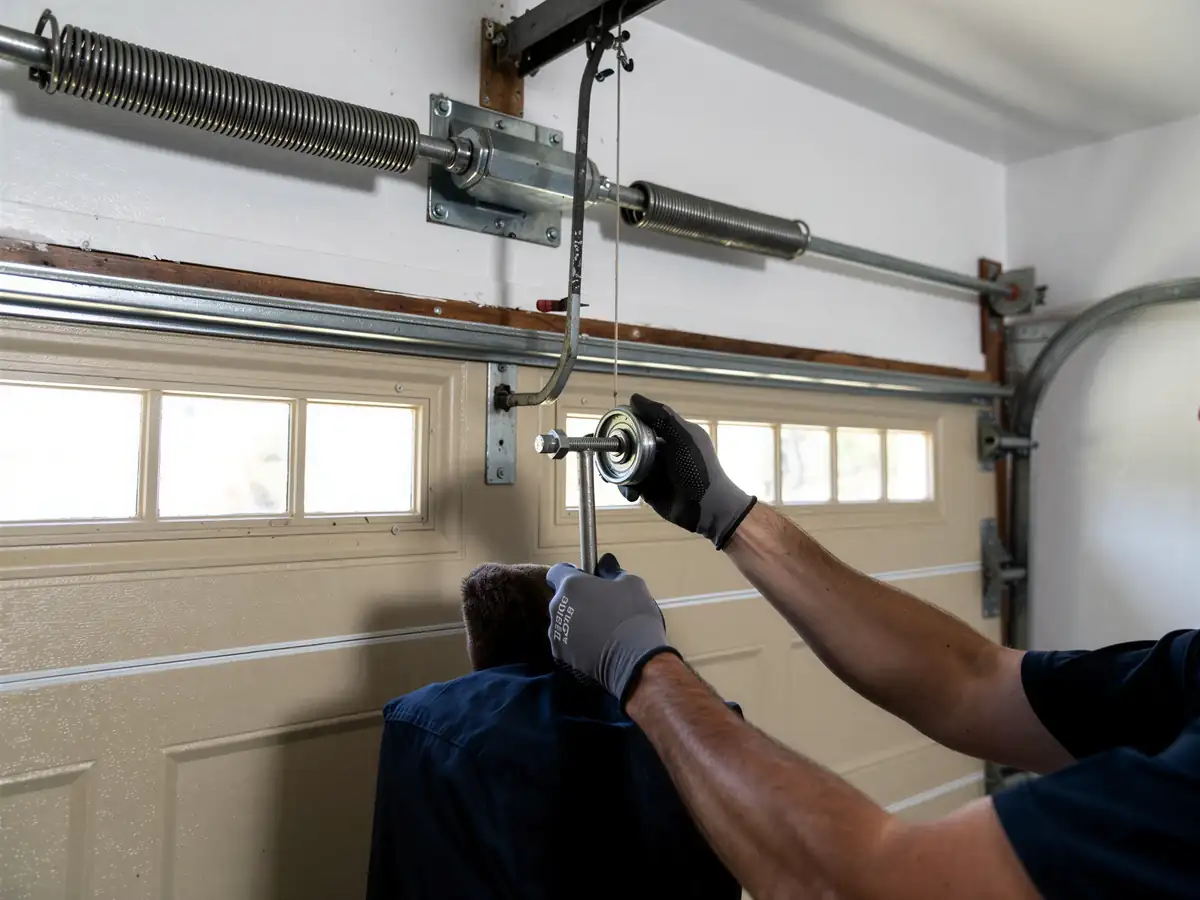
The failure pattern we see most in Whitefish is cold-stiffened torsion springs that lose tension unevenly, which throws the door off-balance and overworks the opener. On a late-80s door that's never had the spring re-tensioned, that uneven load eventually snaps a cable or cracks a bottom panel. It's not a Whitefish-specific defect - it's a late-1980s door meeting a cold climate it was built right at the edge of handling.
Booking a Visit
We cover Whitefish as part of the wider service area out of Kalispell
So a visit here gets scheduled the same way any out-of-town call does: we confirm the make and rough age of your door over the phone, then plan the drive around that. If you know your door is original to the house, say so - it helps us bring the right spring sizes for a system built around 1987 instead of guessing on-site.
You can see the areas we cover, including Whitefish, on our service area page
And if you're closer to the shop the general service page covers the Kalispell side of things. For Whitefish specifically, we're working from the drive-time model above, not a local branch.
What You Pay
We don't have a published price list to quote you here, and giving you a number without seeing the door would be a guess dressed up as a fact. What we can tell you is that the household income for this service area sits at a median of $71,110, which is in line with the kind of straightforward spring and opener repairs most homes here need rather than full system overhauls.
What drives the bill on a Whitefish call is usually the parts, not the trip: torsion springs sized for a late-1980s steel door, a new cable, or an opener board are the common line items. We'll tell you the number before we start the work, not after.
Doing It Yourself
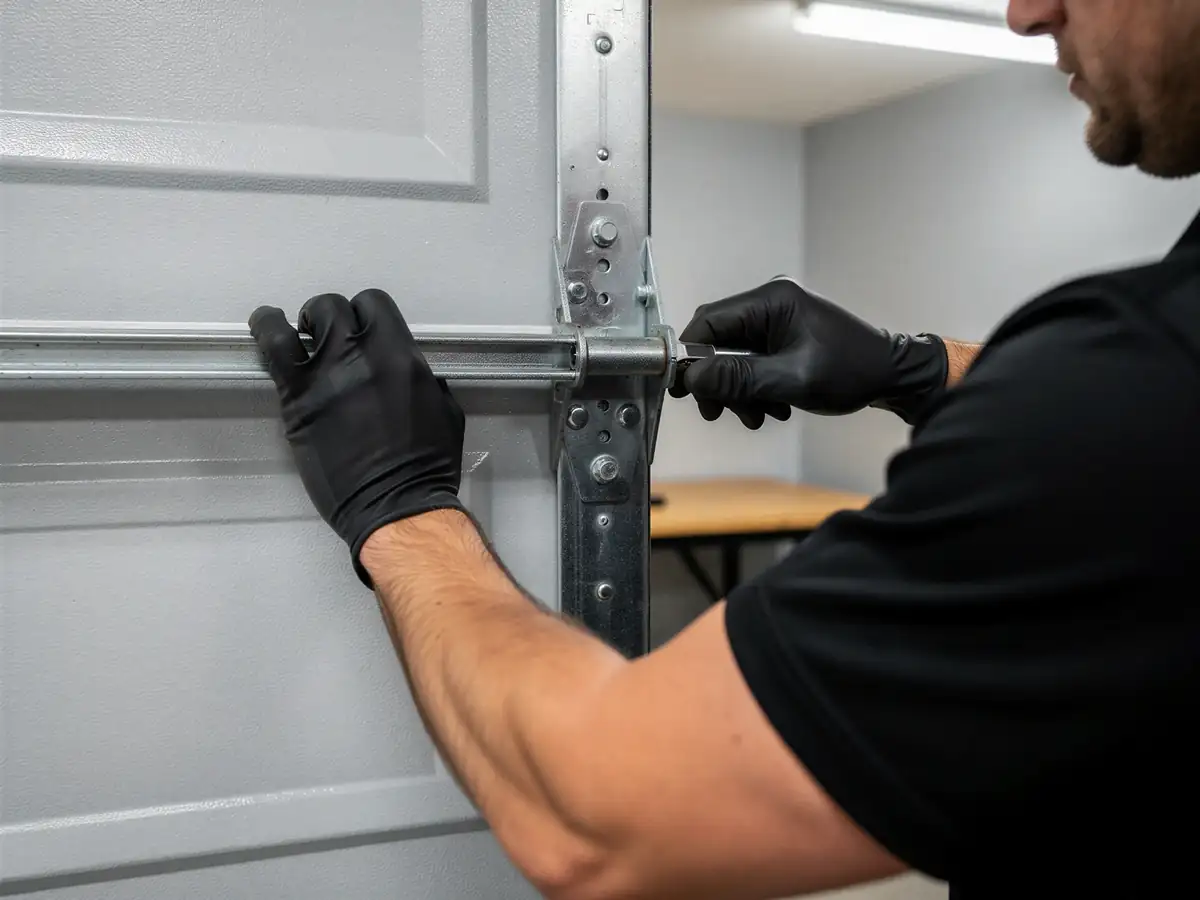
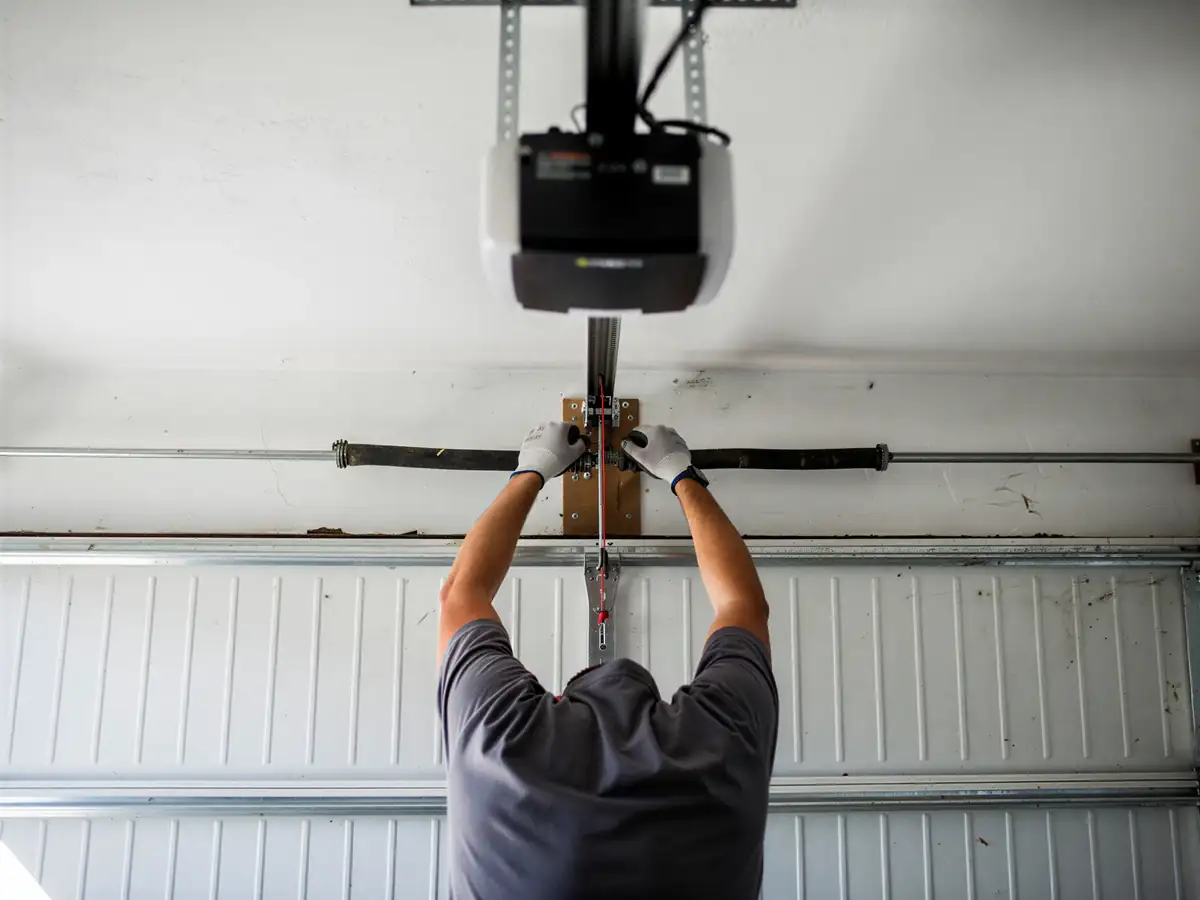
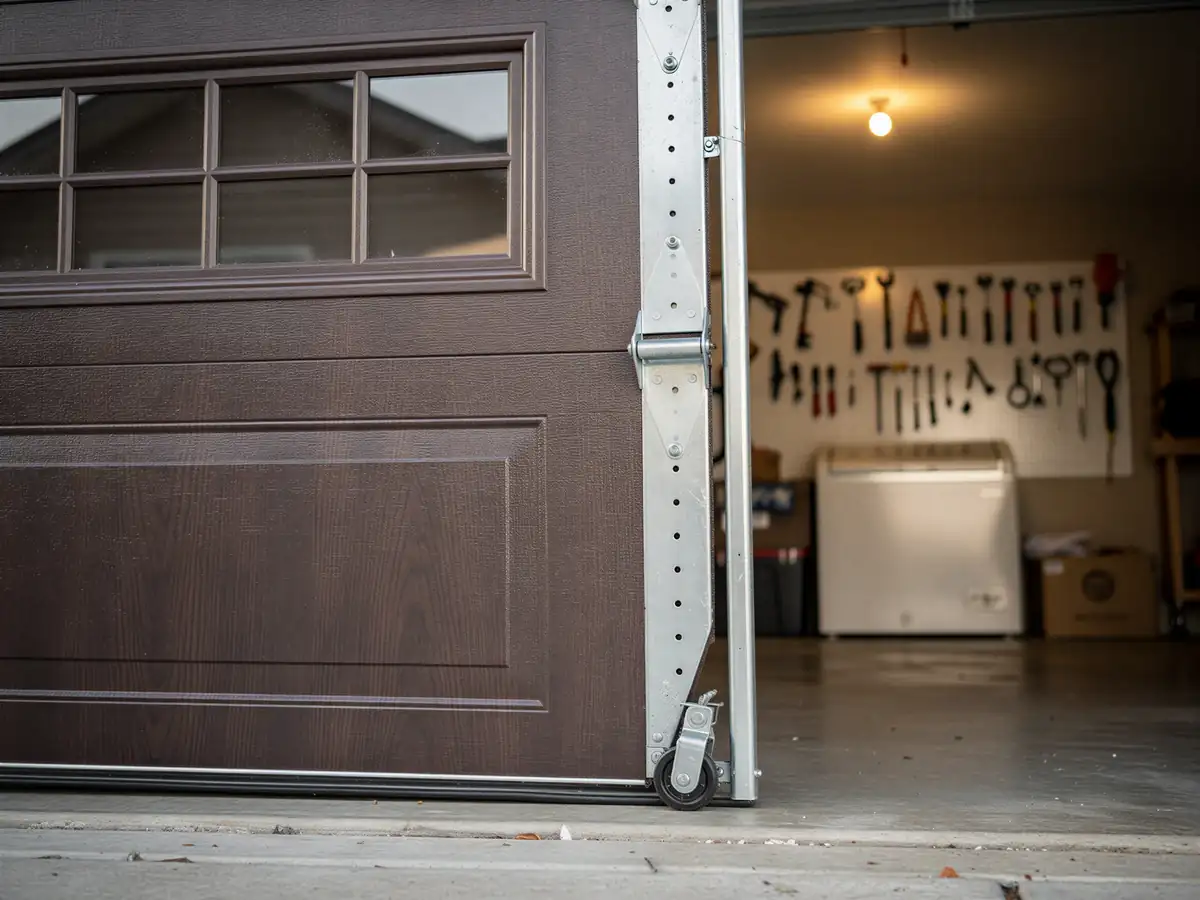
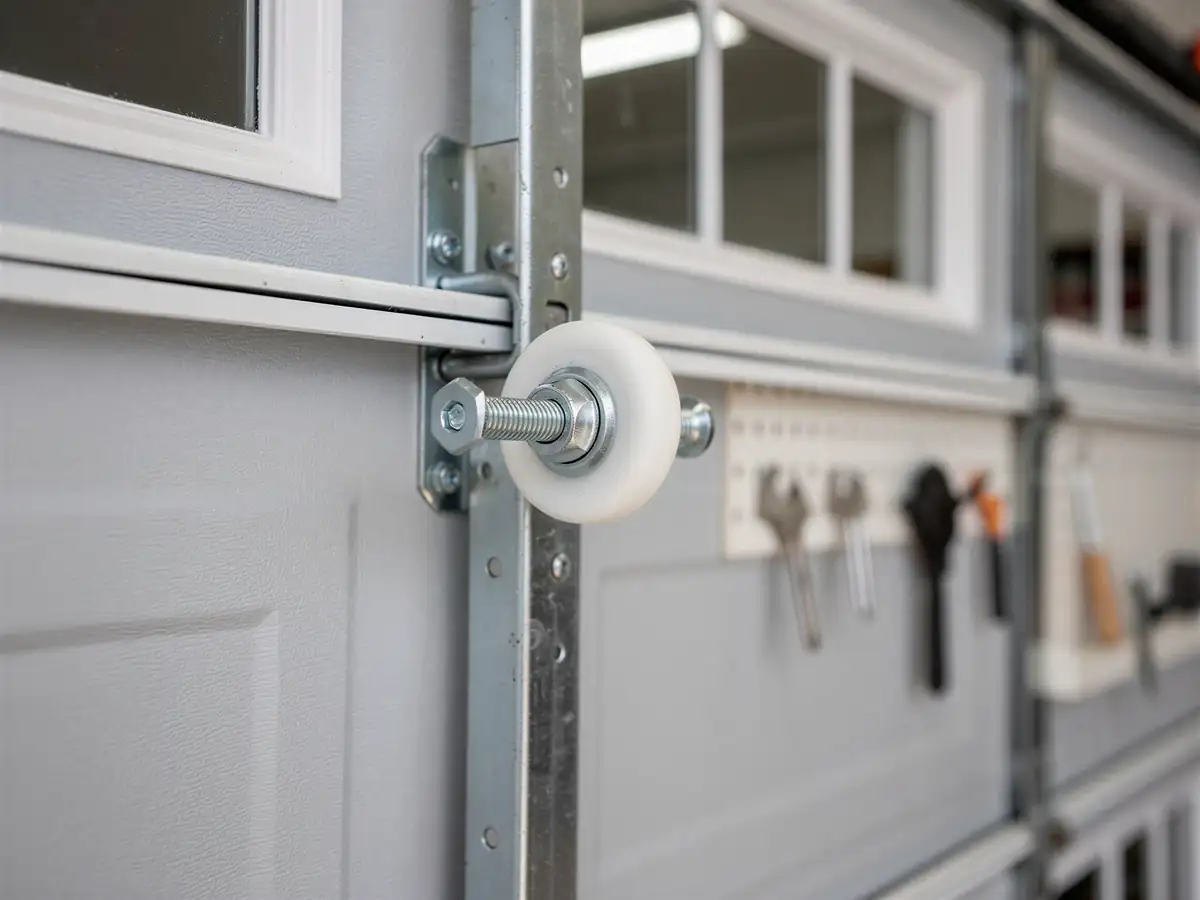
A torsion spring under tension is not a do-it-yourself repair - that's true everywhere, not just here, and it's worth saying plainly because garage door springs are one of the more dangerous home repairs a homeowner can attempt. What you can check yourself before calling: whether the door is visibly off-balance (it should hold position halfway open, unsupported), whether the rollers are worn or cracked, and whether the weatherstripping at the bottom has gone stiff and cracked from the cold - all common on a door built around 1987 that's never been serviced.
If the opener is straining or reversing, don't keep running it. That's usually a spring losing tension, and running the opener against it just stresses the gears faster.