What You Pay
Lakeside is a small place
About 1,215 households, not a dense grid of streets but a scatter of lake-area homes built mostly around 1991. That size matters for the kind of calls we get out here: fewer total jobs than in Kalispell proper, but a tighter band of houses all hitting the same opener failures around the same age, because they were all built in roughly the same stretch.
- 1,215 households
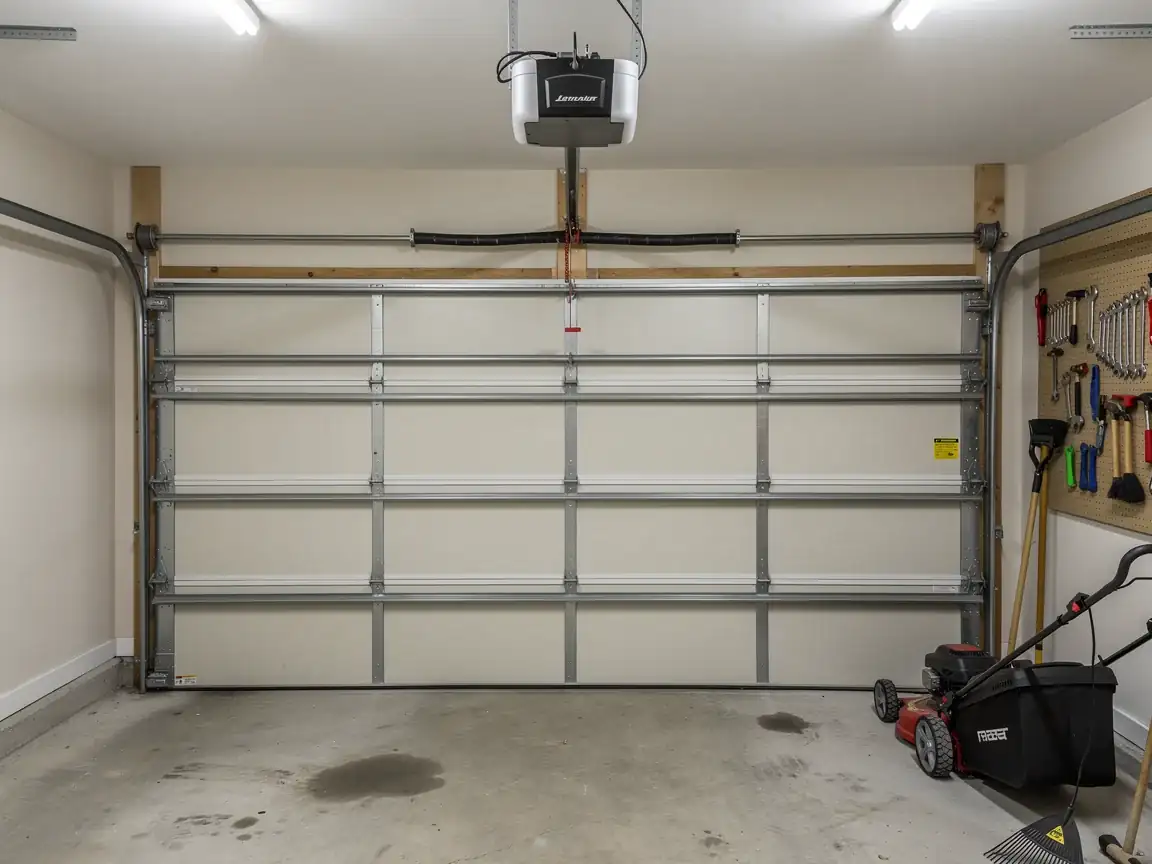
We don't post a flat price for opener installation because the job changes with what's already on the ceiling
A straight swap of a chain-drive unit on existing rail is one job. Pulling a worn screw-drive unit that's been grinding through a Montana winter, rewiring the wall control, and adding a battery backup for power-outage season is a longer one. The median household income in the wider service area sits at $71,110, and Lakeside runs higher than that - which we mention only because it shapes what people here tend to choose: more of our opener installs out this way go with the Wi-Fi-enabled, battery-backup units rather than the bare-minimum chain drive.
We'll give you a number after we see the door, the header clearance, and what's currently bolted up there
Not before.
Doing It Yourself
A lot of Lakeside homeowners are comfortable around tools, and an opener swap looks simple on video. It mostly is, right up until you're standing on a ladder trying to get the travel limits set on a door and track combination that's been shimmed, re-hung, or modified once already over thirty-plus years - which is common on houses from the early-90s wave this area was built in.
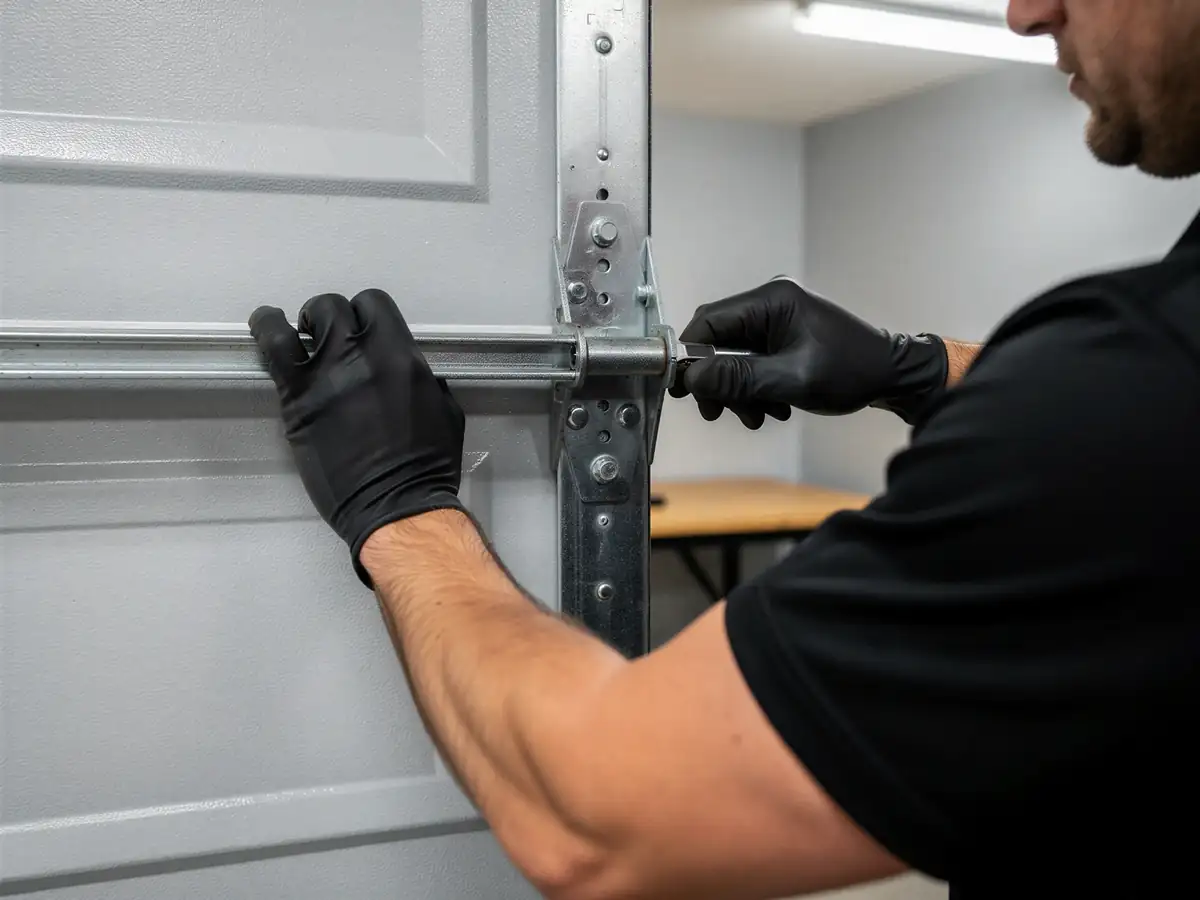
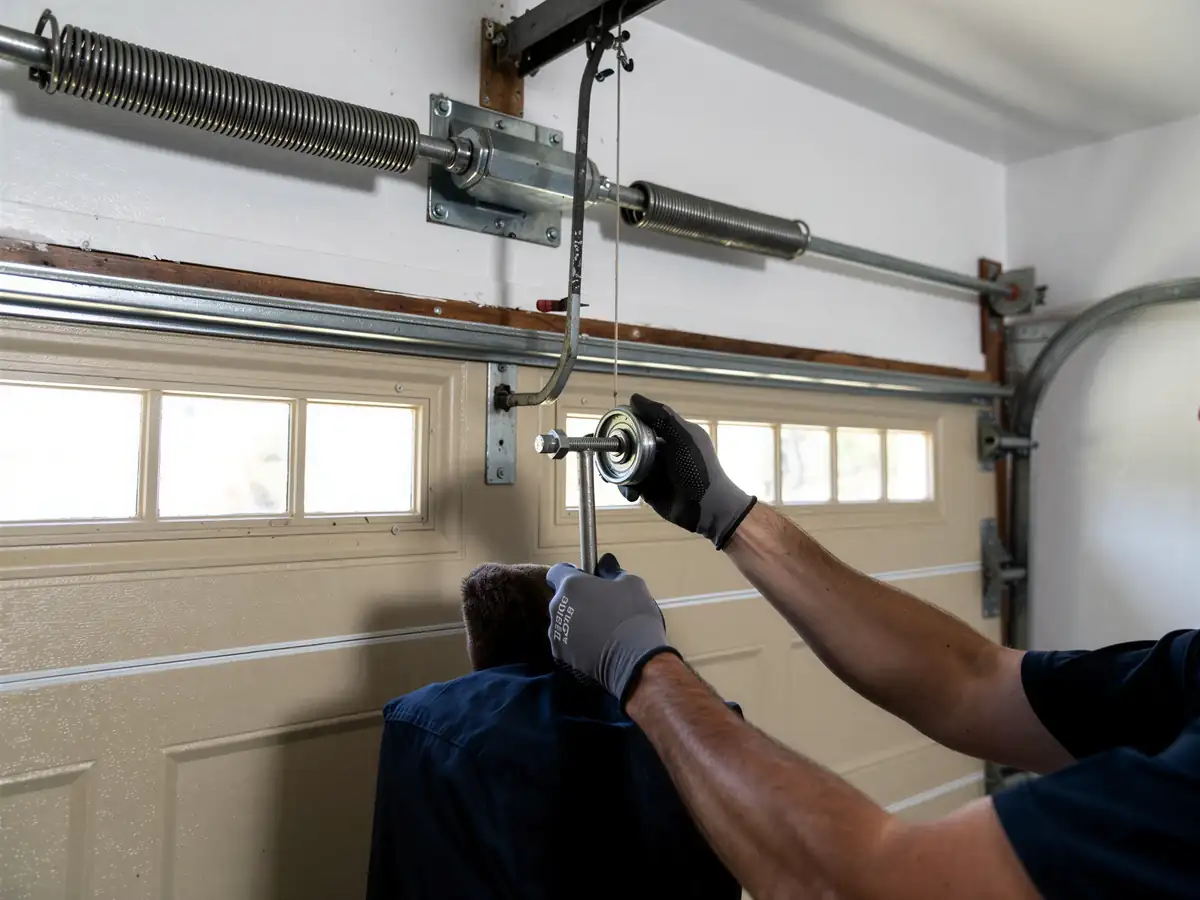
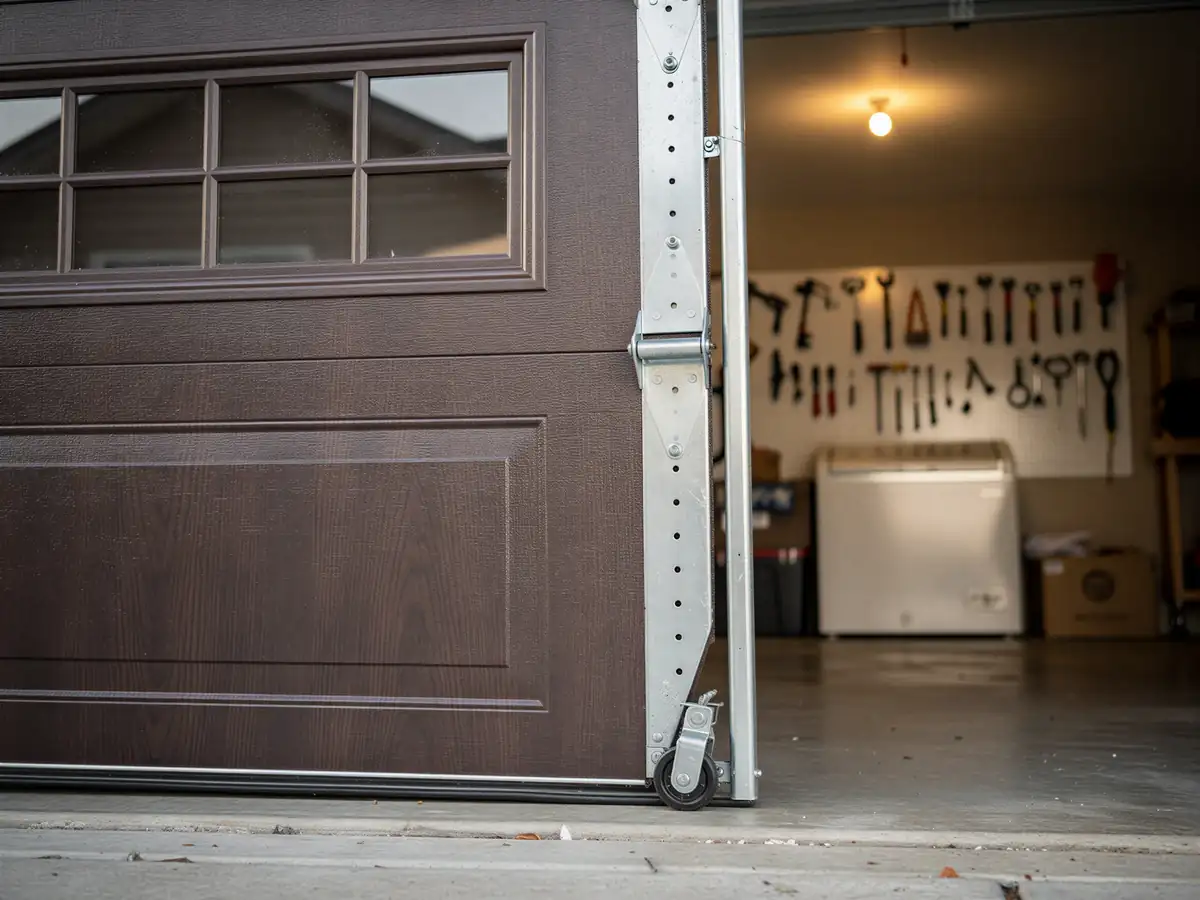
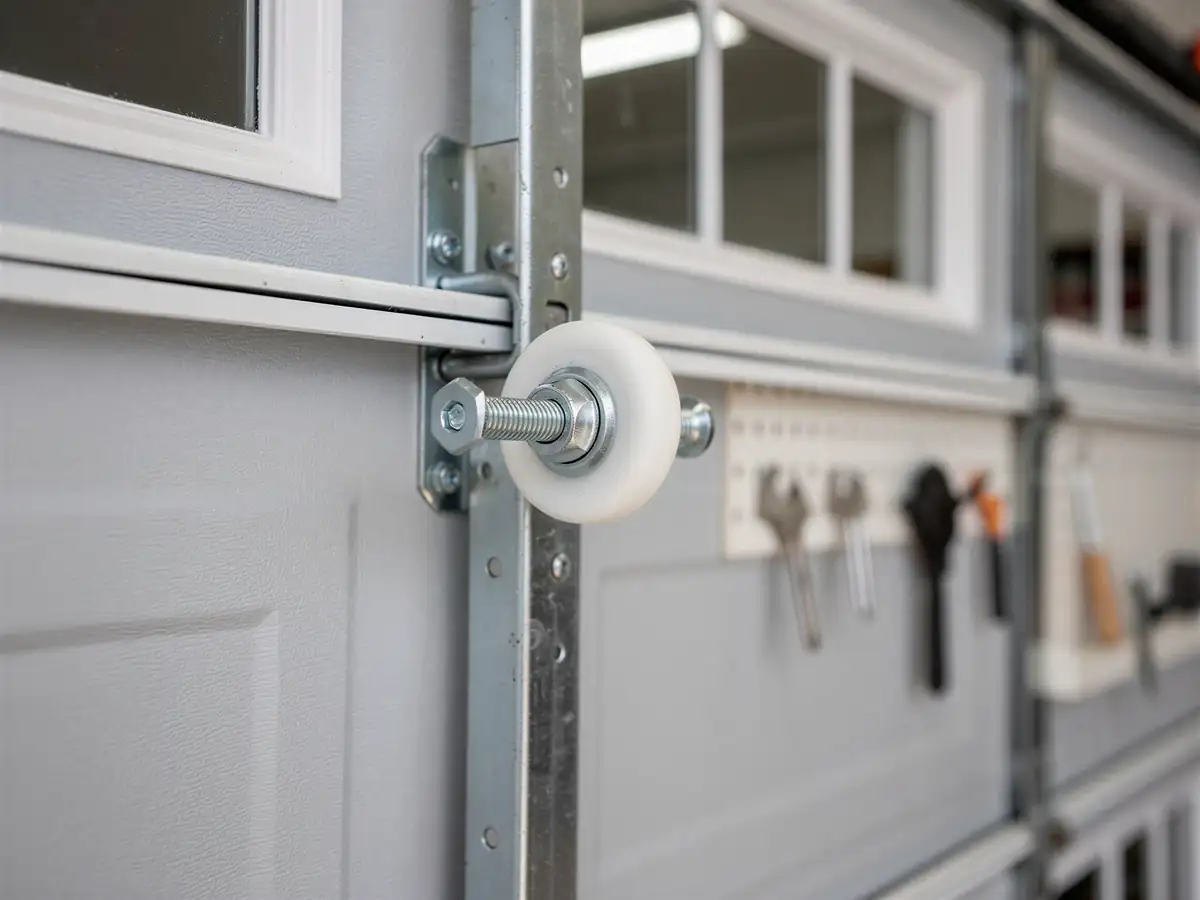
The part that trips people up isn't the opener itself, it's the door it's bolted to. If the spring tension is off, or the rollers are original and seized from cold, the opener will fight the door every cycle and burn out its own gears in a season or two. We've seen openers blamed for a problem that was never the opener.
If you want to do it yourself: check the travel and force settings carefully, make sure the door balances by hand with the opener disconnected before you ever bolt it back in, and don't skip the manual release test. If you're not getting a clean, quiet cycle in daylight before dark, that's the signal to stop and call.
How We Fix It
We come out from Kalispell - Lakeside is about a 14-mile drive - with the opener already matched to what we expect to find: mostly 1980s-90s stock hardware across this part of the service area, torsion or extension springs original or once-replaced, and openers that are frequently past their rated cycle count.
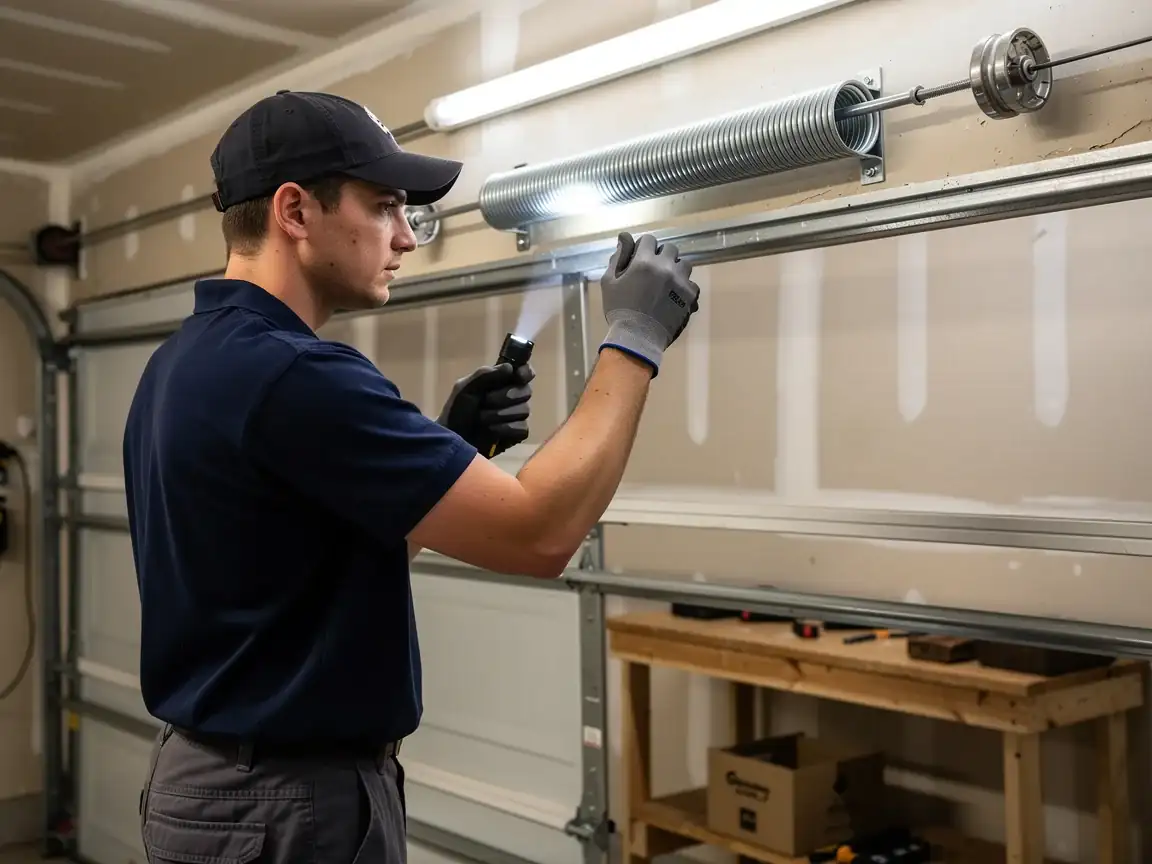
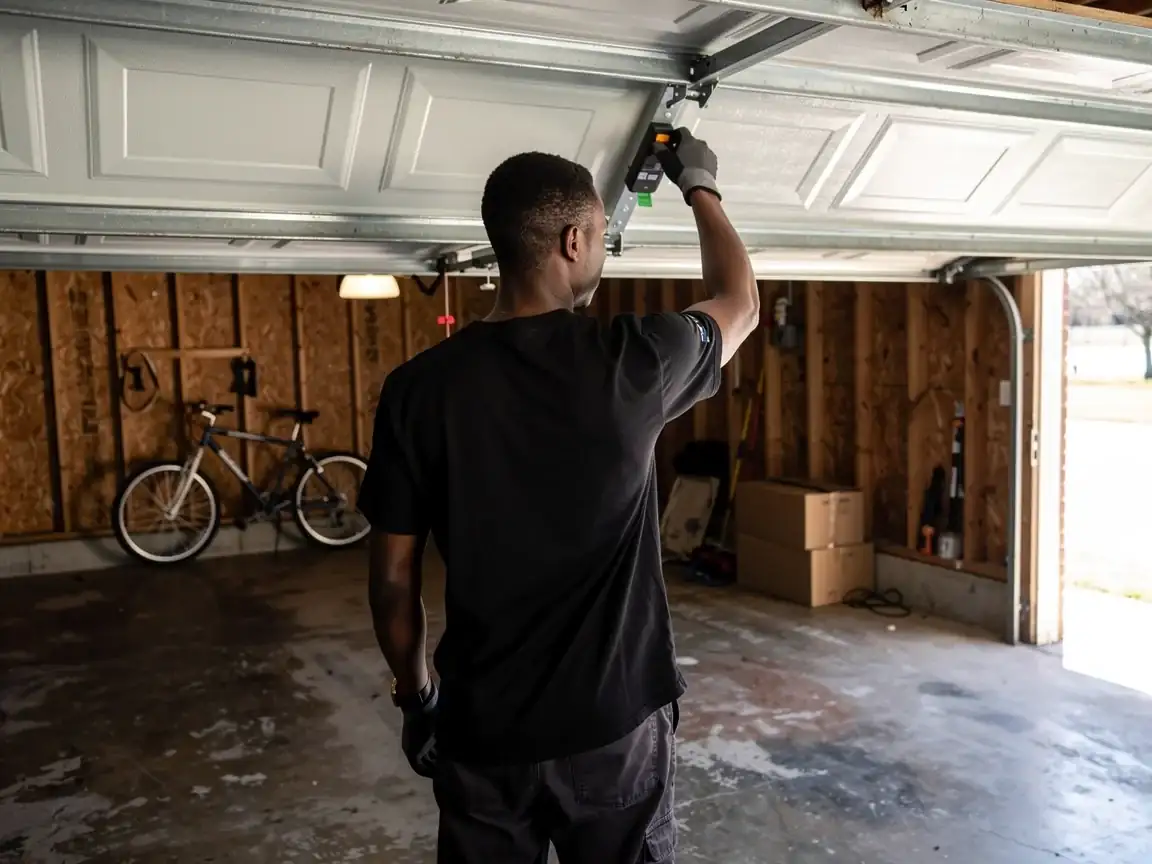
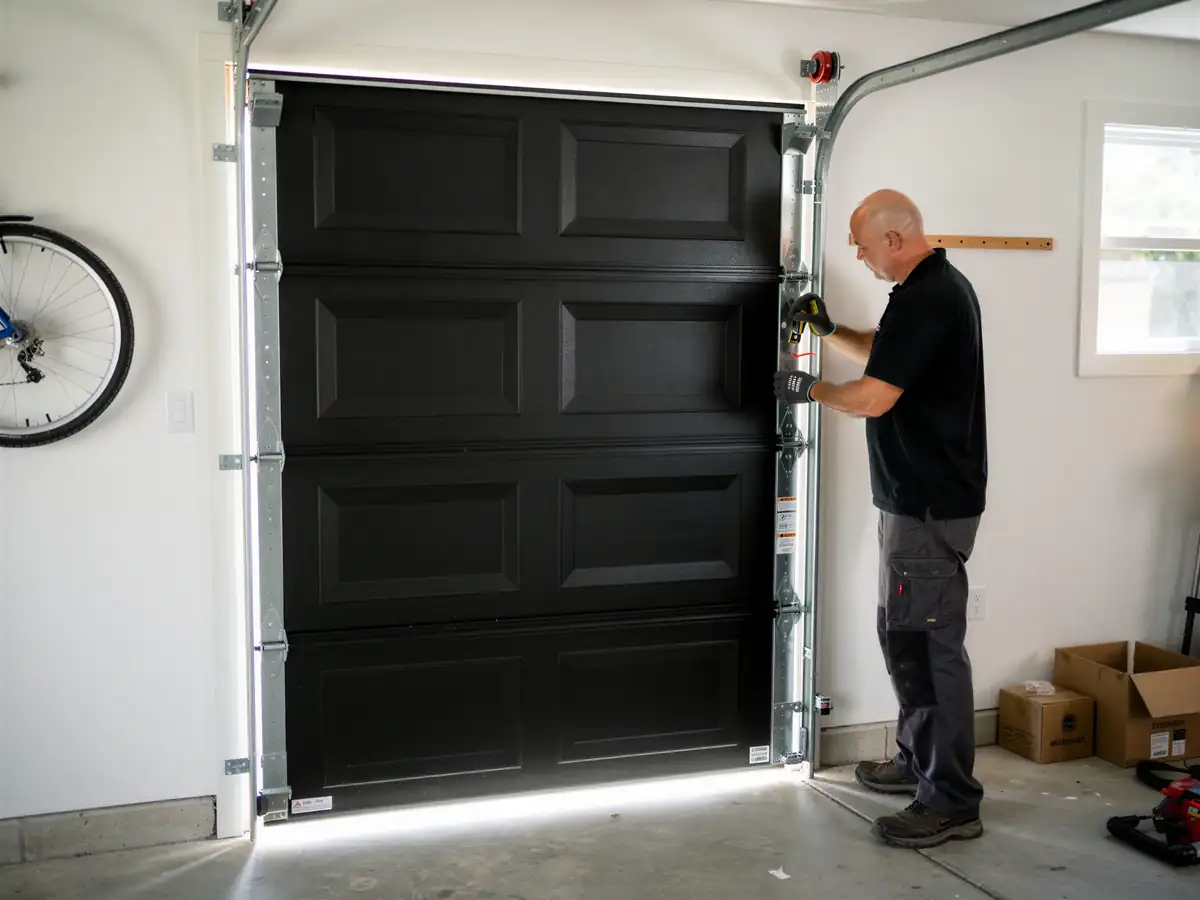
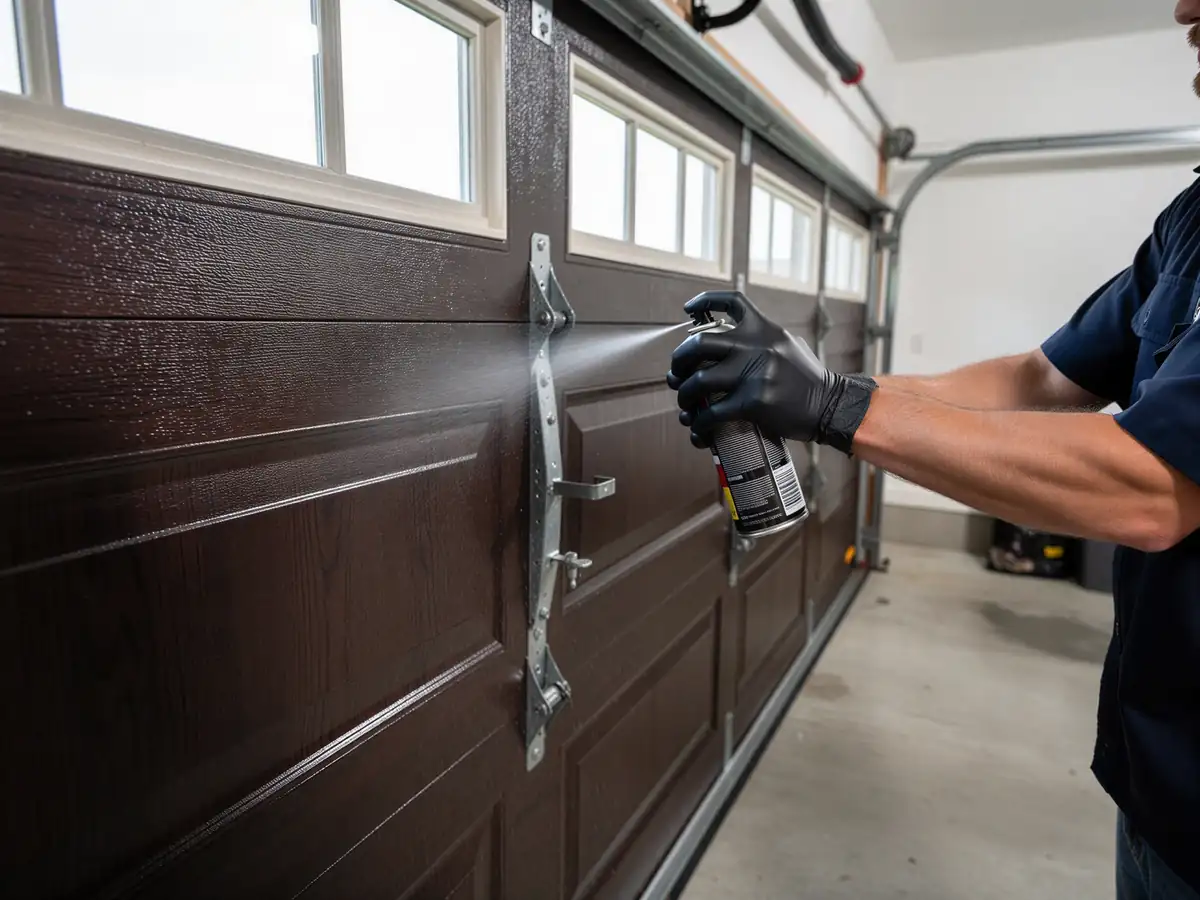
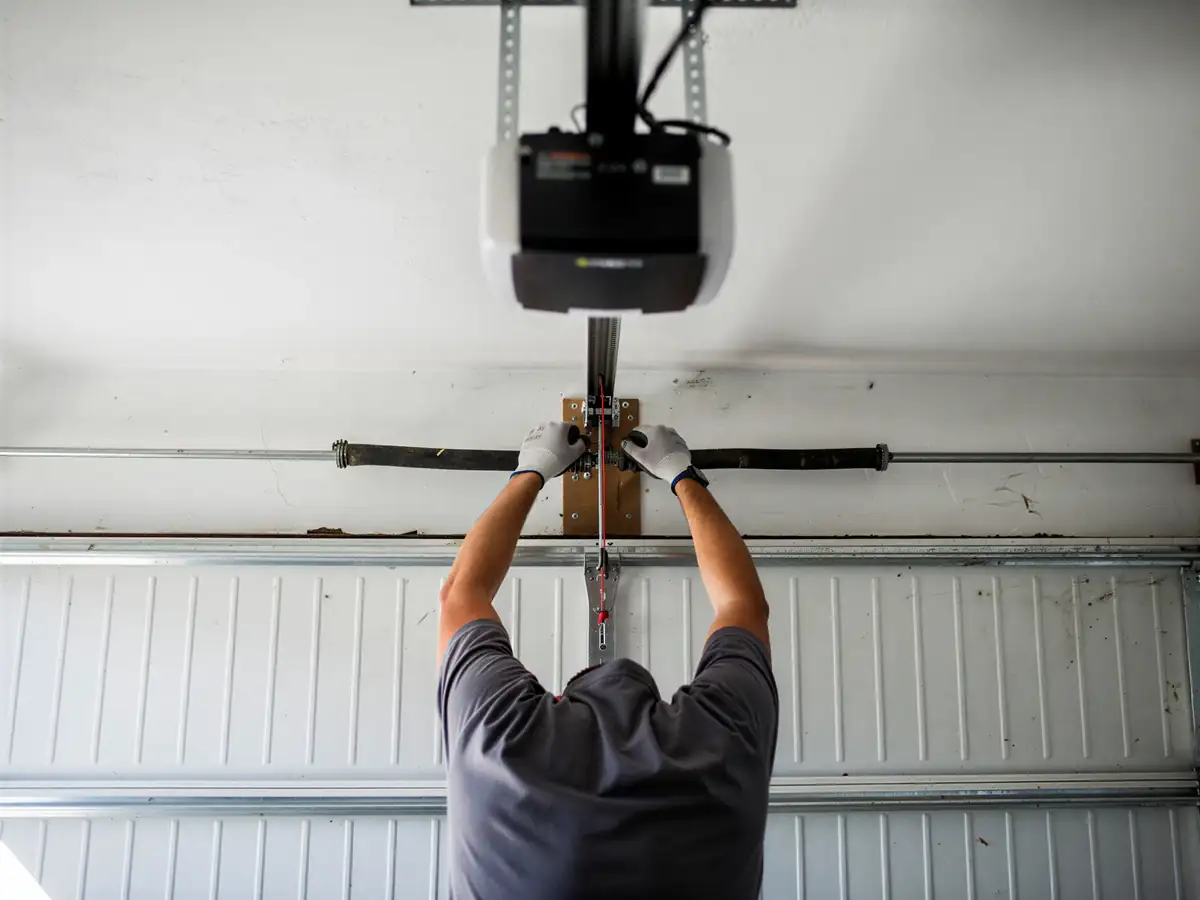
On site, we pull the old unit, check the door balance independent of any opener (a bad balance is the single most common reason a brand-new opener fails early), replace or adjust rollers and cable if they're the limiting factor, then mount and wire the new unit. For this climate band - cold, and severe at that - we set up battery backup as standard where the homeowner wants it, since a dead opener in a January outage with a car trapped inside isn't a rare complaint here.
We test full-cycle, set the safety reverse, and walk you through the app or wall control before we leave. If the door itself needs work beyond the opener - a cracked panel, a spring that should've been replaced years ago - we'll say so before we start, not after.
Where This Job Goes Sideways
The most common surprise on a Lakeside call is header clearance
A lot of the houses out here were built with just enough room for the openers available in 1991, and newer units - especially ones with a bulkier logic board or a belt-drive rail - sometimes don't clear the same space without a bracket change.
The second surprise is wiring
Houses from this era often ran a single switch loop to the garage and nothing else, so a Wi-Fi opener that wants a hardwired safety sensor pair and a dedicated outlet can mean an extra half hour of work we didn't originally quote.
Our honest limitation: we don't do structural header work
If the opening needs to be reframed to fit a modern unit, that's a carpentry job, and we'll tell you so rather than force a fit that strains the mounting bracket. We'd rather hand you a referral problem than leave you with an opener that pulls itself loose in six months.