Doing It Yourself
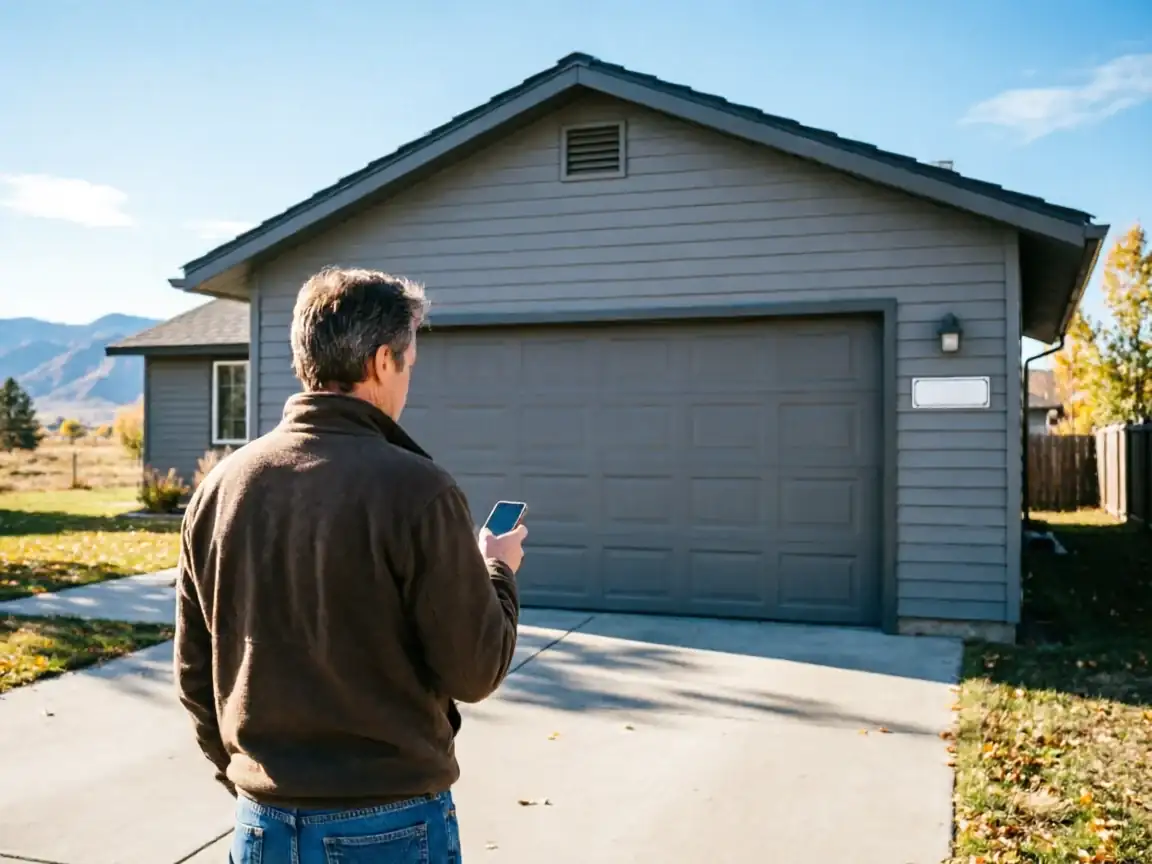
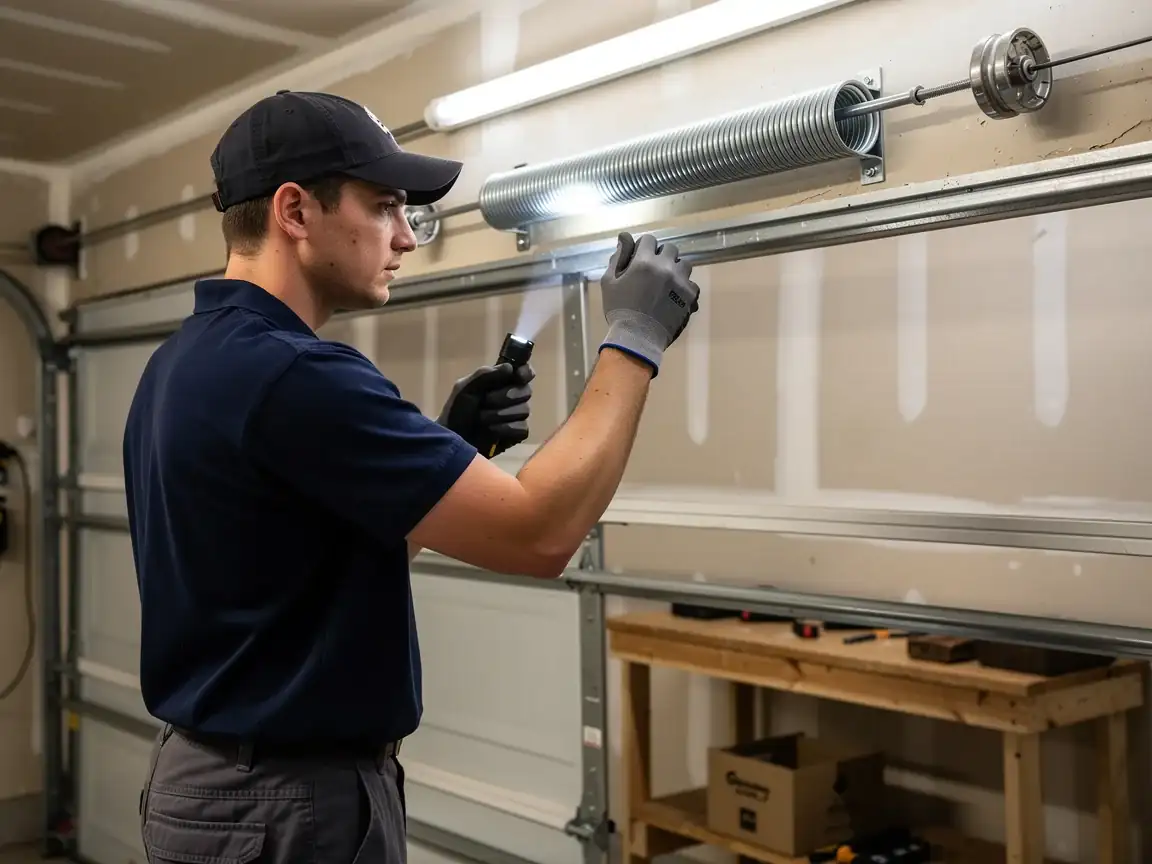
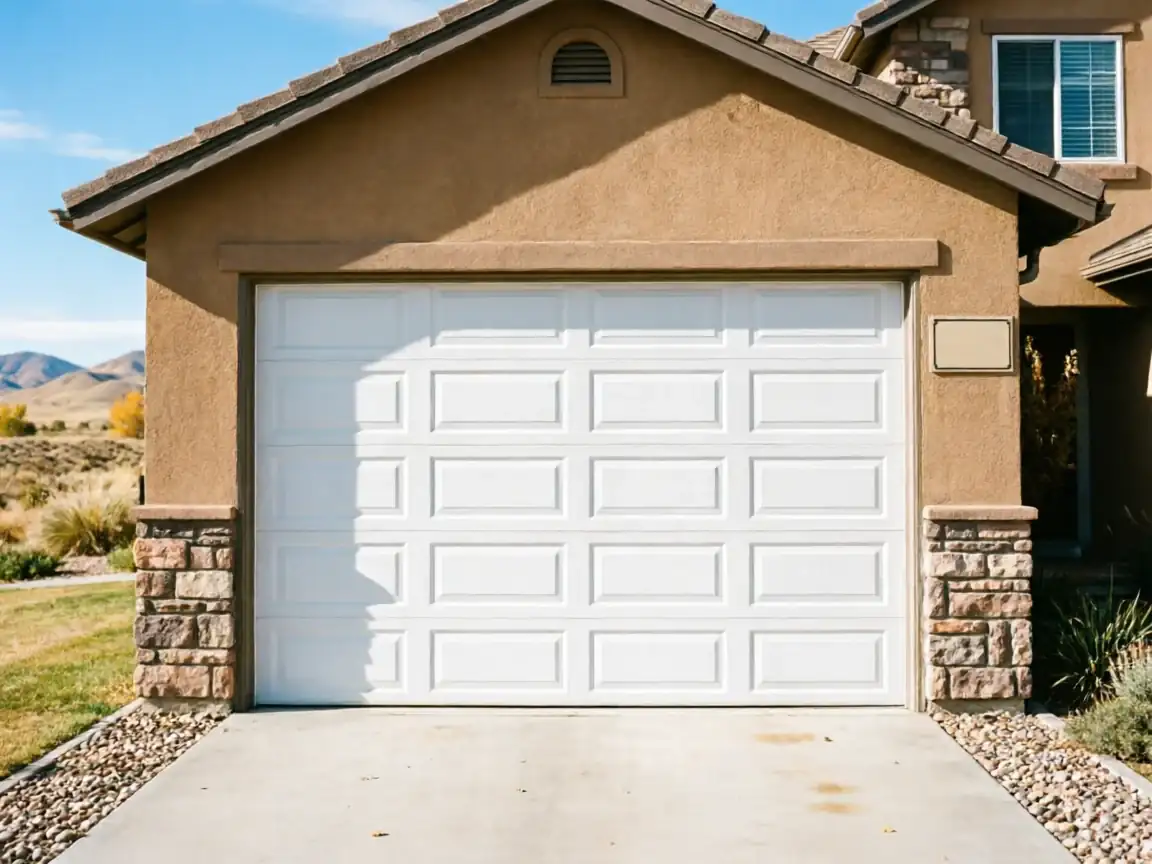
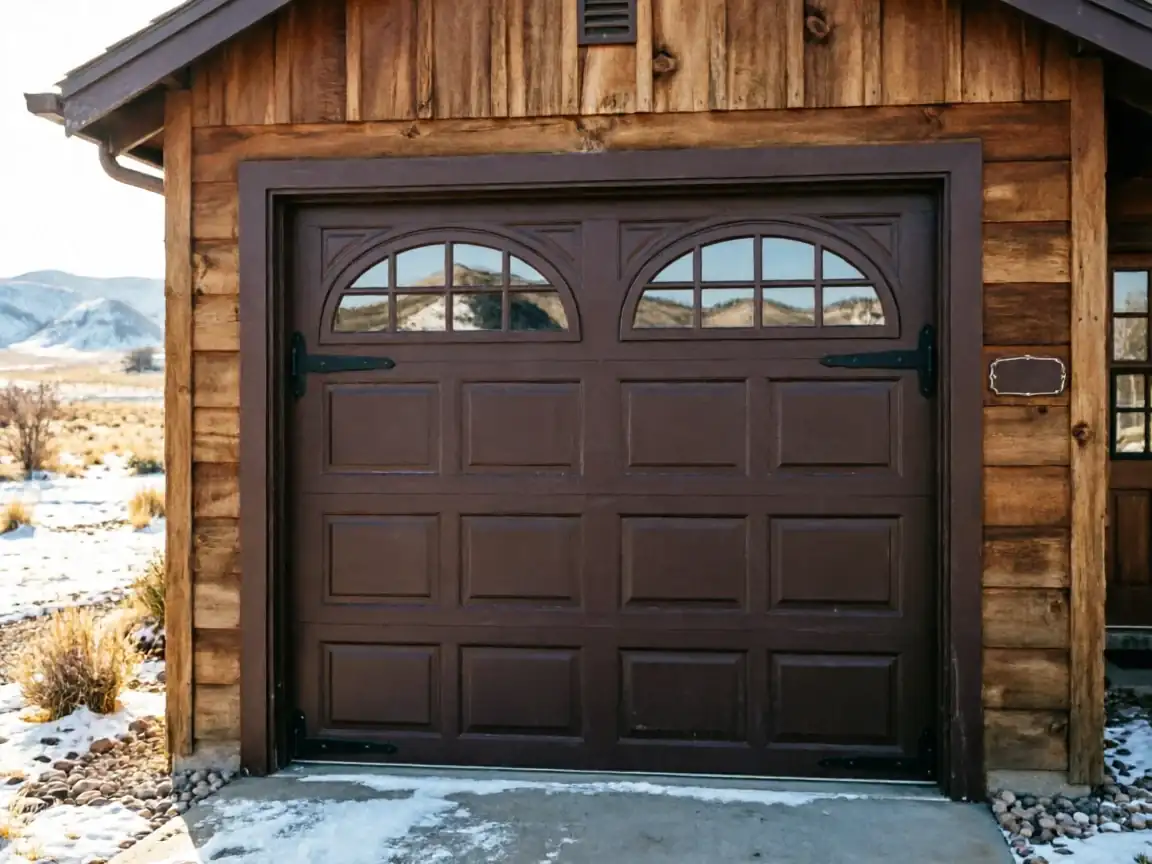
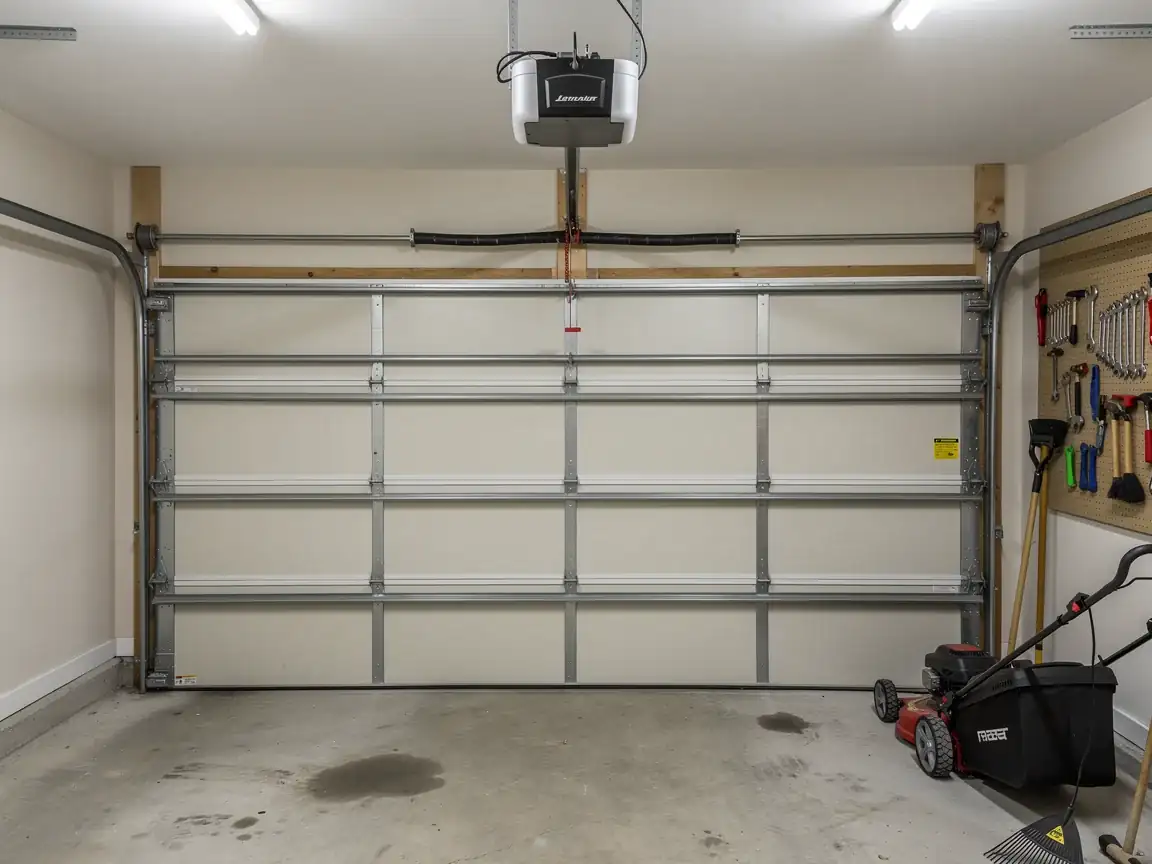
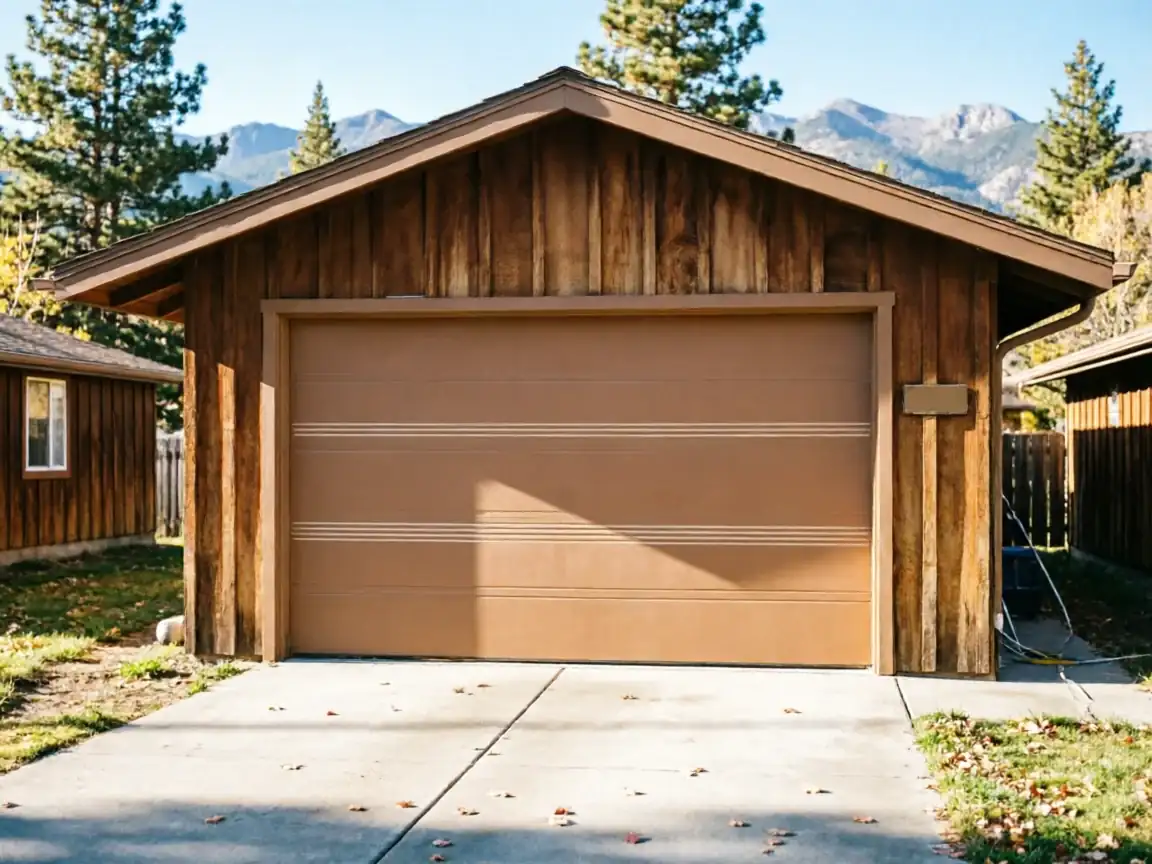
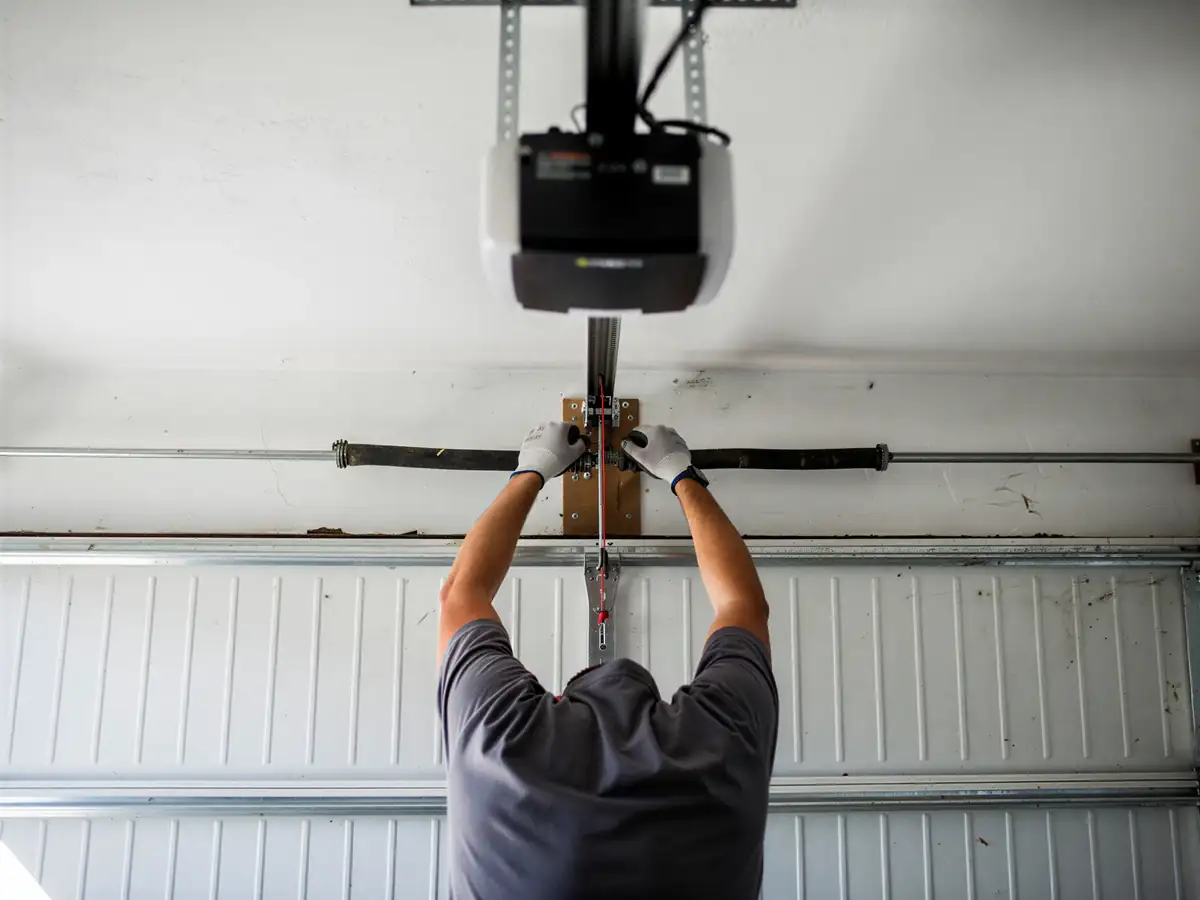
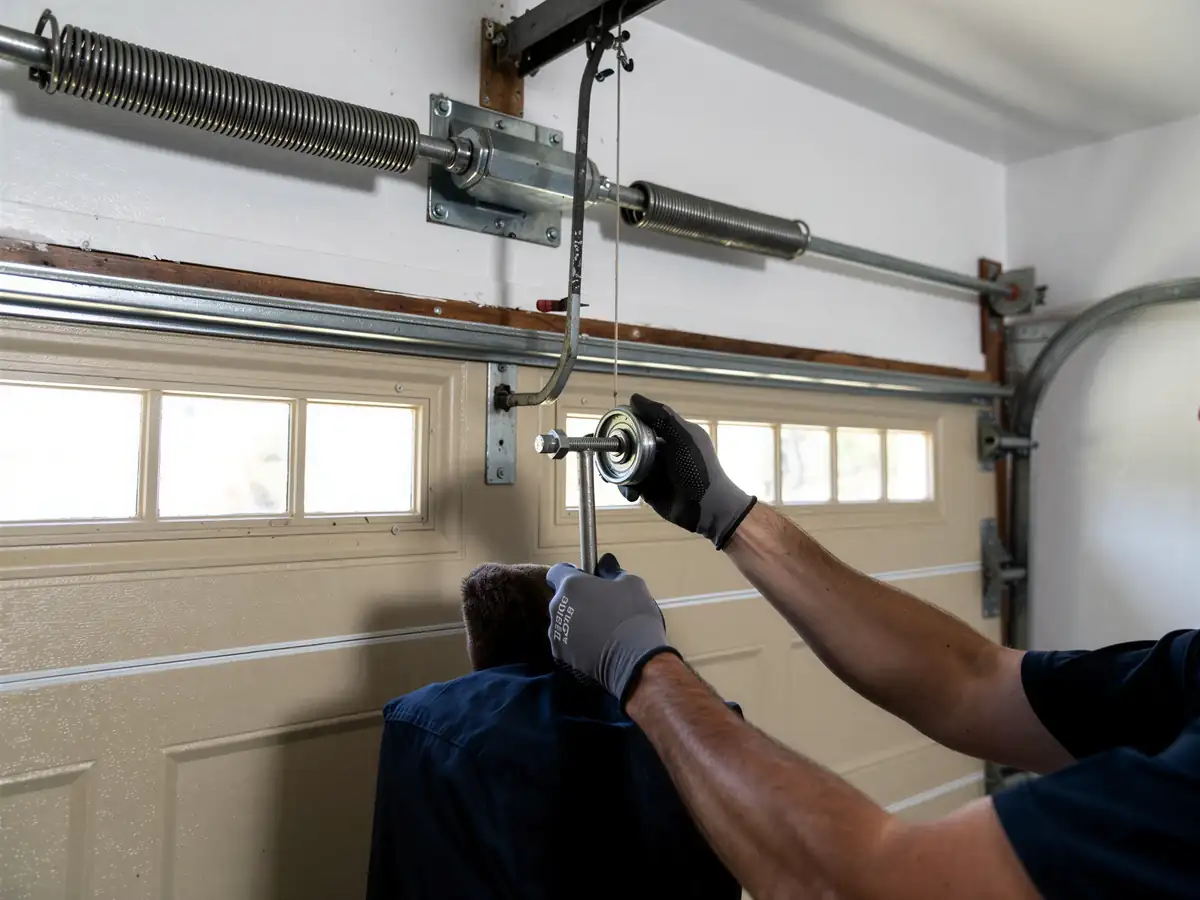
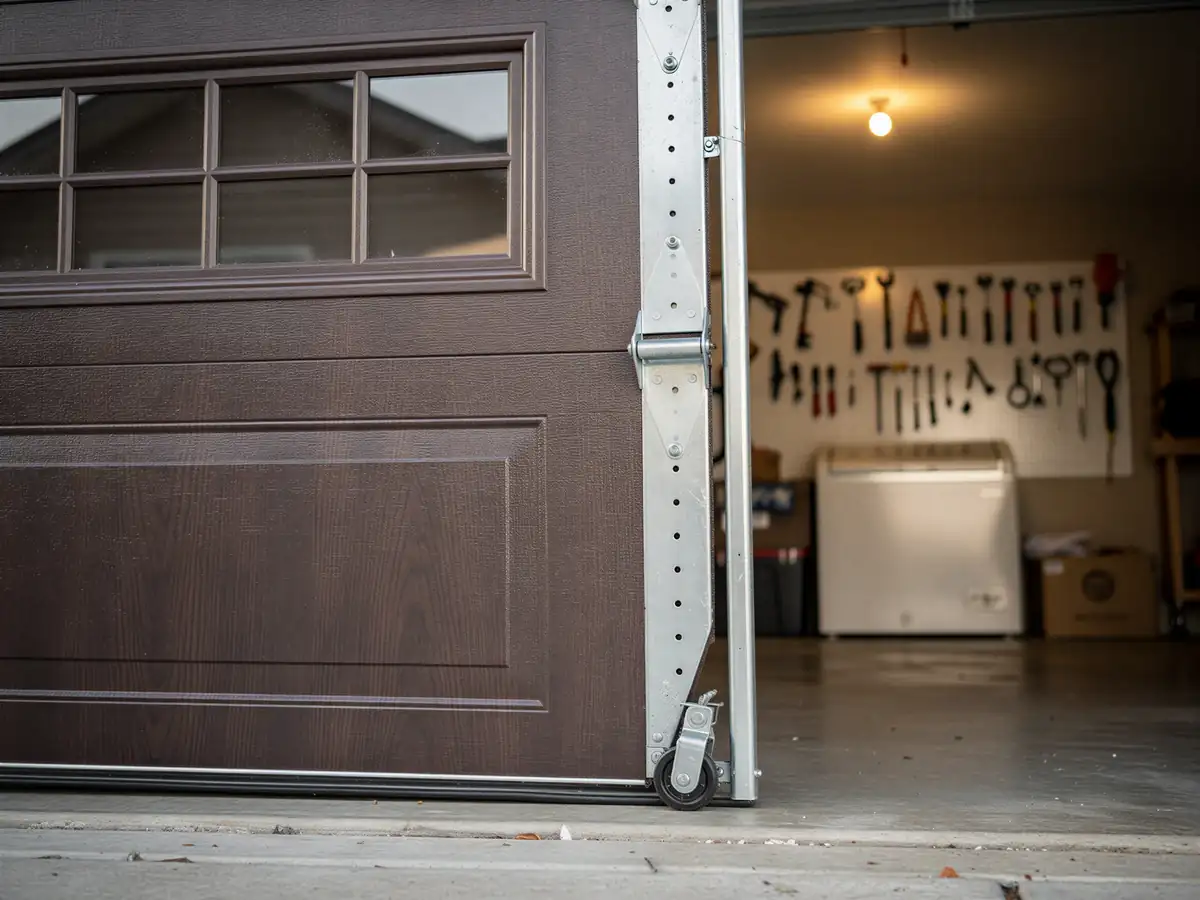
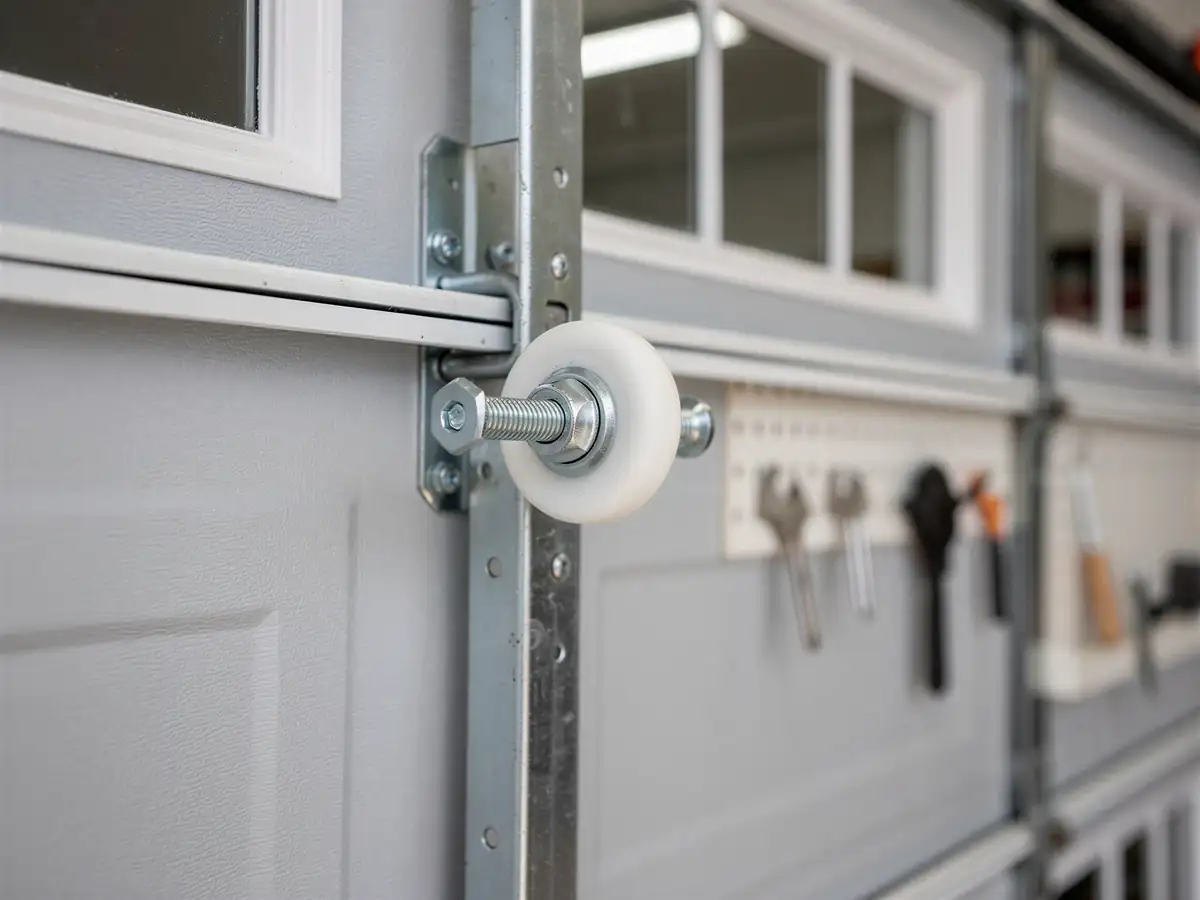
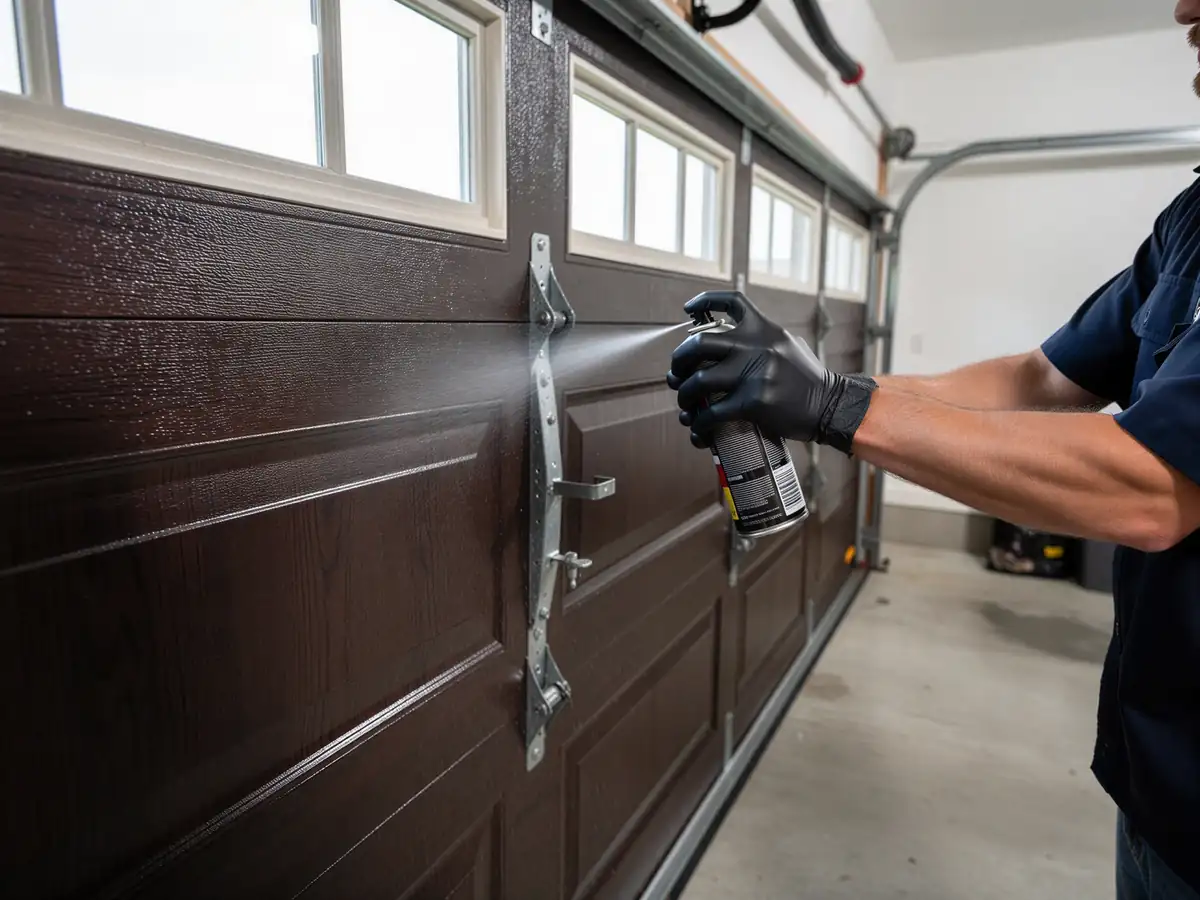
You can do some of this yourself, and you should. Wipe the tracks, check that the door reverses when it hits something, look at the cables for fraying near the bottom bracket, and keep the rollers lubed. What you shouldn't touch is the torsion spring itself - on a door this age, the spring is wound tighter than it looks, and backing off the winding cone without the right bars is how people lose fingers, not a figure of speech. Lakeside sits in the same severe-cold band as the rest of this part of Montana, which means winter is when grease that looked fine in July turns stiff and starts dragging on the opener's gears. A homeowner can switch to a cold-rated lithium grease on the rollers and hinges without any special tools. What a homeowner usually can't do well is judge how much life is left in a 1991 spring just by looking at it - that call is why the inspection part of the visit matters more than the lubrication part.
How We Fix It
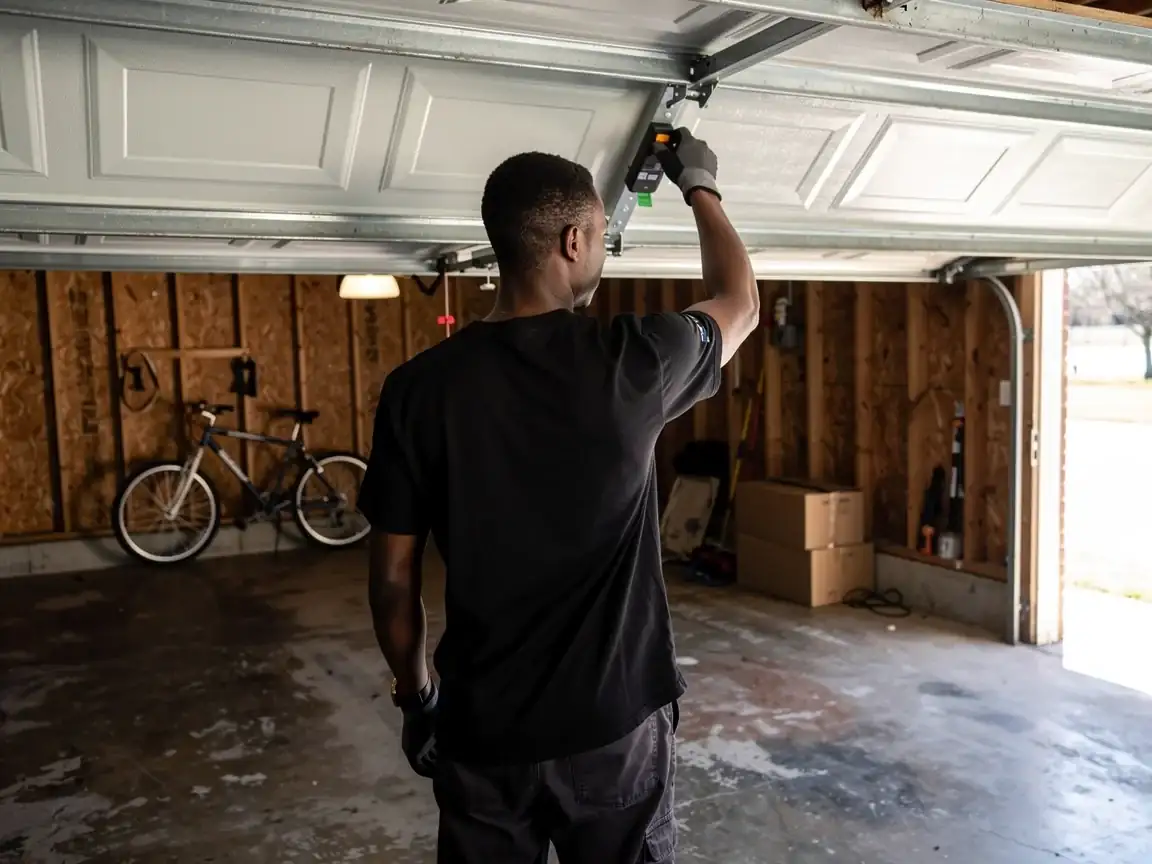
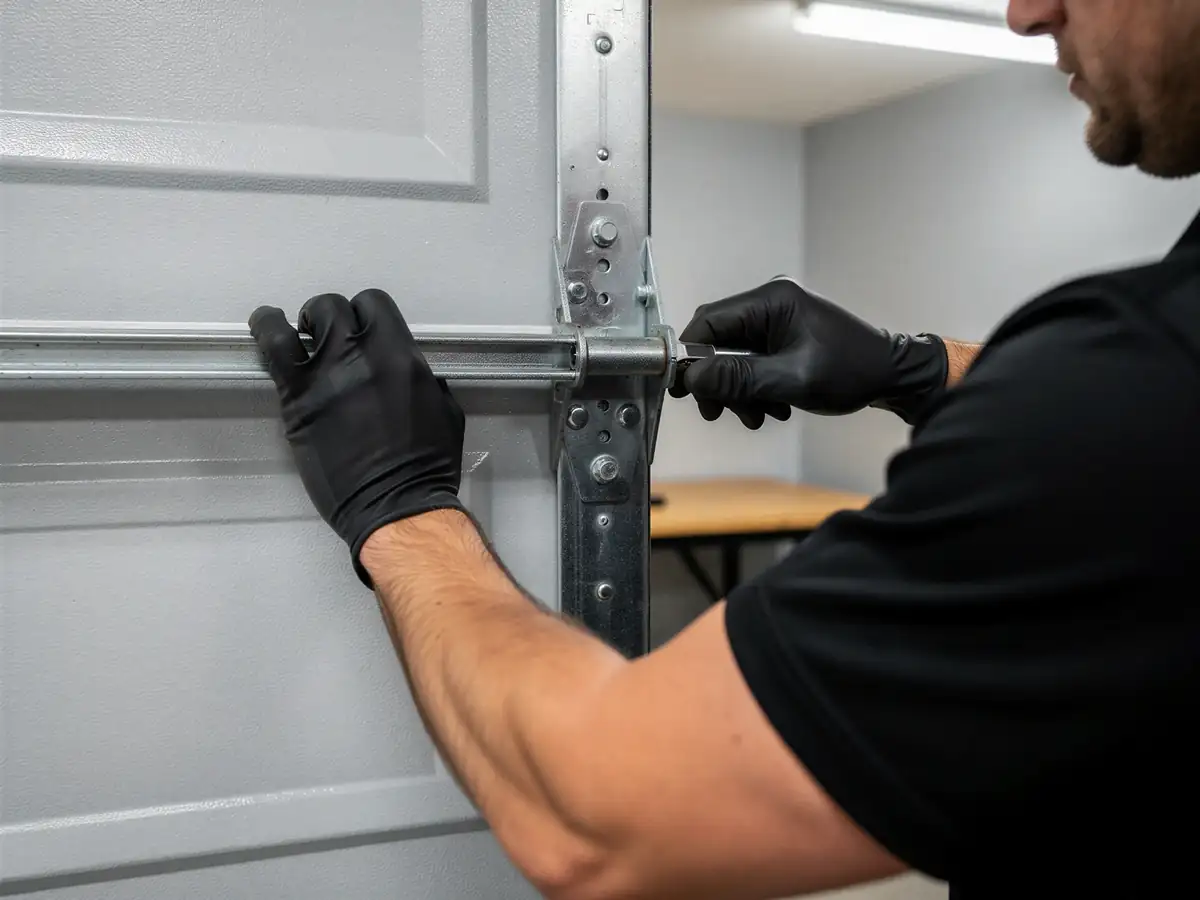
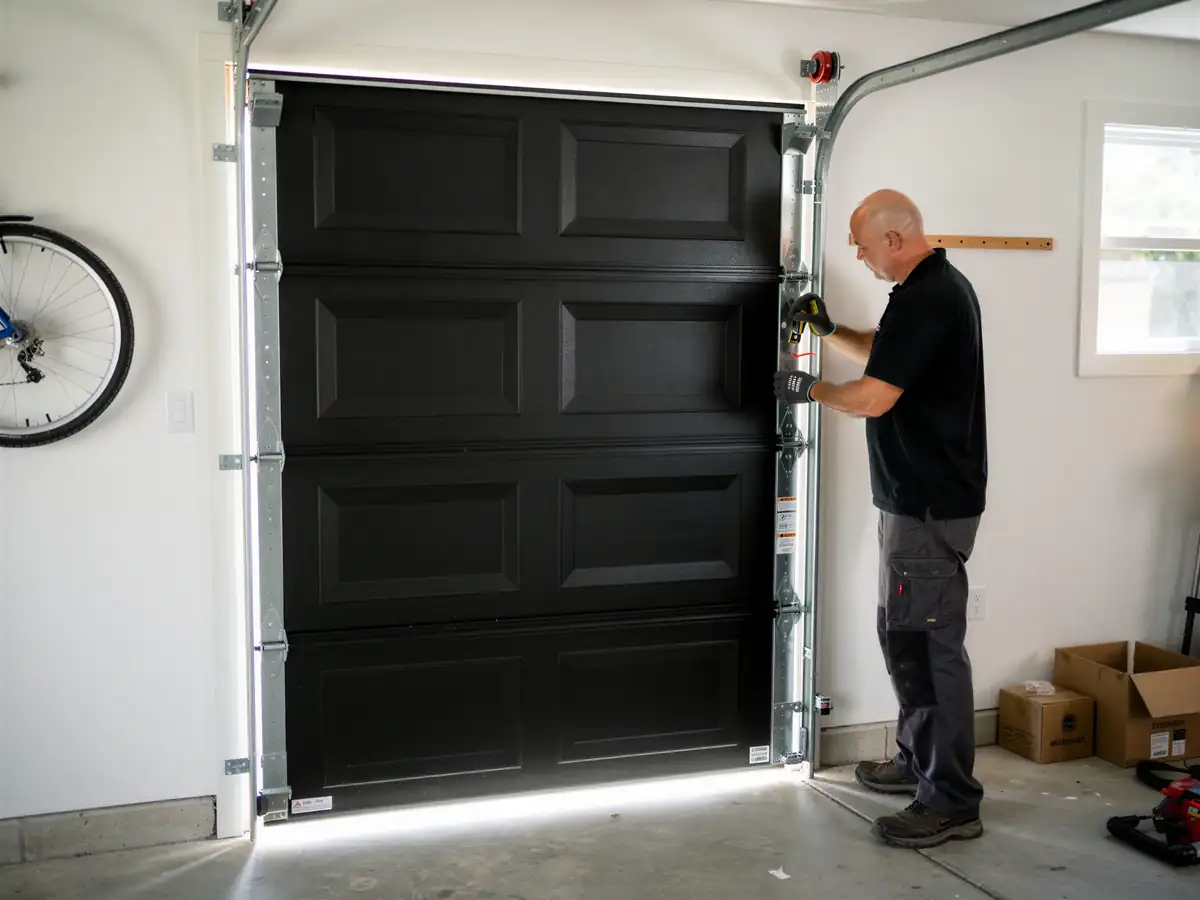
We come out from Kalispell, about 14 miles, so we load the truck with the parts a 1991-era door is actually likely to need before we leave - standard torsion springs, lift cables, and roller sets in the sizes that match that build era, rather than showing up and ordering something a week out. On a maintenance visit we check spring balance by hand, not just by eye: disconnect the opener, lift the door halfway, and see if it holds. If it drifts, the spring's going. We also check the opener's force settings, because original openers from this period were set once at install and rarely touched again, and after thirty-plus years of seasonal temperature swings those settings drift. Hardware gets re-torqued - bolts on hinges and brackets back out slowly on doors that get used daily for decades. None of this requires pulling the door off its track unless we find something broken, which on a routine visit is the exception, not the rule.